Skip to content
  • Home
  • Flying Squirrel
  • How-To Guides
    • Building Cages
    • DIY Projects
    • Drawing and Crafts
    • Pest Control
  • Monkey
  • Natural Habitats
  • Pet Care
    • Breeding and Babies
    • Daily Care Routines
    • Feeding and Nutrition
    • Health and Safety
    • Training and Behavior
  • Pet Ownership
    • Adoption Process
    • Cost and Pricing
    • Legal Requirements
    • Where to Buy
  • Pop Culture
  • Prairie Dog
About
Contact

Category: Natural Habitats

Exotic Animal Natural Habitats explore the wild biogeographical ecosystems, climatological microclimates, and ecological niches of exotic wildlife, providing the scientific foundation for replicating naturalistic environments in captivity.

Ecosystem Analysis
Prairie Biomes
Forest Canopy
Habitat FAQs

Native Ecosystems & Wildlife Ecology Guides

Core Guide

What's the Difference Between a Groundhog and a Prairie Dog?

Comprehensive guidance and procedural walkthrough on what's the difference between a groundhog and a prairie dog? for exotic pet guardians.

Essential Protocol

What Eats a Prairie Dog? Natural Predators Revealed

Comprehensive guidance and procedural walkthrough on what eats a prairie dog? natural predators revealed for exotic pet guardians.

Field Manual

What Is the Habitat of a Flying Squirrel? Environment

Comprehensive guidance and procedural walkthrough on what is the habitat of a flying squirrel? environment for exotic pet guardians.

Biomimetic Husbandry: Deconstructing Wild Ecosystems to Optimize Captive Environments

The fundamental principle of advanced exotic animal husbandry is biomimicry: designing captive enclosures, diets, and lighting cycles that replicate the wild ecosystem in which the species evolved over millions of years. Understanding the Great Plains shortgrass prairie ecosystem inhabited by black-tailed prairie dogs, or the temperate broadleaf deciduous forests traversed by Southern flying squirrels, equips handlers to design habitats that fulfill both instinctual drives and physiological needs.

In their native Great Plains biomes spanning North America from Canada to Mexico, prairie dogs engineer complex subterranean towns extending up to 15 feet underground with separate sleeping, nursing, and latrine chambers. In captivity, denying fossorial rodents the ability to dig and tunnel creates chronic psychological distress, manifesting in stereotypic wire-gnawing and bar-chewing. Recreating natural thermal gradients, soil-sand burrowing textures, and sun-simulating full-spectrum lighting honors their wild evolutionary heritage.

SpeciesNative Geographic BiomeMicroclimate CharacteristicsCaptive Biomimetic Application
Black-Tailed Prairie DogNorth American Shortgrass PrairieArid, extreme seasonal temps, subterranean stable humidityDeep dig boxes with coco-sand substrate, low-moisture timothy hay
Southern Flying SquirrelEastern Deciduous Hardwood ForestsDense canopy, high relative humidity, nocturnal foliage coverVertical multi-branch flight paths, fleece sleep cavities, low lighting
Common MarmosetBrazilian Atlantic Rainforest / CerradoWarm, humid tropical canopy, high solar UV radiationFull-spectrum UVB lighting, high canopy perches, gum feeding stations
Sugar GliderAustralian & Indonesian Eucalyptus ForestsWarm temperate to tropical woodland, abundant tree sap & blossomsHigh-placed nectar feeders, wide canopy glides, thermal heating pads

Ecological awareness also highlights the vital role these species play in their native ecosystems. Prairie dogs are keystone engineers whose burrow towns provide shelter for burrowing owls, black-footed ferrets, and rattlesnakes. Appreciating their ecological significance inspires compassionate, species-appropriate captive care that respects their wild biology.

Natural Habitats Articles & Topic Directory

Prairie & Grassland Ecosystems

  • What Animal Is Similar to a Prairie Dog? Lookalike Species
  • Why Did Swahili Export Exotic Animals? Historical Trade
  • Where Can You Find a Flying Squirrel? Location Guide
  • Why Is a Prairie Dog a Keystone Species? Ecological Impact
  • Who Discovered the Prairie Dog? Explorer History
  • What Does a Flying Squirrel Nest Look Like? (Photos)

Forest Canopies & Wildlife Ecology

  • Why Prairie Dog Wahoo? The Science Behind Their Calls
  • What Does a Prairie Dog Sound Like? Hear Their Unique Calls
  • What Do Prairie Dog Tunnels Look Like? Underground System
  • How Far Can a Flying Squirrel Find Its Way Home?
  • What's the Difference Between a Gopher and a Prairie Dog?
  • Where Was the Prairie Dog Discovered? Original Location

Frequently Asked Questions About Natural Habitats

What is a keystone species and why are prairie dogs considered one?

A keystone species is an organism that has a disproportionately large effect on its natural environment relative to its abundance. Prairie dogs are keystone species because their grazing maintains prairie grasslands and their burrow networks provide critical habitat for over 150 other wildlife species.

What type of forest do flying squirrels live in naturally?

Southern flying squirrels inhabit mature temperate deciduous and mixed forests throughout eastern North America, preferring stands of oak, hickory, beech, and maple that provide natural tree cavities for nesting and abundant acorn supplies.

Why is full-spectrum UVB light important for exotic animals kept indoors?

In their native habitats, wild animals absorb ultraviolet B (UVB) solar radiation to synthesize vitamin D3 in their skin, which is required for dietary calcium absorption. Replicating this with specialized captive UVB reptile/mammal bulbs prevents metabolic bone disease.

How Did Lewis and Clark Catch a Prairie Dog? Capture Story

How Did Lewis and Clark Catch a Prairie Dog? Capture Story

Discover how Lewis and Clark caught a prairie dog! Learn their surprising techniques and unravel the thrill of adventure in this captivating capture story.

What Do Prairie Dog Holes Look Like? Entrance Recognition
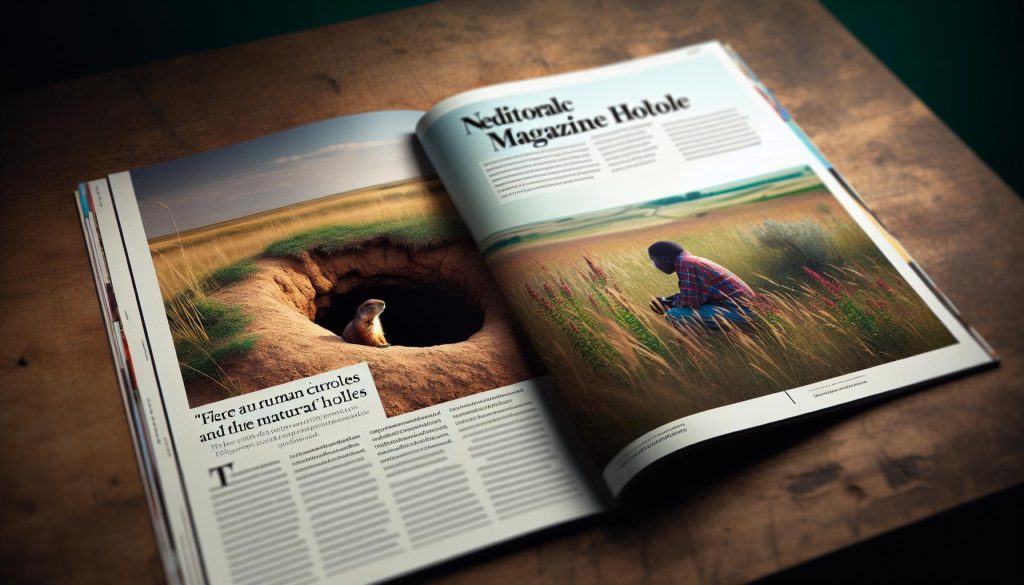
What Do Prairie Dog Holes Look Like? Entrance Recognition

Discover what prairie dog holes look like! Learn crucial entrance recognition tips and insights to identify these fascinating burrow systems today!

How Long Is Prairie Dog Train Ride? Duration & Route

How Long Is Prairie Dog Train Ride? Duration & Route

Discover the Prairie Dog Train Ride’s duration and scenic route! Learn how long this unique adventure lasts and plan your visit for an unforgettable experience.

When Was the Prairie Dog Discovered? Historical Timeline

When Was the Prairie Dog Discovered? Historical Timeline

Discover the fascinating history of the prairie dog! When was the prairie dog discovered? Uncover key moments in this engaging historical timeline.

How Many Exotic Animals Are There? Species Count Revealed

How Many Exotic Animals Are There? Species Count Revealed

Discover how many exotic animals there are! Learn the fascinating species count, their unique traits, and what makes them special. Don’t miss this captivating insight!

What Does a Prairie Dog Burrow Look Like? Inside Their Tunnels
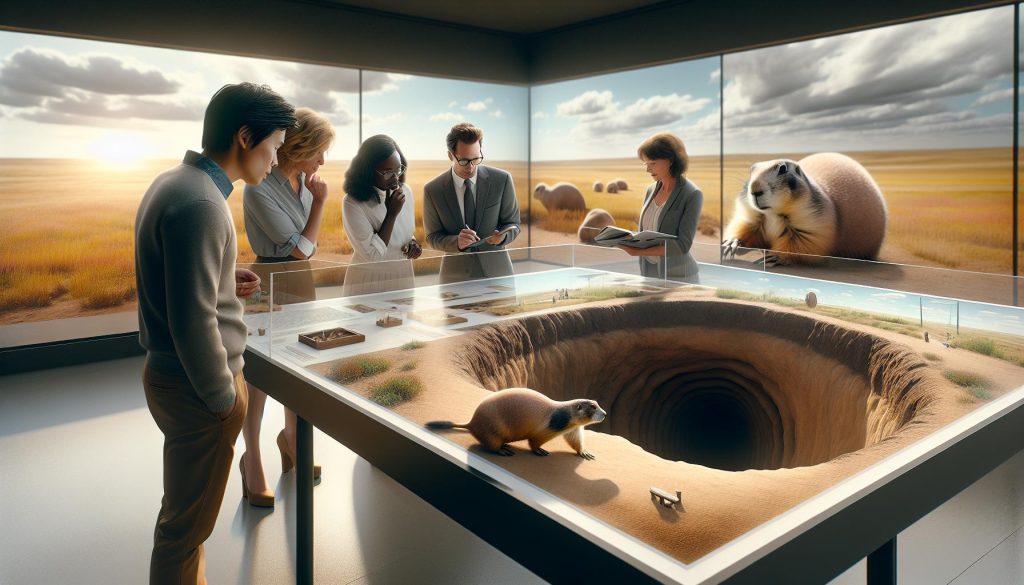
What Does a Prairie Dog Burrow Look Like? Inside Their Tunnels

Discover what a prairie dog burrow looks like! Explore their intricate tunnels and learn how these fascinating creatures thrive underground. Dive in now!

What Are the Most Exotic Animals? Rare Species Revealed
What Are the Most Exotic Animals? Rare Species Revealed

Uncover the world’s most exotic animals! Discover rare species, their habitats, and what makes them unique. Don’t miss out on this wild adventure!

Where Does the Black Tailed Prairie Dog Live? Range Map
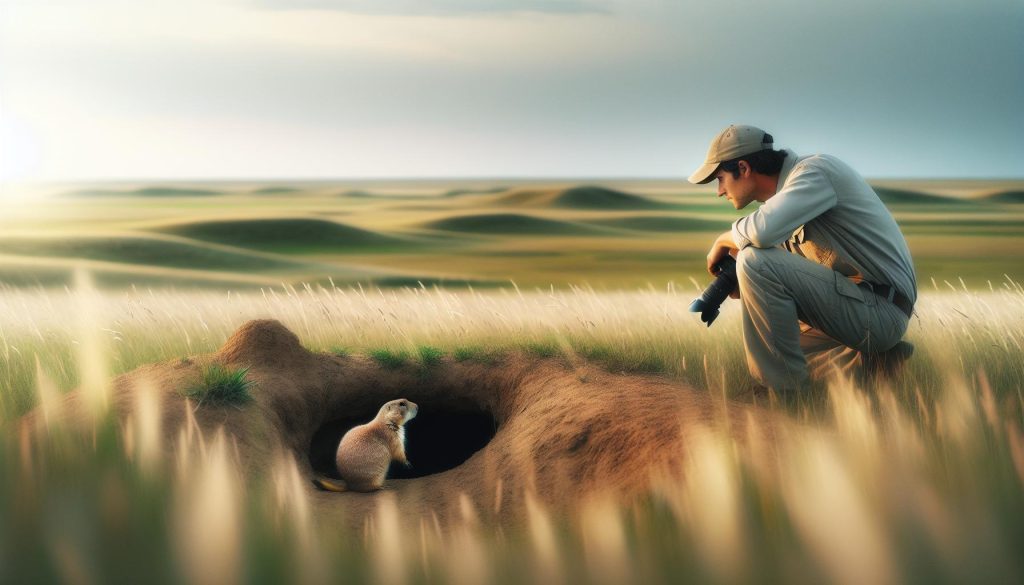
Where Does the Black Tailed Prairie Dog Live? Range Map

Discover where the Black-Tailed Prairie Dog lives and its habitat! Explore our detailed range map and learn how these fascinating creatures thrive in their environment.

What Exotic Animals Live in the Cayman Islands? Field Guide

What Exotic Animals Live in the Cayman Islands? Field Guide

Discover exotic animals in the Cayman Islands! Learn about unique habitats, fascinating behaviors, and how to responsibly enjoy wildlife. Don’t miss out!

What Are Some Examples of Exotic Animals? 20+ Species

What Are Some Examples of Exotic Animals? 20+ Species

Discover fascinating exotic animals as we explore 20+ unique species! Learn their behaviors, habitats, and care needs-uncover the wild side of wildlife today!

← Previous
Next →
  • Homepage
  • Blog
  • About Us
  • FAQ
  • Contact
  • Privacy Policy
  • Homepage
  • Blog
  • About Us
  • FAQ
  • Contact
  • Privacy Policy
Facebook X-twitter Instagram

© 2025 Ranch of Exotic Breeds. Your trusted source.