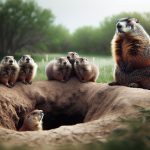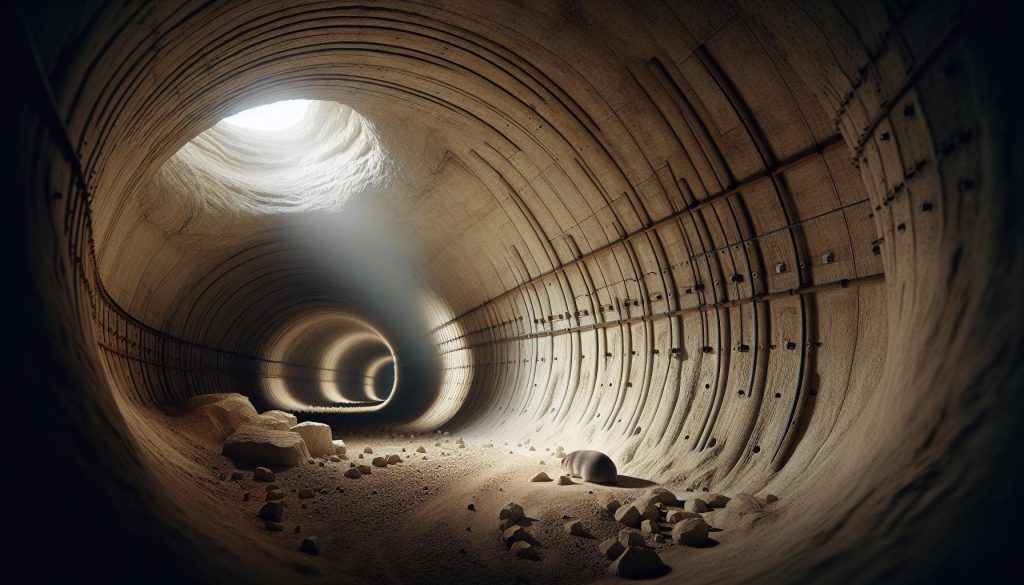
Did you know that prairie dogs have complex underground homes that can stretch for miles? These fascinating creatures are not just cute; their tunnel systems play a crucial role in their ecosystem. Understanding what prairie dog tunnels look like offers insight into their social behavior and the importance of their presence in maintaining grassland health. As you dive into this exploration, you’ll discover how these intricate networks support various wildlife and contribute to soil health, making prairie dogs vital players in their environment. So, whether you’re a curious nature enthusiast or simply interested in wildlife conservation, let’s uncover the amazing world beneath the prairie and the significance of these remarkable tunneling architects.
What Are Prairie Dog Tunnels?
Prairie dog tunnels are intricate underground networks that serve as bustling city-like habitats for these fascinating rodents. Comprised of a series of connected burrows, these tunnels can extend up to 30 feet deep and span an impressive area, often covering several acres. Prairie dogs, particularly the black-tailed species, dig these tunnels using their strong front claws, creating a complex labyrinth of chambers and passages that provide security from predators and harsh environmental conditions.
The burrows are uniquely structured with various chambers that serve specific purposes. Some chambers function as nurseries for caring mothers, while others are dedicated to food storage or simply serve as sleeping quarters. These distinct areas contribute to the overall social structure of the prairie dog colonies, where family groups, or “clans,” often share the tunnels, creating a vibrant community atmosphere. As these animals are highly social, their communication through vocalizations and body language is essential for maintaining group cohesion, especially as they navigate their subterranean world.
The benefits of these tunnel systems extend beyond the prairie dogs themselves. Their burrowing activities aerate the soil and create pockets that can collect water, contributing to a more fertile ground that supports a variety of plant species. In turn, this promotes biodiversity, attracting other wildlife and encouraging ecological balance within their prairie environment. By diligently maintaining their burrows and the surrounding landscape, prairie dogs play a crucial role in the health of their ecosystem, making them not only fascinating creatures but also essential players in their habitats.
The Structure of Prairie Dog Colonies
The complex structure of prairie dog colonies resembles a bustling metropolis beneath the surface of the prairie. Each colony, consisting of numerous interconnected tunnels and chambers, acts as a sanctuary for these lively rodents. The intricate network can stretch over several acres and reach depths of up to 30 feet, showcasing the remarkable engineering skills of prairie dogs, particularly the black-tailed species. These animals dig and maintain their burrows using their powerful claws, creating a safe haven complete with specialized chambers for various activities.
Within these underground cities, chambers serve distinct purposes that enhance the colony’s social structure. For instance, certain areas are dedicated nurseries, where mothers care for their young in the safety of the burrow. Other chambers function as food storage spaces, where prairie dogs stash away grass and seeds-essential for their survival, especially in harsh weather. The sleeping quarters are typically well-ventilated, allowing prairie dogs to rest comfortably while staying alert to potential predators. As these animals are inherently social, families, or clans, occupy these spaces together, fostering a sense of community that is vital to their way of life.
The benefits of these colonies extend well beyond the prairie dogs themselves. The open spaces and intricately designed tunnels promote aeration of the soil, allowing water to reach roots more efficiently and facilitating the growth of various plant species. This increased vegetation not only supports the prairie dogs’ diet but also creates a more vibrant ecosystem that attracts diverse wildlife. By digging and maintaining these extensive networks, prairie dogs play a pivotal role in their environment, making them integral to the ecological balance of the prairies.
How Prairie Dog Tunnels Benefit Ecosystems
The remarkable underground labyrinths created by prairie dogs do much more than provide shelter to these lively rodents; they serve as vital components of their ecosystem. The intricate tunnel systems, which can extend over vast areas, significantly enhance soil health and plant growth, ultimately benefiting a wide array of wildlife. Imagine these tunnels as nature’s own gardening tools, softly aerating the soil while simultaneously increasing water filtration rates. This process allows moisture to seep deeper into the ground, which is crucial in arid environments where water is scarce.
Within these expansive tunnels, the prairie dogs play a role akin to nature’s engineers. As they dig and maintain their burrows, they aerate the soil, a process that promotes nutrient cycling. Decomposing organic matter is more readily broken down, enriching the earth with essential nutrients that foster robust plant life. In return, these plants not only support the prairie dogs’ diets-think fresh grasses and seeds-but also create a habitat that sustains other species, from insects to larger mammals. This symbiosis showcases the interconnectedness of prairie ecosystems and highlights the importance of maintaining healthy prairie dog populations.
Additionally, the presence of prairie dog colonies facilitates a rich biodiversity. The tunnels and the open areas they create serve as safe havens for other creatures. Birds find nesting sites, while larger predators such as hawks and foxes are drawn to the abundant prey these busy communities attract. Such interdependence emphasizes the prairie dog’s status as a keystone species within their ecosystems, illustrating how the loss of these colonies could ripple through the entire biological community, leading to decreased biodiversity and ecological imbalance.
Engaging with prairie dogs and understanding their role in shaping the landscape adds a layer of appreciation for these delightful creatures. By recognizing their contributions, we can advocate for conservation efforts that protect these vital habitats, ensuring that future generations can continue to marvel at the rich, vibrant ecosystems they help sustain.
Common Features of Prairie Dog Burrows
The remarkable burrows of prairie dogs are true marvels of nature, showcasing both complexity and functionality that benefit not only the prairie dogs themselves but a whole host of other species relying on these unique ecosystems. These burrows, often referred to as “towns,” can span several acres and are meticulously crafted with a strong focus on social living and safety.
Each burrow contains a series of interconnected tunnels, with a specific layout designed to regulate the social structure and behavior of prairie dogs. The burrows typically feature multiple entrances and exits, which serve as escape routes from predators, while internal chambers are designated for various purposes. For instance, there are nesting chambers, which are warm and safe for raising their young, and latrine areas that help in keeping the living spaces clean. This organization reflects the prairie dog’s instinctual understanding of hygiene and community welfare.
Key features of prairie dog burrows include:
- Depth and Length: Burrows can extend up to 10 feet deep and reach lengths of over 30 feet. This depth provides protection from both the elements and predators.
- Ventilation Systems: The tunnels are designed with ventilation shafts that help regulate temperature inside the burrow, keeping it cooler in the summer and warmer in the winter.
- Interconnected Tunnels: The tunnels connect different burrows, allowing prairie dogs to communicate and socialize easily while also providing escape routes.
- Community Structures: Burrows are often communal, with several family groups living close together, enhancing social interaction and protective behaviors.
The presence of prairie dog burrows not only benefits the prairie dogs but also bolsters the entire ecosystem. Species such as Burrowing Owls and Black-footed Ferrets depend on these tunnels for nesting and protection, showcasing the burrows’ importance beyond their primary inhabitants. By understanding the shared features and functions of prairie dog burrows, we can develop a greater appreciation for these industrious rodents and their crucial role in sustaining ecological balance.
The Intricate Layout of Tunnel Systems
The underground world of prairie dog tunnels is a dazzling maze, reflecting the incredible intelligence and social structures of these charming rodents. Imagine an intricate network of passageways that stretches deep into the earth, often reaching depths of 3 to 10 feet and extending horizontally for up to 50 feet. This elaborate layout is designed not just for dwelling but for thriving in their environment.
Each prairie dog burrow is carefully constructed with various chambers and tunnels that serve specific purposes. Nesting chambers provide a safe space for young, while latrine areas allow for cleanliness to prevent disease within their communal living spaces. These thoughtful designs illustrate a complex understanding of hygiene and community welfare. In fact, the entrance mounds-sometimes likened to little volcanoes-play a crucial role; they serve as both lookout points and effective drainage systems to prevent flooding during rains.
The interconnectivity of the tunnels forms a vital social network among prairie dogs. These passageways not only facilitate communication-through vocalizations and scent marking-but also function as escape routes from predators. With multiple entrances and exits, prairie dogs can quickly retreat underground when threatened, a testament to their survival instincts. Their social structure is reinforced by this layout, allowing different family groups to coexist closely, sharing the safety and resources of their compact communities.
As you explore these fascinating underground systems, consider how they impact the broader prairie ecosystem. The tunnels not only create important habitats for prairie dogs but also support various species, such as Burrowing Owls and Black-footed Ferrets, which rely on these intricate tunnels for shelter and nesting. By protecting these natural wonders, we help ensure the health and diversity of the ecosystems they support.
Identifying Prairie Dog Habitats
The best way to spot a prairie dog habitat is to look for their distinctive colonies, which often appear as patches of bare ground dotted with mounds. These mounds, sometimes likened to small volcanoes, are not just a product of digging; they are integral to the prairie dog’s complex social structure. In these thriving colonies, you’ll not only find prairie dogs basking in the sun or alertly standing guard but also signs of their intricate tunnel systems that lie hidden beneath the surface.
Prairie dogs generally prefer open grasslands, but they can also be found in more diverse habitats such as sagebrush steppe and shortgrass prairie. These environments provide them with ample food sources like grasses, seeds, and roots. The presence of suitable soil is just as crucial; they need well-drained soils that allow for the stability of their extensive burrows and mounds. Look for areas where the vegetation is sparse, as this often indicates an active prairie dog colony.
While exploring prairie dog habitats, keep an eye out for the numerous entrances into their burrow systems. These entrances can vary in size, but they usually reflect the health of the colony. A robust prairie dog community will have multiple active entrances serving various purposes – from primary entry points to escape routes. The area surrounding these burrows typically shows signs of digging activity, like loose dirt or disturbed grass.
Additionally, as you venture into these habitats, consider the role of prairie dog tunnels in supporting a greater ecosystem. Their burrows not only provide shelter to other species, such as the Burrowing Owl and Black-footed Ferret, but also help aerate the soil, promoting healthier vegetation and greater biodiversity in the region. By taking the time to appreciate these unique habitats, you’re participating in vital conservation efforts to maintain the delicate balance of prairie ecosystems.
Impact of Prairie Dog Tunnels on Soil Health
The extensive tunnel systems created by prairie dogs play a crucial role in enhancing soil health in their habitats. These tunnels, which can stretch for miles beneath the surface, are not merely shelters for these social mammals; they act as dynamic avenues of soil aeration and nutrient cycling. As prairie dogs dig, they disturb the soil structure, breaking up compacted layers and allowing air and water to penetrate deeper. This process significantly promotes the growth of a rich diversity of plant life above ground.
One of the most remarkable benefits of prairie dog tunneling is how it enhances soil moisture retention. The intricate network of tunnels facilitates improved water infiltration, reducing runoff and promoting deeper root penetration. This is vital in grassland ecosystems, especially during droughts when every drop of moisture counts. The combination of aerated soil and increased moisture leads to healthier, more robust vegetation, creating a thriving ecosystem that supports not just prairie dogs but also a myriad of other species.
In addition to benefiting plants, prairie dog burrows provide a habitat for various other organisms. Many small mammals, insects, and even birds utilize these tunnels as protective shelters or nesting sites. The presence of these diverse species contributes to a balanced ecosystem and fosters greater biodiversity, making prairie dog colonies vital contributors to their environments.
Furthermore, the activities associated with prairie dog tunneling have implications for nutrient cycling in the soil. The burrowing process brings organic matter, plant roots, and microorganisms to the surface, increasing nutrient availability. This interaction creates a more fertile soil environment, supporting healthy vegetation and attracting herbivores, which in turn supports a variety of predators.
By understanding the significant , enthusiasts and conservationists can better appreciate the role these small but mighty creatures play in maintaining the balance of prairie ecosystems. Emphasizing the importance of protecting prairie dog habitats can help ensure the resilience of these ecosystems and the harmony of the diverse life forms they support.
The Role of Tunnels in Prairie Dog Behavior
Prairie dog tunnels are more than just shelters; they serve as bustling highways of activity in the underground world of these fascinating rodents. The complex network of tunnels is essential for their survival and social structure, influencing their behaviors and interactions. To understand how these tunnels contribute to prairie dog behavior, one must first appreciate the intricate social dynamics of prairie dog colonies.
Within a colony, prairie dogs utilize their tunnels for various day-to-day activities, such as foraging for food, escaping predators, and socializing. The tunnels are typically organized, allowing prairie dogs to move swiftly in and out of their burrows, facilitating quick access to safety. When a danger, like a hawk, is spotted, prairie dogs emit a series of alarm calls that help alert others in the colony to retreat to their subterranean refuges. The speed and efficiency of this movement can significantly increase their chances of survival.
The tunnels also play a critical role in fostering social bonds among prairie dogs. They engage in a variety of social activities within these spaces, such as grooming and playing, which are essential for maintaining relationships and hierarchy within the colony. This social interaction is crucial for the cohesion and stability of the group, as prairie dogs are highly social animals with complex relationships.
Social Structures and Communication
Prairie dogs have a unique way of communicating that is influenced by their underground environment. Recent studies have shown that they use a sophisticated system of vocalizations to convey specific messages, such as the type of predator present or the level of threat. This communication often takes place near tunnel entrances, where prairie dogs can quickly escape to safety if necessary.
Importantly, the layout of the tunnel system aids them in this communication. Each burrow can contain multiple exits, making it easier for prairie dogs to evade predators while staying connected to the rest of the colony. This not only enhances their survival but also strengthens their social bonds as they rely on each other during moments of danger, reinforcing the colony’s collective behavior patterns.
In summary, is vital, encompassing shelter, social interaction, and survival strategies. Understanding this intricate relationship helps highlight their importance in the prairie ecosystem and emphasizes the need for conservation efforts to protect their habitats. By fostering awareness and appreciation of these remarkable creatures, we can better support the delicate balance of life in their native grasslands.
How Predators Use Tunnel Systems
The intricate tunnel systems of prairie dogs not only serve as a refuge for these endearing creatures but also play a fascinating role in the lives of their predators. Many hunters, such as coyotes, badgers, and hawks, have learned to exploit these subterranean highways to hunt their agile prey. The structure of prairie dog tunnels allows predators to move stealthily amidst the labyrinth, creating a game of cat and mouse that is both thrilling and perilous.
Predators often wait near tunnel entrances, keenly observing the activities of prairie dogs as they venture out to forage for food. This strategic positioning allows them to remain undetected while ready to pounce at the opportune moment. Moreover, the multiple exits of prairie dog burrows enable quick escapes for the prey but also make it challenging for the hunters, driving the evolution of sophisticated hunting techniques among predators. For instance, coyotes might work in pairs to block exits, orchestrating a coordinated approach that increases their chances of catching a prairie dog unaware.
Additionally, the tunnels themselves can provide cover for larger predators. As they navigate through the maze, they can take advantage of the underground environment to ambush prairie dogs more effectively. Birds of prey, like hawks, may perch nearby to scan the ground for movement, waiting for prairie dogs to appear at the burrow entrances. This gives the birds a tactical advantage in their hunt, highlighting the interconnectedness of life in prairie ecosystems.
In conclusion, while prairie dog tunnels are primarily a refuge for these social rodents, they also offer predators both a hunting strategy and a complex environment in which to stalk their prey. Understanding this dynamic enhances our appreciation of prairie ecosystems, showcasing the balance of nature where survival is an ever-present challenge.
Challenges Facing Prairie Dog Colonies
Maintaining healthy prairie dog colonies is a complex task that faces numerous challenges, many of which stem from both natural and human-induced changes to their environment. These fascinating creatures, known for their intricate tunneling systems, are vital to the prairie ecosystem, but they also contend with significant threats that jeopardize their populations and their unique underground habitats.
One of the primary challenges is habitat loss due to urban expansion and agricultural development. As humans encroach on prairie lands, the natural environments where prairie dogs thrive are fragmented or destroyed. This not only limits their space for burrowing but also isolates colonies, making it difficult for them to find mates and establish robust genetic diversity. In addition, agriculture often introduces pesticides that can have devastating effects on prairie dog populations, either directly through poisoning or indirectly by disrupting their food supply.
Another considerable threat comes from disease, specifically sylvatic plague, which has decimated prairie dog colonies across North America. This flea-borne illness can spread rapidly within a colony, resulting in staggering mortality rates. Outbreaks can significantly reduce populations, leaving behind abandoned tunnels that eventually collapse and alter the landscape, impacting other species that rely on prairie dog activities for their ecological needs.
Moreover, predation plays a role in their survival. While prairie dogs have adapted to evade common predators like coyotes and hawks, an increase in predator populations, often a result of altering ecosystems, can lead to heightened pressure on prairie dog colonies. These interactions create a delicate balance, as prairie dogs are both prey and essential players in their ecosystem, contributing to nutrient cycling and soil health.
The protection of prairie dog colonies requires concerted conservation efforts. Initiatives aimed at preserving open spaces, restoring habitats, and regulating pesticide use can help mitigate some of these challenges. Educational programs that raise awareness about the importance of prairie dogs in the ecosystem also play a critical role in fostering a community-informed approach to wildlife management. By understanding and addressing these obstacles, we can work towards ensuring that prairie dog colonies continue to thrive, allowing them to maintain their intricate underground systems that support numerous other species in the prairie ecosystem.
Conservation Efforts for Prairie Dog Habitats
Maintaining vibrant prairie dog habitats requires a multifaceted approach that involves collaboration among various stakeholders, from conservation groups to local communities. The first step in these efforts is raising awareness about the ecological importance of prairie dogs and their tunneling systems. Did you know that prairie dog tunnels contribute significantly to soil aeration and help manage water retention in their habitats? This makes them essential not just for their species but also for a host of other animals that depend on these complex ecosystems.
One effective strategy involves creating protected areas where prairie dogs can thrive without the threat of urban development or agricultural encroachment. These designated spaces allow for natural behaviors, including tunneling and social interaction, which are crucial for maintaining colony health. For instance, organizations like the Prairie Dog Coalition work to secure land protections and promote coexistence initiatives, where landowners implement habitat-friendly practices that allow both agriculture and prairie dog colonies to coexist.
Educational programs also play a vital role in conservation efforts. By informing the public about the significance of prairie dogs and the challenges they face, communities can engage in conservation activities, such as participating in habitat restoration projects. People can support local wildlife through simple actions like reducing pesticide use in gardens, which helps maintain healthy prairie dog populations by ensuring a stable food supply. Engaging with local schools to explore prairie dog habitats through educational field trips can spark interest and foster a deeper connection between people and wildlife.
Lastly, ongoing research is critical for understanding the dynamics of prairie dog colonies and their impact on the environment. Scientists are studying aspects like genetic diversity and the role of tunneling systems in ecosystem health, which can help inform policies and conservation strategies. As we work to secure the future of prairie dogs, it’s essential to recognize that these small creatures have a huge impact on the prairie ecosystem, enriching the land we all share. By championing their conservation, we ensure that these fascinating social animals-and the intricate worlds they create underground-continue to thrive for generations to come.
Exploring the Fascinating Social Life of Prairie Dogs
Prairie dogs are not just adorable little critters; they are also social butterflies of the grasslands. Living in complex colonies, these intelligent rodents engage in a fascinating social life that revolves around their intricate tunnel systems. These underground highways allow them to communicate, escape predators, and maintain their communities. With a structure reminiscent of a bustling city, their burrows showcase an extraordinary blend of social interaction and architectural ingenuity.
Within each prairie dog colony, the tunnels serve as a social hub where members engage in a range of activities, from grooming one another to sharing alerts about approaching threats. Prairie dogs utilize a sophisticated system of vocalizations that can convey information about the type and location of a predator. Imagine a bustling underground network where a sentinel prairie dog keeps watch while others play or forage, exchanging calls that help the entire colony stay safe. Their communication, often referred to as a “language,” is notably rich and can even distinguish between different species of aerial threats, showcasing their social intelligence.
The structure of their burrows plays a crucial role in their social dynamics. A single prairie dog colony can contain hundreds of individuals, and the connected tunnels allow members to move freely and interact closely. Notably, these burrows can reach depths of several feet, and their complexity rivals that of some human-designed structures. The interconnected tunnels not only facilitate movement but also provide a safe space for mothers to rear their young and for the community to gather during daylight hours when they are most active. Interestingly, these systems also serve as a refuge for numerous other species, creating a bustling ecosystem beneath the surface.
In essence, the social life of prairie dogs, woven through their tunneling systems, highlights their role as keystone species. They contribute significantly to their environment through their social structures and interactions, ensuring that the existing flora and fauna around them thrive. Observing prairie dogs in their natural habitat offers unique insights into their complex sociability and the vital importance of their conservation for maintaining the delicate balance of grassland ecosystems.
Q&A
markdown
Q: What do prairie dog tunnels look like?
A: Prairie dog tunnels generally appear as networked burrows, with entrances that resemble small holes in the ground, typically about 3 to 5 inches in diameter. Inside, the tunnels can vary in depth, featuring narrow passages and larger chambers used for nesting and storage.

Q: How deep do prairie dog tunnels go?
A: Prairie dog tunnels can reach depths of 3 to 6 feet, depending on soil conditions and predator pressure. They may also have multiple levels, creating a complex system for protection and living.

Q: What is the purpose of prairie dog tunnels?
A: Prairie dog tunnels serve several functions: they provide shelter from predators, regulate temperature, store food, and act as homes for young. These tunnels also facilitate social interactions among prairie dogs.

Q: How are prairie dog burrows different from other rodent burrows?
A: Unlike other rodent burrows, prairie dog tunnels are organized into extensive colonies with complex systems. They can be interconnected and often have specific areas for breeding and feeding, setting them apart from simpler burrows of solitary rodents.

Q: How do prairie dog tunnels affect the ecosystem?
A: Prairie dog tunnels improve soil aeration and water infiltration, benefiting plant growth. Their burrowing activity can also create habitats for other creatures, making them a keystone species in their ecosystem.

Q: What materials do prairie dogs use for their tunnels?
A: Prairie dogs primarily use loose soil to construct their tunnels. They dig with their strong front paws, removing dirt to create their extensive underground networks. Occasionally, they may reinforce walls with vegetation or debris.

Q: Why do prairie dogs maintain their tunnel systems?
A: Maintaining their tunnel systems is crucial for prairie dogs to ensure safe havens from predators, facilitate movement within the colony, and provide areas for rearing young. Regular maintenance helps prevent collapses and keeps the structure functional.

Q: How can you identify a prairie dog colony by its tunnels?
A: You can identify a prairie dog colony by the presence of multiple entrances, clear mound structures around the entrance holes, and signs of social behavior like grazing in the area. Additionally, the density of tunnels is usually higher compared to other species' burrow systems.
The Way Forward
Now that you have a clearer picture of what prairie dog tunnels look like and their intricate underground systems, consider exploring more about these fascinating creatures! Dive into our articles on prairie dog behavior and habitat to discover how their lively communities function and thrive. Understanding their role in the ecosystem can enhance your appreciation for these clever critters.
Don’t miss out-sign up for our newsletter for more insights, tips, and exclusive content about wildlife and conservation. If you have questions or experiences to share, leave a comment below! Engaging with our community enriches everyone’s understanding. Keep exploring, and you’ll uncover even more about the amazing world of prairie dogs and their habitats.
Get our latest guides, news, and insights highlighted in your Google Search & AI Overviews.