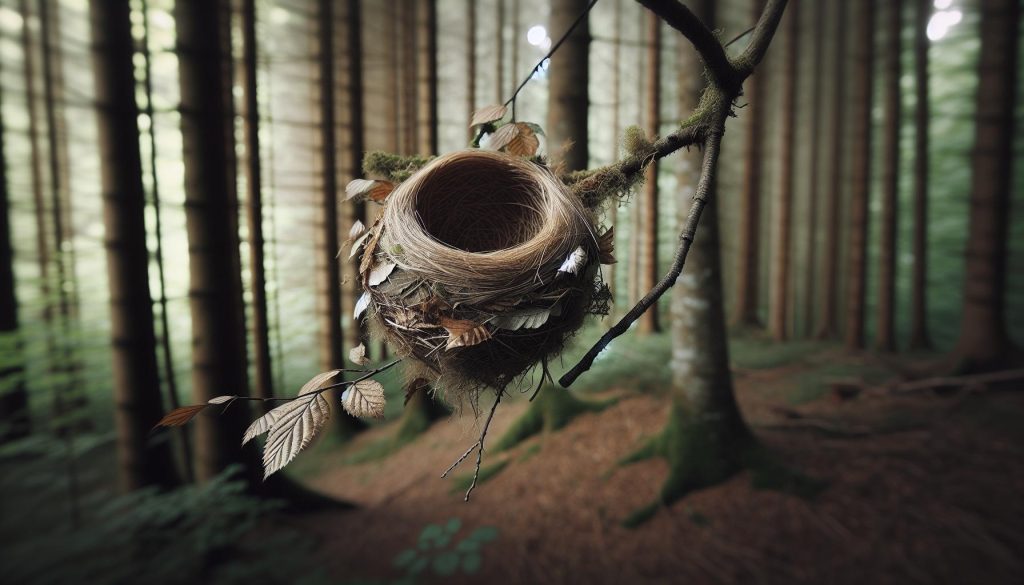
Did you know that flying squirrels are not only adept at gliding through the trees but also have unique nesting habits? Understanding what a flying squirrel nest looks like can greatly enhance your appreciation for these fascinating creatures. These nests, often found in tree hollows or built with leaves and twigs, provide a cozy sanctuary for the squirrels, protecting them from predators and harsh weather. Whether you’re a wildlife enthusiast curious about their habitat or a pet owner looking to understand more about these charming critters, you’ll find valuable insights in this exploration of their nesting behavior. Join us as we delve into the world of flying squirrels and uncover the details of their nests through captivating photos that bring their homes to life.
What Is a Flying Squirrel Nest?
Flying squirrels may not have the soaring wings of their namesakes, but they exhibit astonishing agility and impressive adaptability in their arboreal homes. A flying squirrel nest is typically a cozy enclave found high in the canopies of forests, constructed to keep them safe from predators and harsh weather. These nests often take the form of holes in trees, hollowed out by age or by other animals, such as woodpeckers, which create the perfect space for flying squirrels to rest and raise their young.
What They Look Like
The nests are usually lined with soft materials such as leaves, moss, and squirrel fur, forming a warm, insulated environment. The entrance to a nest can often be seen peeking out of the side of a tree trunk, camouflaged against the bark, making it difficult for predators to spot. Interestingly, flying squirrels are known to share nests, particularly in colder months, which helps maintain warmth and strengthen social bonds within groups. A well-used nest can become quite noticeable due to the accumulation of debris around its entrance-stray twigs, leaves, and food remnants hinting at the presence of these nocturnal creatures.
Why Nesting Matters
Nesting plays a crucial role in the survival of flying squirrels. These nests provide not only shelter from the elements but also a safe haven for raising young. The choice of nesting sites reflects their behavior; they prefer cavities that offer security while also being close to food sources like acorns and fruits. Thus, the ability to find and maintain suitable nesting locations is vital, especially given the pressures of habitat loss due to urban expansion and deforestation.
For those fascinated by wildlife, understanding the structure and significance of a flying squirrel nest enhances appreciation for these remarkable animals. Whether you’re an experienced observer or new to the world of wildlife, knowing what to look for and how to respect their habitats can bring you closer to nature while promoting conservation efforts.
Characteristics of Flying Squirrel Dens
Flying squirrels are known for their enchanting gliding abilities, but their nesting habits are equally fascinating. A characteristic of their dens is their unique construction, usually located within the safety of tree cavities. These locations not only provide shelter from the elements but also act as protective zones against predators. Typically, these nests are found in older trees, which are more likely to have the hollows that flying squirrels prefer. Cavity selection is crucial; a safe, enclosed space allows them to rest comfortably and raise their young away from the prying eyes of potential threats.
The interior of a flying squirrel nest is cozy and serves as a warm sanctuary. These charming creatures often line their nests with a variety of soft materials, such as leaves, moss, and even their own fur. This bedding helps trap heat, making the den a snug environment, especially vital during colder months when they tend to share nests with their fellow squirrels. The act of nesting is not only a practical choice for warmth but also fosters social connections among individuals, as sharing a space encourages interactions that strengthen their community bonds.
In addition to safety and warmth, the placement of these nests often reflects proximity to food sources. Flying squirrels are opportunistic feeders, so their nests are typically situated close to trees that produce acorns, fruits, and other food items. This strategic choice minimizes the distance they need to travel for nourishment, enhancing their survival in the wild. Observing flying squirrels in their dens can reveal much about their behaviors; the debris scattered around the entrance, which may include chewed nuts and fallen leaves, hints at the vibrant activity taking place inside.
Understanding the not only enriches our appreciation of these delightful creatures but also highlights the importance of conserving their habitats. As their living spaces face threats from urbanization and deforestation, recognizing the critical nature of their nests encourages responsible stewardship of local environments, ensuring future generations have the opportunity to marvel at these exceptional animals and their homes.
Materials Used in Nest Construction
Flying squirrels are not just masterful gliders; they are also exceptional architects of their nests. The materials these squirrels utilize in nest construction are as fascinating as their gliding abilities. These little critters exhibit a cleverness in sourcing various items from their environment, creating cozy and secure homes that showcase their adaptability and resourcefulness.
A flying squirrel’s nest is typically lined with a mix of soft, insulating materials essential for keeping the interior warm. Among the most common components are:
- Leaves: Fresh, dry leaves provide insulation and comfort, creating a soft bedding layer that helps maintain warmth.
- Moss: This mossy lining not only adds to the softness but also aids in moisture absorption, ensuring a dry environment.
- Fur: Squirrels may use their own fur or fur collected from other animals, enhancing the nest’s warmth during cold nights.
- Feathers: If available, feathers might also be incorporated for added cushioning.
- Shredded Bark: This material can add structure and strength to the nest, making it durable against natural elements.
These materials serve a dual purpose: they insulate against cold, promoting a snug retreat where the squirrels can rest and nurture their young, while also providing camouflage among the foliage, helping to shield them from predators. The choices in nesting materials reflect the flying squirrel’s intelligent adaptation to its habitat, using what is readily available to create a secure home environment.
In addition to their practical benefits, these nest-building materials exhibit the flying squirrel’s interaction with its ecosystem. Observing how these creatures select and utilize natural materials can inspire us to appreciate the intricate relationships in the wild. By understanding their nesting behaviors, we gain insight into the importance of preserving their habitats, ensuring that future generations of flying squirrels can continue to thrive in secure surroundings.
Locations Where Flying Squirrels Nest
Flying squirrels are often found in wooded areas, where the right combination of trees and shrubs provides the perfect setting for their nests. These small, nocturnal creatures prefer forests with a mix of mature hardwoods and conifers, as this diversity offers both shelter and food sources. The types of trees they favor typically include species like oak, maple, and pine, which not only provide a suitable base for their nests but also offer ample foliage for foraging.
Their nests, known as dreys, can be located in several places within these environments. Often, flying squirrels will build their homes in tree cavities, which offer extra protection from predators and harsh weather. They may also construct nests in the forks of large branches or even in abandoned nests from other animals. Interestingly, flying squirrels are known to share nesting sites with other squirrels, which can lead to communal nesting behavior during colder months.
Key Nesting Locations
- Tree Cavities: Natural hollows created by rot or woodpecker activity.
- Forks of Branches: Secure spots that provide good vantage points and shelter.
- Abandoned Nests: Utilizing the work of other animals, such as birds or squirrels.
- Human Structures: Occasionally, they may nest in attics, roofs, or barns, attracted by warmth and safety.
While flying squirrels are adaptable, their need for specific habitats can be impacted by habitat loss due to urban development or logging. Understanding where these charming creatures nest can help conservation efforts, ensuring that their living spaces remain protected. Observing flying squirrels in their natural habitat can be a rewarding experience-look for them during the early evening hours, as they glide gracefully from tree to tree, their nests high overhead, providing a cozy sanctuary amid the leaves.
Comparing Nest Structures of Different Species
Flying squirrels, with their remarkable ability to glide between trees, also have a fascinating diversity in their nesting structures that reflects their adaptability and the ecological conditions they inhabit. While the common flying squirrel is known for its cozy nests, other species exhibit unique approaches to nesting that help them thrive in different environments. For instance, the Northern Flying Squirrel typically builds their nests in tree cavities, carefully crafting a soft lining with moss and leaves to create a warm and secure space for their young. These tree hollows offer protection from predators and harsh weather, underscoring the importance of mature forests with abundant wildlife-friendly resources.
In contrast, the Southern Flying Squirrel tends to utilize more open nesting sites, often opting for the forks of large branches where they can enjoy both concealment and a good vantage point for spotting potential threats. These nests are often less elaborate, relying on the surrounding foliage and natural materials like twigs and leaves. This adaptability allows them to thrive in varied habitats, from urban backyards filled with oak trees to dense woodlands. Interestingly, both species may also take advantage of abandoned nests made by other animals, showcasing a resourceful approach to their survival.
When comparing flying squirrels to their close relatives, like tree squirrels, it becomes clear that the nuances in nest structures often reflect not just species differences but also their ecological roles. Tree squirrels often build their nests in the open, higher in the trees, using a more robust construction of twigs. This is partly due to their diurnal lifestyle, as they need to be more alert to predators during the day. Understanding these differences not only highlights the diverse nesting behaviors within the squirrel family but also emphasizes the critical role that habitat conservation plays in supporting these unique lifestyles.
In summary, exploring the various nesting structures of different flying squirrel species offers a window into their lives and the environmental factors influencing their choices. Observing these structures in the wild can enhance your appreciation for these nocturnal creatures and the complex ecosystems they inhabit. Whether nestled in a tree cavity or hidden among the branches, flying squirrels demonstrate remarkable ingenuity that captivates nature enthusiasts and casual observers alike.
Signs of Flying Squirrel Activity
Observing the can be an exciting way to connect with wildlife. These elusive creatures are primarily nocturnal, making them harder to spot during the day, but their presence can be inferred through various markers. One of the most obvious indicators is the presence of their nests. Look for tree cavities lined with soft materials like moss or leaves, characteristic of the Northern Flying Squirrel, which prefer these cozy retreats for their young. The Southern Flying Squirrel, on the other hand, often nests in the crooks of larger branches, making these areas another potential sighting.
In addition to nests, sound plays a crucial role in identifying flying squirrels’ activity. Their distinct chirps and barks can fill the night air, especially during the mating season, when males are most vocal to attract females. You’ll also want to check for signs of foraging. Flying squirrels primarily feed on nuts, fruits, and fungi. If you spot gnawed tree bark or remnants of acorns beneath a tree, you might be nearby a flying squirrel foraging site.
Another fascinating sign of activity is their gliding paths. Look for fresh chew marks on tree trunks or claws marks that can hint at where they’ve been climbing. These marks are often paired with droppings found at the base of trees. The droppings are small and dark, generally resembling those of mice, but are a sure sign that these nocturnal gliders are in the area.
Lastly, keep an eye out for their playful behavior during the twilight hours. If you’re lucky, you may catch a glimpse of them gliding smoothly from one tree to another. Setting up a wildlife camera can help you record these spectacular moments, offering a closer look into their intriguing lives while providing valuable insights into their nesting habits and social interactions. By tuning into these signs, you’ll deepen your understanding and appreciation of flying squirrels and the ecosystems they inhabit.
How Flying Squirrels Maintain Their Nests
Maintaining a cozy and secure nest is essential for flying squirrels, especially during the breeding season when they need a safe place for their young. These agile mammals are not just passive inhabitants of their nests; they are actively involved in maintaining the comfort and integrity of their homes. Observing how flying squirrels care for their nests can reveal much about their behavior and lifestyle.
Flying squirrels often choose tree cavities or nests in hollowed-out sections of trees, but they don’t just leave them as they found them. They regularly add soft materials to keep their nest well-insulated and cozy. Common materials include leaves, moss, feathers, and even bits of fur from other animals. This behavioral adaptation helps regulate the temperature inside the nest, protecting the young from harsh environmental conditions. It’s fascinating to watch a mother squirrel meticulously arrange these items, ensuring her babies have a snug environment to grow up in.
From time to time, flying squirrels will also move their nests if they feel threatened or if their current nest becomes too soiled. They are known to clean out their nests by removing droppings or old nesting materials, which not only keeps the area hygienic but also minimizes odors that could attract predators. This instinct for cleanliness contributes to the overall health of the nest and those who dwell in it.
Moreover, flying squirrels exhibit a delightful behavior of using their gliding skills to reach multiple nests within their territory, particularly during the day when they are resting. By having multiple nesting sites, they can maintain a form of insurance against predation or environmental changes. Each nest might serve a different purpose, such as a nursery or a safe retreat, showcasing their adaptability in managing their living spaces. By understanding these maintenance rituals, nature enthusiasts can gain insights into the resilience and social structures of these charming rodents.
The Role of Nesting in Flying Squirrel Behavior
The intricacies of nesting behaviors in flying squirrels reveal much about their remarkable adaptations and social structures. These nocturnal mammals not only select their nests based on safety and comfort but also significantly influence their survival strategies and social interactions. In the wild, nesting serves as a crucial foundation for their reproductive success, providing shelter for young squirrels during their vulnerable early stages.
Flying squirrels are known for their construction of elaborate nests that often consist of multiple layers. These nests can be found in tree cavities or tucked away in the hollows of large trees, effectively camouflaged against predators. The choice of nest location is strategic-nesting sites are typically high off the ground, which protects them from ground-based threats. By choosing secure and well-insulated nests, flying squirrels ensure that their young are safeguarded from harsh environmental conditions.
Socially, nesting sites can serve as hubs of activity and interaction among flying squirrels. Adult squirrels may exhibit behaviors of sharing their nests, especially during the colder months when warmth becomes a priority. This communal nesting not only strengthens social bonds but also aids in the group’s overall protection against threats. Observing these dynamics can showcase the complexities of flying squirrel societies, highlighting their intelligence and adaptability in maintaining group cohesion.
Nesting also plays a pivotal role in the learning processes of young squirrels. As they grow, juvenile squirrels often remain close to the nest, where they develop essential survival skills by observing adult behaviors. The security provided by the nest allows young squirrels to explore their environment gradually, giving them the confidence to become skilled foragers and gliders in the future. From intricate nest maintenance to learning survival strategies, the role of nesting is foundational to flying squirrel behavior and community life.
Tips for Observing Flying Squirrels in the Wild
Spotting flying squirrels in the wild is a delight that requires a bit of patience and know-how. These elusive, nocturnal creatures are more active at night, so planning your observation outings during twilight becomes essential. Head to areas with dense forests-preferably hardwood trees like oaks, maples, or pines-since these are favored by flying squirrels for nesting. Understanding their habitats enhances your chances of seeing them in their natural environment.
Using your senses plays a vital role in finding these enchanting critters. Listen for their soft vocalizations or rustling noises in the foliage, which can signal their presence. Look for signs of activity, such as chewed leaves or nut shells on the ground, indicative of their foraging habits. Flying squirrels often share nests, so observing movements near tree cavities or dead trees may reveal groups interacting-a fascinating display of their social nature.
Nighttime outings with a flashlight can be rewarding; just remember to use red filters, which minimize disruption to wildlife. Scanning the treetops for silhouettes can yield glimpses of these animals gliding gracefully between branches. Keeping a respectful distance is crucial; using binoculars allows for a good view without causing stress to the animals. Always prioritize ethical wildlife observation, leaving no trace and avoiding disturbance of their nesting areas.
Consider joining local wildlife groups or nature tours, where you can not only enhance your observation skills but also learn from experienced naturalists. Engaging with fellow wildlife enthusiasts fosters a deeper appreciation for these fascinating creatures and the conservation efforts needed to protect their habitats. Every sighting of a flying squirrel, gliding through the moonlit treetops or peering curiously from its nest, is a reminder of the wonders of wildlife and the joy of being part of nature.
Conservation of Flying Squirrel Habitats
The survival of flying squirrels is tied closely to the health of their forest habitats, making conservation efforts essential for their future. These charming nocturnal creatures rely on a variety of tree species for nesting and food. When habitats face threats from urbanization, logging, and climate change, the delicate balance of their ecosystem is disrupted. This not only affects flying squirrels but also the diverse array of wildlife that shares their environment. Protecting these habitats requires a multifaceted approach that includes reforestation, sustainable land use practices, and community involvement.
Active conservation efforts can take many forms. People can participate in local tree planting initiatives that aim to restore and expand forested areas, providing better nesting opportunities for flying squirrels. Sustainable forestry practices also play a crucial role. This includes selective logging methods that preserve tree diversity and protect the essential features of a squirrel’s habitat, such as cavity trees, deadwood, and adequate food sources. Educating the public about the importance of flying squirrel habitats can increase awareness and support for conservation measures.
It’s equally important for wildlife enthusiasts to advocate for policies that protect these creatures. Engaging with local conservation groups, attending meetings, and supporting legislation aimed at habitat preservation can make a significant difference. Wildlife corridors can also be established to ensure safe passage for flying squirrels between fragmented habitats, allowing for genetic diversity and stable populations.
In addition to individual efforts, citizen science initiatives that involve community members in monitoring flying squirrel populations can provide valuable data for researchers and conservationists. Simple activities, like reporting sightings or participating in habitat cleanups, can significantly enhance conservation efforts. By working together, we can ensure that these elusive squirrels continue to thrive, gliding through the night skies and delighting those fortunate enough to catch a glimpse of their enchanting world.
Photographic Guide to Flying Squirrel Nests
Imagine a soft, cozy nest nestled high in the trees, a sanctuary where flying squirrels rest and raise their young. These charming rodents exhibit remarkable nesting behaviors, creating unique structures that are both functional and fascinating. A photographic guide to their nests can reveal the intricacies of their homes and provide insight into their lives in the wild.
Flying squirrels primarily favor cavities in trees, often repurposing old woodpecker holes or natural hollows. Inside these nests, you’ll find a warm, lined space made from various materials: leaves, moss, and feathers are common, providing insulation during chilly nights. When photographing these nests, look for the distinctive circular entry holes and the subtle signs of flying squirrels’ presence around, like gnawed wood or droppings. Capturing these details not only highlights their adaptability but also emphasizes their reliance on mature forests for nesting sites.
When observing these nests, don’t just focus on the structure itself; consider the surrounding habitat. Flying squirrels prefer areas rich in diverse tree species, as this increases nesting options and food availability. A photograph that includes both the nest and its environment can tell a story of how these little creatures interact with their ecosystem. For the best shots, dawn and dusk are ideal times, as these are the most active periods for flying squirrels.
By documenting the various nest styles you encounter, you’ll uncover the diversity among species and even within individual nests, illustrating how different environments influence their nesting habits. This visual collection not only enriches your understanding of flying squirrels but also raises awareness about the conservation of their habitats, encouraging others to protect these elusive gliders and their homes in the trees.
Frequently Asked Questions
Q: What materials do flying squirrels use for their nests?
A: Flying squirrels primarily use natural materials such as leaves, twigs, and moss to build their nests. They may also incorporate fur and feathers for insulation. This mix helps create a warm and secure environment for their young.
Q: Where do flying squirrels typically build their nests?
A: Flying squirrels usually construct their nests in tree cavities or hollow trunks. They prefer locations high up in trees, providing protection from predators. You can often find them in wooded areas or close to urban parks where trees are abundant.
Q: How can you identify a flying squirrel nest?
A: A flying squirrel nest will generally appear fluffy and messy, often located in tree hollows. Look for dropped leaves and debris underneath the nest’s entrance. The presence of squirrel activity, such as gnawed tree bark, can also indicate their nesting area.
Q: How big are flying squirrel nests?
A: Flying squirrel nests can vary in size, typically measuring about 12 to 18 inches in diameter. Their nests are compact yet spacious enough to accommodate a small family, allowing for a cozy sleeping area.
Q: What do flying squirrel nests look like inside?
A: Inside, flying squirrel nests are often lined with soft materials such as leaves and fur, providing insulation and comfort. You might find baby squirrels bundled together, which helps them retain body heat in colder climates.
Q: Do flying squirrels reuse their nests?
A: Yes, flying squirrels often reuse their nests from year to year. This behavior helps maintain a stable and warm environment for raising their young and can lead to nests being used by multiple generations.
Q: What should I do if I find a flying squirrel nest in my yard?
A: If you discover a flying squirrel nest in your yard, observe it from a distance. Avoid disturbing the nest, especially during breeding season. If you have concerns about wildlife interference, consider consulting local wildlife experts for advice.
Q: Can flying squirrels nest in man-made structures?
A: Yes, flying squirrels may nest in man-made structures like attics or sheds, especially if these spaces are warm and dry. It’s crucial to ensure that such nesting does not negatively impact both the squirrels and the home’s inhabitants. Consider installing exclusion devices if necessary.
The Conclusion
Now that you know what a flying squirrel nest looks like, you can appreciate the unique habitat these fascinating creatures create. Remember, flying squirrels are not just cute; they play an essential role in their ecosystems. If you’re curious about their behavior, consider reading our article on “Flying Squirrel Care Needs” to deepen your understanding or check out “Common Myths About Flying Squirrels” to debunk any lingering misconceptions.
Did this information spark your interest? Share your thoughts in the comments below! Don’t forget to subscribe to our newsletter for more fascinating wildlife insights delivered directly to your inbox. Explore more about these incredible animals and enhance your knowledge by diving into related topics on our site. The world of flying squirrels is waiting for you!
Get our latest guides, news, and insights highlighted in your Google Search & AI Overviews.