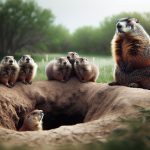
Did you know that prairie dogs, often seen as mere cute, burrowing rodents, play a vital role in their ecosystem? As social creatures, they create extensive burrow systems that provide shelter for many other species. However, these fascinating animals also face a range of natural predators that keep their populations in check. From majestic birds of prey to cunning carnivores, various animals rely on prairie dogs as a critical food source. Understanding what eats a prairie dog is not just about predator and prey; it’s a glimpse into the intricate balance of nature that surrounds us. In this article, we’ll explore the diverse threats to prairie dogs, highlighting their role in the food web and the importance of preserving their habitats. So, whether you’re a wildlife enthusiast or simply curious about life on the plains, keep reading to discover the surprising natural enemies of these charismatic creatures!
Natural Predators of Prairie Dogs: An Overview
Prairie dogs, the charismatic burrowing rodents of North America’s grasslands, play a vital role in their ecosystem, acting as both prey and ecosystem engineers. These social animals live in large colonies or “towns,” where their burrowing behaviors create habitats for numerous other species. While they are fascinating in their own right, they also face a variety of natural predators that keep their populations in check.
Among the most prominent predators are birds of prey, particularly the swift and agile falcon and the watchful eagle. These raptors utilize their keen eyesight to spot prairie dogs from great distances, often swooping down at astonishing speeds to capture them. Ground predators also play a significant role; mainstay hunters include coyotes, foxes, and even badgers. These skilled hunters employ various tactics, from stealthy approaches to using their speed to catch prairie dogs off-guard as they venture outside their burrows.
Another less conspicuous but equally impactful predator is the snake. Various species, such as rattlesnakes, will lie in wait near prairie dog burrows, capitalizing on the rodents’ habits of emerging to feed. Even smaller mammals like weasels are known to hunt juvenile prairie dogs. This array of predators illustrates the intricacies of the food web that prairie dogs are part of, highlighting their importance not just as prey but as key contributors to the health of their habitat.
In essence, the relationship between prairie dogs and their natural predators emphasizes the balance of ecosystem dynamics, showcasing how each species plays a critical role in sustaining the grassland environment. While the presence of these predators can significantly impact prairie dog populations, the dynamic interaction also fosters biodiversity, benefiting the broader ecological community.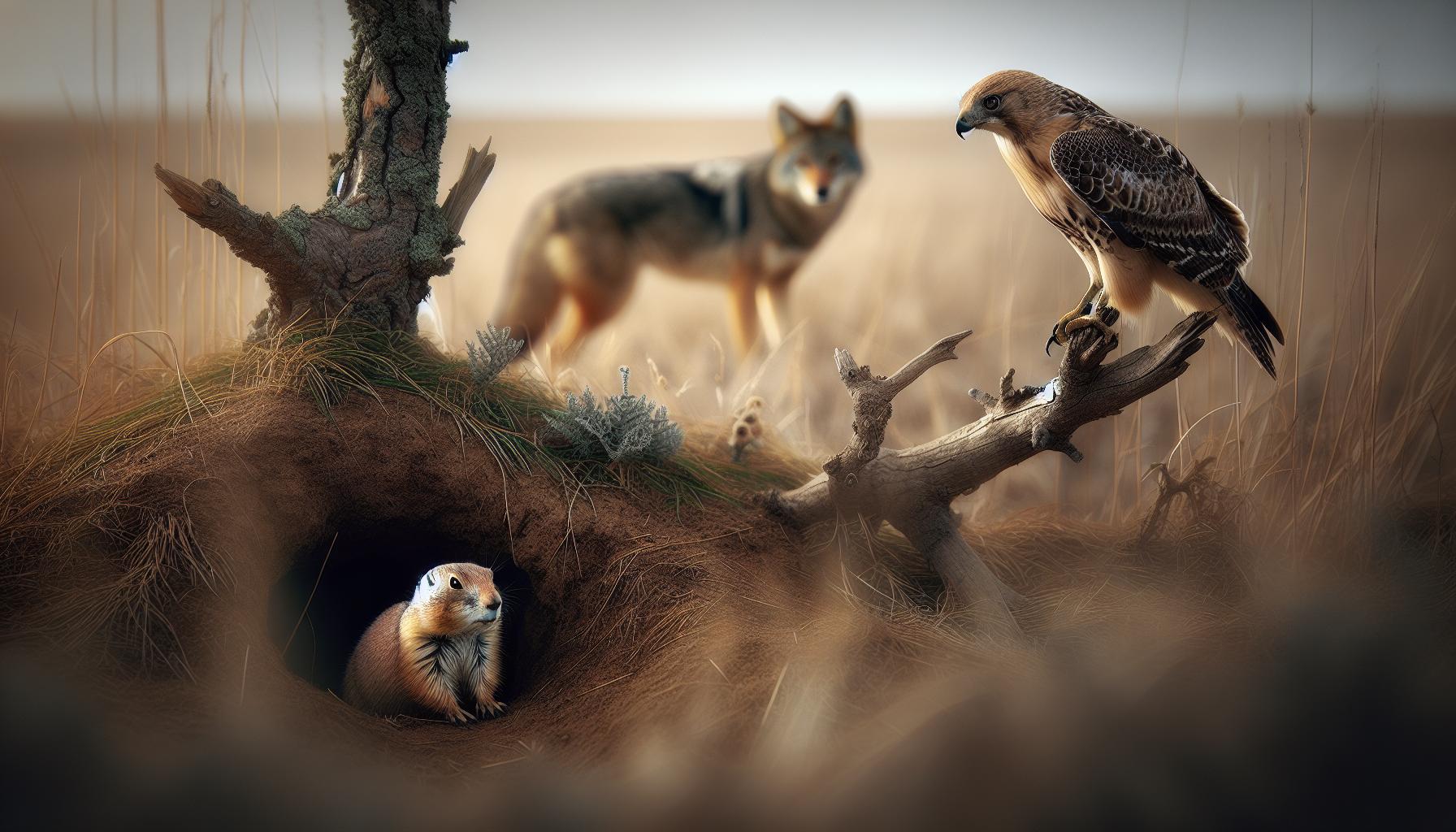
Top Predators: Who Hunts Prairie Dogs?
The prairie dog, with its energetic antics and social structure, is a beloved inhabitant of North America’s grasslands. Yet, beneath their playful exterior lies a consistent threat from a variety of predators ready to feast on these small rodents. The array of creatures that hunt prairie dogs reveals a fascinating interplay between species that sustains the balance within their ecosystems.
Predominantly, birds of prey, such as hawks, eagles, and falcons, play a vital role in controlling prairie dog populations. These raptors have exceptional eyesight, enabling them to spot their next meal from great heights. Once a prairie dog is identified, these agile hunters dive down at impressive speeds, using their sharp talons to snatch their prey before it has a chance to retreat to the safety of its burrow. One memorable example is the golden eagle, recognized for its impressive hunting abilities and keen instinct, often found gliding over prairie dog towns in search of their next meal.
On the ground, carnivores like coyotes and badgers strategically lurk near prairie dog colonies, employing a blend of stealth and speed. Coyotes are known for their adaptability, often hunting in packs to increase their chances of catching a prairie dog, particularly during dawn and dusk when these rodents are most active. Badgers, renowned for their fierce tenacity, dig into burrows, surprising prairie dogs resting below ground. Such ground predators influence the movement and behavior of prairie dogs, prompting them to stay vigilant and modify their foraging patterns to avoid becoming dinner.
The predation of prairie dogs does not stop at mammals and birds; other predators like snakes, which often lie in wait near burrow entrances, seize opportunities to snatch unsuspecting prairie dogs. Even small mammals, such as weasels, target juvenile prairie dogs, further showcasing the diverse threats they face. This complex predatory relationship highlights the prairie dog’s role in the food web-providing sustenance for various species while emphasizing the importance of maintaining healthy prairie dog populations for the benefit of their predators.
By understanding these dynamics, wildlife enthusiasts can appreciate the critical balance of life in prairie ecosystems. This relationship not only underpins the health of the grasslands but also fosters biodiversity, ensuring that these vibrant communities flourish.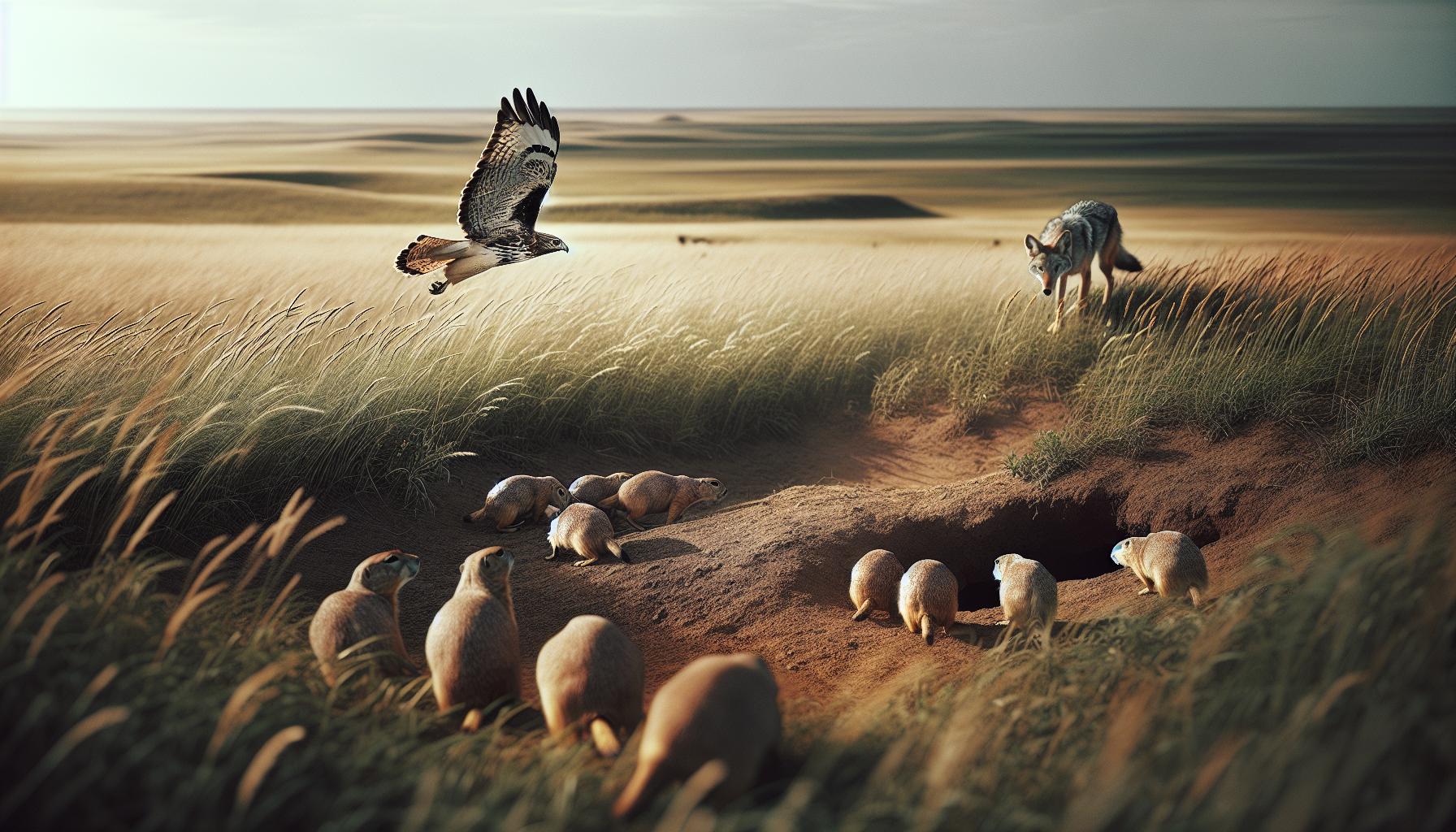
The Role of Ecosystems in Prairie Dog Predation
In the intricate network of grassland ecosystems, prairie dogs hold a unique position that is both pivotal and precarious. Their burrowing activities not only create elaborate underground tunnels but also play a significant role in aerating the soil and promoting plant growth. This inadvertent landscaping, while beneficial to their habitat, simultaneously provides essential support for a variety of predators that rely on prairie dogs as a primary food source. The interdependencies within these ecosystems illustrate how one species can enhance the survival of others, making prairie dogs a cornerstone for many inhabitants of the grasslands.
Predation on prairie dogs occurs across multiple trophic levels, affecting and being affected by the dynamics of the grassland ecosystem. For instance, the presence of raptors such as hawks and eagles can dramatically influence the behavior of prairie dog colonies. When these birds circle overhead, prairie dogs are prompted to alter their foraging habits and increase their vigilance at the burrow entrances where they can quickly retreat if danger approaches. This behavioral modification helps reduce individual predation rates and reflects the complex relationship between prey and predator dynamics.
Moreover, large mammals like coyotes and badgers thrive in environments rich with prairie dog populations. The interactions among these species foster predator-prey relationships that promote diversity within the ecosystem. Areas with high prairie dog densities also become hotspots for various other wildlife, including smaller predators like foxes and birds of prey, amplifying the ecological importance of these small mammals. This cascading effect enhances biodiversity and ensures that the ecosystem remains robust and resilient against environmental pressures.
However, human activities pose significant threats to these delicate ecosystems. Agriculture, urban development, and other forms of land alteration can severely disrupt prairie dog populations, leading to declines in the predators that depend on them. The conservation of prairie dogs, therefore, is not only vital for their survival but also crucial for maintaining the ecosystem balance, ensuring that various species continue to thrive together. By protecting prairie dogs and their habitats, we ultimately safeguard a broader spectrum of life that contributes to the ecological richness of grasslands.
Behavioral Adaptations: How Prairie Dogs Avoid Predators
In the open grasslands where prairie dogs thrive, their survival hinges on a suite of impressive behavioral adaptations. These clever little mammals are not just fast burrowers; they possess a keen sense of awareness that helps them navigate the dangers posed by predators like hawks, coyotes, and snakes. One of the most fascinating aspects of prairie dog behavior is their intricate alarm system. When a prairie dog spots a potential threat, it emits high-pitched barks or chirps, alerting the entire colony. Each alert can signal different types of danger, allowing fellow prairie dogs to respond appropriately, whether that means taking cover or remaining vigilant.
Another key to their survival lies in their burrowing habits. Prairie dogs create extensive underground networks with multiple entrances and exits. This complex tunnel system not only provides shelter from predators but also allows them to escape quickly if danger approaches. When a predator is near, you’ll often see prairie dogs darting into their burrows in a flurry of activity, using these hidden routes as a sanctuary against threats. Their burrows also help regulate temperature and provide protection from harsh weather, adding another layer of resilience to their lifestyle.
Prairie dogs are also experts at maintaining vigilance. While some individuals forage for food, others take on the role of a sentinel. These watchful prairie dogs stand upright on their hind legs, scanning the horizon for predatory birds or ground hunters. When they spot a threat, they can quickly alert the others, ensuring that the group stays protected. This cooperative behavior not only enhances individual safety but reinforces colony cohesion as they rely on one another for survival.
As the seasons change, so do their strategies. In the summer months, when food is plentiful, prairie dogs spend more time foraging. However, during colder seasons, they may reduce their activity and stay closer to their burrows to minimize exposure to predators. This seasonal adjustment showcases their adaptability in behavior, emphasizing the importance of accessing safe spaces while still managing their energetic needs.
In summary, prairie dogs’ survival strategies are a remarkable testament to their adaptability and intelligence in the face of predation. Through sophisticated communication, strategic burrowing, vigilant behavior, and seasonal adaptations, these small mammals effectively navigate the challenges of their ecosystem, maintaining their crucial role in the grassland habitat.
Seasonal Changes and Predation Rates on Prairie Dogs
As the seasons shift across the grasslands of North America, prairie dogs face varying levels of predation that reflect the changes in their environment. During the lush summer months, when food abounds and prairie dog activity peaks, their vulnerability to a wide array of predators increases. Hawks, coyotes, and badgers take advantage of the lively colonies, often lurking nearby as prairie dogs forage or play. This is a crucial time when the young pups are learning to navigate their surroundings and can be especially at risk. In contrast, as cooler autumn weather descends, prairie dog behavior begins to shift, impacting their exposure to threats.
In late spring and summer, predation rates can soar due to the abundance of both predators and prey. Hawks soar high above, spotting the telltale movement of prairie dogs, while coyotes may work in pairs to flush them from their burrows. During this time, prairie dog communities become acutely aware of their surroundings; sentinel behaviors become more pronounced, with individuals on the lookout for aerial attackers. These vigilance tactics are essential, as the combination of foraging and the presence of juvenile prairie dogs makes them an easy target.
As fall approaches, prairie dogs enter a phase of cautious resource management. Their activity levels taper off as they prepare for winter, spending more time tucked in their burrows. This behavior serves dual purposes: it minimizes their exposure to predators and conserves energy during a time when food becomes scarcer. The winter months see a significant decline in predation rate because many predators are less active, and prairie dogs remain in their burrows, only venturing out when necessary.
This dynamic interplay between seasonal changes and predation highlights the intricate web of life within the prairie ecosystem. Understanding these seasonal patterns can help wildlife enthusiasts appreciate the remarkable adaptations that enable prairie dogs to thrive, even in the face of natural enemies. The balance of predator and prey is delicate, suggesting that the health of prairie dog populations impacts wider ecological communities, making them not just a fascinating subject of study but also a vital part of the grassland habitat.
Impact of Human Activity on Prairie Dog Predators
The relationship between prairie dogs and human activity reveals a complex web of interactions that directly affect their natural predators. As development encroaches upon grassland habitats, various species tied to prairie dog populations face significant challenges. This disruption can lead to a decline in predator numbers, ultimately affecting the entire ecosystem’s balance.
One prevalent issue is habitat destruction. Urban development, agriculture, and land conversion lead to fragmentation of the environments where prairie dogs thrive. With prairie dog colonies serving as critical habitats for predators like ferruginous hawks and black-footed ferrets, the loss of these burrowing animals creates a ripple effect. Without sufficient prairie dog populations, avian and mammalian predators struggle to find adequate food sources, which can diminish their numbers. In some instances, conservation programs aimed at protecting prairie dogs are crucial for sustaining the larger predatory species that rely on them.
Additionally, human persecution of prairie dogs often targets the animals due to misconceptions about their impact on agricultural land. When farmers and ranchers eliminate prairie dog colonies to protect crops, they not only remove a vital food source for predators but also disrupt the intricate ecosystem that depends on prairie dog activities. For instance, the burrowing behavior of prairie dogs aerates the soil, benefiting grassland health. Consequently, maintaining healthy prairie dog populations ultimately supports the predators that inhabit these areas by ensuring the availability of habitat and food resources.
Moreover, the introduction of rodenticides and poisons used to control prairie dog populations can have disastrous effects on non-target species, including their predators. This practice leads to secondary poisoning, where predators ingest toxins after consuming affected prairie dogs, which can result in illness and death. Responsible management and conservation efforts that enhance the relationships between prairie dogs and their predators are not only beneficial for these species but crucial for preserving the overall integrity of grassland ecosystems.
Recognizing the importance of preserving both prairie dogs and their predators can foster a deeper respect for wildlife. Engaging in conservation education, advocating for wildlife-friendly farming practices, and supporting efforts to preserve natural habitats are essential steps that everyone can take to help maintain the delicate balance in prairie ecosystems. By understanding how human actions impact these interactions, we become better allies in the quest to protect and sustain the remarkable wildlife that shares our world.
Comparative Analysis: Predators in Different Regions
In the diverse habitats where prairie dogs thrive, a fascinating array of predators has evolved to hunt them, displaying remarkable adaptations specific to their regions. For example, while you might find ferruginous hawks soaring across the western plains of the United States, coyotes are more prevalent as adaptable hunters across various environments, from deserts to grasslands. These predators not only vary by species but also by their techniques and tools, influenced largely by the habitat and landscape they occupy.
Predators Across Different Ecosystems
In the Great Plains, prairie dogs face threats from birds of prey like golden eagles and burrowing owls, who utilize aerial surveillance to locate colonies. The golden eagle, in particular, is known for its impressive hunting skills, and it often swoops down at high speeds to catch an unsuspecting prairie dog, capitalizing on its keen eyesight. In contrast, in mountainous or hilly areas, bobcats and mountain lions can stalk their prey more stealthily. Their hunting strategies involve using geographic features to ambush prairie dogs as they emerge from their burrows.
On the other hand, the black-footed ferret, a once-endangered species making a comeback thanks to conservation efforts, relies heavily on prairie dogs as a food source. Found in the same regions, these small, agile mammals have developed a unique technique for hunting within the burrows, using their keen sense of smell to find their prey underground. Comparatively, predators like red foxes and snakes, which may inhabit both grasslands and urban areas, utilize different hunting techniques. Foxes are known for their clever, opportunistic behavior, while snakes rely on camouflage and stealth to strike when prairie dogs stray too far from their dens.
Impact of Regional Variances
The regional availability of prairie dog colonies can significantly influence predator populations. In areas where prairie dog towns are abundant and healthy, you’ll find a higher diversity and population of predators. For instance, the number of predatory birds tends to increase where colonies flourish, providing a robust food source that supports larger breeding populations. Conversely, as human activities encroach upon these habitats, the balance shifts. With fewer prairie dogs, the predators that rely on them must adapt or face decline, often leading to increased competition among different predator species.
For wildlife enthusiasts and conservationists alike, understanding these regional differences is crucial. Supporting local conservation efforts can help maintain prairie dog populations, which in turn sustains the myriad predators that depend on them for survival. Such biodiversity not only enriches the ecosystem but also enhances our experiences of nature, reminding us of the interconnectedness of species and the importance of preserving these relationships.
Conservation Status: Protecting Prairie Dogs and Their Predators
Conservation efforts for prairie dogs and their predators are crucial not just for the survival of these species, but for the entire ecosystem that relies on them. Prairie dogs serve as a keystone species, meaning their presence supports a diverse array of wildlife and plant life. Without them, the balance in the grassland ecosystems would shift dramatically. For instance, the black-footed ferret, an endangered species, has a dependency on prairie dogs for food. Protecting prairie dog colonies directly supports the recovery efforts of these remarkable ferrets.
Unfortunately, human activities like agriculture, urban development, and industrialization have led to significant habitat destruction for prairie dogs. These actions not only threaten the prairie dogs themselves but also the multitude of predators that rely on them, such as hawks, eagles, and coyotes. When prairie dog populations decline, their predators face food scarcity, which can lead to decreased numbers and increased competition among the remaining predator species. This chain reaction can destabilize local ecosystems and diminish biodiversity.
To foster the protection of these critical species, we must advocate for conservation initiatives that prioritize habitat restoration and sustainable land use practices. Supporting local conservation organizations, participating in awareness campaigns, and even contributing to wildlife research can have a profound impact. Additionally, educated encounters-such as responsible wildlife watching or connecting with local environmental groups-can engage more people in the important dialogue about prairie dog conservation and the preservation of their predators.
Involving communities in conservation strategies is key. By raising awareness about the ecological role of prairie dogs, more people can understand the importance of these creatures and the predators that depend on them. Simple actions, like volunteering for habitat restoration projects or supporting legislation aimed at wildlife protection, can help create a healthier environment for these animals and ensure they remain a vibrant part of our natural landscape for generations to come.
Interesting Facts About Prairie Dog Predators
In the wilds of North America, prairie dogs are not just busy inhabitants of the grasslands; they are also a crucial food source for a variety of predators. Some fascinating facts about these prairie dog hunters illuminate the complexity of the ecosystem they inhabit. For instance, golden eagles are among the top avian predators that can spot prairie dogs from great heights. They dive at incredible speeds to snatch them up, showcasing the predator’s keen eyesight and impressive hunting skills. Meanwhile, coyotes, typically known for their resilience and adaptability, have developed intricate hunting strategies. They often hunt in packs, which allows them to coordinate and increase their chances of catching prairie dogs.
The Role of Different Predators
Each predator plays a unique role in balancing the prairie ecosystem. Burrowing owls, for example, rely heavily on prairie dog towns for nesting sites and hunt nearby insects and small mammals. This indicates how interconnected these animals are, with prairie dog colonies fostering diverse wildlife. In contrast, badgers are solitary hunters that use their strong forelimbs to dig out prairie dogs from their burrows. Their nocturnal habits often make them less visible but highly effective in predation.
Predation Impact on Population Dynamics
The influence of predation on prairie dog populations can be profound. For instance, during harsh winters or droughts, when food is scarce, predator populations may rise due to the abundance of prairie dogs, helping to stabilize the overall ecosystem. However, if prairie dog colonies diminish significantly due to habitat loss or disease, these predators may face starvation, leading to a ripple effect throughout their food web. The relationships among these species highlight the importance of maintaining healthy prairie dog populations for the survival of their predators.
Pondering these interactions not only enriches our understanding of natural ecosystems but also underscores the necessity of conservation efforts. Protecting prairie dogs and their habitats ensures that their predators can flourish, creating a vibrant and balanced landscape teeming with life.
Human-Prairie Dog Interactions: Understanding the Balance
In the delicate dance of life on the prairie, human interactions with prairie dog populations introduce a complex layer to the ecosystem’s balance. Prairie dogs, renowned for their lively social structures and extensive burrowing systems, serve not just their own communities but also act as keystone species, supporting an array of other wildlife. Yet, the influence of humans-through land development, agriculture, and hunting-can significantly disrupt this intricate web.
The impacts of human activity often necessitate a nuanced understanding. For instance, while some ranchers perceive prairie dogs as pests due to their burrowing habits, which can undermine grazing land, others recognize their ecological value. Preserving prairie dog colonies can enhance biodiversity; their burrows provide crucial homes for various animals, including hawks, burrowing owls, and even snakes. Thus, adjusting our perspectives can foster a more sustainable relationship with these furry inhabitants.
Efforts to control prairie dog populations, often through poisoning or habitat destruction, can lead to unintended consequences. Reducing prairie dog numbers might provide immediate relief for agricultural interests, but it can also diminish local predator populations that rely on them for food. As predator numbers decline, the whole ecosystem suffers; diseases can spread unchecked among other small mammal populations, disrupting the food chain in unforeseen ways.
To foster a balanced coexistence, promoting understanding and awareness about prairie dogs is essential. Farmers and ranchers are encouraged to adopt non-lethal management techniques, such as relocation or active habitat monitoring. Furthermore, community engagement in conservation efforts can lead to greater appreciation for prairie dogs’ role in prairie ecosystems. With education and cooperative management strategies, humans can contribute positively to the preservation of these vibrant communities and the diverse wildlife they support.
Through informed actions and a commitment to coexistence, we can ensure that the prairie remains a thriving landscape, where prairie dogs continue to play their critical role in the larger ecosystem. Balancing human needs with the survival of these fascinating animals ultimately leads to a more resilient environment for all.
Q&A
Q: What are the main predators of prairie dogs?
A: The main predators of prairie dogs include *hawks, eagles, coyotes, badgers,* and *foxes.* These animals play a crucial role in regulating prairie dog populations and maintain the balance of the ecosystem.
Q: How do prairie dogs protect themselves from predators?
A: Prairie dogs use various strategies to evade predators, including living in colonies with alert members and utilizing *burrow systems* to hide. They also exhibit *alarm calls* that warn others of approaching threats.
Q: Are there any specific threats to prairie dog populations beyond natural predators?
A: Yes, prairie dogs face threats from *human activities* such as habitat destruction, farming, and urban development. These activities can reduce their populations and disrupt their natural habitat.
Q: How do seasonal changes affect prairie dog predation?
A: Seasonal changes influence predator activity and prairie dog behavior. For example, during winter, *predation rates may increase* as food is scarcer for predators, pushing them to hunt prairie dogs more frequently.
Q: What role do prairie dogs play in their ecosystem?
A: Prairie dogs are considered a *keystone species* because their burrowing activities aerate the soil and create habitats for other animals, including burrowing owls and the endangered black-footed ferret.
Q: How can humans positively impact prairie dog conservation?
A: Humans can help conserve prairie dogs by supporting habitat protection efforts and participating in awareness campaigns about their ecological importance. Preservation of their habitat is vital for their survival.
Q: Do all predators have the same hunting techniques for catching prairie dogs?
A: No, different predators employ various hunting techniques. For instance, *birds of prey* may dive from heights, while *coyotes* often use stealth and pack tactics. Each predator adapts its strategy based on its environment and hunting style.
Q: What conservation efforts are in place for prairie dogs and their predators?
A: Conservation efforts include *land protection initiatives* and habitat restoration programs aimed at preserving prairie dog colonies. These efforts help ensure the survival of both prairie dogs and the predators that rely on them.
Key Takeaways
As we explore the fascinating world of prairie dogs and their natural predators, it’s clear these small mammals play a crucial role in their ecosystem. From coyotes to hawks, various creatures rely on prairie dogs for survival, highlighting the delicate balance of nature. If you found this insight into wildlife dynamics intriguing, don’t miss our related articles on “Coyote Behavior” and “The Role of Prairie Dogs in Their Habitat” for deeper understanding and even more captivating facts!
Ready to dive deeper? Subscribe to our newsletter for the latest updates and tips on wildlife conservation, or head over to our resource section for tools that can enhance your knowledge and appreciation of the incredible animal kingdom. Your journey into the wild doesn’t have to stop here-engage with us in the comments below, share your thoughts, or ask any lingering questions. Together, let’s continue to uncover the mysteries of nature!
Get our latest guides, news, and insights highlighted in your Google Search & AI Overviews.