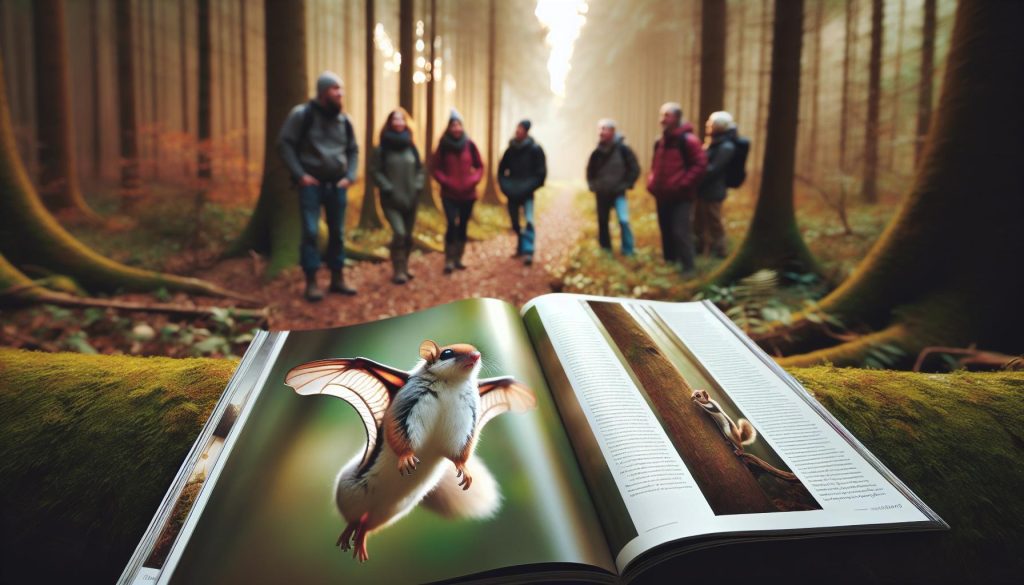
Did you know that flying squirrels are not actually capable of true flight? Instead, they glide gracefully through the air, thanks to their unique membrane stretching from their wrists to their ankles. If you’re curious about where to find these charming creatures and how to create a suitable habitat for them, you’re in the right place. This guide will explore the best locations to spot flying squirrels across North America, offering valuable insights into their natural habitats. Whether you’re a seasoned wildlife enthusiast or a newcomer eager to learn more about these fascinating animals, understanding their environment is crucial for both conservation efforts and responsible pet ownership. Join us as we delve into the world of flying squirrels and discover how you can connect with these enchanting gliders in your own backyard or nearby forests.
Where Do Flying Squirrels Live in the Wild?

Flying squirrels are fascinating creatures, often captivating onlookers with their nocturnal flights between trees. These small mammals primarily inhabit deciduous and coniferous forests, making their homes in a variety of tree hollows, snags, and even abandoned bird nests. In North America, two main species exist: the northern flying squirrel and the southern flying squirrel. The northern species is found mainly in mixed coniferous forests across Canada and the northern United States, extending as far south as the mountains of North Carolina and west to Utah. Meanwhile, the southern flying squirrel thrives in the eastern and central regions of the U.S., favoring habitats where trees form dense canopies, which provide both shelter and ample foraging opportunities for their predominantly nighttime activities [1], [3].
To seek out flying squirrels, look for areas with abundant trees, particularly those with a mix of hardwoods and conifers. Best spots include larger, older forests that haven’t undergone significant logging or development, as these environments provide a rich habitat for food and nesting sites. Parks or protected areas within their range often host healthy populations. For nature enthusiasts, evenings during twilight hours are prime times to observe flying squirrels as they become more active, gliding between branches and foraging for food like nuts and fruits.
Tips for Spotting Flying Squirrels:
- Visit known habitats in the early evening when they are most active.
- Use a flashlight to catch the reflection of their eyes in the dark.
- Listen for their distinctive sounds, which are usually soft chirps or whistles.
Understanding where flying squirrels live not only enriches your wildlife observation but also highlights the importance of conservation efforts to preserve their natural habitats. Protecting these creatures means safeguarding the trees and forests they call home, ensuring future generations can enjoy the enchanting sight of flying squirrels in the wild.
Understanding Their Natural Habitat and Range
Flying squirrels, with their adorable faces and graceful glides, inhabit a variety of wooded environments that serve as their natural playgrounds. These small, nocturnal mammals find their homes primarily in deciduous and coniferous forests, where the abundance of trees offers both food sources and nesting sites. Within North America, the range of flying squirrels is quite distinct, with the northern flying squirrel favoring mixed coniferous forests stretching from Canada through the northern United States, while the southern flying squirrel prefers the dense canopy regions of the eastern and central U.S. The habitat requirements of both species underline their need for mature forests that provide ample shelter and a diet rich in nuts and fruits.
To maximize your chances of spotting these enchanting creatures, focus on pristine environments that have remained largely untouched by development. Look for larger, older forests or protected parks, as these places typically harbor healthier populations of flying squirrels. Their natural camouflage-thanks to their grayish-brown fur-makes them adept at blending into the tree canopies, so a keen eye is essential.
When venturing out for a glimpse of flying squirrels, the ideal time is during the twilight hours when they begin their nightly foraging. Watch closely as they glide gracefully from tree to tree, using the membrane between their limbs to sail through the air. Listening for their soft chirps or whistles can also enhance your experience, as these sounds often precede their appearances. With a bit of patience and the right location, observing these remarkable animals can be a magical experience that connects you to the wild and inspires conservation efforts to protect their habitats.
Best Locations to Spot Flying Squirrels

To catch a glimpse of flying squirrels in their natural habitat, there are several prime locations that increase your chances of spotting these fascinating creatures. Unlike their more common ground-dwelling cousins, flying squirrels prefer to dwell in the canopies of mature forests. Areas rich in tall trees provide the perfect environment for gliding, foraging, and nesting.
Ideal Locations
- Mature Deciduous Forests: Locations such as parks or wooded areas with a mix of hardwood trees like oaks, maples, and hickories are excellent for finding southern flying squirrels. These forests provide abundant food sources and safe nesting sites.
- Mixed Coniferous Forests: For those interested in spotting northern flying squirrels, search in regions with dense coniferous trees, especially in areas stretching from Canada down through the northern United States.
- Protected Natural Reserves: National parks and wildlife refuges are prime spots. These areas tend to be less disturbed by human activity, allowing for healthier populations. For instance, places like Shenandoah National Park or Great Smoky Mountains National Park offer ideal habitats.
Seasonal Considerations
Timing is crucial when attempting to observe flying squirrels. They are predominantly nocturnal, so the best time to spot them is during twilight, right as the sun sets. Their activity peaks from late evening into the night, when they emerge for foraging. Bring along a flashlight for better visibility and to help trace their movements among the branches. Sound can also be a helpful hint; listen for their soft chirps or whistles as they navigate through the trees. With patience, keen observation, and an understanding of the right locations, you can enjoy the enchanting sight of these gliding mammals in action.
Tips for Finding Flying Squirrels in Your Area
While these mesmerizing creatures are known for their acrobatic gliding, spotting flying squirrels in the wild can take a bit of patience and strategy. Start your adventure by choosing the right time and place. Since flying squirrels are nocturnal, your best chance to observe them is during twilight hours or under the cover of night. They typically become active around sunset, making early evening an ideal window for seeking them out.
To enhance your chances of a sighting, target locations where flying squirrels thrive. These include mature forests, particularly those filled with deciduous trees such as oaks, maples, and hickories, as they provide ample food and nest sites. If you’re in northern regions, consider coniferous forests, where northern flying squirrels make their homes. Parks and nature reserves often offer the best opportunities for encounter, as these areas are less impacted by human activity, fostering healthier squirrel populations.
Equipped with the right tools can significantly boost your experience. Bring a good flashlight to illuminate the trees and allow for better visibility of these agile gliders. Listening for their unique chirps can also help; these soft sounds often indicate their presence. Additionally, try to find a comfortable spot higher up on a hill or along a ridge where you can scan the treetops. Ideally, you want to position yourself in a quiet area, minimizing disturbances to attract them closer. With a bit of diligence and respect for their habitat, you’ll be well on your way to enjoying the enchanting sight of flying squirrels gliding effortlessly through the night sky.
Distinctive Features of Different Flying Squirrel Species
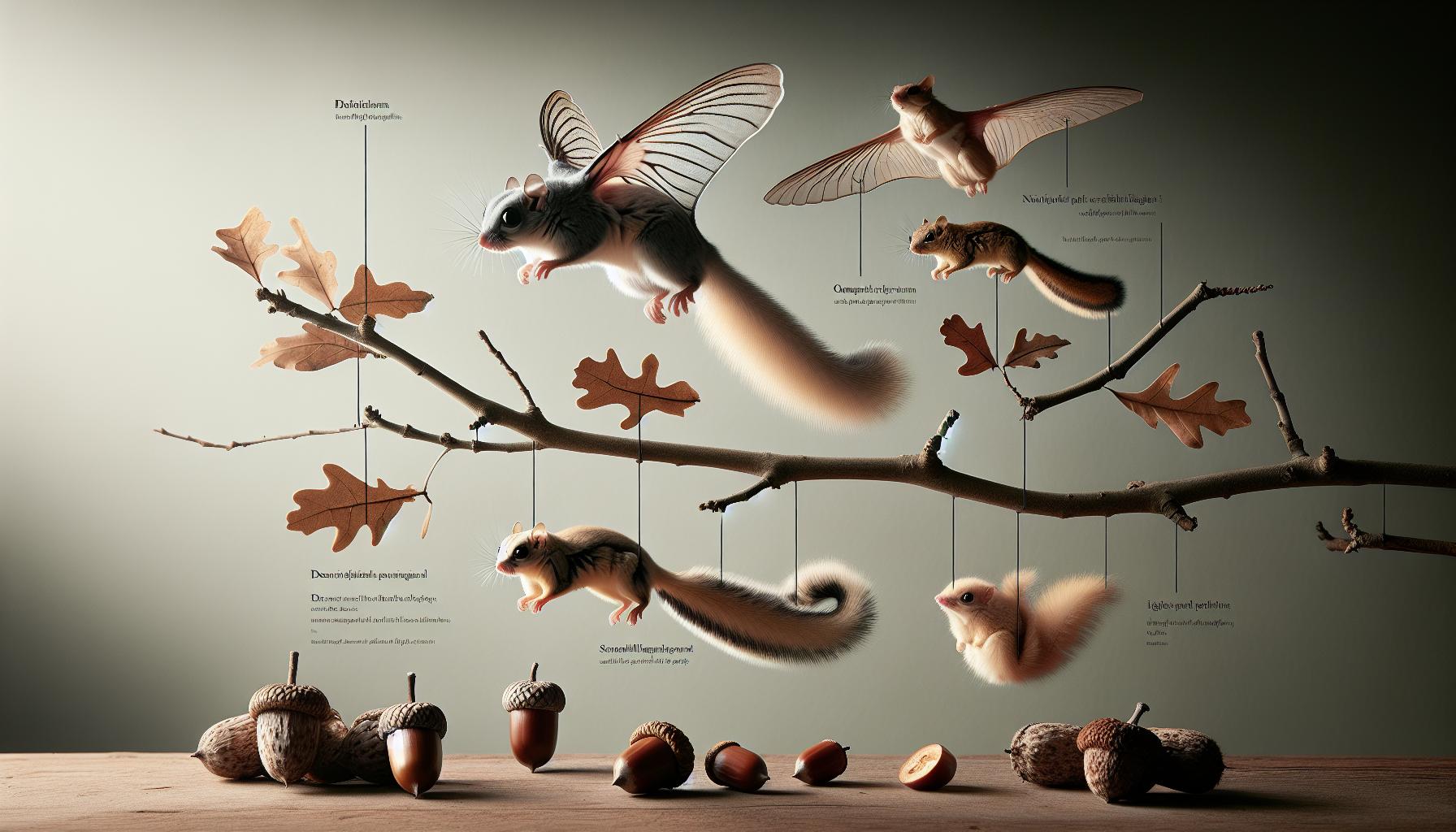
With over 50 species of flying squirrels across the globe, each has unique traits that make them intriguing to wildlife enthusiasts. One of the most remarkable is the Southern Flying Squirrel (Glaucomys volans), easily recognized by its soft gray fur and large, black eyes that assist in night vision. This species, found mostly in eastern North America, is notable for its ability to glide over 150 feet between trees using a membrane of skin stretch known as the patagium. Southern flying squirrels are social creatures, often living in groups, which you might catch a hint of when you hear their soft, squeaky vocalizations.
In contrast, the Northern Flying Squirrel (Glaucomys sabrinus), which inhabits the northern regions of the United States and Canada, has a slightly larger size and features a more extensive range of color variations, from gray to a rich brown. The Northern flying squirrel prefers dense, mature forests that contain coniferous trees, unlike its southern counterpart, which favors mixed woodlands. Due to its more solitary nature, spotting Northern flying squirrels can be more challenging, but worth the effort if you are wandering through their woodland habitats.
Another interesting species is the Giant Flying Squirrel (Petaurista* spp.), found in the mountainous regions of Southeast Asia. This impressive creature can weigh as much as five kilograms (about 11 pounds) and boasts a wingspan that can reach over a meter. Unlike other flying squirrels, giant flying squirrels do not glide as frequently; they prefer to leap between trees and are mostly nocturnal, avoiding predators in their lush forest environments.
To differentiate these species during your observations, look for specific characteristics like size, color, and habitat preferences. For example, if you spot a smaller, more sociable squirrel gliding through the trees in a park or forested area in the eastern U.S., it’s likely a Southern flying squirrel. Observing them as they navigate their habitats can provide not only joy and entertainment but also deeper insights into the vital roles they play in our ecosystems.
Flying Squirrel Behavior: What to Look For
When observing flying squirrels, their playful and acrobatic behavior is nothing short of enchanting. Known for their ability to glide gracefully between trees, these small mammals use their patagium-an extension of skin between their forelimbs and hind limbs-to steer and control their flights. This remarkable adaptation allows them to navigate their forest habitat with considerable agility, especially at dusk when they are most active. As you explore areas where flying squirrels may dwell, keep an eye out for their gliding antics, which can span distances of over 150 feet!
Flying squirrels are generally nocturnal, making evening outings a prime time for spotting them. Look for movement in the canopy as they leap from branch to branch. Their keen eyesight, adapted for low light conditions, enables them to effortlessly avoid obstacles in their path. Apart from gliding, these creatures frequently engage in social interactions; you might hear their soft chirps or clicks echoing among the trees, especially when they are in family groups. If you find a cozy, tree cavity, there’s a good chance a few of these socialites reside within, often snuggling together for warmth.
Understanding their diet also sheds light on their behavior. Flying squirrels mainly feast on fruits, nuts, and fungi, which they foray into the woodland floor to find. They exhibit hoarding behavior, caching food items for later consumption, especially in anticipation of winter months. This behavior not only aids in their survival but also promotes forest health, as inaccessible food may germinate and grow into new plants.
When you’re out and about, consider bringing along a pair of binoculars and perhaps a flashlight to help enhance nighttime viewing. Seek areas rich in oak, hickory, and other nut-producing trees, particularly around the edges of woodlands where they feel safe. With a bit of patience and careful observation, you’ll witness the whimsical and vital role these creatures play in their ecosystem, gliding through the night skies like furry little acrobats.
Seasonal Changes in Flying Squirrel Activity
The enchanting world of flying squirrels becomes even more fascinating when you consider how their activity shifts with the seasons. These nocturnal gliders are most lively during spring and summer when food is abundant and the weather is mild. As the trees burst into leaf, flying squirrels take advantage of the increased cover and an array of fruits and nuts to forage. In these warmer months, you’ll find them engaging in social behaviors, often seen gliding through the canopy in families, chirping and interacting as they play and search for food.
As autumn arrives, flying squirrels ramp up their foraging activities, preparing for the colder months ahead. They demonstrate impressive hoarding behavior, caching food in hidden spots for later consumption-a survival strategy that becomes crucial during winter when food may be scarce. This time of year, their activity can be seen peaking in the evenings as they seek out the last of the season’s bounty. Look for them around nut-producing trees, particularly oaks and hickories, where they may be busy stashing acorns or other treats.
When winter settles in, flying squirrels enter a period of less visible activity. With temperatures dropping and food supplies dwindling, they become more reclusive. However, they don’t hibernate; instead, they will gather in tree cavities or nests to conserve heat and maintain warmth. During this time, you may still spot them on milder nights, especially around twilight when they are most active, although their social interactions tend to decrease.
With the arrival of spring, as the days lengthen and temperatures rise, flying squirrels will re-emerge. This seasonal renewal ushers in a time of active breeding and foraging, marking the return of their lively antics in the forests. For those keen on observing flying squirrels in the wild, visiting areas during the active seasons-particularly spring, summer, and early fall-will yield the best results, providing a chance to witness these acrobatic animals in action. So, bundle up and take a stroll in wooded areas during early evening hours; you might just catch a glimpse of them soaring gracefully from branch to branch!
Conservation Status: Protecting Flying Squirrels
The flight of the elusive flying squirrel is not only a stunning display of grace but also a crucial part of our forest ecosystems. However, their populations face challenges that call for focused conservation efforts. Habitat loss due to urbanization, aggressive logging, and altered land use threatens their natural homes. These adorable gliders rely on mature forests with ample trees for foraging, nesting, and gliding. Protecting their habitat is essential for their survival, making awareness and action critical for their conservation.
To support flying squirrel populations, consider participating in or supporting local conservation initiatives that focus on forest preservation. Planting native trees and creating wildlife corridors can enhance their living conditions. Citizen science projects also welcome enthusiasts to log sightings and populations, contributing valuable data for conservation efforts. For example, organizations might organize ‘squirrel surveys’ to monitor their densities in various habitats, helping track how they adapt to environmental changes.
Moreover, if you live in an area where flying squirrels are present, you can help by creating a wildlife-friendly backyard. Leave natural spaces undisturbed, refrain from using pesticides, and provide natural food sources like native nuts and fruits that flying squirrels adore. Install nesting boxes high in trees to give them safe havens, especially in urban environments where traditional nesting sites may be scarce.
Ultimately, engaging with the community and fostering a sense of stewardship can make a difference. Flying squirrels are not just charming creatures; they play a vital role in their ecosystems by aiding in seed dispersal and promoting forest health. By taking proactive steps, we can ensure these fascinating gliders continue to soar through our forests for generations to come.
How to Safely Observe Flying Squirrels in the Wild
Seeing a flying squirrel take to the air is like witnessing magic in the woods. With their large eyes and distinctive patagium-an extension of skin that enables their gliding ability-these nocturnal creatures are both fascinating and delicate. If you’re eager to observe flying squirrels in their natural habitat, it’s essential to do so safely and respectfully, ensuring minimal disturbance to both the animals and their environment.
To begin your adventure, timing is crucial. Flying squirrels are primarily active at night, so plan your observation trips during twilight hours or after dark. A good strategy is to head out around dusk with a flashlight that has a red filter, which preserves your night vision while making it easier to spot these elusive gliders without startling them. Listen closely-flying squirrels make soft chirps and whistles, which can help guide you to their location. You might also notice their gliding movements when they leap from tree to tree, especially under the cover of low light.
When scouting for flying squirrels, focus on mature forests with plenty of hardwood trees, as these are their preferred habitats. Position yourself quietly beneath a tree where they are known to nest; look for holes in tree trunks that could serve as nesting sites, often higher up, where they feel safe from predators. Using binoculars can enhance your viewing experience without encroaching on their space. Remember to keep your distance and avoid sudden movements or loud noises that could scare them away.
In your quest to observe flying squirrels, respect is paramount. It’s important to refrain from attempting to touch or feed them, as this could disrupt their natural behavior and diet. Instead, consider documenting your findings through photography or notes, contributing to citizen science initiatives that help track flying squirrel populations. This not only enhances your experience but aids in conservation efforts as well. Celebrate your role as an observer; by appreciating flying squirrels from a distance, you play a vital part in ensuring their survival and the health of their ecosystems.
Common Myths About Flying Squirrels Debunked
Flying squirrels are often shrouded in mystery, leading to a variety of myths that can cloud our understanding of these charming creatures. One prevalent myth is that flying squirrels can truly “fly.” In reality, these animals are gliders, using their specialized membrane called the patagium to soar through the air, much like a parachute. They can glide for considerable distances-up to 150 feet!-but they do not possess the flapping wings necessary for sustained flight as birds do.
Some believe that flying squirrels are dangerous or aggressive, likely due to their nocturnal nature and sharp teeth. In truth, these gentle creatures are shy and prefer to avoid human interaction. They are more likely to flee than confront. Consequently, flying squirrels are not a threat to pets or people, though like any wild animal, they should be respected and observed at a distance.
Another common misconception is that flying squirrels only live in urban environments. While they can adapt to suburban settings, their primary habitats are mature forests rich with hardwood trees. In these natural environments, they find plenty of food and nesting sites. Individuals hoping to catch a glimpse of these elusive critters should focus their efforts in forested areas during dusk or at night, rather than assuming they’ll spot them in city parks.
Finally, there’s a myth that all flying squirrels are the same. In reality, several species exist across North America, each with unique adaptations. For instance, the Southern flying squirrel is more common in the eastern U.S., while the Northern species might be found in colder climates. Understanding these differences enhances our appreciation of their ecological role and underscores the importance of protecting their varied habitats.
By dispelling these myths, we can foster a better understanding of flying squirrels and appreciate their role in the ecosystem. Whether you’re an experienced wildlife observer or a curious newcomer, knowing the facts will help you observe these enchanting gliders with respect and wonder.
The Role of Flying Squirrels in Their Ecosystem
Flying squirrels play a vital role in their ecosystems, acting as both foragers and prey within the forested habitats they inhabit. These adorable gliders are often overlooked, but their contributions are essential for maintaining the health and diversity of the environments they call home. They are important seed dispersers, helping to propagate various tree species, which is critical for forest regeneration. As they glide from tree to tree, they inadvertently drop seeds, facilitating new plant growth and vegetation spread.
Furthermore, flying squirrels’ feeding habits bring another layer of ecological significance. They primarily feast on fruits, nuts, and fungi, and their consumption of truffles-fungal bodies found underground-helps promote fungal growth in the forest floor. This relationship is a fascinating example of mutualism, where both the squirrels and fungi benefit. Truffles rely on being consumed and excreted by animals to spread their spores, while flying squirrels gain vital nutrients from these food sources.
Predation also plays a crucial part in the ecosystem, and flying squirrels are a significant food source for various predators, including hawks, owls, and even larger mammals like foxes. Their nocturnal lifestyle helps them avoid many daytime predators, but they still contribute to the food web, supporting these species and ensuring ecological balance. In this way, flying squirrels help maintain biodiversity, underscoring the interconnectedness of wildlife.
To observe these fascinating creatures in their natural role, visitors to their habitats should approach quietly and at dusk, perhaps gathering at locations known for dense hardwood forests. Using night vision gear or simply your eyes adjusted to the dark can help you spot these gliders high in the trees. The interconnected roles of flying squirrels in their ecosystems remind us of the delicate balance within nature and highlight the importance of preserving their habitats to ensure their survival and the overall health of the environments we cherish.
Frequently asked questions
Q: Where are the best places to spot flying squirrels in urban areas?
A: Urban parks and wooded areas are excellent places to spot flying squirrels. Look for them in mature trees, especially those near water sources. They are most active during the twilight hours, so go out in the early morning or late evening for the best chance to see them. Check our section on Best Locations to Spot Flying Squirrels for more insights.
Q: What types of trees do flying squirrels prefer for nesting?
A: Flying squirrels prefer deciduous trees with hollows for nesting, such as oak, maple, and cherry. They also utilize dead or dying trees as these have natural cavities. Understanding their nesting habits can enhance your chances of observing them in their habitat, as detailed in our Understanding Their Natural Habitat and Range section.
Q: When is the best time of year to observe flying squirrels?
A: The best time to observe flying squirrels is during the fall and winter months when their activity is more visible against the bare trees. They are less active during the hot summer months. For more seasonal insights, check out our section on Seasonal Changes in Flying Squirrel Activity.
Q: How can I attract flying squirrels to my backyard?
A: To attract flying squirrels to your backyard, plant native trees and set up wildlife feeders with nuts and fruit. Ensure you have natural shelter areas. Providing a habitat conducive to their needs can increase your chances of seeing them. Learn more about attracting wildlife in our Tips for Finding Flying Squirrels in Your Area section.
Q: Why are flying squirrels important to their ecosystem?
A: Flying squirrels play a vital role in their ecosystem as seed dispersers and as food for various predators. They help maintain forest health by promoting tree growth. Our section on The Role of Flying Squirrels in Their Ecosystem dives deeper into their ecological contributions.
Q: How high can flying squirrels glide, and what distances do they cover?
A: Flying squirrels can glide up to 150 feet horizontally and at heights of about 100 feet. This ability helps them evade predators and move between trees efficiently. For more on their behavior, check our Flying Squirrel Behavior: What to Look For section.
Q: What should I do if I see a flying squirrel in my backyard?
A: If you see a flying squirrel, enjoy the moment from a distance. Observe quietly to avoid startling them. If you’re interested in wildlife photography, remain still and use a zoom lens. For best practices, refer to our rules in How to Safely Observe Flying Squirrels in the Wild.
Q: Are flying squirrels nocturnal, and how does this affect observation?
A: Yes, flying squirrels are nocturnal, meaning they are most active during the night. This behavior makes them less visible during the day. For successful observation, plan outings during dusk or dawn when they are most active. Our article covers tips to improve your chances in Tips for Finding Flying Squirrels in Your Area.
In Conclusion
Now that you know where to find flying squirrels and understand their unique habitats, it’s time to dive deeper into the fascinating world of these nocturnal creatures! Whether you’re considering adding a flying squirrel to your life or simply want to learn more, be sure to check out our related articles on care tips and conservation efforts. You won’t want to miss our post on “Caring for Your Pet Flying Squirrel” for essential insights.
Feel free to share your own experiences or questions in the comments below-we love hearing from fellow wildlife enthusiasts! And while you’re here, don’t forget to explore our comprehensive guides on other exotic animals. Sign up for our newsletter to stay updated on all things wildlife, and remember, each small step you take contributes to a larger understanding and appreciation of these amazing creatures. Happy exploring!
Get our latest guides, news, and insights highlighted in your Google Search & AI Overviews.