Did you know that prairie dogs are often called “ecosystem engineers”? These charming rodents play a crucial role in their habitats, shaping the environment and supporting a diverse array of wildlife. By burrowing, they aerate the soil and create homes for other species, contributing to the health of grasslands. Understanding why prairie dogs are considered a keystone species reveals their vital ecological impact. Not only do they provide food for predators like eagles and coyotes, but their presence also fosters a rich community of plants and animals that rely on their unique habitats. As we explore the fascinating world of prairie dogs, you’ll discover how preserving their populations is essential for maintaining the balance of these ecosystems, highlighting the interconnectedness of all living things. Join us on this journey to uncover the importance of these delightful creatures in our natural world!
Why Prairie Dogs Are Keystone Species Explained
Prairie dogs are often referred to as “keystone species” due to their significant impact on their ecosystem, particularly in grassland habitats. These social rodents play a crucial role in maintaining the health and balance of their environment. Their burrowing behavior aerates the soil, promotes water infiltration, and can even lead to increased plant diversity. This creates a more resilient ecosystem that can withstand environmental stresses such as drought.
Ecological Impact
The presence of prairie dogs affects a multitude of other species, both directly and indirectly. As they dig extensive burrow systems, they create habitats not only for themselves but also for many other animals. Various species, such as burrowing owls, black-footed ferrets, and numerous insects, rely on these burrows for shelter and nesting sites. Additionally, the grazing of the grasses by prairie dogs can stimulate new growth, benefiting herbivores like deer and even larger predators that hunt these grazers.
Soil Health and Plant Diversity
The burrowing activity of prairie dogs can lead to a noticeable change in soil composition. Their holes help to aerate the soil and improve drainage, which can enhance plant growth. Studies have shown that areas with healthy prairie dog populations often exhibit greater plant diversity compared to areas where they have been eradicated. This diverse plant life supports various herbivores, which in turn attracts predators, creating a complex web of life that illustrates the interconnectedness of the prairie ecosystem.
In summary, prairie dogs exemplify the concept of a keystone species. Their activities shape the environment in ways that benefit multiple other species, making them vital not just for their immediate community but for the larger ecological framework in which they exist. Protecting prairie dog populations ensures the health and resilience of prairie ecosystems, showcasing the importance of these delightful creatures in our natural world.
The Role of Prairie Dogs in Ecosystems
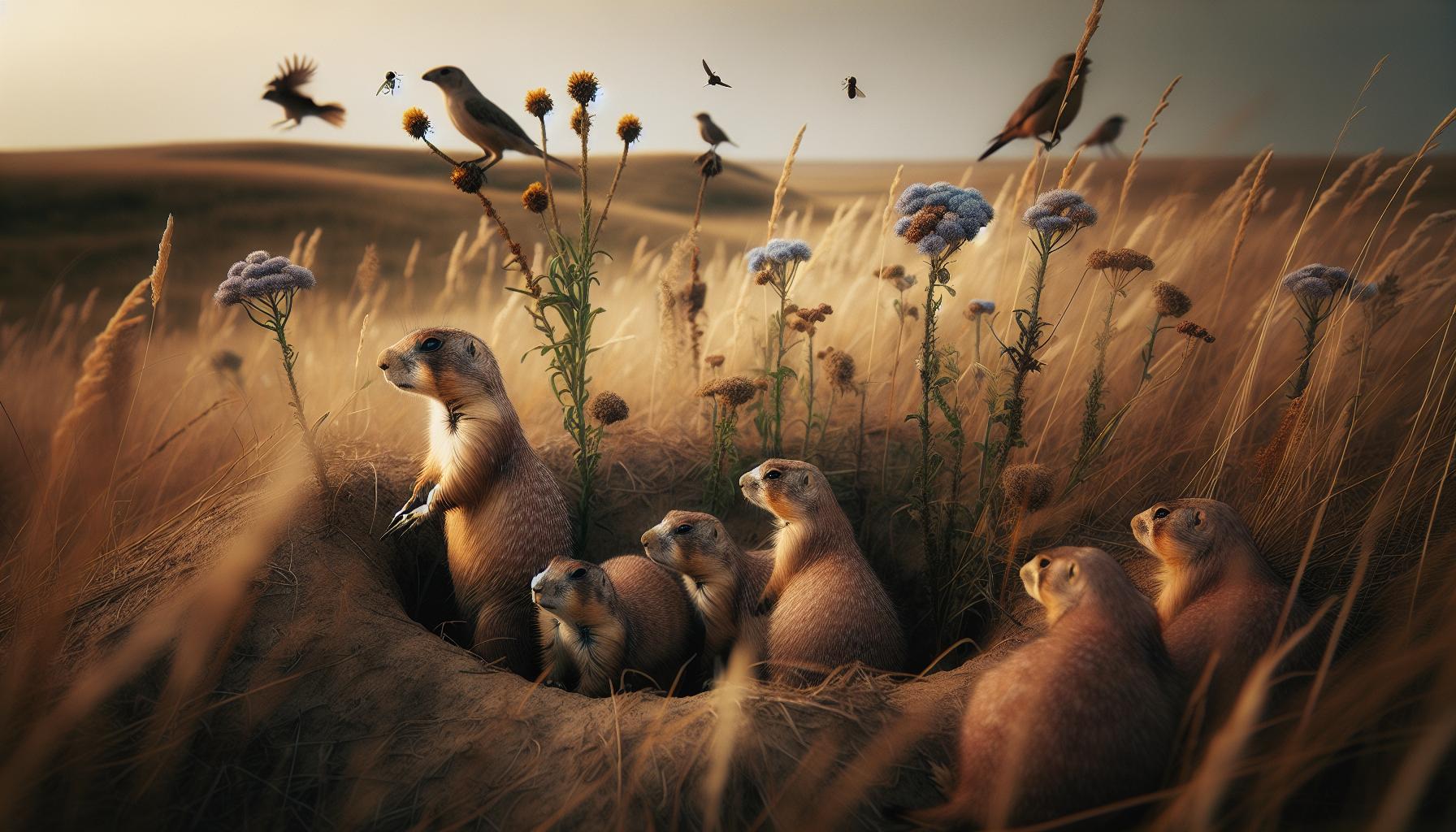
Prairie dogs are fascinating creatures that significantly shape the ecosystems they inhabit. When you think about a keystone species, consider the mighty prairie dog, whose burrowing habits and social structures create a ripple effect throughout the grasslands. Their extensive burrow systems serve as homes not only for themselves but also for a variety of wildlife. For instance, species like the black-footed ferret and burrowing owl depend on these underground networks for shelter and hunting grounds. This symbiotic relationship highlights how prairie dogs enhance biodiversity, making them critical players in their environment.
These small rodents have an incredible impact on soil health and vegetation. As they dig, their tunnels aerate the ground, improving water infiltration and enhancing nutrient cycling. This process supports plant growth and increases overall plant diversity, which benefits other species in the ecosystem. For example, the grazing habits of prairie dogs stimulate new grass growth, which provides food for herbivores like antelope and deer. In turn, these animals draw in larger predators, creating a balanced food web that thrives on interdependence.
Additionally, prairie dogs are integral to the resilience of their ecosystems. Their activities can buffer habitats against extreme weather conditions, such as droughts, which have become more prevalent due to climate change. By maintaining healthy grasslands, they help preserve not only their populations but also the myriad of species that rely on these environments. Protecting prairie dogs, therefore, means conserving an entire ecosystem, ensuring that all inhabitants-from plants to large predators-can thrive.
In summary, prairie dogs do much more than dig holes; they are environmental engineers whose presence fosters a vibrant and balanced ecosystem. By supporting prairie dog populations, we support a diverse array of wildlife and contribute to the health of grassland habitats.
Understanding Habitat: Where Prairie Dogs Thrive

Prairie dogs are not just adorable little rodents that scurry around; they are masters of their habitat, playing a crucial role in the ecosystems of North America’s grasslands. These sociable creatures thrive primarily in open plains, where their burrowing antics can be seen literally shaping the landscape. The ideal habitat for prairie dogs combines short grasses and sandy soils, allowing them to dig extensive tunnel systems with relative ease. Areas like the Great Plains of the United States, parts of Canada, and even northern Mexico host large colonies, facilitating their complex social structures and interactions.
Their burrows significantly affect the local environment, creating a unique microhabitat that supports a myriad of other species. For example, the burrows provide shelter for animals like the burrowing owl and the endangered black-footed ferret, creating a symbiotic relationship that underscores their role as a keystone species. The presence of prairie dogs helps maintain a balanced ecosystem, as their activities increase soil aeration and promote vegetation growth, which is vital for many herbivores that depend on these grasses for sustenance.
Additionally, prairie dogs are adept at choosing their homes based on environmental conditions. They prefer relatively flat areas with good sightlines, which helps them maintain vigilance against predators. The communal nature of their colonies also promotes extensive social interactions, with vocalizations that serve as warning calls and facilitate coordination within the group. This remarkable social structure not only aids in their survival but also enriches the biodiversity of their habitats.
In summary, as prairie dogs dig, dine, and interact in their grassy domains, they sculpt both their landscape and the lives of numerous creatures around them. Their unique habitat needs make them vital players in grassland ecology, highlighting the delicate connections within nature. By understanding where prairie dogs thrive, we gain insights into the management of these vital ecosystems and the diverse species that call them home.
The Social Structure of Prairie Dog Colonies

The vibrant social life of prairie dogs is a captivating aspect of their existence that reveals how these creatures are integral to the ecosystems they inhabit. Living in colonies called “towns,” prairie dogs display a complex social structure that includes distinct roles, extensive communication, and strong relationships. These interactions not only foster a united community but also play a critical role in the health of the grasslands.
Within their colonies, prairie dogs exhibit a highly organized societal system, often structured around familial groups. Each town is composed of multiple family units, known as coteries, which are typically led by a dominant male. This socially cohesive framework allows for shared responsibilities, such as guarding against predators and raising young. The vigilance of prairie dogs is essential; they have developed a sophisticated system of vocalizations to alert one another of dangers. Their alarm calls vary in tone and duration, indicating the type and proximity of threats, which showcases their advanced communication skills.
In addition to their alert systems, prairie dogs engage in grooming and play activities, strengthening their bonds and promoting social cohesion. This communal behavior emphasizes the importance of social ties for survival; a well-functioning community can better deter predators and respond collaboratively to danger. Interactions within these colonies also enhance genetic diversity through mate selection, contributing to robust populations capable of withstanding environmental changes.
With their intricate social structures and communication methods, prairie dogs significantly influence their surroundings. They create a lively atmosphere in the grasslands, where their burrows benefit not only themselves but also a variety of other species that depend on these underground environments for shelter and safety. Therefore, understanding the social dynamics of prairie dog colonies is essential for grasping their role as a keystone species, illuminating how these small mammals contribute to the greater ecological balance.
Impact on Soil Health: A Hidden Benefit
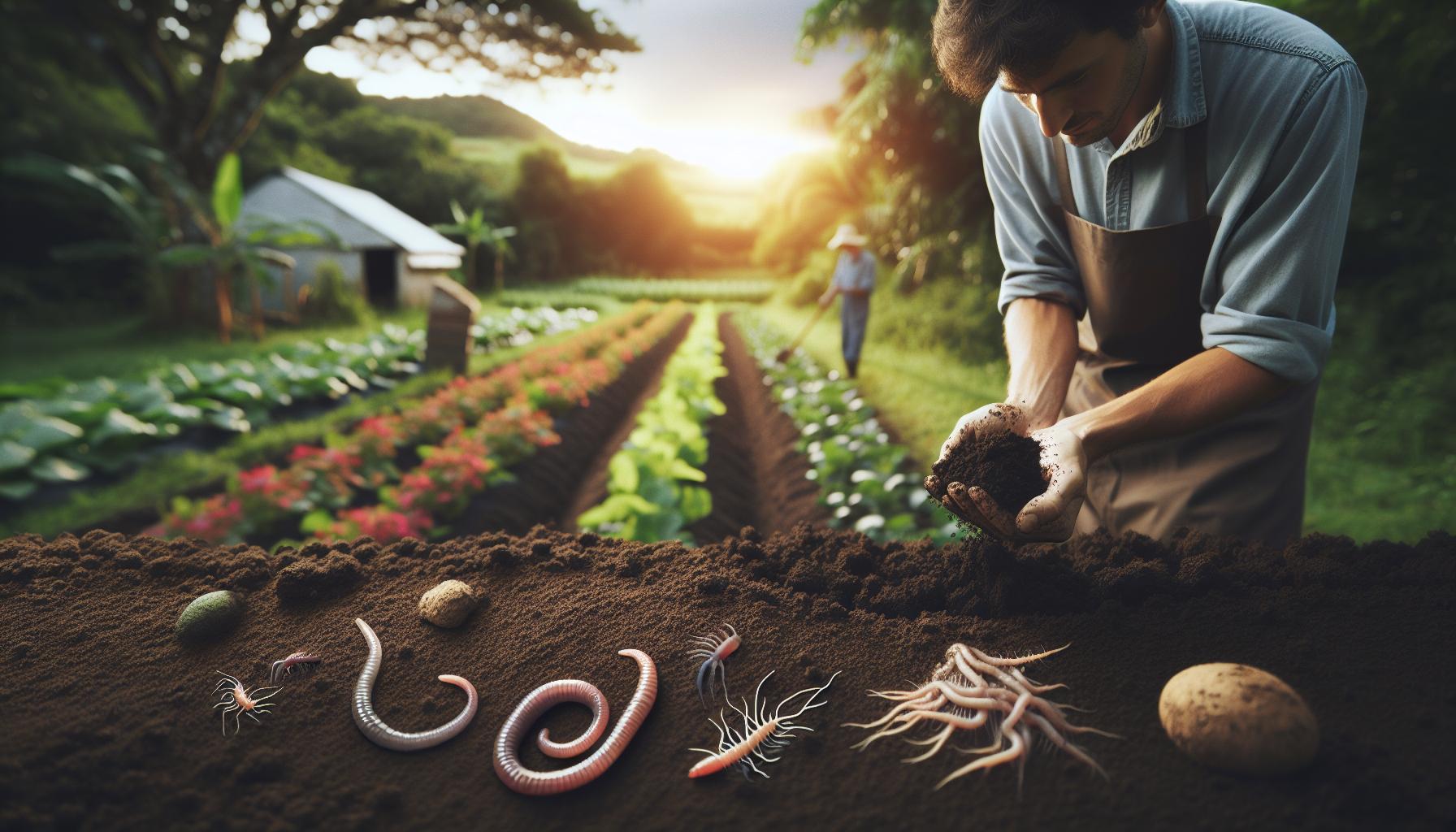
Prairie dogs are often recognized for their charming antics and vibrant social lives, but their impact on soil health is one of the lesser-known yet vital aspects of their role in ecosystems. These small mammals are natural engineers of the landscape, creating extensive burrow systems that significantly alter the soil structure and quality in their habitats. Their digging activities aerate the soil, enhance water infiltration, and promote nutrient cycling, making it healthier and more hospitable for a variety of plant species.
When prairie dogs burrow, they churn up soil and organic matter, which increases its oxygen content. This aeration is crucial for root growth and helps various microorganisms thrive, fostering a rich underground ecosystem. Additionally, their burrows serve as conduits for rainwater, allowing it to penetrate deeper into the ground rather than simply running off the surface. The result is a more resilient soil structure that can retain moisture, supporting not only the prairie dogs but also the grasses and plants that form the backbone of grassland ecosystems.
Moreover, prairie dogs contribute to nutrient cycling in their burrows. As they consume plant material, they leave behind droppings that enrich the soil with essential nutrients. This natural fertilization encourages a diverse array of plant species to flourish, which in turn supports a variety of herbivores and predators, weaving a complex web of life in the grasslands. In this way, prairie dogs help maintain the ecological balance and enhance biodiversity.
Understanding these hidden benefits serves as a reminder of the interconnectedness of all species within an ecosystem. Just as prairie dogs rely on healthy soil for their survival, countless other organisms depend on the rich environment that these keystone species create. By supporting prairie dogs and their habitats, we are indirectly fostering healthier soils and, ultimately, thriving ecosystems. This reinforces the need for conservation efforts to protect these remarkable creatures and the essential roles they play in the natural world.
Prairie Dogs and Biodiversity: Supporting Other Species
Prairie dogs are often called the “ecological engineers” of the grasslands, and for good reason! Their well-structured burrow systems create habitats that benefit a myriad of other species. When prairie dogs dig, they don’t just create homes for themselves; their burrowing activities also open up the ground for various plants and animals. This expansive underground network provides a refuge for other rodents, including the endangered black-footed ferret, which relies heavily on prairie dogs for food and shelter. The interconnected web of life that prairie dogs support showcases their pivotal role in maintaining biodiversity.
When prairie dogs graze on the grasses and forbs around their colonies, they promote healthier plant growth by trimming back overgrown areas. This creates a patchwork of distinct vegetation types that attract a variety of herbivores, from rabbits to antelope. In turn, these animals help maintain ecological balance by contributing to the grasslands’ nutrient cycle. Birds, such as eagles and hawks, benefit from the abundance of these smaller herbivores, making prairie dog towns bustling hubs of activity that contribute to avian diversity as well.
Another fascinating aspect of prairie dog colonies is their ability to influence soil health, which further supports a diverse array of plant life. Their extensive burrowing aerates the soil and promotes moisture retention, creating a more hospitable environment for plants and other soil organisms. This, in turn, fosters a vibrant ecosystem where various species can thrive. As these plants grow, they provide food and shelter for countless insects and other wildlife, making the prairie dog’s influence ripple outward through the entire ecosystem.
In essence, prairie dogs not only enrich their immediate environment but also play a crucial role in fostering a diverse community of plants and animals. Their conservation is essential, not just for their survival, but for the collective health of the grassland ecosystems as a whole. By supporting these charismatic creatures, we help to preserve the intricate tapestry of life they sustain.
Challenges Facing Prairie Dog Populations
As charming as they are essential to their ecosystems, prairie dogs face numerous challenges that threaten their existence and, by extension, the health of grassland biomes. The complexity of their lives on the prairie is being undermined by factors such as habitat loss, disease, and human-wildlife conflict. Understanding these threats is vital for fostering a supportive approach to conservation.
One of the most significant challenges prairie dogs encounter is habitat destruction. Urban expansion, agriculture, and infrastructure development continue to encroach upon their populations, fragmenting their colonies and reducing their range. As natural ecosystems are replaced with buildings and farmlands, prairie dogs lose not just their homes but also the essential ecological networks they support. This loss disrupts the delicate balance of life in their habitats, impacting species relying on prairie dogs for food and shelter, such as the black-footed ferret.
Moreover, disease poses a serious threat to prairie dog populations. Outbreaks of sylvatic plague, transmitted through fleas, can decimate entire colonies in a matter of weeks. This disease, while affecting prairie dogs directly, also endangers a multitude of species that depend on them, further complicating the ecosystem’s health. Conservationists are searching for ways to manage these outbreaks, such as flea control measures, yet the challenge remains formidable.
Human interactions often lead to conflict, as prairie dogs are considered pests by some landowners. This perception can result in widespread culling efforts, which not only decrease their numbers but also interfere with their crucial role as ecosystem engineers. It’s essential to bridge the gap between landowners and conservationists by promoting education and highlighting the benefits of prairie dogs to the overall health of grasslands.
In summary, the are multifaceted and interconnected. By understanding and addressing habitat loss, disease management, and human-wildlife conflict, we can pave the way for more sustainable coexistence and safeguard these vital keystone species. Taking action and supporting conservation efforts will ensure that prairie dogs continue to thrive for generations to come.
Human Interactions: Conservation vs. Conflict
In the intricate dance of nature, the plight of prairie dogs often finds them at the crossroads of conservation and conflict. These charming rodents are not just playful inhabitants of the grasslands; they are vital to the health of their ecosystems. Yet, they face significant challenges due to their interactions with humans, who may view them as pests rather than essential players in their environment.
Many ranchers and landowners regard prairie dogs as a threat to their agricultural activities. These animals can create sprawling burrow systems that disrupt grazing lands and can reduce forage for livestock. To mitigate what they see as a nuisance, some landowners resort to culling populations, which can drastically affect the prairie dog’s role as a keystone species. Without the prairie dog colonies, entire ecosystems can unravel; the burrows they create provide crucial habitats for other animals, such as burrowing owls and black-footed ferrets. When these animals are removed haphazardly, it doesn’t just impact the prairie dogs-it sends ripples through the entire grassland ecosystem.
To address this conflict, fostering understanding and appreciation of prairie dogs is essential. Education plays a key role here. Landowners should be made aware of the ecological benefits prairie dogs provide, including improving soil health and promoting biodiversity. For example, active prairie dog colonies enhance soil aeration and moisture retention, benefiting other plant and animal species that share their habitat. Implementing conflict resolution strategies, such as relocating prairie dogs instead of culling them, can lead to more harmonious coexistence.
Practical Steps for Coexistence
- Education and Awareness: Share information about the ecological role of prairie dogs with landowners, emphasizing their place in the ecosystem and the benefits they contribute.
- Non-lethal Management Strategies: Explore humane options for managing prairie dog populations, such as relocation or habitat modification.
- Collaborative Conservation Efforts: Promote collaboration between conservationists and landowners to develop management plans that protect both agricultural interests and prairie dog populations.
Ultimately, the relationship between humans and prairie dogs is complex but not insurmountable. By fostering a spirit of cooperation and understanding, we can ensure these charismatic animals continue to thrive, securing their valuable role in the grassland ecosystem for future generations.
The Importance of Prairie Dogs in Grassland Ecology
In the sprawling grasslands where prairie dogs thrive, these small yet mighty creatures play an indispensable role in maintaining ecological balance. Often overlooked, prairie dogs are more than just a curious species; they are keystone animals whose presence shapes the habitat in profound ways. The intricate networks of burrows they create serve not only as homes for themselves but also provide essential shelter for multiple species, including burrowing owls, black-footed ferrets, and a variety of insects. These burrows aerate the soil and promote water infiltration, ultimately enhancing the health of the grasslands and supporting diverse plant life.
Beyond just creating physical structures, prairie dogs influence the dynamics of their ecosystem. Their foraging habits help control vegetation, promoting a variety of plant species and preventing any one type from becoming too dominant. This plant diversity, in turn, supports a wide range of herbivores, from insects to larger mammals, creating a rich tapestry of life. Each prairie dog colony acts like a bustling community, where the interactions among species, including the predators that rely on them, foster a dynamic ecosystem that flourishes in biodiversity.
However, prairie dogs face numerous threats that can destabilize this delicate balance. Habitat destruction, disease, and human-wildlife conflicts pose significant challenges to their populations. By understanding and conserving prairie dogs, we ensure the health of the grasslands they inhabit. Not only does this help preserve the prairie dogs themselves, but it also supports the vast array of species that rely on them for survival. Emphasizing the importance of these small animals in our ecosystem can inspire conservation efforts and promote responsible land management practices that respect their role in nature.
In summary, prairie dogs are far more than mere residents of the grasslands; they are vital contributors to ecological health. Their ability to shape their environment creates a foundation for a thriving ecosystem, making their conservation crucial for maintaining the ecological integrity of grassland habitats. By fostering a greater appreciation for these keystone species, we pave the way for sustainable coexistence with the fascinating wildlife that shares their world.
Success Stories: Prairie Dog Conservation Efforts
In the realm of wildlife conservation, prairie dogs represent a success story that highlights the power of community action and scientific research. These social creatures, often deemed pests by ranchers due to their burrowing habits, are crucial to maintaining the health of grassland ecosystems. Recent conservation efforts have focused on restoring prairie dog populations and their habitats, benefiting a myriad of other species that depend on them.
One notable example is the collaboration between conservation groups and ranchers in areas like South Dakota. Programs have been implemented that educate landowners about the ecological significance of prairie dogs, encouraging coexistence rather than conflict. Many ranchers have embraced these conservation initiatives, recognizing that healthy prairie dog populations contribute to increased biodiversity, which enhances the overall functionality of the grasslands they manage. This shift in perspective has led to the establishment of prairie dog reserves that support thriving ecosystems, which, in turn, sustain other wildlife such as swift foxes and burrowing owls.
Efforts have also focused on mitigation strategies to address the concerns of agricultural stakeholders. Innovative solutions, like designated prairie dog relocation programs, allow for the humane management of colonies that may threaten farmland while ensuring the survival of these keystone species. These programs not only preserve prairie dog habitats but also improve soil health through natural aeration and the cycling of nutrients, showcasing the harmonious balance that can be achieved when humans and wildlife work together.
Conversely, in some regions, proactive policies have been enacted, like the establishment of prairie dog conservation areas, where these animals can thrive without the threat of habitat destruction. By creating protected sites, conservationists hope to foster stable prairie dog populations that reestablish the delicate balance of the grasslands, ultimately benefiting a host of other species that rely on the ecosystem they create. Through these collaborative efforts and protective measures, prairie dogs continue to serve as a beacon of successful wildlife conservation, highlighting the importance of informed, respectful interactions between humans and the natural world.
Fun Facts About Prairie Dogs: Nature’s Entertainers
Did you know that prairie dogs have an intricate system of communication that rivals many human languages? These charming rodents use a variety of vocalizations to alert their colonies about predators, define territory, and even discuss the specifics of the threats they face. Their distinctive “barking” sounds can convey detailed information, such as the type and size of approaching danger-a fascinating testament to the intelligence of these social creatures.
The social structure of a prairie dog colony, or “town,” is equally captivating. These towns can span hundreds of acres and house thousands of prairie dogs. Within these vast networks of burrows, family units live closely together and engage in cooperative behaviors. For example, prairie dogs are known for their “kissing” behaviors, which serve as a form of greeting and bonding among family members and neighbors. This tight-knit community structure enhances their survival, as they work together to maintain their complex tunnels and lookout for potential threats.
In addition to their communication and social dynamics, prairie dogs play a crucial role in their ecosystem, dramatically shaping their environment. Their burrowing activity aerates the soil, improving water infiltration and nutrient distribution-a natural form of landscaping! This process fosters plant growth, which supports a myriad of other species, from insects to larger mammals. Thus, in addition to being delightful entertainers with their playful antics and vocalizations, prairie dogs are essential custodians of their grassland ecosystems, ensuring a rich and diverse habitat for themselves and countless other animals.
As you learn more about these engaging creatures, consider their significant role in the balance of nature. Support conservation efforts that recognize the value of prairie dogs, not just as charismatic animals, but as vital keystones in the ecosystems they inhabit. Your fellow nature enthusiasts will surely appreciate the charm and importance of these remarkable little prairie dwellers!
Frequently Asked Questions
Q: Why are prairie dogs considered a keystone species?
A: Prairie dogs are considered a keystone species because their burrowing activities enrich the soil and create habitats for numerous other species. Their colonies can support a diverse array of wildlife, from predators to herbivores, promoting biodiversity in grassland ecosystems.
Q: How do prairie dogs influence the ecosystem?
A: Prairie dogs influence the ecosystem by aerating the soil through their burrows, which enhances nutrient cycling and water infiltration. This process supports the growth of various plant species, which in turn benefits multiple herbivores that rely on those plants for food.
Q: What animals depend on prairie dogs for survival?
A: Numerous animals depend on prairie dogs, including black-footed ferrets, hawks, and badgers. These predators rely on prairie dogs as a primary food source, while other species benefit from the habitats created by their burrowing.
Q: Can the decline of prairie dog populations affect the ecosystem?
A: Yes, the decline of prairie dog populations can lead to significant ecological consequences. It can result in reduced biodiversity, as many species depend on prairie dogs for food and habitat. This decline can disrupt entire food webs within grassland ecosystems.
Q: What role do prairie dogs play in soil health?
A: Prairie dogs play a vital role in soil health by enhancing soil aeration and nutrient availability through their extensive burrowing. This activity supports plant growth and improves the overall fertility of the grassland, contributing to a healthier ecosystem.
Q: How do prairie dogs support plant diversity?
A: Prairie dogs support plant diversity by creating disturbances in the soil, which allows for various plant species to thrive. Their grazing habits can prevent the dominance of any single plant species, promoting a richer variety of flora in their habitats.
Q: What challenges do prairie dogs face in their ecosystems?
A: Prairie dogs face several challenges, including habitat loss due to agriculture and urban development, disease outbreaks, and negative perceptions by farmers. These factors threaten their populations and, consequently, the health of grassland ecosystems.
Q: How can humans help conserve prairie dog populations?
A: Humans can help conserve prairie dog populations by supporting habitat restoration efforts, advocating for better land-use practices, and educating others about their ecological importance. Engaging in local conservation initiatives can make a tangible difference in preserving this keystone species.
The Conclusion
In summary, prairie dogs are not just quirky creatures, but vital players in their ecosystem, impacting various species and landscape dynamics. Their role as a keystone species underlines the importance of their conservation and the health of prairie habitats. Interested in diving deeper? Explore our articles on the Ecological Roles of Keystone Species and the Impact of Habitat Conservation.
Your journey into the world of prairie dogs doesn’t have to end here. Join our newsletter for updates on wildlife conservation efforts and practical tips for protecting these remarkable animals. Engage with us in the comments-share your thoughts or experiences with prairie dogs, and be part of our community dedicated to wildlife awareness. Every action counts, so let’s champion these incredible creatures together!
Get our latest guides, news, and insights highlighted in your Google Search & AI Overviews.