Did you know that prairie dogs are not just adorable little rodents but also key players in their ecosystems? These social creatures live in complex burrows and exhibit fascinating behaviors that make them stand out in the wild. However, if you’ve ever wondered what animals share similarities with prairie dogs, you’re in for a treat! Many species, from burrowing meerkats in Africa to solitary gophers, mirror various aspects of these charismatic animals, whether in behavior or habitat. Understanding these lookalikes not only fuels our curiosity about wildlife but also highlights the importance of ecological diversity and conservation. Join us as we explore the intriguing world of animals similar to prairie dogs, uncovering fascinating facts and deepening your appreciation for these remarkable creatures.
Characteristics of Prairie Dogs: What Makes Them Unique?
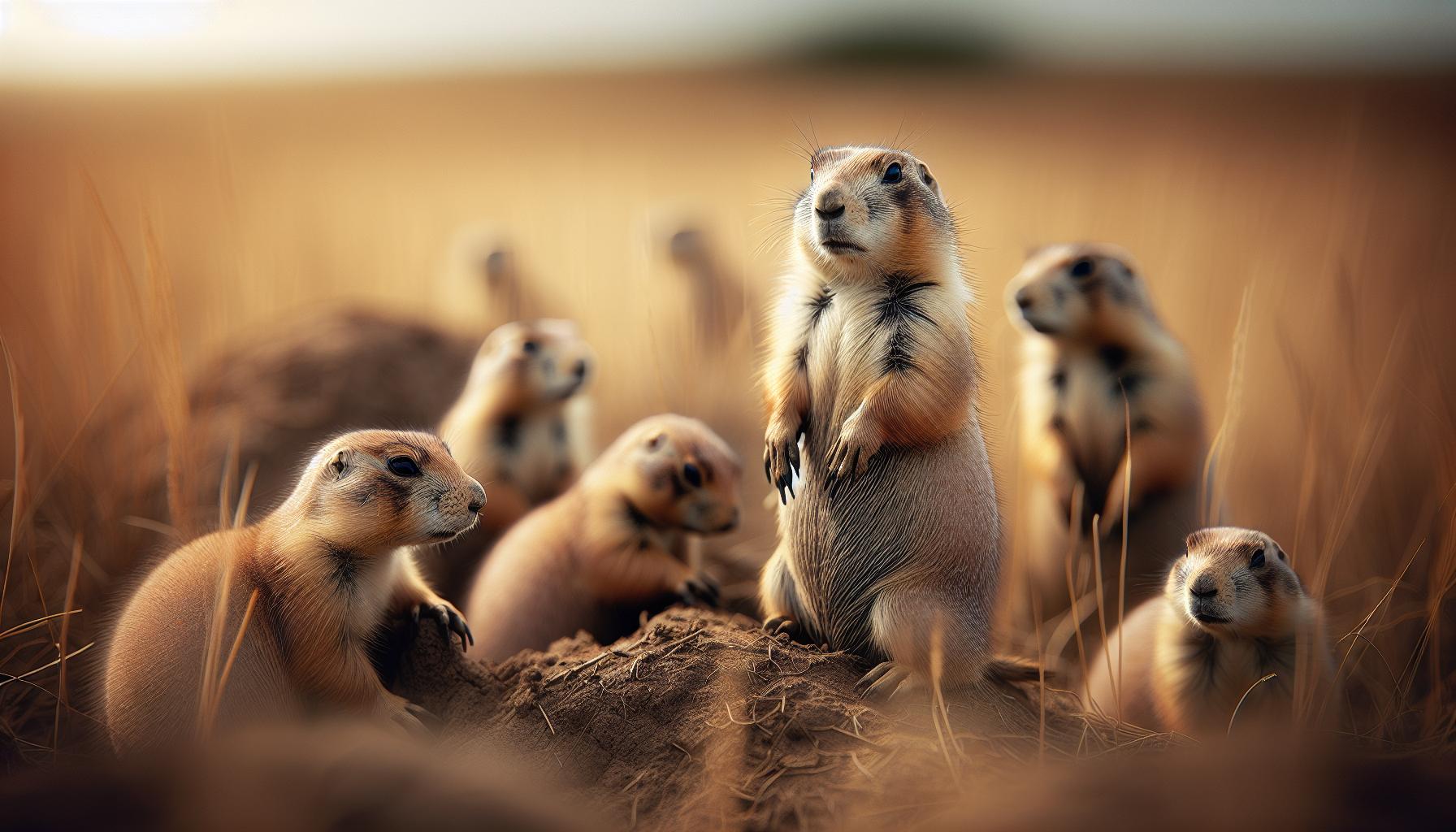
Their charming, social nature and intricate burrowing systems make prairie dogs stand out from others in their habitat. These small rodents, which belong to the genus Cynomys, are an essential part of the North American grassland ecosystem. Highly social, prairie dogs live in colonies known as “towns,” where they engage in complex communication through various vocalizations, including alarm calls that alert their family members to nearby predators. This ability to communicate not only shows their intelligence but also highlights their role as a social species that thrives on interdependence.
Another distinctive feature of prairie dogs is their burrowing behavior. They create elaborate networks of tunnels and chambers that serve multiple purposes-sheltering from predators, hiding from harsh weather, and nurturing young. These burrows also benefit other wildlife; various species, such as burrowing owls and some species of snakes, use abandoned prairie dog burrows as nesting sites or shelters. This interaction illustrates the prairie dog’s significant environmental role in promoting biodiversity within their ecosystems.
Diet-wise, prairie dogs are herbivorous and primarily graze on grasses, herbs, and other plant materials. Their foraging behavior, often seen in large groups, not only provides food for themselves but also plays a crucial role in maintaining the health of their grassland habitats, as their feeding habits can promote new plant growth. In contrast to some lookalike species, like certain ground squirrels, prairie dogs are typically more communal in their feeding practices, often foraging together in large groups.
In popular culture, prairie dogs are frequently seen in documentaries and zoos, often charming audiences with their playful antics and social behavior. This contrasts with the more solitary nature of their close relatives, like marmots, which do not typically exhibit the same level of social interaction or complex community structures. Whether you’re enjoying their antics at the zoo or exploring their burrows in the wild, prairie dogs indeed have a unique charm that distinguishes them among their similar species.
Top Lookalike Species: Animals Similar to Prairie Dogs
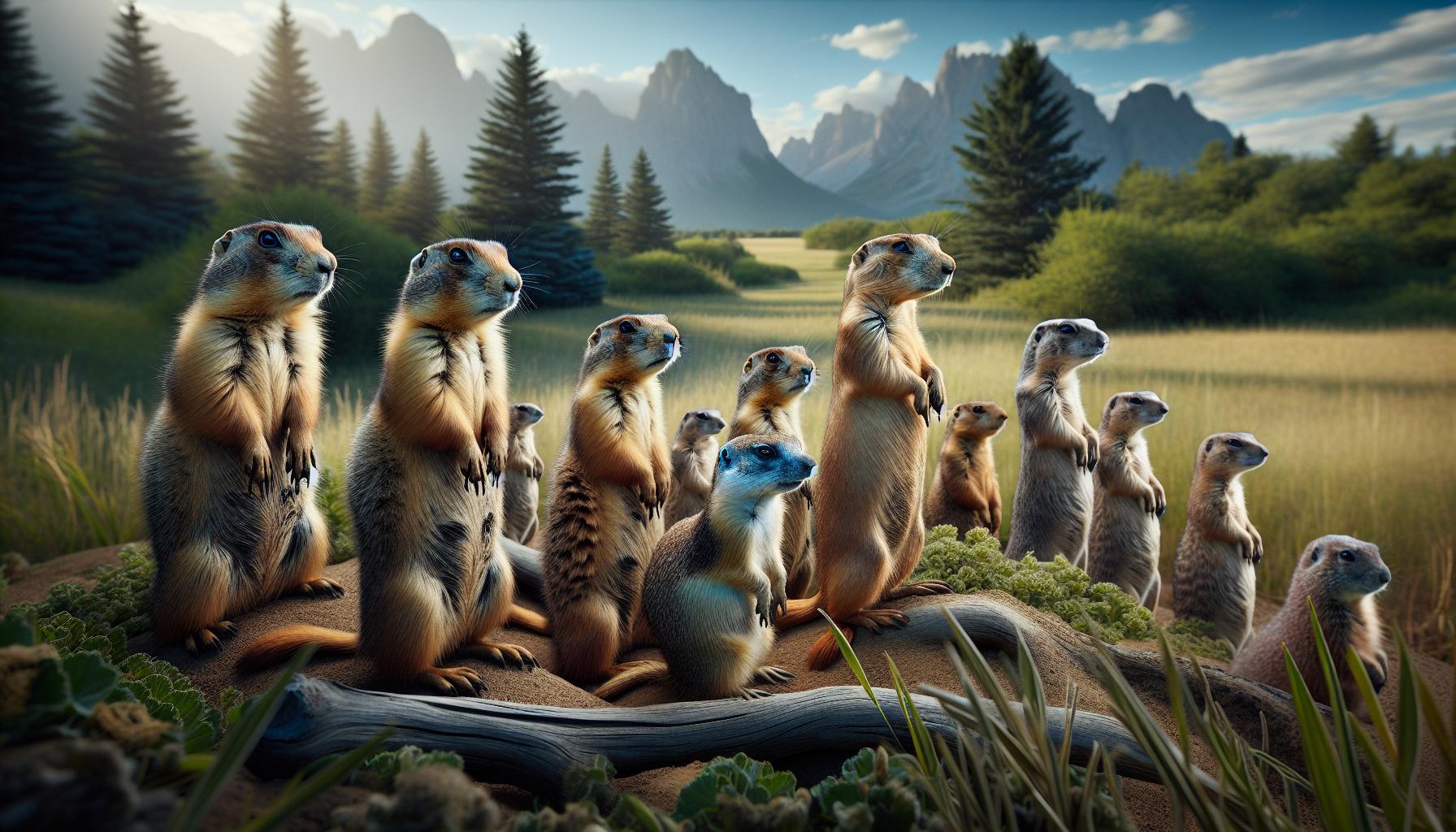
While prairie dogs are undoubtedly charming, several animals share similarities in appearance and behavior, making them noteworthy lookalikes. Ground squirrels, particularly the thirteen-lined ground squirrel, are one of the closest relatives to prairie dogs. These small rodents, like prairie dogs, are burrowing creatures found in grasslands and open areas across North America. Thirteen-lined ground squirrels sport striking markings of stripes on their backs, which help them blend into their environment. Unlike prairie dogs’ more communal lifestyle, thirteen-lined ground squirrels are typically more solitary, foraging alone or in small groups, but they still exhibit fascinating burrowing behaviors.
- Chipmunks: Often confused with prairie dogs due to their similar sizes, chipmunks are smaller and have distinct stripes along their backs. They are predominantly solitary and prefer wooded areas, yet they manage to dig intricate burrows for shelter and food storage.
- Yellow-bellied marmots: Another prairie dog lookalike is the yellow-bellied marmot, known for its larger frame and communal burrowing habits. Unlike prairie dogs, these animals tend to occupy rocky terrains and aren’t as social, preferring smaller family groups.
- Columbian ground squirrels: These critters also resemble prairie dogs, especially in their social structures and burrowing behavior. Found mostly in the Canadian Rockies, they have a more extensive range compared to prairie dogs and exhibit similar alarm calls and social interactions.
These animals not only share habitats similar to those of prairie dogs, but they also play significant roles in their ecosystems. Their burrowing activities promote soil aeration and contribute to the health of grassland habitats. If you’re a wildlife enthusiast hoping to observe these playful relatives in their natural environments, look for the distinct habitats they frequent and enjoy their unique adaptations in the wild.
Comparative Behavior: How Do Prairie Dogs and Their Lookalikes Act?
Observing the playful antics of prairie dogs can be a delightful experience, but it becomes even more intriguing when you consider their lookalikes. These animals, while similar in appearance, often exhibit distinct behaviors that set them apart. Prairie dogs are highly social creatures, living in large colonies that engage in cooperative burrowing and foraging. They communicate frequently using a sophisticated system of vocalizations. These vocal calls vary depending on the type of predator threatening their colony, showcasing their acute awareness of their environment.
In contrast, the thirteen-lined ground squirrel, a close relative, tends to be more solitary. While they do share some traits with prairie dogs, such as burrowing habits, these squirrels typically forage alone or in small groups rather than large colonies. They are less vocal than prairie dogs and do not exhibit the same level of social behavior, often relying on individual alertness to evade predators instead. Their striking striped backs provide excellent camouflage in the grasslands, allowing them to blend into the surroundings while foraging for seeds and insects.
Similarly, the yellow-bellied marmot displays different social structures. While they are more social than the thirteen-lined ground squirrel, they prefer smaller family groups over the expansive colonies of prairie dogs. These marmots also inhabit rocky terrains and are known for their hibernation patterns, which influence their behavior throughout the seasons. They communicate through whistles and calls but tend to be less active during the day compared to prairie dogs, adapting to their cooler, higher-altitude environments.
Finally, Columbian ground squirrels share some similarities with prairie dogs, particularly in their alarm call systems and burrowing behaviors. Found in the Canadian Rockies, these squirrels inhabit both dense grasses and open spaces. Like prairie dogs, they live in colonies, but their social organization can be more fluid, with smaller family groups occupying a territory rather than large, defined colonies. Their behavior during the summer months includes foraging in groups, but they also engage in solitary foraging when necessary.
In summary, while prairie dogs and their lookalikes share habitats and some behaviors, their social structures and interaction styles differ significantly. Understanding these nuances not only enhances your wildlife observation experience but also underscores the remarkable adaptations that these fascinating species have developed in response to their environments.
A Closer Look: Habitat and Distribution of Similar Species
Prairie dogs are iconic inhabitants of the North American grasslands, often creating expansive colonies known as towns. However, numerous other species share similar habitats, creating a rich tapestry of wildlife in these environments. One such lookalike is the thirteen-lined ground squirrel, which thrives across central North America. These squirrels prefer open grasslands, where their striped backs provide effective camouflage.
Another interesting relative is the yellow-bellied marmot, found in rocky mountain regions extending from northern Mexico to Canada. Unlike prairie dogs, which thrive in expansive colonies, marmots tend to occupy smaller family groups and are often found in burrows at higher elevations. Their habitat preferences differ significantly, as they favor rocky areas that offer both shelter from predators and cool retreat during the hot summer months.
The Columbian ground squirrel is also a character in this narrative, residing in the Canadian Rockies’ meadows. They are generally found at higher altitudes, living in colonies like prairie dogs, though their social structure is more dynamic and can consist of smaller family units. This adaptability allows them to thrive in diverse habitats, from open meadows to dense patches of grass.
In contrast, the Wyoming ground squirrel resembles a prairie dog but prefers different habitats, often closer to forests and shrublands. This species is commonly seen at Arapaho National Wildlife Refuge, where they dig extensive burrow systems. These squirrels adapt well to various environments, as they can forage effectively in more wooded areas compared to their prairie-dwelling cousins.
Understanding the habitats and distributions of these lookalikes not only enhances wildlife observation but also highlights the diversity of adaptations these fascinating species possess. Whether in vast grasslands, rocky terrains, or wooded areas, each animal showcases unique traits that enable them to thrive in their respective environments, all while sharing similarities in appearance or behavior with the prairie dog.
Dietary Habits: What Do Lookalike Animals Eat?
When exploring the diets of animals that resemble prairie dogs, you’ll find a fascinating variety that reflects their adaptations to their respective environments. Prairie dogs are primarily herbivorous, feeding on a diet rich in grasses, seeds, and roots. This diet not only provides the necessary nutrients for their energy-intensive lifestyle but also plays a crucial role in shaping their grassland habitats. However, their lookalikes, while sharing some dietary preferences, have unique eating habits tailored to their specific ecosystems.
Thirteen-lined ground squirrels are a great example. These charming little creatures feast on a mix of grasses, seeds, insects, and underground tubers. Their bustling activity often leads them to forage in open fields, where they dig for edible roots or hunt for insects. In contrast, the yellow-bellied marmot prefers a diet that includes broader categories such as herbs, flowers, and grains. They are primarily foragers in rocky mountain areas, creating their own niches by relying on what’s available in their mountainous homes.
Similarly, the Columbian ground squirrel shares a penchant for grasses and seeds but adds more forbs and other flowering plants to their menu, reflecting the diverse plant life found in their high-altitude meadows. These squirrels, like prairie dogs, live in colonies, making food foraging a communal effort. In forests and shrubby areas, the Wyoming ground squirrel exhibits a slightly different palate, enjoying berries, seeds, and even the bark of trees. Their ability to forage in a forested environment distinguishes them from their grassland relatives.
Understanding these dietary habits not only highlights the adaptability of these fascinating species but also underscores the importance of their roles in maintaining the ecological balance of their habitats. Each of these animals, through their eating behaviors, contributes to soil health and plant distribution, directly impacting their environments. So, whether you’re watching a prairie dog munching on grass or a marmot enjoying a flower, you’re witnessing a tiny part of a larger, interconnected ecosystem at work.
Social Structures: Community Life in Prairie Dogs and Their Relatives
Community life is essential to understanding prairie dogs and their lookalikes. Prairie dogs are highly social creatures, living in expansive colonies called “coteries,” which can consist of dozens to even hundreds of individuals. Within these groups, they engage in complex social structures, characterized by cooperative behaviors, communication, and role differentiation. For instance, they have specific alarm calls that alert the colony to predators, allowing them to respond swiftly and protect their young. This social dynamic not only strengthens their survival chances but also promotes the establishment of stable breeding pairs and communal care of offspring, illustrating the benefits of living in a closely-knit community.
When we look at some of the animals that share habitats with prairie dogs, such as the yellow-bellied marmot and the thirteen-lined ground squirrel, we can see parallel social systems, albeit with some differences. Yellow-bellied marmots, for instance, also live in colonies and exhibit similar communication methods, including vocalizations to warn of danger. However, their social interactions can be less complex than those of prairie dogs since they do not form as large or tight-knit colonies. The thirteen-lined ground squirrel, on the other hand, demonstrates more solitary tendencies while still engaging in social behavior, such as communal burrowing and foraging in open fields. Their interactions mainly revolve around territory defense and mating, showcasing a simpler but effective social structure.
These animals not only benefit individually from their social groupings, but their collective behaviors also impact their environments and the ecosystem overall. By living in colonies, prairie dogs and their relatives aerate the soil through their burrowing activities, which promotes plant growth. This behavior can create rich habitats that support diverse wildlife, emphasizing the interconnectedness of social structures and ecological health.
Understanding the social lives of prairie dogs and their relatives provides insight into their survival strategies and ecological role. Their community-based lifestyles highlight the importance of cooperation, communication, and adaptation, making them key players in promoting biodiversity in their habitats. Whether you’re watching a prairie dog standing sentinel, or a marmot foraging with its peers, you’re witnessing a fascinating display of social dynamics in action.
Conservation Status: Are Prairie Dog Lookalikes at Risk?
Conservation efforts for prairie dog lookalikes are crucial, especially considering the delicate balance of their ecosystems. Animals like the yellow-bellied marmot and the thirteen-lined ground squirrel, while similar in some ways to prairie dogs, face distinct threats that can impact their populations and habitats. These threats often stem from habitat loss due to urban development and agricultural expansion, which disrupt their burrowing and foraging behaviors.
Yellow-bellied Marmot
These lively creatures are highly dependent on their mountainous and rocky habitats. Increased human activity in these regions can lead to habitat fragmentation, making it harder for them to find mates and food. Additionally, climate change poses a risk to their survival, as shifting weather patterns affect the availability of food sources and suitable burrowing conditions. Conservation initiatives focusing on habitat preservation and responsible land use practices can greatly benefit their populations.
Thirteen-lined Ground Squirrel
On the other hand, the thirteen-lined ground squirrel is often subject to predation and competition for resources. Their populations can decrease rapidly in areas with high predation rates or when food sources become scarce. This species, which sometimes exhibits solitary tendencies, benefits from conservation programs that promote sustainable land management and habitat restoration. By maintaining healthy grasslands and reducing pesticide use, we can support these vibrant little squirrels and their place in the ecosystem.
Understanding the risks faced by these prairie dog lookalikes highlights the interconnectedness of all wildlife species. Each animal plays a role in its ecosystem, helping maintain the balance necessary for various forms of life to thrive. Protecting their habitats not only secures their futures but also ensures that the ecological roles they play continue to benefit the broader environment. Simple actions, like supporting local conservation programs and raising awareness about these species, can make a significant impact on their survival. By sharing the wilderness with them, we contribute to a rich tapestry of life that deserves our attention and care.
Care and Keeping: Are Any Similar Species Suitable as Pets?
Having an exotic pet can be an exhilarating experience, and animals similar to prairie dogs might pique your interest. If you find yourself captivated by the playful nature of prairie dogs but are considering alternatives that are suitable for keeping as pets, you’ll want to explore a few noteworthy species. Among potential contenders are the thirteen-lined ground squirrel and the yellow-bellied marmot, both of which share similar characteristics and behaviors to prairie dogs, along with unique care requirements.
Thirteen-Lined Ground Squirrel
These small, lively creatures are often seen darting through their burrows and are known for their striking striped appearance. Thirteen-lined ground squirrels thrive in grassland habitats and are adaptable to various environments. As pets, they require a spacious enclosure that mimics their natural terrain, complete with plenty of tunnels and hiding spaces. They are social animals, so consider adopting a pair to keep each other company. Their diet typically consists of seeds, fruits, and vegetables, but it’s essential to ensure they receive a balanced intake to stay healthy. Regular handling can help them become affectionate companions, though patience is key as they may be skittish at first.
Yellow-Bellied Marmot
Yellow-bellied marmots, typically found in the mountainous regions of the western United States, boast robust bodies and a charming personality. Unlike the thirteen-lined ground squirrel, these marmots need larger spaces and more complex environmental enrichment to thrive. They enjoy digging and burrowing, so providing a suitable habitat that allows for these natural behaviors is crucial. Their dietary needs include a mix of grasses, leafy greens, and some fruits, ensuring they maintain their health and vitality. Marmots can form strong bonds with their owners but require an understanding of their unique behaviors; they can be more solitary compared to their ground squirrel cousins.
Considerations for Keeping Exotic Pets
When contemplating these exciting options, prospective owners should always weigh the responsibilities of pet ownership against their personal capabilities. Here are a few important factors to consider:
- Legal Considerations: Check local laws regarding exotic pets, as regulations vary by state and municipality.
- Space and Environment: Ensure you can provide an adequate environment that caters to their natural habits.
- Social Needs: Many of these species thrive in groups, and it may be beneficial to bring home more than one.
- Veterinary Care: Seek a vet experienced with exotic pets for regular check-ups and health concerns.
While prairie dogs possess unique charms, their lookalike relatives can also thrive as beloved pets when given the right care and environment. These animals not only enrich our lives but also provide an opportunity to learn about their fascinating behaviors and communal lifestyles. Keeping any exotic pet is a big commitment, but with the proper preparation, you can enjoy a rewarding relationship with these delightful creatures.
Cultural Significance: Prairie Dogs in Popular Culture vs. Similar Animals
In the realm of wildlife and popular culture, prairie dogs hold a unique place. These charming rodents have captured the hearts of many, often seen as symbols of the wild American West. They feature prominently in nature documentaries, children’s books, and even animated films, where their quirky behaviors and social structures are highlighted. Prairie dogs are known for their elaborate burrows and vocal communications, which serve as both a social glue for their communities and a defense mechanism against predators. Their presence is celebrated in festivals across the United States, such as the National Prairie Dog Day.
On the other hand, lookalike species like the yellow-bellied marmot and the thirteen-lined ground squirrel also penetrate popular culture but to a lesser extent. Marmots, while loved for their playful antics, often play second fiddle to their prairie dog cousins. Still, they are featured in various environmental campaigns focusing on rodent conservation. In literature, marmots gain attention through adorable illustrations, particularly in children’s books where their hibernation habits and family dynamics are explored. The thirteen-lined ground squirrel, with its prominent stripes and energetic demeanor, is often seen in educational programs, emphasizing the importance of grassland ecosystems, though it doesn’t enjoy the same level of fame as the prairie dog.
All three species share similarities, yet their portrayals reflect their habitats and behaviors. Prairie dogs symbolize community and sociability, thriving in large colonies, which is a captivating motif in storytelling. In contrast, marmots tend to symbolize resilience, often depicted resting high in the mountains, alert and watchful. Thirteen-lined ground squirrels embody the lively energy of the grasslands, darting between their burrows with expert agility, serving as representatives of the adaptable nature of wildlife.
Their cultural significance also translates to conservation themes, with prairie dogs often serving as a flagship species for campaigns aimed at protecting prairie ecosystems. As such, recognizing their status can raise awareness about habitat preservation, benefiting all burrowing species within these ecosystems. In summary, while prairie dogs shine brightly in popular culture, similar species like marmots and ground squirrels provide valuable lessons and narratives that enrich our understanding of wildlife and the environments they inhabit.
Fascinating Facts: Unusual Traits of Prairie Dog Lookalikes
Did you know that some animals closely resemble prairie dogs but exhibit traits that set them apart? These lookalikes, such as the thirteen-lined ground squirrel and the yellow-bellied marmot, boast fascinating characteristics that make them unique in their own right.
Thirteen-Lined Ground Squirrel
The thirteen-lined ground squirrel is a lively and agile creature, easily identifiable by the distinctive stripes running along its back, which give it a unique appearance compared to the more uniformly colored prairie dog. These little critters thrive in grasslands and are known for their energetic behavior. In fact, they can often be seen zipping around their burrows, which they excavate with remarkable speed. Unlike prairie dogs, which are highly social and live in large colonies, thirteen-lined ground squirrels can be quite solitary or found in smaller family groups. Their diet mainly consists of seeds, insects, and even small fruits, making them opportunistic feeders that play an important role in their ecosystem by aerating soil while digging.
Yellow-Bellied Marmot
Yellow-bellied marmots present another interesting comparison. Known for their larger size and stockier build, these marmots can be found in mountainous regions, where they make their homes in rocky crevices. An unusual trait of the yellow-bellied marmot is its hibernation behavior. Unlike prairie dogs, which remain active year-round, marmots hibernate for several months during the winter. This adaptation is crucial for their survival in harsher climates. Their diet typically includes a mix of grasses, wildflowers, and herbs, and they are known for their loud warning calls that echo through the mountain valleys, alerting others to potential threats.
Conservation and Popularity
Both the thirteen-lined ground squirrel and yellow-bellied marmot are often overshadowed by their prairie dog relatives in popular culture, yet they share similar ecological roles, contributing to the health of their respective environments. While prairie dogs are seen as a flagship species for grassland conservation, understanding and appreciating the traits of their lookalikes is equally important. For wildlife enthusiasts, observing these behaviors can enrich the experience of exploring natural habitats and highlight the diverse adaptations animals have developed to thrive in different ecosystems.
By learning about these fascinating species, readers can appreciate the connections within nature and the significance of preserving diverse wildlife. Each lookalike not only enhances our understanding of similar species but also underscores the importance of their habitats and the need to protect them for future generations.
How to Spot the Differences: Identifying Lookalike Species
One of the most fascinating aspects of wildlife observation is spotting the differences between animals that may look alike at first glance. Prairie dogs are renowned for their social behavior and distinct burrowing habits, but they share their habitats with several lookalikes that offer their own unique traits. Understanding how to distinguish between these species can enhance your wildlife watching experience and deepen your appreciation for the diversity of life.
To identify a thirteen-lined ground squirrel, look for its characteristic stripes-a series of 13 light and dark stripes that run along its back, setting it apart from the more uniform coloration of prairie dogs. Thirteen-lined ground squirrels are usually smaller and exhibit a more solitary lifestyle, often seen foraging alone or in small family groups rather than in the large colonies that prairie dogs favor. Their burrows are often deeper and can have a more complex structure than those of the prairie dog due to their solitary nature and preference for escaping predators quickly.
In contrast, the yellow-bellied marmot is larger and stockier, often with a golden-yellow belly that gives it its name. If you’re in mountainous regions, you might spot these creatures sunbathing or foraging among the rocks. One of the biggest differentiators is their hibernation behavior-unlike prairie dogs, which remain active and social throughout the year, yellow-bellied marmots hibernate in winter, retreating to their burrows for several months of dormancy.
When exploring areas where these animals coexist, pay attention to their social interactions. Prairie dogs are known for their complex communication systems, using a variety of vocalizations to convey warnings and information about predators. Conversely, the more solitary ground squirrels and marmots are less vocal and may react to danger with quick retreats into their burrows.
Being aware of these distinguishing features not only enhances your ability to identify these intriguing species but also enriches your overall wildlife observation experience. Next time you’re out in their habitats, keep an eager eye out for stripes, social behavior, and size differences to help you spot and appreciate the unique roles each species plays in their ecosystem.
Wildlife Interaction: Tips for Safely Observing Prairie Dogs and Similar Animals
One of the best ways to appreciate prairie dogs and their lookalike species like ground squirrels and marmots is to observe them in their natural habitats. To do this safely and responsibly, it’s important to follow some simple guidelines that respect both the animals and the environment. Knowing where and when to visit these habitats can enhance your experience and protect these fascinating creatures.
To maximize your chances of spotting prairie dogs and their cousins, try visiting their habitats during the cooler parts of the day, such as early morning or late afternoon. During these times, the animals are active and more likely to be seen foraging or interacting socially. Make sure to stay a respectful distance away from their burrows to avoid startling them. Using binoculars can be a fantastic way to observe their behavior without getting too close, which can be stressful for the animals.
Another key aspect of wildlife interaction is to remain quietly observant. Remember, sudden movements or loud noises can scare these small creatures away. Instead, sit quietly and watch how prairie dogs communicate through a variety of vocalizations, alerting each other to potential threats. Similarly, when observing ground squirrels or marmots, you may notice their more solitary and cautious behavior. Each species has its unique way of reacting to the environment, and taking the time to understand these differences adds richness to your experience.
Lastly, it’s important to consider the environment. Stay on marked paths to avoid trampling the delicate vegetation that provides their food and shelter. Never feed wild animals, as human food can disrupt their natural foraging habits and health. Respecting these guidelines not only ensures a rewarding experience for you as a wildlife observer but also aids in the conservation of these remarkable species and their habitats.
Frequently Asked Questions
Q: What animals closely resemble prairie dogs?
A: Several animals resemble prairie dogs, including the Wyoming ground squirrel and the thirteen-lined ground squirrel. These species share similar body shapes and habitats. The Wyoming ground squirrel often inhabits similar regions as prairie dogs, while the thirteen-lined ground squirrel is primarily found in Iowa. For more details on specific characteristics, refer to the section on Top Lookalike Species.
Q: How can I differentiate between prairie dogs and their lookalikes?
A: Differentiating prairie dogs from lookalikes, like ground squirrels, involves observing their size and behavior. Prairie dogs tend to be slightly larger and more social, living in larger colonies. Lookalikes may be more solitary and have different coloration. Check out our How to Spot the Differences section for tips.
Q: Are there any animals similar to prairie dogs that are good pets?
A: While prairie dogs themselves have unique care needs, some similar species like gerbils or certain types of hamsters make good pets. However, they require less space and are easier to manage than wild prairie dog relatives. Visit our Care and Keeping section for more insights on pet ownership.
Q: What habitats do prairie dog lookalikes prefer?
A: Prairie dog lookalikes, such as the yellow-bellied marmot and ground squirrels, typically thrive in grasslands and open, dry areas. They prefer environments with ample burrowing opportunities and vegetation for food. For detailed habitat preferences, refer to the A Closer Look section.
Q: What do prairie dog lookalikes eat?
A: Prairie dog lookalikes primarily consume grasses, seeds, and roots. The diet can vary slightly with species; for instance, some ground squirrels may also eat insects. Visit our Dietary Habits section for a deeper understanding of their nutritional needs.
Q: Why are prairie dogs and their lookalikes important to the ecosystem?
A: Prairie dogs and their relatives play a key role in their ecosystems by helping to aerate the soil and serving as a food source for predators. Their burrows create habitats for other species. Learn more about their ecological significance in the Conservation Status section.
Q: Can prairie dog lookalikes coexist with prairie dogs in the wild?
A: Yes, prairie dog lookalikes can coexist in overlapping habitats. They may share resources, but competition can arise for food and burrowing sites. Understanding their interactions is detailed in our Comparative Behavior section.
Q: What behaviors are shared between prairie dogs and lookalike species?
A: Many prairie dog relatives exhibit social behaviors, such as burrow construction and alarm calls to warn of threats. This social structure varies, so check out our Comparative Behavior section for insights on specific species.
Future Outlook
As we’ve explored the intriguing similarities between prairie dogs and their lookalike species, it’s clear that understanding these unique animals enriches our appreciation of wildlife. Whether you’re curious about the social behaviors of the black-tailed prairie dog or fascinated by the burrowing habits of the meerkat, there’s so much more to discover. If you’re eager to dive deeper, check out our articles on “The Social Life of Prairie Dogs” and “Top 10 Burrowing Animals” for further insights.
Don’t forget to share your thoughts in the comments below-what lookalike species surprised you the most? And if you want to stay updated on all things wildlife, consider signing up for our newsletter. By exploring more of our content, you’ll not only learn but also help protect these amazing creatures. Your journey into the wild continues here!
Get our latest guides, news, and insights highlighted in your Google Search & AI Overviews.