Did you know that flying squirrels are not just masters of gliding but also play a vital role in their ecosystems? These fascinating nocturnal creatures thrive in a variety of habitats, from dense forests to mountainous regions. Understanding the unique environments that support their needs is crucial for conservation efforts and for anyone interested in wildlife. By exploring where flying squirrels live, we uncover not just their preferences for mature trees like oaks, but also the intricate balance of nature that sustains them. As we delve deeper into the world of flying squirrels, you’ll discover how their habitats influence their behavior, feeding habits, and overall well-being. Join us to learn more about these remarkable animals and the habitats that are essential for their survival.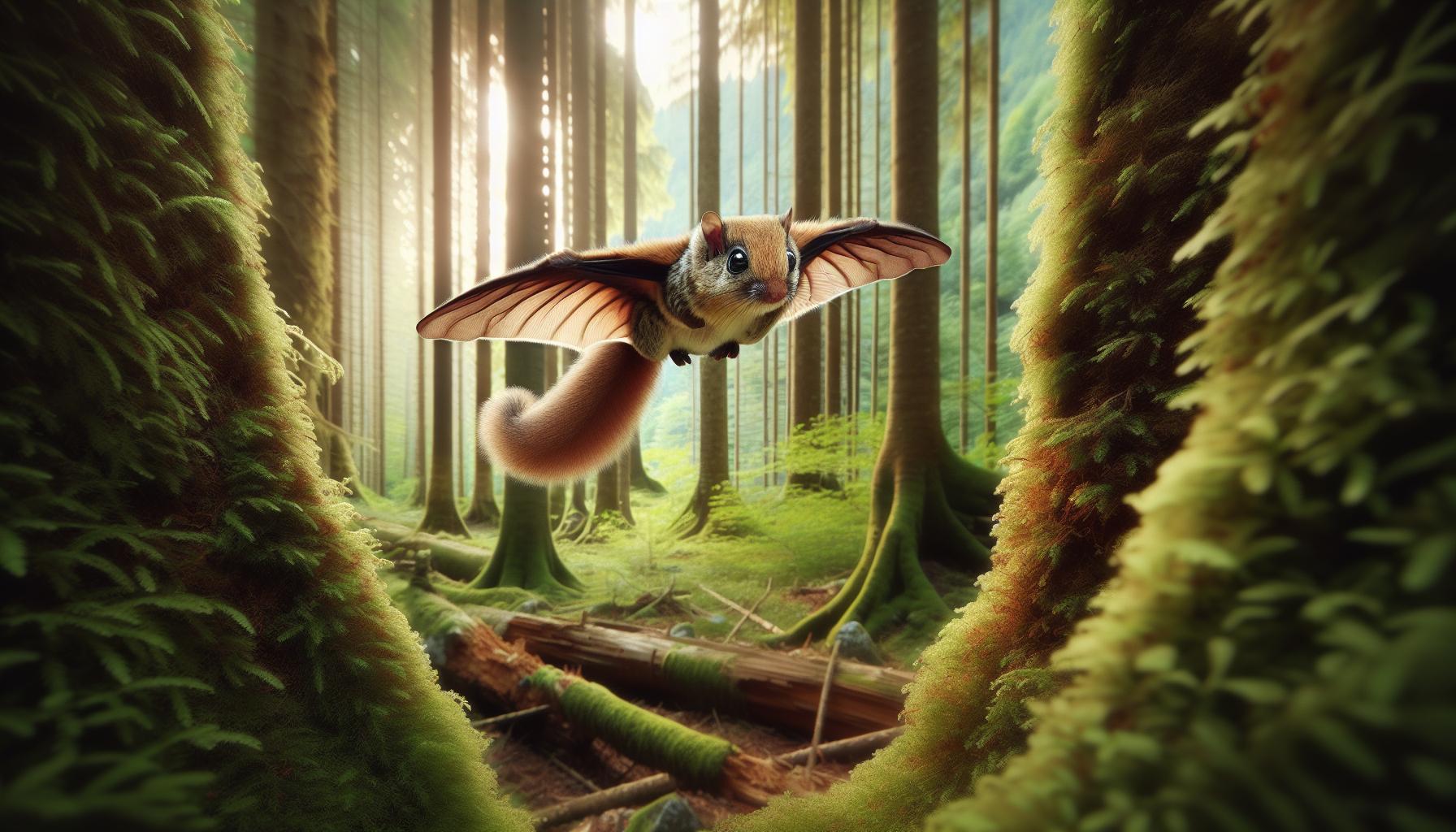
Types of Habitats for Flying Squirrels
Flying squirrels are fascinating creatures that thrive in a variety of habitats. Primarily found in forested regions, they prefer areas rich in trees, which provide ample opportunities for gliding, foraging, and nesting. These small, nocturnal mammals are adept at adapting to different environments, including deciduous and mixed forests, as well as urban areas that offer sufficient cover and food sources.
In deciduous forests, flying squirrels often find ideal living conditions. These forests are characterized by trees that shed their leaves annually, creating a diverse and layered habitat filled with broad-leaved trees such as oaks, maples, and hickories. The presence of large, old trees is particularly important, as they provide holes and crevices for nesting and shelter. Similarly, mixed forests, which combine coniferous and deciduous trees, are also favorable habitats. The variation in tree types creates a diverse ecosystem that supports a wide range of insects and fruits, all essential to a flying squirrel’s diet.
Urban areas pose an interesting challenge and opportunity for these creatures. Flying squirrels can adapt to city parks and wooded neighborhoods, where they utilize backyard trees and gardens for nesting and foraging. Parks with mature trees tend to attract flying squirrels as they provide the necessary cover from predators and opportunities for glide space.
Overall, the adaptability of flying squirrels allows them to thrive in various environments, as long as there are adequate trees for shelter and food. The key to their success in urban habitats lies in the availability of green spaces that mimic their natural forests. Whether in the heart of a bustling city or deep in a woodland, flying squirrels continue to glide gracefully through the night sky, showcasing their remarkable ability to inhabit diverse landscapes.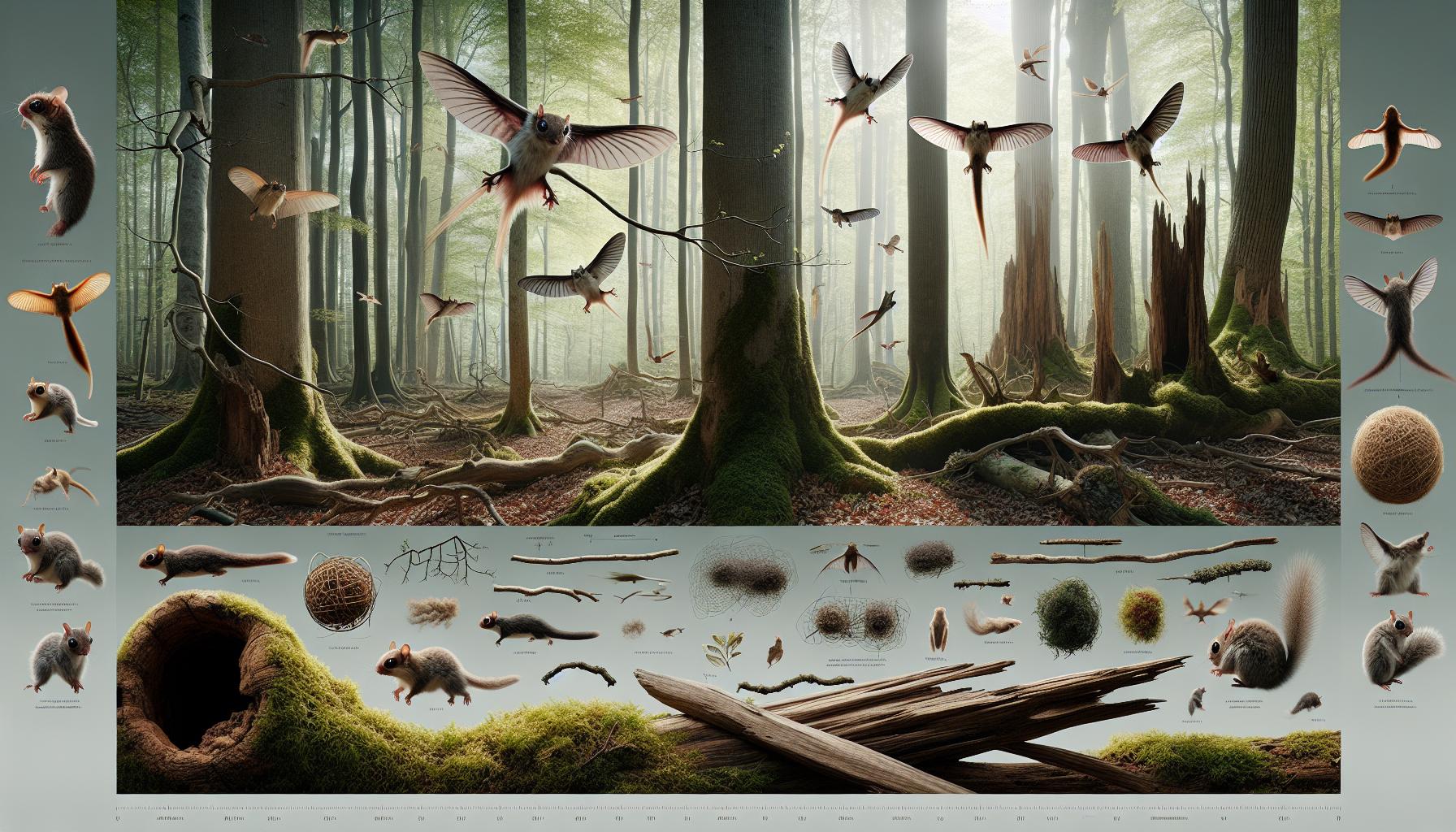
Key Environmental Factors Impacting Their Habitat
Flying squirrels are not just adorable creatures; they are also highly adaptable, thriving in various environments due to specific environmental factors that influence their habitat. The health and availability of their surroundings play a critical role in their survival and well-being. Key factors include habitat structure, food availability, temperature, and human impact.
The structure of their habitat is vital. Flying squirrels require trees that are both tall and stable, providing ample space for gliding and nesting. The diversity of tree species is equally important, as it supports a wide range of insects and fruits, which are essential for their diet. In deciduous and mixed forests, the layering of trees creates various microhabitats that offer shelter and foraging opportunities throughout the year. For instance, a well-spaced canopy can facilitate their impressive gliding abilities, allowing them to navigate effectively between trees.
Food availability is crucial throughout the seasons. During autumn, acorns, nuts, and fruits are abundant, making it easier for these squirrels to store food for winter. In contrast, winter months require them to rely on their hoarded supplies. If the food sources dwindle, flying squirrels may face significant challenges, driving them to migrate to areas where resources are more plentiful.
Temperature and seasonal changes also impact flying squirrel habitats. Cold spells can push them to seek denser foliage or warmer nesting spots. As nocturnal creatures, they are sensitive to climatic conditions that affect their activity levels and the availability of food. Typically, milder winters allow more stable food resources to persist, enhancing their chances of survival.
Lastly, human impact, particularly urbanization and habitat fragmentation, poses significant threats to flying squirrels. Urban development often leads to loss of tree cover, which diminishes their nesting and foraging spaces. However, as resourceful animals, flying squirrels have demonstrated an ability to adapt by nesting in parks and fragmented woodlands, provided these areas maintain enough greenery to support their needs.
Understanding these environmental factors can help wildlife enthusiasts and conservationists create better strategies to protect flying squirrels and their habitats. By promoting urban green spaces and ensuring the preservation of forests, we can help these enchanting creatures continue to thrive – soaring gracefully through the canopy for generations to come.
Geographical Distribution of Flying Squirrels
Flying squirrels are fascinating creatures, showcasing remarkable adaptability that allows them to thrive in a variety of environments across the globe. These nocturnal mammals are primarily found in North America, though different species inhabit regions extending to parts of Asia, Europe, and even some tropical areas. In the United States, you can commonly spot two species: the Northern flying squirrel (Glaucomys sabrinus) and the Southern flying squirrel (Glaucomys volans). The latter is particularly widespread and can be seen in wooded areas ranging from southern Canada down to Mexico.
In terms of geographical distribution, flying squirrels prefer deciduous and mixed forests that provide ample food and nesting options. They are often seen in regions with dense tree canopy, including parks, suburban areas, and forests where they have plenty of opportunities to glide from tree to tree. Interestingly, the Northern flying squirrel is more likely to be found in old-growth forests, which offer the stability of mature trees and a rich diversity of food sources, such as fungi and insects.
Outside North America, the distribution of flying squirrels expands to Asia, where species like the Japanese flying squirrel (Petaurista leucogenys) and the Indian flying squirrel (Petaurista philippensis) inhabit diverse forest types, including bamboo forests and mountainous regions. In these areas, the adaptations of flying squirrels allow them not only to navigate through thick foliage but also to exploit various ecological niches, enhancing their survival rates.
Regardless of their geographical location, the key to a thriving flying squirrel population lies in the availability of the right habitat. Conservation efforts play a crucial role here, especially as urbanization continues to fragment their habitats. By preserving wooded areas and maintaining biodiversity, enthusiasts can help these enchanting animals flourish in their natural environments while ensuring that future generations can marvel at their unique gliding abilities.
Essential Tree Types for Flying Squirrel Homes
Flying squirrels are highly adaptable creatures that thrive in forests rich with specific tree types, which are crucial for their survival. These agile gliders rely on the right trees not just for shelter but also for food and safe passage through their habitat. Key species of trees provide essential resources and support their unique gliding abilities, making them vital for the health of flying squirrel populations.
Preferred Tree Species
Flying squirrels tend to favor mature trees, particularly those that can support their nesting habits and food needs. Here are some essential tree types that provide ideal homes:
- Oaks (Quercus spp.): These trees are a staple in the diets of flying squirrels, offering acorns as a food source while providing hollows for nesting.
- Maples (Acer spp.): Their sturdy branches are great for gliding as well as housing nests, while the sap and seeds attract squirrels.
- Pines (Pinus spp.): Especially in regions where hardwoods are less prevalent, pines provide a habitat with ample foliage for cover and nesting material.
- Beech (Fagus spp.): This tree species offers smooth bark, making it easier for flying squirrels to climb, and produces beech nuts, which are a favorite snack.
- Hickory (Carya spp.): Known for its strong wood and nutritious nuts, hickories add crucial resources to the ecosystem flying squirrels inhabit.
In addition to these, any tree that offers dense foliage can serve as a vantage point for spotting predators and potential food sources. The ability to glide allows flying squirrels to move seamlessly between trees-often up to distances of 150 feet-maximizing their foraging opportunities.
Importance of Tree Diversity
Ecological balance is vital; hence, a mix of different tree species within their habitat not only provides varied food sources but also ensures that flying squirrels have more options for nesting. This diversity encourages a richer ecosystem, benefiting various wildlife that share their environment. Forest preservation efforts focusing on keeping mature trees and promoting diverse species can significantly enhance the survival chances of these delightful creatures.
Creating an environment that sustains flying squirrels means protecting these crucial tree types. When planning to support wildlife, consider maintaining old trees, planting native species, and reducing logging activities in these habitats to foster a thriving flying squirrel community. By understanding the unique needs of flying squirrels, we can all play a part in conserving their natural homes and ensuring their continued presence in our forests.
Nesting Habits: Where Do They Live?
Flying squirrels are incredible little creatures that call various habitats home, showcasing their remarkable adaptability in the wild. These nocturnal animals prefer to nest in tree cavities, which provide a safe and warm environment, critical for raising their young. They often take advantage of the natural hollows in mature trees, such as oaks, maples, and pines, as well as abandoned woodpecker holes. These natural shelters not only offer protection from predators but also help regulate temperature extremes, crucial for their survival.
In addition to tree cavities, flying squirrels can also be found making nests in leafy bower structures high in the trees or even in rocky crevices when suitable trees are scarce. They tend to choose locations that are difficult for predators to access, often constructing their nests near the junction of a tree’s trunk and large branches. This strategic positioning allows them to glide silently from one tree to another, an essential part of their survival strategy, and helps them evade detection by both predators and human disturbances.
The choice of nesting site also reflects their dietary habits. Flying squirrels are highly dependent on food sources found within their habitat, such as nuts and fruits, making locations with a diverse tree population ideal for nesting. As these critters engage in communal living, they might share nesting sites with others, especially during colder months, enhancing warmth and security. A thriving community of trees not only provides resources for nesting but also supports their gliding lifestyle, essential for accessing food efficiently.
Ultimately, the health of their habitat directly impacts flying squirrels. Preserving mature forests and ensuring the availability of varied tree species is critical for these modest yet fascinating animals. Taking steps to protect their environment will go a long way in supporting their populations and maintaining the ecological balance. By understanding where and how flying squirrels nest, we can help nurture and protect their habitats, ensuring these charming creatures continue to thrive in our forests.
Diet and Foraging Behavior in Different Habitats
Flying squirrels are more than just acrobatic gliders; they are also opportunistic foragers with a diverse diet that varies depending on their habitat. These nocturnal mammals primarily consume a mix of fruits, nuts, seeds, and fungi. Their foraging habits are adapted to their environments, enabling them to thrive across different types of woodland settings. For instance, in deciduous forests, they particularly favor the delectable acorns and walnuts that fall from oak and hickory trees, while in coniferous forests, they often rely on the seeds found in pine cones.
Flying squirrels are known for their remarkable ability to locate food using their acute sense of smell and keen eyesight. They often forage during twilight hours, making their rounds in search of ripe fruits and nuts. Their diet also includes tree sap and flowers when other food sources are scarce. Notably, they play a crucial role in their ecosystems by dispersing seeds; as they consume fruits, they inadvertently help in germinating new plants, contributing to forest regeneration.
One fascinating aspect of their behavior is their foraging techniques. Flying squirrels can glide between trees, using their unique membrane called the patagium to cover large distances effortlessly. This adaptation allows them to access food high in the canopy while minimizing the risk of predators. Moreover, they are known to store food in the fall, hiding nuts and seeds in various locations to ensure they have a steady supply during the winter months.
In urban areas, where natural habitats are fragmented, flying squirrels exhibit remarkable adaptability. They often exploit backyard bird feeders or gardens, showcasing their resourcefulness. However, their diet may not be as varied in these environments, which can impact their health and survival rates. Understanding the dietary needs and foraging behavior of flying squirrels can help conservationists and wildlife enthusiasts create suitable habitats and food sources, fostering healthy squirrel populations.
By appreciating how flying squirrels interact with their environment, we gain insight into the delicate balance of ecosystems they inhabit and the importance of maintaining diverse habitats for their survival.
Impact of Urbanization on Flying Squirrel Habitat
While flying squirrels are known for their unique gliding abilities and enchanting nocturnal behaviors, their survival and habitat are increasingly compromised by urbanization. As cities expand and natural landscapes are transformed into concrete jungles, the challenges for these remarkable creatures multiply. Urbanization disrupts their traditional habitats, forcing them to adapt to fragmented patches of green and artificial environments that may not meet their needs.
In various urban settings, flying squirrels have shown a commendable ability to adapt. They can inhabit parks, residential areas, and even backyards where trees provide the necessary cover. However, the quality of these urban habitats often falls short of what flying squirrels require.
Challenges Faced in Urban Environments
Urban areas typically lack the expansive, mature forests that flying squirrels thrive in. The critical resources for nesting and feeding-like diverse tree species-are often sparse. Additionally, many urban trees are young and may not have the hollows that these squirrels seek for nesting. With food sources limited to manicured gardens or commercial landscapes, their diet changes, possibly leading to nutritional deficiencies.
Moreover, increased human activity poses risks. Light pollution can disrupt their nocturnal foraging behavior, and road traffic presents a significant danger. Squirrels may find themselves dodging vehicles while searching for food, drastically reducing their populations in heavily trafficked areas.
Creating Urban-Friendly Habitats
Fortunately, there are steps that urban residents can take to support flying squirrels. Here are some practical ideas:
- Plant Native Trees: Incorporate native tree species known to attract flying squirrels, such as oaks, hickories, and maples, into landscaping.
- Install Nest Boxes: Providing artificial nesting sites can help mitigate the loss of natural hollows.
- Create Safe Corridors: Link green spaces with tree canopies to facilitate safe movement between feeding and nesting sites.
- Avoid Pesticides: Reducing chemical use preserves the natural food web and helps ensure a healthy ecosystem.
By fostering a more squirrel-friendly environment, urbanites can play a crucial role in conserving these enchanting rodents. The adaptability of flying squirrels within our urban landscapes serves as a reminder of the resilience of nature, but it also highlights the responsibility we have to protect the habitats of our wild neighbors.
Conservation Challenges Facing Flying Squirrels
Flying squirrels enchant us with their gliding prowess and gentle nature, but their survival faces daunting obstacles. Habitat loss is the most pressing concern; as forests are cleared for urban development or agriculture, these unique creatures find their homes diminished and fragmented. The increasing spread of urban areas means flying squirrels often struggle to locate the expansive canopies they need. This can lead to increased competition for limited resources, heightening the dangers of predation and reducing their reproductive success.
Another critical challenge comes from climate change. Changes in temperature and precipitation patterns can alter the availability of food sources and suitable nesting sites. For example, warmer winters may disrupt hibernation and food storage cycles, forcing flying squirrels to adapt quickly or risk starvation. They’re also sensitive to changes in their environment that can affect their breeding and nesting habits. The loss of tree species that provide the necessary hollows for nesting adds extra strain on their populations.
Urban settings present a different slew of issues. Increased human activity brings noise pollution and light pollution, which can interfere with their nocturnal behavior and foraging patterns. Traffic poses a significant risk, as these small animals are often caught in dangerous situations while trying to cross roads between fragmented habitats. Urban landscapes frequently lack diverse mature trees, which means fewer natural nesting sites and food options for these squirrels.
To help combat these conservation challenges, local communities can play an essential role. Simple steps such as protecting existing trees, creating green corridors between parks, and promoting native plant species can enhance flying squirrels’ chances of thriving in urban environments. Schools and community groups can initiate tree-planting campaigns focusing on the types of trees that support flying squirrels’ diets and nesting needs. By raising awareness and taking action, everyone can contribute to preserving the delicate balance of nature that allows these incredible creatures to glide through their habitats with grace and safety.
Behavioral Adaptations for Habitat Survival
Flying squirrels possess a fascinating set of behavioral adaptations that allow them to thrive in diverse habitats, showcasing their resilience and ingenuity. One of their most striking features is their gliding ability, which enables them to traverse vast areas with ease. This adaptation is crucial, especially in fragmented environments where food sources can be sparse and scattered. By spreading their limbs, they deploy a patagium-a membrane stretched between their limbs-and glide from tree to tree, covering distances of up to 150 feet in a single leap. This not only helps them escape predators but also optimizes their foraging efforts to find fruits, nuts, and other foods spread throughout their wooded homes.
In addition to their remarkable flying skills, these nocturnal creatures exhibit behaviors that enhance their survival during foraging and nesting. They are crepuscular, active during the twilight hours, which reduces competition with other wildlife while maximizing foraging opportunities. Their keen sense of smell and excellent night vision allow them to navigate the forest floor and locate food even in low light conditions. Furthermore, these squirrels are known to cache food, burying nuts and seeds in various locations to ensure they have provisions throughout the winter months. This food storage behavior is particularly important as it provides a buffer against periods when resources are limited.
To effectively cope with challenges such as habitat loss and urbanization, flying squirrels exhibit flexibility in their nesting preferences. While they typically favor natural tree cavities for roosting and raising their young, they are also known to adapt to human-made structures when necessary. This opportunistic behavior helps them survive in urban settings, where traditional nesting sites may be scarce. Moreover, their ability to adapt their diet to include a broader range of food options, such as fruits and flowers, demonstrates their resourcefulness in varying habitats.
Ultimately, these energetic little mammals embody the spirit of adaptation in the face of environmental challenges. Understanding their unique behaviors not only enhances appreciation for these remarkable creatures but also emphasizes the importance of habitat preservation. By fostering healthy ecosystems that support flying squirrels, we can ensure these captivating gliders continue to enchant future generations.
Interesting Flying Squirrel Facts and Myths
Did you know that flying squirrels can’t actually fly? Instead, they glide gracefully through the air, thanks to a special membrane called the patagium that stretches between their front and hind limbs. This extraordinary adaptation allows them to glide up to 150 feet, giving them the appearance of flying as they float from tree to tree in search of food and shelter. Their ability to glide not only helps them navigate their forested habitats but also plays a crucial role in avoiding predators.
Despite their whimsical gliding abilities, there are several myths surrounding flying squirrels that can be intriguing to debunk. For instance, many people erroneously believe that all flying squirrels are the same. In reality, there are over 50 species of flying squirrels across the globe, each adapted to a variety of habitats, from dense forests to rocky hillsides. These species differ significantly in size, coloration, and behavioral traits, showcasing the remarkable diversity of nature.
As nocturnal creatures, flying squirrels have developed unique adaptations to thrive in darkness. For instance, their large eyes provide exceptional night vision, critical for spotting predators and locating food in low light. Commonly, they are found in trees, often nesting in natural cavities or utilizing abandoned nests. However, they have shown an incredible ability to adapt, frequently nesting in human-made structures when natural habitats are compromised.
The thrill of spotting a flying squirrel can be rare due to their elusive nature and preference for twilight activities. While they may appear shy, their social behavior often surprises enthusiasts. Flying squirrels communicate with one another using various vocalizations, including soft whistles and chirps, particularly during mating season or when alarming others of potential threats. This vibrant social life, combined with their enchanting gliding, makes these creatures both fascinating and essential members of their ecosystems. By learning about their habits and lifestyles, we can better appreciate the vital roles they play and the importance of conserving their natural habitats.
How to Create a Suitable Habitat for Flying Squirrels
Providing a conducive habitat for flying squirrels can be a rewarding endeavor, especially for nature lovers keen on supporting local wildlife. These enchanting creatures thrive in environments rich with trees, as they rely heavily on these vertical spaces to glide, forage, and find shelter. Creating a suitable habitat for flying squirrels involves understanding their needs related to food sources, nesting sites, and protection from predators.
Start with the right trees, which are essential for flying squirrels. They prefer mature, deciduous forests, particularly those with oaks, maples, and hickories, as these trees provide not just the foliage for gliding but also acorns and nuts that serve as key food sources. If you have the opportunity to plant trees, consider adding a mix of these species to create a diverse canopy that can support a variety of wildlife.
It’s also important to ensure there are natural cavities and spaces for nesting. Flying squirrels often utilize old woodpecker holes, tree cavities, or even abandoned nests of other animals. If your yard doesn’t have mature trees, you might consider installing a squirrel house or two. These should be placed at least 10 feet above the ground in a tree, ideally facing away from prevailing winds to offer shelter from harsh weather.
Moreover, maintaining a wildlife-friendly yard can significantly enhance the habitat. This includes minimizing the use of pesticides and allowing for some plant overgrowth, which provides cover from potential threats. Building a brush pile in a corner can also offer shelter. This natural undergrowth is essential for helping flying squirrels evade predators while they move between trees.
Lastly, offering supplementary food sources can make your property more inviting. Foods such as nuts, seeds, and fruits can help attract flying squirrels, especially during winter months when food may be scarce. Just be cautious not to create dependency on these foods; sprinkle them around for natural foraging.
Incorporating these elements fosters a safe and enriching environment for flying squirrels, allowing them to thrive and contribute to the local ecosystem while delighting observers with their graceful gliding. By choosing the right tree species, providing nesting options, and creating a welcoming environment, you play an important role in the conservation of these fascinating creatures.
Faq
Q: What type of trees do flying squirrels prefer for habitat?
A: Flying squirrels primarily prefer mature deciduous and mixed forests with large, old trees that offer natural cavities for nesting. They thrive in environments with abundant food sources, commonly found in oak, hickory, and maple trees that provide both nourishment and shelter [3].
Q: How do flying squirrels adapt to urban environments?
A: Flying squirrels can adapt to urban habitats by utilizing attics, tree cavities, and city parks as nesting sites. To support their survival, make sure to provide natural food sources, like native fruit trees and shrubs, enhancing their habitat in urban areas [2].
Q: What are key environmental factors affecting flying squirrel habitats?
A: Important environmental factors include forest density, tree age, and food availability. Habitat fragmentation and urban development can also reduce their living spaces and nesting opportunities [3].
Q: Do flying squirrels migrate or stay in one habitat?
A: Flying squirrels typically do not migrate long distances. They remain in their established territories as long as suitable foraging and nesting sites are available. However, they may relocate locally in response to food availability or environmental changes [3].
Q: What is the nesting behavior of flying squirrels?
A: Flying squirrels commonly nest in tree cavities or build globular nests high in trees. They use materials like leaves and shredded bark to create a comfortable environment. Nesting sites are crucial for protection against predators and harsh weather [1].
Q: How does urbanization impact flying squirrel habitats?
A: Urbanization significantly impacts flying squirrel habitats by reducing forest cover and creating barriers that hinder movement. This leads to habitat fragmentation, making it difficult for them to find food and nesting sites. Maintaining green spaces can aid their survival in urban areas [3].
Q: What food sources do flying squirrels rely on in their habitat?
A: Flying squirrels primarily eat nuts, fruits, fungi, and insects. Their diet is heavily influenced by the availability of these food sources in their habitat, which they glean from trees and the forest floor [3].
Q: Why are tree cavities important for flying squirrels?
A: Tree cavities provide critical shelter for flying squirrels, offering protection from predators and harsh weather. They also serve as nesting sites, making them essential for their reproduction and survival [1].
Feel free to explore more about the fascinating world of flying squirrels and how you can help create supportive habitats in your area!
To Conclude
Now that you understand the unique habitat of flying squirrels, it’s time to explore how you can help conserve these fascinating creatures and their environments. Consider checking out our articles on proper wildlife care and creating a squirrel-friendly backyard, where you’ll find tips to make your home an inviting space for these adorable animals. Don’t miss our in-depth guide on the importance of tree conservation for flying squirrels!
Join our community by subscribing to our newsletter for regular updates on wildlife and conservation tips. Your support can help spread awareness about these remarkable creatures! If you have any questions or stories to share, we’d love to hear from you in the comments below. Remember, every action counts in supporting wildlife conservation! See you next time, and keep exploring the wonders of nature!
Get our latest guides, news, and insights highlighted in your Google Search & AI Overviews.