Did you know that groundhogs and prairie dogs are not just adorable creatures, but they also play vital roles in their ecosystems? Despite their similar appearances, these two animals belong to different families and exhibit distinct behaviors and habitats. Understanding what sets them apart can enhance your appreciation for wildlife and help in backyard gardening, as these critters can significantly impact landscaping. Whether you’re a curious nature lover or just looking to identify these fascinating animals in your own backyard, this article dives into the key differences between groundhogs and prairie dogs. By exploring their unique lifestyles, social structures, and ecological contributions, you’ll gain a deeper understanding of their importance in our natural world. So, let’s dig into the details and uncover what makes each of these charming rodents special!
Understanding Groundhogs: Characteristics and Behavior
Groundhogs, also known as woodchucks, are fascinating creatures with distinct characteristics and behaviors that set them apart in the animal kingdom. These burrowing mammals are part of the rodent family and are known for their robust bodies and short legs. On average, a groundhog can weigh between 5 to 14 pounds, making them significantly larger than most other rodents. Their thick, brown fur provides insulation against cold weather, which is particularly important as they prepare for hibernation.
In terms of behavior, groundhogs are primarily solitary animals. They spend much of their time foraging for grasses, herbs, and fruits-diet staples that are crucial for their survival. Groundhogs are also expert diggers, creating extensive burrow systems that can extend over 66 feet in length. These burrows not only provide shelter from predators but are also critical for their hibernation during the colder months. When February rolls around, groundhogs famously emerge from their burrows, and whether or not they see their shadow has become a popular cultural tradition.
One intriguing aspect of groundhog behavior is their keen sense of territory. They are known to be quite territorial, and a single groundhog will often claim a specific area, making it their own and defending it from intruders. When it comes to social interactions, groundhogs communicate using a series of whistles, grunts, and other sounds, particularly to signal danger to other nearby animals. Observing these animals in the wild or in their natural habitat can reveal a lot about their day-to-day lives, from their diligent burrowing to their playful attitudes during summer months.
In contrast to prairie dogs, which live in large colonies and exhibit more social behaviors, groundhogs lean more towards independence. This distinction highlights different adaptability strategies within the rich tapestry of rodent species. Understanding these unique behaviors not only enhances our appreciation for groundhogs but also emphasizes the importance of their role in their ecosystems, such as aerating soil through their tunneling activities. Whether you encounter a groundhog in your backyard or hear about them in pop culture, these little mammals are worth celebrating for their unique characteristics and contributions to nature.
Exploring Prairie Dogs: Traits and Social Structures

Prairie dogs are charming little rodents known for their unique social structures and behaviors. Living in the grasslands of North America, these animals are not just adept diggers but also master community builders. What’s remarkable about prairie dogs is their ability to create elaborate colonies, known as towns, comprising hundreds to thousands of individuals. Each town can cover an area of several acres, featuring a complex network of burrows that provide shelter and safety from predators.
These social creatures thrive in a highly organized community setting. They live in family groups called coteries, which typically consist of one male, several females, and their offspring. This family dynamic allows them to work together to guard against threats. Alarm calls are a vital part of their communication, alerting their fellow prairie dogs to the presence of predators like hawks or coyotes. Their vocalizations vary to convey different messages, showcasing their sophisticated communication skills and social intelligence.
Additionally, social behaviors extend beyond mere survival tactics. Prairie dogs engage in grooming and play, reinforcing bonds within their communities. This social interaction not only promotes cohesion but also helps in developing the skills necessary for survival. Observing a colony of prairie dogs can be a delightful experience; watching their antics as they pop in and out of burrows can be both entertaining and informative.
When comparing prairie dogs to groundhogs, one key difference stands out-prairie dogs exhibit strong social structures, while groundhogs are typically solitary. This contrast highlights how different rodent species adapt to their environments and social needs. Understanding these traits can deepen our appreciation for prairie dogs and their role in maintaining the ecosystems of the prairie.
Habitat Differences: Where Groundhogs Live vs. Prairie Dogs
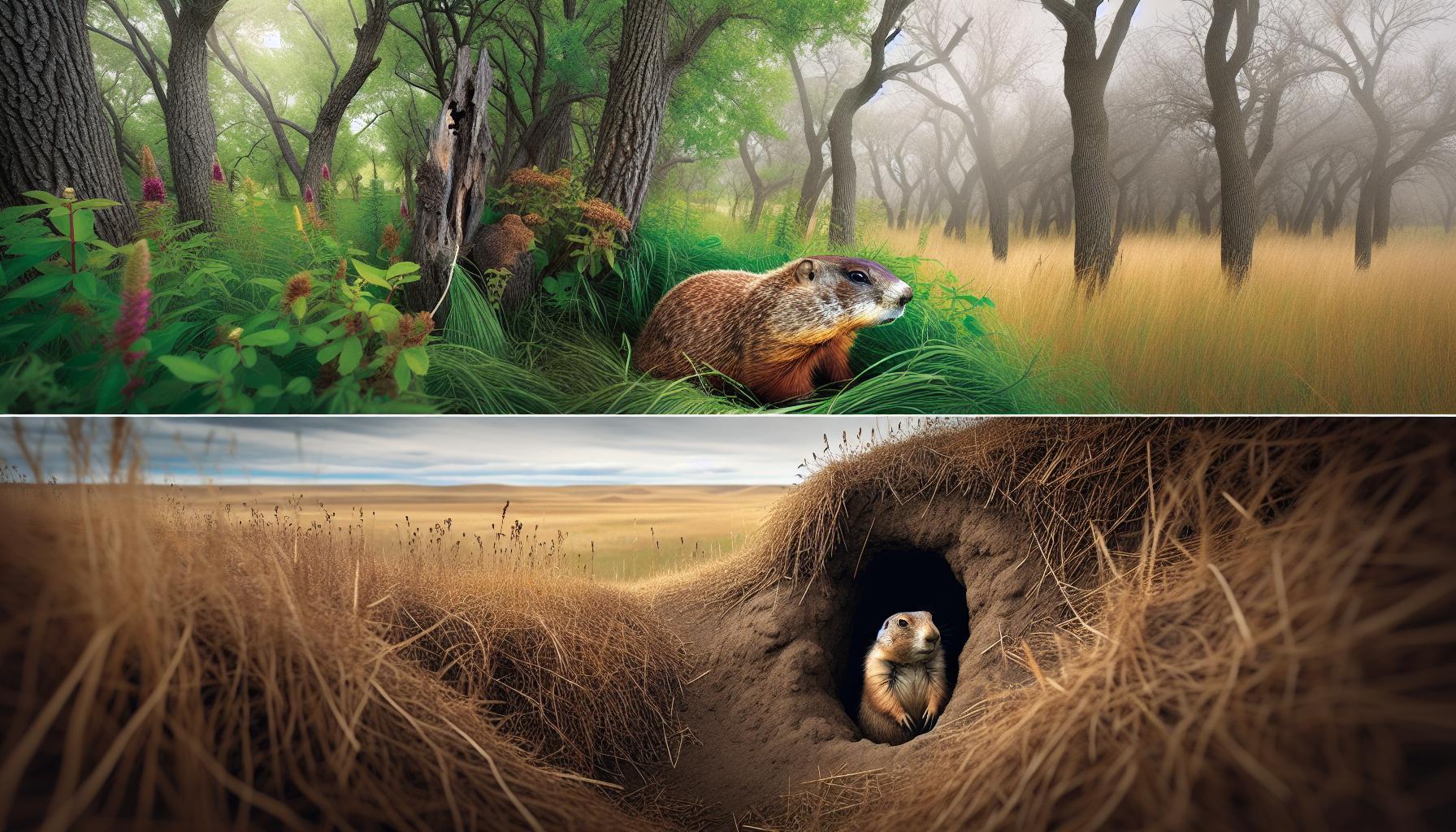
Groundhogs and prairie dogs inhabit distinct environments that reflect their unique lifestyles and behaviors. Groundhogs, also known as woodchucks, are typically found in open fields, meadows, and even along forest edges across much of North America. These nature-loving rodents dig extensive burrow systems that can reach impressive lengths of up to 66 feet, making their homes underground. Groundhogs prefer areas with plenty of vegetation, as they primarily forage for grasses, herbs, and other plants. Their solitary habits mean they are often spotted alone, basking in the sun or foraging for food, rather than in groups like prairie dogs.
In stark contrast, prairie dogs thrive in the vast grasslands of North America, creating their own intricate colonies or “towns.” These towns can sprawl across several acres and feature a complex network of burrows designed to protect against predators and ensure the safety of the community. Each prairie dog town is characterized by its bustling social activity, with numerous individuals living together in family groups called coteries. The ability of prairie dogs to dig deeply and create extensive systems of tunnels not only offers shelter but also reflects their adaptability to the prairie environment, where the open land allows for clear sightlines to spot incoming threats.
Both species are fascinating in their own right, but their differing habitats showcase how unique adaptations support their survival. For example, while groundhogs may be spotted on a sunny hillside nibbling on clovers, prairie dogs are busy communicating with each other about potential dangers, a social behavior crucial for their survival. Understanding where these animals live sheds light on their behavioral differences and the roles they play in their respective ecosystems. Whether you’re observing a lone groundhog or a lively prairie dog colony, each offers unique insights into the wonders of wildlife.
Diet and Feeding Habits: Groundhogs vs. Prairie Dogs
There’s a fascinating contrast in the diets and feeding habits of groundhogs and prairie dogs, reflecting their unique lifestyles and habitats. Groundhogs are primarily herbivorous creatures that enjoy a diverse selection of vegetation. They are particularly fond of grasses, clovers, herbs, and the tender shoots of various plants. Groundhogs often forage alone, munching away on their favorite snacks while basking in the sunlight. These rodents tend to eat a lot in preparation for hibernation, consuming up to a pound of food every day during the warmer months to build up their fat reserves before the winter slumber.
In comparison, prairie dogs display a more social approach to foraging. They live in large colonies where the availability of food is abundant, thanks to their communal digging and maintenance of extensive burrow systems that promote the growth of their preferred grasses and forbs. Their diet is highly influenced by their environment, as they primarily consume grasses, but they also relish seeds, roots, and flowers. Prairie dogs need to communicate continuously with their colony members while feeding, alerting each other to potential dangers with a variety of vocalizations. This social feeding behavior not only helps them enjoy their meals safely but also strengthens bonds within their coteries.
Both species face the challenge of staying nourished while evading predators. Groundhogs are generally more solitary and rely on their camouflage and burrows for protection, while prairie dogs utilize their communal awareness to maximize safety when feeding. Their different dietary habits not only reflect their feeding strategies but also impact their respective roles within the ecosystem. Groundhogs contribute to the health of their environments by promoting plant growth through their grazing, whereas prairie dogs play a critical role in the ecosystem by aerating the soil and creating habitats for other species through their digging activities.
Through understanding their diets and feeding habits, we can appreciate the diverse adaptations that groundhogs and prairie dogs have developed to thrive in their distinctive environments. Whether it’s the lone groundhog against a backdrop of green or the bustling prairie dog town in the sun, both species offer delightful glimpses into the intricacies of wildlife life.
Groundhog Day vs. Prairie Dog Awareness: Cultural Significance
Each year, millions of people eagerly await February 2nd, Groundhog Day, a uniquely American tradition that has roots in ancient European customs centered around weather prediction. This quirky holiday draws attention to the groundhog, also known as a woodchuck, as it supposedly predicts the length of winter based on whether it sees its shadow. Crowds gather in Punxsutawney, Pennsylvania, to witness Punxsutawney Phil emerge from his burrow, encapsulating the playful spirit of a nation as they engage with this charming ceremony. The day not only highlights the nature of groundhogs but has also become emblematic of cultural sentiment around winter and the arrival of spring.
On the flip side, prairie dogs do not hold a day of celebration akin to Groundhog Day, yet they play a significant role in the culture and folklore of various Native American tribes and Western communities. Prairie dogs are often considered a symbol of the American West and represent the vibrant ecosystem of prairie landscapes. Their intricate burrowing systems support a wide range of wildlife, and they are recognized for their unique social structures. Although they might not have a dedicated day of recognition, awareness events do often arise, especially around conservation efforts due to their importance in local ecosystems and their decline in certain areas. This illustrates a broader cultural appreciation for prairie dogs, revealing how they contribute to biodiversity and landscape health.
Interestingly, both groundhogs and prairie dogs highlight the intersection of nature and community consciousness. Groundhog Day serves as a lighthearted cultural fixture, while the prairie dog’s communal lifestyle emphasizes collaboration and ecology. As communities celebrate Groundhog Day with humor and festivity, they also indirectly promote wildlife awareness and conservation efforts simply by engaging with the idea of a humble rodent alerting them to the seasons. This charming juxtaposition enriches the narrative of human-animal relationships, showcasing how each species, whether celebrated or simply acknowledged, can impact cultural perceptions and conservation awareness in their own right.
Similarities and Differences: A Side-by-Side Comparison
Groundhogs and prairie dogs may both belong to the rodent family and inhabit North America, but their similarities tend to end there. Understanding their unique characteristics can enrich your appreciation of these fascinating animals. Groundhogs, also known as woodchucks, are largely solitary creatures distinguished by their robust, stocky frame, averaging around 20 pounds in weight. In contrast, prairie dogs are social animals that thrive in colonies, and they weigh significantly less, typically around 3 to 4 pounds.
One of the most striking differences lies in their social structures and behaviors. Prairie dogs are famous for their elaborate burrow systems and complex social interactions. Living in large colonies called “towns,” these lively rodents engage in a sophisticated language of chirps and barks to communicate. Their social nature means they work together to warn one another of predators, showcasing a remarkable sense of community. Groundhogs, on the other hand, prefer a more solitary lifestyle, venturing out mainly during the day to forage for food and dig burrows primarily for their own use.
Another key difference is in their habitats. Groundhogs are generally found in various terrains, including forests, hills, and urban areas, while prairie dogs are most commonly associated with flat, open grasslands and prairies. This difference in habitat influences their diet too; while both species are herbivorous and enjoy a plant-based diet, groundhogs consume a wider variety of vegetation, including clover, dandelions, and crops such as lettuce or carrots. Prairie dogs mostly eat grasses, seeds, and other plants native to their open habitats, contributing to their role in maintaining the vegetation structure of their ecosystems.
In essence, while groundhogs and prairie dogs share the tag of being burrowing rodents, their contrasting behaviors, social complexities, and habitats paint a vivid picture of each species’ adaptability to their environment. Learning these distinctions not only enhances your knowledge but also underscores the importance of each species within their respective ecosystems. As you observe these charming creatures, remember that appreciating their differences can foster a deeper respect for wildlife and the conservation efforts needed to protect their habitats.
Conservation Status: Protecting Groundhogs and Prairie Dogs
While groundhogs may be famed for their predictive talents on Groundhog Day, both groundhogs and prairie dogs face significant conservation challenges that require attention and action from us all. Groundhogs are relatively stable in population, though habitat loss and urban development can pose risks. In contrast, prairie dogs are categorized as a species of concern in many areas due to their declining numbers, largely attributed to habitat destruction and disease. Understanding the status and conservation needs of these two fascinating rodent species can help foster effective strategies for their protection.
Groundhogs, also known as woodchucks, primarily thrive in suburban and rural environments across the United States and Canada. Their adaptability means they can often coexist with human development. However, they face threats from road construction, agricultural practices, and habitat fragmentation. It’s essential for local communities to create and maintain green spaces that can support these sturdy rodents, allowing them to flourish even as urban areas expand.
Prairie dogs, on the other hand, are vital for maintaining ecosystems in the grasslands they inhabit, but their social structures and extensive burrow systems make them particularly vulnerable. Their populations have been dramatically reduced due to habitat encroachment by agriculture and urban development, as well as extermination campaigns aimed at protecting livestock. Some states have implemented protective measures, such as creating prairie dog conservation areas, underscoring the need for community awareness and involvement in local wildlife conservation.
Community Involvement
Engaging local communities is crucial for the protection of both species. Here are some practical ways individuals can contribute:
- Promote Awareness: Educate others about the importance of groundhogs and prairie dogs in their ecosystems.
- Participate in Conservation Efforts: Join local wildlife groups focused on habitat restoration or species monitoring.
- Create Friendly Habitats: Plant native vegetation in gardens to support local wildlife.
- Support Wildlife-Friendly Policies: Advocate for responsible land-use practices that protect natural habitats.
In conclusion, while groundhogs may often steal the spotlight with their annual predictions, it’s the lesser-known prairie dogs that require urgent conservation efforts. Together, by understanding their distinct roles in the ecosystem and taking local action, we can help ensure that both groundhogs and prairie dogs continue to thrive in a rapidly changing world.
Common Misconceptions: Facts vs. Myths about Both Species
Groundhogs and prairie dogs may both be adorable members of the rodent family, but they often find themselves the subjects of various myths and misunderstandings. One common misconception is that these creatures are the same. While they share some characteristics, such as being burrowing animals, groundhogs and prairie dogs belong to different genera and exhibit distinct behaviors. Groundhogs, also known as woodchucks, are solitary animals primarily found in wooded areas and gardens, whereas prairie dogs are highly social creatures that live in large colonies called towns in open grasslands.
Another prevalent myth is that both species can predict weather changes or “groundhog day” predictions. Groundhogs have gained fame for their role in the February 2 tradition, where the shadow of a groundhog supposedly forecasts the arrival of spring. However, this is purely folklore and not an indication of their abilities; their behaviors are driven more by instinct and environmental cues than any supernatural skill. Prairie dogs, on the other hand, do not have any traditions associated with weather prediction, yet they play an essential role in their ecosystems, maintaining the health of grasslands through their burrowing activities, which aerate the soil and promote plant growth.
When it comes to diet, some people believe that both species eat the same foods. Groundhogs are herbivores with a diet consisting of a variety of plants, including grasses, fruits, and vegetables. Prairie dogs are also herbivorous but have a more specialized diet that focuses largely on grasses and seeds found within their habitats. This difference in diet is influenced by their specific habitats-the open plains for prairie dogs and more varied environments for groundhogs.
Lastly, there’s a misconception regarding their conservation status. While many think groundhogs are at risk because of their urban interactions, they are relatively stable in population. Prairie dogs, however, face greater threats due to habitat destruction and disease, leading to significant population declines in certain areas. Advancing awareness about these differences can enhance our appreciation for both species and the unique roles they play in their respective ecosystems. Understanding these facts helps dispel myths and promotes better conservation efforts for these remarkable rodents.
How to Care for Groundhogs vs. Prairie Dogs as Pets
Caring for groundhogs and prairie dogs as pets requires a solid understanding of their unique needs, personalities, and behaviors. Both species are fascinating, but their care differs significantly. While groundhogs are generally solitary and prefer ample space to roam, prairie dogs thrive in social environments. Understanding these differences is key to ensuring a happy and healthy life for your pet.
Groundhog Care Essentials
Groundhogs are best suited to large outdoor enclosures where they can dig and explore. These animals are natural burrowers, so providing a deep substrate of soil or sand is essential. A well-constructed enclosure should include:
- Size: At least 100 square feet, with room to dig.
- Socialization: Groundhogs are often independent and may not require companionship. However, they do enjoy human interaction.
- Diet: A varied herbivorous diet rich in greens, fruits, and vegetables, supplemented with commercial rodent pellets.
Groundhogs can also be a bit skittish and may require patience during the initial adjustment period. They are not traditional pets and are best suited for those who are knowledgeable about their care and needs.
Prairie Dog Care Essentials
In contrast, prairie dogs are highly social and require the companionship of other prairie dogs to thrive. Their care involves creating a community environment:
- Group Living: Always keep at least two prairie dogs together to prevent loneliness and stress.
- Habitat: Provide a large cage or enclosure with tunnels and platforms to simulate their natural burrowing habitat.
- Diet: A diet primarily consisting of grasses, hay, and occasional treats of fruits and vegetables. Avoid high-calcium foods, as they can lead to health issues.
Prairie dogs are known for their playful behavior and social interactions, making them engaging pets. However, they can be loud and have a strong urge to dig, so providing a safe and stimulating environment is critical.
Both species require regular veterinary check-ups and can suffer from similar health issues related to diet and habitat. When considering either as a pet, think about your space, lifestyle, and ability to cater to their specific needs. Wildlife enthusiasts often find joy in these animals, but respect for their wild nature and proper care are vital for ensuring they lead fulfilling lives in a domestic setting.
The Role of Groundhogs and Prairie Dogs in Ecosystems
Groundhogs and prairie dogs play vital roles in their ecosystems, contributing to soil health and serving as prey for various predators. These social and digging animals alter their environments in significant ways, creating habitats that benefit a range of species.
Groundhogs, also known as woodchucks, are solitary creatures often found on the edges of forests and shrublands. Their burrowing activities aerate the soil, allowing nutrients and water to penetrate deeper, which is beneficial for plant growth. While primarily herbivorous and feeding on grasses, fruits, and leaves, their diggings often expose earthworms and insects, contributing to the local nutrient cycle. Groundhogs serve as prey for a variety of animals, including foxes, hawks, and coyotes, thus playing a crucial part in the food web.
Conversely, prairie dogs are highly social and live in large colonies known as towns. Their extensive burrow systems create numerous tunnels and chambers that provide shelter not only for themselves but also offer refuge for other species, such as burrowing owls and snakes. These structures help to regulate soil moisture and temperature, benefitting the surrounding flora and fauna. As herbivores, their feeding habits influence plant community dynamics-overgrazing by prairie dogs can create patches of open ground that enable various plant species to thrive, promoting biodiversity.
Together, groundhogs and prairie dogs exemplify the interconnectedness of ecosystem roles. Their burrowing behaviors enhance soil quality, provide habitats for other creatures, and support the broader ecological framework in which they exist. Conservation efforts that focus on habitat preservation for these two species ultimately help maintain the balance of their respective ecosystems, ensuring that the myriad life forms dependent on their activity continue to thrive.
Fun Facts: Unusual Behaviors of Groundhogs and Prairie Dogs
Did you know that groundhogs have a fascinating way of communicating with one another? These clever creatures use a series of whistles and chirps to alert each other of approaching dangers. Their intricate vocalizations can vary in pitch and length, serving different purposes in their social interactions. When a groundhog spots a predator, it lets out a high-pitched alarm call, prompting the rest of the colony to take cover in their burrows. This alert system showcases their ability to work together, even as solitary animals.
In contrast, prairie dogs boast a rich social structure and communication system. They have been observed using different vocalizations and even facial expressions to convey threats, such as the presence of a hawk versus a coyote. A fascinating aspect of prairie dog behavior is their “kissing” ritual, where they touch their noses to greet one another, strengthening social bonds within their colonies. Their towns are bustling communities, complete with intricate tunnel systems that reflect their highly social nature and ability to organize.
Both groundhogs and prairie dogs engage in interesting grooming habits. Groundhogs frequently use their front paws to clean their fur, ensuring they stay neat while foraging on the ground. Prairie dogs, on the other hand, often groom one another, a behavior known as allogrooming. This not only helps them maintain their hygiene but also strengthens their social ties and builds trust within the group.
While groundhogs exhibit solitary behaviors, they can sometimes be spotted sharing sleeping areas during the colder months, highlighting the flexibility in their social structures as a survival strategy. On the other hand, prairie dogs take their social lives seriously, forming extensive family groups with fascinating hierarchies. Observing these unique behaviors can be a thrilling experience for wildlife enthusiasts and offers a glimpse into the rich social lives of these remarkable rodents.
Wildlife Watching: Best Places to Observe These Animals
If you’re eager to spot groundhogs and prairie dogs in their natural habitats, there are some fantastic locations perfect for wildlife watching. Each species thrives in different environments, making each visit uniquely rewarding.
Groundhogs, also known as woodchucks, are typically found in the eastern and central United States and parts of Canada. Best places to observe groundhogs include:
- City Parks and Gardens: Many urban parks provide a perfect setting for groundhogs, particularly those with open fields, gardens, and areas of brush. Look for these critters during the early morning or late afternoon.
- Farmlands: Groundhogs are often seen in agricultural areas where they forage on crops or nearby grasses. Their burrows can frequently be spotted in pastures and fields.
- Wooded Edges and Meadows: They prefer areas with a combination of meadows and low shrubbery. Nature reserves or areas adjacent to forests can be especially rewarding spots for observing their behaviors.
In contrast, prairie dogs are social animals that live in expansive colonies known as “towns” found primarily in the grasslands of North America, particularly in the Great Plains. Ideal locations for prairie dog viewing include:
- National Parks: Parks such as Badlands National Park in South Dakota or Black Hills National Forest are excellent for viewing these social animals. They are often observed at their burrows or engaging in playful behavior.
- Grasslands and Ecological Preserves: Areas like the Buffalo Gap National Grassland provide vast expanses where prairie dogs thrive. These locations often provide educational signs and designated viewing areas for optimal observation.
- Wildlife Refuges: Places like the Prairie Dog Town in the Rocky Mountain Arsenal National Wildlife Refuge allow visitors to learn more about these fascinating creatures and see their elaborate underground homes.
Whether you’re seeking the solitary groundhog or the gregarious prairie dog, the best viewing experiences often come from understanding their habitats and behaviors. For wildlife enthusiasts, patience, and quiet observation can reveal a world of fascinating interactions. Just remember to maintain a respectful distance and enjoy the remarkable adaptations these creatures have developed in their specific environments. Happy watching!
Frequently asked questions
Q: What is the primary difference in the appearance of groundhogs and prairie dogs?
A: The primary difference in appearance is size and shape. Groundhogs are larger, measuring about 20-27 inches long, with a stocky body and bushy tail. In contrast, prairie dogs are smaller, around 12-15 inches long, with a more slender build and shorter tails.
Q: Do groundhogs and prairie dogs have similar behaviors?
A: While both are social animals, their behaviors differ significantly. Groundhogs are predominantly solitary except during mating season, whereas prairie dogs live in large colonies called towns, exhibiting complex social structures. This difference affects their interactions and community dynamics.
Q: How do the diets of groundhogs and prairie dogs differ?
A: Groundhogs primarily have a herbivorous diet that consists of grasses, fruits, and vegetables. Prairie dogs eat a similar plant-based diet but also consume roots and seeds and play an essential role in their ecosystems by maintaining grasslands.
Q: Where can you typically find groundhogs compared to prairie dogs?
A: Groundhogs are commonly found in wooded areas, fields, and gardens across North America. Prairie dogs, however, inhabit grasslands and plains of the western United States, forming extensive burrow systems that provide shelter and community.
Q: Why are groundhogs considered a nuisance in gardens while prairie dogs are not?
A: Groundhogs are often viewed as pests because they burrow and can damage crops and gardens. Prairie dogs, while they can also cause damage, primarily affect grasslands and are generally not found in cultivated areas, making them less problematic for home gardeners.
Q: Can groundhogs and prairie dogs be kept as pets?
A: Both groundhogs and prairie dogs can be kept as pets, but they require specific care and attention. Groundhogs need larger spaces and proper diet management, while prairie dogs thrive in social groups and require an adequately enriched environment to stay healthy.
Q: What role do groundhogs and prairie dogs play in their ecosystems?
A: Groundhogs aerate the soil with their burrowing, enhancing plant growth. Prairie dogs contribute to the health of grasslands by creating habitats for other species and promoting biodiversity through their extensive burrow systems.
Q: How do groundhogs and prairie dogs communicate with each other?
A: Groundhogs use a variety of vocalizations like whistles and growls, particularly to warn of danger. Prairie dogs have a sophisticated system of vocalizations that indicate specific threats, food types, and even alert others to predator movements, showcasing their complex communication skills.
Future Outlook
Now that you know the key differences between groundhogs and prairie dogs, you can appreciate these fascinating rodents even more! Whether it’s the unique burrowing behavior of prairie dogs or the hibernation patterns of groundhogs, each species plays an important role in its ecosystem. If you found this comparison helpful, check out our articles on “The Habitat Needs of Groundhogs” and “Understanding Prairie Dog Social Structures” for more in-depth insights!
Don’t forget to share this article with your friends and leave a comment below-what did you find most interesting? For the latest wildlife tips and fun facts straight to your inbox, subscribe to our newsletter. Keeping curious about wildlife helps us all appreciate nature’s wonders even more! Explore our site for more content that excites your passion for animals and conservation; your adventure in learning about wildlife is just beginning!
Get our latest guides, news, and insights highlighted in your Google Search & AI Overviews.