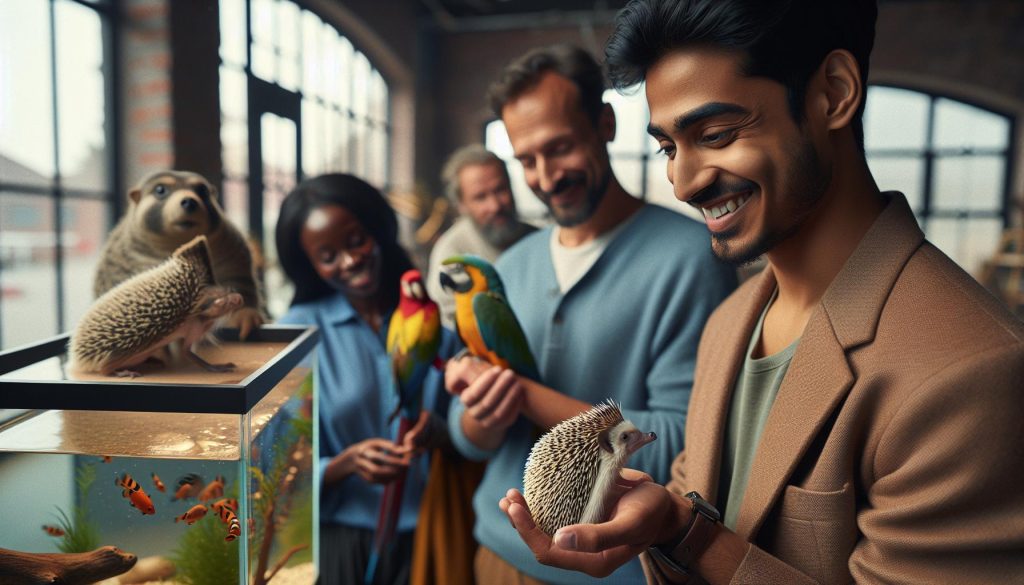
Did you know that over 10 million households in the U.S. alone share their lives with exotic pets? The allure of owning a unique animal can be thrilling, but it comes with specific challenges and responsibilities. In this guide, we’ll explore the top 10 exotic animals that make great companions, focusing on their needs, behavior, and how they can fit into your lifestyle. Whether you’re looking to add a splash of the wild to your home or simply curious about alternative pets, understanding what makes these creatures suitable companions is crucial. Join us as we uncover the fascinating world of exotic pets, ensuring you’re well-informed and ready for the journey!
What Makes an Exotic Pet Ideal for You?
When considering an exotic pet, it’s essential to recognize that these unique animals offer a different experience compared to traditional pets like cats or dogs. An ideal exotic pet should align with your lifestyle, space, and personal comfort with animal care. For many, the allure of owning an exotic pet stems from their distinct behaviors and the opportunity to forge a bond with a creature that often feels more like a little piece of the wild at home.
First and foremost, think about your living situation and daily routines. Some exotic pets, such as ferrets or hedgehogs, require less space and can adapt well to urban environments. Others, like capybaras, need significantly more room and a companion, which can be a big commitment. The pet’s activity level also matters; some animals thrive on interaction and exercise, like birds or lizards, while others may be more independent, such as certain reptiles. Understanding the age, growth potential, and behavioral traits of the species you’re considering is crucial in making an informed choice.
In addition to physical space, your willingness to invest time in care and enrichment is paramount. Exotic pets often have specific dietary needs, social requirements, and environmental enrichment necessities. Researching these aspects can highlight whether you’re ready to meet their needs or require a slower-paced pet that demands less intensive daily interaction. Consider engaging with communities of exotic pet owners; their insights can be invaluable in navigating the nuances of care that a particular species entails.
Ultimately, the ideal exotic pet for you is one that you can provide a suitable environment for, and one that meshes well with your lifestyle while bringing joy and fascination into your life. By weighing the responsibilities against the excitement they bring, you can make a choice that elevates your home experience while respecting the needs of the animal.
Top Characteristics of Great Exotic Pets
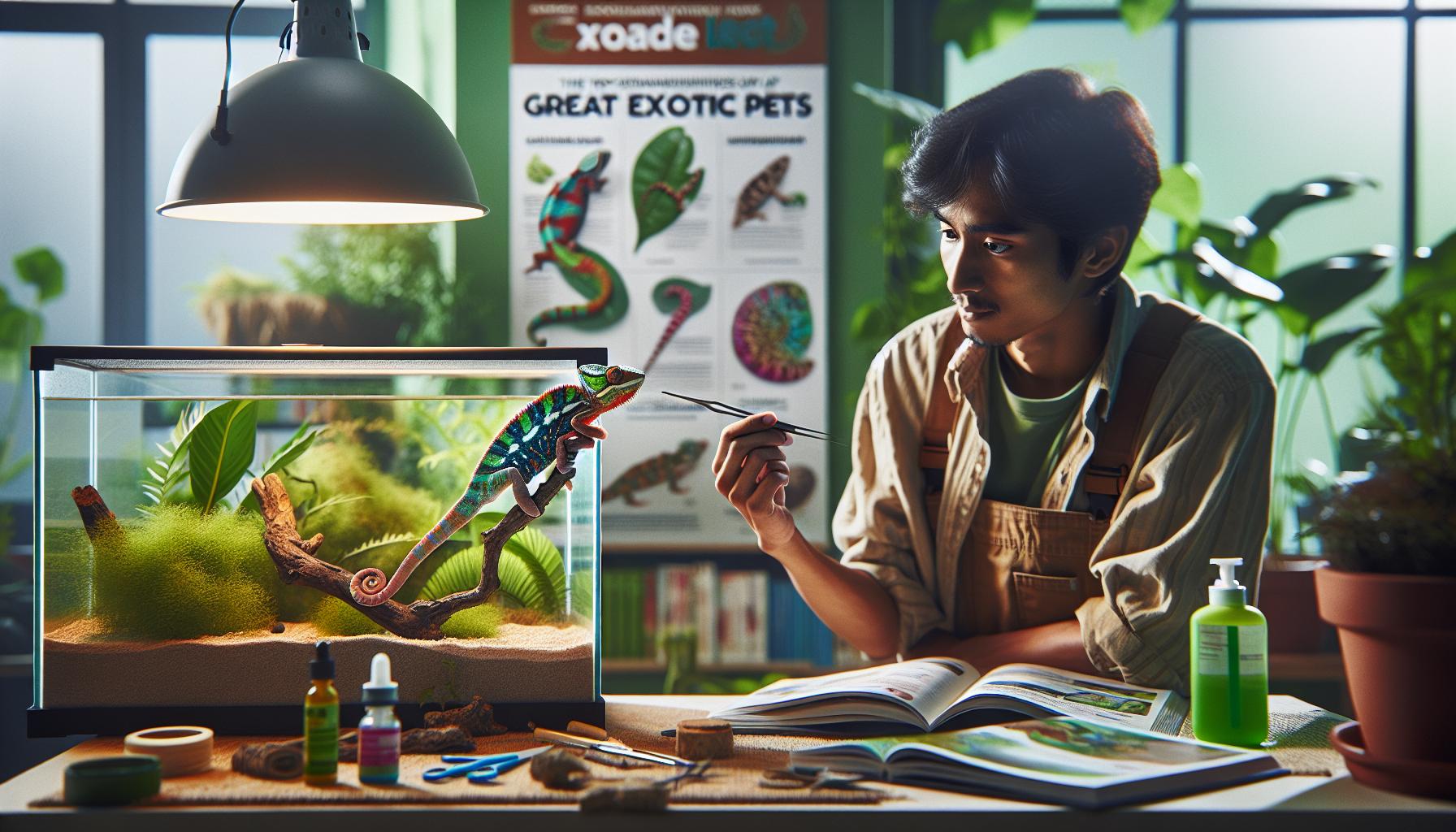
When it comes to choosing an exotic pet, the right characteristics can make a world of difference in ensuring a harmonious relationship between you and your new companion. Several traits set great exotic pets apart, enabling them to thrive in a domestic environment while forming strong bonds with their owners. Here are some top characteristics to look for:
Adaptability: A desirable exotic pet should be adaptable to their new home environment. For instance, animals like ferrets and hedgehogs are often able to adjust well to smaller spaces and various living conditions. They can be playful yet require minimal space compared to larger exotic pets, making them suitable for apartments or homes with limited room.
Temperament: A friendly and social temperament is crucial for a great exotic pet. Some species, like cockatoos and miniature pigs, are known for their loving and interactive nature. They generally enjoy human company, making them a joy to have around. You’ll want to choose an animal that is curious and open to interaction to foster a fulfilling companionship.
Care Requirements: Understanding the specific care needs of your chosen exotic pet is essential. For example, reptiles such as bearded dragons require specialized habitats, with particular UV lighting and dietary needs that can be met fairly easily once you have the right knowledge. On the other hand, pets like rabbits need more extensive social interaction and proper exercise. A pet that aligns with your available time for care and interaction will provide a better fit.
Long-term Commitment: Lastly, great exotic pets exemplify qualities that match your long-term goals. Some species can live for decades; for example, African grey parrots can live over 50 years, making them a lifelong commitment. Understanding their lifespan and potential needs over time is vital in choosing the right pet that fits into your life for the long haul.
By prioritizing adaptability, temperament, care requirements, and commitment when selecting an exotic pet, you’ll set the stage for a rewarding and enriching relationship. Make sure to do thorough research and perhaps seek advice from experienced owners or professionals to find an exotic friend that fits seamlessly into your life.
The Most Popular Exotic Pets: Our Top 10 Picks
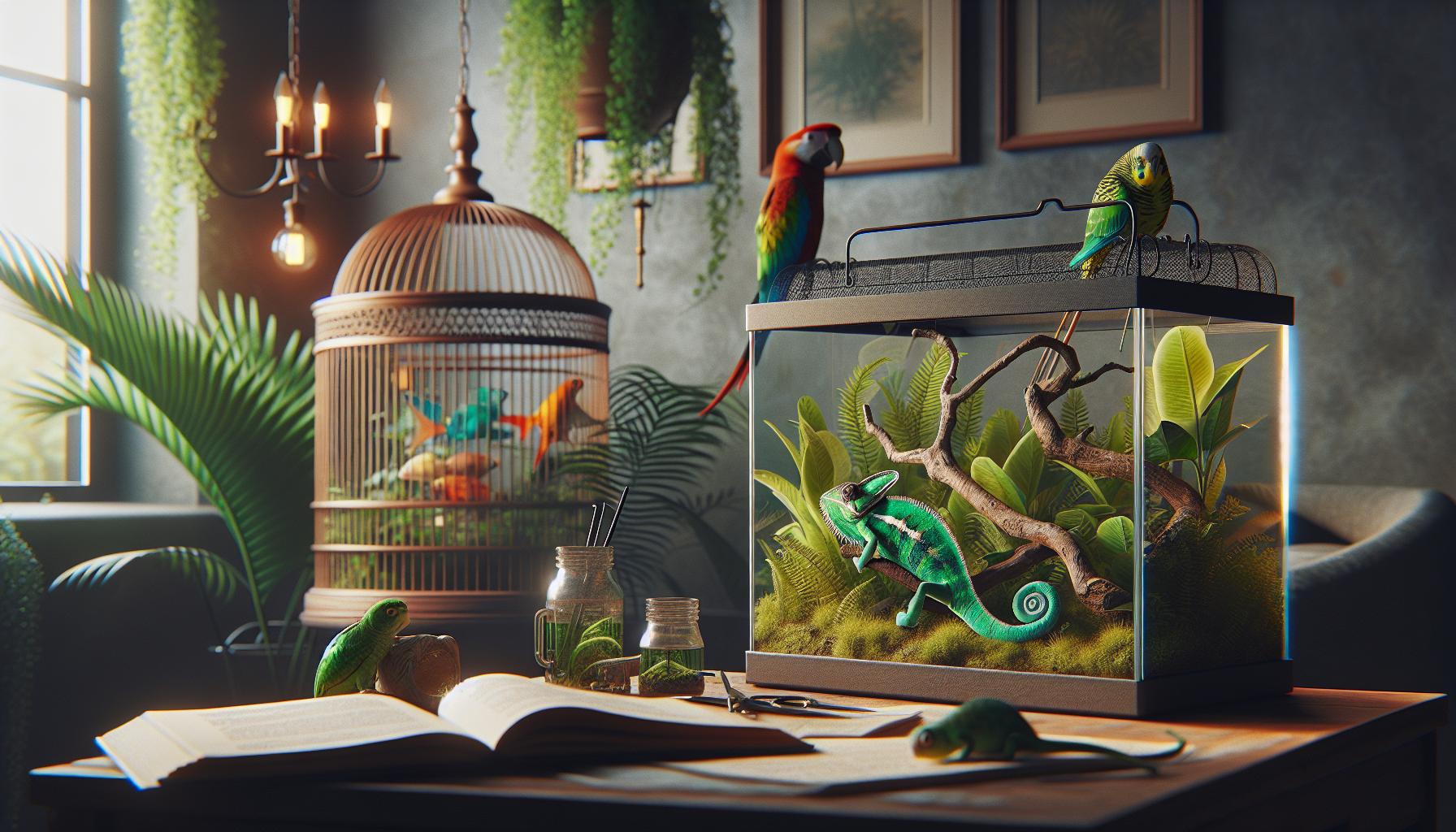
Many animal lovers seek unique companions that stand out from the typical pet roster. Exotic pets can fulfill the desire for something special while also providing joy and emotional connection. Here’s a closer look at ten popular exotic pets that can make wonderful additions to your household, balancing uniqueness with manageable care and companionship.
Top 10 Exotic Pets
1. Bearded Dragon
These friendly reptiles are often recommended for first-time exotic pet owners. They are easy to care for, require minimal space, and enjoy human interaction, making them great companions.
2. African Grey Parrot
Known for their incredible intelligence and ability to mimic human speech, African Grey parrots demand plenty of attention and mental stimulation. They thrive in social environments and can form deep bonds with their owners.
3. Hedgehog
These tiny, nocturnal creatures are low-maintenance and can adapt to smaller living spaces. Hedgehogs are quirky and fun to watch, though they do require some time to warm up to their human caretakers.
4. Sugar Glider
These small marsupials are social and love to glide through the air, making them both playful and entertaining. With proper care, they can be affectionate pets, enjoying time spent bonding with their owners.
5. Ferret
Ferrets are playful, curious, and full of energy. Their social nature means they thrive when they have playmates, either human or other ferrets. They do require supervision during playtime to prevent mischief!
6. Ball Python
For those interested in reptiles, the Ball Python is a good choice. They are docile and easy to handle, with relatively simple care requirements. Their calm demeanor makes them suitable for both beginners and experienced reptile enthusiasts.
7. Miniature Pig
These intelligent animals require plenty of social interaction and stimulation. Miniature pigs can be affectionate and learn commands just like dogs, but they do need ample space to roam.
8. Cockatoo
Cockatoos are known for their playful personalities and need for attention. They are highly interactive and emotional birds, often forming strong bonds with their caretakers, which means they thrive in environments where they receive plenty of social interaction.
9. Chinchilla
Chinchillas are soft, gentle creatures that require a specific diet and cool habitat but can become delightful companions. They are nocturnal and enjoy hopping around their cage and playing with chew toys.
10. New Caledonian Crested Gecko
These geckos are relatively easy to care for and come in various colors and patterns. They thrive in humid environments and are known for their calm disposition, making them great for both beginners and experienced reptile keepers.
Choosing the right exotic pet goes beyond just their appearance; understanding behavior, care needs, and environmental requirements is essential for a successful relationship. Each of these animals brings unique traits and joys, allowing for enriching companionship while also highlighting the responsibility of pet ownership.
Unique Care Requirements for Each Pet

Choosing an exotic pet is not just about their unique appearance; understanding their specific care requirements is vital for ensuring their well-being and creating a harmonious home environment. Each animal brings its own set of needs that must be met for them to thrive. Here’s a closer look at what it takes to care for some of the most popular exotic pets.
Bearded Dragon
Bearded dragons are relatively easy to care for compared to other reptiles, but they still have specific requirements. They need a habitat that mimics their natural environment with both heat and light. A basking area of around 100°F is crucial, while a cooler section of the enclosure should remain around 75°F. They thrive on a varied diet consisting of insects and leafy greens, and hydration is key; fresh water should always be available.
African Grey Parrot
These intelligent birds require mental stimulation and social interaction to prevent boredom. An African grey needs a spacious cage along with plenty of toys that challenge them mentally, like puzzles. Their diet must include high-quality pellets, fresh fruits, and vegetables to maintain their health. Regular out-of-cage time is essential, as they flourish with social engagement and physical activity.
Hedgehog
Hedgehogs are relatively low-maintenance, but they require a warm environment, ideally around 72-80°F, as they are prone to hibernation in cooler temperatures. A spacious cage with plenty of hiding spots and tunnels is essential for their exploration. Their diet should primarily consist of high-quality hedgehog food, supplemented with occasional insects and fruits.
Sugar Glider
These small marsupials thrive on social interaction and should ideally have a companion. Their diet is specialized, needing a mix of fruits, vegetables, and protein sources such as insects or high-protein glider food. A spacious, multi-level cage equipped with branches and safe toys is vital to satisfy their climbing instincts. Sugar gliders also require regular out-of-cage time for bonding and exercise.
Ferret
Ferrets are energetic and curious creatures that need plenty of stimulation. They require a large cage with multiple levels and plenty of space to play. A ferret’s diet should consist of high-protein ferret pellets, along with some raw or cooked meats for variety. Supervision during playtime is essential, as they can easily get into trouble.
Ball Python
Ball pythons are known for their docile nature, but they have specific care needs. A terrarium that maintains humidity and includes a heat source is necessary, as they require a temperature gradient to regulate their body heat. Their diet consists of appropriately sized mice or rats, and fresh water should always be available.
Miniature Pig
These friendly animals require social interaction and mental stimulation. A miniature pig needs a large living space, access to fresh air, and safe outdoor areas for exercise. Their diet should consist of high-quality pellets formulated for pigs, along with fruits and vegetables in moderation. Regular veterinary care is essential to monitor their health.
Cockatoo
Cockatoos are highly social and need plenty of interaction and mental stimulation. Their housing must allow them to move freely and provide enrichment through toys. A diet high in fresh fruits, vegetables, and specially formulated pellets is ideal. They thrive in environments where they can engage with their owners, making daily interaction crucial.
Chinchilla
Chinchillas require a cool, dry environment to thrive, as they’re sensitive to heat. Their diet needs to be high in fiber, primarily hay, supplemented with pellets and occasional treats. A spacious cage with shelves for jumping and climbing is essential, as well as dust baths to keep their coats clean.
New Caledonian Crested Gecko
These geckos are relatively easy to care for with a simple diet of commercial crested gecko food and occasional insects. They need a terrarium that maintains humidity and has branches for climbing. With their calm demeanor, they make excellent pets for both beginners and experienced keepers alike.
Understanding the unique care requirements for each of these exotic pets is crucial for their health and happiness. With the right knowledge, you can create an enriching environment that fulfills their needs while enjoying the unique companionship they offer.
Behavioral Traits of Exotic Pets You Should Know

Every exotic pet brings its own delightful personality traits that can deeply enrich your household. Understanding these behavioral tendencies is key to forming a strong bond and ensuring both your happiness and theirs. For instance, bearded dragons are known for their calm demeanor and enjoy basking under heat lamps, often exhibiting a charming curiosity about their surroundings. This reptile’s docile nature allows them to be handled safely, making them excellent companions for first-time exotic pet owners.
African grey parrots, on the other hand, are among the most intelligent bird species, requiring a great deal of interaction and mental stimulation. They are renowned for their ability to mimic human speech and sounds, which reflects their need for social engagement. Providing a variety of toys and puzzles can keep them mentally sharp and happy. Just remember, with their high intelligence comes a need for consistent socialization; isolation can lead to boredom and behavioral issues.
When it comes to sugar gliders, these small marsupials are exceptionally social animals that thrive in pairs, often forming strong bonds with their human caregivers. They are nocturnal creatures, which means you’ll get to enjoy their playful antics in the evening. These little acrobats love to explore and glide, making a multi-level cage with safe climbing areas essential for their development and happiness.
Ferrets are known for their rambunctious personalities. Highly energetic and curious, they can turn any space into their playground. However, their inquisitive nature means supervision is crucial, as they can easily get into mischief. A safe environment and plenty of interactive playtime will keep them content and well-behaved.
Lastly, understanding the behavior of a ball python can be fascinating. While they may seem shy, these snakes are generally calm and less likely to bite than other species. They enjoy being handled once they acclimate to their environment, but it’s important to respect their need for a secure, warm habitat where they can hide and feel safe.
No matter which exotic pet you choose, being attuned to their unique behavioral traits will ensure a rewarding relationship and contribute significantly to their well-being.
Setting Up a Home Environment for Exotic Animals
Creating a suitable home environment for your exotic pet is essential to their well-being and happiness. Each species has unique habitat requirements, and understanding these can transform your space into a thriving ecosystem for your new companion. For instance, many reptiles such as bearded dragons need a warm, controlled environment that mimics their natural desert habitat. This includes a basking spot with temperatures reaching 100°F (38°C) and a cooler area around 80°F (27°C), plus UVB lighting to support their health.
Caging and Space Requirements
When housing an exotic pet, choosing the right enclosure is crucial. For sugar gliders, a tall, multi-level cage provides ample room for climbing and gliding, which is vital for their physical and mental stimulation. Ensure the spacing between bars is tight enough to prevent escapes but not so small that it restricts movement. Ferrets, known for their curiosity, need a secure enclosure that can be locked to keep them safe from exploring too far.
Environmental Enrichment
Beyond basic shelter, environmental enrichment plays a significant role in keeping exotic pets happy. For African grey parrots, provide a variety of toys that challenge their intelligence, such as puzzles or foraging toys that reward them with treats. Similarly, ferrets thrive in environments enriched with tunnels and hideaways, allowing them to explore and satisfy their innate desire to burrow.
Climate Control and Hygiene
Keeping the correct temperature and humidity levels is critical, especially for tropical species like ball pythons, which require a humidity level of around 50-60% to thrive. Use accurate gauges to monitor conditions. Regular cleaning and maintenance of their habitat will ensure a healthy environment. Scheduled spot cleaning, along with a deeper clean every month, will help prevent the build-up of waste and bacteria.
Safety Measures
Lastly, consider safety precautions in your home environment. For example, ensuring that any toxic plants or chemicals are out of reach is essential when caring for any exotic animal. Utilize escape-proof cages and secure lids, as many species have surprising ways of finding exits. By addressing these critical elements, you not only foster a happy pet but also build a cohesive space that celebrates the beauty and uniqueness of your exotic companion.
Legal Considerations: What You Need to Know
When considering an exotic pet, it’s essential to navigate the complex landscape of legal regulations that can vary significantly by location. Did you know that certain states or municipalities might have restrictions or outright bans on specific species? This means what might be a delightful pet in one area could be illegal in another. Understanding the legal framework surrounding exotic pet ownership will help you avoid any unpleasant surprises and ensure you are a responsible pet owner.
Each type of exotic pet often falls under different legal categories. For instance, some reptiles, like certain snakes and turtles, may require a permit to own, while others might be entirely prohibited. In contrast, small mammals such as ferrets or sugar gliders may have regulations that differ even within states. Researching local laws through your state’s wildlife agency or municipal ordinances is a crucial first step. For example, if you’re a prospective owner in a city with strict exotic animal laws, you might discover that the exotic critter you’re interested in isn’t just a conversation starter; it could also land you a hefty fine or legal trouble if obtained without appropriate permissions.
Permitting and Licensing
In many areas, owning certain exotic pets requires obtaining a special permit or license. This process often involves submitting applications, paying fees, and sometimes undergoing inspections of your home environments, such as cages and enclosures. Certain territorial regulations may also dictate that exotic pets must be bred in captivity, not taken from the wild. Always check if your intended pet requires a special license before bringing them home.
Wildlife and Conservation Laws
For those fascinated by endangered species or animals resembling them, be aware that the laws can be quite stringent. International treaties like the Convention on International Trade in Endangered Species (CITES) regulate trade on exotic animals to protect species at risk. Acquiring an endangered species without proper documentation can not only be illegal but also significantly detrimental to wildlife conservation efforts.
- Research your local legislation: Understand laws regarding specific species.
- Secure necessary permits: Ensure you have the right licenses for pet ownership.
- Stay informed on wildlife conservation efforts: Recognize the ethical considerations of owning exotic pets.
Ultimately, being informed and compliant with laws regarding exotic pets protects not only you and your pet but also the broader ecosystem and wildlife. It helps ensure that the thrill of exotic pet ownership can be enjoyed responsibly and sustainably.
Best Resources for Care and Information
When diving into the world of exotic pets, access to reliable information is paramount. Whether you’re a fresh-faced enthusiast or a seasoned owner looking to expand your knowledge, having the right resources at your fingertips can make all the difference in ensuring a healthy and happy environment for your new companion. It’s like having a seasoned guide in the rainforest – you want someone who knows the terrain, can spot dangers, and appreciates the wonders around!
Books and online platforms are treasure troves of knowledge. Consider resources like The Complete Guide to Exotic Pet Care, which offers in-depth insights into various species, their habitats, and unique behavioral traits. Websites like the American Association of Zoo Keepers (AAZK) and the Association of Zoos and Aquariums (AZA) provide articles and guidelines on keeping exotic animals enriched and well cared for. Additionally, forums such as Reddit’s exotic pet communities can be invaluable for gaining firsthand accounts from fellow pet owners who share their success stories and challenges.
Another exceptional avenue for learning is local wildlife organizations or exotic pet expos, often featuring expert speakers and hands-on demonstrations. These events present an opportunity not only to gather information but also to build a network with other animal lovers. Moreover, many exotic pet retailers offer free workshops on animal care, making them a great resource for practical, direct advice on pet ownership.
For academic insight, research journals and publications such as the Journal of Exotic Pet Medicine can provide peer-reviewed studies on the care and needs of various exotic species. This rigorous, science-based information ensures that you stay informed about best practices and emerging trends in exotic pet care.
In summary, using a variety of resources-books, online articles, community forums, and local organizations-will enrich your understanding and commitment to responsible exotic pet ownership. Embrace the adventure ahead with curiosity and respect for your animal companions!
Engaging with Your Exotic Pet: Tips for Bonding
Building a deep bond with your exotic pet can truly enrich your experience as an owner and enhance their quality of life. Unlike traditional pets, exotic animals often have unique behaviors and communication styles that require patience and understanding. Engaging early and often not only builds trust but also allows you to better meet their specific needs. Whether it’s a vibrant parrot, a calm reptile, or a social rabbit, discovering ways to connect can transform your relationship.
To begin fostering that connection, it’s essential to create a welcoming environment. For many exotic species, good habitat is crucial for comfort and security. Ensure their space is adequately set up, incorporating elements like appropriate bedding, natural hiding spots, and enrichment objects. This allows your pet to feel secure, which is vital for initiating interaction. For example, once a rabbit feels comfortable in its enclosure, you can start by offering treats like leafy greens or small pieces of fruit, turning feeding time into a bonding moment.
Another effective strategy is to engage in shared activities that align with your pet’s natural instincts. Take, for instance, the inquisitive nature of ferrets; they thrive on stimulation and play. Setting up a series of tunnels or engaging in gentle play, like hide-and-seek, can create positive associations with you as their playmate. Similarly, for birds, simple tricks or training sessions can be both fun and mentally stimulating. Birds often appreciate clicker training, which combines rewards with verbal communication, reinforcing your bond as they learn to respond to your cues.
Communication is equally important. Understanding the body language and sounds of your exotic pet can significantly enhance your interactions. For instance, iguanas may puff up their bodies when feeling threatened but can show affection through gentle head bobbing. Observing these signals helps you respond appropriately and reinforces trust. Also, spending time just sitting quietly nearby can reassure them of your presence, especially for more skittish animals.
In summary, taking the time to bond with your exotic pet involves creating a nurturing environment, engaging in instinctive play, and enhancing your understanding of their unique communication styles. Just like in nature, where animals form strong relationships to thrive, your connection will flourish through patience, care, and a little creative interaction!
Conservation and Ethical Responsibility in Exotic Pet Keeping
Owning an exotic pet can be a thrilling experience, but with that joy comes a significant responsibility towards conservation and ethical practices. Many exotic animals are taken from their natural habitats, and their populations can be severely impacted by the pet trade. Did you know that some species may only exist in captivity due to habitat destruction and illegal poaching? By choosing to keep an exotic pet, you are not just adopting a companion but also stepping into a role with the potential to influence conservation efforts.
Understanding the Impact of Pet Ownership
When selecting an exotic pet, consider the ecological effects. Exotic species can sometimes become invasive if they escape into the wild, disrupting local ecosystems. For example, the Burmese python in Florida has wreaked havoc on native wildlife. It’s essential to understand the species’ needs and potential risks to local environments. Responsible ownership includes ensuring your pet is captive-bred rather than wild-caught, which helps reduce the demand for illegal wildlife trade and supports ethical breeding programs.
Supporting Conservation Efforts
You can also engage directly with conservation initiatives. Many organizations focus on protecting species and their habitats. Consider donating, volunteering, or adopting policies that support ethical wildlife trade. For instance, some pet stores partner with reputable organizations that focus on breeding and conservation efforts. By purchasing from these sources, you contribute to the welfare of the animals and the preservation of their species in the wild.
Educating Others
As an exotic pet owner, you have a unique platform to educate others about the importance of wildlife conservation. Sharing your experiences and knowledge can inspire friends and family to support ethical practices and learn about the animals’ natural habitats and behaviors. Host informative gatherings or use social media to advocate for responsible ownership and promote awareness of conservation issues related to exotic pets.
In summary, owning an exotic pet comes with the duty to consider not only the well-being of your individual animal but also the broader implications for wildlife conservation. By making informed choices, supporting ethical practices, and educating those around you, you can enjoy a fulfilling relationship with your pet while championing the cause of conservation.
FAQ
Q: What exotic animals are the easiest to care for?
A: Small reptiles like leopard geckos and popular rodents such as guinea pigs are often considered the easiest exotic pets to care for. They require minimal space, straightforward diets, and generally simple habitats. Always research specific needs to ensure a healthy environment for your pet.
Q: Are there exotic animals that are illegal to own as pets?
A: Yes, many exotic animals, including certain species of primates, big cats, and certain reptiles, are illegal to own in various places. Research local laws and regulations before adopting an exotic pet to ensure compliance and avoid legal issues.
Q: How do I choose the right exotic pet for my lifestyle?
A: To choose the right exotic pet, consider your lifestyle, space, and time commitment. Research various species’ care requirements, temperament, and social needs. Assess whether you can provide a suitable environment and daily care to match the pet’s needs.
Q: What are the common health issues in exotic pets?
A: Common health issues in exotic pets can include respiratory infections, nutritional deficiencies, and parasites. Regular veterinary check-ups and a balanced diet tailored to each species are crucial in preventing health problems. Always stay informed about specific health concerns related to your chosen pet.
Q: How can I create a suitable habitat for my exotic pet?
A: Creating a suitable habitat involves replicating the pet’s natural environment. This may include appropriate bedding, temperature control, humidity levels, and safe enrichment activities. Refer to the section on Setting Up a Home Environment for Exotic Animals in your article for detailed advice.
Q: What are the signs of stress or illness in exotic pets?
A: Signs of stress or illness can include changes in eating habits, lethargy, abnormal behaviors, or noticeable physical changes. Regular observation and quick action can help address potential health issues. Consult your veterinarian if you notice concerning symptoms.
Q: What should I know about feeding exotic pets?
A: Feeding requirements vary widely among exotic pets. Research specific diets, including which foods are safe and nutritious. For some animals, a specialized diet is essential. Check the Unique Care Requirements for Each Pet section for tailored feeding guidelines.
Q: Can exotic pets interact with children?
A: Many exotic pets can interact safely with children, but it’s essential to choose species known for their gentle temperament and to supervise all interactions. Educate children on proper handling techniques to ensure a safe experience for both the pet and the child.
Key Takeaways
As we wrap up our exploration of the top 10 exotic animals that can make fantastic pets, remember that choosing the right companion is key to a fulfilling experience for both you and your new friend. Whether it’s a gentle hedgehog or a colorful parrot, each species has its unique care needs and personality quirks that can enrich your life. Don’t rush your decision-take the time to research and ensure that your lifestyle aligns with your chosen pet’s requirements.
If you’re eager to learn more, check out our guide on “How to Care for Exotic Pets” and “Understanding Exotic Animal Behavior” for deeper insights. And don’t forget to explore our articles on responsible pet ownership to support your journey. Share your thoughts and experiences in the comments below, or sign up for our newsletter to receive tips on creating the perfect environment for your exotic pet. The adventure into responsible exotic pet ownership starts here-let’s dive deeper together!
Get our latest guides, news, and insights highlighted in your Google Search & AI Overviews.