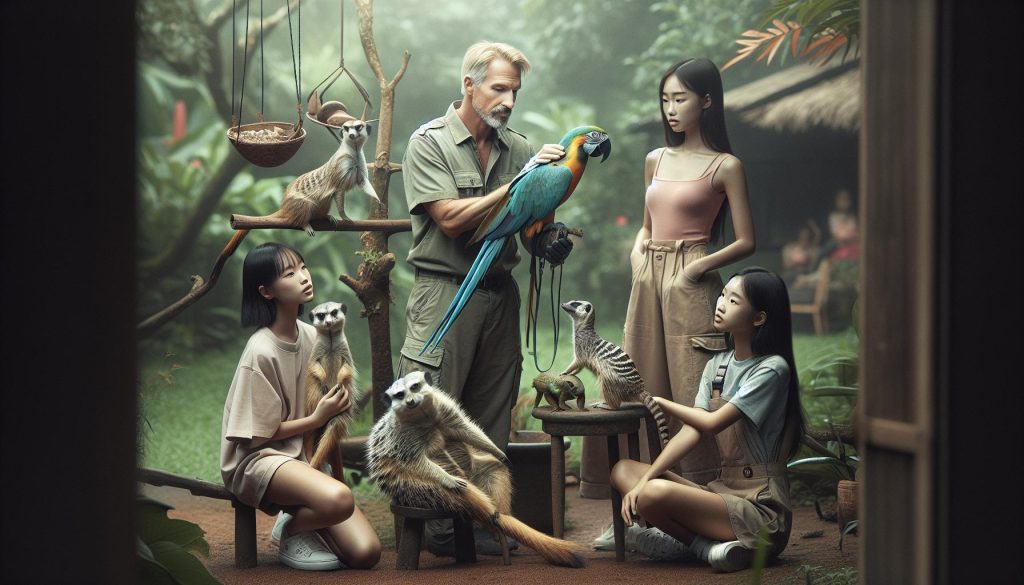
Did you know that owning an exotic pet can bring a unique blend of joy and fascination into your home? More than just colorful fish or furry rabbits, exotic animals offer companionship while teaching us about the wonders of the natural world. From the playful antics of a ferret to the striking beauty of a parakeet, these animals cater to diverse interests and lifestyles. Many people seek more than a typical pet; they want a bond that inspires curiosity and appreciation for wildlife. However, before diving in, it’s crucial to understand the specific care, habitat needs, and behaviors of these creatures. In this article, we’ll explore five compelling reasons why exotic animals can be wonderful pets, highlighting their benefits and the responsibilities of owners in ensuring their well-being. Get ready to uncover the captivating world of exotic pets!
Why Do People Want Exotic Pets? Understanding the Appeal
People are often drawn to exotic pets because they represent an alluring blend of uniqueness and personal connection. Unlike traditional pets like cats or dogs, exotic animals can bring an air of novelty and adventure into one’s home. Many individuals enjoy the idea of sharing their lives with creatures that are often seen only in documentaries or nature reserves, thereby fostering a sense of companionship with the wild. For example, owning a parrot can be appealing not only for its vibrant colors and intelligence but also for its ability to mimic human speech, creating a quirky interactive experience that resonates with owners.
Another factor is the growing accessibility of exotic pets due to advances in breeding, transport, and education about proper care. With resources available online, potential pet owners can find comprehensive information on different species, their habitats, and specific requirements, making it easier to prepare for and commit to the unique responsibilities that come with exotic animal care. For those who are environmentally and ethically conscious, understanding the differences in care needs between exotic species and traditional pets can lead to a more informed choice about pet ownership.
While the thrill of having an unusual pet can be captivating, it’s crucial that prospective owners consider the complexities involved. Many exotic animals, such as reptiles and unique mammals, require specialized habitats and diets, significantly diverging from the more straightforward needs of cats or dogs. This understanding not only ensures that the animals thrive but also contributes to a rewarding pet-owner relationship. Balancing the joy and educational experience of owning an exotic pet with responsible ownership practices can create a fulfilling dynamic for both pet and owner, fostering a deeper appreciation of wildlife and conservation efforts.
The Unique Care Needs of Exotic Animals
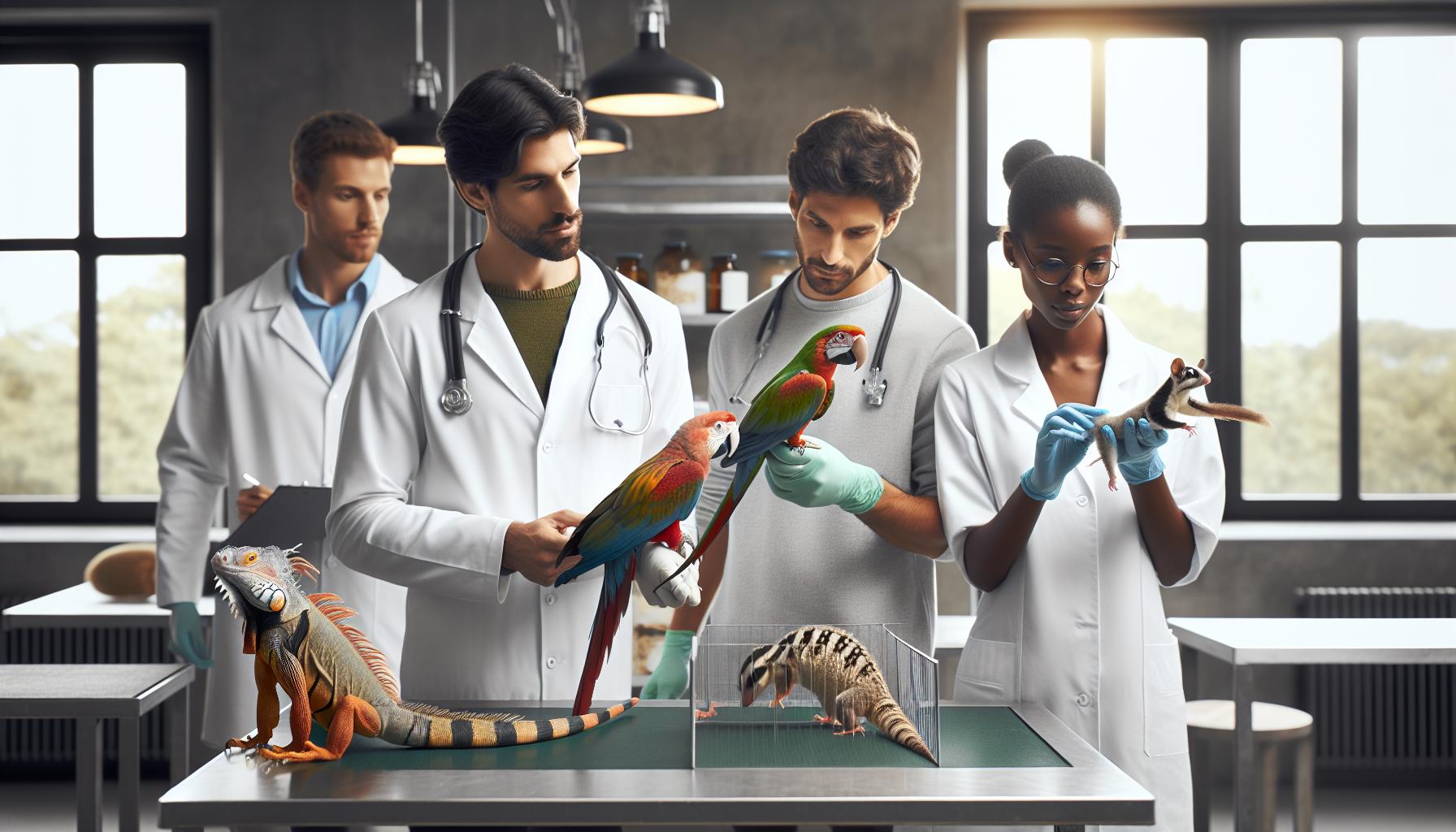
While many people think they can simply replicate the care routine of a dog or a cat, exotic pets have a whole different set of needs that require dedicated attention and knowledge. These animals, ranging from reptiles to unusual mammals, often demand specialized habitats, diets, and environmental conditions that are crucial for their health and happiness. A striking example is the green iguana, which thrives in warm, humid environments and requires a large enclosure equipped with UV lighting. Without these essential conditions, they can develop serious health issues, showcasing just how unique their care needs truly are.
Each species comes with its own set of requirements and quirks. For instance, while many small rodents, like hamsters, can live in a standard cage, ferrets need multilevel enclosures that allow them to explore and exercise. Their social nature means they also thrive best when they have interaction, either with their owners or another ferret. Similarly, parrots not only require a varied diet rich in fruits and nuts but also need plenty of mental stimulation through toys and social interaction to maintain their well-being. These specifications highlight the importance of thorough research prior to making an exotic pet a part of your life.
In addition to habitat and dietary needs, health care for exotic pets differs significantly from more common animals. Many species are prone to specific health issues that require owners to be proactive. Regular visits to veterinarians specializing in exotic animals are essential, as they can provide insights into preventative care and treatments unique to that species. This dedication can foster a better quality of life for these fascinating creatures, ensuring that they not only survive but thrive in their new environments.
Understanding and addressing the unique care needs of exotic pets isn’t just about ensuring their survival-it’s about enriching their lives and enhancing the bond shared between pet and owner. Success with these animals requires commitment and a willingness to learn. By prioritizing their specific needs, owners can enjoy the rich rewards of sharing their lives with these extraordinary companions.
5 Fascinating Exotic Pets and Their Traits
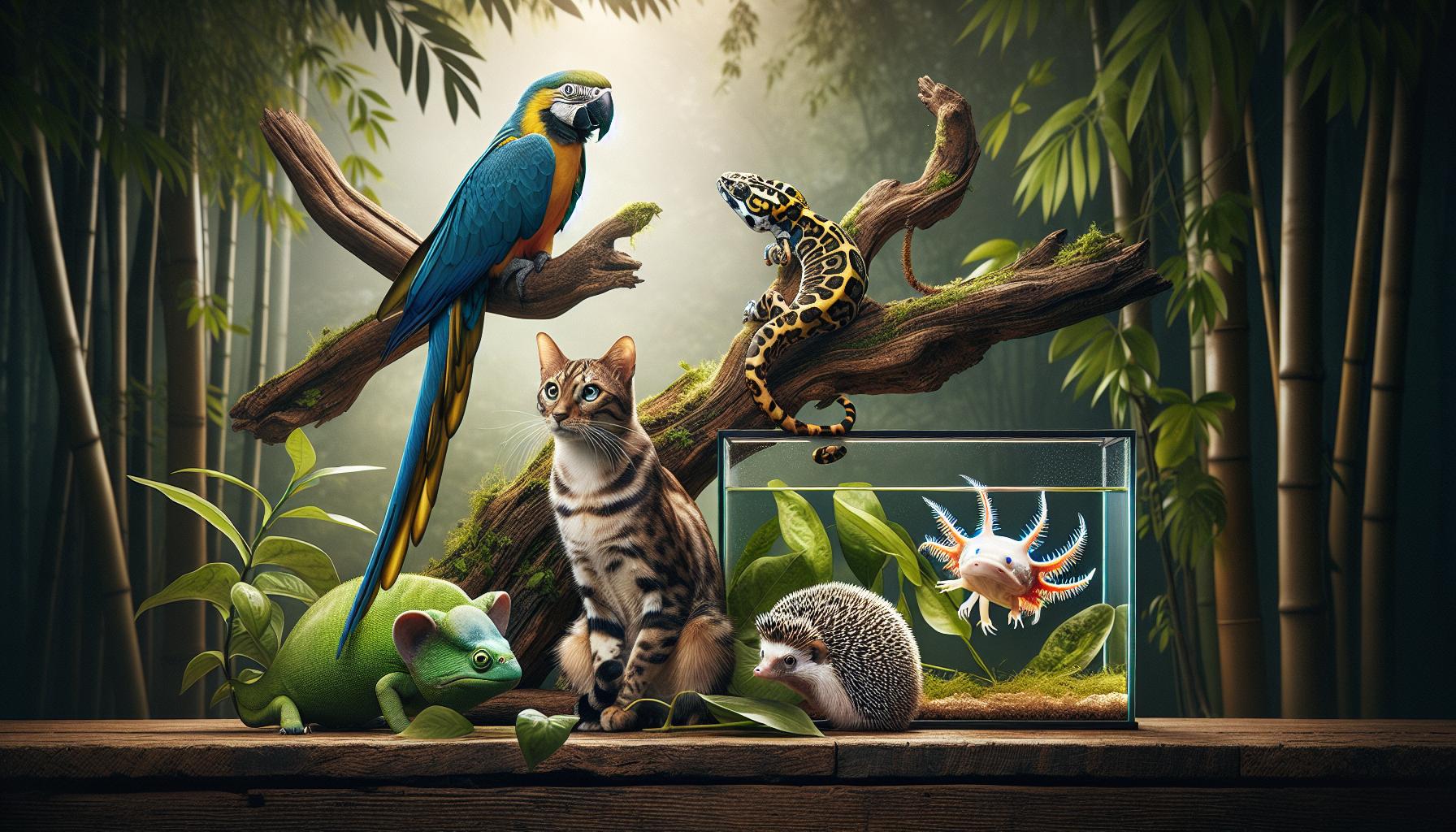
While the furry face of a dog or the gentle purr of a cat may occupy our minds when we think of pets, there’s a whole world of exotic animals that not only captivates but can also make remarkable companions. From their unique behaviors to their vibrant appearances, exotic pets often bring a sense of wonder and a dash of adventure into our lives. Here are five fascinating exotic pets that showcase why these creatures can be so appealing.
1. Green Iguana
The green iguana is a striking reptile known for its vibrant green scales and impressive size, often growing up to six feet long. These creatures thrive in warm, humid environments, requiring an enclosure that replicates their natural tropical habitat. Iguanas are herbivorous and love a diet rich in leafy greens, fruits, and vegetables. Their ability to form strong bonds with their owners makes them captivating pets; however, they require careful handling to ensure their comfort and safety.
2. Sugar Glider
Imagine having a pet that can glide through the air! Sugar gliders are small, nocturnal marsupials from Australia, known for their playful personalities and unique ability to glide thanks to their patagium-a membrane that stretches from their wrists to their ankles. They are highly social animals, thriving on interaction, so it’s ideal for sugar glider owners to have at least two of them to keep each other company. A proper diet includes a mix of fruits, vegetables, and specialized pellets to ensure they receive all necessary nutrients.
3. Ball Python
The ball python is a popular choice for reptile enthusiasts due to its docile nature and impressive variety of color patterns. These snakes can live over 30 years and require a well-maintained habitat that simulates their natural environment, complete with a warm side for basking and a cooler side for thermoregulation. Ball pythons are also notorious for their easy-going temperament, making them suitable for beginners. Their feeding is straightforward-mostly small rodents-which can be purchased frozen from pet stores.
4. African Grey Parrot
Renowned for their intelligence and remarkable vocal abilities, African grey parrots are a favored choice among bird lovers. These parrots have a phenomenal capacity for mimicking human speech and sounds, making each companion uniquely entertaining. They are highly social and need mental stimulation, so providing toys and challenges is essential to keeping them engaged. Their diet should consist of high-quality pellets, fresh fruits, and vegetables, ensuring good health and longevity.
5. Fennec Fox
With its oversized ears and playful demeanor, the fennec fox is like something straight out of a Miyazaki film. This tiny desert-dweller is known for its curious and lively personality. While fennec foxes can make affectionate pets, they require a secure, spacious environment as they are energetic explorers. A balanced diet includes high-quality dog food, supplemented with fruits and occasional treats. Keep in mind that owning a fennec fox requires a commitment to socialization and proper care, as they’re not your average household pet.
Each of these exotic pets requires specialized care and dedicated owners willing to cater to their unique needs. The joy of sharing your life with an extraordinary creature is unparalleled, highlighting the importance of understanding and committing to responsible exotic pet ownership.
Legal Considerations: Owning Exotic Animals
Owning an exotic pet can be an exhilarating adventure filled with unique experiences, but it’s essential to understand the legal landscape surrounding these fascinating animals. The regulations vary significantly from one region to another, which means prospective owners must diligently research local, state, and federal laws before bringing an exotic pet into their lives. Some species might require specific permits, while others may be completely banned due to their potential impact on public safety and local ecosystems.
Understanding your area’s legal considerations not only fosters responsible ownership but also safeguards the well-being of your community and the animals themselves. For example, certain states prohibit ownership of big cats, like tigers and lions, due to safety concerns, as evidenced by the shocking statistics showing thousands of these animals kept as pets in the U.S., often in conditions that are unsafe for them and the owners alike [1]. Other species, such as reptiles or birds, might have fewer restrictions, but owners may still need to adhere to specific care guidelines to comply with animal welfare laws.
Additionally, obtaining the correct permits can be a lengthy and meticulous process, involving background checks and inspections, particularly for more regulated species. For instance, a keeper of a green iguana or ball python might not face the same scrutiny as an owner of a fennec fox or sugar glider, which can complicate matters. Fortunately, many dedicated organizations and resources provide guidance and support to ensure that potential owners are well-informed about their responsibilities [2].
In navigating the ownership of exotic pets, the goal should always be to foster an ethical relationship that values the animals’ needs while complying with legal requirements. Those who choose to share their lives with these extraordinary creatures must approach ownership with a spirit of commitment, compassion, and compliance. This combination not only enhances the experience for the owner and the pet but also sets a positive precedent for responsible exotic pet ownership in society.
The Environmental Impact of Exotic Pet Ownership
The world of exotic pets is as compelling as it is complex, presenting a kaleidoscope of experiences and responsibilities for potential owners. However, the environmental footprint of owning these unique animals cannot be ignored. The exotic pet trade raises significant concerns regarding biodiversity, ecological balance, and the well-being of both wild and domestic ecosystems. When you consider how your pet fits into the larger environmental picture, it highlights the importance of responsible ownership.
Exotic pets can have a profound impact on local wildlife. Some species, if released or escaped, can become invasive, outcompeting native species for resources. For example, the importation of certain reptiles and amphibians has led to significant ecological shifts in some areas, affecting local habitats and wildlife populations. This ecological disruption not only threatens the survival of indigenous species but also alters the balance of the ecosystem. As a result, responsible pet ownership must include a commitment to preventing escapes and ensuring that exotic animals are not released back into the wild.
Moreover, the environmental regulations surrounding the exotic pet industry are evolving in response to these challenges. Regions are increasingly implementing laws designed to protect local wildlife while managing the impacts of exotic pet ownership. Enthusiasts and owners are encouraged to stay informed about these regulations and the responsibilities that come with caring for an exotic animal. Ethical sourcing of pets-purchasing from reputable breeders or rescue organizations-also plays a crucial role in minimizing environmental impact and ensuring that animals are not taken from the wild, where their survival can be jeopardized.
Finally, caring for exotic pets can entail using resources that contribute to your environmental footprint, such as food, habitat supplies, and energy for heating or lighting enclosures. To mitigate these impacts, consider adopting sustainable practices, such as using eco-friendly products for habitats, selecting minimally processed foods, and properly disposing of waste. Each small step makes a difference and aligns the joy of exotic pet ownership with a commitment to protecting our planet and its wildlife for future generations.
Creating an Enriching Habitat for Your Exotic Pet
is essential for their physical and psychological well-being. Unlike cats or dogs, exotic animals often have very specific environmental needs that reflect their natural habitats. For example, reptiles may require a carefully controlled temperature range and humidity levels, while birds need ample space to fly and stimulating environments to mimic their natural behaviors. Understanding and replicating these needs is not just a benefit; it is a necessity for your pet’s health and happiness.
To start, it’s crucial to choose the right enclosure. Aquatic pets, like fish, need well-filtered tanks with proper plants and hiding spots, while small mammals, such as ferrets or guinea pigs, thrive in spacious cages filled with tunnels and chew toys. In contrast, birds often require large aviaries that allow for flight, complete with perches at varying heights and swings for exercise. Incorporating elements from your pet’s natural habitat can make a world of difference. For instance, adding branches, foliage, and enrichment toys can stimulate your exotic pet’s curiosity and activity levels.
Key Elements for Enrichment
Consider the following tips for creating a vibrant habitat:
- Stimulating Environment: Use items like climbing structures, tunnels, and foraging toys to keep your pet engaged.
- Naturalistic Decor: Incorporate natural elements such as plants (ensure they are non-toxic), rocks, and logs that reflect their wild surroundings.
- Routine and Variability: Establish a routine for feeding and interacting but also regularly introduce new toys or rearrange the habitat to keep things exciting.
- Safety First: Ensure all materials used in the habitat are safe for your pet; some common household items can be harmful.
By focusing on these elements, you’re creating not just a living space, but a thriving environment that allows your exotic pet to express their natural behaviors and instincts. Consider the delicate balance of their habitat-just as in the wild, it’s the combination of physical space, enrichment, and stimulation that supports their overall health. An engaging habitat reduces boredom and stress, leading to a happier and more active pet.
Remember, the more you invest in your pet’s habitat, the more rewarding your experience as an exotic pet owner will be. You will not only meet their needs but also cultivate a deeper bond based on mutual respect and understanding. Engaging with exotic pets is a journey-a shared adventure where both pet and owner can explore and learn, reflecting the beauty and complexity of the animal kingdom.
Safety Considerations for Owners and Pets
Owning an exotic pet can be an exciting adventure, but it comes with unique challenges and safety considerations that every potential owner should take seriously. First and foremost, understanding the natural behaviors of these animals is crucial. For instance, some species, like primates or large reptiles, may exhibit aggressive tendencies if they feel threatened or confined. In contrast, pets like certain birds can be quite social and thrive on interaction. Owners need to conduct thorough research to comprehend their chosen pet’s specific needs and behaviors to prevent incidents that can harm both the owner and the animal.
Creating a safe environment is essential not only for the exotic pet but also for everyone in the household. Specialized enclosures are a must; for example, a sturdy, escape-proof cage is vital for small mammals while larger species might require reinforced habitats. Additionally, preventing access to areas where the exotic pet can harm itself or create hazards-such as kitchens with hot surfaces, bathrooms with toxic cleaning products, or areas with small items that could be ingested-is a good practice. Always ensure that the habitat is equipped with non-toxic materials and appropriate furnishings to promote safe exploration and reduce stress.
Health and Hygiene
Proper hygiene is equally important to mitigate health risks. Some exotic pets can carry zoonotic diseases that could be transmitted to humans. Regular veterinary check-ups should include discussions about vaccinations and preventive care specific to exotic species. For example, reptiles can carry salmonella, which necessitates strict hygiene protocols, like washing hands thoroughly after handling them. Enriching the pet’s habitat while ensuring cleanliness-like easily cleanable surfaces and no standing water-can significantly contribute to the overall safety and health of your exotic pet.
In conclusion, safety considerations in exotic pet ownership encompass understanding the animal’s needs, creating an appropriate habitat, and maintaining rigorous health protocols. Each exotic species demands a tailored approach to ensure that the dynamics between pet and owner remain positive and rewarding. By prioritizing these aspects, individuals can enjoy the fascinating experience of owning exotic animals without compromising safety for themselves or their pets.
Common Misconceptions About Exotic Pets
A common misconception about exotic pets is that they belong only in their natural habitats and shouldn’t be kept as domestic companions. While it’s true that these animals thrive in the wild, many have been bred and raised in captivity for generations. This transition creates opportunities for responsible ownership and promotes conservation efforts. Additionally, certain exotic pets, like specific species of birds or reptiles, can adapt well to domestic life when their needs are met. With proper care, these animals can lead fulfilling lives, contributing to a broader understanding and appreciation of biodiversity.
Another prevalent myth is that all exotic pets are easy to care for, which can lead to unfortunate circumstances. In reality, exotic animals often have specialized care requirements that differ significantly from more traditional pets like dogs or cats. For instance, reptiles often require precise temperature and humidity levels, while certain mammals may need specialized diets or social interaction to thrive. Educating oneself about these unique needs is crucial. Potential owners should commit to researching their chosen species extensively to ensure they can provide the necessary care and environment.
Furthermore, some people believe that keeping exotic pets is harmful or inhumane. This viewpoint overlooks the fact that many owners are dedicated to creating enriching habitats and learning to understand the specific behaviors of their pets. By providing an environment that mimics their natural habitat and incorporates mental stimulation, like puzzles or climbing structures, owners can ensure their pets are engaged and healthy. Captive breeding programs and responsible ownership play vital roles in protecting species that might otherwise be threatened in the wild.
In conclusion, while owning exotic pets comes with challenges, it also offers unique rewards when approached responsibly. Embracing the opportunity to educate oneself about these animals not only benefits the pet owner but also contributes positively to conservation efforts. By dispelling these misconceptions, we can foster a more informed community of exotic pet enthusiasts, committed to respecting and understanding these remarkable creatures.
The Importance of Responsible Exotic Pet Ownership
Owning an exotic pet can be an exhilarating experience, but it also comes with a profound responsibility. Imagine nurturing a vibrant macaw or a gently coiling ball python-each unique in its needs and quirks. This sense of wonder is why many choose to keep exotic animals. However, to ensure both the well-being of these fascinating creatures and the safety of yourself and your community, understanding the importance of responsible ownership is crucial.
Responsible ownership begins with commitment. Exotic pets often have needs that far exceed those of traditional pets. For instance, a Green Iguana requires a robust habitat with UV lighting and specific humidity levels, while certain species of birds thrive on a diet rich in fruits and nuts, combined with ample social interaction. This means prospective owners must be prepared to invest time and resources into learning about the intricate behaviors and environmental needs of their pets. Failure to do so can lead to health issues for the animals, as well as frustration for owners who may find themselves unable to meet these complex demands.
Furthermore, responsible ownership extends beyond just meeting basic needs. It also encompasses ethical considerations such as breeding, conservation, and laws regulating exotic pet ownership. For example, many jurisdictions have specific laws aimed at protecting certain species and ensuring that wild populations are not harmed by capture or trade. By acquiring exotic pets from reputable sources, owners can help support conservation efforts and ensure that their animals come from breeding programs that prioritize animal welfare. Such practices not only protect the animals but also help maintain healthy ecosystems.
Lastly, creating an enriching environment for exotic pets is vital for their mental and physical health. Many owners neglect this aspect, thinking that adequate feeding and housing are sufficient. Yet, animals such as parrots and ferrets thrive when provided with stimulating toys, opportunities for socialization, and spaces that allow for physical activity. Like humans, exotic species flourish in engaging environments. Whether it’s constructing climbing structures for a sugar glider or rotating different enrichment toys for a curious ferret, providing such stimuli is key to enhancing their quality of life.
In essence, the allure of exotic pets lies in their extraordinary qualities, but the joy of their companionship comes with obligations. By embracing these responsibilities, owners not only ensure that their pets lead healthy and fulfilled lives but also contribute to greater awareness and conservation of wildlife as a whole. With the right mindset and preparation, exotic pet ownership can indeed be a rewarding journey that resonates with the spirit of adventure and respect for nature.
How to Find a Reputable Exotic Pet Source
Finding a reputable source for an exotic pet is crucial for ensuring the health and well-being of these unique animals. This step sets the foundation for responsible ownership, helping you avoid the pitfalls associated with impulsive purchases or unethical breeding practices. A good starting point is to research breeders, rescue centers, and retailers that specialize in exotic pets, ideally those that are recognized and recommended by local or national associations. Checking for credentials and reviews from previous customers can help assure you of the establishment’s reputation.
Recognizing Reputable Sources
When searching for a responsible exotic pet source, look for certain key indicators:
- Certification: Reputable breeders should be certified by an organization like the World Aquatic Veterinary Medical Association or must adhere to local and national regulations regarding exotic pet sales.
- Transparent Practices: A responsible source will welcome questions about their breeding practices and provide clear documentation of the pet’s health history and lineage.
- Facility Conditions: If visiting in person, check the conditions in which the animals are kept. Cleanliness, proper housing, and the general health of the animals should be evident.
- Veterinary Relationships: Good breeders often have a veterinarian specializing in exotic pets who can provide ongoing health support for the animals.
Consider Rescues and Adoption
Another excellent option is to consider adopting from a rescue center or a sanctuary. Many exotic animals find themselves in need of new homes due to circumstances beyond their control, often leading to more loving connections than those initiated through traditional sales. Animals adopted from reputable rescue organizations typically come with health checks and can provide a rewarding experience knowing you’ve given a second chance to a deserving creature.
Online Resources and Communities
Explore online communities and forums dedicated to exotic pet ownership. Websites like the World Wildlife Fund provide guidelines on responsible pet ownership and might feature listings of reputable sources, along with user-generated reviews. Engaging with other enthusiasts can offer insights into where others have found success in locating healthy animals. Remember, reputable breeders and rescue organizations often have social media pages where you can see their communications and interactions with potential pet owners.
Ultimately, diligence in finding a reliable exotic pet source can lead to a fulfilling experience for you and a happy, healthy life for your new companion. Buoyed by facts, supportive communities, and careful research, you can enhance your journey into the world of exotic pets while making a positive impact environmentally and ethically.
Alternatives to Keeping Exotic Animals as Pets
While the allure of exotic pets can be captivating, it’s essential to consider alternatives that can provide fulfillment without the complexities of ownership. One exciting option is to engage with wildlife through responsible ecotourism. Visiting wildlife reserves or sanctuaries allows you to experience the beauty of exotic animals in their natural habitats while supporting conservation efforts. Many organizations offer guided tours and educational programs that enhance appreciation for wildlife without removing them from their ecosystems.
Another excellent alternative is fostering an interest in conservation through volunteering. Organizations focused on animal rescue and rehabilitation often welcome volunteers to help with various tasks, from education to hands-on support with animals. This involvement can deepen your understanding of wildlife while contributing positively to their welfare. For instance, volunteering at a local wildlife rehabilitation center often provides insights into the needs and challenges facing different species.
For those who prefer enjoying the charm of unique creatures in a more manageable way, consider adopting small pets that require less specialized care yet still offer companionship and interaction-think hamsters, guinea pigs, or bird species like parakeets. These pets can closely mimic some characteristics of their exotic counterparts while being easier to care for and more compatible with most living situations.
For educational enrichment, consider visiting local zoos or aquariums that prioritize education and conservation. Many facilities offer behind-the-scenes tours, interactive exhibits, and opportunities to learn about animal behavior, habitats, and the importance of biodiversity. These experiences can foster a passion for wildlife and conservation without the responsibilities of pet ownership.
Ultimately, by exploring these alternatives, you can cultivate a profound respect and admiration for exotic animals while making choices that support animal welfare and environmental sustainability. Engaging with wildlife in these ways allows you to contribute to the well-being of these remarkable creatures and their habitats, enhancing both your life and theirs.
The Role of Exotic Pets in Conservation Efforts
Exotic pets often spark intrigue not just for their vibrant appearances, but also for the unique role they can play in conservation efforts. It’s a common misconception that keeping exotic animals as pets is always detrimental to wildlife; however, when approached responsibly, owning such pets can contribute positively to conservation in several ways. For instance, many pet owners dedicate their resources, time, and enthusiasm to support conservation initiatives and raise awareness about wildlife issues.
One significant aspect of the influence of exotic pets on conservation is their potential to foster a deeper appreciation for biodiversity. When individuals interact with these captivating animals, they often develop an emotional connection that ignites a passion for preserving their wild counterparts. This connection can lead to stronger advocacy for conservation efforts, as pet owners typically become more aware of the environmental challenges these species face. For example, people who own reptiles or birds might find themselves supporting legislation aimed at protecting wild habitats or funding conservation projects that aim to restore populations threatened by habitat loss.
Additionally, some private owners have even stepped up to participate in breeding programs that help maintain genetic diversity among species at risk of extinction. For example, certain exotic species, once thriving in their natural habitats, may now be teetering on the brink due to illegal trade and habitat destruction. Responsible breeders can work cooperatively with conservation organizations to help preserve these species through carefully managed breeding practices. This collaborative approach aligns with conservation goals by ensuring that captive populations remain healthy and genetically diverse.
In terms of community involvement, pet owners can play a pivotal role in education and outreach. By sharing their knowledge about the care, protection, and conservation of exotic pets, they can influence others to adopt responsible pet ownership practices and engage with conservation efforts. Through social media, community events, and educational programs, these owners can spread important messages about the complexities of wildlife conservation and the importance of maintaining biodiversity. As such, keeping exotic pets can serve as a powerful platform for raising awareness and encouraging action among a broader audience concerning wildlife conservation.
By understanding these dynamics, it’s clear that the relationship between exotic pet ownership and conservation is multifaceted. It highlights the responsibility pet owners carry-not only for their pets’ well-being but also in fostering a culture that respects and protects wildlife.
FAQ
Q: Why are exotic pets considered unique companions?
A: Exotic pets offer distinct experiences not found with traditional pets, showcasing unique behaviors and traits. Their diversity brings excitement and challenge to pet ownership, fostering a deeper connection. Additionally, many exotic animals exhibit intriguing social behaviors, making them engaging companions for enthusiasts who appreciate their differences.
Q: What are the benefits of keeping exotic pets for mental health?
A: Keeping exotic pets can enhance mental well-being by reducing stress and anxiety. The presence of these unique animals often encourages mindfulness and provides emotional support. Observing their natural behaviors can also be a source of joy and inspiration, contributing positively to overall mental health.
Q: How do exotic pets contribute to educational experiences?
A: Exotic pets serve as excellent educational tools for owners and others around them. They can facilitate learning about different species, conservation efforts, and ecosystems. Caretaking responsibilities can also teach children and adults about empathy, commitment, and biology, enriching their understanding of the natural world.
Q: Why do people say exotic pets can promote conservation awareness?
A: Owning exotic pets often fosters a greater awareness of conservation issues. Many owners become advocates for wildlife preservation and educate others on the ecological importance of their pets. This engagement can lead to increased support for conservation efforts and inspire positive actions within their communities.
Q: What reasons do people have for choosing exotic pets over traditional ones?
A: People may choose exotic pets for their unique characteristics, behaviors, and care requirements that differ from traditional pets. Additionally, the challenge of caring for these animals can be appealing to individuals looking for a more stimulating pet ownership experience that goes beyond the routine care of cats or dogs.
Q: How can keeping exotic pets impact one’s lifestyle?
A: Exotic pets often require specialized care and environments that can significantly influence an owner’s lifestyle. This may include adjusting home spaces, investing in specific habitats, and committing time to their unique needs. The lifestyle change can foster responsibility and a greater connection to nature.
Q: What should potential exotic pet owners consider before getting one?
A: Potential owners should assess their ability to meet the special care needs of exotic pets, including habitat requirements, dietary needs, and veterinary care. It’s crucial to research species-specific care and be prepared for any legal considerations. Understanding the long-term commitment involved is essential for responsible ownership.
Q: Why is community support important for exotic pet owners?
A: Community support helps exotic pet owners thrive by providing resources, shared experiences, and advice. Engaging with local or online communities can facilitate better care practices, offer solutions to challenges, and promote responsible ownership. This connection is vital in fostering a positive relationship among exotic pet enthusiasts.
Concluding Remarks
As we’ve explored, keeping exotic animals as pets can enrich your life with unique companionship and educational opportunities. However, specific care requirements and responsible ownership are crucial to ensuring both your well-being and that of your pet. If you’re considering adding an exotic friend to your family, take action now! Check out our comprehensive guide on essential care for various species and ensure you’re ready for the commitment.
For deeper insights, explore our articles on the thriving world of exotic pets and how to create a conducive habitat for them. Join the conversation! We’d love to hear your thoughts and experiences in the comments below. Let’s keep the discussion going on the joys and responsibilities of exotic pet ownership. Remember, every pet deserves a loving and informed home-your journey could make a significant difference!
Get our latest guides, news, and insights highlighted in your Google Search & AI Overviews.