
Have you ever watched a movie and marveled at the adorable capuchin monkey stealing the scene? These intelligent and playful creatures are captivating but owning one is a significant commitment. In this guide, we’ll explore the legalities of capuchin ownership, alongside essential care tips to ensure these remarkable animals thrive in a home environment. Understanding their needs, social behavior, and habitat can help potential owners make informed decisions that prioritize the well-being of both themselves and their future pet. Join us as we navigate the fascinating world of capuchin monkeys and uncover whether bringing one into your life is the right choice for you.
Can You Legally Own a Capuchin Monkey?
Can you imagine having a tiny, intelligent companion that can interact with you much like a furry family member? Capuchin monkeys, known for their playful antics and remarkable intelligence, are indeed captivating creatures. However, owning one comes with a significant legal and ethical responsibility. The legality of keeping a capuchin monkey as a pet varies greatly depending on where you live, as different states and municipalities have specific laws regulating exotic animal ownership.
In many places, it is outright illegal to own a capuchin monkey. For instance, states like California and New York have stringent restrictions that prohibit the private ownership of primates. In contrast, some states, such as Florida and Texas, allow ownership but require permits, health certificates, and sometimes even proof of insurance. Moreover, potential capuchin owners should check local ordinances, as cities within a state may enforce stricter regulations than the state law itself. Always conduct thorough research and consult state wildlife agencies or legal experts to navigate the complex landscape of animal ownership laws.
Not only does understanding the legal framework help ensure compliance, but it also reflects responsible ownership. Capuchins are social animals that thrive in their natural environments. They require the right conditions to live happily and healthily, making it essential for prospective owners to consider not just their legal standing but also their ability to provide a suitable home. Engaging with wildlife specialists and veterinarians can offer insights into whether personal capabilities align with the needs of such a dynamic and social creature. Immerse yourself in the experience of caring for a capuchin monkey; it’s a commitment that goes beyond just love-it demands knowledge, resources, and a profound respect for animal welfare.
Understanding Capuchin Monkey Behavior and Habitat
Capuchin monkeys are not only fascinating for their charming looks but also for their remarkable behavior and natural habitat. Known for their intelligence and social nature, these New World monkeys exhibit behaviors that are both entertaining and endearing. In the wild, capuchins are highly active creatures, often seen foraging for food in trees, using tools to crack open nuts, or interacting playfully with one another. Their ability to adapt to diverse environments showcases their resourcefulness, with populations thriving in tropical forests across Central and South America.
In terms of habitat, capuchins prefer dense, humid areas where they can easily climb and swing through the trees. They are typically found in the lowland and montane tropical rainforests, often at elevations ranging from 980 to 3,280 feet. These environments provide not just food sources, like fruits and insects but also safe spaces for nesting and social interaction. Unlike larger primates who tend to live in smaller, more stable groups, capuchins are often seen in large troops that can consist of over 30 individuals. This social structure is crucial for their survival, offering protection against predators and fostering complex social behaviors.
When considering the domestication of a capuchin monkey, it is vital to recognize that their natural instincts and social needs can be challenging to meet in a home environment. They require ample space to explore, mental stimulation to keep them engaged, and opportunities for social interaction-ideally with other capuchins or humans who can dedicate significant time and energy. Without these essential elements, a capuchin may develop behavioral issues, such as excessive vocalization or destructive tendencies. Therefore, understanding their complex social dynamics and habitat needs is a critical part of ensuring that they thrive in a domestic setting.
In summary, owning a capuchin monkey requires not just a commitment to care and love, but also a deep understanding of their behavior and habitat. Engaging with wildlife professionals can provide insights and guidance on how to create an environment that fosters their natural instincts while promoting their wellbeing.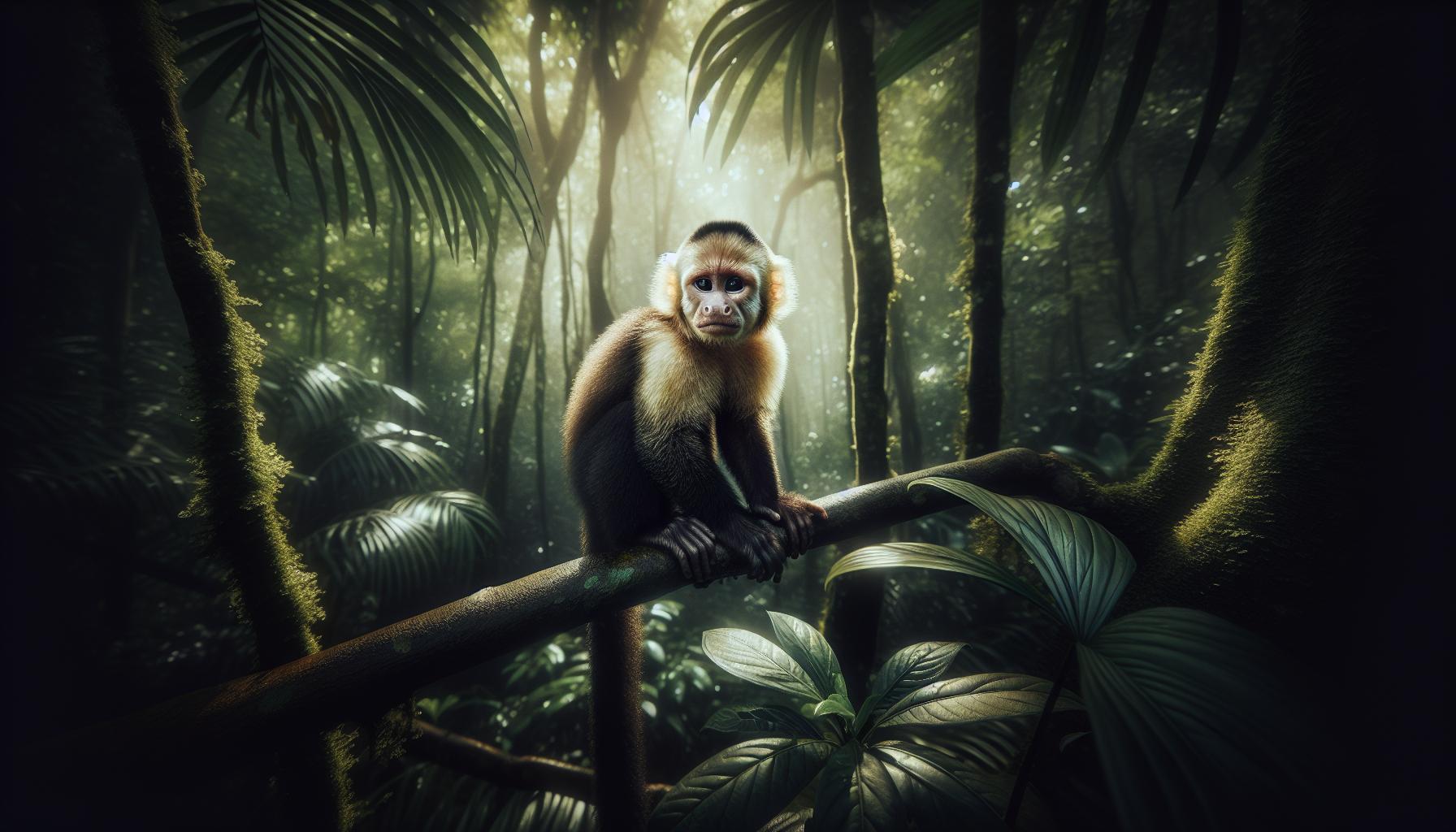
Essential Care Requirements for Capuchin Monkeys
Capuchin monkeys are truly captivating creatures, renowned for their intelligence and playful nature. However, caring for these social primates involves much more than just providing a cozy habitat; it requires a dedicated understanding of their complex needs and well-being. Proper care ensures not only the monkey’s health and happiness but also a harmonious living environment for both the pet and its human companions.
Understanding Their Environment
Creating an appropriate living space for a capuchin monkey is crucial. These monkeys need a large, secure enclosure with ample climbing structures, ropes, and platforms to mimic their natural habitat. A spacious indoor area is essential, ideally coupled with a secure outdoor space for exercise and exploration. Remember, capuchins are naturally curious and active, so providing a stimulating environment is key to preventing boredom and associated behavioral issues.
Mental Stimulation and Enrichment
To keep a capuchin mentally stimulated, you should incorporate various forms of enrichment into their daily routine. Here are a few ideas:
- Interactive Toys: Use toys that require problem-solving or can hold treats to keep them challenged.
- Foraging Opportunities: Hide food within safe objects or in puzzle feeders to stimulate foraging behaviors.
- Social Interaction: Spend quality time engaging with your capuchin through play and training exercises.
Capuchins are incredibly smart and thrive when given tasks that engage their minds. Regularly changing their toys and environments can help maintain their interest and prevent destructive behaviors.
Diet and Nutrition Needs
Food is a critical component of capuchin care, and proper nutrition is vital for their health. A balanced diet should consist of:
- Fruits and Vegetables: Fresh, varied produce should make up a significant part of their diet.
- Protein: Include sources like cooked eggs, insects, and specially formulated primate pellets.
- Limited Treats: High-fat foods like nuts should be given sparingly to avoid obesity.
Always consult a veterinarian experienced with exotic pets to create a dietary plan tailored to your monkey’s specific needs, ensuring it meets all nutritional requirements.
Veterinary Care
Regular veterinary check-ups are essential for maintaining your capuchin’s health. Ensure your veterinarian is familiar with primate care, and schedule annual health evaluations that include vaccinations, parasite control, and dental evaluations. Preventative care can help catch potential health issues early, improving their quality of life.
Successfully raising a capuchin monkey is a commitment that entails understanding and addressing their complex needs. With the right combination of space, stimulation, and care, these intelligent primates can thrive, creating a rewarding relationship for both you and your furry friend. Care for a capuchin is not just about companionship; it’s about fostering a rich, fulfilling environment that respects their wild instincts while providing the love and attention they deserve.
Preparing Your Home for a Capuchin Monkey
Preparing a home for a capuchin monkey involves careful planning and consideration, as these intelligent creatures require an environment that mimics their natural habitat while meeting their social and behavioral needs. Just like in the wild, capuchins thrive in spaces that encourage exploration, play, and mental stimulation. Before bringing one of these spirited monkeys home, it’s crucial to create a welcoming and safe environment that caters to their curious nature.
Creating the Right Environment
Start with a dedicated enclosure that is spacious enough to allow for climbing and exploration. Capuchins are agile climbers, so vertical space is essential. Aim for a large indoor cage made of sturdy materials. The enclosure should include:
- Climbing Structures: Install shelves, ropes, and branches that mimic trees, allowing the capuchin to climb and swing.
- Hiding Spots: Incorporate boxes or tubes for them to hide and play in, which helps reduce stress and promotes natural behaviors.
- Secure Outdoor Area: If possible, create an outdoor enclosure that is predator-proof, providing fresh air and sunlight.
Don’t forget about temperature and humidity control; a comfortable setting is vital for your monkey’s well-being.
Safety Measures
Safety is a paramount concern when preparing your home. Ensure that cables, small objects, and toxic plants are out of reach, as capuchins are known for their inquisitive nature. Consider the following tips:
- Childproofing: Like toddlers, capuchins can get into everything. Secure cabinets and remove any harmful substances from their reach.
- Escape Prevention: Ensure all doors and windows are secure, as capuchins are excellent escape artists.
- Non-toxic Environment: Make sure that indoor plants and cleaning supplies are safe for pets, as capuchins may chew on anything within reach.
Socialization and Interaction
Capuchins are social animals that thrive on interaction. When creating your home environment, plan for regular playtime and training sessions. Consider setting aside a space where you can interact with your monkey safely-this can enhance your bond and provide essential mental stimulation. Structured bonding time is crucial in helping them adjust to their new surroundings.
Despite the challenges involved, preparing a home for a capuchin monkey can lead to many rewarding experiences. By prioritizing safety and providing an enriching environment, you’ll create a happy habitat for your new companion to thrive in. Balancing their wild instincts with proper care ensures you’ll foster a nurturing place where both you and your capuchin can enjoy a deep, fulfilling relationship.
Nutrition and Diet Needs for Capuchin Monkeys
When it comes to capuchin monkeys, providing the right diet is crucial for their health and well-being. These intelligent primates have specific nutritional needs that reflect their natural diet in the wild, which is varied and rich in fruits, nuts, seeds, and occasionally small insects. To ensure that your capuchin thrives in a domestic setting, understanding their dietary requirements and creating a balanced menu is essential.
A capuchin monkey’s diet should primarily consist of fresh fruits and vegetables, which should make up about 50% of their daily intake. Some excellent options include bananas, apples, berries, carrots, and leafy greens. Additionally, offering a variety of nuts and seeds is also beneficial, as these provide essential fats and proteins. However, keep in mind that nuts are calorie-dense, so moderation is key.
Sample Diet Plan
- Fruits: 1-2 servings of chopped fruits like apples, bananas, or berries daily.
- Vegetables: 1 serving of leafy greens or other vegetables such as carrots or bell peppers.
- Nuts and Seeds: A small handful of mixed nuts and seeds, limited to a few times a week.
- Protein Sources: Occasionally include small amounts of cooked eggs or commercial primate food that is high in protein.
Water should always be fresh and available to keep your capuchin hydrated. It’s also important to avoid feeding them processed foods, sugary treats, or foods that are toxic to monkeys, like chocolate, avocados, and certain beans. Monitoring their diet and adjusting portions based on their activity levels can help maintain their optimal health.
Overall, providing a varied and nutritious diet will not only keep your capuchin monkey physically healthy but will also promote their playful and inquisitive nature. By ensuring they receive a well-rounded diet, you contribute to their happiness and longevity as a pet.
Health Care and Veterinary Considerations
Owning a capuchin monkey brings not just joy but also significant responsibilities-especially when it comes to their health care needs. These highly intelligent creatures, known for their playful antics, require specialized veterinary care and regular health check-ups to ensure their well-being. Since capuchins are not typical household pets, finding a veterinarian who has experience with primates is crucial. Many regular vets may not have the necessary skills or knowledge to treat them, which can lead to serious health issues going unaddressed.
Routine vet visits should be scheduled at least once a year for a thorough health evaluation. This check-up typically includes physical examinations, vaccinations, and fecal tests to check for parasites. Importantly, capuchins are prone to certain diseases and conditions, such as diabetes and various skin issues, so early detection is key. Your veterinarian can also provide essential advice on preventive care, including dental health, which is crucial since many primate-related health problems stem from poor dental hygiene.
Vaccinations and Preventive Care
When it comes to vaccinations, your vet will recommend a tailored vaccination schedule based on your capuchin’s specific needs and local regulations. Common vaccines for primates may include those for herpes simian virus and hepatitis simian virus, among others. Always consult with your vet to create a personalized vaccine plan. Additionally, consider preventive measures like regular grooming to maintain skin and coat health, and creating a safe environment to prevent injuries or accidents.
Diet and Nutrition Monitoring
Nutrition directly affects a capuchin’s overall health. An unbalanced diet can lead to obesity, malnutrition, or developmental issues. Work closely with your veterinarian to assess dietary needs, especially if you decide to include staple foods that mirror their natural diet. Your vet can help you fine-tune your capuchin’s nutrition and suggest dietary supplements if necessary. Regular weigh-ins will help monitor their health and prevent any weight-related issues, making it easier to adjust their diet over time.
Signs of Illness to Watch For
Just like any pet, capuchins cannot tell us when they’re feeling unwell, so being observant is vital. Keep an eye out for changes in behavior-such as lethargy, loss of appetite, or changes in urinary or bowel habits-as they can be indicators of underlying health issues. Other warning signs include excessive scratching, unusual vocalizations, or changes in social interactions. If you notice any of these symptoms, consult your vet promptly to ensure your furry friend receives the care they need.
Overall, dedicated and informed health care is essential for the well-being of your capuchin monkey. Establishing a good relationship with a vet experienced in exotic animals, maintaining a close watch on their health, and ensuring they receive regular preventive care will help your capuchin live a long, healthy, and happy life.
Socialization Needs and Bonding with Your Capuchin
Capuchin monkeys are not just intelligent; they are also highly social creatures that thrive on interactions with their companions, whether those are other monkeys or their human caregivers. Establishing a strong bond with a capuchin is essential to their happiness and well-being. Their social nature means they can become bored, anxious, or even destructive if left alone for long periods, so understanding their socialization needs is critical for any potential owner.
One of the best ways to bond with your capuchin is through play. These monkeys are naturally curious and playful, and engaging them in activities that stimulate their minds is crucial. Consider incorporating toys that encourage problem-solving, such as puzzle feeders, which can keep them busy and mentally sharp. Regular playtime not only fosters a strong bond but also helps prevent behavioral issues that might arise from boredom.
Regular Interaction
Daily interaction is vital. Capuchins are used to living in groups in the wild, so spending quality time with your monkey is a must. This can include grooming sessions, training exercises, or simply hanging out together. Much like how primates interact with each other, you can build trust through consistent, positive interactions. Remember, patience is key; capuchins can take time to warm up to you, especially if they were previously in an unfamiliar environment.
In addition, capuchins benefit from having a structured routine. They thrive on predictability, which helps reduce stress and anxiety. This structured environment allows them to feel secure and confident in their living arrangement, further enhancing your bond. Consider setting a regular schedule for feeding, playtime, and training to create a sense of stability in their lives.
Socialization with Others
While bonding with you is essential, capuchins also need opportunities to socialize with other monkeys or animals. If you don’t have another capuchin, consider arranging playdates with other compatible pets. This interaction can fulfill their social needs and provide mental stimulation, helping to avoid the loneliness that can lead to behavioral problems.
Capuchins can also benefit from socialization with a variety of people. Introducing your monkey to family and friends can help them become well-adjusted and adaptable, which is beneficial if you ever need to leave them with a caretaker. Just ensure that these interactions are positive and supervised to maintain your capuchin’s comfort and safety.
In conclusion, owning a capuchin monkey requires a proactive approach to their socialization needs. By investing time in building a strong bond, creating a stimulating environment, and facilitating interactions with both humans and other animals, you can help your capuchin flourish and become a cherished member of your family.
Common Misconceptions About Capuchin Monkey Ownership
Capuchin monkeys are often portrayed in media as comical companions or exotic pets, leading to several misconceptions about their ownership. One common belief is that these intelligent creatures are suitable pets like dogs or cats. However, capuchin monkeys are not domesticated animals and have specific needs that differ significantly from typical household pets. They require a highly social environment, complex mental stimulation, and interactions akin to their wild counterparts, making them best suited to life in the wild or in sanctuaries rather than in private homes.
Another misconception is that once you’ve brought a capuchin into your home, they will easily warm up to you and bond like a dog. In reality, forming a strong relationship with a capuchin can take a considerable amount of time and effort. These monkeys are sensitive and can be shy or fearful, particularly if they’ve had previous negative experiences. Patience and a consistent approach are crucial. Building trust and creating a safe, enriched environment is essential for their mental health and happiness.
Furthermore, many people assume capuchins are low-maintenance due to their small size. This is far from the truth. They have complex dietary needs, require regular exercise, social interaction, and mental stimulation to thrive. Neglecting any of these facets can lead to behavioral issues, such as aggression or destructive tendencies. Thus, owning a capuchin demands a substantial commitment, both in terms of time and financial resources.
Lastly, there’s a prevalent belief that capuchins, like many other exotic animals, can be easily purchased from pet stores or breeders without considering the legal implications. It’s critical to understand that laws governing the ownership of capuchins differ by state and country, with many regions requiring permits, registration, or outright prohibiting ownership. Potential owners must thoroughly research local regulations and consider the ethical implications of keeping an exotic animal. By confronting these misconceptions and understanding the realities of capuchin ownership, individuals can make more informed decisions about caring for these remarkable creatures.
Cost of Owning a Capuchin Monkey: What to Expect
Owning a capuchin monkey comes with a hefty price tag, both in terms of initial purchase and ongoing care. Capuchin monkeys are not your typical pets; they’re exotic animals that require specialized attention and resources. Expect to pay between $5,000 and $10,000 to acquire a capuchin, depending on factors like breeder reputation and the monkey’s age. This cost alone can startle potential owners, but the true expense stretches far beyond that first payment.
Monthly and Annual Costs
Once you’ve welcomed a capuchin into your home, the monthly expenses quickly add up. Here’s a breakdown of typical ongoing costs:
- Food: Expect to spend around $50 to $150 each month on high-quality, varied diets that meet their nutritional needs. Capuchins require a mix of fruits, vegetables, and specially formulated primate pellets.
- Veterinary Care: Regular veterinary check-ups are crucial. Annual wellness exams can range from $200 to $500, and unexpected health issues may lead to higher expenses.
- Supplies: Enrichment toys, cages, and other supplies can cost $100 to $300 per year. These items are essential for keeping your monkey mentally stimulated and healthy.
- Insurance: Pet liability insurance can be a wise investment, costing anywhere from $15 to $50 monthly, depending on coverage options.
Adding these costs together, you might anticipate an annual expense ranging from $3,000 to over $5,000. Make sure to factor in potential emergencies and behavioral training, which can significantly increase your budget.
Additional Considerations
In addition to direct financial costs, consider the time and energy commitment required to care for a capuchin. These intelligent creatures thrive on social interaction and mental stimulation, so daily involvement and activities are crucial. Investing in their well-being means not only financial outlay but also a commitment to providing a stimulating environment in which they can thrive.
Owning a capuchin monkey can indeed be an extraordinary experience, but it’s essential to enter into this commitment with a full understanding of the associated costs. By preparing thoroughly and budgeting wisely, you can ensure a fulfilling life for your capuchin and a solid partnership for years to come.
Legal Restrictions and Regulations by State
Understanding the legal landscape surrounding capuchin monkey ownership is crucial for potential owners. In many states, these intelligent and spirited primates are classified as exotic animals, and this status comes with a complex web of regulations. Each state has its own laws dictating whether you can keep a capuchin as a pet, and some places even require special licenses or permits.
In some states, like Florida and California, regulations are relatively lenient, allowing ownership under certain conditions, such as proper housing and care standards. However, in more restrictive states like New York and New Jersey, owning a capuchin monkey is generally prohibited or heavily regulated, often requiring extensive permits that can be difficult to obtain.
Before considering the ownership of a capuchin monkey, it’s essential to check your specific state regulations. Here’s a brief overview of legal considerations by state:
Regulatory Snapshot
| State | Ownership Status | Notes |
|---|---|---|
| Florida | Permitted with license | Special permits required for exotic pet ownership. |
| California | Permitted with restrictions | Requires registration, must follow specifics regarding care. |
| New York | Prohibited | No private ownership allowed. |
| Texas | Permitted | Considered a “non-regulated” species, but quality care advised. |
| New Jersey | Prohibited | Ownership banned unless considered a qualified zoo. |
Remember, even if ownership is permitted, responsible ownership practices go beyond legal obligations. Sometimes, obtaining permits may involve inspections or proof of proper living conditions, emphasizing the need for a dedicated commitment to these animals’ welfare. Also, consider local laws concerning breeding or sale, as these can vary significantly, influencing your capuchin journey even before it starts.
Be sure to engage with local wildlife agencies, as they can provide the most current and detailed information. By closely following legal guidelines and prioritizing the well-being of capuchin monkeys, prospective owners can ensure a happy and compliant pet ownership experience.
Ethical Considerations of Capuchin Monkey Ownership
The allure of owning a capuchin monkey can be strong-these charismatic creatures often charm us with their intelligence and playful antics. However, potential owners must seriously consider the ethical implications of keeping a wild animal as a pet. Capuchin monkeys, which thrive in complex social structures and natural habitats, may suffer in captivity if their needs are not fully addressed.
First, it’s important to recognize that capuchins are highly social animals. In the wild, they live in groups that provide essential social interactions. Isolating a capuchin from its natural social setting can lead to significant stress and behavioral issues. This means that if you decide to own one, it’s generally recommended to either have multiple capuchins or invest significant time in socializing and bonding with your pet to prevent loneliness.
Moreover, the environmental needs of capuchin monkeys cannot be overlooked. They are accustomed to climbing, jumping, and exploring-a lifestyle that is hard to replicate within the confines of an average home. Providing an appropriate habitat, such as a large enclosure with access to climbing structures and toys, is not just beneficial but essential for their mental stimulation and physical health. Owners must be willing to dedicate substantial resources to recreate a suitable environment.
Furthermore, consider the long-term commitment of owning a capuchin monkey. These animals have a lifespan of around 25 years or more, which requires a lifelong dedication to their care, health, and happiness. This commitment includes proper nutrition, regular veterinary care, and consistent engagement to keep them mentally and physically fit.
In light of these considerations, it’s pivotal for prospective capuchin owners to think beyond mere possession. Responsible ownership should prioritize the animal’s well-being above the novelty of having an exotic pet. Engaging with wildlife experts, conducting thorough research, and actively participating in conservation efforts can help individuals make informed decisions while advocating for animal welfare.
Alternatives to Keeping Capuchin Monkeys as Pets
Keeping a capuchin monkey might seem like a whimsical idea, but it’s essential to consider more responsible alternatives that can fulfill your interest in these fascinating creatures without the ethical and practical complications of pet ownership. Instead of bringing a capuchin into your home, why not engage with their wonder in other meaningful ways?
One excellent alternative is to support wildlife sanctuaries and rehabilitation organizations. Many sanctuaries provide care for capuchins and other primates that have been rescued from unsuitable circumstances. Volunteering your time or donating can help ensure these animals receive the proper care they need. Additionally, many sanctuaries offer educational programs that allow you to observe and learn about capuchin behavior and conservation efforts firsthand, fostering a deeper appreciation for their natural habitat and social structures.
If you’re drawn to the idea of monkey companionship, consider adopting a less demanding pet or a domesticated companion animal that can provide joy without the complexities that come with exotic pet ownership. Options like rescue dogs or cats can offer companionship, loyalty, and entertainment while being a more appropriate choice for home life. Many organizations have animals looking for loving homes, making it a win-win situation for you and a furry friend.
Participating in or supporting wildlife conservation efforts is another impactful way to contribute. Many organizations focus on preserving natural habitats and protecting species in the wild. By contributing to these causes, you help ensure that capuchin monkeys retain their place in the ecosystem and that future generations can enjoy their beauty in the wild. Engaging in citizen science projects that monitor primate populations can also be rewarding, allowing you to contribute to research while learning about animal behavior and conservation firsthand.
In essence, while the allure of owning a capuchin monkey is understandable, there are numerous other ways to connect with these remarkable beings that contribute to their well-being and conservation. Embracing these alternatives not only respects the complexities of their needs but also supports broader efforts to protect wildlife and their habitats.
FAQ
Q: What are the legal requirements to own a Capuchin monkey in the United States?
A: To own a Capuchin monkey in the U.S., potential owners must check state and local laws, as regulations vary widely. Some states require permits, while others may prohibit ownership entirely. It’s crucial to consult your local wildlife agency for specific guidelines. Understanding these legalities is essential before considering ownership.
Q: How much does it cost to care for a Capuchin monkey annually?
A: Caring for a Capuchin monkey can cost between $3,000 to $4,500 per year. This includes food, veterinary care, enrichment supplies, and habitat maintenance. Prospective owners should budget accordingly to ensure they can meet the financial demands of long-term care.
Q: What should you do if you decide not to keep your Capuchin monkey anymore?
A: If you can no longer keep your Capuchin monkey, contact local animal shelters or sanctuaries that specialize in exotic animals. Always avoid releasing them into the wild, as they may not survive without proper care. Responsible rehoming is crucial for the monkey’s welfare.
Q: How long do Capuchin monkeys live in captivity?
A: In captivity, Capuchin monkeys typically live 25 to 45 years, depending on their care and health. Owning one is a long-term commitment that requires planning for their extended lifespan, along with daily care and social needs.
Q: Do Capuchin monkeys require special diets?
A: Yes, Capuchin monkeys need a varied diet that includes fresh fruits, vegetables, nuts, and high-quality primate pellets. It’s essential to consult a veterinarian for specific dietary recommendations to meet their nutritional needs and ensure their health.
Q: Can Capuchin monkeys be kept with other pets?
A: Generally, Capuchin monkeys do not mix well with other pets. Their social structure and natural instincts may lead to aggressive behavior towards smaller animals. It’s recommended to keep them as solo pets or among other monkeys to prevent stress.
Q: What are the signs that a Capuchin monkey is unhappy?
A: Signs of an unhappy Capuchin monkey can include excessive vocalization, self-harming behaviors, lack of interest in play, or aggression. Owners should monitor behavior closely and seek advice from an animal behaviorist or veterinarian if concerns arise.
Q: How much space do Capuchin monkeys need at home?
A: Capuchin monkeys require ample space to thrive, ideally a large indoor area and a secure outdoor enclosure. A multi-level cage setup, enriched with toys and climbing structures, is necessary to accommodate their physical and social needs.
In Retrospect
Owning a Capuchin monkey is a thrilling yet significant commitment that involves understanding their unique needs and legality. Before you dive into this adventure, ensure you have all the facts about their behavior, habitat, and care requirements. If you’re considering adding one of these lively primates to your family, don’t hesitate to explore additional resources on exotic pet ownership and the legal frameworks in your region. Check out our guides on “Exotic Pets: What You Need to Know” and “Understanding Capuchin Behavior” for deeper insights.
It’s time to take action! If you’re ready for the responsibility and want to learn more about caring for these curious companions, subscribe to our newsletter for the latest tips and expert advice directly in your inbox. Also, engage with us in the comments below-share your thoughts or questions about Capuchin monkeys; we love hearing from fellow animal enthusiasts! Remember, responsible ownership starts with knowledge. Your journey into the captivating world of Capuchin monkeys awaits-dive in today!
Get our latest guides, news, and insights highlighted in your Google Search & AI Overviews.