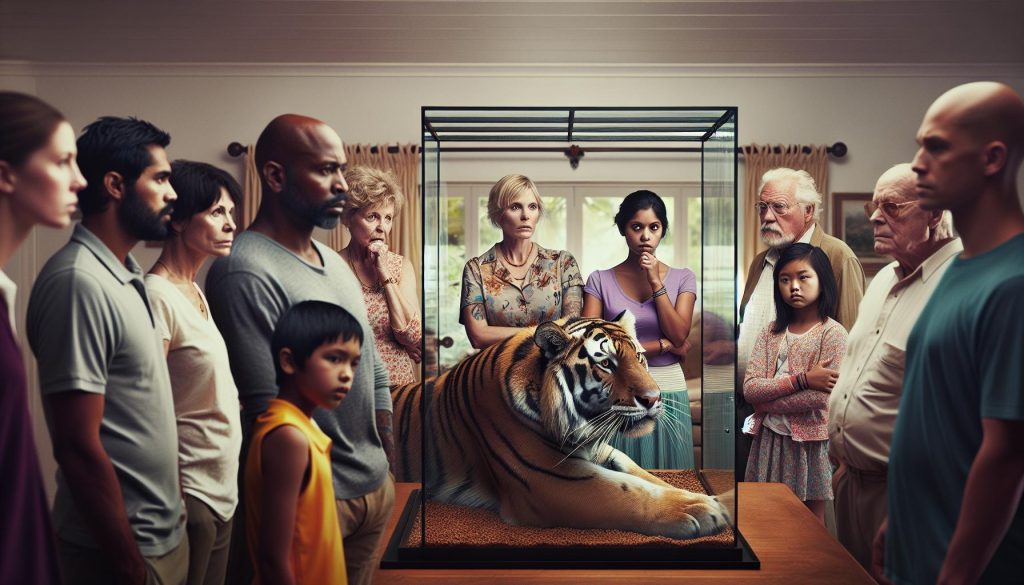
Did you know that more exotic pets are kept in households today than ever before, often leading to surprising challenges for their owners? While the allure of unique animals like exotic reptiles, birds, or even larger mammals can be fascinating, the reality is that these pets can pose significant risks to both their caretakers and the animals themselves. From specialized dietary needs to complex behavioral issues, the demands of exotic animals extend far beyond those of traditional pets. By exploring the true implications of keeping exotic pets, we can uncover a crucial conversation about animal welfare, public safety, and the need for responsible ownership. Join us as we delve into the reasons why having exotic animals as pets can be fraught with unforeseen dangers and what that means for enthusiasts and potential owners alike.
Understanding the Appeal of Exotic Pets

The allure of exotic pets often springs from their uniqueness and the fascinating characteristics that set them apart from more traditional companions. Imagine owning a Madagascan chameleon that changes color to blend into its surroundings, or an African pygmy hedgehog, with its adorable quills and playful demeanor. These extraordinary creatures can offer a sense of adventure and novelty that many people find irresistible. While the idea of having an exotic pet can be exciting, it’s essential to understand the underlying reasons behind this appeal and the complexities involved in their care.
Many individuals are drawn to exotic pets because they provide a break from the ordinary. Owning a pet like a sugar glider or a tarantula can spark conversations and even admiration from friends and family. Additionally, these animals often possess captivating behaviors-such as the acrobatics of a flying squirrel or the colorful displays of parrots-that can be both entertaining and rewarding to observe. The diversity in breeds and species means potential owners have a rich tapestry of options to suit their personal tastes and lifestyles.
However, potential pet owners must consider that this appeal can overshadow the deeper responsibilities involved in caring for these animals. Most exotic pets require specific habitats and diets, which can be quite different from the needs of more familiar pets like dogs and cats. For instance, reptiles often need temperature-controlled environments and specialized lighting to thrive, while many exotic birds require social interaction and mental stimulation to stay healthy. As captivating as these creatures are, they demand an understanding of their natural behaviors and the ecological roles they play, which can be a steep learning curve for new owners.
In light of these factors, while the attraction to exotic pets is understandable, it’s crucial to weigh the long-term commitment, care requirements, and the ethical considerations that come with owning such unique animals. By doing so, prospective owners can ensure that their desire for an extraordinary companion aligns with responsible ownership and the well-being of the animal itself.
The Legal Risks of Owning Exotic Animals

The decision to bring an exotic animal into your home can often be filled with excitement and wonder, but lurking beneath that charm are significant legal risks. Laws and regulations surrounding the ownership of exotic pets vary dramatically from one region to another, making it crucial for potential owners to navigate these murky waters carefully. Some species are completely legal to own, while others might be restricted or even banned outright without proper permits. For example, in many states, owning a large cat like a tiger or a primate may require specific licenses that are difficult to obtain, reflecting the growing concerns about safety and animal welfare.
Failure to adhere to local laws can lead to serious consequences-fines, confiscation of the animal, or even legal action. Beyond the immediate financial impact, such enforcement actions can lead to a loss of trust within your community and disrupt your family life. It’s important to conduct thorough research on your locality’s regulations before acquiring an exotic pet. Websites like the Association of Zoos and Aquariums can provide valuable insights into the legality of specific species, as well as guidance on responsible ownership practices.
Moreover, even if you think you’ve done your due diligence, regulations can change swiftly, often in response to incidents involving exotic animals. For instance, if a local wildlife sanctuary or rescue is overrun with surrendered creatures due to a recent ban, it may restrict future ownership opportunities in the area. Keeping abreast of these changes is vital; consider joining local wildlife or animal advocacy groups for updates and community support.
To minimize legal risks, prospective exotic pet owners should also consider alternatives. Many domestic animals, such as guinea pigs, rabbits, or well-bred dogs and cats, offer unique personalities and characteristics without the legal complexities associated with more exotic species. If the desire for something unusual remains, think creatively-there are countless hybrid or domesticated breeds available that boast exotic traits while fitting comfortably within the confines of local laws.
Health Concerns: Zoonotic Diseases and More
The allure of owning exotic pets catches the fancy of many, but with that allure comes significant health risks that owners often overlook. One of the most pressing concerns is the potential for zoonotic diseases-illnesses that can be transmitted between animals and humans. For instance, reptiles such as turtles and iguanas are notorious carriers of Salmonella, a bacterium that can cause severe gastrointestinal illness in humans. Reports of Salmonella outbreaks show that many cases can be traced back to contact with these reptiles, highlighting the real health risks involved with exotic ownership.
Beyond Salmonella, other zoonotic diseases present a serious threat. For example, owning primates can expose individuals to Herpes simian virus, which can be fatal to humans. In addition, psittacosis-often associated with birds like parrots-can lead to pneumonia and poses a risk to bird owners who may not be aware of the danger. The reality is that many exotic animals come with their own sets of health risks that can also extend to pets and other animals in the household. Owners need to be informed about the proper hygiene practices and care requirements that can mitigate these risks, but no system is foolproof.
It’s also vital to consider that exotic animals often have distinct nutritional and environmental needs that differ greatly from common pets. Many species, when stressed or improperly cared for, can develop health issues that may not only affect their well-being but may also put their owners at risk for injury or illness. For instance, some exotic animals may become aggressive if they feel threatened due to inadequate habitation conditions, leading to bites or scratches that can introduce infections.
In navigating the complex world of exotic pet ownership, understanding these health concerns is not just about personal safety; it’s also about ensuring the well-being of the animals themselves. Potential owners are encouraged to evaluate their capacity to meet these unique requirements and to consider alternatives that might provide companionship without the heightened health risks. Ultimately, awareness and education are crucial in making responsible choices in the realm of exotic pet ownership.
The Impact on Local Ecosystems

The introduction of exotic pets into local environments can have profound and often detrimental effects on native ecosystems. When animals like iguanas, Burmese pythons, or even parakeets are released or escape into the wild, they can become invasive species. This means they adapt to their new surroundings and may begin to outcompete native wildlife for food and habitat. In Florida, for example, the invasive Burmese python has wreaked havoc on local wildlife, drastically reducing populations of mammals and birds. The introduction of these non-native species often disrupts food chains and alters habitats, leading to unforeseen consequences for the entire ecosystem.
Consequences of Invasive Species
The impact doesn’t stop at mere competition for resources. Invasive exotic species can introduce new diseases to which native species have no immunity. For instance, the spread of the West Nile virus has been linked to the introduction of exotic birds. These diseases can decimate local wildlife populations, making it harder for indigenous species to survive and thrive.
Moreover, some exotic pets carry traits that allow them to reproduce rapidly and thrive in diverse environments. Take the case of the red-eared slider, a popular pet turtle that, when released into local waters, competes with and often displaces native turtles. They may also breed with local species, creating hybrids that can further diminish the gene pool of native populations.
Human Responsibility in Ecosystem Protection
As potential pet owners, it’s essential to consider the broader implications of adopting exotic animals. Think about alternatives that won’t harm local ecosystems. If you’re drawn to reptiles, consider adopting native species or supporting conservation efforts that focus on protecting their habitats. Engaging with community awareness about responsible pet ownership can contribute to minimizing the impact of exotic pets on local wildlife.
In summary: Being a responsible pet owner means not just caring for our pets, but also understanding and mitigating their impact on the environment. By choosing to keep only appropriate pets and ensuring they cannot escape into the wild, we can protect our local ecosystems and help preserve our planet’s biodiversity.
Ethical Considerations of Exotic Animal Ownership
The allure of exotic pets often stems from their unique beauty and intriguing behaviors, but potential owners must grapple with significant ethical considerations. Many people may not realize that the aesthetics of these animals do not equate to their ability to thrive in captivity or meet human expectations. For instance, reptiles like iguanas can grow large and require specific environmental conditions that mimic their natural habitats, which are rarely available in typical home settings. These conditions are crucial for their physical and mental well-being, and failing to replicate them can lead to serious health issues.
Moreover, many exotic animals have intricate social needs. Take the African grey parrot, renowned for its intelligence and affectionate nature. These birds are highly social and can become depressed if isolated. Their complex emotional and environmental needs often go unmet when they are kept as solitary pets, leading to behavioral problems such as feather plucking or excessive screeching. Owners must ponder whether they can provide the required companionship and stimulation that these animals need, which is a fundamental aspect of their welfare.
Additionally, ethical concerns extend to broader implications for wildlife conservation. The exotic pet trade can contribute to the decline of wild populations, as animals are often captured from their natural habitats to satisfy consumer demand. It’s a cycle that can endanger species and disrupt ecosystems. Supporting responsible breeding and conservation programs is essential to mitigate these dangers and promote ethical ownership.
In summary, while the charm of exotic pets can be hard to resist, individuals must prioritize the animals’ needs and well-being over personal desires for novelty. Understanding the deep-rooted ethical responsibilities associated with exotic pet ownership is vital in fostering a humane and sustainable interaction with our planet’s diverse wildlife. By choosing wisely and considering alternatives, potential pet owners can make a positive impact while still enjoying the companionship of these magnificent creatures.
Behavioral Challenges in Exotic Pets
Keeping exotic pets can be a whimsical pursuit, often fueled by the allure of their vibrant colors and unique behaviors. However, many potential pet owners find themselves unprepared for the behavioral complexities these animals can exhibit. Understanding these challenges is crucial for ensuring the well-being of both the pets and their owners.
One notable example is the green iguana, a species often sought after for its striking appearance. While these reptiles can appear docile as hatchlings, they demand considerable space and a highly specific environment as they grow. If you don’t provide adequate room and suitable conditions, you might notice signs of frustration or stress, such as aggressive displays or tail whipping. Iguanas are also notorious for their territorial instincts, especially during mating season, which can lead to unexpected aggression towards handlers or other pets.
Similarly, tropical birds like the macaw are known for their exquisite plumage but can present significant behavioral challenges. These highly intelligent creatures require constant mental stimulation and social interaction to thrive. Owners often find themselves battling issues like excessive screaming or destructive chewing when their macaws become bored or feel neglected. To mitigate these behaviors, it’s essential to offer a variety of engaging toys and daily interaction so they feel stimulated and integrated into the household.
Moreover, consider the binturong, or bearcat, which has become a popular exotic pet. Beyond their adorable appearance, binturongs come with unique needs. They are primarily nocturnal and can be quite vocal, particularly at night when they are most active. Owners may be unprepared for the lifestyle adjustments required to accommodate these animals and might struggle with the noise and social requirements of an animal that doesn’t easily fit into a typical daytime routine.
In summary, while the appeal of exotic pets is undeniable, potential owners must acknowledge and prepare for the behavioral challenges that accompany these animals. Each species comes with its own set of needs that, if unmet, can lead to frustration for both the pet and the owner, underscoring the importance of thorough research and realistic expectations when considering an exotic companion.
Costly Care: Unexpected Expenses of Exotic Pets
Owning an exotic pet can initially seem like a fascinating venture filled with unique companionships, but the reality of their care often unveils hidden costs that can catch even the most prepared owner off guard. For instance, let’s consider the majestic Capuchin monkey. While these intelligent creatures are known for their playful nature, they also require specialized diets, mental stimulation, and regular veterinary check-ups that can add up quickly. A single visit to an exotic animal vet can range from $100 to $300, and specialized diets can easily reach a few hundred dollars each month, depending on the specific needs of your pet.
Understanding the Financial Commitment
When diving into exotic pet ownership, it’s crucial to understand the full scope of costs involved:
- Initial Purchase Cost: Prices for exotic pets can range dramatically. A Savannah cat might cost between $1,000 to $20,000 depending on its generation, while reptiles like a ball python can set you back around $200 to $1,000.
- Housing Needs: Proper enclosures are essential. A large, well-constructed habitat for a green iguana can cost anywhere from $500 to $1,500, and additional equipment like UV lighting can add another $100 or more.
- Routine Care: Exotic pets often need specialized care, including dental work, vaccinations, or parasite control. Regular grooming and specific cleaning supplies add to the ongoing expenses.
- Insurance and Emergencies: Considering pet insurance is vital, yet can be expensive, sometimes averaging $30 to $70 a month for exotic species. Unexpected emergencies can lead to bills in the thousands.
Additional Surprises
Hidden costs can also arise from less obvious requirements. Many exotic animals enjoy environmental enrichment, which may necessitate a budget for toys, climbing structures, or unique substrate materials. For instance, a Cockatoo can go through toys rapidly, costing owners at least $100 annually just for chews and entertainment. Furthermore, if you travel frequently, finding appropriate boarding for your exotic pet can add significant costs, as not every boarding facility is equipped to handle them.
In conclusion, the journey into the world of exotic pet ownership should come with a hefty warning-financially speaking. Many owners enter this world enamored by the creature’s looks and quirks, but it takes thorough financial planning and commitment to match the excitement with responsibility. Being financially prepared ensures not only that your exotic companion receives the care they need but also that you can enjoy your time together without unanticipated burden.
The Importance of Wildlife Conservation
The loss of biodiversity is one of the pressing issues facing our planet, and wildlife conservation plays an essential role in safeguarding the delicate balance of ecosystems. Did you know that over 1 million species are currently at risk of extinction due to habitat loss, climate change, and unsustainable human practices? When exotic pets are taken from the wild, it not only impacts those individual animals but can also disrupt entire ecosystems, leading to unforeseen consequences that ripple through their habitats.
While the allure of owning a unique or exotic animal can be strong, it’s crucial to consider the broader implications of such choices. Many exotic pets are removed from their natural habitats to satisfy the demand of pet owners. This practice can devastate local populations, as species like the African Grey Parrot or the Blue Iguana have been pushed closer to extinction due to over-collection. By supporting the exotic pet trade, we inadvertently contribute to the decline of these populations, undermining conservation efforts aimed at protecting wildlife.
Moreover, in many cases, captivity does not meet the complex needs of these animals. Many exotic pets require specific environments, social structures, and dietary needs that simply cannot be replicated in a home setting. For example, the fascinating Capuchin monkey, known for its intelligence and social behavior, thrives in intricate social groups in the wild. When kept alone, these monkeys can develop behavioral issues and stress-related health problems, further complicating their care and leading to calls for help from overwhelmed owners.
When looking to welcome an animal into our lives, there are alternative ways to foster a love for wildlife without the risks associated with exotic pet ownership. Supporting reputable wildlife conservation organizations, participating in local wildlife tours, or even adopting a pet from a shelter can fulfill the desire for companionship while promoting animal welfare and conservation. Not only do these actions help protect vulnerable species, but they also enhance our connection to nature in a responsible and ethical way.
Alternatives to Keeping Exotic Pets
Welcoming the wonders of wildlife into our lives doesn’t have to mean keeping an exotic pet at home. There are countless fulfilling alternatives that respect animal welfare and support conservation efforts. For instance, consider volunteering at a local animal shelter or wildlife rehabilitation center. This not only offers you a chance to interact with animals but also allows you to contribute to their care and rehabilitation. Many organizations are always in need of help, whether it’s walking dogs, fostering animals, or helping educate the public on wildlife conservation.
Engaging with wildlife through responsible tourism presents another exciting option. Visiting sanctuaries or conservation parks can provide a close encounter with exotic species without the ethical dilemmas of pet ownership. Look for facilities that prioritize animal welfare and offer educational programs about their conservation efforts. Learning about the behaviors and habitats of these animals from informed staff can enhance your appreciation for wildlife while supporting causes that protect them.
If you’re longing for the companionship of an animal, adopting a pet from a rescue organization can be a wonderful choice. Dogs, cats, and even small mammals like rabbits or guinea pigs are often looking for loving homes. These animals can provide the companionship and joy that many seek from exotic pets but come with the added benefit of existing in a domestic environment where their needs for social interaction and care can be easily met.
Lastly, consider participating in local conservation efforts or educating yourself and your community about wildlife preservation. Initiatives like beach clean-ups or nature walks can deepen your connection to local ecosystems while promoting healthy environments for native species. By connecting on this level, you can foster a love for wildlife that respects their place in the world, allowing you to enjoy their beauty without compromising their habitat or personal well-being. Engaging with nature in these ways not only enriches your life but also contributes positively to the world around you.
Personal Stories: Lessons from Exotic Pet Owners
The allure of exotic pets can be captivating-whether it’s the vibrant feathers of a macaw or the sleek elegance of a fennec fox. However, real-life stories from exotic pet owners often reveal challenges and risks that newcomers might not consider. Take, for instance, the experience of Jenna, who adopted a sugar glider, a small, nocturnal marsupial. Initially enchanted by its playful antics, Jenna soon discovered that sugar gliders require meticulous care, a specific diet, and a social environment. When her pet began to display stress-related behaviors, indicating that it was not thriving as she had hoped, Jenna faced the hard truth: she wasn’t equipped to meet the animal’s complex needs. This realization led her to contact a local wildlife sanctuary, ultimately finding a more suitable environment for her beloved pet.
Similarly, there’s David, a former owner of a boa constrictor. He shared that while the snake was fascinating to watch and handle, its growth from a cute juvenile to a hefty adult came with unexpected hurdles. As the snake reached over six feet, keeping it safe and contained proved to be a significant logistical challenge. Additionally, David’s friends and family became wary of visiting due to their discomfort with his exotic pet. Realizing that his pet was isolating him socially, David decided to rehome the boa to an experienced keeper who could provide the space and attention it needed. Reflecting on his journey, David emphasized the importance of researching not only the animal’s care but also the lifestyle changes that come with it.
These personal stories highlight critical lessons for anyone considering an exotic pet. It’s essential to recognize that while these creatures can bring joy, they often come with specific behavioral, dietary, and habitat requirements that are difficult to fulfill. Owners must be prepared for the long-term commitment that exotic pets entail, as well as the potential emotional and financial toll if things don’t go as planned. Connecting with a community of experienced exotic pet owners or professionals can provide valuable insights and support. Ultimately, careful consideration and preparation can enhance the experience of sharing your life with these extraordinary animals or help you find fulfilling alternatives that support wildlife conservation without the pressures of exotic pet ownership.
Resources for Responsible Animal Care
While the idea of having an exotic pet may seem appealing, it’s essential to equip yourself with the right resources to ensure responsible animal care. Living with animals from distant ecosystems is not only a big commitment but also a serious responsibility that goes beyond day-to-day feeding and cleaning. Knowledge is your best ally in navigating the challenges of exotic pet ownership.
Start by accessing online communities such as forums and social media groups dedicated to exotic pet care. These platforms are treasure troves of practical advice where experienced owners share their insights, tips, and personal stories. Websites like the Association of Zoos and Aquariums (AZA) provide information about the specific needs of various species and their natural habitats, which is crucial for creating a suitable environment at home.
Consider consulting professionals, including veterinarians who specialize in exotic animals. Many veterinary practices now offer services specifically for exotic pets and can provide valuable insights into a pet’s health, diet, and behavioral needs. They can help you understand the signs of stress or illness specific to the species you own, ensuring that you can act quickly in emergencies.
Moreover, think about engaging with wildlife rehabilitation centers and sanctuaries. These organizations often conduct workshops and educational programs that can deepen your understanding of animal care and conservation. Volunteering not only enriches your knowledge but also allows you to contribute positively to animal welfare, potentially offering alternate perspectives on pet ownership versus conservation efforts.
Finally, educational books and documentaries can broaden your knowledge base about exotic pets. Look for resources that delve deep into the biology, behavior, and care requirements of specific species. Not only will this make you a more informed owner, but it will also enrich your relationship with your pet, enabling you to provide an environment that respects their needs and natural behaviors. With the proper resources at your fingertips, you can make informed choices that balance your desire for unique companionship with the welfare of the animal and the ecosystem it comes from.
Expert Opinions on Exotic Pet Ownership
While the allure of exotic pets may captivate many, it’s crucial to heed the insights of experts who warn about the complexities and potential pitfalls of such ownership. Dr. Jane Goodall, a renowned primatologist, emphasizes that wild animals, such as monkeys or big cats, have complex social and environmental needs that domestic settings simply cannot meet. “When we take them out of their natural habitat, we strip them of their instincts and behaviors, leading to psychological distress,” she explains. This perspective resonates throughout the animal care community and serves as a vital reminder that exotic pets are not simply “pets”; they are wild beings with intricate needs.
Veterinarians with expertise in exotic species, like Dr. Brian, frequently address the medical challenges that arise from keeping these animals in captivity. “Many exotic pets suffer from health issues related to stress and improper care,” he points out. Without proper veterinary care, which can be hard to find, many owners mistakenly believe their pet’s unique dietary or housing needs are being met. For instance, a common problem seen in reptiles is metabolic bone disease, which arises from inadequate UV light exposure and calcium in their diets, an oversight that can lead to severe health issues.
Moreover, ethical considerations are often part of the conversation among those who work with wildlife. Organizations like the World Wildlife Fund advocate that removing animals from their ecosystems can contribute to population declines and genomic dilution, especially for species like turtles and certain primates. This interplay between exotic pet ownership and conservation efforts can seem at odds, prompting many experts to suggest alternatives-such as supporting wildlife sanctuaries or adopting pets from shelters that promote responsible and ethical practices.
Ultimately, the consensus from professionals in animal care and wildlife conservation is clear: while the idea of owning an exotic pet may seem enchanting, the complexities involved can result in significant risks not only for the animals but also for their human counterparts. Understanding these perspectives can empower potential owners to make educated decisions, prioritizing both animal welfare and ecological sustainability.
Frequently asked questions
“`markdown
Q: Why are exotic animals considered dangerous as pets?
A: Exotic animals can be unpredictable and may display aggressive behaviors. They often require specialized care and habitats that are difficult to replicate in a home environment. This can lead to injuries for owners or others, reinforcing why understanding their *natural instincts and needs* is crucial before considering them as pets.
Q: What are the legal consequences of owning an exotic pet?
A: Owning an exotic pet can lead to significant legal issues, including fines or confiscation by authorities if the animal is illegal to have in your area. Many regions have *strict regulations* about the types of animals allowed as pets, making it essential to research local laws before acquiring one.
Q: How do exotic pets affect local wildlife?
A: Keeping exotic pets can disrupt local ecosystems, especially if they escape or are released into the wild. These animals can *compete with native species*, spread diseases, and alter habitats, leading to ecological imbalances that harm indigenous flora and fauna.
Q: What health risks do exotic pets pose to humans?
A: Exotic pets can carry zoonotic diseases, such as salmonella or herpes simian virus, which can be transmitted to humans. This makes it vital for potential owners to *understand the health risks* and maintain strict hygiene practices when handling these animals.
Q: Why should ethical concerns matter when considering exotic pets?
A: Ethical considerations about exotic pet ownership include animal welfare, as many exotic animals are taken from their natural habitats. Supporting the *exotic pet trade can contribute to species endangerment*. Therefore, promoting responsible pet ownership practices is essential to protect wildlife.
Q: What are some alternatives to keeping exotic pets?
A: Alternatives to owning exotic pets include adopting domestic pets or supporting wildlife conservation efforts through volunteering or donations. Engaging with wildlife-oriented *educational opportunities* at local zoos or sanctuaries can also satisfy the desire to connect with animals in a responsible manner.
Q: How can I responsibly care for an exotic pet if I already own one?
A: If you already have an exotic pet, ensure to consult with a veterinarian specialized in exotic animals for proper care, nutrition, and habitat maintenance. Regularly *research best practices* for keeping your specific animal healthy and happy, ensuring its needs are met adequately.
Q: What common misconceptions exist about keeping exotic pets?
A: A common misconception is that exotic pets are similar to domesticated animals in care requirements. Unlike cats or dogs, many exotic pets have unique *behavioral and dietary needs* that are often underestimated, leading to challenges in their care and management.
“`
Key Takeaways
While the allure of owning exotic animals may be enticing, the risks often outweigh the rewards. It’s crucial to remember that these creatures have specific needs and behaviors that can lead to serious consequences. If you’re considering exotic pet ownership, we encourage you to explore more about responsible pet care and animal welfare to make informed decisions.
Don’t miss our articles on the dangers of ownership, like “What You Need to Know Before Getting an Exotic Pet,” and “The Impact of Exotic Animals on Local Ecosystems.” Your journey to becoming a responsible animal enthusiast starts now-sign up for our newsletter for updates on wildlife conservation and pet care tips. Together, we can promote a safer environment for both animals and humans. Share your thoughts in the comments, and let’s keep the conversation going! Remember, our pets deserve the best, and responsible ownership is a key component of that promise.
Get our latest guides, news, and insights highlighted in your Google Search & AI Overviews.