Did you know that some extraordinary animals, like fennec foxes or capybaras, are more than just fascinating to observe-they can make surprisingly loving companions? In “What Are Exotic Animals? Your Complete Guide to Unusual Pets,” we’ll dive into the vibrant world of unconventional pets, exploring their unique traits and care needs. As ferrets and sugar gliders gain popularity, many prospective pet owners are drawn to these exotic options for their charm and personality. However, with these wonders come responsibilities, and understanding their behaviors and habitats is crucial for ensuring their well-being. Join us as we uncover the ins and outs of unusual pets, offering insights that will equip you to make informed decisions about adding a bit of wild to your home. Whether you’re a curious novice or a seasoned exotic animal enthusiast, this guide promises to deepen your appreciation for these incredible creatures.
What Are Exotic Animals? An Overview of Unusual Pets
Many people associate pets with dogs and cats, but the world of animal companionship is much broader, encompassing a fascinating array of exotic animals that can make unique and fulfilling pets. Exotic pets are often defined as species that are not typically kept as household companions and can include a wide range of animals from colorful birds and reptiles to small mammals and even insects. These animals can introduce new challenges and joys to pet ownership, often bringing extraordinary behaviors and traits that captivate their owners’ hearts.
It’s essential to understand that owning an exotic pet requires a commitment to their specific needs, which differ significantly from traditional pets. For example, a miniature pig, which has gained popularity recently, requires a diet rich in fiber and a consistent exercise routine to prevent obesity. In contrast, reptiles like the leopard gecko thrive on a diet of insects and need warm, controlled environments to flourish. This diversity illustrates how crucial it is for potential owners to research and fully comprehend the unique requirements of the species they are interested in.
In addition to their care needs, exotic animals often display behaviors that are intriguing and sometimes surprising. For instance, some birds, like African grey parrots, are incredibly intelligent and require mental stimulation, while social creatures like ferrets thrive on interaction and playtime. Understanding these behaviors not only enriches the ownership experience but also fosters a bond between the pet and owner, promoting a happy and healthy environment for both.
Ultimately, owning an exotic pet can be rewarding, but it’s vital to enter this world with a sense of responsibility. Owners must be prepared to provide the necessary care and commitment that these animals deserve, ensuring their happiness and well-being. By embracing the responsibility of caring for an exotic pet, you open the door to a vibrant and enriching companionship that goes beyond the ordinary, allowing for a deeper connection with the wonders of the animal kingdom.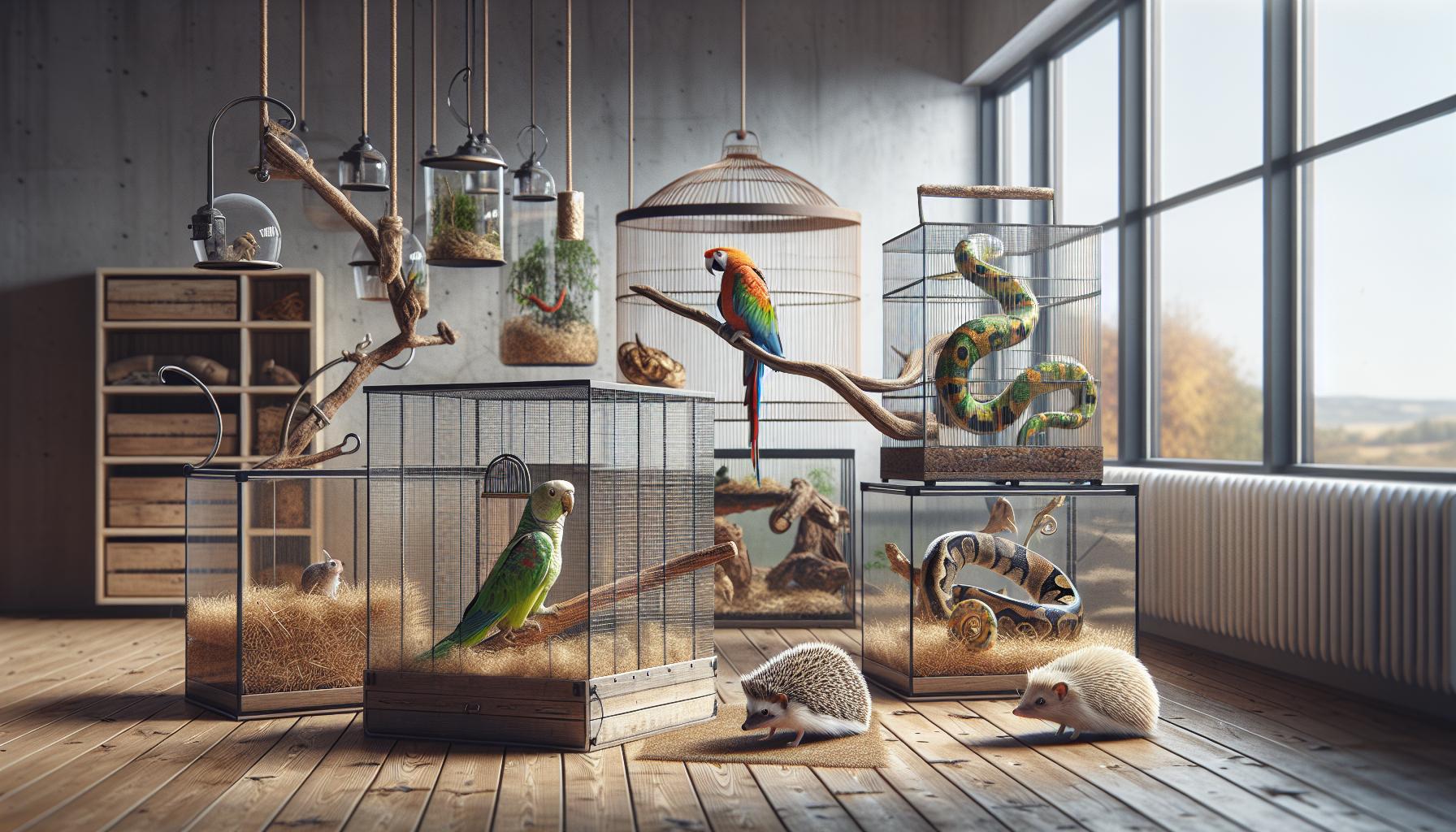
Top 10 Exotic Animals You Might Not Know About
Imagine having a pet that’s not just adorable but also captivates your guests with its exotic charm. From vibrant colors to unique behaviors, the exotic pet world is full of wonders waiting to be discovered. Here’s a look at ten incredible exotic animals you might not yet know could make fascinating pets.
1. Fennec Fox
These pint-sized canids from the Sahara Desert are known for their enormous ears and playful personalities. Fennec foxes are incredibly social and require substantial interaction. They thrive in an environment where they can dig, climb, and explore their surroundings. However, they do best in pairs to prevent loneliness.
2. Capybara
The world’s largest rodent, native to South America, capybaras are surprisingly social and friendly animals. They enjoy living in groups and require a large, grassy area and a water source for swimming. Their gentle nature and unique sounds make them a delightful addition to a family seeking an interactive pet.
3. Hedgehog
Available in various species with quills that provide their signature look, hedgehogs are nocturnal and low-maintenance pets. They thrive in a clean, warm environment with tunnels to explore. Although they can be shy, regular handling leads to a friendly relationship.
4. Kinkajou
These rainforest climbers are known for their large eyes and playful nature. Kinkajous are nocturnal and enjoy a tropical climate. They need plenty of social interaction and mental stimulation, making them ideal for active owners who can devote time to their care.
5. Serval
This elegant cat-like animal is a skilled hunter, characterized by its long legs and large ears. Servals require a significant space to roam and a secure enclosure. While they are more challenging to care for than traditional pets, they can bond with their owners when properly socialized.
6. Sugar Glider
These small marsupials have become popular for their ability to glide through the air. Social and affectionate, sugar gliders thrive in pairs and need plenty of space in their cages to climb and play. Their unique diet includes fruits and insects, adding a fun twist to feeding time.
7. Wallaroo
A member of the kangaroo family, wallaroos are sturdy and can adapt well to various environments. They require a large space to hop and graze, along with fencing that keeps them safe. Their docile nature can create a fascinating pet experience for the right owner.
8. Axolotl
These aquatic creatures, often called “Mexican walking fish,” are known for their regenerative abilities and adorable appearance. Axolotls live in water, making them ideal for aquarium enthusiasts. They require specific water conditions and a diet primarily of worms, providing a unique challenge for aquarists.
9. Chinchilla
With their soft fur and playful nature, chinchillas are cherished for their unique personalities. They require large cages with plenty of climbing space and love to take dust baths to keep their coats clean. Their crepuscular activity pattern means they enjoy playing during dawn and dusk.
10. Degu
These small rodents hail from Chile and are known for their social nature and intelligence. Degus thrive in groups, making them a lively pet choice for a family. They require a spacious cage with interactive toys to engage their curious minds.
Owning one of these remarkable animals can be incredibly rewarding, but it’s crucial to research each species thoroughly. Understanding their specific needs-from diet to habitat-will ensure a fulfilling and responsible ownership experience.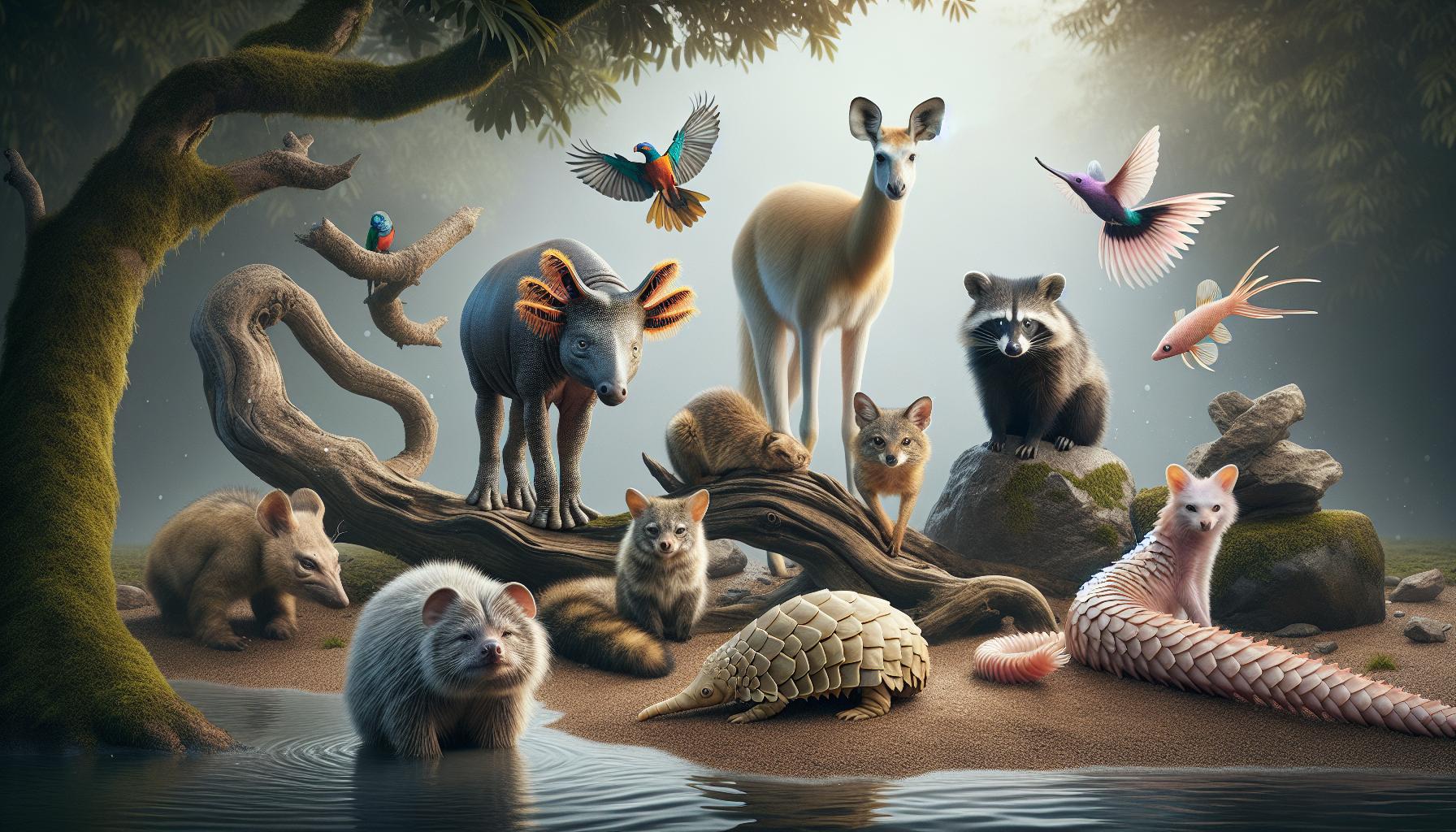
Understanding the Unique Needs of Exotic Pets
Exotic pets can be fascinating companions, but understanding their unique needs is crucial for both their well-being and your enjoyment. Unlike traditional pets such as dogs or cats, exotic animals often come from very different environments and have specific care requirements that must be met to ensure they thrive. Whether it’s the dietary preferences of a hedgehog or the spacious habitat needed for a capybara, each species has its own set of essentials that owners must familiarize themselves with before bringing them home.
For starters, diet plays a significant role in the health of exotic pets. Many species, such as sugar gliders, thrive on a diet rich in fruits and insects, while others, like the axolotl, require specific water conditions and a diet mostly composed of worms. It’s vital to research the nutritional needs of your chosen exotic pet to avoid health issues that can arise from improper feeding. A well-balanced diet not only promotes good health but can also enhance the pet’s personality and activity levels, making them more interactive and enjoyable.
Another critical aspect of caring for exotic pets is their environment. Animals like kinkajous and servals need ample space to roam and play, which can mean a significant commitment in terms of space and enclosure design. Ensuring that their habitat mimics their natural environment helps reduce stress and promotes natural behaviors. For example, installing climbing trees for a sugar glider or providing a water source for capybaras can create a more fulfilling living space. Additionally, understanding the social needs of these animals is crucial; many, such as the degu, thrive in groups and become distressed if left alone for too long.
Finally, health and grooming needs should never be overlooked. Exotic pets often require specialized veterinary care, including vaccines, dental care, and regular check-ups. Grooming routines vary widely; while hedgehogs may need regular baths, chinchillas require dust baths to keep their dense fur clean. Being proactive about their health can lead to a longer, healthier life for your exotic companion, allowing you to enjoy their unique quirks and personality for years to come.
In conclusion, owning an exotic pet involves a commitment to understanding and meeting their specific needs. From diet to habitat and health care, each aspect plays a vital role in ensuring a happy, healthy life for your new friend. So, before you dive into the world of exotic pet ownership, be prepared to embark on a learning journey that will enrich both your life and that of your exotic companion.
Are Exotic Animals Right for You? Pros and Cons
Many people are captivated by the idea of owning exotic pets, drawn in by their vibrant colors, unique behaviors, and the challenge of their care. However, before diving into this enthralling world, it’s vital to weigh the pros and cons carefully, as exotic animals come with specific responsibilities and risks that aren’t always apparent at first glance.
Pros of Owning Exotic Pets
One of the most significant advantages of having an exotic pet is the opportunity for a unique companionship experience. Animals like sugar gliders or ferrets can display fascinating behaviors that differ greatly from more traditional pets. These unique creatures can provide joy and entertainment through their playful antics and distinctive personalities. Additionally, exotic pets can serve as a rewarding learning experience, fostering a deeper understanding of animal behavior, welfare, and conservation needs.
Exotic animals often require specialized care, which can foster a closer bond between owner and pet. When you invest time in understanding the specific needs of animals like hedgehogs or reptiles, you’ll likely become more attuned to their behaviors and preferences. This can lead to a rewarding relationship that goes beyond typical pet ownership.
Cons of Owning Exotic Pets
On the flip side, owning exotic pets poses several challenges. These animals often have specialized habitat and dietary requirements that can be complex and expensive to maintain. For instance, creating a suitable environment for a savannah monitor involves providing a large enclosure with specific temperature and humidity levels, which can be a daunting task for first-time pet owners.
Moreover, many exotic species can carry zoonotic diseases, which may pose health risks to their owners. Routine veterinary care can also be more challenging to access, as not all vets are experienced with exotic species. This makes regular check-ups and emergency care critical yet potentially hard to find, leading to added stress and responsibility.
Additionally, legal and ethical considerations cannot be overlooked. Certain exotic pets are regulated or require permits to own legally, depending on where you live. Responsible ownership extends beyond personal enjoyment; it also encompasses a commitment to conservation and animal welfare. This means carefully researching your chosen pet and ensuring it was ethically sourced and not contributing to wildlife trafficking.
Ultimately, while the prospect of owning an exotic pet can be incredibly rewarding, it requires a significant commitment to ensuring their well-being and understanding the complexities involved. By aligning your expectations with reality and being aware of the pros and cons, you can make a more informed decision about whether an exotic companion is the right fit for your lifestyle.
Legal Considerations: Owning Exotic Pets Legally
Owning an exotic pet can feel like opening a door to an enchanting world, filled with stunning creatures that can capture your imagination and heart. However, before you step through that door, it’s critical to understand that not all exotic animals are legal to own in every place. The regulations surrounding exotic pets vary widely from one location to another, often influenced by concerns about public safety, animal welfare, and conservation efforts.
One of the first steps in owning an exotic pet legally is to research local and state regulations. Many jurisdictions have specific laws regarding which species are permitted, require permits for ownership, or impose restrictions altogether. For example, in some states, animals like large cats or primates may demand extensive paperwork and a thorough application process to ensure that owners are capable of providing proper care and safety. Familiarize yourself with these laws to avoid any legal complications that could arise from owning a pet that is forbidden in your area [[3]].
It’s also essential to verify if your selected exotic pet species is included in a list of exempt animals. Some states or regions maintain exemption lists that outline which species can be owned without a special permit, making it easier for potential pet owners to choose. These lists vary considerably, and even species that seem common, such as hedgehogs or certain reptiles, may require careful scrutiny of state laws before making a commitment [[2]].
Additionally, responsible ownership extends beyond just the legalities. It’s crucial to consider the ethics of exotic pet ownership. Many animals in the exotic pet trade are sourced from the wild, which can contribute to the decline of wild populations and disrupt ecosystems. Always endeavor to purchase from reputable breeders who prioritize the health and welfare of their animals. By being a responsible owner, not only do you comply with the law, but you also contribute to the conservation of wildlife and integrity of ecosystems.
Ultimately, understanding the legal considerations when it comes to exotic pets is not just about avoiding fines or legal trouble; it’s about making informed, ethical choices that respect both the animal and the environment. By doing your homework, you can ensure that your journey into the world of exotic pets begins on the right foot, providing a safe and loving home for your future companion.
Choosing the Best Exotic Pet for Your Lifestyle
When it comes to selecting an exotic pet, understanding your lifestyle and the needs of the animal is crucial for a harmonious relationship. Exotic pets can range from colorful reptiles to charming small mammals, each requiring varying levels of care, attention, and social interaction. Before you bring one home, consider whether your daily routine, living situation, and personal preferences are a good match for your chosen species.
Start by evaluating your time commitment. While some exotic pets, like hedgehogs or certain reptiles, may need less daily interaction, others, such as ferrets or parrots, thrive on social engagement and attention. For instance, parrots are social creatures that require daily interaction to stay happy and healthy, so if you work long hours or travel frequently, you might want to rethink this choice. In contrast, a tortoise can be an excellent low-maintenance option, as they don’t require interactive playtime but do need a safe and suitable habitat to thrive.
Your living space also plays a significant role in your choice of exotic pet. Many exotic animals have specific habitat requirements that can influence your decision. For example, large snakes like pythons need ample space to stretch and explore, ideally in an appropriately sized terrarium. On the other hand, a tarantula requires minimal space but demands a specific environment-humidity and temperature can significantly affect their well-being. Considerations include:
- Available space: Will your home accommodate a larger habitat?
- Local climate: Is it suitable for the species you’re considering?
- Restrictions: Are there local laws on exotic pets that may affect your choice?
Lastly, your experience level with animal care can define your options. Some species, like chinchillas or sugar gliders, require specialized knowledge and care techniques that may be daunting for first-time pet owners. Research each animal’s dietary needs, health concerns, and common behavioral traits before making a commitment. Real world examples like:
- Leopard geckos are often recommended for beginners due to their resilient nature and relatively simple habitat requirements.
- Iguanas, while stunning and rewarding to care for, need ample space, specific temperatures, and a diet rich in leafy greens, making them a better fit for experienced owners.
In conclusion, involves introspection and research. Reflect on your daily schedule, space availability, and your own experience level. By thoughtfully matching your lifestyle with the requirements of potential pets, you can ensure a fulfilling and responsible exotic pet ownership experience. You’ll not only enjoy the unique companionship of these fascinating animals but also contribute positively to their well-being and conservation.
Essential Care Tips for Popular Exotic Pets
Every exotic pet is a unique world waiting to be explored, but they all share one common requirement: proper care tailored to their specific needs. Understanding the care essentials for popular exotic pets not only ensures their well-being but also enhances your experience as a pet owner. Whether you’re adventuring into the realm of reptiles, birds, or small mammals, a glance at their individual needs can gear you up for responsible ownership.
Reptiles: Temperature and Habitat
Let’s begin with reptiles, such as bearded dragons and chameleons. These fascinating creatures are ectothermic, meaning they rely on external heat sources to regulate their body temperature. This highlights the importance of creating a stable habitat with a basking area that mimics their natural environment. A basking lamp or heat pad can provide the necessary warmth. Remember to incorporate a temperature gradient in their enclosure-a cool side and a warm side- to allow the reptile to move between temperatures as needed. Additionally, humidity levels are crucial for many species, like panting turtles, which may require a humid hide to stay comfortable. Finally, ensure that their habitat is enriched with logs, rocks, and plants (real or artificial) to encourage natural behaviors.
Birds: Mental Stimulation and Importance of Socialization
When it comes to avian companions, such as parrots or canaries, mental stimulation is key. Birds are intelligent and social creatures that thrive on interaction, so consider setting aside time each day for play and engagement. Toys that encourage foraging can keep their minds sharp, while mirrors and swings can provide entertainment. Interestingly, birds’ diets can greatly influence their health; many are fed seed-based diets that lack essential nutrients. Instead, opt for high-quality pellets supplemented with fresh fruits and vegetables to provide a balanced diet. Also, be mindful of their social needs-consider adopting a companion bird or providing ample interaction to foster a happy environment.
Small Mammals: Social Needs and Nutrition
Small mammals like guinea pigs, ferrets, and rabbits each come with their own set of care requirements. Guinea pigs, sociable creatures by nature, should always be housed in pairs or groups to prevent loneliness. They require a diet rich in hay, fresh vegetables, and limited pellets to stay healthy. Ferrets, on the other hand, are playful explorers and need ample space to roam and investigate. They should have access to safe areas to play, along with toys that allow for climbing and hiding. Lastly, when caring for a rabbit, ensure their diet is fiber-rich, with plenty of hay, and provide a spacious enclosure where they can hop and stretch their legs. Regular grooming is also essential as it helps reduce shedding and keeps their coat in good condition.
Given their diverse needs, exotic pets require more than just basic care; they thrive on dedicated attention to their unique biological and social requirements. By taking the time to understand these crucial aspects of exotic pet care, you will foster a happy, enriching environment that meets their needs while also bringing joy to your life as an owner.
Feeding Your Exotic Pet: Diet and Nutrition Basics
Feeding your exotic pet is one of the most critical aspects of ensuring their health and well-being. Many exotic animals have specialized dietary needs that differ vastly from the more common pets like dogs and cats. Did you know that some reptiles consume more plant matter while others require a high-protein diet? Understanding these requirements can help you provide a balanced and nutritious diet that keeps your pet thriving.
For reptiles like bearded dragons, their dietary needs change as they grow. Hatchlings need a protein-rich diet, consisting primarily of insects such as crickets and mealworms, while adults benefit from a more plant-based regimen, including leafy greens and vegetables. Creating a corner of the enclosure with fresh food ensures they have access throughout the day. It’s also essential to dust their food with calcium and vitamin supplements to prevent metabolic bone disease, a common issue in reptile care.
When it comes to birds, especially species like parrots, diet diversity is key. A seed-only diet can lead to nutritional deficiencies, so it’s vital to provide a mix of high-quality pellets, fresh fruits, and vegetables. Foods like apples, carrots, and leafy greens not only offer essential nutrients but also stimulate foraging behaviors that keep them mentally engaged. Regularly changing their diet helps simulate their natural foraging habits and encourages them to explore different foods.
Small mammals such as guinea pigs and rabbits also have unique dietary needs. Guinea pigs require a rich supply of vitamin C, which they cannot produce on their own, so incorporating fresh veggies like bell peppers into their diet is crucial. They should have unlimited access to hay, which aids in digestion and keeps their teeth healthy. Meanwhile, rabbits thrive on a fiber-rich diet, so a combination of hay, fresh greens, and a small amount of pellets will keep their digestive systems happy and functioning.
In summary, tailoring your exotic pet’s diet according to their specific nutritional needs is vital for their health and happiness. From the insects that fuel a bearded dragon’s growth to the fresh fruits that satisfy a parrot’s curiosity, understanding and meeting these needs is fundamental to a successful and fulfilling pet-owner relationship.
Creating a Safe Habitat for Your Exotic Animals
is crucial, not just for their comfort and happiness but for their overall health. Exotic pets often have very specific environmental needs that mimic their natural habitats. Meeting these needs is the first step toward responsible ownership. Whether you’re considering a reptile, bird, or small mammal, here’s how to create an ideal living space that reflects the unique requirements of your exotic friends.
Understanding Habitat Needs
Different species have distinct habitat necessities that can include temperature, humidity, and space. For instance, reptiles like chameleons thrive in warm, humid environments that replicate their tropical habitats. A well-designed enclosure should incorporate specialized heating elements, such as basking lights, and humidity gauges to monitor their environment. Similarly, birds like parrots require spacious cages with ample room to fly and explore, supplemented with perches and toys for stimulation.
Essential Features for Enclosures
Each exotic pet type demands certain features within their enclosure:
- Temperature Control: Many reptiles and amphibians require specific temperatures to thrive. Invest in reliable heating pads, thermometers, and lights to maintain the right atmosphere.
- Humidity: Species like frogs and certain lizards depend on humidity levels that can be controlled with water features or regular misting.
- Ventilation: Ensure proper airflow by using enclosures with ventilation screens, important for preventing respiratory issues in birds and mammals.
- Climbing and Hiding Spots: Utilize branches, stones, and other materials to replicate natural environments. This not only aids in exercise but provides essential hiding spots for stress relief.
Safety and Enrichment
Safety is paramount when creating a habitat. All materials used should be safe and non-toxic, as exotic pets are often prone to chewing or ingesting their surroundings. Avoid sharp edges and ensure that items within the enclosure are securely placed to prevent injury.
Enrichment is equally important for the well-being of exotic animals. This can be achieved by rotating toys, adding foraging opportunities, or varying the layout of the enclosure to keep your pet engaged. A bored pet can exhibit signs of stress or behavioral problems, so keeping their environment dynamic is essential.
Recognizing that each exotic animal has its own nuances is part of being a responsible pet owner. Creating their safe and stimulating habitat not only promotes a healthy life but enriches your experience as a companion. With the right approach, you’ll find that your unusual pets can thrive, bringing joy and curiosity into your home while you nurture their wild side responsibly.
Grooming and Health Care for Exotic Pets
Caring for exotic pets goes beyond just feeding and housing them; grooming and health care play a crucial role in ensuring their well-being. Exotic animals often have unique grooming needs that cater to their specific species, from feathered friends like parrots needing regular beak and feather care to reptiles requiring skin shedding assistance. Keeping an eye on these grooming aspects fosters a deep bond with your pet and enhances their health and happiness.
Grooming Essentials for Exotic Pets
For birds, regular grooming is essential. Not only should their feathers be kept clean, but their nails may also require trimming to prevent overgrowth, which can lead to difficulty in perching or walking. A shallow bath or misting with water can encourage birds to preen, which is integral for feather maintenance. Small mammals like guinea pigs and rabbits benefit from regular brushing to prevent matting in their fur, especially during shedding seasons. This is also a great opportunity to check for any skin irritations or parasites.
Reptiles, on the other hand, have different grooming requirements. They may need assistance during shedding, particularly those with more difficult-to-shed skin, like snakes or iguanas. Providing a humid hiding spot can help facilitate this process. Regular cleaning of their enclosure not only keeps their living environment safe but also helps in monitoring their health. Look for unusual behaviors or signs of illness, like lethargy or lack of appetite, which can signal health issues.
Maintaining Health and Wellness
Preventive health care is fundamental for the longevity of exotic pets. Regular veterinary check-ups tailored to exotic species are crucial. Many exotic pets require vaccinations, parasite control, or special dietary considerations that differ from traditional pets. For instance, reptiles often need specific vitamin and mineral supplementation, while birds may need a more varied diet that includes seeds, pellets, fruits, and vegetables to ensure they receive all necessary nutrients.
Incorporating enriching activities into their daily routine also contributes to their overall health. Extravagant toys or foraging opportunities keep them engaged and mentally stimulated, reducing the risk of behavioral issues. Always remember the importance of observing your pet’s behavior; changes can often indicate health problems. With attentive grooming and proactive health care, your exotic companions can thrive and bring endless joy to your home.
Understanding Exotic Animal Behavior and Social Needs
Understanding the behavior and social needs of exotic pets is essential for ensuring their happiness and well-being. Each species has its own unique set of behaviors, which are often influenced by their natural habitats and social structures. For instance, social animals like parrots and guinea pigs thrive on interaction with their owners or other animals. They are expressive creatures that communicate through vocalizations and body language, making it vital for owners to recognize these signals. Providing companionship, whether from humans or other friendly animals, is crucial for their mental health.
Socialization and Interaction
Exotic pets often benefit greatly from regular socialization. For example, birds such as cockatiels and lovebirds are known for their need for companionship and can become depressed if left alone too long. Daily interaction, whether through play, training, or simply sitting together, can keep them emotionally fulfilled. Similarly, small mammals like ferrets and rabbits enjoy playtime and can form strong bonds with their owners. Engaging these pets in interactive games or offering them safe toys can stimulate their minds and reduce stress.
Moreover, understanding the natural behavior of reptiles, like bearded dragons or ball pythons, is equally important, although their social needs differ. Many reptiles may not require constant interaction but still thrive in environments that mimic their natural habitats. Observing their behavior can help owners create a comfortable ambiance, ensuring they feel safe and secure. For instance, providing a basking spot is crucial for a reptile’s health and allows them to exhibit natural behaviors like basking in the sun.
Behavioral Insights
Recognizing specific behavioral traits can also guide pet care. For instance, many exotic pets display stress behaviors when their environment is not suitable. Birds might pluck their feathers, while lizards may hide excessively. Tuning in to these indicators can prompt timely interventions, whether it’s altering their habitat or consulting a veterinarian. Providing enrichment activities, such as climbing structures for birds or hiding food for reptiles, can help keep their minds sharp and lessen unwanted behaviors.
By understanding these unique behavioral patterns and social requirements, pet owners can foster a fulfilling and enriching life for their exotic companions. This awareness not only enhances the relationship between the owner and their pet but also respects the animal’s natural instincts, leading to a healthier and happier life.
Responsible Ownership: Conservation and Ethics
Owning an exotic pet brings with it an undeniable sense of wonder and adventure, but it’s crucial to take a step back and consider the broader implications of such a choice. Many exotic animals face threats in their natural habitats, and by keeping these pets, owners can influence conservation efforts or inadvertently contribute to wildlife decline. Did you know that more than 90% of reptiles sold in pet stores are captured from the wild? This statistic underscores the importance of responsible ownership in protecting these fascinating creatures.
One way to practice responsible ownership is by prioritizing conservation. Consider adopting pets that are bred in captivity rather than those taken from the wild. Reputable breeders often provide better care and conditions for their animals, while also supporting conservation efforts. Additionally, engage with organizations that promote sustainable practices and wildlife conservation. You might think about participating in programs that help rehabilitate and release animals back into their natural habitats or contribute to research and education initiatives.
It’s not just about the choice of pet, but also how you care for them. Exotic animals often require specialized diets, habitats, and social environments to thrive. Understanding and meeting these needs is vital for the animal’s health and well-being. Furthermore, educating yourself about the local and global impact of your pet ownership can lead to more informed decisions. For example, ensuring your pet’s accessories, like habitats and equipment, are sourced sustainably can lessen your ecological footprint.
Finally, ethical considerations should always be front and center. This involves recognizing the complexities of animal behaviors and needs. Many exotic pets come from environments far removed from our homes, and replicating these conditions is paramount. Owners should strive to provide enrichment that simulates their natural behaviors, whether it’s climbing structures for tree-dwelling species or appropriate basking spots for reptiles. As each pet’s needs can dramatically differ, thorough research before bringing an exotic animal home is essential to ensure a fulfilling life for both the pet and the owner.
Faq
Q: What defines an exotic animal?
A: An exotic animal is typically any wild animal that is not commonly kept as a pet, including species from distant regions, like reptiles, birds, and certain mammals. They often require specialized care and habitats compared to domesticated pets. For more on understanding their needs, check out our section on “Understanding the Unique Needs of Exotic Pets.”
Q: Why are exotic pets legal in some places and not others?
A: The legality of exotic pet ownership varies greatly. Some regions have strict laws to protect wildlife and prevent harm, while others allow ownership with permits. Always check local regulations before acquiring an exotic animal to ensure you are compliant. For details, refer to our “Legal Considerations: Owning Exotic Pets Legally” section.
Q: How do I choose the right exotic pet for my family?
A: Choosing the right exotic pet depends on your family’s lifestyle, available space, and ability to provide necessary care. Research each species’ behavioral needs and habitat requirements. Our section “Choosing the Best Exotic Pet for Your Lifestyle” provides guidance on this important decision.
Q: What are the common health issues in exotic pets?
A: Common health issues for exotic pets include respiratory infections, nutritional deficiencies, and parasitic infections. Regular veterinary check-ups and proper care are crucial to maintaining their health. To learn more about maintaining their well-being, see “Grooming and Health Care for Exotic Pets.”
Q: How should I set up a habitat for my exotic pet?
A: Creating a safe habitat for your exotic pet involves replicating their natural environment, including appropriate temperature, humidity, and enrichment activities. Detailed instructions can be found in our section on “Creating a Safe Habitat for Your Exotic Animals.”
Q: Why is it important to educate myself about exotic animal behavior?
A: Understanding exotic animal behavior is vital for fostering a strong bond with your pet and ensuring their emotional and psychological well-being. Proper knowledge can prevent behavioral problems and promote better care. Explore our “Understanding Exotic Animal Behavior and Social Needs” for deeper insights.
Q: What safe and nutritious diets do exotic pets require?
A: Exotic pets often have specific dietary needs based on their species. For example, some may require specialized diets of fruits, insects, or pellets. Research your pet’s dietary requirements thoroughly. Check our section on “Feeding Your Exotic Pet: Diet and Nutrition Basics” for tailored advice.
Q: How can I practice responsible ownership of exotic pets?
A: Responsible ownership includes understanding legal obligations, ensuring proper care, and promoting conservation efforts. Being informed helps avoid illegal trade and supports species protection. Our “Responsible Ownership: Conservation and Ethics” section offers further guidance on ethical practices in exotic pet ownership.
The Conclusion
Now that you’ve explored the fascinating world of exotic animals, remember that choosing the right unusual pet involves serious consideration. Each species has unique behaviors, habitat needs, and care requirements, which can be both rewarding and demanding. If you’re still wondering about the best options for you, check out our articles on “Top 10 Exotic Pets for Beginners” and “Understanding Your Exotic Pet’s Behavior” to deepen your knowledge and prepare for responsible ownership.
Don’t miss the chance to stay updated with our latest insights! Subscribe to our newsletter for exclusive tips and resources. Have questions or personal experiences to share? Leave a comment below-we’d love to hear from you! Your journey into the vibrant world of exotic pets begins now; take the next step and discover how to create a joyful home for your new companion.
Get our latest guides, news, and insights highlighted in your Google Search & AI Overviews.