
When it comes to choosing a pet, many people might think of cats or dogs, but have you ever considered a monkey? These captivating creatures can offer companionship and unique interaction, making them fascinating pets for the right owners. However, not all monkey species are suitable for life in a domestic environment. This guide will compare various monkey species-exploring their behaviors, habitat needs, and care requirements-to help you find the best match for your lifestyle and intentions. As we dive into each species, you’ll uncover what it truly means to share your home with these intelligent primates and the responsibilities that come with it. Get ready to discover the joys and challenges of monkey ownership, and find out which species might be the perfect fit for your family!
The Most Popular Monkey Breeds for Pets
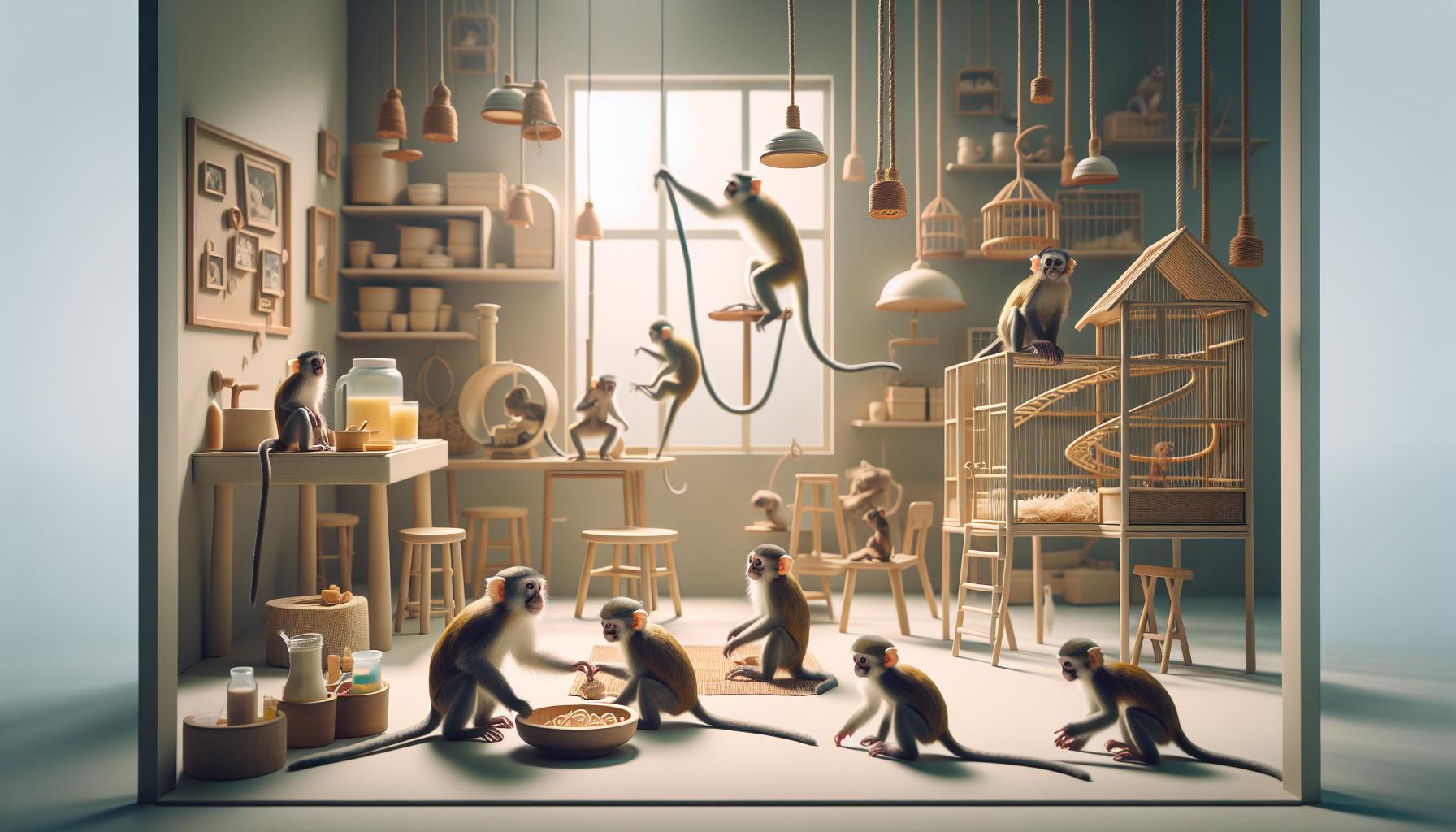
Many people dream of sharing their homes with a furry companion that is as intelligent and playful as they are: monkeys. While not a conventional pet, certain species of monkeys have become increasingly popular among exotic pet enthusiasts. Each breed offers unique traits that appeal to potential owners, but it’s crucial to consider their specific needs and behaviors before making a commitment.
Capuchin Monkeys are often hailed as one of the best choices for potential pet owners. Known for their intelligence and sociable nature, these monkeys can bond closely with their human caretakers. Capuchins are often seen in movies, showcasing their playful antics, and this breed is known for being easily trained, making them entertaining companions. However, their playful energy requires ample interaction and stimulation to keep them happy.
Squirrel Monkeys are another favored choice due to their small size and charming personalities. These monkeys are energetic and curious, which can both endear them to their owners and present challenges in maintaining an enriched environment for them. Squirrel monkeys thrive on social interaction, so they do best in pairs or small groups rather than alone.
Tamarins and Marmosets are small monkeys that possess similar appeal. Tamarins, with their vibrant colors and curious nature, require less space than larger species, but they demand a lot of social interaction. Marmosets, being smaller and more manageable, are particularly suited for those new to monkey ownership; however, these monkeys also need companionship.
Choosing a monkey as a pet involves understanding these species’ distinct personalities and care requirements. Potential owners must weigh these considerations carefully, ensuring they can meet the social, environmental, and dietary needs of their new companions. It’s a commitment not to be taken lightly, as many monkeys can live for upwards of 20 years in captivity, requiring lifelong dedication from their owners.
Understanding the Care Needs of Pet Monkeys
Monkeys are extraordinary creatures, known for their intelligence, social nature, and playful spirits. However, owning a monkey is a significant commitment that requires a deep understanding of their care needs. Potential owners must recognize that these animals thrive in dynamic environments and require a daily routine that fosters their physical and mental well-being.
One of the primary aspects of monkey care is social interaction. Monkeys are inherently social animals, and many species do best when they have companions-either other monkeys or attentive human caretakers. For instance, Squirrel Monkeys, being particularly social, may exhibit behavioral issues such as grooming or vocalizing excessively if kept alone. It’s often recommended to have at least two monkeys or plan for several hours of dedicated interaction each day.
Dietary Requirements
Nutrition is another essential element of monkey care. Monkeys have specific dietary needs that vary by species but generally include a balanced diet of fruits, vegetables, grains, and protein sources. A capuchin monkey, for example, thrives on a varied diet that includes meals rich in vitamins and minerals, while tamarins may require specific fruit types to maintain their health. Owners must also be cautious with treats, as sugary or fatty foods can lead to obesity and health problems.
Environmental Enrichment
Environmental enrichment is crucial for the psychological health of pet monkeys. In the wild, monkeys spend their days climbing, foraging, and socializing. In captivity, it’s vital to replicate these activities to prevent boredom and behavior issues. Owners should provide a stimulating environment with climbing structures, toys, and opportunities for exploration. Rotating toys and creating new challenges can keep a monkey engaged and happy.
Health and Veterinary Care
Regular veterinary care is essential for any pet, especially for monkeys. Exotic veterinarians specializing in primates can offer vaccinations, checkups, and nutritional advice. Owners should be prepared for the potential costs associated with regular health checks, as well as unexpected medical needs. Building a reliable relationship with a vet familiar with monkeys is crucial for ensuring long-term health and well-being.
Caring for a pet monkey is not something to take lightly. It involves understanding their complex social structures, health requirements, and the changes they may need in their environment to thrive. For those willing to put in the effort, the reward is a unique and deeply rewarding companionship.
Behavioral Traits of Monkeys as Pets
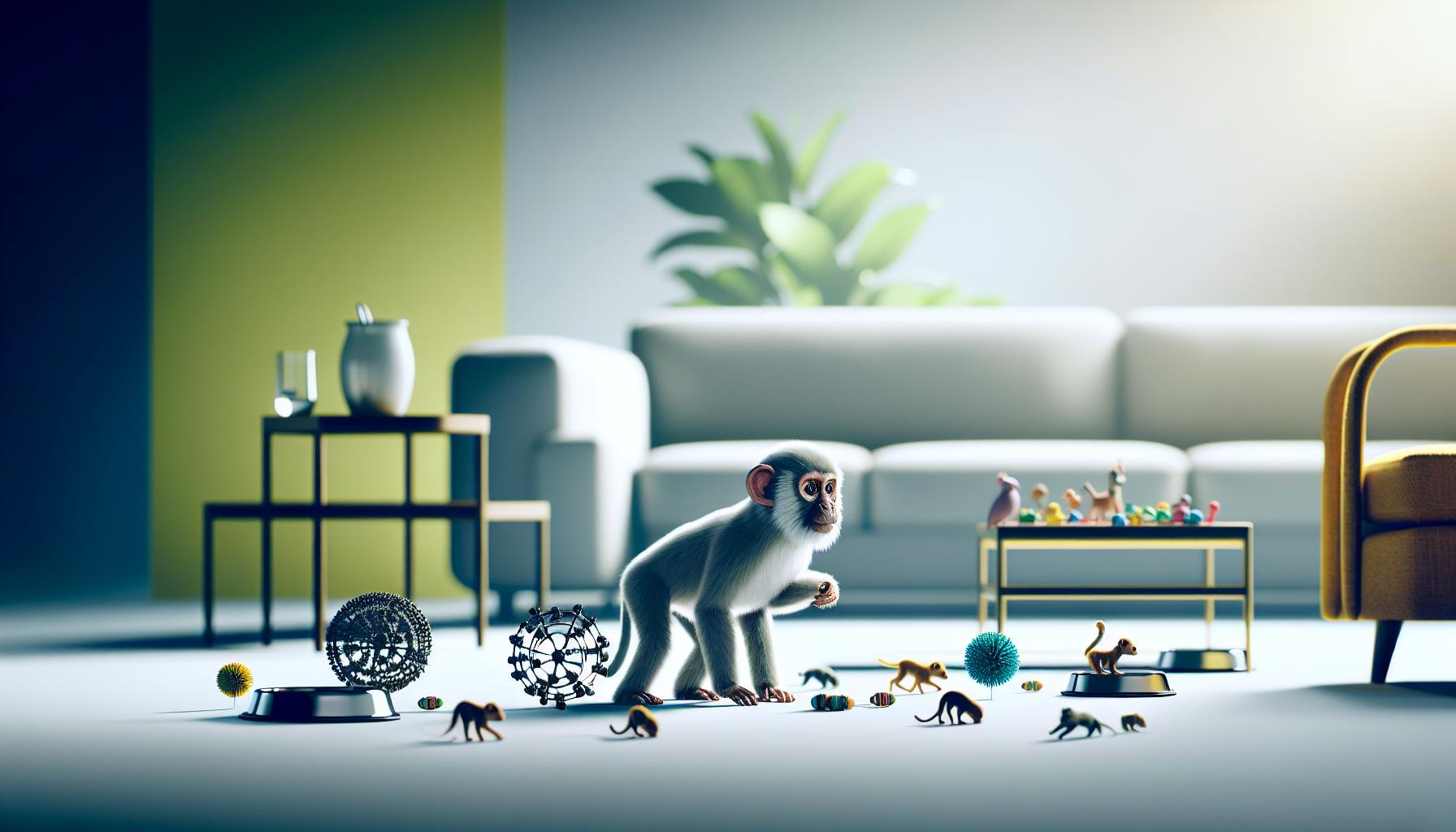
Monkeys are captivating creatures, renowned for their playful antics and remarkable intelligence, which can make them quite appealing as pets. However, their behavior is complex and can vary significantly among different species. Understanding these behavioral traits is key to ensuring a happy and harmonious coexistence between human caretakers and their simian companions.
Many monkeys, such as Capuchins and Squirrel Monkeys, are naturally curious and highly active. They thrive on interaction and stimulation, making them prone to developing strong bonds with their caregivers. For instance, Capuchins are known for their problem-solving abilities and often engage in playful behaviors that can challenge their owners. They require a good amount of playtime and mental enrichment to prevent boredom-induced mischief, such as purposeful mess-making or vocalizing excessively.
In contrast, species like Marmosets or Tamarins exhibit a more delicate social structure, deeply rooted in family dynamics. When kept as pets, it is crucial to provide them with opportunities to express these social behaviors. Neglecting their social needs can lead to issues like depression or anxiety, showcasing why having at least two monkeys or ensuring ample human interaction is often recommended.
Additionally, monkeys are inherently communicative. They use vocalizations, body language, and even facial expressions to express their needs and emotions. Understanding these cues is vital for pet owners, as it can enhance their relationship with their monkey and ensure proper care. For example, a monkey that is frequently vocalizing might be signaling boredom or the need for attention, while certain postures can indicate fear or aggression.
Finally, it’s important to remember that, despite their playful demeanor, monkeys retain much of their wild instincts. They can be territorial and assertive, particularly during puberty. Owners must navigate these behavioral phases with patience and understanding, offering consistent training and routine while ensuring a safe environment to minimize conflicts and promote positive behaviors.
By familiarizing yourself with the unique traits of different monkey species and their social and psychological needs, potential owners can create a nurturing environment that allows their pet monkey to thrive. This dedication will not only enrich the lives of the monkeys but also lead to a rewarding companionship that reflects the vibrant personalities of these amazing animals.
Comparing Size and Space Requirements
When considering what monkey makes the best pet, one of the most critical factors is understanding their size and the space they require. Monkeys are not only lively creatures but also have specific habitat needs that must be met to ensure their well-being and happiness. Each species varies significantly in size, and this difference directly correlates to the type of living environment they require.
For instance, Capuchins are medium-sized monkeys, typically weighing between 8-10 pounds. They require ample space to move around and play, ideally needing an area of at least 100 square feet if kept indoors. This can include a spacious room with climbing structures, toys, and places to hide. By contrast, Tamarins, which are smaller and generally weigh about 5-10 pounds, still necessitate a similarly stimulating environment but can thrive in slightly smaller spaces, provided they have vertical climbing opportunities and social interactions.
Space Considerations
When setting up a space for your monkey, consider the following:
- Enrichment: Monkeys are intelligent and curious. They need an environment that offers various forms of enrichment-think climbing trees, ropes, and interactive toys that promote play and exercise.
- Vertical Space: Monkeys love to climb, so vertical space is just as important as floor space. Consider multi-level enclosures that mimic their natural habitat.
- Safety: Ensure that the area is safe and escape-proof, as monkeys can be quite adept at finding ways to get out. Securely latch gates and reinforce climbing structures.
Size Variety and Implications
The size of the monkey you choose can greatly impact your living situation. Larger species, such as Macaques, can weigh up to 40 pounds and are more powerful, requiring a robust environment that can withstand their strength. They also tend to need more interaction and space to express their social nature, which can necessitate having more than one individual for companionship.
In comparison, smaller monkeys like Squirrel Monkeys, which usually weigh about 15-20 pounds, may fit better in more compact settings but still need an engaged caretaker. Owners should also remember that as monkeys grow, they may require increasingly larger environments, making it vital to plan for their future needs before bringing one home.
Ultimately, understanding the size and space requirements of different monkey breeds is essential for responsible ownership. By creating an enriching, spacious environment, you can help ensure that your monkey remains healthy, happy, and engaged, providing the foundation for a rewarding relationship.
Socialization Needs: Monkeys and Human Interaction
Monkeys, known for their intelligence and social nature, thrive on interaction-both with their human caregivers and other primates. Unlike many traditional pets, these animals are not solitary creatures by nature; they typically live in tight-knit groups in the wild. Consequently, when considering bringing a monkey into your home, it’s crucial to understand their socialization needs to foster a healthy, happy environment.
Building a bond with your monkey requires time, patience, and consistent interaction. Daily engagement is essential; playtime is not just fun but serves as a critical avenue for developing trust and understanding. Monkeys like Capuchins and Squirrel Monkeys are particularly social and benefit immensely from regular interaction with their owners. Engaging them in activities such as games, learning tricks, or simply spending time together can help deepen the relationship. It’s recommended to dedicate at least a couple of hours daily for one-on-one time; otherwise, they may become bored or anxious.
Interaction with Humans and Other Monkeys
The level of interaction varies greatly among different species. For example, Macaques, which are more territorial and can display aggressive behavior, may require a careful introduction to new humans and potential companions. Conversely, smaller species like Tamarins tend to be more docile and can adapt well to family life if raised in a socialized environment. Keeping multiple monkeys can also mitigate loneliness and provide essential social interactions, but pairs should be carefully selected to ensure compatibility.
- Variety in Engagement: Incorporate a mix of physical playtime, mental stimulation (like puzzle toys), and simple training exercises into your routine.
- Fostering Independence: While socialization is key, it’s also important to help your monkey adapt to being left alone for short periods to develop their independence.
- Social Skills: If you choose to keep more than one monkey, monitor their interactions to nurture positive behaviors and prevent bullying.
In summary, understanding and fulfilling the socialization needs of a pet monkey is a cornerstone of responsible ownership. By dedicating time and fostering a nurturing environment, you can create a rewarding companionship that benefits both you and your primate friend.
Dietary Essentials for Different Monkey Species
The dietary needs of pet monkeys can vary significantly based on their species, and understanding these requirements is crucial for their health and happiness. Many keepers may be surprised to learn that monkeys are not all alike when it comes to nutrition. For example, Capuchins, often chosen as pets for their playful nature, thrive on a diet that includes fruits, vegetables, nuts, and small amounts of lean protein. They enjoy a range of tastes and textures, which is essential for their physical and mental stimulation.
In contrast, Macaques may require a more specialized diet due to their larger size and different digestive systems. While fruits and veggies are still staples, they often need more fibrous foods, like leafy greens and whole grains, to maintain their complex gut health. Fresh, high-quality monkey chow is often recommended as a foundational part of their diet, supplemented with fresh produce to provide them essential vitamins and minerals.
Key Dietary Components
When feeding pet monkeys, it’s important to ensure they have a well-balanced diet. Here are some key components to consider:
- Fruits & Vegetables: Fresh fruits and veggies should make up a significant portion of their daily intake. Favorites include bananas, apples, carrots, and leafy greens.
- Proteins: Lean proteins like cooked chicken, eggs, or tofu can be occasional treats, providing important amino acids.
- Nuts & Seeds: These can be offered in moderation as they are high in fat. Almonds, peanuts, and sunflower seeds are good options.
- Commercial Diets: Many owners find it beneficial to add commercial monkey chow to their monkeys’ diets, which is formulated to meet their specific nutritional needs.
Feeding practices and preferences can also be influenced by the monkey’s age and health status. For instance, younger monkeys might require more protein for growth, while older monkeys may benefit from a different balance of nutrients to promote longevity. It’s advisable to consult with a veterinarian experienced in primate care to tailor a diet that fits your pet’s individual needs effectively.
When considering the diet of your monkey, keep in mind that they may also require access to constant fresh water, and monitor their weight and overall health for any dietary adjustments. Balancing nutrition in line with their natural habits is essential for ensuring your primate companion is vibrant and healthy, allowing them to thrive in their domestic environment.
Health Considerations for Monkey Ownership
Owning a monkey comes with a unique and important set of health considerations that potential owners should be acutely aware of. Monkeys, much like us, can suffer from various health issues, some of which can be exacerbated by their living conditions and diet. Regular veterinary check-ups are crucial and should ideally be managed by a veterinarian who specializes in exotic animals. This ensures that your pet receives the necessary vaccinations and health screenings that are vital for their wellbeing.
Monkeys can be prone to specific diseases based on their species. For instance, Capuchins may suffer from obesity if overfed or not provided with adequate exercise. It’s essential to keep their environment enriched and stimulating to encourage physical activity. Meanwhile, Macaques may experience issues related to their digestive system, necessitating careful attention to their dietary intake and preventing issues such as diarrhea or constipation.
Additionally, social stress can manifest in physical health problems. Monkeys are inherently social beings; if kept alone for extended periods, they can develop behavioral issues or become depressed. This highlights the importance of socialization and the need for interaction, whether with humans or other monkeys. Owners should look to create a lively and engaging environment that simulates their natural habitat as closely as possible.
Preventative Health Measures
To ensure your pet monkey remains healthy, consider the following preventative measures:
- Regular Vet Visits: Schedule annual or bi-annual check-ups with a vet knowledgeable about primates.
- Balanced Diet: Adhere to dietary guidelines that consider the species’ specific needs and monitor their weight closely.
- Social Interaction: Foster healthy social habits by spending quality time with your monkey or, if possible, providing companionship.
- Enrichment Activities: Incorporate toys and activities that challenge their intelligence and encourage physical movement to avoid obesity and boredom.
With thoughtful care and consistent monitoring of their health, owning a monkey can be a rewarding experience. However, this responsibility should never be taken lightly given the complexities of their health needs and the commitment required to ensure they thrive in a domestic setting.
Legal Considerations for Keeping Monkeys
Keeping a monkey as a pet might sound like an adventure filled with fun and companionship, but it comes with a very real set of legal considerations that every prospective owner must navigate. The rules surrounding monkey ownership can vary significantly depending on where you live. In the United States, for example, some states have completely banned private ownership of monkeys, while others have specific licensing requirements. It’s essential to start your journey by checking local and state laws that pertain to exotic pets, as well as any regulations that might require permits or inspections.
A common legal requirement is to have an exotic pet license. This can often involve demonstrating that you have the knowledge and resources needed to care for such animals properly. Some areas may mandate specific housing requirements that ensure the safety and well-being of the monkey, highlighting how essential it is to be prepared to meet these standards. For instance, larger species like macaques require more space than smaller ones like tamarins, which can influence what is permissible based on your home environment.
Insurance and Liability
Another critical aspect is considering liability insurance. Monkeys, while adorable and fascinating, are strong and can sometimes act unpredictably. In case of an injury to a person or another pet, you want to ensure that you are financially protected. Before bringing a monkey into your home, it’s wise to investigate your homeowner’s insurance policy to understand coverage and any potential exclusions related to exotic animals.
International Considerations
If you’re thinking globally, the rules can get even more complex. Some countries have stringent import and export controls regarding monkeys and other primates due to concerns about wildlife conservation and public health risks. If you plan on traveling or moving, being informed about these regulations can save you a lot of trouble down the line.
In summary, while the idea of having a monkey as a pet is exciting, the legal landscape is complicated and must be thoroughly researched. Educating yourself about local laws, obtaining necessary permits, and considering insurance are essential steps in ensuring both your future companion’s welfare and your peace of mind.
Ethical Aspects of Monkey Pet Ownership
Keeping a monkey as a pet raises important ethical considerations that every potential owner should reflect on. Monkeys are highly social and intelligent animals that thrive in complex social structures, which makes their needs significantly different from traditional pets. When considering bringing one into your home, it’s essential to think about their natural behaviors and how these can be satisfied in a domestic setting.
A major ethical issue is the impact of owning a monkey on its quality of life. Monkeys require plenty of stimulation, social interaction, and space to roam. For example, species like capuchins or macaques are highly curious and active, necessitating a large, enriched environment that mimics their natural habitat. A lack of space or social companionship can lead to behavioral issues like aggression or depression. Thus, pondering whether your living situation can accommodate these needs is crucial before making a decision.
Moreover, there’s a growing concern about the implications of breeding monkeys for the pet trade. Many monkeys in captivity come from wild populations, leading to issues such as habitat destruction and decreased genetic diversity. Ethically, individuals must consider whether their desire for a pet justifies contributing to these problems. Instead, supporting conservation efforts and sanctuaries can help protect natural habitats and promote the wellbeing of these animals.
Additionally, the historical context of monkeys in human culture often romanticizes the idea of keeping them as pets, overshadowing the complexities involved. For instance, many might envision cuddly companions like those portrayed in popular films, but this narrative often glosses over the serious commitment required to ensure their happiness and health. True pet ownership should be grounded in respect for the animal’s needs and an understanding of the long-term responsibilities involved.
In summary, before deciding to keep a monkey as a pet, it’s crucial to weigh the ethical implications of such a decision. This includes ensuring that you can provide an environment that meets their social, physical, and psychological needs, understanding the broader impact of pet ownership on wildlife conservation, and recognizing the ongoing commitment required for their care. Ultimately, responsible owners must prioritize ethical considerations and the welfare of the animal over personal desires.
Cost of Owning a Monkey: Finances Matter
While the thought of having a monkey as a pet might seem like a whimsical dream, the financial realities behind such a decision can be quite sobering. Owning a monkey is not just about the initial purchase price; it’s a long-term commitment that can strain your budget in ways you might not have considered. For instance, the cost of a pet monkey can vary significantly depending on the species-ranging from a few thousand dollars for smaller monkeys like marmosets to upwards of $20,000 for rarer species. When budgeting, it’s essential to remember that these figures are just the tip of the iceberg.
Ongoing Care Costs
In addition to the purchase price, potential owners must factor in the ongoing costs associated with maintaining their monkey’s health and well-being. Regular veterinary checks are a must, especially since exotic animals can require specialized care. Expect to spend between $300 and $700 annually on veterinary visits alone. Moreover, the nutritional needs of monkeys can add another layer to your expenses. Many species require a diverse diet that may include fresh fruits, vegetables, and specialized monkey chow, costing around $50 to $200 per month.
Enrichment and Environment Expenses
Creating a suitable living environment for your monkey is crucial. Monkeys are highly active and intelligent creatures that need space to play and explore. Adequate enclosures can be pricey, often starting at $1,000 for a basic setup and potentially exceeding $5,000 for larger, more complex habitats. Additionally, setting aside funds for toys, climbing structures, and other forms of enrichment is essential to keep your pet stimulated. Regularly replacing these items can add another $100 to $500 annually.
Legal and Insurance Considerations
Furthermore, in many regions, owning a monkey comes with legal responsibilities and potential liabilities. Some places require permits or have specific regulations governing exotic pet ownership. The costs associated with acquiring necessary permits can vary widely. Additionally, having pet insurance for exotic animals can range from $20 to $60 per month, depending on the coverage, yet it can be a lifesaver should your monkey face health issues.
Overall, while the allure of a monkey as a pet is undeniable, the financial commitment is substantial and ongoing. Careful budgeting and consideration of all potential costs will ensure that your decision to bring one of these fascinating creatures into your home is a responsible one, ultimately enhancing both your life and theirs.
Alternatives to Monkeys: Other Exotic Pets
Considering a pet monkey is certainly tempting, but you might be surprised to learn that there are other exotic pets that can offer unique companionship without the same level of commitment or complexity. If you’re captivated by the idea of having a social and intelligent creature but are concerned about the nuances of monkey ownership, let’s explore some compelling alternatives.
One popular choice is the ferret. These little nibblers are playful and inquisitive, requiring ample interaction and stimulation. Ferrets thrive in pairs or small groups, making them social pets like monkeys. Their care is less intensive than that of a monkey, needing a balanced diet of high-quality ferret food, along with fresh water and occasional treats. Ferrets generally live about 6 to 8 years and can be trained to use a litter box, which simplifies their maintenance.
Another great option is the hedgehog. These nocturnal creatures are known for their quirky personalities and their gentle demeanor. Hedgehogs can adapt well to various living spaces-whether a large cage or a cozy corner of your home. A proper diet comprising high-protein cat food and occasional insects and fruits will keep your hedgehog healthy. Notably, hedgehogs are relatively low-maintenance, living for around 3 to 5 years, although they require regular handling to become socialized.
If you want something a bit larger, consider a miniature pig. These intelligent and affectionate animals can form a close bond with their owners. Miniature pigs require a secure outdoor area to root around and thrive. Their diet should consist mainly of specially formulated pig pellets alongside fresh fruits and vegetables. However, it’s essential to keep in mind that miniature pigs can live for 12 to 20 years, necessitating a long-term commitment similar to that of a monkey.
A more colorful option could be birds, such as parakeets or cockatiels. Known for their vibrant colors and social behavior, these birds can mimic sounds and even develop a bond with their human companions. The care involves a spacious cage, daily interaction, and a varied diet of seeds, pellets, and fresh greens. Birds typically have a shorter lifespan compared to monkeys but can still provide enriching companionship.
Ultimately, each of these alternatives presents a wonderful opportunity to bring joy and companionship into your life. They have their own unique behaviors and needs, but with a little research and preparation, you can find the perfect pet that aligns with your lifestyle-allowing you to enjoy the wonders of animal companionship without the complexities associated with monkey ownership.
Frequently asked questions
Q: What type of monkey is the best pet for families?
A: Capuchin monkeys are often considered great pets for families due to their social nature and intelligence. They bond well with people and can be trained, making them interactive companions. However, ensure you can meet their complex care needs and socialization requirements, as detailed in our section on Understanding the Care Needs of Pet Monkeys.
Q: How much space do monkeys need in a home?
A: Monkeys require ample space for exercise and social interaction. A good rule of thumb is at least 100 square feet per monkey, with vertical space for climbing. Proper enclosure setup is crucial for their physical and mental health. Learn more in our Comparing Size and Space Requirements section.
Q: What dietary needs do pet monkeys have?
A: Pet monkeys need a balanced diet that includes fresh fruits, vegetables, and a high-quality primate chow. Specific dietary needs can vary by species, so it’s essential to research the particular monkey breed you wish to own. For detailed dietary recommendations, see Dietary Essentials for Different Monkey Species.
Q: Are there any health issues to be aware of when owning a monkey?
A: Yes, monkeys can face several health issues, such as dental problems, obesity, and infectious diseases. Regular veterinary care is essential to monitor their health. For more in-depth health considerations, refer to our section on Health Considerations for Monkey Ownership.
Q: Can monkeys be trained like dogs?
A: Monkeys can be trained, but their training is often more complex than training dogs. Consistent positive reinforcement and mental stimulation are vital. Training helps improve behavior and strengthens your bond, as discussed in Behavioral Traits of Monkeys as Pets.
Q: What are the legal requirements for owning a monkey?
A: Legal requirements for monkey ownership vary by location, with some areas requiring permits or banning private ownership altogether. Always check local laws before considering a pet monkey. Our section on Legal Considerations for Keeping Monkeys provides insightful guidance on this topic.
Q: How do I prepare my home for a new pet monkey?
A: To prepare your home for a pet monkey, you should create a safe and enriched environment. This includes monkey-proofing your home, creating a dedicated space for them, and providing climbing structures and toys. For comprehensive tips, explore our Understanding the Care Needs of Pet Monkeys section.
Q: Are monkeys good companions for children?
A: While some monkeys can be good companions for children, they are not ideal pets for young kids. Monkeys require mature handling and can exhibit unpredictable behavior. It’s important to assess any potential for compatibility, as explained in our discussions on Socialization Needs: Monkeys and Human Interaction.
To Wrap It Up
As you dive into the wonderful world of pet monkeys, remember that choosing the right species can make all the difference in your experience as a pet owner. From the playful Capuchin to the gentle Marmoset, each type offers unique behaviors and care needs that should align with your lifestyle. If you’re still weighing your options, don’t hesitate to explore our detailed guides on monkey care and species characteristics to help you make an informed decision.
Are you ready to take the leap into owning a pet monkey? Be sure to check out our resources on responsible ownership and the legal considerations involved. Your journey doesn’t have to stop here-join our community for the latest insights, tips, and stories from fellow exotic pet enthusiasts. Remember, understanding these remarkable creatures will enrich your bond and ensure a happy, healthy life together. Share your thoughts in the comments or follow us for more engaging content about exotic animals. Your perfect primate companion awaits!
Get our latest guides, news, and insights highlighted in your Google Search & AI Overviews.