Did you know that some monkey species can live up to 50 years in captivity, while others may only see their teens in the wild? Understanding how long monkeys live is essential for wildlife enthusiasts, pet owners, and conservationists alike. In this exploration of monkey lifespans, we’ll delve into the fascinating lives of various species, revealing not just their age potential, but also the factors influencing their longevity, such as habitat, diet, and social structures. By connecting this information to broader themes of animal care and conservation, we aim to foster a deeper appreciation for these incredible primates. So, whether you’re curious about the care needed for a pet monkey or fascinated by wildlife in their natural habitats, join us as we uncover the life spans of these captivating creatures and what they reveal about their survival and well-being.
Lifespan Overview of Monkeys and Their Importance
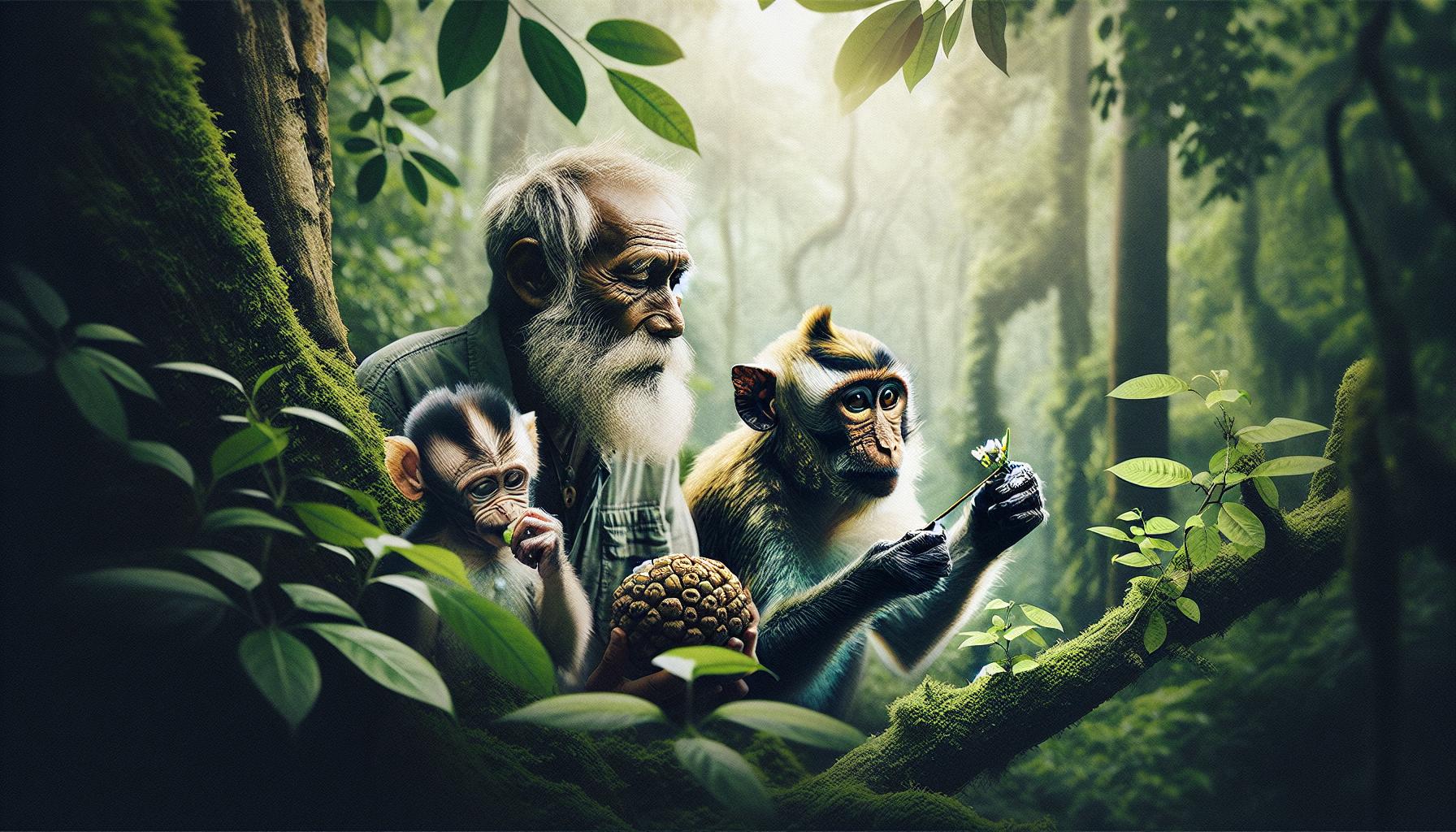
Monkeys captivate our imaginations not just with their playful behavior but also with their varied lifespans, which can serve as a reflection of their habitat, diet, and social structures. On average, monkeys live anywhere from 10 to 50 years, depending on the species and the conditions they face. This lifespan is crucial because it indicates not only the longevity of individual animals but also has implications for their social groups and ecosystems. For instance, species that live longer often have more complex social structures and reproductive strategies, affecting their population dynamics and survival.
The importance of understanding monkey lifespans extends beyond mere curiosity; it has significant consequences for conservation efforts and animal care. In the wild, factors such as habitat destruction, environmental changes, and social interactions can drastically alter a monkey’s lifespan. While larger monkeys like the mandrill can live up to 50 years in captivity, many face threats that shorten their lives in natural settings. By studying these differences, conservationists can better strategize to protect vulnerable species and create environments that allow them to thrive.
Understanding the various influences on monkey lifespans, including genetic factors, environmental enrichment, and diet, can empower both caretakers in captivity and wildlife enthusiasts. With careful care and a suitable habitat, many species can lead longer, healthier lives, showcasing the intricate balance between nature and nurture.
Factors Influencing Monkey Lifespan
Understanding what influences a monkey’s lifespan is essential for anyone curious about these fascinating animals. Numerous factors play a vital role, from genetics and environmental conditions to social structures and diet. For instance, monkeys in captivity often enjoy longer lives compared to their wild counterparts, partly due to the absence of predators, reduced stress, and consistent access to food and veterinary care.
Genetic Factors significantly impact longevity. Just as with humans, certain species or sub-species may have hereditary traits that predispose them to longer or shorter lifespans. In general, larger monkeys, such as the mandrill or howler monkey, can live up to 50 years in captivity, while smaller species, like tamarins, often have shorter lifespans of around 10-20 years. Genetic diversity within populations also affects resilience to diseases and environmental changes.
Environmental Conditions are another key element influencing monkey lifespans. Natural habitats provide essential resources like food and shelter, but they also present challenges such as predators and territory conflicts. Habitat destruction poses a significant threat, reducing the available resources and increasing competition among groups, ultimately leading to shorter lifespans. For example, monkeys affected by deforestation may experience stress and malnutrition, drastically impacting their overall health and longevity.
Social Structures within monkey groups also affect individual lifespans. Species that live in complex social networks, like baboons and macaques, tend to develop support systems that can help reduce stress and provide protection against predators. Conversely, those that are more solitary may be more vulnerable. The social dynamics can also lead to competition for resources and mates, affecting individual health and survival.
In summary, various factors intertwine to influence how long monkeys live. By examining these elements, we can better understand and support the preservation of these remarkable creatures in both wild and captive environments. Understanding their unique needs and challenges can lead to better conservation strategies, ensuring that future generations get to enjoy their lively spirits.
Average Lifespan of Popular Monkey Species
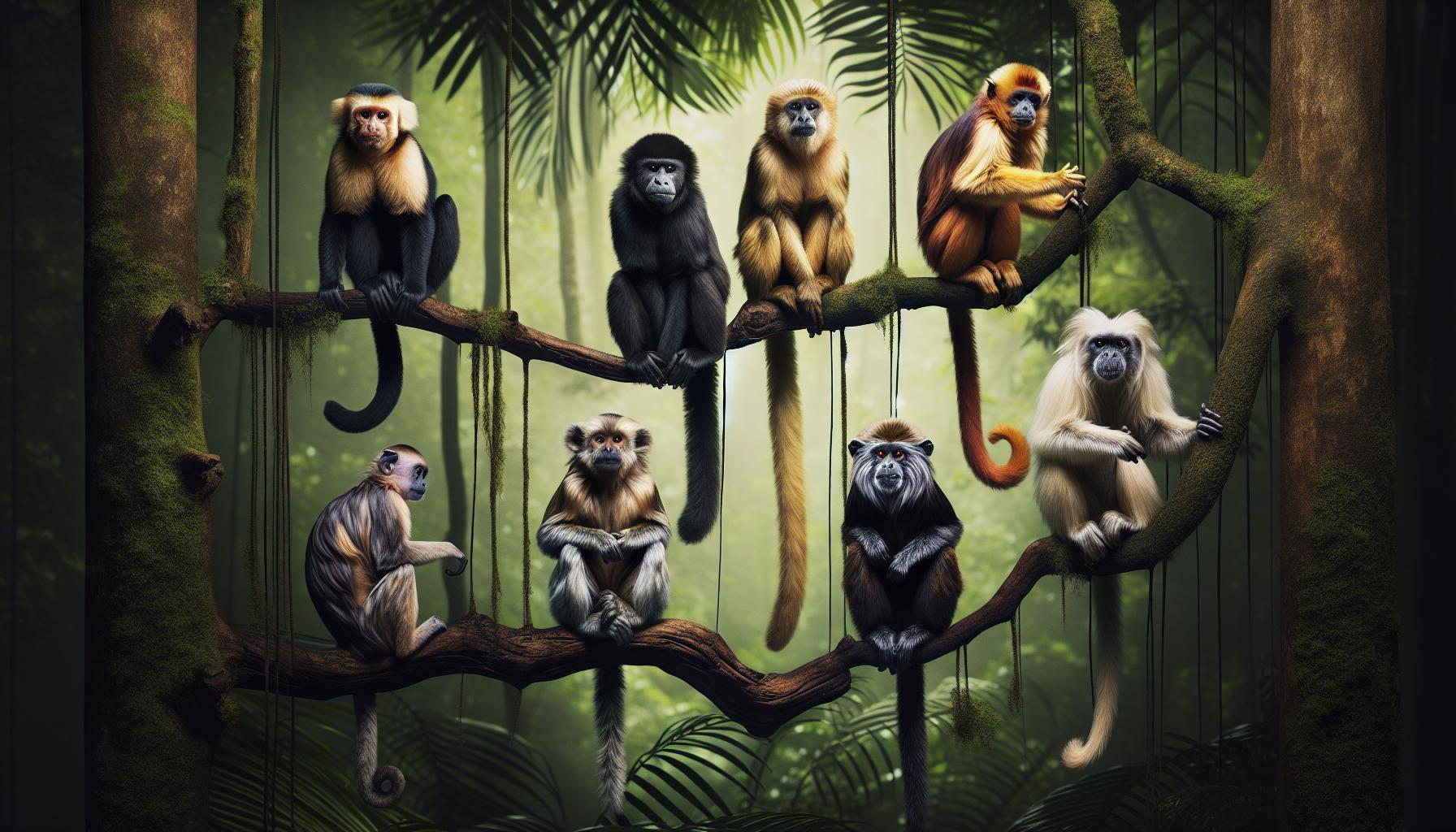
The fascinating world of monkeys includes a variety of species, each with its own typical lifespan that can vary widely. Understanding the average longevity of these primates can deepen our appreciation for their lives and experiences, whether they are swinging through the treetops of their natural habitats or living in captivity where conditions are often more controlled.
Larger monkey species tend to enjoy longer lives compared to their smaller counterparts. For example, the howler monkey, known for its loud calls that can be heard for miles, can live up to 25-30 years in the wild and even longer in captivity, sometimes reaching up to 40 years. Similarly, the mandrill, which is one of the largest monkeys and boasts vibrant facial colors, can reach ages of up to 50 years when cared for in a zoo setting. On the other hand, smaller monkeys like tamarins and marmosets typically have shorter lifespans, often living 10-20 years due to their higher metabolic rates and different life structures.
The table below illustrates the average lifespans of some popular monkey species, showcasing the diversity among them:
| Monkey Species | Average Lifespan in the Wild | Average Lifespan in Captivity |
|---|---|---|
| Howler Monkey | 20-25 years | 35-40 years |
| Mandrill | 20-30 years | 40-50 years |
| Capuchin Monkey | 15-25 years | 25-45 years |
| Tamarin | 10-15 years | 15-20 years |
| Macaca (Macaques) | 15-20 years | 20-30 years |
Different species’ lifespans highlight not only their biology but also the importance of care and environment. Captivity often provides a safer environment with regular sustenance, veterinary care, and absence of natural predators, which contributes to their extended lifespans. Understanding these aspects allows us to appreciate the delicate balance of life, health, and habitat for these intelligent and social creatures. In nurturing their well-being-whether in the wild or a sanctum-we ensure that many species fulfill their potential in longevity and community.
Unique Lifespan Traits Among Different Families
The lifespan of monkeys varies significantly across the different families, revealing just how unique each species can be. One intriguing aspect is the impact of social structures and behaviors on longevity. For instance, species like the macaques often live longer when they are part of a cohesive social group. Their strong social bonds not only assist in finding food and avoiding predators, but they also reduce stress and increase overall wellbeing, factors that positively influence lifespan.
Similarly, larger species such as the howler monkeys and mandrills are known for their slower reproductive rates, which correlates with longer lifespans. They typically invest more time in parenting and social interactions, which can enhance survival during formative years. In captivity, they often exceed their wild counterparts significantly, with mandrills living up to 50 years under human care, largely due to the controlled environment that mitigates risks from predators, disease, and food scarcity.
In contrast, smaller monkeys like tamarins and marmosets experience shorter lifespans, often due to higher metabolic rates and a more vulnerable position within their ecosystems. They might only live 10-15 years in the wild, but the same species can thrive in captivity, sometimes doubling their lifespan through careful husbandry and veterinary care.
Understanding these unique traits helps emphasize the importance of species-specific care in conservation efforts. For those interested in monkey care, recognizing that social environments and species behaviors can significantly influence longevity is essential for fostering healthy and thriving populations, whether in the wild or in sanctuary settings.
Caring for Monkeys: Impact on Longevity
Caring for monkeys goes beyond just meeting their basic needs; it directly influences their longevity and overall wellbeing. In the wild, monkeys thrive in social environments, engaging in complex interactions that are critical for their mental and emotional health. For example, species like capuchins and macaques demonstrate the importance of social structures, often exhibiting behaviors that strengthen their bonds and promote a supportive group dynamic. This social connectivity can help reduce stress, which is known to positively impact their lifespan.
When kept in captivity, whether in sanctuaries or as pets (where legal), this social need often encounters challenges. It is crucial to either house them in compatible pairs or small groups to mimic their natural social behaviors. For instance, a lone tamarin might experience heightened stress and anxiety, significantly shortening its life compared to its well-socialized peers. Providing enrichment through social play, mental stimulation, and physical activities, like climbing structures and foraging opportunities, is essential. Regular interaction with caretakers also helps mitigate loneliness and boredom, both of which can lead to health issues.
Diet plays a pivotal role in the health and longevity of these animals. In the wild, monkeys consume a diverse diet rich in fruits, leaves, and insects. In captivity, it’s vital to replicate this diet as closely as possible to prevent nutritional deficiencies that could impact their lifespan. Caregivers should prioritize a balanced diet and consider supplements if necessary, but they must also be cautious about overfeeding, which can lead to obesity and related health problems.
Strong habitats, whether in a sanctuary or a captive setting, are indispensable for promoting longevity. Enclosing monkeys in spacious, stimulating environments that allow for natural behaviors, such as climbing and foraging, contributes significantly to their physical health and mental well-being. Moreover, regular veterinary check-ups are important for early detection and management of health issues, which can impact longevity.
Ultimately, understanding and catering to the unique needs of different monkey species is vital. By fostering social interactions, offering a proper diet, and ensuring enriching environments, caregivers can greatly enhance the lifespan of these fascinating creatures, enriching their lives as well as our own.
Diet and Its Role in Monkey Lifespan
Monkeys are incredibly diverse creatures, and their diets vary widely among different species, which significantly influences their health and longevity. In the wild, monkeys enjoy a varied menu that includes fruits, leaves, flowers, seeds, and insects. This rich and dynamic diet not only meets their nutritional needs but also encourages foraging and social behaviors that are vital for their overall well-being. Interestingly, studies have shown that dietary diversity correlates with better health outcomes and longer lifespans in many species.
Captive care presents unique challenges when it comes to monkey diets. Caregivers often try to replicate the natural diet as closely as possible; however, there is a tendency to provide diets that are too high in sugar or carbohydrates, especially in the form of processed foods. To truly nurture a monkey’s health, a balanced diet must be prioritized, focusing on providing fresh fruits, vegetables, and appropriate protein sources. Additionally, supplements may be necessary to fill in dietary gaps, but overfeeding should be cautiously avoided as it can lead to obesity, a prevalent issue in captive monkeys that can drastically reduce their lifespan.
Furthermore, specific species have specialized dietary needs; for example, howler monkeys are known for a folivorous diet, primarily consuming leaves, while capuchins have a more omnivorous approach, integrating insects and other protein sources. Understanding these requirements ensures that caregivers can optimize nutrition, thereby enhancing the monkeys’ health, vitality, and longevity. Regular veterinary check-ups can aid in monitoring dietary impacts on health, allowing early intervention if weight or health issues arise.
In essence, a well-rounded diet that mirrors their natural food sources promotes longer, healthier lives for monkeys. This not only ensures their physical health but also provides a foundation for the social interactions they thrive upon. By combining a carefully maintained diet with supportive care practices, we not only give these incredible animals a fighting chance at longevity but also endow them with the enriched lives they deserve.
How Habitat Affects Monkey Lifespan
The environment in which monkeys live plays a pivotal role in determining their lifespan. Monkeys are highly adaptable, yet they have evolved to thrive in specific habitats ranging from lush rainforests to arid deserts, each providing unique challenges and resources. In the wild, a habitat rich in biodiversity supports a varied diet, which is crucial for their health and longevity. For instance, monkeys living in tropical rainforests have access to a plethora of fruits, leaves, and insects, which can enhance their nutrition and overall well-being compared to those in less diverse environments.
On the flip side, habitat degradation and loss pose significant threats to monkey populations. Deforestation, urbanization, and climate change are pushing many species into increasingly fragmented living spaces. These changes can lead to food scarcity, increased competition for resources, and heightened stress levels, all of which are detrimental to their health. For example, species like the red-faced monkey, primarily found in fragmented forests, have shown decreases in population and lifespan due to these pressures. As their habitat shrinks, their ability to find food and mates diminishes, leading to a cascade of negative effects on their survival and longevity.
Additionally, the impact of habitat quality extends to health issues. Monkeys in stressed environments are more susceptible to diseases, which can cut their lifespan short. In contrast, well-preserved habitats can provide not only adequate food but also safer and healthier living conditions, reducing stress and the risk of disease transmission. Conservation efforts focused on preserving natural habitats are critical not only for the survival of different monkey species but also for enhancing their quality of life and lifespan.
In summary, a monkey’s habitat is more than just a home; it is a crucial factor that influences their lifespan through its effects on diet, health, and stress levels. It underscores the importance of conservation and responsible environmental stewardship to ensure that these fascinating creatures can thrive in the wild for generations to come.
Understanding Health Issues in Monkeys
Monkeys, like all animals, face a variety of health issues that can significantly affect their lifespan. Among the most common health problems are infectious diseases, injuries, and stress-related conditions. For example, viruses such as simian immunodeficiency virus (SIV) can lead to severe immune deficiencies, while parasitic infections can deplete their energy and vital nutrients. In the wild, these health challenges can be exacerbated by environmental stressors that diminish their immune function and make them more susceptible to illness.
Stress also plays a critical role in the health and longevity of monkeys. Living in fragmented habitats due to human encroachment can lead to overcrowding, competition for food, and social stress. Research has shown that stressed monkeys may exhibit behaviors such as increased aggression or withdrawal, which can lead to injuries or infections. In groups where social hierarchies are disrupted, individuals may be at a higher risk for developing chronic stress-related health issues that can shorten their lifespan.
While some health issues can be managed through veterinary care, the need for preventive measures in conservation efforts is paramount. Protecting natural habitats, maintaining biodiversity, and initiating breeding programs can enhance the resilience of monkey populations. For those who care for monkeys in facilities or as pets, providing a stimulating environment that mimics their natural habitat, along with a balanced diet and regular veterinary check-ups, is essential for minimizing health risks and promoting longevity.
Understanding these health issues is crucial not only for conservationists but also for anyone involved in caring for monkeys. By recognizing how various factors affect monkey health, we can contribute to their overall well-being and ensure that they live long, healthy lives.
Conservation Status and Lifespan Correlation
Many monkeys’ lifespans are deeply intertwined with their conservation status, revealing a profound truth: the health of their populations reflects the quality of their environments. As habitats shrink and human activities encroach, various monkey species face increasing threats that can decrease their lifespans. For instance, endangered species like the Soochow monkey can live up to 30 years in the wild, but habitat destruction and poaching put their survival- and consequently their potential longevity- at great risk.
The link between conservation efforts and monkey lifespan is compelling. When conservation programs are effectively implemented, they not only protect the monkeys but also enhance their living conditions. Protected areas can provide stable food supply and safe habitats, essential for reducing stress and disease. For example, the Northern Black Crested Gibbon thrives in well-preserved tropical forests, often living longer due to healthier social structures and resources. Conversely, monkeys forced into fragmented habitats often exhibit shorter lifespans due to stress and competition for dwindling food sources.
Preserving natural habitats through conservation initiatives not only benefits monkeys directly but also supports various other species and the ecological health of these regions. Healthy ecosystems foster better conditions for breeding and rearing young, allowing populations to thrive. Moreover, with community involvement in conservation efforts, education about the importance of these animals can increase awareness and support for protective measures. Engaging local communities often leads to sustainable practices that ensure both wildlife and human needs are met.
In summary, the correlation between conservation status and monkey lifespan underscores the urgent need for effective environmental stewardship. By safeguarding ecosystems, we are not only preserving monkey populations but also extending their lives, which, in turn, enriches biodiversity and creates a healthier planet for all species. Ultimately, every effort toward conservation contributes to the longevity and vitality of these fascinating primates, a fact worth celebrating as we engage with wildlife and advocate for their well-being.
Comparative Lifespan: Monkeys vs. Other Primates
Determining how long monkeys live requires a comparative lens, especially when placed alongside their primate relatives. While monkeys typically have lifespans ranging from 15 to 45 years depending on the species, other primates display a fascinating array of longevity that often surpasses that of their monkey counterparts. For instance, the average life expectancy of a chimpanzee can extend beyond 50 years in captivity, while species like the orangutan can live up to 60 years or more. This longevity can be attributed to differences in social structure, environmental stressors, and access to medical care, particularly in controlled settings like zoos.
One striking difference lies in the family structures and habitats of these animals. Monkeys, particularly those in the Old World categories like baboons or macaques, often face challenges such as resource scarcity and strong social hierarchies that can influence their longevity. In contrast, great apes, which include chimpanzees and gorillas, often enjoy more stable social arrangements and environments that may contribute to their overall health and lifespan. The nurturing nature of these species often leads to better care during their developmental years, a critical time that sets the stage for a longer life.
Factors like diet and habitat also play pivotal roles in longevity differences among these groups. Monkeys that inhabit rich, diverse environments tend to thrive longer than those in more depleted or fragmented areas. A healthy diet of fruits, leaves, and insects can significantly enhance life expectancy, paralleling the observations in great apes that benefit from similar diets but with even richer nutritional diversity. Moreover, human care and conservation efforts can dramatically boost the lifespan of both monkeys and other primates. For example, animals in well-managed sanctuaries often see an increase in their lifespan due to a stable, nutritious diet and medical attention.
In sum, while monkeys present a wide range of life expectancies, their primate cousins showcase various traits that set them apart in terms of longevity. Understanding these differences not only enriches our knowledge of these fascinating creatures but also highlights the importance of conservation efforts and habitat protection to ensure long, healthy lives for all primates. Through comparison, we can see the vital impact of environmental, social, and dietary variables in shaping the lifespans of these wonderful animals.
Interesting Lifespan Records in the Monkey World
Throughout the primate kingdom, some monkeys have truly remarkable lifespans, showcasing not just their adaptability but also the direct influence of their environments and caregiving. For instance, the Japanese macaque, commonly known as the snow monkey, can live up to 30 years in the wild, whereas those in captivity often surpass this, reaching life expectancies of about 35 to 40 years. One of the oldest recorded Japanese macaques reached the impressive age of 39 years, highlighting the benefits of a secure and well-managed environment.
Another fascinating case is the long-tailed macaque. In the wild, their lifespans average around 15 to 25 years, impacted heavily by predator threats and environmental challenges. However, in protected settings, they can live significantly longer, with some individuals observed to achieve ages of over 30 years. This showcases how crucial habitat stability and human care can enhance longevity.
Primates known for their extended traits include species like the Barbary macaque, which can live into their 30s. The oldest known Barbary macaque lived to over 34 years, thriving in a stress-free sanctuary environment. This specific case illustrates the positive impact of conservation efforts and proper nutrition on the lifespans of these intriguing creatures.
Importantly, records in wildlife rehabilitation centers and sanctuaries often reveal monkeys living to ages far exceeding typical expectations. The green monkey, for example, is noted for a life duration ranging between 20 to 28 years, but some individuals in conservation settings have been known to reach the age of 30 years or more, embodying the strides made in the care and protection of their species.
As we delve deeper into the longevity of different monkey species, it becomes clear that while their lifespans can vary dramatically based on a multitude of factors, one prevailing theme emerges: the powerful influence of environmental stewardship and compassionate care cannot be overstated. Ensuring that these remarkable animals receive proper habitats and care can substantially extend their lives, enriching not just their existence but also the biodiversity of our planet.
Fun Facts About Monkeys and Their Lifespan
Did you know that monkeys can have surprisingly varied lifespans depending on their species and environment? For instance, the celebrated Japanese macaque, often filmed soaking in hot springs, can live up to 39 years in captivity. This longevity is a testament to the benefits of a nurturing habitat-far beyond what their wild counterparts might expect, given the average lifespan of 30 years in the wild.
Equally intriguing are the long-tailed macaques, which typically live around 15 to 25 years in natural settings where predator threats loom large. In safe, controlled environments, however, they can surpass the 30-year mark. This disparity highlights the critical role that habitat safety plays in their longevity. On a different note, the Barbary macaque, a species native to North Africa, reaches similar milestones, with some individuals living into their 30s, reflecting how vital conservation efforts and a stress-free existence can be for these charming primates.
When pondering the lifespans of these fascinating creatures, consider their dietary habits as well. Monkeys with balanced, nutritious diets in captivity often lead longer lives. For example, the green monkey typically has a lifespan of 20 to 28 years in the wild, but with optimal care and nutrition in a sanctuary, some have been known to exceed 30 years. These longevity stories do more than just entertain; they serve as reminders of the importance of wildlife preservation and the impactful role we can play in supporting these species.
Understanding that proper care, enriched environments, and balanced diets can significantly extend a monkey’s life provides hope and a sense of responsibility for conservationists and animal enthusiasts alike. As these primates continue to thrive in safe settings, they can inspire us all to take action for wildlife and foster conditions that promote longer, healthier lives-both in the wild and in our care.
Q&A
Q: What is the average lifespan of different monkey species?
A: The average lifespan of monkeys varies significantly by species. For example, Rhesus macaques can live up to 25 years, while Capuchin monkeys typically live around 15-25 years. In contrast, some larger species, like howler monkeys, may live 15-20 years in the wild, but can reach up to 25 years in captivity.
Q: How do captive monkeys’ lifespans compare to wild monkeys?
A: Captive monkeys generally live longer than their wild counterparts due to better nutrition, absence of predators, and access to healthcare. For instance, a Cercopithecus monkey can live up to 30 years in captivity, while in the wild, their lifespan may be significantly shorter due to environmental stressors.
Q: What factors contribute to the longevity of monkeys?
A: Factors influencing monkey longevity include diet, habitat quality, social structure, and genetics. Monkeys in enriched environments with adequate nutrition and social interaction often experience longer lifespans. Stress-related health issues can also negatively impact their longevity.
Q: Are there any monkeys with exceptionally long lifespans?
A: Yes, some monkeys are noted for their long lifespans. For instance, the Japanese macaque can live up to 30 years in captivity, making it one of the longest-living monkey species. Proper care and a supportive environment greatly influence these extraordinary lifespans.
Q: Why do some monkeys have shorter lifespans than others?
A: Lifespan disparities among monkey species often stem from evolutionary adaptations, habitat conditions, and predation risks. Smaller monkeys tend to have shorter lifespans due to higher metabolic rates and vulnerability to predators, while larger species may have fewer natural threats.
Q: How does diet impact monkey lifespan?
A: A balanced diet rich in fruits, vegetables, and lean proteins is crucial for a monkey’s health and longevity. Poor nutrition can lead to severe health issues, reducing lifespan. For detailed dietary needs, refer to the section on “Diet and Its Role in Monkey Lifespan”.
Q: What health issues affect monkey lifespans?
A: Common health issues that can shorten monkey lifespans include obesity, dental disease, and infectious diseases. Regular veterinary care and weight management are essential for maintaining health and longevity in both wild and captive populations.
Q: How does conservation status affect monkey longevity?
A: The conservation status can significantly impact monkey populations and their lifespans. Endangered species face habitat loss and poaching, leading to decreased reproduction rates and higher mortality, which ultimately reduces their average lifespan. Conservation efforts are vital to ensure their survival.
For more in-depth information on these topics, consider checking other sections of the article or explore related studies on monkey behavior and care.
Wrapping Up
As we’ve explored, the lifespan of monkeys varies widely across species, highlighting the diversity and adaptability of these fascinating creatures. From the agile capuchin to the majestic howler, understanding their lifespans can enhance our appreciation for their unique behaviors and habitats. If you’re intrigued by the nuances of primate care or conservation, why not dive deeper? Check out our articles on how to create a monkey-friendly environment and learn the best practices for responsibly caring for these incredible animals.
Don’t forget to join our community of wildlife enthusiasts! Subscribe to our newsletter for the latest insights on primate behaviors or share your favorite monkey facts in the comments below. Curious about other exotic pets? Explore our section on exotic animal care to keep your learning journey going! Your engagement not only enriches our community but also helps spread awareness about these captivating animals.
Get our latest guides, news, and insights highlighted in your Google Search & AI Overviews.