
Have you ever wondered what keeps a squirrel monkey energized as it swings through the treetops? These lively primates have a diverse diet that’s crucial for their health and well-being. Understanding what a squirrel monkey eats not only sheds light on their natural behaviors but also highlights the significance of proper care for those considering them as pets. In this complete diet guide, we’ll explore the foods that fuel these energetic creatures, from fruits and insects to essential vitamins and minerals. Get ready to dive into the fascinating world of squirrel monkey nutrition, and discover how you can support their needs, whether you’re an aspiring owner or simply a wildlife enthusiast!
What Do Squirrel Monkeys Eat in the Wild?

Squirrel monkeys are fascinating omnivores that thrive in the rich ecosystems of Central and South America, where their diet is both diverse and tailored to their tropical environment. In the wild, these small primates primarily feast on a variety of fruits, which play a crucial role in their nutritional intake. Fruits not only satisfy their sweet tooth but also provide essential vitamins and sugars to fuel their energetic lifestyles.
One of the mainstays of their natural diet includes ripe fruits such as berries, bananas, and figs. These fruits are abundant in their forest habitats, enabling squirrel monkeys to engage in foraging, an activity that stimulates their intellect and physical agility. In addition to fruits, squirrel monkeys consume leaves, flowers, and seeds, which contribute vital fiber and nutrients necessary for their overall health.
Protein Sources in the Wild
While fruits are a significant part of their diet, squirrel monkeys also rely on protein sources to support their health and development. Insects, including ants, crickets, and caterpillars, serve as important protein-packed snacks. The consumption of these critters not only adds diversity to their meals but also ensures they receive the amino acids crucial for muscle development and energy.
When considering the balance of these dietary components, it’s crucial to recognize that wild squirrel monkeys adapt their eating habits based on seasonal availability. During certain times of the year, when fruits may be less abundant, they may consume more insects or even engage in scavenging behavior to find food. This adaptability allows them to thrive in varied conditions and underscores the importance of maintaining a balanced diet rich in both plant and animal matter.
In summary, what squirrel monkeys eat in the wild is a well-rounded ensemble of fruits, leaves, seeds, and insects, all working together to sustain their lively and active nature. Observing their natural feeding behaviors can offer valuable insights into the nutritional needs of these captivating animals, whether in the wild or in a more controlled environment.
Understanding Their Natural Diet

Squirrel monkeys are remarkable creatures with an eating style that reflects their vibrant, tropical environment in Central and South America. Their diet is a fascinating blend of fruits, leaves, seeds, and insects, all of which cater to their nutritional needs while satisfying their natural instincts. This omnivorous diet not only fuels their high-energy lifestyle but also plays a crucial role in the health of the ecosystems they inhabit.
These social primates are particularly adept foragers, often seen navigating the canopy in search of their favorite foods. Fruits are at the heart of their diet, with squirrel monkeys showing a preference for sweet, ripe offerings such as berries, bananas, and figs. These fruits are not just tasty treats; they provide essential vitamins and sugars necessary for their well-being. In addition to fruits, they munch on a variety of leaves and flowers, enhancing their fiber intake and ensuring a balanced diet. This diversity in food sources helps squirrel monkeys thrive in their habitat, supporting their active and social lifestyles.
While fruits dominate their diet, protein sources are also vital, especially for younger monkeys. Insects-like ants, crickets, and caterpillars-provide essential amino acids that support growth and energy. This protein intake is crucial during periods of high activity or when fruits are scarce, demonstrating the adaptability of these clever foragers. As seasons change, so do their dietary preferences, showcasing their resourcefulness; they can shift their focus to whatever food sources are most plentiful at the time.
Understanding the natural diet of squirrel monkeys underscores the importance of maintaining a varied intake for those in captivity as well. Mimicking their wild diet not only enriches their lives but also aligns with their biological needs, providing a well-rounded approach to their care. By appreciating their natural foraging behaviors and dietary choices, we can better support their health and happiness, whether in the wild or in human care.
The Role of Fruits in a Squirrel Monkey’s Diet
Squirrel monkeys have a vibrant and diverse diet, with fruits playing a central role in their nutritional intake. Imagine these agile foragers darting through the lush canopies of Central and South America, chasing after bright, enticing fruits that not only satisfy their hunger but also fuel their energetic lifestyle. These monkeys exhibit clear preferences for sweet fruits, such as ripe berries, bananas, and figs, which provide essential sugars and vitamins integral to their health and vitality.
Why Fruits Matter
Fruits are far more than just tasty treats for squirrel monkeys; they are crucial for their overall wellness. Rich in vitamins and antioxidants, fruits help maintain a healthy immune system, combating illnesses that could threaten their lively social structures. The high water content in fruits also keeps them hydrated, especially in their often warm and humid habitats. Consuming a variety of fruits ensures that these monkeys receive a wide range of nutrients, supporting their active lifestyle and reproductive health.
Fruits and Foraging
Squirrel monkeys are adept foragers. They have keen eyesight that helps them spot ripe fruits from a distance, and their strong limbs allow them to navigate the trees with ease. This foraging behavior not only serves their dietary needs but also highlights their intelligence and adaptability. During different seasons, they may shift their focus to whatever fruits are plentiful, demonstrating their flexibility. For example, when berries are in season, squirrel monkeys might congregate to feast on them, showcasing their social behaviors while foraging.
Creating a Fruit-Inclusive Diet for Pets
For pet owners, replicating a squirrel monkey’s natural fruit-centric diet is essential for maintaining their health. Safe options include small amounts of fresh fruits like apples, pears, and melons. However, moderation is key. Too much sugar can lead to health issues like obesity and diabetes. It’s crucial to balance fruits with other dietary components such as leafy greens and protein sources like insects to provide a well-rounded diet that mirrors their wild counterparts.
By understanding the significance of fruits in a squirrel monkey’s diet, both in the wild and in captivity, we can appreciate not only their role in individual health but also their contribution to the ecosystem. These charming primates remind us of the importance of a diverse diet and the joy that comes from gathering and sharing food within social groups.
Essential Nutrients for Squirrel Monkeys
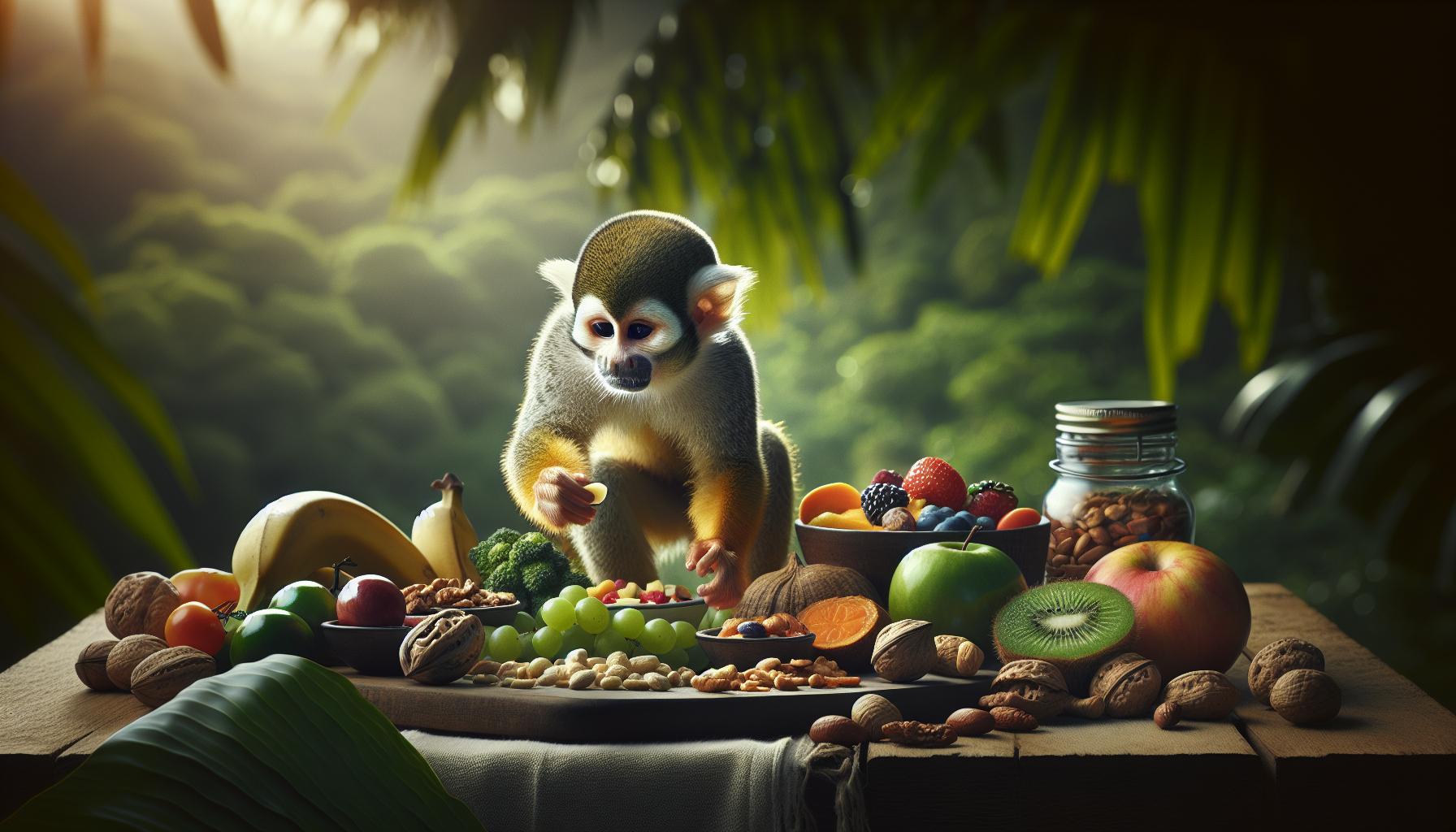
Squirrel monkeys thrive on a rich blend of nutrients that fuel their active lifestyles and support their health in the lush habitats of Central and South America. These small primates have evolved to depend on a diverse diet, primarily composed of fruits, but they require much more than just sweet offerings to maintain optimal health. Providing essential nutrients in their diet helps support their energy levels, immune function, and overall well-being.
Key nutrients that are vital for squirrel monkeys include:
- Carbohydrates: Found predominantly in fruits, carbohydrates are crucial for energy. Squirrel monkeys favor ripe fruits like bananas, berries, and figs, which provide necessary sugars to sustain their active foraging and social behaviors.
- Proteins: Essential for growth, repair, and maintenance of body tissues, proteins are often sourced from insects and occasionally small vertebrates. Insects like crickets and beetles are excellent protein sources that mimic what squirrel monkeys might consume in the wild.
- Fats: Healthy fats are important for energy storage and nutrient absorption. While squirrel monkeys do not eat high-fat foods regularly, small amounts of nuts can be included in their diet for a balanced fat intake.
- Vitamins and Minerals: These micronutrients are essential for various bodily functions, including immune response and bone health. Leafy greens and certain fruits provide a range of vitamins, such as vitamin C and vitamin A, along with minerals like calcium and potassium.
To ensure that pet squirrel monkeys stay healthy, it’s crucial to replicate this diverse diet as closely as possible. A well-rounded meal plan can include a variety of fruits, vegetables, protein sources like insects, and the occasional nut. However, moderation is key, as obesity and related health issues can arise from an unbalanced diet. Avoid feeding them too many sugary fruits, and always ensure they have access to fresh water.
Understanding these nutritional needs is essential not only for the health of squirrel monkeys in captivity but also highlights the importance of preserving their natural habitats where they play a key role in the forest ecosystem.
Insects and Protein Sources: A Vital Component
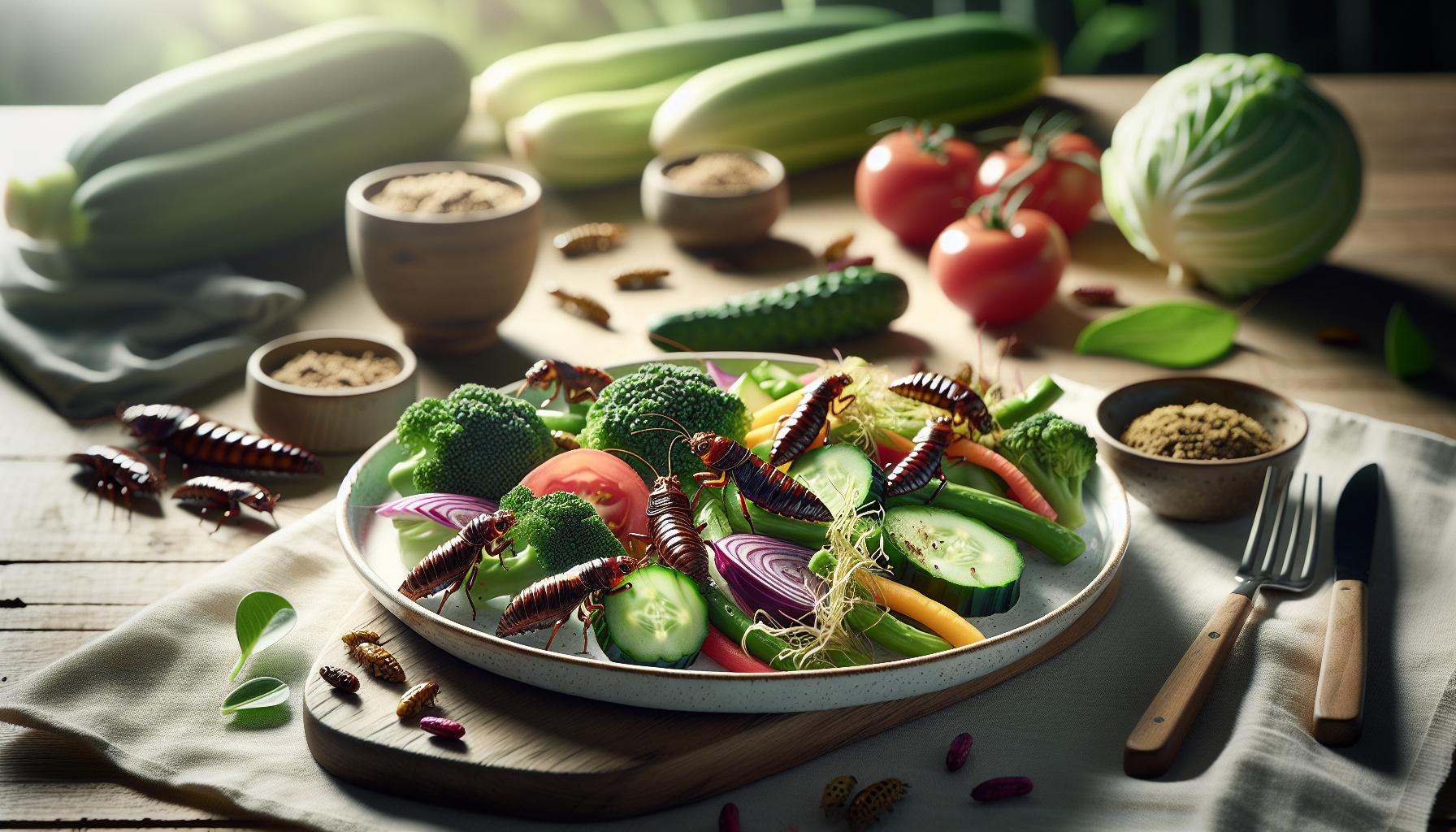
In the vibrant world of squirrel monkeys, protein is more than just a dietary need-it’s a vital component that fuels their energy and supports their playful antics. While these small primates are often seen munching on juicy fruits in the canopies of Central and South American forests, they also eagerly seek out insects and other protein-rich foods to balance their diet. In fact, in the wild, a significant part of their nutritional intake comes from a variety of insects, including crickets, caterpillars, and beetles, which provide the essential amino acids necessary for their growth, repair, and overall maintenance.
Insects not only supply protein but are also rich in other important nutrients. Incorporating these sources into their diet helps squirrel monkeys maintain muscle mass, supports their immune system, and contributes to healthy skin and fur. Interestingly, the varied dietary habits of squirrel monkeys highlight their adaptability; they will adjust their foraging strategies based on seasonal availability, showcasing their keen ability to thrive in diverse environments. For those caring for pet squirrel monkeys, offering insects as a part of their diet-whether freeze-dried, live, or commercially available insect snacks-can replicate this natural feeding behavior.
Choosing the Right Protein Sources
When considering protein options for captive squirrel monkeys, it’s important to provide a mix that closely resembles their wild counterparts. Here are some excellent choices:
- Crickets: These are a popular choice, easy to find in pet stores, and they offer a crunchy texture that many monkeys enjoy.
- Mealworms: High in protein and fat, mealworms are another tasty treat, but should be given in moderation due to their fat content.
- Beetles: Varieties like the darkling beetle can be beneficial, adding diversity to their menu.
- High-quality primate pellets: Many commercial pet foods are fortified with additional proteins and can serve as a convenient base diet.
Remember to balance these protein sources with the fruits and vegetables that they love. Too much protein can lead to health issues, so moderation is key. By creating a varied diet, you ensure your squirrel monkey receives the broad spectrum of nutrients needed to thrive, mirroring their natural lifestyle while providing them with the care and attention they deserve.
How to Create a Balanced Diet for Pet Squirrel Monkeys
Creating a nutritious and balanced diet for pet squirrel monkeys is key to ensuring their health and well-being. These enchanting primates thrive on a varied diet that mirrors their natural foraging habits in the wild. Think of balancing their meals as crafting a colorful tapestry – every food item contributes to their overall health and happiness. A well-rounded diet typically consists of a mix of fruits, vegetables, protein sources, and enriched pellets, reflecting the diverse diet they would encounter in their native habitats of Central and South America.
To begin with, fruits play a central role in their diet, providing the sugars and hydration necessary for energy. Common choices include bananas, mangoes, berries, and apples. It’s important to serve these in moderation to avoid excess sugar. Vegetables should also be included, with options such as carrots, leafy greens, and sweet potatoes enhancing their intake of vital nutrients. This mix not only adds variety but also stimulates their curiosity and encourages foraging behaviors.
A crucial part of their diet is protein, which can be provided through various sources. Offering insects like crickets and mealworms can imitate the protein-rich components of their wild diet. It’s important to note that while protein is essential, it should be balanced with the right amount of carbohydrates and fats to maintain overall health. Commercially available primate pellets can supplement their diet significantly, as these are often fortified with vitamins and minerals tailored to meet their nutritional needs.
Portion control is imperative; adult squirrel monkeys usually require around 10-15% of their body weight in food daily. Observing their eating habits can provide clues on whether adjustments are needed. If they are leaving food behind, reducing portion sizes may help avoid waste. Alternatively, if they seem constantly hungry, it might be worth increasing their intake slightly, always keeping in mind the quality of the food being offered.
Finally, creating an engaging feeding environment can enhance their mental stimulation. For example, hiding their food in toys or scattering it around their habitat encourages natural foraging behaviors, offering both physical exercise and mental challenges. By taking the time to consider their dietary needs and the environment in which they eat, you will not only nourish your pet squirrel monkey but also enrich their lives, leading to a happier and healthier companion.
Common Feeding Mistakes to Avoid
Feeding a squirrel monkey can be a delightful experience, but it’s easy to fall into common pitfalls that could negatively impact their health and happiness. Many pet owners unknowingly give their furry friends the wrong types of food or inappropriate amounts. This can lead to imbalances that not only affect physical health but also diminish their spirited personalities. Being aware of these complexities is crucial for nurturing a thriving and vibrant companion.
One prevalent mistake is overreliance on high-sugar fruits. While fruits like bananas and mangoes are tasty and provide essential vitamins, they also contain significant amounts of sugar that can contribute to obesity and related health issues if overfed. Instead, offering a variety of fruits in moderation-like berries, apples, and seasonal fruits-can help maintain their energy levels without tipping the sugar scale. Encourage creativity in their diet by rotating their fruit options weekly to ensure nutritional diversity.
Another common error is neglecting the need for protein. While squirrel monkeys are primarily frugivorous, they require a protein component in their diet, which can come from insects like crickets or mealworms. Skipping out on this essential nutrient can lead to lethargy and other health problems. Moreover, feeding them primarily pellets that lack variety could miss important nutritional marks. Look for quality primate pellets that are well-balanced and fortified, but always accompany them with fresh produce and live insects for a more holistic diet.
Portion control also plays a vital role; many owners mistakenly overfeed, thinking it’s a sign of love. However, adult squirrel monkeys need only about 10-15% of their body weight in food daily. Monitor their eating habits carefully, adjusting serving sizes based on whether food is being consistently left uneaten or if they seem constantly hungry. Lastly, ensure any new foods are introduced gradually to avoid gastrointestinal upset, keeping a close eye on how they react to prevent unnecessary dietary distress.
Understanding these feeding mistakes is the first step to forging a healthy partnership with your furry companion. By providing balanced, fresh, and varied diets-while steering clear of common pitfalls-you can help ensure that your squirrel monkey enjoys a long, healthy life brimming with vitality and joy.
The Impact of Diet on Squirrel Monkey Health
Squirrel monkeys are known for their vibrant personalities and lively antics, but did you know that their health is deeply tied to what they eat? Just like in humans, a balanced diet is crucial for maintaining their physical well-being and preventing various health issues. The right nutrition supports their immune system, enhances metabolic functions, and promotes overall vitality. With a diet rich in essential nutrients, these playful primates can thrive both in the wild and in captivity.
The Importance of Nutritional Balance
A well-rounded diet for squirrel monkeys includes a mix of fruits, vegetables, and proteins. Without this balance, they can face health challenges ranging from obesity to nutritional deficiencies. For example, overconsumption of high-sugar fruits can lead to obesity, which is linked to diabetes and heart disease in these little monkeys. It’s essential to monitor their intake and ensure variety in their diet. Include foods that are lower in sugar, such as berries and leafy greens, to maintain their energy levels while minimizing health risks.
Recognizing Signs of Dietary Issues
Observing your squirrel monkey’s behavior and physical condition can provide key insights into their dietary health. Changes such as lethargy, changes in fur texture, or digestive issues might signal that something is off in their nutrition. For instance, a lack of protein can cause weakness and lethargy, while an excess of sugary fruits can lead to erratic energy levels. Regular veterinary check-ups and a well-planned feeding regimen can help prevent these issues.
Long-Term Impact of Diet
The impact of diet on the long-term health of squirrel monkeys cannot be overstated. A poor diet may lead to chronic health problems that affect their lifespan and quality of life. By providing a varied diet that includes adequate protein sources like insects, nuts, and specially formulated primate pellets, owners can ensure their squirrel monkeys remain active and well-adjusted. Engaging your pet during feeding times with enrichment activities can also enhance their mental well-being, making mealtime a stimulating experience.
In summary, understanding the impact of diet on your squirrel monkey’s health is crucial for nurturing a happy and vibrant pet. Pay close attention to their nutritional needs, keep an eye out for signs of dietary imbalance, and create a feeding plan that promotes longevity and joy in their everyday life. Your commitment will help foster a strong, healthy bond with your furry friend, reflecting the vitality that characterizes these remarkable creatures.
Seasonal Diet Changes: What You Need to Know
When it comes to the dining habits of squirrel monkeys, their food preferences can change with the seasons, reflecting the natural rhythms of their tropical habitats. These agile little primates are not just picky eaters; they are opportunistic and adaptable, making the most of the varying resources available throughout the year. Understanding how their diet shifts can help anyone caring for these charming creatures, ensuring that their nutritional needs are met in a balanced manner.
In the wild, squirrel monkeys primarily consume a variety of fruits, insects, and sometimes small vertebrates. As seasons change, so too does the availability of these foods. During the rainy season, for instance, there might be an abundance of ripe fruits such as figs and berries, which squirrel monkeys relish. In contrast, the dry season might lead them to rely more on their foraging skills to find hidden insect snacks or nuts that provide essential fats and proteins. This seasonal variability drives them to explore different feeding grounds, showcasing their adaptability in searching for food.
To mimic this diversity in a captive setting, pet owners should aim to replicate these seasonal changes. Incorporating a wide range of fruits and vegetables, such as seasonal berries in summer and root vegetables in winter, can enhance a pet squirrel monkey’s diet. It’s important to observe which foods excite their interest during different times of the year and to introduce new items gradually, keeping their diet flavorful and stimulating. Additionally, consider enrichment activities, like hiding food or providing puzzle feeders, to mimic the searching behavior they would naturally exhibit in the wild.
Remember, maintaining a balanced diet year-round is key. Monitoring your squirrel monkey’s health and behavior as their diet shifts with the seasons will help ensure they remain healthy and vibrant. Providing variety not only keeps mealtime enjoyable but also enhances their overall well-being, reflecting the lively, curious nature that defines these fascinating animals. With attentive care, you can foster an environment that mirrors their wild habits, promoting physical health and mental engagement.
Comparison: Wild vs. Captive Squirrel Monkey Diets
Squirrel monkeys are true foragers, adapting their diets based on the ever-changing availability of resources in their tropical habitats. In the wild, they enjoy a diverse menu packed with fruits, insects, and the occasional small vertebrate. However, when it comes to captivity, the diet can differ significantly. Understanding these differences is vital for anyone looking to provide optimal care for these lively primates.
In their natural environment, squirrel monkeys consume a broad variety of foods that can influence their health and behavior. They primarily forage for nutrient-dense fruits like figs and berries, which provide high sugar and vitamin content, essential for their energy levels. Alongside fruits, they hunt for insects, offering a crucial source of protein and fats. These dietary patterns are influenced by seasonal changes and the need to explore various foraging grounds. In contrast, captive squirrel monkeys often rely on a fixed diet provided by their owners. While this can be convenient, it sometimes lacks the nutritional balance and variability they would naturally encounter.
To bridge this gap, it’s important for owners to incorporate a more diverse diet that mirrors what wild squirrel monkeys consume. Here are some practical comparisons to consider:
| Wild Diet | Captive Diet |
|---|---|
| Variety of seasonal fruits (e.g., figs, berries) | Commercial fruit mixes |
| Insects, providing protein and healthy fats | Occasional mealworms or protein supplements |
| Natural foraging behavior, exploring different habitats | Specific feeding locations with limited exploration |
| Root vegetables and nuts based on seasonal availability | Standard vegetables and grains |
By ensuring the diet of captive squirrel monkeys includes a mixture of fruits (both fresh and seasonal), insects, and varied protein sources, caregivers can help foster their natural behaviors and nutritional needs. Incorporating foraging activities, like hiding food throughout their habitat or providing puzzle feeders, can simulate the foraging behaviors seen in the wild. This not only promotes physical health but also enriches their environment, catering to their curious nature.
Ultimately, while captive squirrel monkeys may adapt to a more static diet, striving to emulate their wild counterparts’ diverse and seasonal eating habits can lead to healthier, happier animals. By keeping their diet varied, exciting, and as close to their natural preferences as possible, you can support their overall well-being and foster a more engaging life in captivity.
Enrichment Ideas for Diet and Feeding Time
Squirrel monkeys are not just adorable; they are also incredibly intelligent and curious creatures that thrive on stimulation, especially during feeding time. To create an enriching experience, consider incorporating a variety of feeding techniques that mimic their natural foraging behaviors. This approach not only keeps them engaged but also promotes their physical and mental well-being.
One excellent way to enhance feeding time is through the use of puzzle feeders. These devices can hold treats and require the monkey to solve a challenge to access the food inside. For instance, you can use a cardboard box with small holes, allowing monkeys to use their dexterous fingers to explore and retrieve the snacks. This method replicates the search and foraging activities they would naturally engage in the wild, making the experience both fun and beneficial.
Another idea is to scatter food throughout their habitat rather than presenting it all in one place. This encourages the monkeys to move around and explore their environment as they search for hidden goodies. You might place pieces of fruit in different locations or embed insects in foliage to create an interactive treasure hunt. This not only addresses their natural instincts but also helps to promote physical activity, which is vital for their health.
Additionally, introducing seasonal variations can keep their diet exciting. For example, during certain times of the year, you could offer local fruits that are ripe and varied, showing the seasonal diversity they would encounter in the wild. It’s also beneficial to rotate the types of fruits and vegetables you offer regularly, maintaining an element of surprise and ensuring a broad spectrum of nutrients.
Lastly, consider setting up social feeding opportunities. Squirrel monkeys are highly social animals, and shared feeding times can strengthen their bonds. Group feeding sessions or communal foraging not only encourage teamwork but also mimic their natural social structures, enriching their interactions.
By integrating these dynamic feeding strategies, you can significantly enhance your pet squirrel monkey’s environment, making it more engaging and reflective of their wild lifestyle. Not only will this encourage healthy behavior and nourishment, but it will also provide endless entertainment for both the monkeys and their human caregivers.
Local Fruits and Vegetables: Good Options for Pet Owners
Squirrel monkeys thrive on a diverse diet in the wild, primarily consisting of fruits, insects, and foliage. However, to replicate that experience at home, pet owners can harness the bounty of local produce, which provides not only nutrition but also excitement and variety to mealtimes. Offering locally sourced fruits and vegetables allows you to cater to your pet squirrel monkey’s natural instincts while ensuring that they receive essential vitamins and minerals.
One of the best practices is to explore the local farmers’ markets or grocery stores for seasonal produce, which can be both fresh and safe for consumption. Local fruits that are generally well-received by squirrel monkeys include:
- Bananas: A favorite among many monkeys, bananas offer potassium and easy digestibility.
- Apples: Sliced apples provide a crunchy texture and hydration, while also being a great source of fiber.
- Grapes: These bite-sized treats are juicy and enjoyable, making them a great snack.
- Pineapple: Sweet and tangy, fresh pineapple can be an exotic addition that many squirrels love.
- Melons: Watermelon and cantaloupe are hydrating fruits packed with vitamins.
Vegetables also play an important role in your squirrel monkey’s diet. Options such as carrots, bell peppers, and leafy greens like kale or spinach can contribute significant nutrients. Just remember to avoid starchy vegetables like corn and potatoes, which should only be offered sparingly, as they can lead to overweight issues if consumed in excess.
Incorporating a mix of these fruits and vegetables not only meets nutritional needs but also engages natural foraging behaviors. By rotating produce each week, you keep the diet exciting while ensuring exposure to various nutrients. Be mindful to wash all fruits and vegetables thoroughly to remove any pesticides or chemicals, adhering to a safe and healthy feeding regimen.
Creating a balanced and engaging diet for your pet squirrel monkey using local produce doesn’t just support their health; it also mirrors their foraging instincts. As you introduce new items to their menu, you will likely find that your curious companion will be eager to explore these tasty additions, enriching both their meals and their daily lives.
Frequently asked questions
Q: What fruits can Squirrel Monkeys eat?
A: Squirrel monkeys enjoy a variety of fruits, such as bananas, mangoes, and papayas. These fruits provide essential vitamins and energy. It’s important to wash all fruits thoroughly and offer them in moderation to avoid excessive sugar intake.
Q: How often should I feed my pet Squirrel Monkey?
A: You should feed your pet squirrel monkey twice a day, providing fresh fruits and vegetables along with a balanced diet of insects and nuts. Adjust portion sizes based on your monkey’s age, weight, and activity level to maintain health.
Q: Can Squirrel Monkeys eat vegetables?
A: Yes, Squirrel monkeys can eat a variety of vegetables including carrots, leafy greens, and bell peppers. These veggies provide necessary fiber and nutrients, so they should be included as part of a balanced diet, alongside fruits and protein sources.
Q: Are there any foods that Squirrel Monkeys should avoid?
A: Avoid feeding Squirrel monkeys caffeine, chocolate, and highly processed foods. These can be harmful to their health. Focus on fresh fruits, vegetables, and specially formulated monkey pellets for proper nutrition.
Q: How can I ensure a balanced diet for my Squirrel Monkey?
A: To ensure a balanced diet, combine fresh fruits, vegetables, and protein sources like insects or cooked eggs. Monitoring nutrient intake is essential; consider consulting an exotic pet vet for tailored dietary advice.
Q: Do Squirrel Monkeys eat insects?
A: Absolutely! Squirrel monkeys often eat insects in the wild, such as crickets and caterpillars, providing essential protein. For pets, you can occasionally offer mealworms or crickets as a nutritious treat.
Q: What are the signs of a poor diet in Squirrel Monkeys?
A: Signs of a poor diet in Squirrel monkeys include malnutrition, lethargy, and gastrointestinal issues. Monitor their behavior and health closely; consult a veterinarian if you notice significant changes.
Q: Can Squirrel Monkeys eat nuts and seeds?
A: Yes, Squirrel monkeys can have nuts and seeds, but these should be offered in moderation due to high-fat content. Opt for unsalted and unprocessed options to promote their health.
Concluding Remarks
Now that you understand the essential elements of a squirrel monkey’s diet, you’re equipped to ensure these fascinating creatures thrive in your care. Remember, offering a balanced diet rich in fruits, nuts, and insects is vital for their health and happiness. If you’re thinking about caring for a squirrel monkey, don’t skip our guides on Squirrel Monkey Care Essentials and Understanding Their Behavior for comprehensive insights.
Ready to dive deeper into the world of squirrel monkeys and other exotic pets? Explore our resources and join our community of wildlife enthusiasts! Plus, sign up for our newsletter to receive the latest tips, updates, and exclusive content directly in your inbox. Your journey into the fascinating realm of squirrel monkeys is just beginning-let’s continue the exploration together and keep the conversation going!
Get our latest guides, news, and insights highlighted in your Google Search & AI Overviews.