Did you know that prairie dogs play a crucial role in their ecosystems, acting as primary consumers in the food web? These small yet mighty rodents primarily feast on grasses and other leafy plants, contributing to the health of their prairie habitats. Understanding what type of consumer a prairie dog is not only highlights its dietary habits but also sheds light on its vital role in maintaining biodiversity. By exploring the prairie dog’s position in the food web, you can gain insights into the interconnectedness of wildlife and the environment, fostering a greater appreciation for these fascinating creatures. Join us as we delve into the eating habits of prairie dogs and discover how they influence their ecosystems!
Understanding Prairie Dogs: A Unique Perspective
Prairie dogs are fascinating creatures that occupy a unique niche in their ecosystems, primarily functioning as herbivores. These small, social rodents are known for their complex burrowing systems and the distinctive towns they create on the plains of North America. Each prairie dog plays a vital role in transforming their habitat, impacting other species, including plants and animals, along the way. Their diet primarily consists of grasses, roots, and seeds, which they consume while actively foraging in their expansive territories.
As keystone species, prairie dogs significantly influence the dynamics of their ecosystems. By grazing on vegetation, they help maintain the grassland structure, preventing it from becoming overgrown and allowing various plant species to thrive. Their burrowing behavior also aerates the soil, facilitating better water absorption and promoting healthier plant growth. This open, disturbed environment benefits numerous other species, making prairie dog towns hotspots of biodiversity.
In addition to their role as herbivores, prairie dogs serve as a source of sustenance for various predators, such as hawks, coyotes, and badgers. This predator-prey interaction emphasizes their critical position in the food web. Without prairie dogs, the delicate balance of the ecosystem would be disrupted, affecting numerous organisms that either prey on them or depend on the habitats they create. Therefore, understanding prairie dogs’ role as consumers is essential in grasping the broader ecological narratives that weave through the grasslands they inhabit. Their presence embodies the interconnectedness of life, highlighting why their conservation is vital for sustaining rich biodiversity in their habitats.
The Role of Prairie Dogs in the Food Web
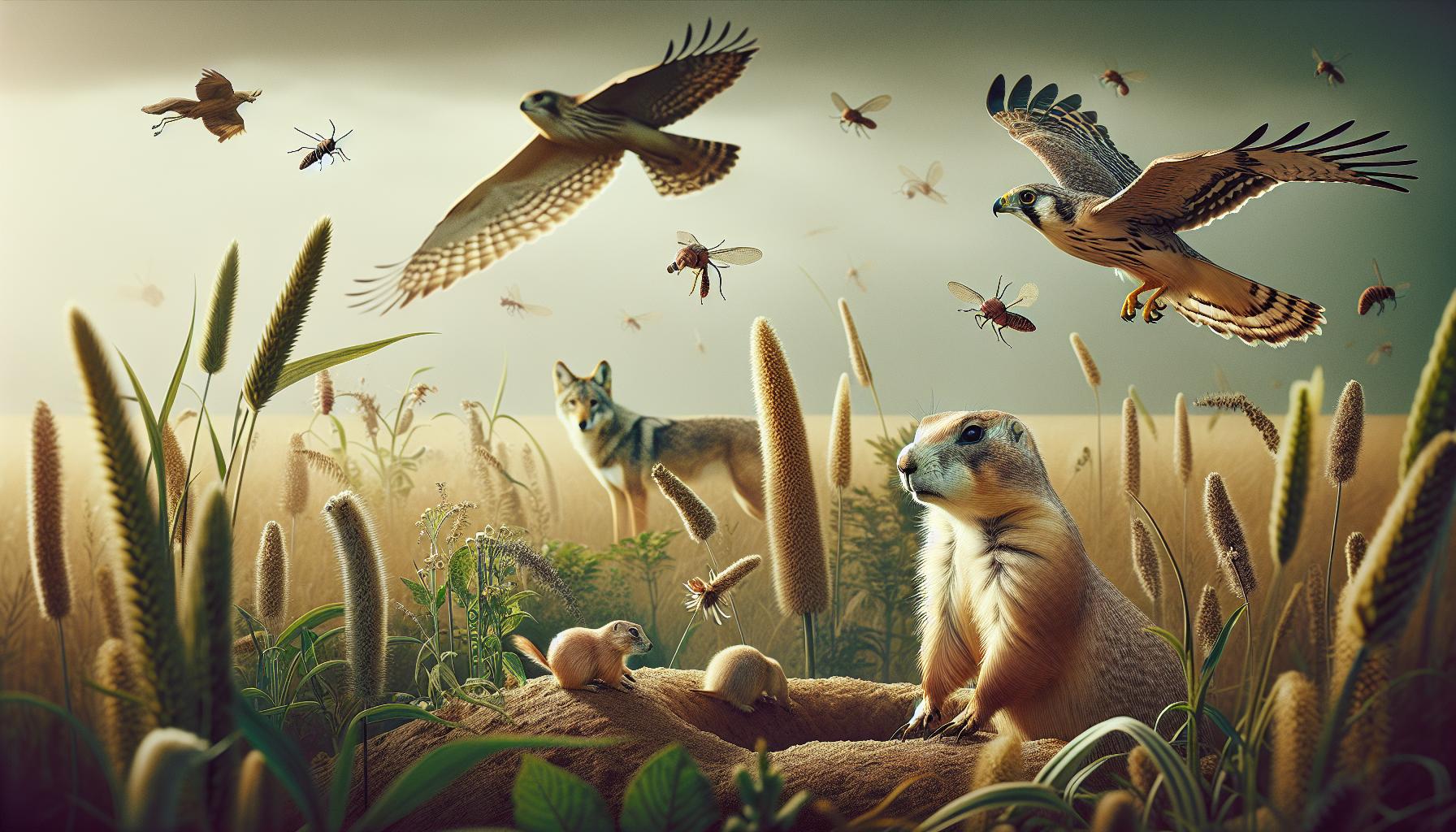
Prairie dogs play an essential role in the food web of North American grasslands, primarily as herbivores. These social rodents have a diet that mainly consists of grasses, roots, and seeds, making them primary consumers. By grazing on vegetation, prairie dogs help maintain the health and diversity of their ecosystem. Their foraging habits prevent certain plant species from dominating the landscape, which creates a more balanced and varied environment that supports a wider array of life. In doing so, they lay the groundwork for a healthy grassland, benefiting other species that rely on the same food source or habitat.
The impact of prairie dogs extends beyond their dietary choices. Their burrowing activities aerate the soil, which enhances water infiltration and encourages plant growth. These burrows provide important shelter for many other species, such as foxes, rabbits, and insects, creating a mini-ecosystem teeming with life. It’s fascinating to think of prairie dog towns not just as homes for these rodents, but as bustling communities that uplift the entire grassland ecosystem. The presence of prairie dogs also influences the behavior and populations of various predators, which rely on them as a key food source. For instance, hawks and coyotes are drawn to prairie dog colonies, creating a dynamic interaction that illustrates the interconnectedness of species within the food web.
To visualize their role, consider this chain: Plants → Prairie Dogs → Predators. This simplistic representation showcases their position as primary consumers, pivotal for both the vegetation and the diversity of herbivores and carnivores in their environment. In summary, prairie dogs are not just food for predators; they act as ecological engineers that shape their habitat, demonstrating why protecting these remarkable animals is crucial for sustaining the health and biodiversity of grassland ecosystems.
Types of Consumers: Herbivore, Carnivore, Omnivore

Prairie dogs are fascinating creatures that play a significant role in the food web as herbivores. These small mammals primarily consume a diet rich in grasses, herbs, and seeds, which allows them to thrive in the diverse ecosystems of North America’s grasslands. Their role as primary consumers means they are essential for transferring energy from green plants to higher levels of the food chain. By feeding on vegetation, prairie dogs help regulate plant growth, preventing certain species from overwhelming others and maintaining a balanced ecosystem that supports various forms of life.
A unique aspect of prairie dogs is their complex social structure and behavior, which enhances their role as herbivores. Living in large colonies known as towns, these rodents engage in cooperative foraging and alert each other to predators. This social behavior not only boosts their survival rates but also creates a dynamic community that enhances the biodiversity of the area. As they graze, prairie dogs create patches of shorter grass, which benefits other herbivores that prefer a variety of vegetation types. Thus, the presence of prairie dogs can directly influence the distribution and abundance of other species sharing their habitat.
While prairie dogs are solely herbivorous, their burrowing activities create a unique mini-ecosystem beneath the soil. The burrows they dig provide shelters for various species, including insects, reptiles, and even larger mammals, contributing to the overall biodiversity of the grassland. As these burrows aerate the soil, they enhance water infiltration and promote plant growth, further enriching their environment. This interconnectedness underscores the concept that while prairie dogs occupy a specific niche as herbivores, they also facilitate the survival of a myriad of other organisms, showcasing the intricate relationships found within grassland ecosystems.
How Prairie Dogs Fit into Ecosystems

Prairie dogs are not just cute, social creatures; they are vital players in the complex tapestry of grassland ecosystems. These small herbivores spend a significant portion of their lives foraging and feeding on grasses, herbs, and seeds. Their role as primary consumers places them at a crucial juncture in the food web, transferring energy from plants to a variety of other organisms higher up the chain. This means that every munch they make on the landscape contributes to the sustenance of not only their own species but also a plethora of predators and scavengers that rely on them for nourishment.
The Ripple Effect of Grazing
By grazing on certain plant species, prairie dogs prevent overgrowth, which can lead to a more diverse vegetation structure. In doing so, they create microhabitats that benefit other herbivores, like pronghorns and bison, that thrive in varied grass types. Additionally, their foraging behavior helps regulate the types of plants that grow, ensuring that no single type dominates the ecosystem. This balance is incredibly important, as a diverse plant community can support a wider array of animal species, thereby enriching the entire grassland habitat.
Prairie dogs are also renowned for their extensive burrowing activities. These burrows serve not only as homes for prairie dogs but also create shelter for a myriad of other species, such as burrowing owls and various insects. The aeration of the soil from burrowing encourages water absorption and enhances nutrient cycling, further promoting plant health and overall ecosystem vigor. Thus, while they occupy a niche as herbivores, their activities help maintain and enhance a dynamic ecosystem that supports countless forms of life.
By studying prairie dog towns, ecologists have observed how these colonies function as hubs of biological activity. They are like bustling cities in the wild, with an intricate social structure that enhances their survival and impacts the ecological community at large. Their presence not only enriches their immediate environment but can also modify it in ways that benefit other species, exemplifying the interconnectedness of all living things in the grasslands. In short, prairie dogs are not just consumers; they are pivotal architects of their ecosystems.
Impact of Prairie Dogs on Vegetation and Soil

The vibrant ecosystems of the grasslands heavily rely on the unique contributions of prairie dogs, whose grazing and burrowing activities profoundly impact both vegetation and soil health. These small, social creatures are not just adorable; they play a pivotal role in shaping their environment. By feeding primarily on grasses, herbs, and seeds, prairie dogs facilitate a healthy balance within plant communities. Their selective grazing prevents any one species from dominating the landscape, promoting biodiversity and creating a variety of plant habitats. This, in turn, supports other herbivores that thrive in diverse environments, such as pronghorns and bison.
Moreover, prairie dog burrows are more than just homes for these little mammals; they create a network of underground tunnels that aerate the soil, enhancing its structure and facilitating water infiltration. This vital aeration helps water reach plant roots more effectively, which is essential for plant vitality, especially during dry spells. The burrowing also contributes to nutrient cycling by mixing organic matter into the soil, making nutrients more available for plant uptake. Every prairie dog town acts like a mini-ecosystem, fostering growth not only for the prairie dogs themselves but for a plethora of other species, including insects and birds that rely on the unique habitat created by these burrows.
Their role in the ecosystem exemplifies a fascinating chain reaction: as prairie dogs graze on vegetation and dig their burrows, they unwittingly provide essential services that maintain the health and productivity of grasslands. By promoting a variety of plant species and enhancing soil quality, prairie dogs ensure that their home remains a thriving habitat for numerous other animals. In essence, these small herbivores are not just consumers; they serve as vital architects maintaining the intricate balance of their ecosystem, demonstrating the deep interconnectedness of life in the prairie. As we strive to understand and conserve these rich habitats, recognizing the impact of prairie dogs is essential to preserving the biodiversity and health of grassland ecosystems.
Predators of Prairie Dogs: Who Are Their Enemies?
Prairie dogs are integral members of their ecosystems, but their lively behavior and charming looks disguise a perilous reality-they are prey for a variety of predators. This constant struggle for survival adds an intriguing layer to their existence. While they play a vital role as herbivores in the food web, they must also navigate the risks posed by various carnivores.
Among the most prominent predators are the black-footed ferrets, which are specialized hunters of prairie dogs. These agile little mammals depend on prairie dog colonies for survival, showcasing the intricate connections within the grassland ecosystem. In addition to ferrets, coyotes and bobcats pose significant threats, using their keen senses and stealthy approaches to catch these quick rodents. Even common birds of prey like hawks and eagles are on the lookout for these small creatures, swooping down from the sky to snag an unsuspecting prairie dog.
Predator Impact on Prairie Dog Populations
The presence of these predators not only affects individual prairie dogs but also helps regulate their populations, fostering a natural balance in the food web. Prairie dogs have developed remarkable adaptations to survive in their environment, including watchful behaviors and alarm calls that alert other members of their colony to danger. For instance, when a predator is sighted, prairie dogs will emit specific alarm calls that signal different levels of threat. This sophisticated communication system not only aids in individual survival but also strengthens the community’s resilience against predation.
Moreover, the relationship between prairie dogs and their predators illustrates the dynamic interplay of different species within their ecosystems. As prairie dogs contribute to soil health and help maintain biodiversity through their grazing habits, they also provide a critical food source for their predators. This interconnectedness emphasizes how the loss of prairie dog populations could disrupt the delicate balance of the grasslands, affecting both flora and fauna.
In summary, while prairie dogs are vital consumers in their ecosystems, they are equally important prey. Through their interactions with a host of predators, they illustrate the complex web of life that defines the grasslands. As we appreciate their role, it becomes clear that the health of these ecosystems relies on maintaining both prairie dog populations and their predators.
The Social Structure of Prairie Dog Colonies
In the world of prairie dogs, social interaction and family bonds play a pivotal role in their survival and community dynamics. These small yet sociable mammals are not just cute inhabitants of the grasslands; they live in structured colonies called “coteries,” which showcase an intricate social organization. Each coterie typically consists of a matriarchal group of closely related females, such as sisters, mothers, and aunts, alongside one or two dominant males. This close-knit family structure allows for efficient cooperation in activities like foraging and defending against predators, enhancing their chances of survival as herbivores in the ever-challenging food web.
Communication within prairie dog coteries is remarkably sophisticated. They use a range of vocalizations to convey specific messages about potential threats, which allows them to alert other members of their community. For instance, certain calls can indicate the type of predator present or its proximity, effectively coordinating their group response. Such complex social behaviors not only aid individual prairie dogs’ safety but also strengthen the entire coterie’s resilience against danger. When one member perceives a threat, the alarm call can trigger a communal response, ensuring that the colony is prepared to react swiftly.
This social structure also makes prairie dogs key players in their ecosystems. Their habits of digging extensive burrows create habitats for other wildlife, while their grazing helps maintain the health of grasslands. The intricate relationships within prairie dog communities exemplify the importance of social dynamics in how species interact within their food web positions. As prairie dogs share their environment with various herbivores, carnivores, and omnivores, their social organization and communication significantly impact the overall ecological balance.
In essence, prairie dogs are more than just consumers in their ecosystems; they are vital social creatures that contribute to biodiversity and the health of their grassland habitats. Their cooperative lifestyles not only fortify their communities against predation but also enhance the richness of the ecosystems in which they thrive. Understanding these social structures gives us a fascinating glimpse into the interconnected web of life that prairie dogs help sustain.
Behavioral Traits and Foraging Habits
Prairie dogs are not just adorable little critters-they are fascinating herbivores with distinct foraging habits that play a crucial role in their grassland ecosystems. These clever creatures have adapted their feeding strategies to thrive in a complex environment filled with both opportunities and challenges. One of their most notable traits is the way they graze selectively on various types of grasses and forbs, which keeps their colonies well-fed and supports the health of the surrounding vegetation.
Foraging is primarily a communal effort within prairie dog colonies. They exhibit remarkable coordination as they venture out in search of food, often forming groups to maximize their foraging efficiency. This behavior not only helps them quickly locate high-quality vegetation but also serves as a defense mechanism. When foraging in groups, prairie dogs can watch out for each other, using a sophisticated system of vocalizations to alert their peers of potential threats from predators. This social foraging is a brilliant example of how teamwork enhances survival for these small mammals in the wild.
Dietary Behavior
Prairie dogs primarily consume a variety of grasses, clover, and other herbaceous plants, but their diet can change with the seasons. During the spring and summer, they indulge in fresh green shoots that provide essential nutrients. In the drier months, they may resort to less desirable forage, showcasing their adaptability. Interestingly, their grazing helps to maintain grassland health by promoting new growth, which benefits numerous other species in the ecosystem.
Their foraging habits are also intertwined with their burrowing activities. The extensive networks of tunnels and burrows they create do not merely serve as homes; they also impact soil structure and nutrient distribution. As prairie dogs dig, they loosen the soil, allowing air and water to penetrate more effectively, which promotes healthier plant growth. This behavior highlights their role as “ecosystem engineers,” demonstrating that their feeding and digging enhance not only their own survival but also that of the broader community of flora and fauna surrounding them.
In summary, prairie dogs exemplify the intricate connections between behavior and ecosystem health. Their foraging strategies and communal dynamics not only sustain their colonies but also play a vital role in shaping the grasslands they call home. Watching a colony of these active creatures as they graze and communicate is not just entertaining; it offers insights into the delicate balance of nature and the importance of each species in maintaining ecological harmony.
Adaptations for Survival in Their Habitat
Prairie dogs are not just entertaining to watch; they are remarkable examples of evolutionary adaptation that allow them to thrive in the challenging environments of North America’s grasslands. These small rodents have developed a sophisticated set of behaviors and physical traits that enhance their survival against a backdrop of predators and harsh weather conditions.
One of the most notable adaptations of prairie dogs is their extensive burrowing system. Their burrows create a complex network below ground that serves multiple purposes. Not only do these tunnels provide shelter from predators and extreme weather, but they also help regulate their temperature. The underground environment is cooler during hot summer days and warmer during cold winter nights, offering refuge that is essential for their survival. Additionally, the burrowing activity aerates the soil, supporting the growth of vegetation that is vital to their herbivorous diet.
Social behavior is another crucial survival tactic. Prairie dogs are highly social animals that live in large colonies known as coteries, which can contain dozens to hundreds of individuals. This social structure plays a key role in their protection against predators. By maintaining a vigilant watch and utilizing a complex system of alarm calls, prairie dogs can quickly alert one another to danger. The varied vocalizations they use are specifically tuned to different threats, indicating not just the presence of an enemy but also the type of predator approaching, allowing their fellow colony members to respond swiftly and appropriately.
Moreover, prairie dogs exhibit a remarkable adaptability in their foraging habits, adjusting their diets based on seasonal availability. They primarily consume grasses and herbs but can shift to less desirable food sources during times of scarcity. This flexibility allows them to survive in fluctuating environments and maintain their nutritional needs despite challenges. Their grazing behavior also benefits the ecosystem, promoting diverse plant growth that supports other wildlife.
Through these adaptations-burrowing for safety, vigilant social structures, and flexible feeding strategies-prairie dogs exemplify resilience in the face of ecological challenges. Observing these fascinating creatures in their natural habitat not only highlights their intelligent adaptations but also underscores their role in maintaining ecological balance, making them essential players in the ecosystems where they thrive.
Conservation Status: Threats and Protection Efforts
Prairie dogs, integral to their ecosystems as herbivores, face significant conservation challenges that threaten their populations and the roles they play in the grasslands. Their conservation status varies by species, with some like the Utah prairie dog classified as federally threatened, primarily due to habitat loss, disease, and human encroachment. Urban development and agricultural expansion fragment their habitats, making it increasingly difficult for prairie dog colonies to thrive. These small mammals are critical participants in the food web, serving not only as grazers but also as a food source for various predators ranging from coyotes to hawks.
The primary threats to prairie dogs can be categorized as follows:
- Habitat Loss: As cities expand and agricultural practices intensify, the natural grasslands where prairie dogs reside are shrinking. This loss eliminates their burrowing habitat, essential for their survival.
- Diseases: Prairie dogs are susceptible to several diseases, such as sylvatic plague, which can devastate populations rapidly. Effective management strategies are crucial to control outbreaks.
- Human Persecution: Misunderstood as pests, prairie dogs are often targeted for eradication on private lands. Their burrowing can be seen as a threat to livestock grazing.
In terms of protection efforts, several initiatives aim to conserve both prairie dogs and their habitat. Organizations and government agencies have implemented various measures, including:
- Legal Protection: Species like the Utah prairie dog benefit from protections under the Endangered Species Act, which restricts harmful activities within their habitats.
- Habitat Restoration: Efforts to restore and conserve grassland habitats are vital. This can involve removing invasive species and promoting natural vegetation that supports prairie dog populations.
- Public Awareness Campaigns: Educating the public about the ecological importance of prairie dogs helps promote coexistence strategies that allow these animals to thrive alongside human activities.
By understanding the threats to prairie dogs and supporting conservation efforts, everyone can play a part in maintaining the delicate balance of their ecosystems. These lively creatures are not just a quirky part of the landscape; they are essential to the health of grasslands, contributing to biodiversity and soil health that ultimately benefits many other species, including ourselves.
The Importance of Prairie Dogs for Biodiversity
These fascinating creatures are more than just cute residents of the grasslands; they play a crucial role in maintaining ecological balance and enhancing biodiversity. Prairie dogs are herbivores that feed on grasses and other vegetation, and in doing so, they create a unique niche within the food web. Their foraging habits stimulate new plant growth, which in turn supports a variety of other wildlife. By burrowing, they aerate the soil and promote water retention, enhancing the overall health of their habitat. This intricate relationship underscores why the presence of prairie dogs is vital for sustaining the rich biodiversity found in their environments.
The effects of prairie dogs extend well beyond their immediate actions. Their colonies serve as vital ecosystems for numerous other species. Over 170 species, including birds, mammals, and reptiles, rely on prairie dog towns for food, shelter, and breeding grounds. For instance, the burrowing owl, a predator that preys on insects and small mammals, often takes advantage of abandoned prairie dog burrows for nesting. Additionally, prairie dogs enhance the fertility of the land: by grazing, they allow sunlight to reach the soil and promote the growth of a varied plant community that supports many other life forms. This cascade of benefits illustrates their role as a keystone species within prairie ecosystems.
Unfortunately, the decline of prairie dog populations poses a significant risk to the biodiversity of these areas. Habitat loss and human activities threaten their existence and, by extension, the myriad species that depend on them. Conservation efforts focusing on habitat protection and restoration are essential to ensure that these vibrant communities can continue to thrive. By advocating for the protection of prairie dogs and understanding their importance in the larger ecological context, we can contribute to the preservation of these essential grassland habitats, ensuring that the vibrant tapestry of life they support remains intact for future generations.
Interesting Facts About Prairie Dogs and Their Ecology
Did you know that prairie dogs are not actually dogs but rather a type of squirrel? These small mammals exhibit fascinating social behaviors and play an essential role in their ecosystems as herbivores. By feasting on grasses, plants, and even some seeds, prairie dogs help shape their environment in ways that benefit countless other species. Their grazing stimulates plant growth and creates open areas that are critical for the health of grassland habitats.
One of the most intriguing aspects of prairie dog ecology is their communication system. They have a complex range of vocalizations-some researchers describe it as a language of their own. These sounds serve various purposes, including alerting other prairie dogs to the presence of predators. The ability to convey specific details about the type of predator and its location highlights their adaptive strategies for survival. Filtering out threats allows these little rodents to thrive in a risky environment, making them not just important consumers, but key players in the dynamics of the grassland ecosystem.
In addition to their role as grazers, prairie dog colonies are bustling hubs of biodiversity. Over 170 species, from burrowing owls to various reptiles, depend on prairie dog towns for shelter and sustenance. This interconnection underscores the prairie dog’s status as a keystone species. When prairie dogs dig their extensive burrow systems, they aerate the soil, allowing rainwater to penetrate more deeply and helping to sustain plant life. By facilitating such ecological processes, prairie dogs indirectly support a wealth of biodiversity, making them significant contributors to their habitats.
However, prairie dogs face numerous threats from habitat loss to disease and human encroachment. Protecting these remarkable creatures is vital-not only for their own survival but for the health of the entire ecosystem they support. By understanding their role as consumers and their intricate connections within the food web, we can better appreciate the importance of preserving these vibrant grassland communities.
Frequently Asked Questions
Q: What type of consumer is a prairie dog?
A: Prairie dogs are primary consumers in the food web, primarily feeding on grasses and other vegetation. This makes them essential for linking primary producers to higher-level consumers in their ecosystem.
Q: How do prairie dogs fit into the food web?
A: Prairie dogs serve as a critical link in the food web by consuming plant matter and providing food for various predators, including black-footed ferrets. Their activities also help in nutrient cycling and soil aeration.
Q: What do prairie dogs eat as primary consumers?
A: Prairie dogs primarily eat grasses, leafy vegetation, and herbs, making up 70-95% of their diet. This herbivorous diet is crucial for maintaining the health of their grassland habitats.
Q: Why are prairie dogs important in their ecosystems?
A: Prairie dogs play a vital role in their ecosystems by promoting biodiversity, improving soil health through their burrowing behaviors, and providing habitat for other species. Their presence contributes significantly to the overall health of grassland ecosystems.
Q: What are the predators of prairie dogs?
A: Predators of prairie dogs include birds of prey, coyotes, badgers, and black-footed ferrets, which rely on them as a primary food source. The interactions with these predators help maintain the balance in the food web.
Q: How do prairie dogs impact grassland vegetation?
A: Prairie dogs significantly impact grassland vegetation through grazing, which helps control the growth of certain plant species and promotes a diverse plant community. Their burrowing also facilitates water retention and seed dispersion.
Q: What is the conservation status of prairie dogs?
A: Prairie dogs face threats such as habitat loss and disease, leading to population declines. They are currently considered a species of concern in many areas due to their ecological importance and declining habitats.
Q: How do prairie dogs adapt to their environment?
A: Prairie dogs have several adaptations, including their social structures and burrowing habits, which provide protection from predators and harsh weather conditions. Their foraging behavior adapts to seasonal changes in food availability.
For further insights on prairie dogs and their ecological roles, explore sections on their social structure and foraging habits in our article.
The Way Forward
In conclusion, understanding the role of prairie dogs as herbivores in their food web is crucial for grasping their ecological significance. These fascinating creatures not only contribute to the health of their habitat but also support a wide range of wildlife. If you’re intrigued by their behaviors and social structures, check out our posts on the social dynamics of prairie dog colonies and tips for living harmoniously near these remarkable animals.
Don’t miss out on more captivating wildlife insights! Sign up for our newsletter to receive updates and deepen your understanding of prairie dog conservation and care. As you continue exploring, consider how these social animals shape their ecosystem and the steps we can take to protect their habitats. Share your thoughts in the comments below-let’s keep the conversation going!
Get our latest guides, news, and insights highlighted in your Google Search & AI Overviews.