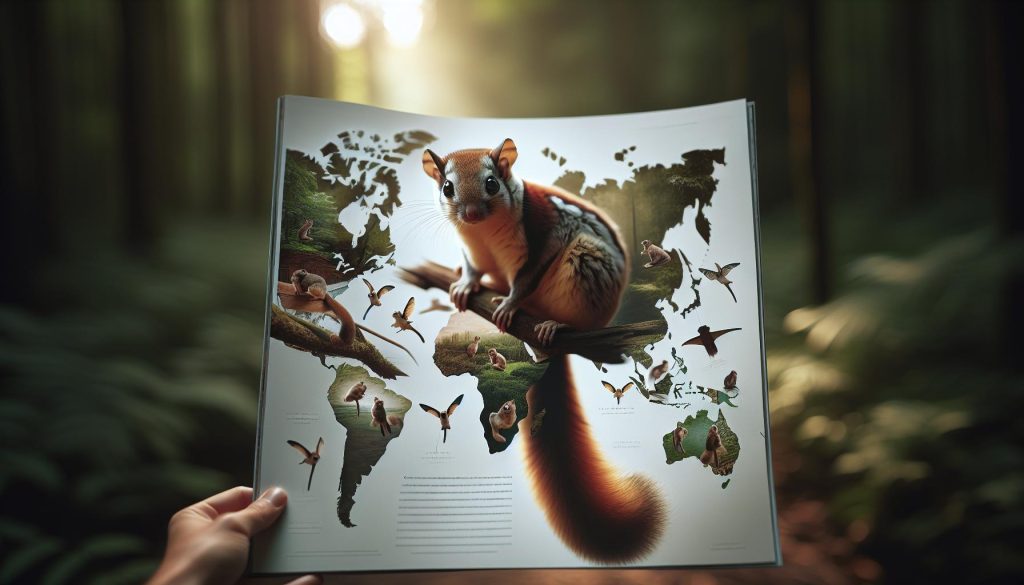
Did you know that flying squirrels can glide up to 150 feet thanks to a specialized membrane between their limbs? These fascinating creatures are not only an amazing testament to nature’s ingenuity but also serve vital roles in their ecosystems. This article dives into the global distribution of flying squirrels, exploring where these enchanting animals can be found across the world. From the dense forests of North America to the tropical woodlands of Southeast Asia, understanding their habitats enhances our appreciation of biodiversity. As you journey through their ranges, you’ll uncover the unique differences between species and their adaptations to specific environments. Join us in navigating this intriguing world and discover why flying squirrels are more than just cute, nocturnal creatures-they’re essential players in their habitats. Your curiosity about where these remarkable animals thrive will enhance not just your knowledge, but also your respect for wildlife conservation. Ready to explore their global map? Let’s take flight!
Where Do Flying Squirrels Live Globally?
Flying squirrels, often mistaken for their terrestrial relatives, have a fascinating global distribution that intrigues wildlife enthusiasts and casual observers alike. These nocturnal creatures primarily inhabit forested areas, flourishing in regions where tall trees provide ample space for their remarkable gliding abilities. From the lush rainforests of Southeast Asia to the temperate woodlands of North America, flying squirrels have adapted to a variety of habitats, showcasing their versatile lifestyle.
In North America, the Southern flying squirrel (Glaucomys volans) is widespread, commonly found in deciduous forests from southern Canada to Florida. Their habitat typically includes mature hardwoods, which offer a rich supply of food and nesting sites in tree cavities. Meanwhile, the Northern flying squirrel (Glaucomys sabrinus) resides in the boreal forests of Canada and the northeastern United States, often preferring coniferous tree species that provide a different ecological niche.
Key Habitats Around the World
Flying squirrels can also be found in parts of Asia, including the Indian flying squirrel (Petaurista philippensis), which mingles in tropical and subtropical forests, showcasing the adaptability of these creatures. Other species, like the Japanese giant flying squirrel (Petaurista leucogenys), thrive in the diverse ecosystems of Japan, often residing in forested hills and mountainous areas with plentiful vegetation.
Their distribution is influenced not only by environmental factors but also by the availability of food sources, such as fruits, nuts, and fungi. This dietary preference drives their need for expansive habitats with diverse flora. Interestingly, urban expansion has brought some flying squirrel species closer to human populations, where they adapt to suburban parks and wooded areas interspersed with urban development.
In summary, the global reach of flying squirrels highlights their ecological adaptability and the significance of preserving their varied habitats. Understanding where these charming creatures thrive is essential for their conservation, encouraging us to consider the impacts of habitat loss and encourage efforts to maintain their natural environments.
The Different Species of Flying Squirrels
Flying squirrels are a delightful and diverse group of creatures, comprising over 50 species spread across the globe, each adapted to their unique environments. With their large eyes, soft fur, and most notably, their wing-like patagia (flaps of skin that stretch from their wrists to their ankles), these nocturnal animals exhibit fascinating differences that make them intriguing to both wildlife enthusiasts and casual observers alike. Let’s explore some of the prominent species and their habitats.
Among the most well-known species is the Southern Flying Squirrel (Glaucomys volans), native to North America. This small, agile creature thrives in deciduous forests, where it can glide gracefully between trees to avoid predators and search for food. They are often seen in parks and suburbs, showcasing their adaptability to urban environments. Meanwhile, the Northern Flying Squirrel (Glaucomys sabrinus), typically found in Canada and the northeastern U.S., prefers boreal forests, often clinging to coniferous trees that provide ample shelter and food sources.
Across the ocean, Petaurista species are particularly fascinating. The Indian Flying Squirrel (Petaurista philippensis) is found in various tropical and subtropical forests across the Indian subcontinent, displaying a remarkable ability to inhabit a range of elevations, from lowland forests to mountainous regions. The Japanese Giant Flying Squirrel (Petaurista leucogenys), one of the largest of the flying squirrels, inhabits the dense, forested hills of Japan. This species, with its impressive size and long tail, has a crucial role in the local ecosystem, often serving as an indicator of forest health.
In addition to their striking physical adaptations, flying squirrels exhibit diverse behaviors that aid in their survival. For example, many species are social and live in small family groups, which can enhance their foraging efficiency and increase vigilance against predators. Their diets primarily consist of fruits, nuts, and fungi, necessitating a habitat rich in flora to provide sufficient food sources.
These different species highlight the incredible adaptability of flying squirrels across various habitats around the world, demonstrating how these charming mammals have evolved to thrive in their respective environments while facing the challenges of changing landscapes and human activity. Understanding these species can deepen our appreciation of their role in ecosystems and inform conservation efforts to protect their habitats.
Understanding Their Natural Habitat
Flying squirrels are particularly fascinating not only for their ability to glide but also for the diversity of habitats they occupy around the globe. These enchanting nocturnal creatures thrive in environments ranging from dense forests to urban parks, showcasing a remarkable adaptability that helps them survive in varying conditions.
In North America, the Southern Flying Squirrel (Glaucomys volans) is commonly found in deciduous forests, where the lush canopy provides both food sources and protection from predators. They are also increasingly spotted in suburban areas, demonstrating their ability to coexist with human development. Similarly, the Northern Flying Squirrel (Glaucomys sabrinus) prefers boreal forests, often nesting in the hollows of mature coniferous trees where they can find ample mushrooms and nuts-a critical part of their diet.
Across the oceans, species like the Indian Flying Squirrel (Petaurista philippensis) are incredibly versatile, residing in tropical and subtropical forests at various elevations. This adaptability allows them to thrive in both lowland and mountainous regions. On the other hand, the Japanese Giant Flying Squirrel (Petaurista leucogenys) finds its niche in the forested hills of Japan, where it plays a vital role in the forest ecosystem as both a seed predator and prey for larger animals.
- Deciduous Forests: Home to Southern Flying Squirrels, offering rich food resources.
- Boreal Forests: Preferred by Northern Flying Squirrels, providing shelter in coniferous trees.
- Tropical and Subtropical Regions: Indian Flying Squirrels thrive in diverse habitats.
- Dense Forested Hills: Japanese Giant Flying Squirrels inhabit these areas, indicating forest health.
Through their unique adaptive strategies, flying squirrels are not just fascinating creatures to observe, but they also serve as important indicators of ecosystem health. Their varying habitats reflect the intricate relationships within nature and remind us of the importance of conserving these environments for future generations.
Mapping the Distribution of Flying Squirrel Species
Flying squirrels can be found across a fascinating range of habitats worldwide, revealing a diverse tapestry of ecological niches. Distribution primarily hinges on the environmental needs of various species, showcasing their adaptability and resilience. While the Southern and Northern flying squirrels dominate North America, species like the Indian and Japanese giant flying squirrels highlight the wide geographic spread of these gliding mammals.
Starting in North America, the Southern Flying Squirrel (Glaucomys volans) is prevalent throughout the eastern and southeastern United States. Their range extends from southern Canada to Florida, thriving in deciduous forests, urban areas, and even in parks. In contrast, the Northern Flying Squirrel (Glaucomys sabrinus), found in the northern regions of the continent, prefers the cooler climates of boreal forests stretching across Canada and parts of the northeastern U.S. These adaptations allow them to exploit a variety of food sources, from fruits to fungi.
Traveling across the globe, the Indian Flying Squirrel (Petaurista philippensis) occupies tropical and subtropical forests, with a distribution that includes India, Southeast Asia, and parts of China. They are known for their ability to inhabit both lowland areas and mountainous terrains, demonstrating remarkable versatility. Meanwhile, the Japanese Giant Flying Squirrel (Petaurista leucogenys) is largely confined to the forested hills and mountainous regions of Japan. Their presence indicates a thriving ecosystem, as they play a critical role in seed dispersal and maintaining forest health.
Global Distribution Highlights
- North America: Southern and Northern Flying Squirrels occupy varied terrains, from urban developments to dense boreal forests.
- Asia: Indian Flying Squirrels’ habitats range widely, from tropical forests to subtropical elevations; Japanese Giant Flying Squirrels are specific to Japan’s mountainous areas.
Understanding where flying squirrels reside not only illuminates their adaptability but also underscores the importance of preserving their habitats. By mapping their distribution, conservationists can better identify critical zones that require protection, helping to ensure that future generations can continue to marvel at these unique creatures. Ultimately, these gliding mammals serve as essential indicators of the health of their ecosystems, and their continued survival is a testament to the need for ongoing conservation efforts across diverse habitats.
Unique Adaptations of Flying Squirrels for Survival
Flying squirrels are remarkable creatures equipped with unique adaptations that enhance their survival in various environments. One of their most notable features is the patagium, a membrane that stretches from their wrists down to their ankles. This elastic skin allows them to glide gracefully between trees, covering distances of up to 150 feet in a single leap! This ability not only aids in escaping predators but also helps them efficiently forage for food across their expansive habitats.
Their large, keen eyes are another crucial adaptation. Designed for low-light conditions, these eyes give flying squirrels excellent night vision, making them well-suited for a nocturnal lifestyle. They are primarily active at night, which helps them avoid daytime predators such as hawks and owls. Additionally, their sharp sense of hearing helps them detect any potential threats as they move silently through the trees.
Their diet is equally diverse, showcasing their adaptability. Depending on their species and regional availability, flying squirrels typically consume fruits, nuts, seeds, and fungi. Some even enjoy certain insects and bird eggs! This varied diet enables them to thrive in different habitats, whether in the deciduous forests of North America or the tropical regions of Asia, ensuring they have access to precious nutrients.
In urban areas, flying squirrels employ clever strategies to adapt to human environments. They often use buildings and parks as substitutes for their natural habitats, utilizing tree-like structures for nesting and foraging. Such flexibility not only illustrates their resilience but also sheds light on the importance of green spaces in urban planning-a vital aspect for conserving wildlife in our modern world. By understanding and respecting their unique adaptations, we can better appreciate the role flying squirrels play in their ecosystems and the need to protect their environments.
The Impact of Climate on Flying Squirrel Locations
Climate significantly influences the habitats where flying squirrels thrive, dictating not only their distribution but also aspects of their behavior and survival strategies. As temperatures rise or shift, these remarkable gliders must adapt to changing environments-whether they are moving to cooler areas or altering their foraging habits to cope with fluctuating food availability.
Flying squirrels generally prefer temperate and tropical regions, where they find abundant food and suitable nesting spaces in the trees. However, climate change introduces challenges such as habitat fragmentation and loss. For instance, in regions where summers are becoming hotter and drier, trees vital for nesting are at risk of dying out, pushing flying squirrels to seek shelter in less suitable habitats. Moreover, harsher winters can affect the timing of food availability, complicating the already complex dietary needs of these creatures.
Regional Variations and Adaptations
Different species of flying squirrels exhibit unique adaptations to their specific climates. For example, the Southern Flying Squirrel in North America thrives in mixed forests, where its daily foraging coincides with the seasonal abundance of nuts and fruits. In contrast, tropical flying squirrels might rely more heavily on diverse fruiting trees in rainforest regions, showcasing their adaptability to local climatic conditions.
In urban settings, climate effects can be seen as well. Increased temperatures in cities often result in the development of “urban heat islands,” which can provide warmer microclimates favorable for flying squirrels. They can exploit parks and green spaces to find food and shelter, bridging the gap between natural and developed environments.
Ultimately, understanding how climate impacts flying squirrels is essential for their conservation. As we witness rapid environmental changes, efforts to protect their habitats and ensure connectivity between natural areas become crucial. By advocating for responsible land use and developing wildlife corridors, we foster resilience in flying squirrel populations, ensuring that this charming species continues to glide gracefully among the trees.
Flying Squirrels in Urban vs. Rural Environments
In urban landscapes, flying squirrels have adapted remarkably to thrive amidst human development. These agile creatures are not just niche dwellers of dense forests; they’ve learned to navigate city parks and backyard trees, blending into the shadows of urban environments. Surprisingly, flying squirrels can often find ample food sources such as ornamental trees and shrubs in residential neighborhoods, providing them with a buffet of fruits, nuts, and insects. They have a unique ability to exploit the green spaces that cities offer, such as parks, gardens, and even university campuses, leading to a fascinating coexistence with humans.
Meanwhile, the rural environment offers flying squirrels a more traditional habitat characterized by sprawling forests and natural greenery. Here, they enjoy a plethora of choices for nesting sites, such as large deciduous trees and hollowed-out trunks. Rural areas typically provide more stable ecosystems, abundant food supply, and fewer human disturbances, which can lead to larger and more stable flying squirrel populations. The Southern Flying Squirrel (Glaucomys volans), for instance, is often spotted gliding between trees in rural areas where the canopy is undisturbed and rich in resources.
Nevertheless, the challenges in both urban and rural settings differ significantly. Urban flying squirrels must contend with threats like habitat loss, vehicle collisions, and pollution. They may face competition for food from other urban wildlife, but their adaptability is key to survival. In contrast, rural flying squirrels still face the impacts of logging and agriculture, which fragment their habitats and can lead to isolated populations. Recognizing these unique challenges is crucial for conservation efforts.
Understanding where flying squirrels thrive-and their ability to adapt to both urban and rural environments-enhances our appreciation for their resilience. Whether gliding through leafy suburbs or majestic forests, these remarkable animals remind us of the vital connections between wildlife and human habitats, emphasizing the need for sustainable coexistence. So next time you’re in a park or your backyard at dusk, keep an eye out! You might just catch a glimpse of these fascinating gliders soaring through the twilight sky.
Threats to Flying Squirrel Habitats Worldwide
As charming and agile as they are, flying squirrels face various threats that jeopardize their habitats and survival. One of the primary dangers stems from habitat loss due to urbanization and deforestation. As cities expand and forests are cleared for agriculture or development, these remarkable creatures lose essential nesting and foraging sites. The reduction of tree cover not only diminishes their habitat but also isolates populations, making it challenging for them to find mates and maintain genetic diversity.
Pollution poses another significant risk, particularly for flying squirrels residing near urban areas. Chemical contaminants can accumulate in their food sources-such as fruits, nuts, and insects-leading to health issues that impact reproduction and longevity. Additionally, the introduction of invasive species can disrupt local ecosystems, presenting competition for food and nesting cavities, further pressuring flying squirrel populations.
Climate change is also a pressing concern. Shifts in temperature and weather patterns can alter their feeding and breeding cycles. For instance, late frosts might impact the availability of blossoms, while extreme weather events can destroy entire habitat areas overnight. In areas where flying squirrels have traditionally thrived, changing climate conditions may push them to seek new territories, leading to further fragmentation of their populations.
Lastly, the increasing threat of roadways can’t be overlooked. These busy throughways not only fragment their habitats but can lead to high mortality rates due to vehicle collisions. As flying squirrels move between trees and across roads, every crossing becomes a critical risk. It’s crucial that we recognize these threats and advocate for conservation measures that protect their habitats-an effort that benefits not just flying squirrels but the broader ecosystem as well. By enhancing awareness and fostering a sense of responsibility toward wildlife, we can help ensure that these fascinating gliders continue to soar through our skies for generations to come.
Conservation Efforts for Flying Squirrel Populations
While flying squirrels are known for their incredible gliding abilities, they face numerous challenges that threaten their populations. However, various conservation efforts are underway to ensure these delightful creatures continue to thrive in their natural habitats. Organizations and wildlife enthusiasts are working collectively to address the pressing issues affecting flying squirrels, raising awareness, and implementing practical measures.
One significant initiative involves habitat preservation. Maintaining and restoring forested areas is crucial as these regions provide the necessary cover and food sources for flying squirrels. Community-led reforestation projects can foster healthy ecosystems. By planting native trees and creating wildlife corridors, these efforts not only support flying squirrels but also benefit numerous other species that share the same habitat. Local government policies can also play a pivotal role; by enforcing land-use regulations, we can reduce deforestation rates and protect vital habitats.
Another vital aspect of conservation is public education and involvement. Engaging local communities in conservation activities raises awareness about the importance of flying squirrels and their role in the ecosystem. Educational programs can highlight how citizens can help by minimizing pesticide use, reducing plastic pollution, and creating wildlife-friendly spaces at home. Citizen science projects, where individuals contribute to data collection on flying squirrel populations, can also empower the community and foster a deeper connection with nature.
Moreover, some regions are adopting urban planning strategies that integrate wildlife needs into city design. Creating green spaces, such as parks and green roofs, can provide not just a refuge for flying squirrels but also contribute to biodiversity in urban areas. These thoughtfully designed spaces can enhance habitat connectivity, allowing flying squirrels to navigate successfully through urban environments without the risk of collisions or habitat fragmentation.
In essence, protecting flying squirrels involves a multifaceted approach that includes habitat restoration, public engagement, and urban planning. By fostering a sense of responsibility towards these charming gliders, everyone can contribute to the ongoing efforts to preserve their populations and ensure they continue to glide gracefully through our forests and beyond. Encouraging curiosity and respect for wildlife paves the way for a future where flying squirrels can thrive.
Curious Facts About Flying Squirrels Around the World
Did you know that flying squirrels can glide distances of up to 150 feet? These incredible creatures, found in various parts of the world, showcase a unique combination of agility and adaptability that fascinates wildlife enthusiasts everywhere. Their large, nocturnal eyes and furry patagium- a membrane that stretches from their wrists to their ankles-enable them to navigate through forests with ease, making them masters of gliding rather than traditional flying.
Among the different species of flying squirrels, the Southern Flying Squirrel is one of the most common in North America, typically residing in deciduous and mixed forests. Meanwhile, the Indian Giant Flying Squirrel, one of the largest species, calls the forests of India and Southeast Asia home. These flying squirrels have intricate patterns on their fur, providing camouflage among tree branches, which is crucial for avoiding predators such as hawks and owls.
In terms of social behavior, flying squirrels are quite interesting; they are not solitary creatures. Many species live in family groups or colonies, sharing their nesting spaces and grooming one another to strengthen social bonds. This behavior is particularly vital at night when they forage for food, primarily consisting of nuts, fruits, and mushrooms, which they often store for later consumption. Their proclivity for gathering and caching food plays a significant role in forest ecology, as they help disseminate seeds throughout their habitats.
Flying squirrels also exhibit a remarkable adaptability to urban environments. In cities where trees are available, they can thrive, utilizing old woodpecker holes or attic spaces in buildings as nests. However, urban wildlife faces challenges from habitat fragmentation and pollution, making conservation efforts critical. Community engagement in conservation, such as providing safe nesting boxes and creating green spaces in urban areas, can help protect these charming gliders, ensuring future generations can enjoy watching them glide through their evening skies.
How to Spot a Flying Squirrel in the Wild
Spotting a flying squirrel in the wild can feel like searching for a needle in a haystack, but with the right knowledge and a bit of patience, you can increase your chances significantly! These elusive creatures are primarily nocturnal, making them most active during the night, which is when their gliding abilities are on full display. If you’re out and about in their habitat-deciduous or mixed forests-make sure to look up into the trees, especially during dusk when they begin to forage.
One effective way to spot them is to listen for their soft calls, which can range from chirps to whistles, as they communicate with one another. When gliding, flying squirrels tend to create a rustling sound as they maneuver through the branches. Bring binoculars to help you keep an eye on the upper canopy where they like to navigate. Be on the lookout for movement in the trees-often, you’ll see them launch themselves from a branch and glide to another tree, a breathtaking sight if you catch it.
For those venturing into areas known for flying squirrel populations, like parks or natural reserves, bring a flashlight to illuminate the tree trunks and branches. Their large, expressive eyes aren’t just for show; they’re perfectly adapted to low light, allowing you to spot them peering out of tree cavities during their nighttime activities. Additionally, check for any evidence of recent activity, such as feeding remnants or nests located in hollow trees or woodpecker holes.
To enhance your experience, consider going out during a full moon when it might be easier to see without a flashlight, or plan a visit during a summer evening when the foliage is alive with the sounds of wildlife. Remember to be respectful of their habitat; remain quiet and still to avoid scaring them away. With these tips in mind, you’ll not only improve your chances of spotting a flying squirrel, but also enjoy the magic and wonder of our nocturnal woodland friends.
Faq
Q: Where can flying squirrels be found globally?
A: Flying squirrels are predominantly found in North America, Asia, and parts of Europe. They thrive in dense forests and woodlands, which provide ideal habitats for their survival. Notable regions include the eastern United States, Canada, and southeast Asia, particularly in countries like India and Malaysia.
Q: What is the natural habitat of flying squirrels?
A: Flying squirrels inhabit forested areas with abundant trees, which they rely on for nesting and foraging. They prefer mature deciduous and mixed forests, where they can glide between trees, taking advantage of their unique adaptations for navigation and survival.
Q: Are flying squirrels urban or rural animals?
A: Flying squirrels can adapt to both urban and rural environments. In urban areas, they often inhabit parks and wooded suburbs, where they can find trees for nesting. However, they thrive best in rural areas with abundant natural forests and fewer human disturbances.
Q: Why do flying squirrels prefer certain climates?
A: Flying squirrels favor climates that offer both cooler and warmer seasons, which provide a diverse range of food sources. They are sensitive to extreme temperatures; hence, they seek habitats that maintain a stable environment conducive to their survival needs.
Q: How do flying squirrels impact their ecosystems?
A: Flying squirrels play a vital role in their ecosystems by aiding in seed dispersal. As they forage for fruits, nuts, and seeds, they help promote forest growth and biodiversity, which is crucial for maintaining healthy forest ecosystems.
Q: How do flying squirrels cope with habitat loss?
A: To cope with habitat loss, flying squirrels may adapt by utilizing urban areas where trees are present. Conservation efforts, such as creating green corridors and preserving forested areas, are essential to support their populations and sustain biodiversity.
Q: Are flying squirrels solitary or social animals?
A: Flying squirrels are generally nocturnal and tend to be more solitary; however, they do exhibit social behaviors, especially during mating season or when raising young. They communicate with each other using a variety of vocalizations and scent markings.
Q: How can I spot a flying squirrel in the wild?
A: To spot a flying squirrel, look for them at night, as they are nocturnal. They often glide silently between trees in wooded areas. Using a red-filtered flashlight can help you see them without disturbing their natural behavior. For more spotting tips, check out our article on How to Spot a Flying Squirrel in the Wild.
In Conclusion
Now that you’ve discovered where flying squirrels are found around the globe, what will you explore next? These fascinating creatures, known for their unique gliding abilities and playful nature, thrive in a variety of habitats, from dense forests to urban areas. If you’re intrigued by their behavior or considering them as pets, be sure to check out our articles on “Caring for Your Flying Squirrel” and “The Importance of Habitat Conservation.”
Don’t miss the chance to deepen your understanding of these remarkable animals! Join our newsletter for the latest updates and insights on flying squirrels and other exotic pets. Your journey into the world of wildlife starts now-dive deeper, share your thoughts in the comments, and let’s keep the conversation going! Remember, every click enriches your adventure and helps us spread awareness about responsible pet ownership and conservation.
Get our latest guides, news, and insights highlighted in your Google Search & AI Overviews.