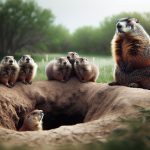
Did you know that prairie dogs are not just adorable, chattering critters found in the grasslands of North America, but also play a vital role in their ecosystem? Belonging to the family Sciuridae, which encompasses all squirrels, these fascinating mammals offer insights into social behavior, habitat dynamics, and conservation efforts. Understanding their taxonomic classification not only satisfies our curiosity about these unique animals but also highlights the importance of protecting their habitats. As you dive deeper into the world of prairie dogs, you’ll uncover the intricate connections they share with other species and the environment. Join us on this journey to learn more about these remarkable creatures and their place in the animal kingdom!
What Makes Prairie Dogs Unique in Nature?
What sets prairie dogs apart in the bustling world of wildlife? These social rodents are not just adorable; they play a crucial role in their ecosystems and exhibit fascinating behaviors that captivate nature enthusiasts. Belonging to the family Sciuridae, which includes squirrels, prairie dogs are highly intelligent creatures known for their intricate burrowing systems and complex social structures. Their colonies, often called “towns,” can span hundreds of acres and house thousands of individuals, showcasing behaviors that reflect cooperation and communication akin to those seen in primates.
Communication and Intelligence
Prairie dogs are remarkable communicators, utilizing a sophisticated system of vocalizations that include distinct calls for different predators. Research has demonstrated that they can convey detailed information about the type of threat-whether it’s a hawk, coyote, or human-along with the specific characteristics of the predator. This level of communication highlights their intelligence and social awareness, making them a unique subject of study in animal behavior.
Ecological Impact
The ecological significance of prairie dogs cannot be overstated. Their burrowing activities aerate the soil, promote nutrient cycling, and create habitats for other species. Animals like burrowing owls, snakes, and various insects rely on the tunnels and abandoned burrows for shelter. By maintaining these intricate ecosystems, prairie dogs contribute to their environment’s biodiversity, serving as both a keystone species and an indicator of ecosystem health.
In summary, prairie dogs are not only charming but also integral to their ecosystems, making them worthy of admiration and study. Their social structures, communication skills, and ecological roles illustrate how interconnected nature is, inviting us to delve deeper into their world and understand the importance of their conservation.
Understanding the Prairie Dog Taxonomy
The prairie dog is a captivating creature that stands apart in the broad family tree of rodents, known scientifically as Cynomys. This genus is part of the family Sciuridae, which includes familiar furry friends like squirrels and chipmunks. Understanding the taxonomy of prairie dogs not only reveals their biological classification but also highlights their evolutionary connections to other species within this diverse family.
Prairie dogs are classified into several distinct species, each with unique traits and adaptations. The most commonly recognized species include the black-tailed prairie dog (Cynomys ludovicianus), the white-tailed prairie dog (Cynomys leucurus), the Gunnison’s prairie dog (Cynomys gunnisoni), and the Mexican prairie dog (Cynomys mexicanus). These species inhabit various regions across North America, from the grasslands of the Great Plains to the mountainous areas of the Southwest. Each species has adapted to its environment, but they all share the critical characteristics that define the prairie dog lifestyle-social behavior, complex burrowing systems, and keen communication skills.
What makes prairie dogs particularly fascinating is their social structure, which can be more elaborate than many other rodents. They live in “towns” that can span numerous acres, consisting of numerous burrows and chambers that serve various purposes such as nurseries and sleeping areas. The intricate networks not only benefit the prairie dogs but also support a vibrant community of other animals. The prairie dog’s role as a keystone species underscores the ecological importance of its taxonomic group-by aerating the soil, influencing plant growth, and providing habitat for other wildlife.
In summary, prairie dogs represent a small yet vital part of the rodent family. Their taxonomy reflects a rich evolutionary history and an essential role in their ecosystems. As they continue to thrive and adapt, understanding their classification helps us appreciate the diversity of life on our planet and the interconnectedness of all species within these critical habitats.
The Family Tree of Prairie Dogs Explained
The prairie dog, a member of the rodent family, has some fascinating connections that reveal the rich tapestry of its ancestry. At the root of its family tree lies the scientific classification of Cynomys, which is nestled within the broader family Sciuridae. This family includes an array of similar creatures-like squirrels and flying squirrels-which share certain biological traits. While prairie dogs may look like oversized gophers, their lineage shows how evolution molded them into unique social animals adapted for life on the North American plains.
Within the Cynomys genus, there are five species of prairie dogs, each contributing to the diversity found in these charming rodents. The most well-known is the black-tailed prairie dog (Cynomys ludovicianus), often seen in large colonies across the Great Plains. Other species include the white-tailed prairie dog (Cynomys leucurus), recognizable by its lighter coloration, and the Gunnison’s prairie dog (Cynomys gunnisoni), found mainly in the mountainous regions of the southwestern U.S. This variety showcases how different environments lead to distinct adaptations and behaviors in prairie dogs, from their size and coloration to their social structures.
The social systems of prairie dogs are particularly noteworthy. Living in large, complex burrow systems, these rodents demonstrate an intricate social hierarchy that is often likened to a bustling city. Prairie dog towns can stretch for miles and serve as vital hubs for various activities, including breeding and foraging. This community-oriented lifestyle highlights the evolutionary benefits of social living, providing safety in numbers and enhancing the survival of the species through cooperative interactions.
In understanding the family tree of prairie dogs, one can appreciate not only their biological significance but also their ecological importance. They play critical roles as keystone species, influencing soil health and providing burrows that serve as homes for other animals. This interconnectedness underscores the need for conservation efforts and a deeper respect for all aspects of prairie dog life. Each species, with its unique traits and adaptations, contributes to the diverse and vibrant ecosystems of North America’s grasslands.
Differences Between Prairie Dog Species
Prairie dogs are more than just cute rodents; they are a fascinating glimpse into the diversity of the animal kingdom. Within the Cynomys genus, five distinct species showcase a variety of traits adapted to their respective habitats across North America. Each species exhibits unique characteristics that reflect their environments and social structures, which can be both entertaining and educational for wildlife enthusiasts.
Species Overview
- Black-tailed prairie dog (Cynomys ludovicianus): The most recognizable species, it is commonly found across the Great Plains. Black-tailed prairie dogs are noted for their energetic and social nature, often living in large colonies called “towns.” Their short, stout build and distinctive black-tipped tails help them stand out.
- White-tailed prairie dog (Cynomys leucurus): This species boasts a lighter coloration and is predominantly found in the Western U.S. and the Rocky Mountains. Their lighter fur not only offers camouflage against sandy soils but also reflects their adaptation to arid environments.
- Gunnison’s prairie dog (Cynomys gunnisoni): These small prairie dogs inhabit the mountainous regions of southwestern U.S. Unique for their smaller size and a more intricate social structure, they communicate through a variety of chirps and barks, which reflect their complex social dynamics.
- Mexican prairie dog (Cynomys mexicanus): Found primarily in Mexico, this species has faced significant habitat loss and is known for its endearing, yet somewhat timid demeanor compared to its counterparts. Conservation efforts are critical for its survival.
- Utah prairie dog (Cynomys parvidens): Distinguished by its rarity and confinement to specific regions in Utah, this prairie dog is an important focus for conservationists. Its smaller population size makes it particularly vulnerable, leading to intense efforts for habitat preservation.
Physical and Behavioral Differences
While the variations among species may seem minor, they play significant roles in how these prairie dogs thrive in their respective ecosystems. For instance, the black-tailed prairie dog is known for its role as a keystone species, significantly modifying the landscape by their burrowing behavior, which influences soil composition and provides habitation for other wildlife. Conversely, the Gunnison’s prairie dog, with its elaborate communication system, illustrates the depth of social interaction in their communities, which can reach up to 30 individuals in a family group.
Understanding these differences is vital not only for wildlife enthusiasts but also for broader conservation efforts. Protecting each species means recognizing their unique adaptations and roles within the ecosystem. By appreciating these adorable creatures and their diverse characteristics, we can foster a greater awareness of the need for meticulous conservation strategies that ensure their survival for generations to come.
Habitat and Distribution of Prairie Dogs
Prairie dogs are fascinating creatures due to their unique adaptations to their environments, which are primarily featured on the vast grasslands of North America. These social rodents inhabit colonies known as “towns,” which are typically found in areas with short, grass-dominated vegetation. The structure of their habitat plays a crucial role in their lifestyle and interaction with other species.
The black-tailed prairie dog (Cynomys ludovicianus) is the most widespread species, thriving in the Great Plains from Canada down to New Mexico. These prairie dogs are adept at adapting to different soil types and can dig extensive burrow systems that help manage their thermoregulation in extreme temperatures, allowing them to stay cool during the hot summer months and warm during the cold winters. Similarly, the white-tailed prairie dog (Cynomys leucurus) prefers the drier, sandy soils of the Western U.S. and the Rocky Mountains, where its lighter fur offers camouflage against the terrain.
In contrast, the Gunnison’s prairie dog (Cynomys gunnisoni) inhabits rocky areas and mountainous terrain, where these small prairie dogs have evolved to navigate steep landscapes. Their burrows are often more complex, indicating a more intricate social structure as they rely heavily on vocalizations to communicate within their colonies. This nuanced social system is essential for maintaining the cohesion and survival of their groups.
Unfortunately, habitat preference also means different levels of threat to these amazing creatures. The Mexican prairie dog (Cynomys mexicanus), primarily found in Mexico, faces considerable risk from habitat loss due to agricultural expansion and urbanization. This has led to a significant decline in their numbers. Meanwhile, the Utah prairie dog (Cynomys parvidens) is highly localized, residing only in specific areas of Utah, making conservation efforts critical for its survival as it is particularly vulnerable to habitat destruction and disease.
In essence, the varied habitats of the prairie dog species highlight their adaptability and the ecological roles they fulfill. From modifying soil and plant communities through their burrowing activities to serving as prey for a variety of predators, prairie dogs are integral to their ecosystems. Protecting their habitats is vital not just for the prairie dogs themselves but for the broader health of the grassland ecosystems they inhabit.
The Social Structure of Prairie Dog Colonies
Prairie dogs are not just cute little rodents; they are social architects of the grasslands, fundamentally shaping their colonies through a complex social structure. Living in extensive communities known as “towns,” these creatures exemplify cooperation and communication. Their colonies can consist of hundreds to thousands of individuals, demonstrating an impressive array of social behaviors that are fascinating to observe.
The social organization of prairie dog colonies is characterized by a hierarchical structure. Within these towns, prairie dogs form family units, typically consisting of a breeding pair and their offspring, existing in a system known as a “family group.” These groups can sometimes reach up to 10 or more individuals working together to defend against predators and care for their young. However, social interactions extend beyond immediate family; prairie dogs engage in grooming and playful behaviors that help strengthen bonds within the colony.
Communication is crucial in these bustling communities. Prairie dogs are renowned for their complex vocalizations, which they use to convey specific threats and information. They have different calls for aerial predators, like hawks, and ground threats, such as coyotes. Each call varies in frequency and intensity, indicating the size, type, and distance of the predator. This sophisticated system allows individuals to react swiftly, enhancing the survival of the group.
Additionally, prairie dogs are known for their burrowing habits, which also play a significant role in their social lives. The burrows provide not just shelter but also a network of tunnels that facilitate movement and interaction among colony members. The structure of these burrows reflects their social bonds-larger, more complex burrowing systems are often built by colonies that exhibit higher social cohesion, indicating that social structures can directly influence their physical environment.
Overall, the intricate social life of prairie dogs is key to their success in the wild. By working together, they are not only more effective at foraging and raising young but they also create a robust social network that helps them thrive in the challenging environments of the North American plains. Understanding this social complexity enhances our appreciation of these remarkable animals and highlights their important role in the ecosystem.
Diet and Feeding Habits of Prairie Dogs
Prairie dogs have a unique culinary repertoire, primarily consisting of a herbivorous diet that plays a vital role in their ecosystem. These short, stout mammals are particularly fond of grass, consuming a variety of species, including western wheatgrass, blue grama, and buffalo grass. They help maintain the health of grasslands by grazing, which stimulates new growth and prevents the dominance of any single plant species. This behavior not only benefits prairie dogs but also creates a balanced environment that supports numerous other species.
In addition to grasses, prairie dogs munch on an array of herbs, seeds, roots, and occasional flowers. Their selective foraging allows them to maintain a varied diet, which is crucial for their health and energy requirements. During the growing season, when food is abundant, prairie dogs engage in hoarding behavior, collecting excess food and storing it in their burrows. This practice helps them survive through the harsher winter months when food becomes scarce.
Given their social nature, prairie dogs often feed in groups, which enhances their foraging efficiency and allows them to stay vigilant against predators. This communal activity is not only practical-it also fortifies the bonds within their colonies. With their acute sense of hearing and the ability to communicate complex warning signals, prairie dogs are quick to alert one another of impending danger, ensuring that their feeding times are both productive and safe.
Strengthening their role in the ecosystem, prairie dogs also serve as prey for various predators, including hawks, coyotes, and badgers. Unfortunately, habitat loss and disease threaten their populations, emphasizing the importance of conservation efforts to protect these intriguing rodents and their habitats. Understanding their dietary habits sheds light on the broader ecological dynamics at play in the grasslands of North America, highlighting how interconnected these species are within their environment.
Predators and Threats to Prairie Dog Populations
Prairie dogs play a crucial role in their ecosystem, but they face significant challenges from various predators and environmental threats. Understanding these dangers is essential for appreciating their unique role in the grasslands.
Among the primary threats to prairie dogs are natural predators. Birds of prey such as hawks and eagles often surveil the plains for these small rodents, ready to swoop down at a moment’s notice. Ground predators like coyotes and badgers are equally formidable, using stealth and speed to hunt prairie dogs as they emerge from their burrows. The prairie dog’s quick reflexes and keen social communication are vital defenses against these threats. When one prairie dog detects danger, it emits a specific alarm call, alerting others in the colony to take cover.
However, predation is not their only concern. Prairie dog populations are significantly affected by habitat loss, primarily due to agricultural expansion and urban development. When their natural environment is altered or destroyed, their colonies can decline sharply, leading to fragmented populations that are less resilient to predation and disease. Moreover, prairie dogs are susceptible to outbreaks of disease, particularly sylvatic plague, which can devastate their populations in a short timeframe. Conservation measures focus on habitat protection and monitoring disease outbreaks to ensure the survival of prairie dog colonies.
The impact of these threats is far-reaching. As a keystone species, prairie dogs contribute to the health of their ecosystem, supporting a diverse range of other wildlife. Thus, protecting them is not just about preserving one species; it’s about maintaining the balance of the grassland ecosystem. Understanding these threats helps underscore the vital role prairie dogs play and the need for ongoing conservation efforts to safeguard both them and the habitats they sustain.
Conservation Efforts for Prairie Dogs
Conservation efforts aimed at prairie dogs recognize the vital role these creatures play in their ecosystems. As a keystone species, prairie dogs not only influence their own populations but also enhance biodiversity in the grasslands they inhabit. When managing prairie dog populations, conservationists focus on several key strategies: habitat protection, public education, and disease management.
One major initiative is the preservation of their natural habitats. Many prairie dog colonies are threatened by human encroachment, particularly from agricultural expansion and urban development. Conservation organizations work to establish protected areas and promote land-use policies that safeguard the grasslands. For example, creating wildlife corridors can help maintain genetic diversity by allowing prairie dogs to migrate between fragmented habitats.
Education plays an equally important role in conservation. By informing the public about the ecological significance of prairie dogs, advocates can foster a greater appreciation for their existence. Programs that engage local communities, such as prairie dog viewing tours or volunteer days for habitat restoration, help cultivate a deeper understanding of these animals and the challenges they face. Sharing success stories, such as the recovery of certain colonies in protected areas, inspires others to take action in their own communities.
Managing the health of prairie dog populations is crucial, especially considering their susceptibility to disease outbreaks like sylvatic plague. Conservationists are actively monitoring for signs of disease and collaborating with veterinarians and wildlife biologists to implement preventive measures. This includes vaccination programs and creating awareness about the impact of diseases on both prairie dogs and the wider ecosystem.
In addition to these efforts, it’s vital for policymakers and land managers to work together on comprehensive conservation strategies that balance the needs of agriculture, development, and wildlife. By integrating the preservation of prairie dogs into broader land management practices, we can ensure that these fascinating rodents continue to thrive, contributing to the grassland ecosystem for generations to come.
Fascinating Facts About Prairie Dogs
Did you know that prairie dogs are not actually dogs? These charming rodents belong to the family Sciuridae, which also includes squirrels and marmots. They are officially classified under the genus Cynomys, reflecting their unique adaptations and social behaviors that set them apart in the rodent family. With their playful and highly social nature, prairie dogs have fascinated wildlife enthusiasts around the globe.
One of the most interesting aspects of prairie dogs is their intricate communication system. They utilize a variety of vocalizations to convey information about predators and the presence of other dangers. Researchers have found that their alarm calls can specify the type of threat and even its size. This level of complexity in their communication is comparable to that of primates, highlighting their cognitive abilities. Each colony functions almost like a small community, with prairie dogs appearing to have a strong sense of kinship and social structure.
Prairie dogs are also notable for their elaborate burrowing systems, which can extend up to 30 feet deep and cover several acres. These burrows not only serve as homes but also provide safety from predators. The tunnels are often shared by different families, creating a bustling underground metropole. Interestingly, their burrowing habits positively impact their ecosystem, enhancing soil health and facilitating water drainage, which benefits surrounding plant life.
Lastly, it’s worth noting that prairie dogs play a crucial role in their ecosystems as a keystone species. By digging their expansive burrows, they aerate the soil, allowing for better water and nutrient absorption. Additionally, their presence as prey supports a variety of predator species, from hawks to coyotes. Understanding the taxonomic classification of prairie dogs and their intricate roles in nature sparks curiosity and highlights the importance of their conservation for the health of grassland ecosystems.
How Prairie Dogs Compare to Other Rodents
While many people may think of squirrels or rats when they picture rodents, the prairie dog offers a fascinating divergence from those familiar animals. These social creatures stand out not just for their charming appearance but also for their behavior and ecological role. Belonging to the family Sciuridae, prairie dogs share this classification with other intriguing rodents like ground squirrels, chipmunks, and marmots. However, what sets prairie dogs apart is their complex social structures, communication abilities, and the unique habitats they create through their burrowing activities.
Prairie dogs are often compared to other burrowing rodents, such as gophers and ground squirrels. Unlike these species, which may live solitary lives or in small family units, prairie dogs thrive in large colonies known as “towns.” These towns can span several acres and boast intricate tunnel systems that accommodate not only the prairie dogs but also countless other species in the ecosystem. This communal living leads to a cooperative social structure, where prairie dogs communicate through various vocalizations to alert others of potential dangers, showcasing an advanced level of social interaction scarce among other rodents.
In terms of diet, prairie dogs primarily feed on grasses, seeds, and roots, similar to other herbivorous rodents. However, their feeding habits have broader implications for their environment. As they graze, they help maintain the health of grasslands by preventing overgrowth and promoting biodiversity. This ecological role is essential, as their foraging activities encourage new plant growth, benefiting not just their species but also a variety of wildlife that rely on these habitats.
Ultimately, prairie dogs not only enrich the ecological landscape but also serve as an important visual reminder of the diversity within the rodent family. Their unique adaptations, such as complex social structures and substantial ecological impact, highlight the incredible variety found among these small mammals. Understanding prairie dogs and their distinctions from other rodents fosters a greater appreciation for wildlife and emphasizes the importance of conservation efforts to protect these charismatic creatures and their habitats.
The Role of Prairie Dogs in Ecosystems
Prairie dogs are often considered the unsung heroes of grassland ecosystems. These small rodents, part of the Sciuridae family, play a pivotal role in maintaining ecological balance. Their extensive burrowing activities not only create complex underground networks but also provide habitation for a myriad of other species. In fact, an estimated 150 different animals, including burrowing owls, foxes, and snakes, utilize these burrows for shelter, making prairie dog towns critical for biodiversity.
Their grazing habits are equally influential. By feeding predominantly on grasses and forbs, prairie dogs help maintain the health of the grasslands. Their selective eating prevents the overgrowth of certain plants, promoting a diverse range of flora. This diversity, in turn, benefits other wildlife, as a variety of plants supports different species. The cyclic nature of their feeding leads to grassland rejuvenation, which is essential for sustaining various herbivores and, by extension, the predators that rely on them.
Moreover, prairie dogs are known for their complex social structures and sophisticated communication skills. Within their colonies, also known as “towns,” they demonstrate cooperative behaviors, alerting each other to potential predators through a series of alarm calls. This social interaction not only fosters a strong community but also enhances their chances of survival against common threats. By serving as prey for various predators like eagles and coyotes, prairie dogs contribute to the intricate food web that sustains the health of grassland ecosystems.
In summary, prairie dogs embody the intricate interdependencies within ecosystems. Their burrowing, grazing, and social behaviors help ensure that grasslands remain vibrant and rich in biodiversity. Recognizing their ecological significance underscores the importance of conservation efforts aimed at protecting these remarkable creatures and their habitats.
Faq
Q: What family do prairie dogs belong to?
A: Prairie dogs belong to the Sciuridae family, which is commonly known as the squirrel family. This classification highlights their close relation to other rodents like squirrels and marmots.
Q: How are prairie dogs classified in taxonomy?
A: Taxonomically, prairie dogs are classified within the Rodentia order and the Sciuridae family. They fall under the genus Cynomys, which encompasses various species of prairie dogs.
Q: What are the different species of prairie dogs?
A: There are five species of prairie dogs: the black-tailed prairie dog (Cynomys ludovicianus), the white-tailed prairie dog (Cynomys leucurus), the Gunnison’s prairie dog (Cynomys gunnisoni), the Mexican prairie dog (Cynomys mexicanus), and the Utah prairie dog (Cynomys parvidens). Each species has unique traits and habitats.
Q: Why are prairie dogs important to their ecosystem?
A: Prairie dogs play a crucial role in their ecosystem as keystone species. Their burrowing activities aerate the soil and create habitats for other wildlife, promoting biodiversity.
Q: Where are prairie dogs primarily found?
A: Prairie dogs primarily inhabit the grasslands and plains of North America, with significant populations in the United States, Mexico, and Canada. They thrive in areas with expansive, uncovered ground where they can dig their colonies.
Q: How do prairie dogs communicate within their colonies?
A: Prairie dogs use a complex system of vocalizations and body language to communicate. Their burrows are often filled with a variety of calls that can warn of predators or signal alarm, showcasing their highly social nature.
Q: What threats do prairie dogs face in the wild?
A: Prairie dogs face numerous threats, including habitat loss, disease, and predation. Human encroachment and agricultural development have significantly impacted their populations, making conservation efforts critical.
Q: How do prairie dogs contribute to soil health?
A: Prairie dogs contribute to soil health through their burrowing activities, which help aerate the soil and increase water retention. This process fosters healthy vegetation growth, benefitting the entire ecosystem.
In Conclusion
Thank you for joining us on this exploration of prairie dogs and their fascinating taxonomic classification. Now that you know they belong to the family Sciuridae, you can appreciate their unique role in ecosystems as social creatures and keystone species. If you’re curious about how these lively animals interact with their environment or want to learn more about their care as pets, check out our articles on prairie dog habitat and feeding needs linked below.
Don’t miss out on further insights-subscribe to our newsletter for updates on wildlife care tips and fascinating animal facts. Have questions or experiences to share? We’d love to hear your thoughts in the comments. By continuing to explore our site, you’ll deepen your understanding of prairie dogs and other wildlife, sparking your inner nature enthusiast. Remember, every explorer’s journey starts with a single click!
Get our latest guides, news, and insights highlighted in your Google Search & AI Overviews.