

Did you know that the Mexican prairie dog, a charming and social critter known for its lively communities, is facing serious threats to its survival? Once thriving across the grasslands of northern Mexico and parts of the U.S., these adorable rodents are now endangered due to habitat loss, agricultural expansion, and pest control measures. Understanding why these prairie dogs are declining is crucial-not just for their survival, but for the entire ecosystem that relies on them. As keystone species, they play a vital role in maintaining the health of their habitats by aerating the soil and providing homes for various other wildlife. By exploring the threats they face, we can better appreciate the intricate connections within our natural world and the importance of conservation efforts. Join us as we delve deeper into the challenges that place the Mexican prairie dog on the endangered list and what we can do to help ensure their future.
The Habitat of the Mexican Prairie Dog: A Deep Dive
The Mexican prairie dog, a charming little burrowing rodent, thrives in the dry, grassy plains of Mexico. These social creatures build extensive and complex burrow systems that serve as their homes and are essential for their survival. Typically found in colonies called “towns,” these prairie dogs exhibit fascinating behaviors, including cooperative care of young and intricate communication methods that can alert others to potential dangers. Living in such close quarters with one another not only creates a vibrant community but also plays a crucial role in their habitat’s ecosystem.
Living primarily in open grasslands and shrublands, Mexican prairie dogs favor areas with sandy or loose soils that facilitate burrowing. Their burrows are expertly crafted networks that can extend up to 30 feet deep and 100 feet in length, providing refuge from predators and extreme weather conditions. The landscape they inhabit is essential; it supports an array of plant and herb species, which the prairie dogs primarily feed on. This interaction with their habitat not only helps maintain their population but also creates a distinct micro-ecosystem. As they graze on grasses and herbs, they inadvertently promote plant diversity and create opportunities for other species, from insects to larger mammals.
However, these thriving habitats are increasingly threatened. Human encroachment through agriculture and urban development leads to a significant loss of their grassland homes. In addition, changes in land use often fragment their colonies, making it difficult for these social animals to communicate and migrate. As such, understanding the delicate balance of their habitat and the threats it faces is crucial to ensuring the survival of the Mexican prairie dog and the myriad species that depend on it. Protecting these ecosystems means not only saving a beloved species but also preserving the biodiversity that plays an essential role in the health of the environment.
Key Threats Facing the Mexican Prairie Dog
The Mexican prairie dog, with its charming behavior and complex social structures, faces numerous threats that put its survival in jeopardy. This small rodent is not only a vital part of the ecosystem but also a fascinating species to observe in its native habitats across the Mexican plains. As charming as they are, these critters are contending with a variety of challenges that individuals and communities can help address.
One of the most pressing threats to Mexican prairie dogs is habitat loss, primarily driven by agricultural expansion and urban development. As the demand for land rises, much of the prairie’s open grasslands, where these animals thrive, are being converted into farmland or built-up areas. This not only reduces the space available for prairie dog colonies but also fragments their habitats, isolating populations and disrupting social structures. When prairie dog communities are split apart, the chances of successful breeding and communication diminish, which can lead to lower population numbers.
In addition to habitat degradation, disease poses a significant risk. Prairie dogs are particularly vulnerable to pathogens such as the plague, which can decimate populations within a short period. Other illnesses can spread rapidly through densely populated colonies. As they live in close quarters, the sharing of parasites and infections is common. The impact of disease is compounded by stress from habitat loss and environmental changes, making it crucial to monitor and manage health within prairie dog populations to ensure their resilience.
Equally important are the natural predators that threaten prairie dogs. These include raptors like hawks and eagles, along with coyotes and domestic cats. While prairie dogs have adapted strategies to protect themselves, such as their well-structured burrow systems, increased pressures from these predators can lead to higher mortality rates, particularly for young or weak individuals.
Human intervention can serve as a double-edged sword. While some practices, like land conservation and habitat restoration, can help preserve prairie dog populations, other activities like poisoning campaigns intended to protect agricultural crops can have devastating consequences. Education and awareness are vital for balancing these challenges and fostering a respectful coexistence between human interests and prairie dog conservation.
By understanding these key threats, individuals and communities can take meaningful steps toward protecting the Mexican prairie dog. Supporting habitat preservation projects, advocating for legislative measures, and promoting responsible land-use practices can all contribute to the survival of this unique and essential species.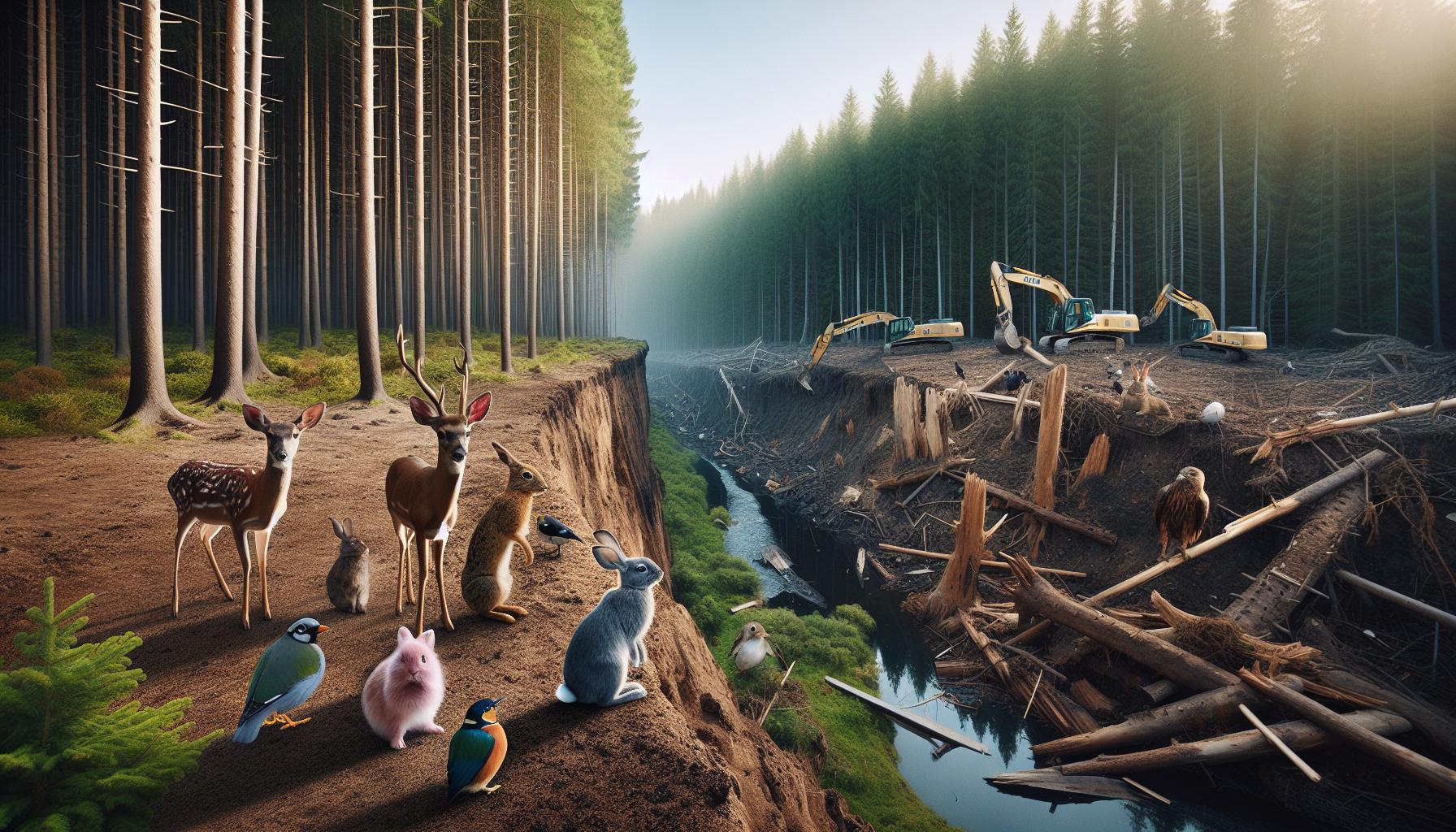
The Impact of Habitat Loss on Populations
The decline of the Mexican prairie dog is largely tied to the dramatic loss of its habitat, a crucial component of its survival. These small, social rodents thrive in expansive grasslands that allow for the development of intricate burrow systems and community structures. Unfortunately, as agriculture spreads and urban areas expand, these habitats diminish. What was once a sprawling, interconnected prairie is now a fragmented landscape where prairie dog colonies can barely survive.
When prairie dogs lose their habitat, they not only face the immediate challenge of reduced living space but also experience social isolation. Prairie dogs are highly social creatures; their colonies depend on communication and social interaction for everything from warning calls about predators to maintaining their complex social hierarchies. Fragmentation leads to smaller, isolated groups that struggle to maintain genetic diversity, ultimately threatening their long-term survival. The challenges of finding mates and communicating effectively can lead to decreased reproductive success, compounding the population decline.
As land is converted for crops or development, the very ecosystems that support prairie dog populations also suffer. The loss of native grasses and plants drastically impacts food availability. Prairie dogs primarily feed on grasses and forbs, and without these essential food sources, their health deteriorates, pushing them closer to the brink of extinction. Moreover, the encroachment of agricultural practices often leads to increased use of pesticides and other chemicals, which can be harmful not only to prairie dogs but to the entire food web.
In this context, the importance of preserving and restoring habitats cannot be overstated. Conservation efforts focused on creating protected areas and restoring prairie grasslands can significantly benefit Mexican prairie dog populations. Communities can play a vital role by advocating for sustainable land use and participating in habitat restoration projects. After all, safeguarding these charismatic creatures and their homes is not just about preserving one species – it’s about nurturing the intricate web of life that thrives within the prairie ecosystem.
Disease Challenges: How Illness Affects Survival
The Mexican prairie dog faces significant challenges from disease, complicating their path to survival in an already precarious situation. These small rodents are particularly vulnerable to a range of illnesses, making disease management an essential aspect of their conservation. Of these threats, sylvatic plague has emerged as a leading cause of mortality, posing a dire risk to entire colonies. This bacterial infection is transmitted by fleas and has the potential to decimate populations within a short timeframe.
Determining the impact of disease on prairie dog populations goes beyond just fatality rates; it can also severely alter their social structure. Healthy colonies rely on social interactions for warning signals and cooperative behaviors, and when illness strikes, these dynamics can become disrupted. For example, if a significant number of prairie dogs fall ill or die, the colony is left with fewer members to communicate and defend against predators. This breakdown in social cohesion can lead to increased vulnerability and, ultimately, a decrease in reproductive success as remaining adults struggle to raise the young in an unsteady environment.
The relationship between habitat loss and disease exacerbates these challenges. Fragmentation of the prairie landscape not only limits the area available for housing and forage but also increases the likelihood of disease transmission. As prairie dog colonies are pushed closer together, the risk of disease spread escalates, creating a perfect storm for outbreaks. Moreover, exposure to chemical pollutants from agricultural practices can further weaken their immune systems, making them less resilient to infections.
Mitigating these disease challenges involves proactive measures, including monitoring populations for illness and maintaining healthy habitats. Conservationists can play a critical role by implementing vaccination programs and promoting practices that control flea populations, thus combating sylvatic plague. Additionally, public education on the importance of preserving prairie dog habitats and maintaining ecological balance can help foster community involvement in conservation efforts. By addressing the simultaneous threats of disease, habitat loss, and social instability, we can better protect the Mexican prairie dog and contribute to the health of the prairie ecosystem as a whole.
Human Development and Its Effects on Prairie Dogs
The rapid expansion of human development has a profound impact on the delicate ecosystems in which Mexican prairie dogs thrive. These charming little rodents, known for their social behavior and complex burrowing systems, are increasingly facing habitat encroachment due to urban sprawl, agriculture, and infrastructure development. As humans build homes, roads, and farms, they disrupt prairie dog colonies, fragmenting their habitat and limiting their available space. This encroachment not only reduces the size of their living areas but also isolates populations, making it difficult for them to interact, mate, and maintain genetic diversity.
Furthermore, the loss of prairie habitats leads to a decrease in the availability of food sources. Mexican prairie dogs primarily feed on grasses, seeds, and occasionally insects. When agricultural practices prioritize monoculture crops, they eliminate diverse native vegetation that prairie dogs rely on. This shift not only affects their diet but also compromises the stability of their burrows, which are crucial for their survival against predators.
In addition to habitat destruction, human activities contribute to altered predator dynamics. Increased human presence often results in changes to natural predator-prey relationships. While some predators may benefit from the disparities created by development-like coyotes that exploit human waste-others, such as hawks and eagles, may be further threatened. This imbalance can lead to higher predation rates on prairie dog colonies already stressed by their reduced numbers and fragmented habitats.
To mitigate these adverse effects, conservation efforts must focus on creating protected areas where prairie dogs can thrive away from human encroachment. Initiatives can include establishing wildlife corridors that connect fragmented habitats, allowing for safe passage between colonies. Educating local communities about the importance of prairie dogs, not just for their own survival but for the entire ecosystem, can foster a more sustainable coexistence. By understanding the role of prairie dogs as ecosystem engineers-helping aerate the soil and providing habitats for other species-people may be more inclined to support conservation measures that protect these vital animals.
In summary, the effects of human development on Mexican prairie dogs are multi-faceted and require a collaborative effort to ensure their survival. Enhanced public awareness and protective legislation will be crucial in helping to maintain the delicate balance between human growth and wildlife conservation.
Predators: Natural Threats to Prairie Dog Colonies
In the vast grasslands where Mexican prairie dogs thrive, a careful balance exists between these social rodents and their natural predators. While prairie dogs are often celebrated for their charming behaviors and intricate burrowing systems, they are, unfortunately, a crucial food source for several species that roam their territory. Understanding the predators that threaten prairie dog colonies is essential to grasping the challenges these little mammals face.
Among the most significant natural threats are carnivorous mammals such as coyotes, badgers, and foxes. These agile hunters are well-adapted to the open plains, utilizing their keen senses to locate prairie dog colonies. Coyotes, for example, are known to exploit the burrows of prairie dogs as a source of sustenance. They are skilled at digging and can quickly infiltrate the colonies, leading to increased mortality rates among younger prairie dogs. In addition to canines, avian predators such as hawks and eagles pose a significant risk from above, using their sharp eyesight to spot prairie dogs as they forage in the open.
Predator-Prey Relationships
The dynamics of predator-prey relationships are also affected by the larger ecosystem. With habitat loss leading to fragmented prairie dog colonies, these rodents become easy targets for predators. When prairie dogs are isolated, they may not have enough communal defenses-like sentry behaviors warning of danger-to deter these predators effectively. This isolation not only raises mortality rates but can also affect the overall health of the colony as reproductive rates decline and genetic diversity diminishes.
It’s essential to recognize that while predators serve a natural role in the ecosystem, human intervention has further complicated these dynamics. Increased human encroachment alters natural predator populations and behaviors. For instance, scavenging opportunities created by human waste can bolster the numbers of predators like coyotes, ultimately increasing pressure on prairie dog populations. As good ecological stewards, we must consider that maintaining a healthy balance involves understanding how to mitigate these pressures while safeguarding the prairie dogs’ habitat.
By taking measures such as creating protected areas and promoting awareness about prairie dogs’ ecological importance, we can aid in establishing a more balanced coexistence among various species in their ecosystem. Efforts to conserve these prairie dog colonies will not only help save them from extinction but also ensure the diverse wildlife that relies on them continues to thrive. Through education and community action, individuals can play a role in ensuring that the prairie dog remains a vibrant part of our natural landscapes.
Conservation Efforts: What’s Being Done to Help
In the face of numerous threats to their survival, Mexican prairie dogs have become the focus of multiple conservation efforts aimed at protecting their populations and habitats. One central strategy involves habitat preservation, which is critical given the significant degradation these grasslands have faced from agriculture and urban development. Organizations and nonprofits work tirelessly to establish protected areas that provide safe havens for prairie dogs, allowing them to thrive without the pressures of human encroachment. These sanctuaries not only benefit prairie dogs but also support a plethora of other species that rely on the prairie ecosystem.
Another vital component of conservation is public education and community involvement. By raising awareness about the ecological importance of prairie dogs-often referred to as a keystone species-conservationists help to foster a more positive public perception. Engaging local communities through volunteer programs allows individuals to actively participate in monitoring prairie dog populations and restoring their habitats. Educational campaigns often highlight the broader benefits these rodents provide, such as soil aeration and as a food source for other animals, which can enhance community support for conservation initiatives.
Advocacy efforts also play a crucial role in conservation strategies. This includes lobbying for stronger legislative measures to protect prairie dog habitats and prevent indiscriminate extermination practices that are often employed by landowners and ranchers. Through collaboration with governmental and environmental organizations, activists work to enact policies that promote humane management of prairie dog colonies while emphasizing their ecological significance.
Moreover, ongoing research efforts are essential in the fight for prairie dog conservation. Scientists study the impacts of disease, climate change, and habitat loss on prairie dog populations, providing valuable data that can inform conservation strategies. By understanding the specific challenges faced by these rodents, conservationists can implement more effective management practices, tailored to the unique needs of different prairie dog colonies.
Together, these concerted conservation efforts strive to not only protect Mexican prairie dogs but also preserve the rich biodiversity and intricate ecosystem of the grasslands they inhabit. As these initiatives grow and evolve, they hold the promise of ensuring a future where prairie dogs can continue to flourish and, in turn, sustain the wildlife that benefits from their presence.
The Importance of the Prairie Dog Ecosystem
The prairie dog ecosystem is a vibrant community that plays an essential role in the health of grassland environments. These small burrowing mammals create complex underground tunnels that serve as homes not only for themselves but for a variety of other species. This remarkable phenomenon highlights their status as a keystone species, meaning their presence and actions significantly influence the structure and composition of their ecosystem.
When prairie dogs dig their extensive burrows, they aerate the soil, which improves water infiltration and nutrient availability for plants. This creates a fertile environment where grasses can flourish, supporting an entire food web that encompasses herbivores like bison and deer, as well as predators such as foxes, eagles, and various rodents. Without prairie dogs, the landscape would drastically change, negatively affecting many other species that rely on this habitat.
Moreover, prairie dog colonies act as communal foraging grounds that attract different wildlife, fostering biodiversity. For instance, many birds of prey often hunt around prairie dog towns, where they can easily spot their next meal. Additionally, species like the black-footed ferret critically depend on prairie dogs as their primary food source. Thus, conserving prairie dog populations is not just about saving one species; it’s about preserving the many interconnected lives that depend on them.
Enhancing our understanding of the prairie dog ecosystem can inspire welcome community involvement in conservation efforts. Educators and wildlife advocates are increasingly emphasizing the ecological benefits of prairie dogs in public outreach, helping local residents appreciate the critical roles these small mammals play. Engaging in local conservation initiatives, whether through volunteering for habitat restoration or supporting legislation to protect prairie dog habitats, creates a community-centric approach to wildlife conservation.
In the face of ongoing threats such as habitat loss and disease, recognizing is more crucial than ever. By advocating for the protection of these burrowing mammals and their habitats, we contribute to the resilience and health of the grassland ecosystems they support. Together, we can foster vibrant, thriving communities where prairie dogs and their ecological partners can continue to coexist, enriching our natural heritage for generations to come.
Community Involvement in Prairie Dog Conservation
Involving the community in prairie dog conservation can transform the fate of these remarkable creatures. Did you know that community-led efforts can significantly bolster local populations and strength conservation initiatives? Engaging local residents in protecting their environment not only increases awareness about the issues facing the Mexican prairie dog but also fosters a sense of stewardship and connection to the land.
One effective way to get involved is through organized volunteer programs that focus on habitat restoration and monitoring. Many organizations provide opportunities to participate in activities such as habitat clean-ups, prairie dog surveys, and educational outreach. These hands-on experiences can be incredibly rewarding, as volunteers contribute directly to the health of ecosystems while learning about the challenges prairie dogs face.
Furthermore, local communities can support conservation by advocating for protective legislation. Engaging with local lawmakers, attending town hall meetings, and rallying support for policies that protect prairie dog habitats can lead to meaningful change. Simple actions, like spreading awareness through social media or organizing educational events at schools, can also inspire others to appreciate the ecological importance of prairie dogs and take action.
Collaboration with wildlife organizations can amplify these efforts. Many organizations regularly host community workshops and provide resources for schools and families to educate them on the role of prairie dogs in their ecosystems. By partnering with these groups, residents can gain valuable knowledge and tools to effectively participate in conservation initiatives.
Ultimately, the health of the prairie dog population is tied to the enthusiasm and dedication of the community. Together, through grassroots efforts and increased awareness, individuals can create a movement that not only saves the Mexican prairie dog but also enriches their local environment for future generations.
Legislative Measures for Prairie Dog Protection
The survival of the Mexican prairie dog hinges significantly on strong legislative measures aimed at protecting its habitat and the species itself. This small but vital creature plays a crucial role in its ecosystem, yet it faces significant threats, including habitat loss and human encroachment. By implementing effective laws and policies, we can create a framework that supports the conservation of these charismatic rodents.
One of the key legislative actions is the designation of prairie dog habitats as protected areas. This can include creating wildlife reserves or integrating prairie dog conservation into existing land-use policies. For example, some states have established specific regulations that limit land development within prairie dog colonies, significantly reducing the risk of habitat destruction. Moreover, enforcing stricter guidelines around agricultural practices can help mitigate destructive activities like overgrazing or pesticide use that adversely impact prairie dog populations.
Additionally, public advocacy plays a crucial role in legislative measures. Engaging citizens in the decision-making process can lead to more robust protections. Communities can rally support for policies that prioritize ecological health, such as promoting conservation easements-legally binding agreements that restrict the development and use of land to protect its natural resources. This grassroots movement can influence local, state, and national policymakers, fostering a sense of responsibility for both prairie dog conservation and broader environmental stewardship.
Moreover, it’s essential that lawmakers enact measures addressing the specific threats facing prairie dogs, including disease management and predator control. Laws that encourage research into prairie dog health can aid in developing strategies to combat transmissible diseases like sylvatic plague, a frequent culprit in population declines. Similarly, setting regulated practices for managing natural predators can ensure a balanced ecosystem while safeguarding prairie dog colonies.
The future of the Mexican prairie dog relies heavily on the collective effort of legislators, communities, and wildlife organizations. By advocating for sound policies, fostering awareness, and recognizing the vital role these animals play in maintaining healthy ecosystems, we can take meaningful steps towards preserving this species for generations to come. With continued legal protection and community involvement, there is hope for a thriving future for the Mexican prairie dog amidst the challenges it faces.
Future Outlook: Can We Save the Mexican Prairie Dog?
The Mexican prairie dog, a small yet vital component of its ecosystem, finds itself at a crucial juncture. With populations dwindling due to habitat loss and other human-induced threats, conservation efforts are more important than ever. This species is not just a rodent; it’s a keystone species that supports various wildlife. If we want to see these charming creatures thrive in their native grasslands, we need to focus on targeted conservation strategies and community involvement.
One of the most effective ways to save the Mexican prairie dog is through habitat protection. Creating wildlife reserves where development is restricted can ensure these animals have a safe environment to thrive. Local governments can take inspiration from successful cases in other states where specific land use policies have been enacted. For example, areas with high prairie dog populations have implemented strict guidelines that limit agricultural expansion and development, helping to protect these critical habitats.
Moreover, educating the public about the role of prairie dogs in the ecosystem is essential. Prairie dogs are not just cute faces; they aerate the soil and serve as prey for a variety of predators, from birds of prey to coyotes. By advocating for their importance, communities can foster local support for conservation initiatives. Engaging locals through volunteer programs such as habitat restoration days or citizen science projects can also generate enthusiasm and commitment toward protecting these delightful critters.
Finally, it’s critical to address health challenges faced by the Mexican prairie dog, such as susceptibility to diseases like sylvatic plague. Research and monitoring initiatives must be prioritized to manage these health threats effectively. Collaborating with wildlife organizations, universities, and government agencies can lead to scientific advancements in disease management strategies. With targeted actions and a community-based approach, we have a fighting chance to secure a bright future for the Mexican prairie dog, ensuring that future generations can enjoy the sights and sounds of these lively inhabitants of the grasslands.
Faq
Q: What are the main reasons the Mexican Prairie Dog is endangered?
A: The Mexican Prairie Dog is endangered primarily due to habitat loss, disease, and human encroachment. Urban development reduces their living space, while diseases like plague affect their populations. Additionally, increased agriculture and industrial uses threaten their colonies and food sources.
Q: How does human activity threaten the survival of Mexican Prairie Dogs?
A: Human activity threatens Mexican Prairie Dogs through urbanization and agricultural expansion, which destroy their habitats. Additionally, practices like pesticide use can directly harm their colonies, while recreational activities can disrupt their natural behaviors and safety.
Q: What diseases do Mexican Prairie Dogs face that contribute to their endangerment?
A: Mexican Prairie Dogs face several diseases that threaten their populations, notably the plague caused by Yersinia pestis. This disease can rapidly decimate prairie dog colonies, leading to significant declines in their numbers and complicating recovery efforts.
Q: How do predators impact Mexican Prairie Dog populations?
A: Predators such as coyotes, hawks, and badgers naturally limit Mexican Prairie Dog populations. However, habitat loss exacerbates this issue by making it harder for prairie dogs to find safe burrows, increasing their vulnerability to predation.
Q: What role do conservation efforts play in saving Mexican Prairie Dogs?
A: Conservation efforts, including habitat protection, disease management, and public education, are vital for saving Mexican Prairie Dogs. Initiatives focus on creating protected areas and raising awareness about their ecological importance.
Q: What is the importance of the prairie dog ecosystem in a broader context?
A: The prairie dog ecosystem is crucial as it supports incredible biodiversity. Their burrowing behavior aerates the soil and creates habitats for other species, fostering a rich environment essential for maintaining ecological balance.
Q: When do conservation measures typically take place for prairie dogs?
A: Conservation measures for Mexican Prairie Dogs are often implemented in coordination with seasonal behaviors. These measures are crucial during breeding periods and prior to the onset of winter when survival chances are at their highest, ensuring effective population management.
Q: Where can I find more information on Mexican Prairie Dog conservation?
A: For more information on Mexican Prairie Dog conservation, consider visiting organizations focused on wildlife preservation. You can also check local wildlife agencies for updates on habitat protection efforts and community involvement opportunities.
For detailed insights on these topics, explore our community involvement and legislative measures sections in the main article!
Wrapping Up
The Mexican prairie dog is facing critical threats that endanger its population and the ecosystems they help sustain. Understanding these challenges is the first step towards taking action. If you’re passionate about wildlife conservation, now is the time to engage! Explore our article on the ecological role of prairie dogs and discover how you can support local conservation efforts.
Don’t just stop here; dive deeper into our resources on endangered species and habitat preservation. Your voice matters-share this information with others and join the conversation about protecting these fascinating creatures. By learning more, you can make a difference! Subscribe to our newsletter for updates on wildlife protection or consider donating to organizations fighting to save the Mexican prairie dog and its habitat. Together, we can create a future where these remarkable animals thrive!
Get our latest guides, news, and insights highlighted in your Google Search & AI Overviews.










