
Building an appropriate cage for a prairie dog is essential for their health and happiness. These social, inquisitive creatures thrive in environments that mimic their natural habitat, providing them with plenty of space to dig, explore, and interact. Did you know that prairie dogs are not just adorable but also play a vital role in their ecosystems by aerating the soil and creating habitats for other species?
Creating the perfect prairie dog cage can seem daunting, but with the right guidance, it can be a rewarding experience for both you and your furry friend. Understanding their behavioral needs, such as the importance of multi-level structures and safe materials, can help you design a comfortable home that meets their requirements. Whether you’re a newcomer to prairie dog care or an experienced owner looking to upgrade your setup, this complete guide will walk you through each step, ensuring you build a safe, engaging, and stimulating environment for your prairie dog. Let’s dive into the world of prairie dog care!
Choosing the Right Prairie Dog Cage Design
When considering a cage design for prairie dogs, one must recognize their unique social behaviors and environmental needs. Prairie dogs are highly social animals that thrive in colonies, so your cage should reflect their natural habitat as much as possible. A design that allows for interaction with other prairie dogs-if you have more than one-will keep them happy and healthy. It’s essential to choose a spacious enclosure that encourages digging and burrowing, mimicking their instinctual behaviors found in the wild.
Key Features to Consider:
- Size: A larger cage is better to allow for movement and play. A minimum of 4 feet by 2 feet is recommended for a small group.
- Material: Use sturdy wire mesh that can withstand their chewing. Solid walls may also be necessary to prevent escape.
- Accessibility: Include large doors for easy access to clean and maintain the cage, as well as for handling your pets.
- Ventilation: Ensure proper airflow to keep the environment comfortable and reduce the risk of respiratory issues.
The inclusion of multiple levels or platforms can also enhance their environment, offering more space to explore and a way to fulfill their climbing instincts. Consider a design that facilitates enrichment by incorporating tunnels or similar structures that allow them to dig, explore, and interact safely.
Ultimately, the right cage design will serve not just as a home but as a stimulating environment that acknowledges their natural behaviors and promotes overall well-being.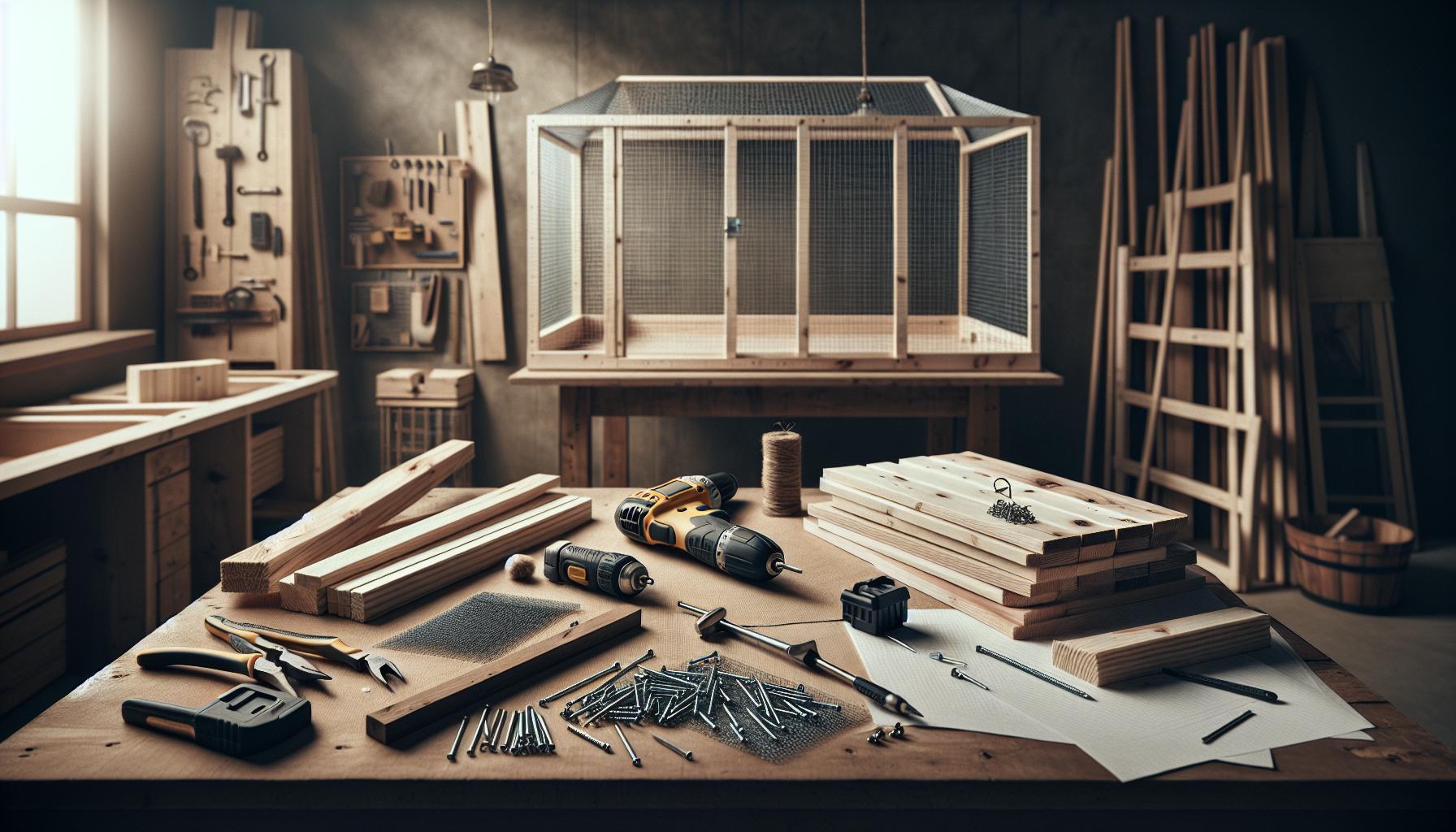
Essential Materials for Building a Prairie Dog Cage
When setting out to create a comfortable and safe habitat for prairie dogs, the choice of materials is crucial. These social creatures, known for their intricate burrowing behaviors, thrive best in environments that mimic their natural habitats. The right materials not only ensure durability but also promote a healthy lifestyle for your furry friends.
To begin with, it’s important to select a sturdy wire mesh for the cage. This should be heavy-duty and small enough to prevent escape while allowing for ventilation. Opting for a mesh with a thickness of at least 14-gauge is a good rule of thumb. Chew-proof materials are essential, as prairie dogs love to gnaw. Consider using solid walls made from plywood or similar materials for the base and lower portions of the cage to deter any escape attempts.
For the flooring, non-toxic liner materials such as laminated plywood or vinyl sheeting can provide a solid foundation. This allows for easy cleaning while also being gentle on their paws. Additionally, using bedding materials like aspen shavings or recycled paper can help absorb waste, reduce odors, and provide comfort. Avoid cedar or pine shavings, as these can be harmful to their respiratory health.
When it comes to enrichment, providing natural elements such as wooden branches or untreated logs allows prairie dogs to engage their instinctual burrowing behaviors. Incorporating tunnels made of cardboard or other safe materials can stimulate their curiosity and provide entertainment. Remember, creating vertical space with platforms or shelves can enhance their environment significantly, allowing them to explore and exercise naturally.
In summary, the right materials for building a prairie dog cage are durable, chew-resistant, and promote a naturalistic environment. By combining sturdy construction with thoughtful additions, you’ll provide a safe and enriching habitat that encourages the well-being of your prairie dogs.
Step-by-Step Guide to Constructing Your Cage
Building a suitable habitat for your prairie dogs can be a rewarding endeavor, paving the way for a lively and safe environment for these social little creatures. The process not only involves crafting a structure but also ensuring it meets their unique needs. Follow this step-by-step guide to create a prairie dog cage that encourages natural behaviors and provides a comfortable living space.
Start by planning your cage dimensions based on the number of prairie dogs you wish to accommodate. Each prairie dog requires at least 10 square feet of space for healthy interaction and exercise, but more room is always better. Once you have established your size, sketch out your design on paper. Consider including multi-level platforms and tunnels to mimic their natural burrowing habitat, as prairie dogs are very active and enjoy exploring.
Next, gather your materials. You’ll need:
- Heavy-duty wire mesh: A minimum of 14-gauge wire is ideal to prevent escape and allow for proper ventilation.
- Plywood: For solid walls and a sturdy base. It should be untreated to avoid harmful chemicals.
- Non-toxic liner: For the flooring, choose materials like laminated plywood or vinyl that are easy to clean.
- Bedding materials: Such as aspen shavings or recycled paper to absorb waste and ensure comfort.
Once you have secured your materials, cut the wood to your desired dimensions. Start by constructing the base of the cage using plywood, ensuring it is solid and robust. Attach the wire mesh around the sides, securing it tightly with staples or screws to prevent any gaps. Remember to leave sufficient space for a door, which can be a simple flap or a more complex hinged door design, making it easy to access your pets.
After the basic structure is complete, focus on the interior. Line the flooring with your non-toxic material and add a generous layer of bedding. Create hiding spots and tunnels from cardboard or untreated wood, encouraging your prairie dogs to explore and feel secure. Incorporate platforms or shelves for climbing, as vertical space can enhance their habitat significantly.
Finally, personalize the cage with toys and enrichment items-safe branches, chew toys, or foraging puzzles can provide mental stimulation. Always make sure the cage is placed in a climate-controlled environment, away from direct sunlight or drafts. Regularly check for wear and tear, replacing bedding and cleaning the cage to maintain a healthy habitat. By following these steps, you will provide a delightful and secure home for your prairie dogs, allowing them to thrive in captivity as they would in the wild.
Creating a Safe and Comfortable Interior
Creating an inviting space for your prairie dogs is crucial for their well-being and happiness. These social creatures thrive when they have an environment that mimics their natural habitat. Imagine their delight when they can burrow, hide, and explore-all essential behaviors for a healthy prairie dog. To foster this natural instinct, focus on incorporating elements that simulate their wild environment while ensuring safety and comfort.
Begin with the interior layout. Ensure the cage has enough space for your prairie dogs to move around freely. At least 10 square feet per prairie dog is recommended, but more space is always better. Use untreated wood or cardboard to create tunnels and hiding spots, allowing your pets to explore and feel secure. Incorporating platforms and climbing areas, such as sturdy shelves or ramps, can satisfy their need for vertical space and physical activity.
Bedding is another critical component of a comfortable cage. Opt for materials like aspen shavings or recycled paper that not only absorb waste but also provide a cozy burrowing experience. Avoid cedar shavings, which can be harmful. A deep layer of bedding allows prairie dogs to dig and burrow, activities they naturally enjoy. Regularly replace the bedding to maintain hygiene and odor control.
Lastly, enhance the interior with enrichment features. Chew toys made from safe wood, forage puzzles filled with treats, and soft bedding will keep your prairie dogs mentally stimulated and engaged. Create a balance between resting areas and active zones to cater to their playful nature while ensuring they have quiet places to retreat and relax. By thoughtfully structuring the interior of your prairie dog cage, you will create a safe haven that allows them to flourish, reflecting their lively and social nature.
Incorporating Enrichment Features for Your Prairie Dogs
Creating an engaging environment for your prairie dogs can significantly enhance their quality of life. These lively creatures thrive on stimulation and are known for their curiosity and playfulness. Incorporating enrichment features into their habitat not only satisfies their natural instincts but also helps in reducing stress and promoting healthy behaviors. Think of it as setting up a mini wilderness adventure within the confines of their cage!
One of the best ways to enrich your prairie dog’s environment is through foraging opportunities. You can create simple forage puzzles using cardboard boxes or paper bags filled with hay and hidden treats. This encourages them to dig and explore, mimicking their natural foraging behavior. Consider scattering treats in various locations to promote movement and exploration. Additionally, you can provide chew toys made of safe wood or untreated branches, which will help keep their teeth healthy while satisfying their instinct to gnaw.
Captivating vertical spaces are also crucial. Adding shelves, ramps, or climbing structures can encourage active play and exploration. Prairie dogs are naturally inclined to climb and perch, enabling them to survey their territory. Ensure these features are sturdy and safe to prevent any accidents. Furthermore, create hiding spots using tunnels or boxes where they can retreat when they need a break. This not only gives them a sense of security but also helps reduce anxiety.
Lastly, consider incorporating social toys that allow for cooperative play among your prairie dogs, if you have multiple pets. Toys that they can push, tug, or manipulate together encourage social interaction and bonding. Keeping their play area dynamic with new elements regularly introduced will keep your prairie dogs intrigued and delighted, making their habitat an exciting place to call home. By blending a variety of enrichment features, you can create a stimulating environment that nurtures both their physical and mental well-being.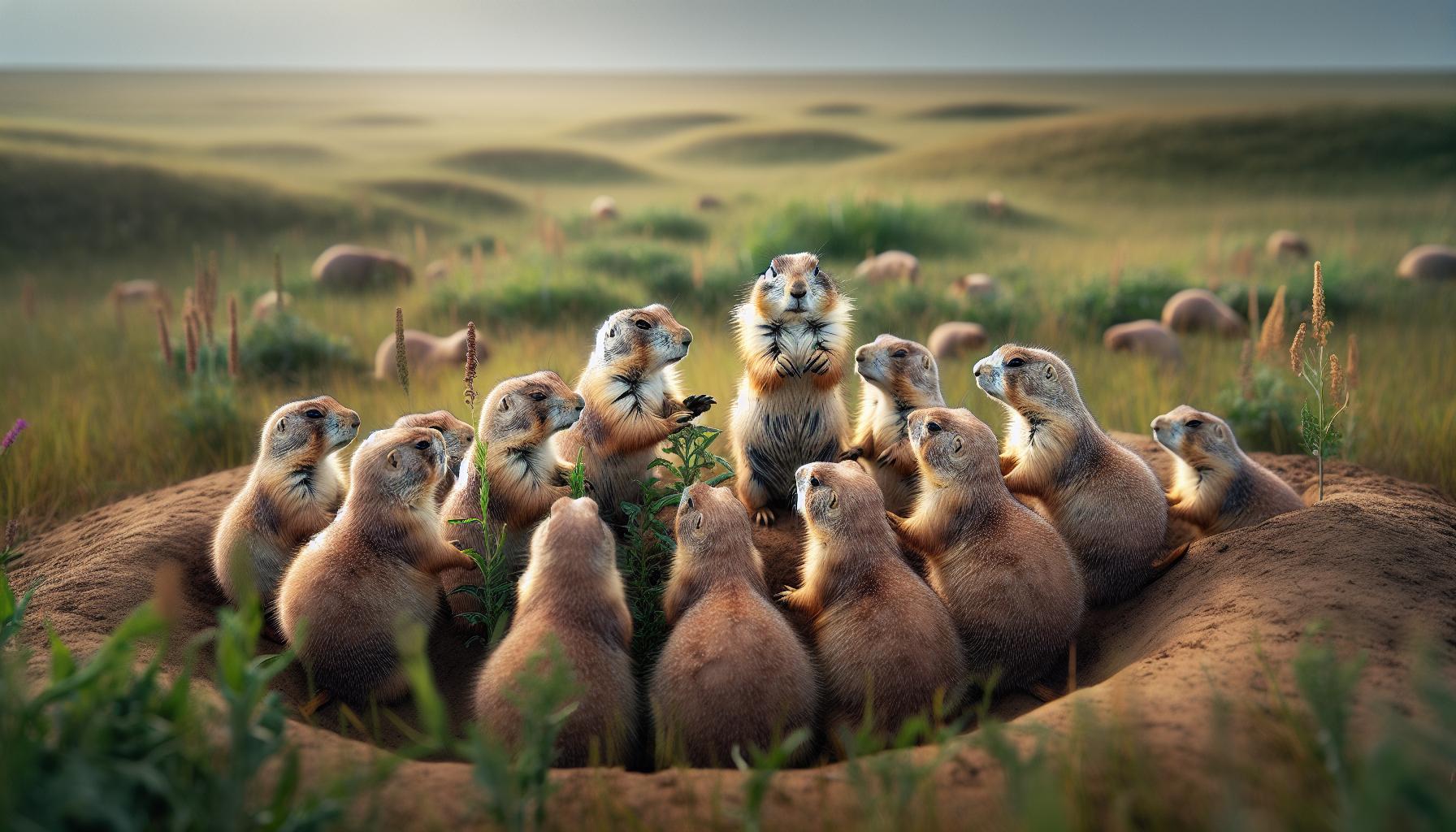
Understanding Prairie Dog Behavior and Social Needs
Prairie dogs are not only fascinating animals but also highly social creatures with intricate social structures. Did you know that they communicate through a complex system of barks and body language, allowing them to alert their colony to potential predators? Understanding these behaviors and their social needs is essential to creating a cage that enriches their lives and replicates their natural habitat as closely as possible.
In the wild, prairie dogs live in large colonies known as “towns.” These towns can house hundreds of individuals, emphasizing the importance of social interaction in their daily lives. When setting up a cage, consider accommodating multiple prairie dogs if possible, as they thrive in social settings. Providing companions reduces stress, encourages natural behaviors, and greatly enhances their overall well-being. If you’re introducing new prairie dogs, take care to gradually acclimate them. This will help avoid territorial disputes and foster a cohesive group dynamic.
To cater to their active lifestyle, ensure your cage allows for plenty of movement and exploration. Prairie dogs are natural diggers and burrowers, so incorporating tunnels, digging boxes, and varied terrain can satisfy their instincts. Additionally, vertical space is crucial; consider multi-level setups that let your pets climb and survey their surroundings. Incorporating natural materials, such as untreated wood branches, can also stimulate their curiosity and playfulness while providing essential wear for their teeth.
Social interaction is fundamental beyond just having cage mates. Incorporate toys that promote play and teamwork, such as tunnels and chew toys designed for multiple animals. Rotate these items periodically to maintain their interest and excitement. Remember, a happy prairie dog is one that feels safe and engaged. By understanding their behavioral nuances and creating a stimulating environment, you’ll be fostering a lively and fulfilling habitat that not only meets their physical needs but also nourishes their social well-being.
Common Mistakes to Avoid When Building a Cage
When embarking on the journey of building a cage for prairie dogs, it’s easy to overlook vital details that can lead to significant challenges down the road. One common pitfall is underestimating the space requirements of these social creatures. Prairie dogs are not solitary animals; they thrive in groups and need ample room to interact and explore. A cramped cage not only causes stress but can also lead to aggression and other behavioral issues among your pets. Aim for a spacious design that accommodates multiple prairie dogs, ideally replicating their natural-town environment.
Another frequent mistake is neglecting to include adequate digging space. Prairie dogs are natural diggers and require the option to burrow. Failing to provide this will not only stifle their instincts but could also lead to health issues. Consider incorporating a designated digging area with soft, absorbent substrate like aspen shavings or sand to satisfy their need to burrow and explore.
It’s also crucial to ensure that materials used in the construction of the cage are safe. Some homeowners might opt for cheaper, treated materials that can leach harmful chemicals. Make sure to use untreated wood and non-toxic paints or sealants to create a safe environment. Additionally, ventilation is vital; stagnant air can lead to respiratory problems. Ensure there are enough openings for airflow while maintaining security.
Finally, many people underestimate the importance of enrichment in a prairie dog habitat. Toys, climbing structures, and varied levels make a cage feel more like a natural environment and are essential for mental stimulation. Regularly rotating these enrichment items helps keep your prairie dogs engaged and prevents boredom, which can lead to destructive behaviors. By avoiding these common mistakes, you’ll be on the path to creating a healthy and happy habitat for your prairie dogs, promoting their well-being for years to come.
Maintenance Tips for a Healthy Prairie Dog Habitat
To ensure that your prairie dogs thrive in their habitat, regular maintenance is key. These animals are highly social and intelligent, requiring a space that is not only secure but also clean and enriching. First and foremost, cleaning the cage is essential. Aim to perform a thorough cleaning at least once a week, which includes removing soiled bedding, uneaten food, and any waste. Regularly check for mold or mildew, especially in damp areas, as this can affect their health. You can use a safe and non-toxic disinfectant and be sure to rinse and dry all surfaces thoroughly before replacing the bedding.
Next, monitor the habitat’s environment closely. Prairie dogs are sensitive to extreme temperatures, so maintaining a comfortable range-ideally between 65°F and 80°F-is crucial. During hot weather, make sure they have access to cool, shaded areas and plenty of water. In colder months, ensure they have a warm spot in their cage and that the space is insulated to prevent drafts. Regularly check the water supply to ensure it’s clean and refreshed daily, as hydration is vital to their health.
Pay attention to their enrichment items too. These dynamic creatures thrive on stimulation, so rotate toys and climbing structures frequently to prevent boredom. You might observe that certain toys become favorites; consider having multiples for the bigger digs! Moreover, be mindful of their chewing habits-replace any deteriorating items promptly to prevent injury.
Don’t forget about their dietary needs. Providing a balanced diet consisting of high-quality pellets, fresh hay, and occasional veggies keeps them happy and healthy. Monitor their eating habits; sudden changes can indicate health issues. Remember, your prairie dog’s well-being directly correlates with the attentiveness to their habitat. By establishing a regular maintenance routine, you’ll create a thriving environment that mimics their natural habitat and promotes their overall happiness and health.
How to Transition Your Prairie Dogs to Their New Cage
Transitioning prairie dogs to a new cage is an important process that requires care and patience. Prairie dogs are naturally social and territorial animals, and a new environment can be stressful for them. To begin, ensure that the new cage is properly set up with hiding spots, familiar objects from their previous home, and engaging enrichment to make them feel comfortable. This setup mimics their natural habitat, providing security and stimulation, which is crucial for their well-being.
Start the transition gradually. Place the prairie dogs in their new cage while keeping it in a quiet area away from disturbances during the first few days. Familiar scents from their previous cage can be introduced by adding some of their old bedding or toys, helping to ease the anxiety of the move. Monitor their behavior closely; initially, they may be cautious or hide more than usual. This is a normal response as they explore their new surroundings. Over time, you should see them becoming more active and curious as they adjust.
It’s also vital to maintain their feeding routine during this transition. Provide the same diet they were used to in their old cage. Once they appear comfortable, you can start to introduce new foods slowly. Ensure fresh water is available at all times, as hydration is crucial, especially during stressful times. Consider using feeding methods that encourage their natural digging or foraging behaviors to further engage them.
Lastly, be patient. Adjusting to a new home can take several days to even weeks. Spend time next to their cage, speaking softly to them. This human interaction can foster trust and help them settle in. Remember, the goal is to create a welcoming and secure environment that allows your prairie dogs to thrive while minimizing stress during their transition to their new cage.
Exploring Different Prairie Dog Species for Your Cage
Did you know that prairie dogs are not a single species, but a group of closely related species that belong to the family Sciuridae? Understanding the various species of prairie dogs can enhance your experience in building the perfect habitat for these fascinating creatures. The most common species in captivity and pet trade include the black-tailed prairie dog, the white-tailed prairie dog, and the Gunnison’s prairie dog. Each species has unique traits and needs, making it essential to choose the right one for your setup.
Species Overview
- Black-tailed Prairie Dog: This is the most widely recognized species. They have a robust build and a distinctive black-tipped tail. Known for their social structures, they live in colonies called towns. Black-tailed prairie dogs are quite vocal and exhibit playful social behaviors, making them a joy to observe.
- White-tailed Prairie Dog: Slightly smaller than their black-tailed counterparts, these prairie dogs have a more petite build and lighter coloration. They are known for their more solitary nature compared to black-tailed prairie dogs, which influences how you might structure their environment. Their less social behavior means they may require more enrichment to keep them stimulated and engaged.
- Gunnison’s Prairie Dog: Recognizable by their distinctive markings and slightly stockier build, these prairie dogs are less commonly kept as pets but are still fascinating. They require ample space to roam and dig due to their active nature. Known for their strong pair bonding and territorial behaviors, creating separate spaces within a cage can help minimize conflict.
Understanding the unique behavior and social structures of each prairie dog species can help you in designing a cage that promotes their natural instincts. For example, black-tailed prairie dogs thrive in larger, community-based setups, while white-tailed prairie dogs may benefit more from a mix of independent and communal spaces to satisfy their somewhat solitary yet still social tendencies.
Regardless of the species you choose, ensure that their habitat replicates natural conditions as closely as possible. Incorporate features such as tunnels, burrows, and plenty of hiding spots. These designs not only cater to their instincts but also help mitigate stress, promoting a healthy and happy environment for your prairie dogs.
Cost Breakdown: Budgeting for Your Prairie Dog Setup
Creating a suitable habitat for prairie dogs can be a fulfilling venture, but it’s essential to budget wisely to ensure you provide a safe and enriching environment without breaking the bank. The total cost of setting up a prairie dog cage can vary significantly based on the size of the cage, materials used, and necessary accessories. To make your budgeting easier, consider the following aspects:
Cage Structure and Materials
The most significant expense in your budget will typically be the cage itself. Ready-made cages can cost anywhere from $200 to $1,000 or more, depending on size and quality. If you opt to build your own, a DIY cage can be more cost-effective, with materials (such as wood, wire mesh, and tools) generally ranging from $100 to $500. Make sure to choose durable, safe materials that are easy to clean and maintain.
Interior Setup
Once you have a cage, you’ll need to furnish it properly. Each prairie dog will require adequate space to burrow and play. Basic items like bedding, food dishes, and water bottles will likely set you back about $50 to $100. Additionally, consider adding enrichment items like tunnels and toys, which can cost anywhere from $30 to $150, depending on whether you purchase them or craft them yourself.
Ongoing Care Expenses
Remember that budgeting doesn’t stop at the initial setup. Regular costs for food, bedding, and veterinary care should also be factored in. Quality prairie dog pellets and fresh produce can total around $20 to $40 monthly, while bedding replacements can add another $10 to $25. Veterinary care, especially for routine check-ups, can vary but budgeting around $200 annually is a good start.
Cost Summary
Here’s a simplified breakdown to visualize the potential expenses:
| Item | Estimated Cost |
|---|---|
| Cage (Pre-built or DIY) | $200 – $1,000 |
| Interior Setup (bedding, dishes, etc.) | $50 – $100 |
| Enrichment Supplies | $30 – $150 |
| Monthly Food Expenses | $20 – $40 |
| Annual Veterinary Care | $200 |
By considering these various aspects of your prairie dog setup, you can create a realistic budget that ensures your furry friends thrive in a safe and engaging environment. Remember, investing in a quality setup will lead to happier, healthier prairie dogs who can showcase their quirky personalities for years to come.
Frequently Asked Questions About Prairie Dog Cages
Providing a safe and enriching environment for prairie dogs is essential, and prospective owners often have many questions when it comes to building the ideal cage. One common query is about the appropriate size for a prairie dog cage. Ideally, you should consider at least 10 square feet per prairie dog; larger is better, particularly for social interactions and movement. Remember, these energetic creatures thrive on activity and space to burrow, so a spacious setup helps reduce stress and promotes healthy behavior.
Another frequent concern revolves around the materials used for construction. Opt for non-toxic, durable materials like untreated wood, metal, or high-quality wire mesh that can withstand chewing. Avoid toxic paints, varnishes, or treated woods, as these can pose health risks. If you’re a DIY enthusiast, ensure that all edges are smooth to prevent injury and that any wooden components are safe for animals.
When constructing the interior of the cage, incorporate various levels and platforms connected by ramps or tunnels. Prairie dogs love to burrow and explore, so having different levels mimics their natural habitat. Additionally, include secure hiding spaces where they can retreat and feel safe. Bedding materials like aspen shavings or hay not only provide comfort but also help with digging behavior, which is crucial for their well-being.
Lastly, enrichment is vital for the mental stimulation of prairie dogs. Consider adding toys, climbing structures, and chew items to keep them engaged. Rotate these features frequently to maintain their interest. Social creatures by nature, prairie dogs will also benefit from interaction with their humans or, ideally, companions of their own kind within the cage. Remember, happy prairie dogs are playful prairie dogs, so spend time observing and interacting with them to foster a strong bond.
Frequently asked questions
Q: What materials are best for building a prairie dog cage?
A: The best materials for constructing a prairie dog cage are sturdy wood or metal, along with wire mesh for ventilation. Ensure that the mesh has openings no larger than 1 inch to prevent escapes. Consider using non-toxic finishes to ensure the safety of your pets.
Q: How big should a prairie dog cage be for optimal living conditions?
A: A spacious prairie dog cage should be at least 4 feet long, 2 feet wide, and 2 feet tall for one or two prairie dogs. Larger sizes are recommended for more animals, providing ample space for social interaction and exercise.
Q: What features should I include in a prairie dog cage?
A: Essential features for a prairie dog cage include multiple levels, tunnels for exploration, and hiding spots for security. Incorporating chew toys and natural materials can also enrich their environment.
Q: How do I ensure my prairie dog cage is safe from predators?
A: To protect your prairie dog cage from predators, ensure the use of sturdy locks on doors, install barriers underground to prevent burrowing predators, and place the cage in a secure area away from potential threats.
Q: Can I keep multiple prairie dogs in the same cage?
A: Yes, you can keep multiple prairie dogs together, but they should be introduced to each other gradually. Ensure your cage is large enough to accommodate their social needs and provide multiple hiding spots to minimize stress.
Q: What kind of bedding should I use in a prairie dog cage?
A: For bedding, opt for paper-based products or aspen shavings, as these are safe and absorb moisture well. Avoid cedar or pine shavings, as their oils can be harmful to prairie dogs.
Q: How often should I clean a prairie dog cage?
A: Clean your prairie dog cage at least once a week to maintain hygiene. Remove soiled bedding, sanitize surfaces, and refresh food and water supplies. This regular maintenance helps prevent odors and keeps your pets healthy.
Q: What is the best way to move prairie dogs to a new cage?
A: To transition prairie dogs to a new cage, place their old bedding in the new cage to maintain familiar scents. Conduct the move during a calm time, and monitor their behavior for a few days to ensure they adjust well.
To Wrap It Up
Congratulations on taking the next steps towards building a safe and engaging habitat for your prairie dogs! Remember, a well-constructed cage not only provides comfort but also enhances their quality of life. As you finalize your setup, consider our guides on “Best Materials for Animal Cages” and “Feeding and Care for Prairie Dogs” to ensure you have all bases covered.
Don’t forget to share your cage-building experiences and photos in the comments below; we love seeing your progress and insights! If you found this guide helpful, be sure to subscribe to our newsletter for more expert tips and resources. Your prairie dogs will thank you for it! Dive deeper into our website to explore additional articles that enrich your understanding-after all, the more you know, the better you can care for your furry friends. Happy building!
Get our latest guides, news, and insights highlighted in your Google Search & AI Overviews.