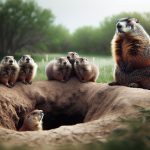
Did you know that prairie dogs play a vital role in their ecosystems, serving as prey for various predators and contributing to soil aeration through their burrowing activities? Understanding the life expectancy of these fascinating creatures not only sheds light on their survival strategies but also highlights the importance of their conservation. Typically, prairie dogs live around 3 to 5 years in the wild, although some can reach over a decade under ideal conditions. This longevity significantly impacts their colonies, social structures, and the overall health of their habitats. As curious wildlife enthusiasts or potential pet owners, exploring the lifespan of prairie dogs offers insights into their behavior, environmental needs, and the challenges they face. So, let’s delve deeper to uncover what affects their longevity and what it means for their future in the wild.
What Factors Influence Prairie Dog Longevity?
The longevity of prairie dogs is influenced by a fascinating interplay of environmental, biological, and social factors. Generally, these small mammals can live for up to eight years in the wild, although many fall victim to predators or environmental stressors before reaching their maximum age. Understanding what affects their lifespan can illuminate broader ecological dynamics and inform conservation efforts.
One critical component is habitat quality. Prairie dogs thrive in environments that provide ample food, suitable burrowing conditions, and minimal disturbances from human activity or predators. Urban encroachment and agricultural practices can degrade these habitats, leading to decreased populations and shorter life spans. For example, prairie dog colonies in well-managed grasslands often exhibit healthier animals and greater longevity compared to those in fragmented or polluted areas.
Additionally, social structure plays a vital role in a prairie dog’s life expectancy. Living in colonies, these social animals engage in complex interactions that can either alleviate or exacerbate stress. Healthy colonies facilitate cooperation in foraging and vigilance against predators, significantly impacting individual survival rates. Conversely, overcrowded or unstable colonies may lead to increased stress and disease transmission, ultimately affecting longevity.
Diet and nutrition also cannot be overlooked. Prairie dogs are herbivores, primarily feeding on grasses and roots. Availability of nutritious food sources directly impacts their health and resilience against disease. Proper diet during critical developmental stages can ensure that young prairie dogs grow into robust adults, capable of evading predators and thriving in their environment.
By recognizing these critical factors-habitat quality, social structures, and dietary needs-wildlife enthusiasts and conservationists can better understand the dynamics affecting prairie dog populations and contribute to their conservation. A well-informed approach can help ensure that future generations of these engaging animals can thrive in their native habitats.
Average Lifespan of Different Prairie Dog Species

The average lifespan of prairie dogs varies significantly across different species, influenced by both environmental factors and their social structures. Prairie dogs belong to the family Sciuridae and are primarily divided into five species, with each exhibiting unique characteristics that impact their longevity.
One of the most common species, the black-tailed prairie dog, often lives up to 8 years in the wild, though many do not survive past their early years due to predation and environmental challenges. In more favorable conditions, particularly within stable colonies, some individuals can reach their maximum lifespan, showcasing the importance of a secure habitat.
The white-tailed prairie dog, another notable species, has a slightly shorter lifespan, averaging around 5 to 6 years. These prairie dogs are more susceptible to habitat alteration and predation, which can greatly reduce their lifespan. The lesser-known Gunnison’s prairie dog and Utah prairie dog tend to have similar lifespans, typically ranging from 3 to 6 years, depending on their living conditions and predation pressures.
In captivity, where threats are minimized, prairie dogs can live considerably longer, often exceeding 10 years. This highlights the significant role that environmental factors-such as habitat quality, available resources, and social interactions-play in determining their life expectancy. For anyone interested in these social creatures, understanding these lifespan differences is vital, especially when considering conservation efforts or responsible ownership of prairie dogs as pets.
Overall, the longevity of prairie dogs serves as a reminder of the intricate balance within ecosystems and the need for continued conservation efforts to protect their habitats.
The Impact of Habitat on Prairie Dog Life Expectancy

The well-being of prairie dogs is intricately tied to their habitats, which play a pivotal role in determining their life expectancy. When these social animals are situated in optimal environments, their chances for a longer life significantly improve. For instance, black-tailed prairie dogs thrive in well-established colonies with ample vegetation, offering both food and protection. Their living arrangements enable social interactions that are crucial not just for their mental health, but also for collective vigilance against predators. Prairie dogs can alert one another to dangers, which is essential in the wild where vigilance can mean the difference between life and death.
Influential Habitat Features
Factors such as soil type, plant diversity, and proximity to water sources are vital for sustaining healthy prairie dog colonies. Well-drained soils allow for burrow construction-essential for safety and breeding. Diverse plant life provides necessary nutrition, as prairie dogs primarily consume grasses and herbaceous plants. Regions with rich biodiversity support not only prairie dog populations but also the natural predators that help keep their numbers in balance. However, when habitats become fragmented or degraded through agricultural expansion or urban development, prairie dogs face increased stress, leading to shortened lifespans.
In captivity, where habitat conditions can be closely monitored, prairie dogs often live longer lives-sometimes exceeding a decade. This highlights how crucial a stable and nurturing environment is for their overall health. An ideal setup replicates their natural habitat, including spacious enclosures with places to dig, forage, and engage socially. Integrating natural elements into captive environments can mitigate the stressors that frequently accompany living in a confined space.
Understanding the impact of habitat on prairie dogs not only enriches our appreciation of these remarkable creatures but also underscores the importance of conservation efforts. Protecting their natural environments ensures that prairie dog populations can thrive, which in turn helps maintain the ecosystem balance in which they play an integral role. Engaging in conservation helps preserve their homes and enhance their chances for longevity, making it a win-win for both prairie dogs and their habitats.
Diet and Nutrition: Key to Prairie Dog Longevity
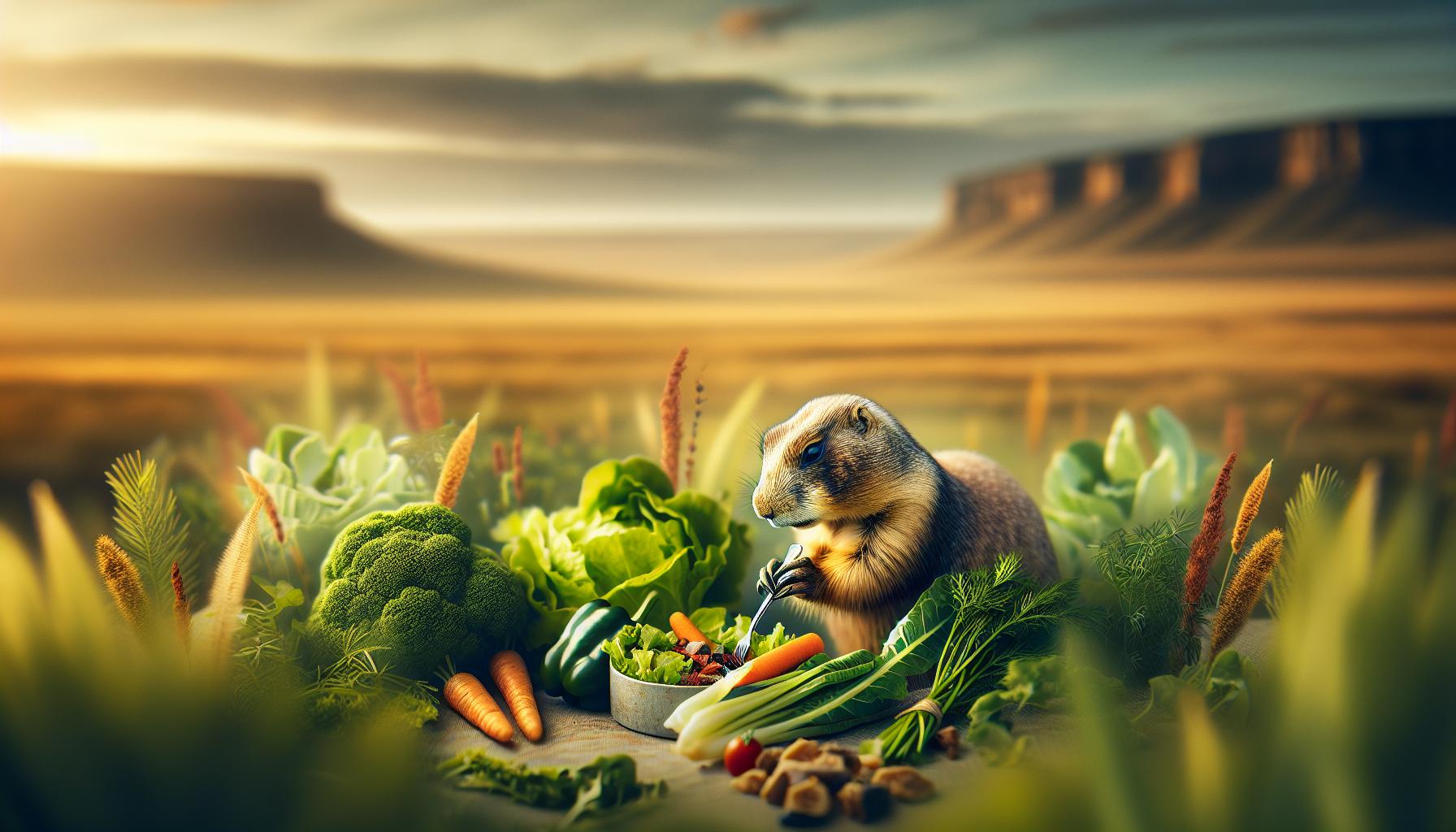
Prairie dogs are fascinating creatures that depend heavily on their diet and nutrition for a long and healthy life. These social rodents primarily feed on a variety of grasses and other herbaceous plants, making them herbivores by nature. Their preferred diet plays a critical role in their longevity, as it not only nourishes their bodies but also helps maintain their vibrant social structures and interactions within their colonies.
A well-balanced diet is essential for prairie dogs, as it influences their overall health and immune systems. They thrive on an assortment of nutrient-rich foods, including:
- Fresh grasses: Rich in vitamins and fibers that aid digestion.
- Herbaceous plants: These provide necessary carbohydrates and proteins.
- Roots and stems: A good source of energy and essential nutrients.
- Seeds: Occasionally, prairie dogs will eat seeds, which add variations in their diet.
In the wild, the seasons dictate changes in available food sources, which means prairie dogs must adapt their foraging habits accordingly. For instance, in spring and early summer, they enjoy fresh green grasses, while drier late summer months might compel them to dig up roots to access stored energy. This adaptability is not just a survival tactic; it also underscores their ability to remain healthy throughout fluctuating environmental conditions.
For those who keep prairie dogs as pets, mirroring their natural diet can enhance their quality of life. Pet owners should provide a mix of high-quality hay, fresh vegetables, and specially formulated pellets designed for herbivores. Avoiding sugary snacks and processed foods is crucial, as these can lead to obesity and a range of health issues, ultimately shortening a prairie dog’s lifespan. Just like humans thrive on nutritious food, prairie dogs flourish when they receive a balanced, varied diet that promotes their well-being.
The role of diet in prairie dog longevity extends beyond simple sustenance; it is intertwined with their social dynamics and habitat health. Healthy prairie dogs can more effectively engage in their unique social behaviors, such as grooming and play, which not only strengthen their social bonds but also foster group vigilance-an essential trait for survival. Consequently, good nutrition contributes to the resilience of prairie dog colonies and aids in maintaining the delicate ecosystem in which they play such a vital role. By supporting prairie dog populations through proper dietary practices, we can help preserve these charming creatures for generations to come.
Predation Risks: How They Affect Lifespan
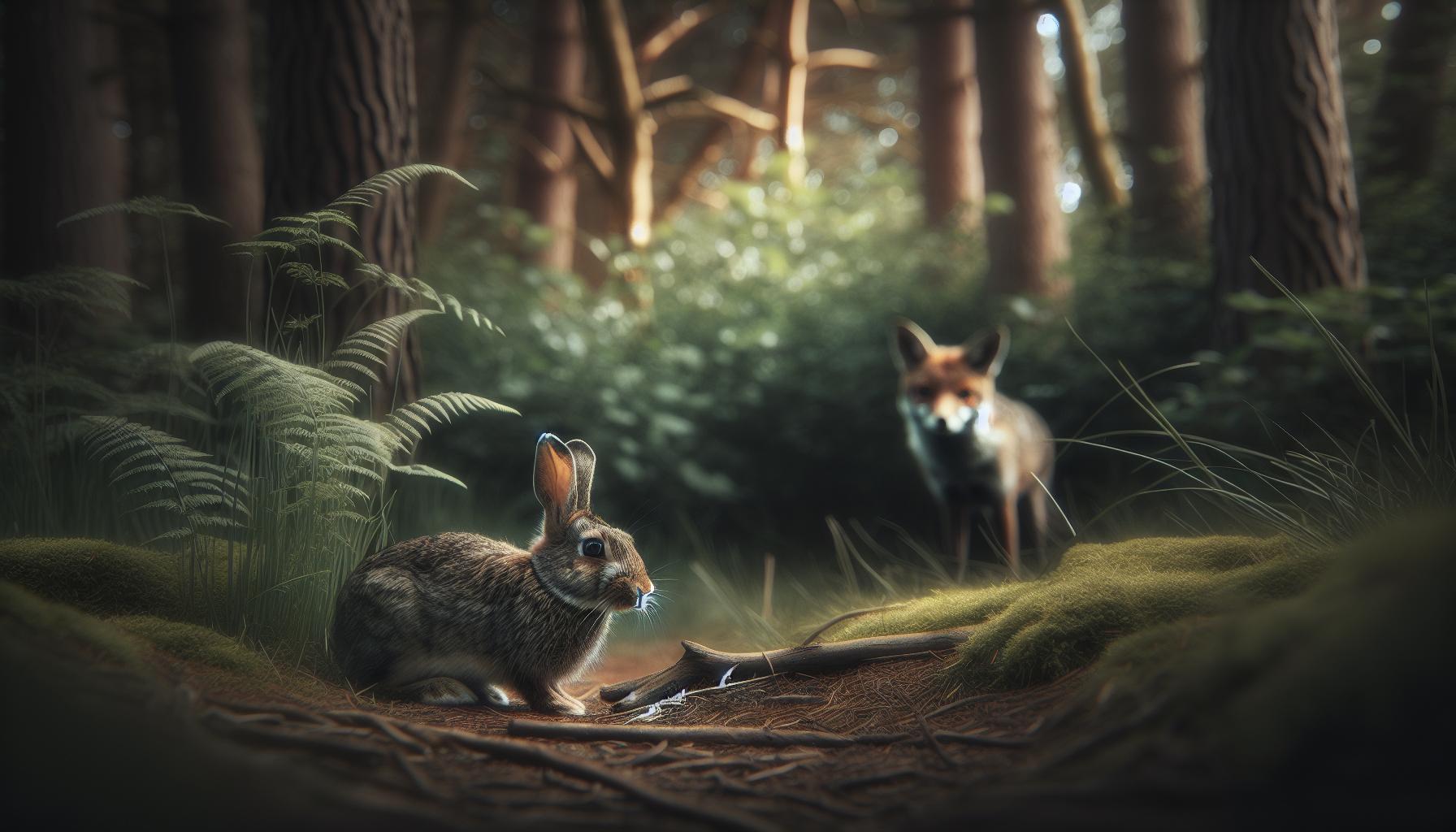
In the wild, prairie dogs face a plethora of challenges that can influence their lifespan, with predation being one of the most significant threats. These social rodents are preyed upon by a variety of animals including hawks, eagles, coyotes, and even domestic pets. The constant risk of being hunted forces prairie dogs to develop intricate social behaviors and alarm calls, which are critical for warning their colony of incoming danger. Their survival depends not only on individual alertness but also on group vigilance, making their social structure an essential factor in their longevity.
The effectiveness of these alarm calls often determines how quickly the colony can react to predators. When a prairie dog spots a threat, it emits a sharp call that signals others to either flee to their burrows or remain vigilant, ready to defend themselves. Such coordinated efforts can greatly enhance their chances of survival, allowing them to live longer and healthier lives. Conversely, a lack of awareness or ineffective communication within the colony can lead to increased predation and, consequently, a decrease in lifespan for its members.
Moreover, the habitat plays a crucial role in mitigating predation risks. Prairie dogs thrive in open areas with sparse vegetation that allows for quick escapes into their burrows. If their habitat is compromised-say, through overgrowth or urban encroachment-their ability to spot predators diminishes, increasing their vulnerability. Many colonies benefit from maintaining a healthy balance in their environment, which includes keeping their burrows well-structured and the surrounding area clear to enhance visibility.
In the context of pet prairie dogs, owners can draw parallels to wild behaviors by creating enriched environments that promote natural foraging and exploration. Ensuring your pet has enough space and stimulation can help mimic the social and survival-driven behaviors of their wild counterparts, ultimately contributing to a longer, more fulfilling life. Understanding these predation dynamics not only sheds light on the challenges prairie dogs face in the wild but also highlights the importance of habitat conservation efforts aimed at protecting these charming animals and their intricate ecosystems.
Care and Maintenance for Pet Prairie Dogs
Ensuring your pet prairie dog has a thriving and enriching environment is key to promoting longevity and well-being. These small, social creatures thrive on interaction, stimulation, and proper care, which can significantly influence their lifespan. Prairie dogs can live anywhere from 5 to 8 years in captivity, depending on their care, diet, and social environment. This fact underscores the importance of creating a habitat that caters to their natural behaviors.
To start, a spacious enclosure that mimics their natural environment is essential. Prairie dogs are burrowers and enjoy tunneling. A multi-level habitat with various hiding spots, tunnels, and climbing areas will help them express their innate behaviors. Using natural materials like untreated wood or cardboard can make their space more engaging. It’s crucial to provide plenty of room-aim for at least 10 square feet of floor space per prairie dog.
Diet plays a significant role in their overall health. A balanced diet should include high-quality hay, fresh vegetables, and limited pellets specifically formulated for herbivores. Be cautious with treats; items high in sugar can disrupt their digestive health. Regular access to clean water is a must, as proper hydration supports their bodily functions. Monitor their weight and eating habits closely, as changes can signal health issues.
Social interaction is another critical factor in the care of prairie dogs. These animals are highly social and thrive in colonies, so consider adopting more than one if possible. If that’s not feasible, spend time interacting with your prairie dog daily. Gentle handling and playtime will help simulate their natural social behaviors, reducing stress and loneliness. Furthermore, keeping their environment enriched with toys, tunnels, and natural foraging opportunities will keep them mentally stimulated, promoting health and happiness.
In addition, routine veterinary care is vital. Regular check-ups can catch health issues early and vaccines can protect against disease. Watch for signs of common health problems such as dental issues or respiratory infections, as these can impede their quality of life and longevity. With the right care and environment, your prairie dog can lead a long, vibrant life, filled with the joys of exploration and social connection.
Behavioral Traits Linked to Longevity
Prairie dogs are not just charming little critters; their behaviors play a significant role in determining their longevity. One fascinating aspect of their life is their highly social structure. These animals live in complex family groups called colonies or coteries, where social interaction is not only common but crucial for their survival and well-being. The bonds they form with other prairie dogs help reduce stress and promote a sense of security, which can contribute positively to their lifespan.
Another behavioral trait linked to their longevity is their natural instinct to burrow and create elaborate tunnel systems. This instinct is not merely for shelter; it provides mental stimulation and physical exercise. Prairie dogs are known to dig and maintain extensive burrows that can range from simple holes to intricate networks, providing them ample opportunity to explore, forage, and evade predators. An enriched environment that is reflective of their natural digging behavior is vital for captive prairie dogs, as it keeps them engaged and active, thus supporting their overall health and longevity.
Diet is also intertwined with behavior; prairie dogs are herbivorous grazers who munch on grasses and other greens in the wild. Observing and recreating their foraging behaviors in captivity-like hiding food in various places or providing a variety of fresh greens-can enhance their quality of life and promote healthier eating habits. When prairie dogs are afforded the ability to forage and explore their food sources, they exhibit more vigorous and happier behaviors, which naturally contributes to their longevity.
Ultimately, the key to maximizing the lifespan of these fascinating creatures lies in understanding and providing for their behavioral needs. By fostering social bonds, offering opportunities for physical activity through burrowing, and encouraging natural feeding behaviors, owners can help their prairie dogs live longer, healthier lives. This emphasis on behavioral health is essential not just for survival but for a fulfilling, enriched life that mirrors their existence in the wild.
Conservation Status: Threats to Prairie Dog Populations
Populations of prairie dogs face significant threats that jeopardize their survival and, consequently, their life expectancy. These social creatures are not just cute; they’re integral to the ecosystems they inhabit. Yet, human activities and environmental changes pose serious risks to their existence.
One of the primary threats to prairie dogs comes from habitat destruction. Urbanization, agricultural expansion, and land development reduce the vast open spaces that prairie dogs need to thrive. As their habitats shrink, so do their opportunities for foraging and social interaction, which are vital for their health and longevity. Additionally, habitat fragmentation can isolate colonies, making them more vulnerable to predation and reducing genetic diversity.
Another major concern is the decline of prairie dog populations due to disease. Sylvatic plague, a highly contagious disease carried by fleas, has devastated prairie dog colonies in many areas. While some populations have developed resistance, outbreaks can rapidly decimate numbers and disrupt social structures, which impacts their longevity.
Predation also takes its toll on prairie dog colonies. As their numbers dwindle, the risk of predation from hawks, coyotes, and other predators increases, exacerbating the pressure on these already stressed populations. Furthermore, the removal of prairie dogs, often seen as pests by farmers and ranchers, can lead to a cascade of ecological consequences, as various species depend on prairie dogs for food and habitat structure.
Supporting prairie dog conservation efforts is vital. Engaging in local wildlife initiatives and advocating for land use policies that protect their habitats can make a real difference. By promoting awareness about the ecological importance of prairie dogs, we can help ensure that these remarkable animals continue to thrive for generations to come. In doing so, we not only protect a species but also preserve the rich biodiversity they support in their ecosystems.
Health Issues Affecting Prairie Dog Lifespan
Health plays a crucial role in determining the lifespan of prairie dogs, a beloved species known for their charming social structures and proactive burrowing habits. These small rodents are highly susceptible to various health issues that can significantly affect their longevity. Among these, infectious diseases and parasites are leading causes of mortality, with sylvatic plague being the most notorious. This highly contagious disease, caused by the bacteria Yersinia pestis, is spread by fleas and can decimate entire colonies almost overnight. Interestingly, some populations have displayed a remarkable resilience, evolving a degree of resistance, which can vary widely across different regions.
Aside from infectious diseases, prairie dogs also face threats from other health issues, including nutritional deficiencies and environmental stresses. These creatures thrive on a diet of grasses and other vegetation, and inadequate nutrition can lead to weakened immune systems, making them more susceptible to infections and diseases. In addition to food scarcity, habitat fragmentation and pollution can expose prairie dogs to toxins, further compounding health risks.
Another significant concern for the longevity of prairie dogs is the impact of social stress within their colonies. As inherently social animals, prairie dogs rely on their colonies for protection and social interactions. When populations are pressed by habitat loss or disease outbreaks, social structures can break down. This breakdown not only affects their ability to thrive but can also lead to increased instances of stress-related illnesses, further shortening their lifespan.
By understanding these health challenges, conservationists and wildlife enthusiasts can better support prairie dog populations. Measures such as monitoring for disease outbreaks, protecting habitats, and ensuring proper nutrition are essential steps towards promoting healthier communities of these fascinating creatures. Thus, recognizing and addressing health issues is key to enhancing the life expectancy of prairie dogs, securing their future in our ecosystems.
The Role of Social Structures in Lifespan Variability
Prairie dogs are fascinating creatures with deeply intertwined social structures that significantly influence their longevity. Living in large colonies known as coteries, these social animals rely on each other for protection, grooming, and alarm calling to warn of predators. This social framework is not just a way of life but a crucial element affecting their health, stress levels, and ultimately, their lifespan.
Social structures provide a safety net for prairie dogs. In the presence of robust social networks, individuals can thrive due to shared vigilance against threats. When one prairie dog detects a predator, it emits alarm calls that alert others, allowing the colony to respond collectively. However, if the social structure is compromised-due to habitat loss or disease outbreaks-individuals may experience increased stress. This stress can weaken immune function, making them more susceptible to diseases and reducing their overall lifespan.
Moreover, the dynamics within a prairie dog colony can vary significantly. For example, larger groups tend to have lower individual stress levels and better protection against predators. In contrast, isolated individuals or smaller colonies may face heightened risks, not only from predators but also from social isolation, which can lead to depression and decreased overall health. Such social interactions emphasize the importance of maintaining population densities necessary for the survival of prairie dog communities.
In managing and conserving prairie dog populations, recognizing and supporting these social structures is vital. Effective conservation strategies should focus on preserving habitats and ensuring that populations remain connected. Whether through habitat restoration or vaccination programs against diseases like sylvatic plague, helping prairie dogs maintain their social networks can lead to healthier populations. After all, their social lives are just as integral to their longevity as their diet and environment, making prairie dogs a compelling example of the interconnectedness of life in nature.
What Can We Learn from Prairie Dog Longevity?
Prairie dogs are social creatures that teach us invaluable lessons about longevity and community living. Their impressive survival skills are closely tied to their social networks, showcasing the importance of companionship for both physical and mental well-being. For those interested in the care or conservation of prairie dogs, there are several key takeaways that shed light on enhancing their lifespan-both in the wild and in our homes.
One significant factor influencing longevity is the rich social structures found in prairie dog colonies. These animals live in large, cooperative groups that provide mutual protection against predators and shared responsibilities for nurturing young. The alarm calls emitted by a vigilant prairie dog can save the lives of many, demonstrating that alertness and cooperation are vital. For pet owners or enthusiasts, fostering a social environment for prairie dogs can replicate these beneficial interactions. Keeping two or more prairie dogs can enhance their quality of life, reduce stress, and improve health outcomes.
Moreover, the habitat requirements of prairie dogs reveal a broader principle applicable to many animals, including pets. These rodents thrive in open areas with enough space to dig, forage, and play. Limitations to their space can lead to increased stress and health issues. For those caring for prairie dogs as pets, offering an enriched environment that mimics their natural habitat can promote more extended, healthier lives. Include tunnels, burrows, and opportunities for exercise to simulate their wild lifestyle.
Finally, understanding the impact of diet and nutrition cannot be overstated. Just as prairie dogs consume a variety of grasses and plants to meet their nutritional needs, ensuring a balanced diet is crucial for any animal in captivity. A well-rounded diet helps build resistance against common health issues, further extending lifespan. Focus on providing high-fiber foods, fresh vegetables, and occasional treats mimicking their natural preferences to contribute to long-term health.
Collectively, these insights about prairie dog longevity illustrate the interconnectedness of social structure, habitat enrichment, and nutrition. Their lives encourage us to reflect on our care for all animals, prompting a deeper understanding of how community, environment, and diet play essential roles in promoting health and longevity. By adopting these principles, whether in wildlife conservation or pet ownership, we can ensure that prairie dogs continue to thrive and inspire us with their remarkable resilience.
FAQ
Q: How long do prairie dogs typically live in the wild?
A: Prairie dogs generally live about 3 to 5 years in the wild due to threats like predation and disease. However, some may survive longer depending on environmental conditions and social structures.
Q: What is the lifespan of a prairie dog in captivity?
A: In captivity, prairie dogs can live significantly longer, often reaching 8 to 10 years, thanks to regular veterinary care, a controlled diet, and protection from predators and disease.
Q: What are the common causes of death for prairie dogs?
A: The most common causes of death for prairie dogs include predation, disease outbreaks, and habitat loss. Their vulnerable status makes them susceptible to various health issues affecting their longevity.
Q: How do social structures impact prairie dog longevity?
A: Prairie dog colonies have complex social structures that can enhance longevity. Being part of a group provides safety in numbers, reducing predation risk and helping individuals thrive socially, which is vital for their survival.
Q: What factors can improve the life expectancy of pet prairie dogs?
A: Pet prairie dogs benefit from a balanced diet, regular health check-ups, and an enriched environment. Providing companionship and appropriate care can significantly enhance their lifespan compared to their wild counterparts.
Q: Do different species of prairie dogs have varying lifespans?
A: Yes, different species of prairie dogs, like the black-tailed and white-tailed, can have different lifespans owing to their unique habitats and environmental adaptations. Generally, species in safer environments may live longer.
Q: How does habitat affect prairie dog life expectancy?
A: Prairie dogs in secure, resource-rich habitats generally enjoy longer lives. A healthy habitat with sufficient food, water, and shelter can dramatically increase their chances of surviving predation and environmental stressors.
Q: What health issues are known to impact prairie dog lifespan?
A: Common health issues that affect prairie dog longevity include diseases like sylvatic plague, dental problems, and nutritional deficiencies. Regular veterinary visits and preventive care can help mitigate these health risks.
The Way Forward
Understanding the life expectancy of prairie dogs sheds light on their fascinating social structures and behaviors. These intelligent creatures can live up to 8 years in the wild, but many face challenges that can shorten their lifespan. As you delve deeper into the lives of prairie dogs, consider exploring our article on “Prairie Dog Behavior and Social Structures” to see how these factors influence their longevity.
Want to learn more about various wildlife species? Dive into related topics like “Caring for Exotic Pets” or “The Role of Prairie Dogs in Ecosystems,” where you’ll find valuable insights and tips. Don’t forget to subscribe to our newsletter for the latest updates and fascinating facts delivered straight to your inbox! Your curiosity fuels our passion-join us on this journey to better understand and appreciate wildlife. Share your thoughts or questions in the comments below; we love hearing from fellow wildlife enthusiasts!
Get our latest guides, news, and insights highlighted in your Google Search & AI Overviews.