

Did you know that prairie dogs are more than just cute burrowing creatures? They play a crucial role in their ecosystems, acting as a keystone species that supports various wildlife. If you’re considering owning one of these fascinating animals, it’s essential to know the legalities involved. Different states have different regulations regarding prairie dog ownership, and understanding where you can legally keep one is vital for responsible pet ownership. This guide will help you navigate the complexities of prairie dog ownership laws, ensuring that you can enjoy these social animals while respecting local wildlife regulations. Join us as we explore the complete legal list and empower you to make informed decisions about adding a prairie dog to your family.
What You Need to Know About Prairie Dog Ownership
Prairie dogs are fascinating creatures that capture the hearts of many wildlife enthusiasts. These social rodents live in complex underground burrows and communicate through a sophisticated system of barks, chirps, and whistles. If you’re considering owning a prairie dog, it’s essential to understand not just their needs but also the legal implications and responsibilities involved in ownership. Prairie dogs are not typical pets; they require specific environmental conditions, social interactions, and dietary requirements to thrive.
Before bringing a prairie dog into your home, you should familiarize yourself with the laws governing their ownership since regulations vary significantly by state. In many places, ownership of prairie dogs is restricted or requires permits due to concerns about their conservation and ecological impact. For example, some states may allow ownership under specific conditions, while others prohibit it altogether due to the risks associated with their potential as vector species for diseases.
In addition to legal considerations, understanding prairie dog behavior is vital. These animals are highly social and thrive in colonies. A lone prairie dog can experience stress and loneliness, leading to health issues. Therefore, it’s advisable to consider multiple prairie dogs if space and legality permit; this not only enhances their quality of life but allows them to engage in natural behaviors.
Finally, if you decide to proceed with prairie dog ownership, prepare for an engaging experience. From setting up a safe habitat to learning about their diets and care, the journey of keeping prairie dogs can be incredibly rewarding. Always approach ownership with a commitment to responsible care and a genuine respect for the species’ role in the ecosystem.
States Where Prairie Dogs Are Legal
Prairie dogs are more than just adorable rodents; they’re also regulated creatures when it comes to ownership in the United States. Understanding where you can legally own a prairie dog is crucial for anyone interested in bringing one of these fascinating animals into their home. The legality often hinges on state-specific regulations, which can vary widely. Generally, prairie dogs are legal to own in states like Texas, Utah, and Wyoming, but they may face restrictions in others due to conservation concerns or health risks associated with diseases they can transmit.
In some states, you might find that prairie dogs can only be owned under certain conditions or require permits. For instance, California has strict laws regarding native wildlife, making ownership of prairie dogs illegal. Similarly, states such as New York and Massachusetts also prohibit owning prairie dogs as pets, prioritizing conservation and public health.
When considering prairie dog ownership, it’s essential not only to check if they are legal in your state but also to stay informed about any local ordinances that might further regulate their ownership. Also, keep in mind: even in states where owning prairie dogs is allowed, wild animal ownership often comes with responsibilities like reporting and ensuring their proper care.
Do research before diving in-discuss your interest with local wildlife officials or look up your state’s fish and wildlife agency guidelines online. This proactive approach can help you navigate the complexities of legal ownership while fostering a knowledgeable, responsible attitude towards these unique animals.
State-Specific Regulations and Guidelines
Understanding the regulations surrounding prairie dog ownership can feel like navigating a maze, but it’s an essential journey for anyone considering bringing home these charming creatures. Laws vary widely by state, often influenced by conservation efforts and public health concerns. For those interested in prairie dog ownership, knowing which states allow it and under what conditions is crucial.
In states like Texas, Utah, and Wyoming, prairie dogs are generally legal to own. However, even in these states, there may be specific requirements, such as permits or health certifications. Conversely, other states such as California, New York, and Massachusetts impose stricter regulations or outright bans on owning prairie dogs to protect native wildlife and manage public health risks related to disease transmission. This patchwork of laws reflects a broader concern for prairie dog populations and the ecosystems they inhabit.
Before considering prairie dog ownership, check with local wildlife offices or state fish and wildlife agencies. Many regions have comprehensive guidelines that outline not only ownership legality but also responsibilities concerning habitat and care. For instance, some areas require owners to ensure that their pet prairie dogs are vaccinated against certain diseases. Staying informed about local ordinances is vital, as ownership regulations can vary not only from state to state but also between municipalities within the same state.
Being a responsible prairie dog owner means understanding these laws and the implications of owning such an animal. Regularly engage with wildlife communities or forums dedicated to prairie dog ownership, where enthusiasts share insights and experiences. This not only helps new owners navigate responsibilities but also fosters a community that prioritizes the well-being and conservation of prairie dog populations.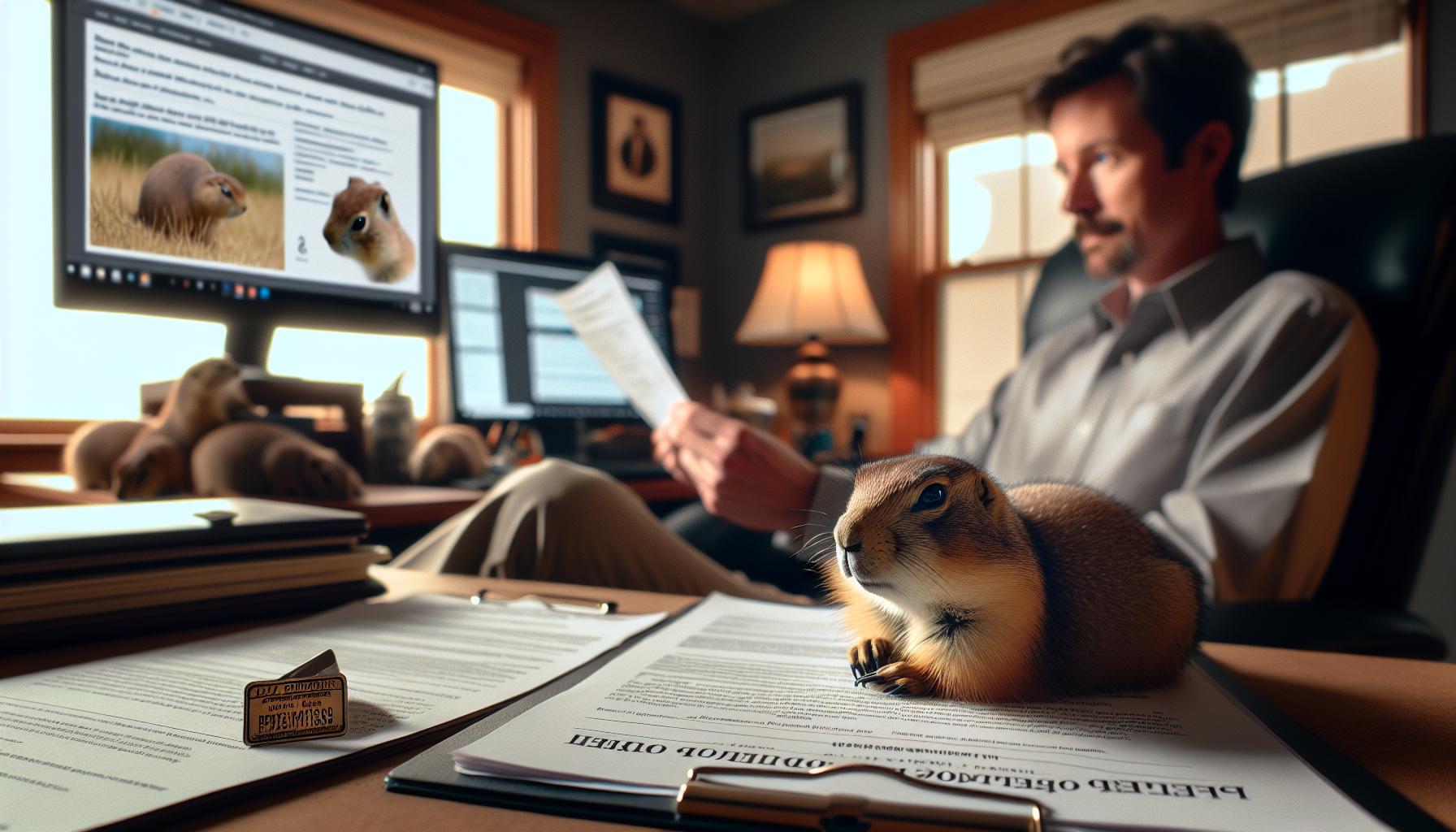
Permits and Licensing for Prairie Dog Ownership
Acquiring a prairie dog as a pet is an exciting venture, but it comes with important responsibilities, particularly concerning permits and licensing. Depending on where you live, specific regulations govern the ownership of prairie dogs, reflecting a balance between wildlife conservation and private ownership rights. Understanding these requirements is crucial for prospective owners.
In several states where prairie dog ownership is legal, such as Texas, Utah, and Wyoming, you may need to obtain a permit or a license before bringing home one of these charming critters. These permits often require you to prove that you can provide a suitable habitat and that you understand the specific care needs of prairie dogs, which are sociable animals that thrive in groups. It’s not just a matter of filling out paperwork; being a responsible owner means demonstrating a commitment to their welfare.
It’s also essential to familiarize yourself with the health certifications that might be necessary. Some jurisdictions require proof that your prairie dog has been vaccinated against diseases like sylvatic plague, which can be transmitted to humans and other animals. Moreover, local wildlife agencies often outline stipulations on the number of animals you can own while ensuring you’re complying with wildlife protection laws. It’s always a good idea to reach out to state fish and wildlife authorities or consult their websites for the most current and accurate information regarding permits and licensing.
Failing to secure the appropriate permits can lead to significant legal consequences, including fines or even confiscation of the animal. Protecting prairie dogs and their rightful habitats should be a shared goal among all pet owners. Hence, staying informed and engaging with local wildlife communities can not only enrich your experience as a prairie dog owner but also contribute to broader conservation efforts that keep these fascinating animals thriving in their natural environments.
Legal Consequences of Owning Prairie Dogs
Owning a prairie dog can be a delightful experience, but it comes with a notable array of legal responsibilities that every prospective owner should consider. In various states, the laws governing the ownership of these adorable rodents are designed to protect both the animals and the ecosystem. Neglecting these regulations can lead to serious consequences, which can include hefty fines or even the confiscation of your pets. The importance of understanding these regulations cannot be overstated.
First, it is essential to know that ownership laws differ widely across different states. Some states, like Texas, Utah, and Wyoming, may allow ownership with the acquisition of appropriate permits. Failing to secure these permits can lead to legal actions that may involve state wildlife agencies. For example, a person may face fines that can range from a few hundred to several thousand dollars. In extreme cases, law enforcement could intervene, leading to the seizure of the prairie dog if it’s deemed to be kept illegally.
In addition to fines, legal consequences also include potential health repercussions. Should your prairie dog be found without necessary health certifications-such as proof of vaccinations against diseases like sylvatic plague-authorities can mandate you to seek immediate veterinary care. If these actions are not complied with, you risk facing further legal actions or fines.
Understanding local wildlife protection laws is crucial for any prairie dog owner. It’s a good practice to stay updated and engaged with local wildlife agencies to ensure compliance. Joining communities or forums where these discussions take place can help new owners navigate the legal landscape better. By respecting these regulations, you contribute not only to the well-being of your prairie dog but also to the preservation of their natural habitats and conservation efforts as a whole.
Understanding Prairie Dog Habitats and Behavior
Prairie dogs are fascinating rodents that thrive in vast grasslands across the western United States, playing a crucial role in their ecosystems. These social animals live in intricate underground burrow systems that can stretch for miles. Their colonies, known as towns, can house thousands of individuals, creating a bustling community that is essential for their social structure. Understanding their habitats and behavior is key to responsible ownership and enriching their lives in captivity.
In the wild, prairie dogs primarily inhabit shortgrass and mixed-grass prairies, where they dig complex burrows to create safe havens from predators. Their burrows provide protection and a microclimate that helps maintain stable temperatures and moisture. As a prairie dog owner, simulating this natural environment is important. Provide a spacious cage with multiple levels, tunnels, and hiding spots to allow them to express their natural digging and burrowing instincts. Substrates such as aspen shavings or shredded paper can mimic the soft soil of their natural habitat.
Social interaction is vital for prairie dogs; they communicate through a variety of vocalizations and body language. In the wild, they live in large colonies, and isolation can lead to stress and behavioral issues. If you’re considering bringing a prairie dog into your home, it’s best to adopt more than one to allow for social interaction, which contributes to their happiness and well-being. Additionally, regular interaction and playtime outside of their cage can help mimic their natural behaviors, such as foraging and exploring.
Understanding their diet is also fundamental to their care. Prairie dogs are herbivores, primarily grazing on grasses, leaves, and seeds. Providing a balanced diet enriched with fresh greens and hay will help maintain their health. Avoid giving them sugary fruits or vegetables, as these can lead to health problems. Regular veterinary check-ups are essential to ensure a healthy and thriving prairie dog. By creating an environment that respects their natural behaviors and needs, you can build a rewarding relationship with these charming creatures.
Caring for Your Prairie Dog: Essential Tips
Caring for a prairie dog can be a rewarding experience, given their playful nature and social tendencies. These charming rodents are not just pets; they are vibrant creatures with distinct personalities and social needs. To successfully raise a prairie dog, it’s essential to create an environment that mirrors their natural habitat while meeting their specific care requirements.
First and foremost, housing is crucial. Prairie dogs thrive in spacious cages that allow for multiple levels and tunnels. A good setup can include a large, multi-level habitat filled with hiding spots, as this encourages their natural burrowing instinct. Use substrates like aspen shavings or paper-based bedding, as they mimic the soft earth of their wild habitats. Additionally, providing a secure area for exercise is important; a safe, supervised space where they can explore, dig, and play will greatly enhance their quality of life.
Social interaction is another key component of prairie dog care. In the wild, they live in large colonies and exhibit complex social behaviors, so consider adopting more than one if possible. This not only meets their social needs but can also reduce stress and loneliness. Regular, gentle interaction with their human guardians is equally vital. Spend time each day playing with them, providing toys, or simply bonding through gentle handling, as it can help them remain well-adjusted and happy.
Diet also plays a significant role in their well-being. Prairie dogs are herbivores and enjoy a diet rich in grasses, hay, and leafy greens. Make sure to offer a balanced variety, avoiding sugary treats which can lead to health issues. Regular veterinary check-ups are crucial to monitor their health, especially as prairie dogs can be susceptible to certain diseases if not properly cared for. This proactive approach to healthcare ensures that your prairie dog stays happy and healthy throughout its life.
In summary, creating a comfortable, interactive environment and providing appropriate socialization and diet are vital for cultivating a happy and healthy prairie dog. By embracing their natural behaviors and social structures, you’ll foster a life full of connection and joy with these captivating animals.
Common Myths About Prairie Dog Ownership
Prairie dogs are often misunderstood, and several myths surrounding their ownership continue to circulate. One common misconception is that prairie dogs make low-maintenance pets, akin to hamsters or guinea pigs. In reality, they require much more care, social interaction, and a carefully designed habitat. These lively rodents thrive in social groups and can become stressed if isolated. Their need for companionship means it’s best to keep them in pairs or small groups, which multiplies their care needs, not diminishes them.
Another myth perpetuated is that prairie dogs are perfectly suited to live indoors like dogs or cats. While they can adapt to indoor environments, they are not domesticated animals and have specific requirements that must be met. Prairie dogs need plenty of space to dig and explore, reflecting their natural burrowing behavior. Additionally, their natural instincts can lead to chewing and digging, which may damage your home if they are not provided with appropriate outlets for these behaviors.
People also often think that prairie dogs can be easily trained to perform tricks, similar to parrots or dogs. While they are intelligent and can learn some behaviors, training them requires patience and understanding of their unique motivations. Unlike more typical pets, their willingness to participate in training can vary, and they tend to respond better to social interactions than to conventional commands.
Lastly, there’s a fear that owning prairie dogs poses significant health risks. While they can carry certain diseases, such as the bubonic plague, the risks of transmission are manageable with proper care and veterinary attention. Responsible ownership includes regular check-ups and awareness of their health needs, which can significantly reduce potential health concerns.
By dispelling these myths, prospective prairie dog owners can better understand the responsibilities and joys of welcoming these fascinating creatures into their homes, ensuring both the pets’ well-being and their own satisfaction as caregivers.
Conservation Considerations for Prairie Dogs
Prairie dogs are not just adorable creatures to behold; they play a crucial role in their ecosystems. These social rodents serve as a keystone species, meaning their presence, or absence, significantly impacts the biological community around them. Their burrowing habits aerate the soil, which promotes plant growth, and their abandoned burrows provide homes for a variety of other animals, including burrowing owls and ferruginous hawks. If you’re considering owning a prairie dog, it’s essential to be aware of the conservation implications tied to these fascinating pets.
When it comes to ownership, it’s vital to understand the ethical responsibilities involved. Many states have specific regulations governing the ownership of prairie dogs as they are often viewed as wildlife rather than domestic pets. This perspective emphasizes the importance of ensuring that owning such animals does not contribute to population declines in the wild. Engaging in responsible practices, such as adopting from reputable breeders or rescue organizations, can mitigate the impact on wild populations and promote conservation efforts.
Additionally, being informed about the habitat requirements and social needs of prairie dogs can help foster a healthy environment for your pet while also respecting their natural behaviors. Create an environment that mimics their natural habitat by providing ample space for digging, climbing, and social interaction with other prairie dogs. This not only benefits them physically and mentally but also reduces the likelihood of behavioral issues related to stress or confinement.
It is also beneficial to engage with local conservation efforts or prairie dog advocacy groups. These organizations often provide resources for owners and potential owners, including guidelines for ethical ownership and opportunities to contribute to prairie dog conservation projects. By staying connected, you can help promote awareness of their ecological importance and support the preservation of their natural habitats. Through thoughtful and responsible ownership, you can enjoy the company of these charming creatures while contributing positively to their conservation.
Alternatives to Prairie Dog Ownership
Owning a prairie dog may sound enticing, but it’s crucial to consider alternatives that can provide similar enjoyment and companionship without the complexities of ownership. Many wildlife enthusiasts and pet lovers are turning to the idea of fostering an appreciation for these delightful creatures in other ways.
One option is to volunteer with local wildlife rehabilitation centers or conservation organizations that focus on prairie dogs and their habitats. This engagement allows you to learn about prairie dog behavior and ecology while contributing to the conservation of these animals in their natural environments. By assisting with educational programs or participating in habitat restoration projects, you can make a significant impact without directly owning a prairie dog. Additionally, volunteering offers the chance to connect with like-minded individuals passionate about wildlife and conservation.
Another alternative is to consider adopting a different type of social pet that may meet your desire for companionship with fewer legal and ethical responsibilities. Animals like guinea pigs, which share some behavioral traits with prairie dogs, can be wonderful pets. They are communal creatures that thrive on social interaction and require social living arrangements, much like prairie dogs. Other small mammals or domesticated rodents can offer engaging companionship and are often easier to care for, making them ideal for those new to pet ownership.
For those who are particularly interested in learning more about prairie dogs without direct ownership, educational programs or workshops about local wildlife can be invaluable. Many nature centers and wildlife organizations offer talks, guided tours, or classes focused on prairie ecosystems. Engaging with these resources enhances your understanding of prairie dogs and their role in the ecosystem, fulfilling your curiosity and respect for nature without the need for personal ownership.
Overall, whether through volunteering, adopting suitable pets, or educational engagement, there are numerous ways to foster a connection with prairie dogs and their environment that honor their natural behaviors and the ecological balance they contribute to.
Resources for Prairie Dog Owners and Enthusiasts
Owning a prairie dog can be a rewarding experience, but it comes with specific responsibilities and legal considerations. To ensure that you enjoy your time with these charming little creatures, it’s vital to connect with the right resources.
For owners or enthusiasts alike, a variety of organizations can provide guidance on prairie dog care, state regulations, and best practices for keeping these animals. The Humane Society is a great starting point-they often offer resources on the legalities of pet ownership, as well as tips for responsible care. You can also look into local wildlife organizations and exotic pet forums, where you can ask questions and share experiences with seasoned prairie dog owners.
Moreover, educational programs offered by regional wildlife rehabilitation centers can deepen your understanding of prairie dogs in their natural habitats. These centers might host events focused on prairie dog ecology, behavior, and conservation efforts, allowing you to engage purposefully with the community while gaining invaluable knowledge.
Additionally, consider exploring comprehensive guides available at libraries or online, which focus on prairie dog care and habitat requirements. Books such as “Prairie Dogs: Communication and Community in the Furry Underground” offer insights into both their behavioral patterns and social structures, equipping you with the information necessary for a well-rounded ownership experience.
Lastly, don’t forget to connect with local prairie dog enthusiast groups on social media or through meetups. These communities offer a platform for sharing advice, experiences, and even organizing group outings to observe prairie dogs in their natural environments, creating fun opportunities to learn together. Whether you’re a new owner or a long-time fan of these fascinating animals, leveraging these resources will help you become a responsible and informed prairie dog advocate.
Engaging with Prairie Dog Communities
not only enhances your ownership experience but also deepens your appreciation for these intriguing animals. From local clubs to online forums, there are countless opportunities to connect with fellow enthusiasts who share your passion. These communities offer a wealth of knowledge about prairie dog care, habitat needs, and best practices for responsible ownership. You’ll find tips on nutrition, socialization, and enrichment that can help you create a thriving environment for your furry friend.
One fantastic way to immerse yourself is by joining social media groups dedicated to prairie dog ownership. Here, you can ask questions, share your experiences, and even participate in discussions that cover everything from veterinary care to behavioral quirks. Many of these groups also organize meetups where owners can exchange ideas and showcase the unique personalities of their prairie dogs. Engaging in these friendly gatherings allows you to bond with other prairie dog lovers while learning more about the challenges and joys of ownership.
Additionally, consider participating in local wildlife events or volunteer opportunities with organizations focused on prairie dog conservation. Such involvement can lead to a greater understanding of the ecology and conservation efforts surrounding these fascinating rodents. For instance, some wildlife rehabilitation centers hold workshops that educate attendees on prairie dog habitats and their role in the ecosystem. This type of engagement not only enriches your knowledge but also cultivates a sense of community and shared responsibility among prairie dog advocates.
Remember, owning a prairie dog can be a fulfilling journey that’s even more rewarding when shared with others. By tapping into the rich resources of prairie dog communities, you’re not only gaining practical advice but also fostering a network of support that enhances both your experience and the well-being of your pet. Whether you’re a novice or a longtime owner, there’s always something new to learn and delightful stories to share!
Frequently asked questions
Q: What states allow ownership of prairie dogs?
A: Ownership of prairie dogs is generally limited to a few states. Currently, legal states include Arizona, Colorado, and South Dakota. Always check local regulations for any specific permits or restrictions related to prairie dog ownership and ensure compliance to avoid legal issues.
Q: Are there special permits required for owning prairie dogs?
A: Yes, many states require special permits to own prairie dogs. It’s important to research both state and local laws pertaining to exotic pet ownership, as regulations can vary widely. Adequate documentation is necessary to ensure responsible ownership.
Q: Can you own prairie dogs in California?
A: No, prairie dog ownership is illegal in California. The state’s regulations specifically prohibit the ownership of certain exotic species, including prairie dogs, due to concerns about ecological impact and disease transmission.
Q: What are the legal consequences of owning prairie dogs without a permit?
A: Owning prairie dogs without the necessary permits can lead to fines, confiscation of the animals, and other legal repercussions. Individuals may also face penalties for violating local wildlife regulations, underscoring the importance of staying informed about laws.
Q: Are prairie dogs considered wildlife or pets?
A: Prairie dogs are classified as wildlife rather than domesticated pets in most jurisdictions. Owning them may require adherence to wildlife conservation laws, making it crucial to understand the regulations in your state regarding their care and management.
Q: What should I know before owning a prairie dog?
A: Before acquiring a prairie dog, consider their social needs, habitat requirements, and the potential for them to require specialized care. Understanding their behavior and environment is essential for ensuring they thrive as your pet.
Q: How does prairie dog ownership affect local ecosystems?
A: Owning prairie dogs can impact local ecosystems, especially if released into the wild or inadvertently escape. They can disrupt native species and alter vegetation patterns, highlighting the importance of responsible ownership and compliance with conservation regulations.
Q: Where can I find more resources about prairie dog care?
A: To discover more about prairie dog care, check out specialized websites and forums focused on exotic pets. You can also refer to the Resources for Prairie Dog Owners and Enthusiasts section of relevant articles, providing invaluable insights and support for new owners.
In Retrospect
As you embark on your journey to understand where you can legally own a prairie dog, remember that every state has its own unique regulations. Whether you’re considering these fascinating creatures as pets or part of a conservation effort, being informed is crucial. Don’t let uncertainty hold you back-check local laws and make sure you’re fully compliant to ensure a rewarding experience.
If you’re eager to dive deeper, explore our articles on caring for wildlife and tips for sustainable pet ownership. For more insights on prairie dog habitats and behaviors, be sure to visit our related resources. Your journey into the world of prairie dogs is just beginning, and we’re here to support you every step of the way. Share your thoughts and questions in the comments below-we love to hear from fellow wildlife enthusiasts!
Get our latest guides, news, and insights highlighted in your Google Search & AI Overviews.










