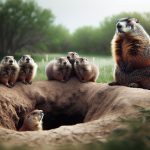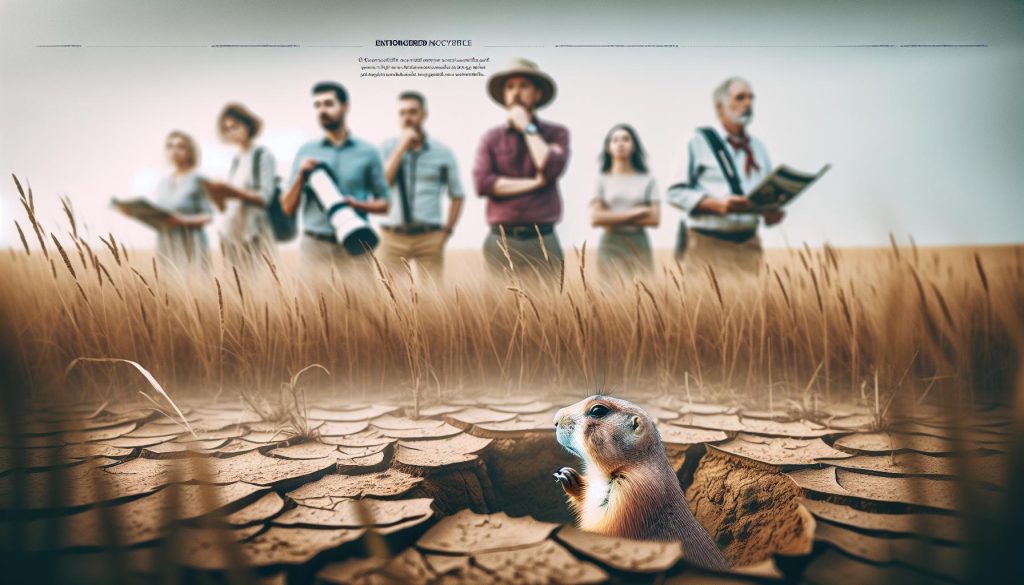
Did you know that prairie dogs are not just cute, social creatures, but also essential players in their ecosystems? These lively rodents create intricate burrows that support over 150 other species, including the endangered black-footed ferret. Unfortunately, despite their ecological importance, prairie dog populations are under serious threat due to habitat loss, disease, and human activities. Understanding the reasons behind their endangered status is crucial for conservation efforts and for maintaining the biodiversity of the grasslands they inhabit. In this article, we’ll explore the specific conservation threats facing prairie dogs and why protecting them is vital-not only for their survival but for the health of entire ecosystems. Join us as we dive into the fascinating world of prairie dogs and learn how we can help ensure their future.
Why Are Prairie Dogs Endangered? Understanding the Causes
Prairie dogs are truly remarkable creatures, often referred to as the “engineers of the prairie” for their ability to shape ecosystems through their burrowing habits. However, these social animals face significant threats that have led to their distressing decline across North America. One startling fact is that some estimates indicate that the prairie dog population has plummeted by 95% from its historic numbers, primarily due to factors that we can influence.
One of the most pressing causes of their endangerment is loss of habitat. As urban areas expand and agricultural practices intensify, vast stretches of prairie land are converted into fields and towns. This transformation not only reduces the available space for prairie dogs but also disrupts the intricate network of tunnels and burrows that are essential for their survival. Once thriving colonies are often isolated, making it difficult for prairie dog populations to remain genetically diverse and resilient.
In addition to habitat loss, prairie dogs are vulnerable to predation and disease. Natural predators, such as coyotes and hawks, certainly pose a risk; however, the greater peril often comes from diseases, primarily sylvatic plague, which can sweep through colonies and decimate populations in a matter of weeks. The combination of these natural threats, alongside human-induced pressures, creates a precarious situation for these animals.
Addressing the decline of prairie dog populations requires collective action and awareness. Efforts to understand and protect their habitat, manage disease risks, and ensure safe corridors for movement can significantly contribute to the preservation of these keystone species. By recognizing the unique role prairie dogs play in their ecosystems, we can take steps to protect them and the rich biodiversity that depends on their existence.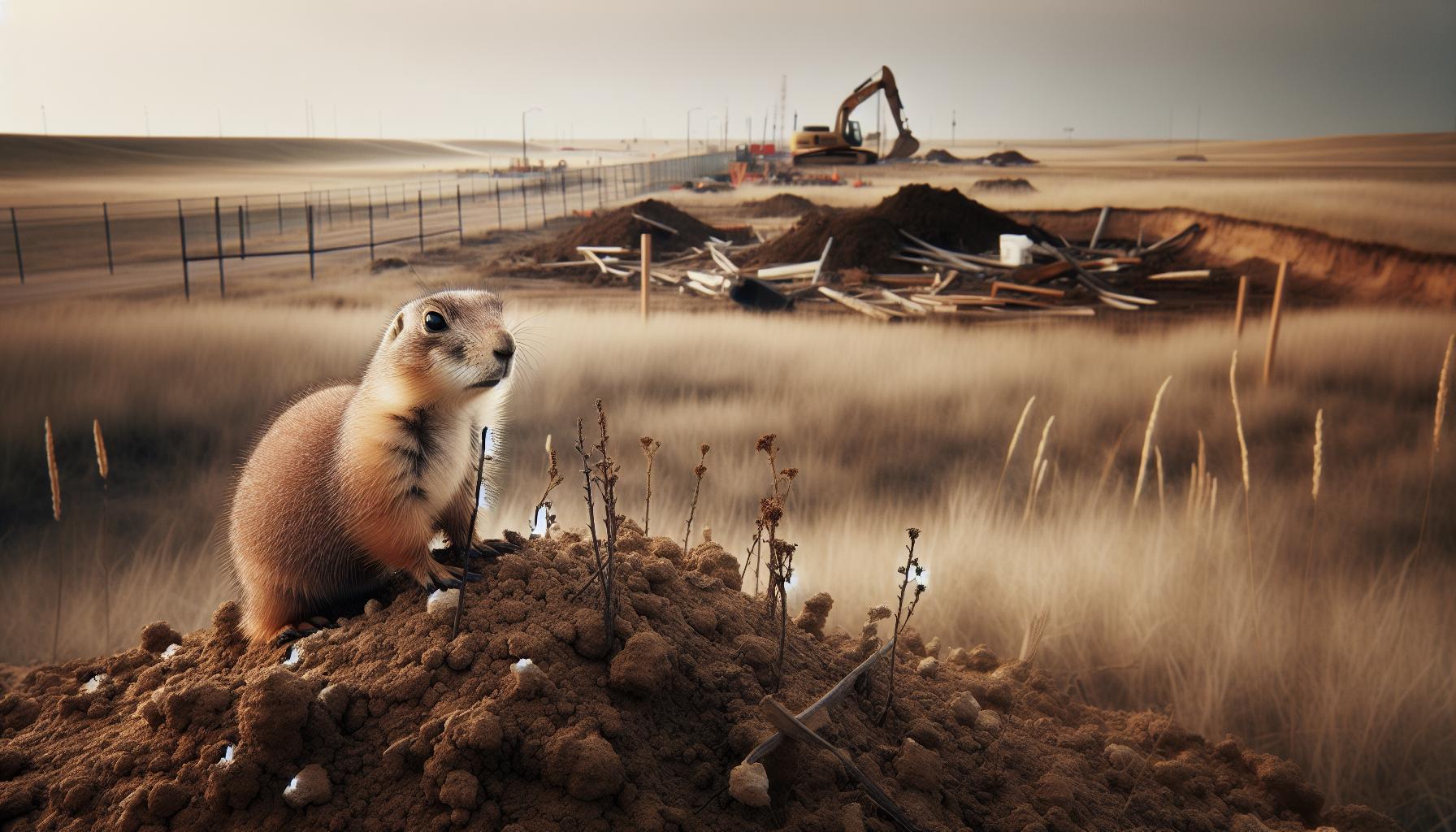
The Role of Habitat Loss in Prairie Dog Decline
As prairie dogs dig their intricate burrows beneath the expansive grasslands, these remarkable creatures create a thriving ecosystem. Yet, the homes they build-and the very existence of their colonies-are increasingly endangered due to habitat loss. Imagine once-vibrant landscapes filled with lively colonies reduced to mere patches of grass; this is the stark reality faced by prairie dogs today. The encroachment of urban development and changing agricultural practices have transformed large swathes of their natural habitat into cities, roads, and farm fields, leaving these social animals with scattered and isolated areas to call home.
Effects of Urbanization
Urbanization has a profound impact on prairie dog habitats. As cities expand, the grasslands that prairie dogs rely on for food and shelter vanish. This not only decreases the physical area available for prairie dogs but also fragments their populations. When habitat becomes patchy, colonies lack the connectivity needed for genetic diversity, leading to inbreeding and weakened resilience against diseases and environmental changes.
In addition to physical displacement, prairie dogs face increased risks from human activity in their remaining habitats. Human encounters can lead to habitat degradation through construction and land management practices that disrupt their delicate ecological balance. As urban sprawl continues, the likelihood of human-prairie dog conflicts rises, further complicating conservation efforts.
Impact of Agriculture
Agricultural expansion poses another significant threat to prairie dogs. As farming becomes more intensive, more grasslands are plowed under or converted into monoculture fields, eliminating the rich and varied habitats that prairie dogs previously thrived in. The use of pesticides and herbicides can also directly affect prairie dog populations by contaminating their food sources and reducing the insects and plants they depend on for survival.
The challenge, however, is not just the loss of land; it’s about finding a way to balance human development with the preservation of vital habitats. Conservation organizations are working diligently to protect what remains. These initiatives often involve land-use planning that considers wildlife corridors, creating designated areas where prairie dog populations can flourish, and promoting agricultural practices that are more wildlife-friendly.
By addressing habitat loss, we not only help prairie dogs but also enrich the ecosystems they support. Prairie dogs are known as keystone species because their burrows provide refuge for many other animals, like burrowing owls and foxes. When we protect prairie dog habitats, we create a ripple effect that sustains the broader biodiversity of the grasslands.
Ensuring the survival of prairie dogs amidst habitat loss involves commitment and awareness. It encourages us to advocate for smarter land use and better urban planning that honors the delicate balance of nature and human needs. With concerted effort, we can aim to restore and protect these essential habitats for prairie dogs and ensure their role as ecosystem engineers is not lost to time.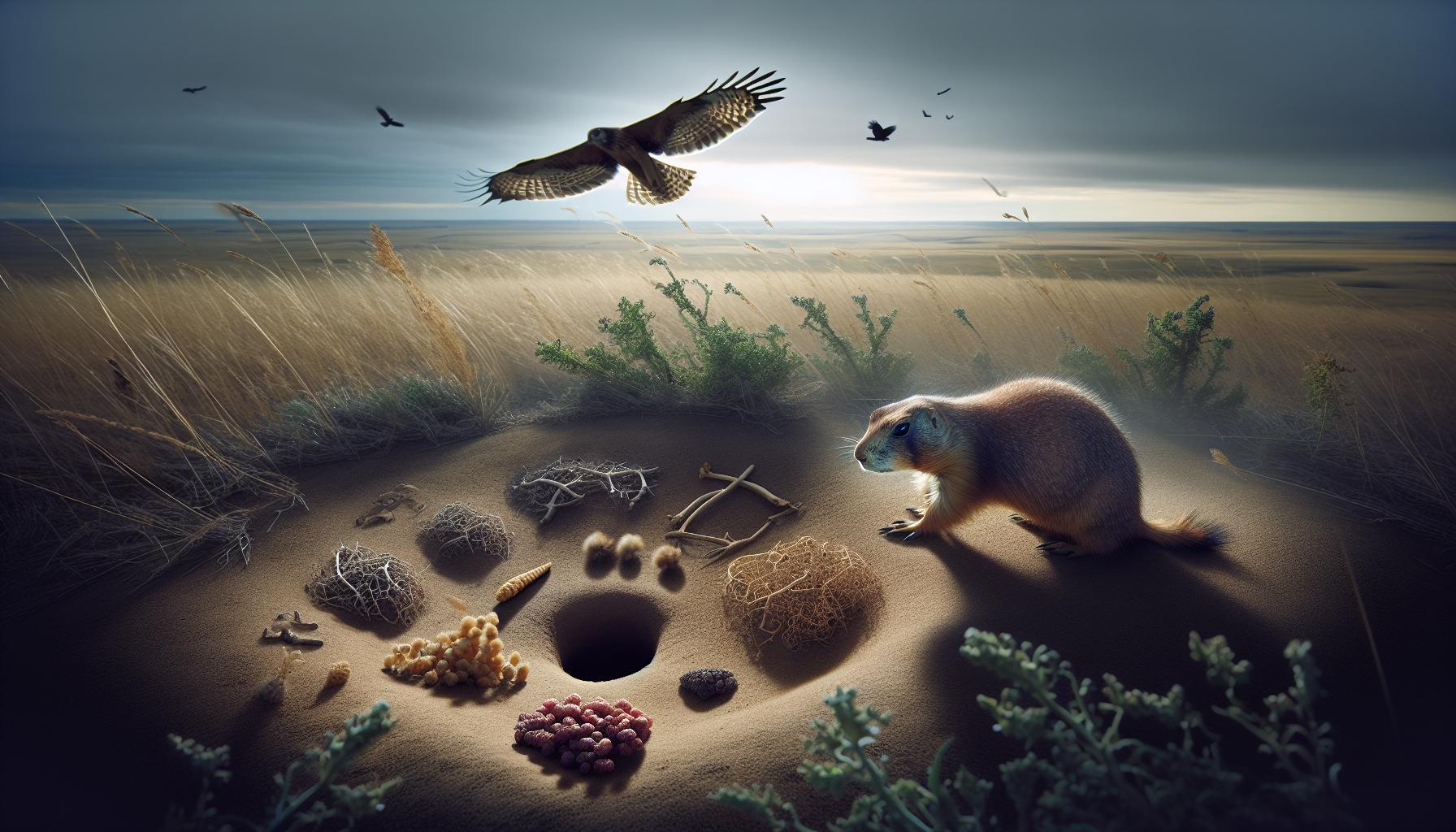
Predation and Disease: Natural Threats to Prairie Dogs
Although prairie dogs may appear comical as they sunbathe or chirp to one another in their bustling colonies, they face significant threats from predation and disease that contribute to their endangered status. In the wild, these charismatic rodents serve as a vital part of the ecosystem, yet they are also a prime target for several natural predators. Birds of prey, such as hawks and eagles, and terrestrial predators, including coyotes and badgers, routinely hunt prairie dogs. While this predation is a natural part of the food web, it can have profound impacts on already diminished populations.
Diseases: A Silent Threat
Beyond their predators, prairie dogs also contend with a range of diseases that can decimate their numbers. One of the most notorious is plague, caused by the bacterium Yersinia pestis. This disease is transmitted by fleas, which can rapidly spread within prairie dog colonies due to their close quarters. Plague outbreaks can lead to massive die-offs, critically undermining population stability. In addition to plague, other diseases like tularemia and hemorrhagic fevers can also occur, posing serious health risks. The combination of natural predation and disease creates a perfect storm for prairie dog populations, particularly in fragmented habitats where their resilience is already compromised.
- Predators: Hawks, eagles, coyotes, badgers
- Diseases: Plague, tularemia, hemorrhagic fevers
These factors can interact in complex ways; for example, if a prairie dog colony suffers a plague outbreak, the resulting decrease in population may attract more predators, exacerbating their vulnerability. In such scenarios, the ecological balance shifts, and what once was a thriving community might become a shadow of its former self.
In tackling these challenges, awareness is key. Communities and conservationists are exploring vaccination programs and treatment approaches to combat diseases like plague, attempting to boost prairie dog survivorship. By understanding the natural threats that prairie dogs face, we can advocate for better management practices that not only protect these fascinating creatures but also the intricate ecosystems they inhabit.
Human Impacts: Urbanization and Agriculture
Amidst the rolling grasslands of North America, prairie dogs play a crucial role in their ecosystem, yet they are facing ever-increasing threats from human activities. Urbanization and agriculture significantly contribute to the decline of these charismatic rodents, disrupting not just their colonies, but the entire web of life that depends on them. As cities expand and farmland stretches, prairie dog habitats dwindle, leading to fragmentation and isolation of their communities.
Expanding urban areas often encroach on prairie dog colonies, leading to direct displacement or even extermination. The construction of roads, buildings, and other infrastructure can destroy their burrows and breeding grounds, reducing populations drastically. Agriculture compounds this issue as many farmers view prairie dogs as pests competing for valuable grasslands traditionally used for grazing livestock. In efforts to control these populations, methods such as poisoning and trapping are unfortunately common, with devastating effects on prairie dog communities and the numerous species that rely on them for survival.
Alongside habitat loss, these changes in land use alter the dynamics of the prairie ecosystem. Prairie dogs are known as a “keystone species,” which means their presence supports a diverse array of wildlife. Their burrows provide homes for over 150 vertebrate species, such as burrowing owls and black-footed ferrets. When these rodents are pushed out or eradicated, the ripple effects can lead to declines in these dependent species, ultimately reducing biodiversity.
To foster a better understanding and support for prairie dog conservation, it is essential for individuals and communities to recognize the interconnectedness of these ecosystems. Implementing responsible land management practices and advocating for wildlife corridors can help mitigate urban encroachment and agricultural impacts. By promoting coexistence with prairie dogs, we not only protect them but also preserve the rich tapestry of life that thrives in their grassland homes. Community engagement can make a significant difference; whether through educational programs or local conservation efforts, every action counts toward a healthier ecosystem.
The Importance of Prairie Dog Ecosystems
Within the vast expanse of North American grasslands, the prairie dog emerges as an essential architect of the ecosystem. These lively rodents, often underestimated, create complex burrow systems that provide crucial habitats for a variety of other species. By digging extensive networks of tunnels, prairie dogs not only aerate the soil but also facilitate water infiltration, which benefits the plant communities that sustain many other inhabitants. In fact, over 150 species, including burrowing owls and the endangered black-footed ferret, rely on prairie dog colonies for shelter and sustenance. Without these vital community builders, the web of life in these spaces becomes dangerously fragile.
The impact of prairie dogs extends beyond just providing shelter. They act as a critical food source for predators, including coyotes and hawks, forming a vital link in the food chain. Their foraging activities help maintain plant diversity, ensuring the health of grassland ecosystems. When prairie dogs graze on particular grasses, they encourage the growth of other plant species, which, in turn, supports a broader array of wildlife. Imagine them as nature’s gardeners, cultivating a rich tapestry of life in their wake.
Conservation efforts focused on prairie dogs are pivotal not only for their survival but also for the health of entire ecosystems. By protecting these charismatic creatures and their habitats, we support a multitude of other species that depend on the unique environments they create. Community-led initiatives have shown that education and awareness can foster coexistence, ultimately promoting local biodiversity while addressing agricultural concerns about prairie dog management. Thinking long term, preserving these ecosystems ensures that future generations can appreciate the splendors of prairie life.
So, how can you get involved? Supporting local conservation groups, advocating for responsible land use, and simply educating your community about the significance of prairie dogs can significantly benefit these ecosystems. Engaging in citizen science projects or volunteering for wildlife surveys can transform you into a steward for the prairie, connecting you deeper with the fascinating intricacies of these ecosystems. Remember, every little action counts in helping to assure that prairie dogs continue to thrive in their native habitats.
Conservation Efforts: What’s Being Done?
Conservation efforts aimed at prairie dogs are vital for protecting not just these adorable rodents but also the extensive ecosystems they support. Since prairie dogs are often at the center of their habitats, conservation strategies frequently involve community engagement and education, alongside legislation and habitat protection.
Many organizations are actively working to protect prairie dog populations through habitat preservation initiatives. These efforts include the establishment of protected areas where prairie dogs can thrive without the pressures of urban development or agricultural expansion. For example, the reintroduction of prairie dogs into suitable habitats has been a significant part of recovery programs, ensuring these areas maintain their ecological roles. Educating local communities about the ecological importance of prairie dogs helps foster coexistence, as misunderstandings often lead to unnecessary culling or relocation efforts.
Moreover, several federal protections exist that designate prairie dogs as a species of concern, which can restrict land use practices harmful to their colonies. The Endangered Species Act serves as a critical tool for protecting their habitats and the numerous other species that rely on these burrowing rodents. Within this framework, conservationists advocate for comprehensive habitat management plans that factor in the needs of prairie dogs alongside agricultural and urban interests.
Citizen science initiatives provide hands-on opportunities for individuals to contribute to prairie dog conservation. Volunteers can participate in monitoring populations, reporting sightings, and gathering data that help researchers understand population dynamics and health. Community-led conservation projects often emerge from local concerns, resulting in tailored solutions that balance human activity with wildlife preservation.
Through these combined efforts, we can significantly enhance the chances of prairie dogs not just surviving, but thriving in the wild, preserving the intricate web of life in the grasslands for future generations. Engaging with wildlife organizations and advocating for better land management practices are tangible ways we all can contribute to the conservation of these essential creatures.
How You Can Help Prairie Dogs Survive
While it might be hard to believe, the fate of prairie dogs is tightly woven with the overall health of grassland ecosystems. These social creatures play a critical role as a keystone species, creating habitats for countless other animals. Therefore, supporting prairie dog populations is not just about saving one species; it’s about preserving the intricate web of life that thrives in our prairies. Here are some meaningful ways you can contribute to their survival.
One of the most impactful actions you can take is to become informed and spread awareness. Share what you learn about the importance of prairie dogs and the threats they face with friends and family. You might also consider participating in local conservation organizations. Many groups focus on prairie dog protection and engage in hands-on initiatives like habitat restoration and public education. Volunteering for these organizations, or even donating, can significantly aid their efforts.
Additionally, you can adopt responsible practices. If you live near prairie dog colonies, ensure that your pets are kept on leashes to prevent harassment of these animals. Support sustainable land management practices by advocating for policies that protect prairie dog habitats from urbanization and agricultural expansion. This can include writing to your local representatives or supporting legislation that prioritizes conservation.
Engaging in citizen science is another excellent way to contribute. You can monitor prairie dog populations, report sightings, and even help collect data that can inform further conservation efforts. Many conservation programs welcome community participation, connecting you directly with the conservation process and allowing you to make a tangible difference.
Finally, it’s important to recognize and appreciate prairie dogs for their role in the ecosystem. By advocating for their protection, you help preserve not only this charming species but also the diverse wildlife that relies on prairie dogs for shelter and sustenance. Every small effort counts, from educating others to supporting conservation initiatives, making a collective impact towards the survival of these remarkable creatures and the ecosystems they support.
Understanding the Complex Social Structure of Prairie Dogs
Prairie dogs are not just adorable little critters; they are also incredibly social animals that live in complex family structures known as colonies. These colonies can range from a few individuals to thousands, and their organization is fascinating. Within these communities, prairie dogs exhibit a behavior known as “alarms calling,” where different vocalizations signal specific threats. For instance, a call that warns of an approaching hawk will differ from one that indicates danger from a coyote. This sophisticated communication system is essential for the survival of the colony, showcasing their social dynamics and the importance of their collective vigilance.
In prairie dog societies, the concept of ‘family’ extends beyond just their immediate kin. Prairie dogs live in extensive burrow systems, which they dig and maintain together, creating a network that helps regulate temperature and provides shelter from predators. These burrows are crucial for their survival during harsh weather conditions and are often shared with other species, like burrowing owls and rattlesnakes-highlighting the prairie dog’s role in fostering biodiversity. Despite their social nature, prairie dogs face significant threats from habitat destruction and human encroachment, which disrupt their elaborate community structures.
Moreover, social interactions among prairie dogs are not just about survival; they also involve intricate rituals and playful behaviors. For example, young prairie dogs often engage in what looks like play-fighting, which is thought to help them develop the skills necessary for adulthood. This playful behavior, combined with their complex social structures, makes them a crucial part of their ecosystem. They contribute to soil health through their burrowing, which aerates the earth and allows for better water penetration, benefiting the plant life that supports entire food webs.
Understanding the social structure of prairie dogs can shed light on why they are endangered. As their colonies face environmental pressures, the cohesion and communication that thrive in these communities are at risk. To help these remarkable creatures, we must not only protect their habitats but also promote awareness of their intricate social networks and the critical role they play in maintaining the balance of grassland ecosystems.
The Impact of Climate Change on Prairie Dog Habitats
Climate change is rapidly altering the fragile ecosystems that sustain prairie dogs, pushing these charismatic creatures towards the brink of extinction. As temperatures rise and weather patterns become more erratic, prairie dog habitats experience direct and indirect impacts that threaten their survival. For instance, prolonged droughts, which are becoming increasingly common due to climate change, can lead to reduced vegetation, destabilizing the food sources that prairie dogs rely on. This not only affects their health but also compromises the intricate relationships they have within their ecosystems.
Additionally, the burrowing behavior of prairie dogs plays a significant role in soil health and water retention. Yet, with shifting precipitation patterns, the soil may become too dry to support the extensive networks of burrows that prairie dogs need for shelter and survival. These burrows are vital not just for the prairie dogs themselves, but also for numerous other species that share these habitats, like burrowing owls and various insects. If these burrows collapse due to dry and unstable soil, the impact on local biodiversity could be devastating.
Rising temperatures also open the door for other invasive species, affecting the dynamics of competition for resources. As non-native plants and animals move into prairie dog territories, they can outcompete native species for food and shelter, making it even more challenging for prairie dogs to thrive. Furthermore, climate change increases the frequency and intensity of storms, which can obliterate large areas of habitat and disrupt established colonies, pushing prairie dogs into smaller, more isolated patches of land.
To protect these important animals, it is crucial to address climate change on multiple fronts. Supporting conservation efforts that promote habitat restoration and sustainable land management practices can help mitigate some of the pressures prairie dogs face. Additionally, raising awareness about climate impact and advocating for policies that prioritize environmental protection are key steps everyone can take. By fostering resilience in their ecosystems, we can help prairie dogs persist in a rapidly changing world, ensuring their unique social structures and vital ecological roles continue to flourish.
Success Stories: Prairie Dog Recovery Programs
Some remarkable initiatives have emerged in recent years aimed at reversing the decline of prairie dog populations, demonstrating that with concerted effort, these adorable rodents can be protected and their environments restored. One of the standout examples is the Black-tailed Prairie Dog Recovery Program, which utilizes innovative conservation strategies to address the challenges facing these animals. This program not only focuses on direct management of prairie dog colonies but also emphasizes the restoration of the ecosystems that support them.
Innovative Approaches to Conservation
In many regions, collaboration between landowners, conservationists, and governmental agencies has led to the establishment of safe havens for prairie dogs. For instance, the Prairie Dog Coalition has been instrumental in educating ranchers about the benefits of maintaining prairie dog colonies. The surprising outcome? These colonies often lead to healthier grasslands, improved soil quality, and increased biodiversity, ultimately supporting both wildlife and agricultural interests. When ranchers integrate prairie dogs into their land management practices, they can witness firsthand how these creatures enhance soil fertility and increase the abundance of forage plants.
A Focus on Health and Disease Management
Another ground-breaking method involves the use of vaccination and other medical interventions to combat diseases that impact prairie dog populations, particularly sylvatic plague. Conservation programs are deploying specially formulated vaccines in key areas to boost immunity among prairie dog colonies. By reducing the mortality rates associated with these diseases, conservationists are seeing promising increases in prairie dog numbers and stability in their communities.
Community Engagement and Education
Moreover, community involvement is a major component of these recovery efforts. Local organizations are holding workshops and outreach events to raise awareness about the ecological importance of prairie dogs and the threats they face. These initiatives not only reinforce the ecological value of prairie dogs but also inspire citizen participation in conservation efforts, ultimately leading to a more extensive and engaged support network.
Through these success stories and ongoing efforts, it becomes clear that prairie dog conservation is not just about saving a species from extinction; it’s about fostering a healthier ecosystem that benefits multiple species, including our own. By learning from successful recovery programs, we can build a more sustainable future for these charming animals and their essential habitats.
Legal Protections for Prairie Dogs and Their Habitat
Legal protections for prairie dogs are crucial as these charming creatures face numerous threats to their survival. Despite their importance to the ecosystem as a keystone species, prairie dogs have seen significant population declines, prompting various legal measures aimed at safeguarding their habitats. These protections vary by state and depend on the specific species of prairie dog in question, with black-tailed prairie dogs being the most extensively studied and protected due to their ecological significance.
One major legal framework is the Endangered Species Act (ESA), which provides protections for species at risk of extinction. While prairie dogs are not currently listed as endangered under federal law, some states have implemented their own regulations. For instance, Colorado has designated the black-tailed prairie dog as a species of concern, prompting state conservation efforts that include habitat preservation and management strategies. These regulations often limit land use practices that can harm prairie dog habitats, such as heavy pesticide application and unregulated shooting, which have historically contributed to population declines [1].
Furthermore, local land management plans are increasingly recognizing the need to incorporate prairie dog conservation into broader ecosystem management. This involves setting aside protected areas where prairie dog colonies can thrive without the imminent threat of habitat destruction or fragmentation. The collaboration between conservation organizations, governmental agencies, and private landowners has led to the establishment of these protected areas, which not only safeguard prairie dogs but also enhance biodiversity across the prairie landscape [2].
Additionally, there are ongoing discussions and efforts to re-evaluate the legal status of prairie dogs under the ESA. Increased advocacy from conservation groups emphasizes the vital role prairie dogs play in maintaining healthy grasslands, which benefits countless other species. Their burrows create habitats for a variety of organisms, and their grazing helps to maintain the ecological balance of prairies [3].
In conclusion, while legal protections for prairie dogs are still evolving, they remain an essential element in the effort to conserve not just the prairie dog populations but the intricate ecosystems that depend on them. With continued advocacy and education, these adorable rodents may find their habitats secured, allowing their populations to stabilize and thrive once more.
Exploring Related Species: The Ecosystem of the Prairie
The prairie is a vibrant ecosystem teeming with life, and at its heart lies the prairie dog, often deemed a keystone species. These small rodents play a crucial role not just through their own survival, but by influencing the entire ecosystem around them. Prairie dogs are known for their extensive burrow systems, which provide habitats for numerous other species. For example, burrowing owls, hawks, and even certain snakes rely on prairie dog colonies for shelter and hunting grounds. Without this essential community builder, entire species would struggle to thrive.
One of the remarkable aspects of prairie dog ecosystems is their interaction with larger herbivores. Grazing animals, like bison and antelope, benefit from the shorter grass maintained by prairie dogs through their eating habits. This constant grazing helps enkindle a rich diversity of plant life, which supports various insects and other wildlife, creating a complex food web. The health of the prairie dog population directly correlates with the overall vitality of the prairie ecosystem. When prairie dogs decline due to habitat loss or other threats, the ripple effects are felt throughout the ecosystem, leading to diminished biodiversity.
Additionally, prairie dogs are integral in soil aeration and nutrient cycling. Their burrowing activities aerate the soil, allowing rain and nutrients to penetrate deeper, which is vital for plant growth. The excavated soil from their tunnels enriches the nearby land, promoting healthy vegetation. This stands in stark contrast to heavily overgrazed areas where the lack of disturbance leads to poor soil and plant diversity.
As a responsible wildlife enthusiast, understanding these connections is vital for conservation efforts. Supporting prairie dog habitats is crucial not just for their survival, but for the myriad of species that depend on them. Engaging with local conservation efforts or simply spreading awareness can make a significant difference in preserving this captivating ecosystem. Lightweight actions, like advocating for responsible land use and supporting prairie preservation organizations, can collectively lead to significant impacts for the future of the prairie and its inhabitants.
Frequently asked questions
Q: What are the main reasons for the decline of prairie dog populations?
A: The decline of prairie dog populations is primarily due to habitat loss, urbanization, and agricultural expansion. These activities reduce their habitats and disrupt their ecosystems. Additionally, disease and predation contribute to population decreases, as these factors can rapidly impact their numbers in concentrated areas.
Q: How does urbanization impact prairie dog habitats?
A: Urbanization leads to the destruction of prairie dog habitats through land development and infrastructure expansion. As cities grow, prairie dog colonies are often displaced or destroyed, severely affecting their numbers and the biodiversity of the areas they inhabit.
Q: What diseases threaten prairie dog populations?
A: Prairie dogs are particularly susceptible to bacterial infections like bubonic plague and other diseases such as sylvatic plague. These diseases can spread quickly within colonies, leading to significant population declines and challenges in recovery efforts.
Q: How do prairie dogs contribute to their ecosystem?
A: Prairie dogs play a critical role in their ecosystem by aerating the soil with their burrows and serving as prey for various predators. Their colonies also support a variety of other wildlife, making them essential for biodiversity and ecosystem health.
Q: What conservation efforts are in place to protect prairie dogs?
A: Conservation efforts include habitat restoration, legal protection under various acts, and education programs aimed at promoting awareness. Partnerships with various organizations help secure breeding areas and manage population numbers through sustainable practices.
Q: Are prairie dogs protected by law?
A: Yes, prairie dogs are protected under certain laws, such as the Endangered Species Act in specific regions. These protections aim to conserve their populations and habitats against human-induced threats and ensure their survival for future generations.
Q: How can individuals help prairie dog conservation?
A: Individuals can help prairie dog conservation by supporting local conservation organizations, participating in awareness campaigns, and encouraging sustainable land use practices. Educating others about the importance of prairie dogs also contributes to their protection.
Q: What is the impact of climate change on prairie dogs?
A: Climate change poses a significant threat to prairie dogs by altering their habitats and food sources. Changes in temperature and precipitation patterns can lead to habitat degradation and increased vulnerability to diseases, complicating conservation efforts.
Feel free to explore more about the challenges facing prairie dogs and ways to contribute to their conservation efforts in our detailed sections on habitat loss and conservation initiatives!
Final Thoughts
As we explore the plight of the prairie dog, it’s clear that these small yet mighty creatures are more than just fascinating wildlife; they play a vital role in their ecosystems. Their decline is a warning signal for all of us about the health of North America’s grasslands. Every action counts, and you can make a difference today! Join conservation efforts by learning more about how to protect prairie dogs and their habitats. For resources on supporting the prairie dog coalition, check out our guides on wildlife conservation and ways to get involved in grassroots initiatives.
If you’re interested in the complex relationships within grassland ecosystems, consider diving deeper into our articles on the endangered black-footed ferret and the importance of biodiversity preservation. Stay informed and engaged-your voice matters in the fight against wildlife threats. Together, we can ensure that these charming prairie dogs thrive for generations to come. Don’t forget to subscribe to our newsletter for the latest updates on conservation efforts and wildlife news. What are your thoughts on prairie dog conservation? Share in the comments below and join the conversation!
Get our latest guides, news, and insights highlighted in your Google Search & AI Overviews.