

Have you ever wondered why some people choose to share their homes with exotic animals, from colorful parrots to slithering snakes? This intriguing phenomenon delves into the psychology behind pet ownership, revealing not just a desire for companionship but also deeper motivations like status, uniqueness, and a connection to nature. As we explore this topic, we’ll uncover the emotional and social factors that drive individuals to seek these unconventional pets. By understanding these motivations, we can foster a greater appreciation for responsible ownership and the needs of both the animals and their human companions. Join us on this fascinating journey to discover the allure of exotic pets and what it says about us as caretakers of the animal kingdom.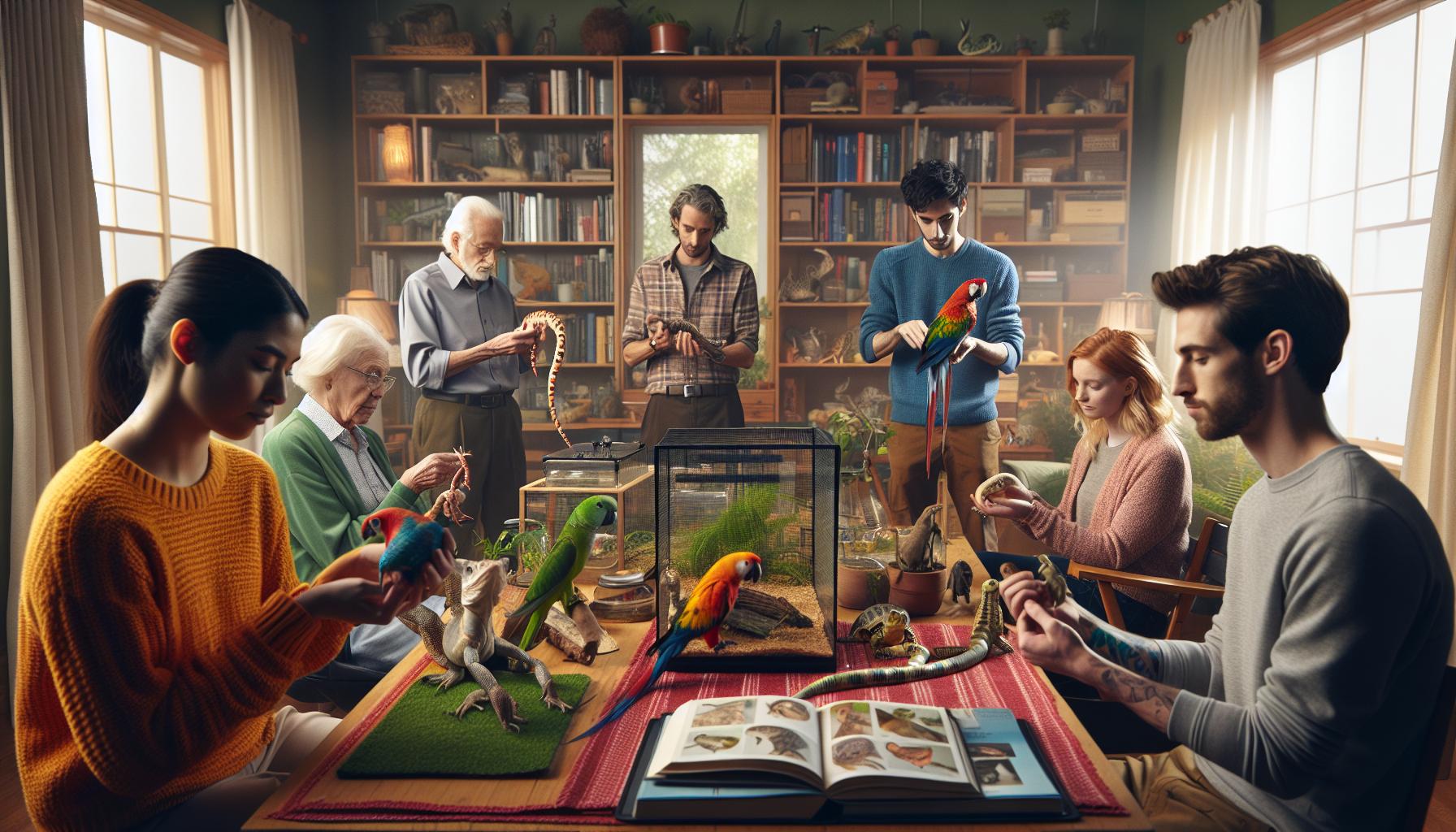
Psychological Factors Behind Exotic Pet Ownership
The allure of exotic pets often begins with a desire for something different-something that sets an individual apart from the crowd. This desire is deeply rooted in psychological factors like self-identity, status, and the pursuit of novelty. For many, owning an exotic pet can symbolize uniqueness and an adventurous spirit, providing a way to express individuality in a society that often values conformity. An exotic animal is not just a pet; it becomes a statement of lifestyle and personality.
Moreover, caring for an exotic pet can fulfill a psychological need for nurturing. Many people find joy in the challenge of providing specialized care for animals that require specific habitats, diets, and social interactions. This commitment can forge a unique bond between the owner and the pet, reinforcing feelings of responsibility and achievement. The novelty of exotic pets can also spark curiosity and fascination, leading to a deeper interest in animal behavior and biology. Individuals who embrace these pets often enjoy the process of learning and adapting, enhancing their overall experience of pet ownership.
Social media plays a critical role in reinforcing these psychological factors, as platforms allow exotic pet owners to showcase their pets in creative and appealing ways. Exotic animals can garner attention and admiration, tapping into the owner’s desire for social validation and acceptance. Photos and videos of unusual pets easily circulate online, creating a trend that influences others to explore exotic pet ownership. This dynamic can amplify feelings of status for the owner, linking pet selection to their perceived identity in both online and offline communities.
Ultimately, the motivations to own exotic pets are varied and complex, intertwining personal desires for uniqueness, connection, and recognition. It’s essential for potential owners to reflect on these factors and consider the responsibilities involved, ensuring they are prepared for the commitment that comes with providing care for an extraordinary companion.
Common Motivations: Status, Adventure, and Uniqueness
The decision to own an exotic pet often stems from a complex mix of motivations, primarily revolving around the allure of status, a spirit of adventure, and the desire for uniqueness. For many people, the thrill of having an animal that is not commonly found in households-like a striking macaw or an elegant sugar glider-serves as a badge of honor. This need for social distinction can push potential owners toward exotic pets, especially when they consider how such animals may elevate their status within social circles, both online and offline. For example, sharing a photo of a rare reptile or an unusual furry companion on social media can attract admiration and curiosity, reinforcing the owner’s identity as someone who stands out from the crowd.
Adventure also plays a pivotal role in the decision to adopt exotic pets. These animals often come with unique care requirements and behavioral characteristics that can make ownership feel more like an adventure than a mere day-to-day responsibility. The prospect of learning about tropical environments for a particular species or curating a specific diet can be enticing for those who relish personalization and challenges. Enthusiastic owners often find themselves diving deep into research about their pet’s natural habitat, creating an enriching experience that goes beyond just feeding and grooming.
Moreover, the quest for uniqueness is a powerful force behind this trend. Traditional pets like cats and dogs are beloved and valued, but for some individuals, they may feel too common or conventional. An exotic pet can fulfill a deep-seated yearning for something different-whether it’s the vibrant plumage of a rare bird or the mesmerizing patterns of a snake. This uniqueness can not only enhance the owner’s personal life but also contribute to their social narrative, turning their pet into a talking point and a point of pride among friends and family.
However, it’s essential for prospective owners to thoughtfully consider the implications of these motivations. Embracing the responsibility that comes with owning an exotic pet requires not just passion but a commitment to the animal’s welfare and a willingness to adapt one’s lifestyle to meet its needs. Understanding the duties that come with exotic pet ownership can turn this fun adventure into a fulfilling journey of companionship and learning. By balancing the desire for status and uniqueness with responsible ownership, individuals can truly appreciate the joys of caring for these extraordinary creatures.
Risks and Responsibilities of Exotic Pet Ownership
Owning an exotic pet can be a thrilling experience-imagine chatting with friends about your sleek serval or your vibrant boa constrictor! However, with this allure comes significant responsibilities and risks that every potential owner should be aware of. Unlike traditional pets, exotic animals often require specialized care, which can be both time-consuming and costly. For instance, many reptiles need specific humidity and temperature controls, while exotic birds may require enriched environments to thrive. If these needs are not met, health issues can arise quickly, leading to unhappy pets and frustrated owners.
Understanding Care Requirements
One of the most common pitfalls of exotic pet ownership is underestimating the complexities involved. Each species has its unique set of needs, from dietary preferences to socialization requirements. For example, sugar gliders are nocturnal and thrive in pairs or groups, necessitating an owner’s commitment to providing companionship. On the other hand, reptiles like iguanas require UV light for proper bone health, reflecting the necessity of understanding and replicating natural habitats. Neglecting these nuances can lead to serious health problems, including metabolic bone disease or behavioral disorders.
Legal and Ethical Considerations
In addition to care, potential owners must navigate the legal landscape surrounding exotic pets. Laws vary widely by state and country regarding ownership, and some species may be outright banned or require special permits. Before bringing an exotic animal into your home, it’s crucial to research local regulations to avoid legal troubles. Organizations such as the U.S. Fish and Wildlife Service and state wildlife agencies can provide guidance. Beyond legality, ethical considerations come into play. Many exotic animals are taken from their natural habitats or bred under questionable conditions, leading to complex welfare issues. Responsible ownership includes sourcing pets from reputable breeders or rescue organizations that prioritize animal welfare.
Long-Term Commitment and Consequences
Another significant aspect of exotic pet ownership is the long-term commitment it entails. Many exotic pets have lifespans that far exceed those of traditional pets-some snakes can live for over 20 years, and certain parrots can live for several decades. This longevity means that prospective owners must consider not only their current lifestyle but also their future circumstances. Changes in personal life, including relocations or new jobs, can complicate pet care. Additionally, the financial commitment can be sizable; setting up an appropriate habitat, ongoing veterinary care, and specialized feeding can create a cost burden that surprises many first-time owners.
In summary, the excitement of owning an exotic pet should be matched with a deep understanding of the responsibilities involved. By committing to comprehensive care, adhering to legal requirements, and accepting the long-term nature of this choice, owners can create a fulfilling and rewarding relationship with their exotic companions. Remember, it’s not just about having a unique pet; it’s about being a responsible steward of that animal’s health and well-being.
Cultural Influences on Exotic Pet Popularity
In today’s world, the fascination with exotic pets is often fueled by a cocktail of cultural influences that shape perceptions and desires. Television shows showcasing celebrities with unique animals, social media platforms flooded with charming pet photos, and viral trend challenges create a sensational allure around owning exotic creatures. These influences contribute to a growing belief that owning an exotic animal is not just a hobby, but a status symbol that reflects individuality and adventurous spirit.
Cultural narratives play a pivotal role in shaping desires. For instance, in many urban areas, the presence of exotic pets is linked to an elite lifestyle. Shows like “The Real Housewives” or social media influencers flaunting their unusual companions-be it a capybara or a macaw-set trends that push people to seek similar unique experiences. This phenomenon elevates the idea of exotic pets from mere animals to lifestyle accessories, appealing to those looking to make a statement in their social circles.
Furthermore, cultural backgrounds significantly influence preferences in pet ownership. In some cultures, owning particular exotic animals is traditional or symbolic, representing wealth, power, or spiritual beliefs. Certain species, such as snakes in some Asian cultures, are revered and seen as auspicious. As globalization increases cross-cultural exchanges, these values blend, prompting individuals from different backgrounds to consider exotic pets as part of their own narratives.
With the rise of social media, potential exotic pet owners now have access to an endless stream of information and visual content showcasing these animals. This not only normalizes exotic pets as family members but also brings forth serious discussions about care and ethical considerations. Pet-focused hashtags and viral stories can educate and inspire responsible ownership practices, encouraging community involvement in welfare initiatives.
Ultimately, while cultural influences can glamorize the allure of exotic pets, they also underscore the importance of understanding the responsibilities of ownership. Embracing the adventure of having an exotic animal should go hand-in-hand with respect for the creature and awareness of its needs and legal implications. Fostering a culture of responsible ownership is essential to preserve both wildlife and the integrity of the pet ownership experience.
Animal Welfare Concerns: What You Need to Know
Imagine a vibrant rainforest filled with exotic birds, playful monkeys, and fascinating reptiles. Now, imagine trying to recreate that environment in your home for a pet iguana or a parrot. While the allure of exotic pets is undeniable, embarking on this journey comes with significant animal welfare concerns that are often overlooked. This responsibility goes beyond simply providing food and shelter; it involves understanding the complex physical and psychological needs of creatures that aren’t commonly found in typical households.
Exotic animals often have specialized diets and habitats that mimic their natural environments. For example, many reptiles require specific humidity and temperature conditions to thrive, while exotic mammals might need ample space to exercise and socialize. Failure to meet these environmental needs can lead to stress, behavioral issues, and health problems. It’s crucial for potential owners to invest time in researching the specific requirements of their chosen companion. This includes not only understanding their basic needs but also learning about their social behaviors, as many exotic pets are not solitary by nature.
Moreover, the legality and ethical implications of owning exotic animals cannot be ignored. Many regions have laws regulating the ownership of certain species, aimed at protecting both the animals and local ecosystems. Illegal wildlife trade is a significant concern, leading to the endangerment of species and disrupting habitats. Aspiring exotic pet owners should ensure they are acquiring their animals through legal and ethical channels, supporting reputable breeders who prioritize animal welfare over profit. An understanding of the conservation status of species and potential impacts on the wild population is essential in being a responsible pet owner.
Lastly, the psychological welfare of these animals must be a priority. Exotic pets can suffer from anxiety and stress when not given appropriate social interaction or mental stimulation. For instance, birds require social interaction and enriching environments to thrive, or else they may develop harmful habits like feather plucking. By fostering a sensitive understanding of these needs, potential pet owners can better appreciate the full commitment involved in exotic pet ownership. Ultimately, recognizing and addressing these welfare concerns not only ensures a better quality of life for these unique animals but also enriches the lives of their human companions. Making informed choices leads to a rewarding experience for both parties, bridging the gap between our homes and the wilds from which these magnificent creatures hail.
Comparing Care Needs: Exotic Pets vs. Traditional Pets
Owning a pet is often a delightful journey into companionship, but the differences in care needs between exotic animals and traditional pets like dogs or cats can be significant. For many, the appeal of exotic pets lies in their uniqueness and the challenge of meeting their specialized needs. However, this chapter of pet ownership demands a comprehensive understanding of the nuanced requirements that come into play.
Exotic pets, from reptiles to birds, frequently require meticulously controlled environments that mirror their natural habitats. For example, reptiles like bearded dragons thrive in terrariums with specific heat and humidity levels. Failing to replicate these conditions can lead to serious health issues, including metabolic bone disease and respiratory infections. In contrast, traditional pets such as dogs or cats are generally more adaptable to various home environments and require less intricate habitat planning. Their basic needs might include food, water, a comfortable sleeping area, and regular exercise, making them easier to care for in many cases.
Another key factor is dietary needs. Many exotic animals have specialized diets that can be complicated and costly to maintain. For instance, certain birds, like macaws, require a mix of pellets, fruits, and vegetables, while others, like snakes, need live or frozen prey. This can be a far cry from the straightforward feeding routines of cats and dogs, which typically thrive on commercially available pet food. Owners of exotic pets must also be conscious of balancing this diet with proper supplementation, as deficiencies can lead to serious health issues.
Social needs also differ greatly. Many traditional pets are social animals that thrive on interaction with their human companions, often seeking out playtime and affection. Exotic pets like some reptiles and fish, on the other hand, may not exhibit social behaviors in the same way. Some, like parrots, can be incredibly social and require significant interaction to prevent psychological issues, while others, like certain lizards, may prefer solitude. Understanding these behavioral expectations is paramount; a pet owner must ensure they are equipped to meet these varying levels of social interaction.
In summary, comparing care needs showcases the broader responsibilities of exotic pet ownership versus more conventional pets. A dedicated owner will find that aligning with the complex needs of exotic pets-whether it’s habitat, diet, or social interaction-can lead to a fulfilling relationship. However, potential owners must enter this world with a solid foundation of knowledge, ensuring that both the pet and owner can thrive together harmoniously.
Legal Considerations for Owning Exotic Animals
Before diving into the thrills of owning exotic pets, it’s crucial to acknowledge the legal landscape that governs such ownership. The laws surrounding exotic animals can vary significantly, depending on the country, state, or municipality where you reside. Some regions allow ownership of a wide range of species, while others impose strict regulations aimed at protecting native wildlife and ensuring public safety. Ignorance of these laws can lead to severe consequences, including fines, confiscation of animals, and potential criminal charges.
In the United States, for example, various federal, state, and local laws dictate what constitutes an exotic pet. The Endangered Species Act protects certain species from being kept as pets, while some states may require permits for specific animals. Take, for instance, a passionate individual looking to keep a capuchin monkey; they might find that in some states, ownership is entirely legal, yet in others, it’s completely prohibited. Always check local regulations, as they can often change at a moment’s notice and vary widely.
Understanding Permits and Regulations
Before welcoming an exotic animal into your home, it’s wise to navigate the permitting process if required. Not only does this involve understanding which pets are legally permissible, but it often requires inspections of the housing facility and proof of knowledge regarding the animal’s care. Compliance with regulations protects both the owner and the animal, ensuring that ownership is responsible and ethical.
Here are some categories of animals that often require special permits:
- Primates, such as monkeys and apes
- Certain reptiles, like crocodiles and large snakes
- Large cats, including servals and caracals
- Exotic birds, such as macaws and cockatoos
Failing to adhere to these guidelines can not only jeopardize the well-being of the pet but can also lead to broader implications for wildlife conservation efforts.
Ethical Considerations and Conservation
The legal considerations also extend into ethical territories. Many exotic animals have complex social and environmental needs that can be challenging to meet in a home environment. For instance, while exotic pets might seem appealing for their uniqueness, it’s essential to consider whether they thrive in captivity. Many species are better left in their natural habitats, contributing to biodiversity rather than depleting it.
Moreover, the illegal trade in exotic pets is a significant concern that contributes to species endangerment. By being informed and compliant with the laws surrounding exotic pet ownership, future owners not only protect themselves legally but also play a part in promoting ethical practices and wildlife conservation efforts.
Being a responsible exotic pet owner goes beyond personal enjoyment; it’s about being an advocate for animal welfare and sustainability, ensuring that our fascination with these unique creatures does not come at a cost to their well-being or to the environment.
Stories of Exotic Pet Owners: Experiences and Challenges
For many, owning exotic pets is a dream that begins with a spark of fascination. Imagine the thrill of sharing your space with a majestic tarantula or a lively macaw, showcasing a world far removed from traditional pets like dogs and cats. However, along with the allure of exotic ownership come a series of real-life experiences that can be both enchanting and challenging. Each story holds lessons about the realities of caring for these unique creatures.
Take Sarah, for example, who fell in love with the idea of having a capuchin monkey. At first, the thought of having a playful, intelligent companion seemed perfect. However, as Sarah got deeper into the responsibilities, she realized that her pet’s social needs were extensive. Monkeys are not just cute; they require continuous interaction, stimulation, and even specialized diets. Sarah found herself devoting hours every day to ensure her monkey’s happiness, learning firsthand that these fascinating creatures can be both rewarding and demanding.
Similarly, Mark, an avid snake enthusiast, made the leap to own a Burmese python. Initially attracted by their beauty and grace, he soon faced the complexities of their care. Burmese pythons grow to remarkable sizes, and Mark had to invest in a large habitat, specialized heating elements, and a steady supply of appropriately sized prey. He shared his journey on social media, educating others about the realities of snake ownership and advocating for responsible care over impulse purchases.
These narratives highlight a common thread-while the allure of exotic pets often centers around their uniqueness and novelty, the reality requires a blend of commitment, education, and sometimes a dose of humility. It’s essential for potential owners to engage with existing communities, gather information from reputable sources, and be adequately prepared for the responsibilities that exotic pets entail.
Through these stories, we see the balance between fascination and responsibility. Exotic pet ownership is not merely about personal enjoyment; it’s also about ensuring that one’s choices contribute positively to the animal’s well-being. Engaging in the lives of these animals often leads to a deeper understanding of wildlife conservation and the importance of responsible ownership. Whether you’re captivated by the vibrant feathers of a parrot or the intricate patterns of a ball python, it’s crucial to embrace the full spectrum of their care and needs before bringing these unique companions into your lives.
Alternatives to Exotic Pets: Wildlife Conservation and Appreciation
The love for exotic animals can sometimes overshadow the critical gaze we must direct towards wildlife conservation. Instead of bringing these unique creatures into our homes, there are equally rewarding alternatives that celebrate their beauty while protecting their natural habitats. Consider this: every time someone chooses a traditional pet over an exotic one, they contribute a little more to the conservation of biodiversity and the preservation of ecosystems.
One fantastic way to appreciate wildlife without ownership is through wildlife sanctuaries and rescue organizations. Many of these facilities welcome visitors and provide educational programs about the species they care for. Participating in such activities not only fosters a deeper understanding of animal behavior and habitats but also supports conservation efforts firsthand. You might witness firsthand the tireless work of conservationists who rehabilitate injured animals or provide lifelong care to those who cannot return to the wild-each visit is a step towards fostering empathy and awareness.
Conservation Programs and Eco-Tourism
Consider participating in conservation programs or eco-tourism initiatives. These experiences often allow individuals to engage with wildlife in their natural environments, encouraging appreciation over ownership. Programs like volunteer tourist efforts help protect endangered species and promote sustainable practices. For example, groups that focus on sea turtle conservation not only educate participants on the plight of these magnificent creatures but also involve them in activities such as nest monitoring and hatchling releases. Engaging with wildlife in such settings can be profoundly rewarding and might even lead to a newfound commitment to conservation ethics.
For those captivated by the exotic but still seeking responsible engagement, sustainable pet ownership is an alternative pathway. Opt for adopting rescue pets from shelters, which can range from traditional cats and dogs to more unique creatures like rabbits or guinea pigs. Each of these options offers the charm of companionship without the potential negative impacts that can arise from owning exotic animals, thereby allowing for delightful interactions while contributing to animal welfare.
The allure of exotic pets stems from their charm and the thrill of the unusual. By redirecting that fascination towards wildlife appreciation and conservation efforts, we not only celebrate animal diversity but also play our part in ensuring a healthier planet for all species. Whether through volunteer work, supporting sanctuaries, or engaging in responsible pet ownership, there are countless ways to engage with our natural world that honors both its beauty and its fragility.
FAQ
Q: What psychological factors drive people to own exotic pets?
A: Many individuals are drawn to exotic pets due to unique psychological factors, including the desire for status, adventure, and a connection to nature. These pets often symbolize individuality and promote feelings of exclusivity and excitement, appealing to those seeking an atypical experience compared to traditional pets.
Q: How does social media influence the popularity of exotic pets?
A: Social media greatly affects exotic pet ownership by showcasing stunning visuals and alluring success stories, which can ignite interest and aspiration among users. Platforms like Instagram and TikTok serve as key avenues for sharing exotic pet care tips and showcasing personal experiences, thus growing their appeal significantly.
Q: Are there specific personality traits commonly found in exotic pet owners?
A: Yes, studies indicate that exotic pet owners often showcase traits such as openness to experience, high curiosity, and a strong affinity for adventure. These traits align with a desire for novelty and can reflect broader lifestyle choices that favor uniqueness over conformity.
Q: What risks do people face when owning exotic pets psychologically?
A: Beyond legal and ethical issues, owning exotic pets can introduce psychological risks such as stress from care demands, feelings of isolation, or guilt regarding animal welfare. Owners may struggle with the responsibilities of providing appropriate care and managing their pets’ natural behaviors, which can lead to emotional strain.
Q: How does the cultural background of individuals affect their choice of exotic pets?
A: Cultural influences play a significant role in exotic pet preferences. In some cultures, exotic animals are seen as symbols of wealth or status, while in others, they may represent a strong connection to nature. Understanding these cultural perspectives can illuminate the varied motivations behind choosing exotic pets.
Q: What are some common misconceptions about exotic pet ownership?
A: Common misconceptions include the belief that exotic pets are easy to care for or that they have the same needs as dogs or cats. In reality, many exotic species require specialized environments, diets, and veterinary care, demanding much more commitment than expected, impacting the owner’s psychological well-being.
Q: How can potential exotic pet owners assess their motivation for ownership?
A: Potential owners should reflect on their personal motivations by asking themselves why they desire an exotic pet. It’s essential to consider whether the interest comes from a genuine love for the species or an inclination towards social validation. This self-assessment can guide responsible ownership decisions.
Q: When is the right time to consider adopting an exotic pet?
A: The right time to adopt an exotic pet is when prospective owners have thoroughly researched their care requirements and are emotionally and financially prepared for the long-term commitment. Identifying a strong personal motivation rooted in responsible care rather than trend-following is also crucial.
Feel free to explore more about the psychology of exotic pet ownership in our article’s section on Psychological Factors Behind Exotic Pet Ownership. Engage with our community to share your thoughts or experiences!
The Conclusion
As we’ve explored, the allure of exotic animals as pets often stems from a desire for uniqueness and a deeper connection to nature. While they can offer incredible companionship and fascinating insights into wildlife, it’s crucial to consider their complex needs and the commitment involved in their care. Remember, responsible ownership means understanding the specific behavior, habitat, and care requirements of these fascinating creatures.
If you’re intrigued to learn more about specific exotic pet care or wish to explore the ethical implications, check out our articles on “Choosing the Right Exotic Pet” and “The Ethics of Exotic Pet Ownership.” Don’t hesitate to share your thoughts or experiences in the comments below – we love hearing from fellow animal enthusiasts! For even more wildlife insights and tips, subscribe to our newsletter-it’s your ticket to staying informed and inspired. Embrace your curiosity, but always prioritize responsible ownership as you explore this captivating world!
Get our latest guides, news, and insights highlighted in your Google Search & AI Overviews.










