Texas is renowned for its vast landscapes and diverse wildlife, making it a popular destination for exotic hunting enthusiasts. Did you know that the Lone Star State is home to several exotic species that are legally huntable? This unique aspect not only fulfills the thrill of the hunt but also plays a role in wildlife management and conservation efforts. Understanding which exotic animals you can hunt in Texas is crucial for ethical practices, ensuring compliance with laws, and enhancing your outdoor experience. Whether you’re a seasoned hunter or a curious beginner, our comprehensive guide to the legal game list of exotic animals in Texas will provide you with valuable insights and essential information to plan your next adventure. So, let’s explore the fascinating world of Texas hunting together and discover the diverse opportunities that await!
Understanding Texas’ Exotic Hunting Laws and Regulations
The Lone Star State is not only known for its vast landscapes and vibrant culture but also for its unique exotic hunting opportunities. In Texas, the laws and regulations surrounding exotic hunting are designed to encourage responsible practices while protecting wildlife and habitats. Unlike many states, Texas has relatively relaxed regulations regarding the pursuit of exotic game, which can include species like axis deer, nilgai antelope, and even zebras. To embark on an exotic hunt, one of the first steps is ensuring that you are familiar with the legal classifications and specific requirements governing the animals you wish to hunt.
When hunting exotic animals, it is vital to know that these species are not classified as game animals in the traditional sense. As a result, they do not fall under the same regulations set by the Texas Parks and Wildlife Department as native species. However, hunters still need to adhere to certain rules. Generally, a hunting license is required, and hunters should be aware of any local ordinances or property-specific regulations that may apply. For instance, hunting on private land may require permissions or specific permits that are issued by the landowner.
Types of Exotic Species
Most exotics can be hunted year-round, which offers flexibility for hunters. Commonly pursued species include:
- Axis Deer: Known for their beautiful spotted coats and delicious venison.
- Nilgai Antelope: This large animal presents a challenging hunt due to its quick movement and keen senses.
- Fallow Deer: Popular for both hunting and meat recovery, they are often found in various color phases.
- Zebras and African Species: Some ranches offer the chance to hunt truly exotic species, including zebras.
Understanding the guidelines is essential, especially regarding hunting methods or restrictions that may apply based on the specific exotic species. Moreover, many ranches that offer exotic hunting experiences provide detailed guidelines, including guided hunts that highlight ethical considerations and hunting best practices.
To ensure a positive experience, it’s crucial for hunters to practice ethical hunting practices-aiming for a swift, humane kill and respecting the land and animals. Educating oneself about the specific ecological impacts and conservation efforts related to exotic species will enrich the hunt and foster a deeper appreciation for the great outdoors in Texas.
Popular Exotic Animals You Can Hunt in Texas
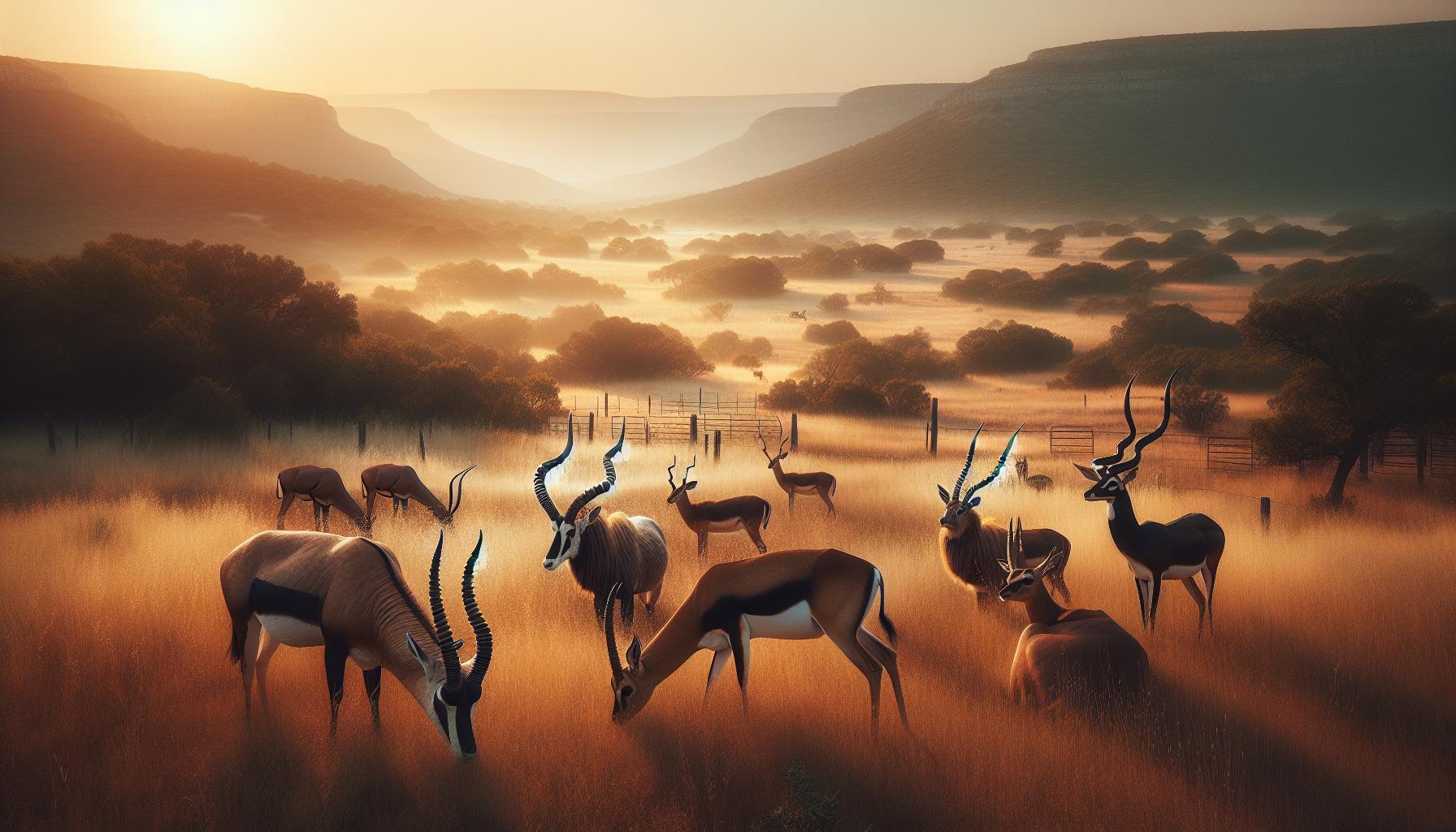
In Texas, the landscape of exotic hunting is as diverse as its vast terrains, making it a unique destination for hunters looking to expand their experience beyond native species. Among the most sought-after exotic animals is the axis deer, renowned for its striking spotted coat and tender venison. These animals thrive in the warm, dry climate of Texas and often graze in open pastures, making them a favorite for both viewing and hunting. Another popular choice is the nilgai antelope, which is one of the largest antelope species. Known for its speed and agility, a nilgai hunt can be quite challenging, often requiring keen tracking skills and patience.
The fallow deer is also prevalent, presenting interesting color variations, from the classic brown to striking white. Their adaptability allows them to flourish in various habitats across the state. For those seeking a truly distinctive hunting experience, some ranches provide opportunities to hunt zebras and other African species, adding an exotic flair to the Texan hunting scene. These animals not only provide an inspiring challenge but also connect hunters to broader conservation efforts focused on managing such species responsibly within the ecosystem.
Understanding the habits and habitats of these popular exotic species can significantly enhance your hunting experience. The unique characteristics of each species influence their behavior and movement patterns, which are crucial for successful hunts. Engaging with local guides or ranches can offer valuable insights, ensuring hunters are well-prepared and informed about ethical practices that respect both the animals and the land they roam. Moreover, making informed decisions about which species to pursue can lead to both thrilling hunting adventures and a deeper appreciation for Texas’s rich wildlife heritage.
Distinctive Characteristics of Texas Exotic Game
The variety of exotic game available in Texas is not just a thrill for hunters but also a fascinating glimpse into the rich biodiversity that can thrive in the state’s diverse ecosystems. Among the most distinctive characteristics of these exotic species are their adaptability and unique behaviors, which are perfectly suited for the Texas landscape.
One standout species is the axis deer, known for its beautiful spotted coat that serves as excellent camouflage in the dappled sunlight of Texas woodlands. Adapted to both open grasslands and denser brush, axis deer are typically more active during cooler parts of the day, making early mornings and late evenings prime hunting times. They are social animals, often found in herds, which can also influence their movement patterns and make sightings more frequent for hunters.
Another notable exotic species is the nilgai antelope, which is the largest antelope found in North America. Known for their impressive speed and strong build, nilgai are often found in regions with ample vegetation like the South Texas brush country. Their unique blue-gray coloration and long, slender legs make them a striking sight against the green backdrop of the Texas landscape. Unlike some other species, nilgai are known to be wary of human presence, which requires hunters to be especially stealthy and patient when pursuing them.
For those seeking more visually captivating game, the fallow deer offers a stunning range of coat colors, from rich chocolate brown to striking white and even spotted varieties. They are particularly adaptable, thriving in various habitats, including both wooded areas and open plains. Fallow deer are known to be more timid than axis deer, often relying on their surroundings to stay hidden, making strategies for hunting them slightly different – typically requiring hunters to focus on understanding their feeding patterns and shelter preferences.
Lastly, some ranches also feature exotic African species, such as zebras and blackbuck antelope. These animals not only add an exciting challenge but also serve to teach hunters about the importance of biodiversity and conservation within exotic game hunting. Each species has its own behavioral traits and habitats, emphasizing the importance of research and respect for wildlife.
Understanding these distinctive characteristics not only enhances the hunting experience but allows for an appreciation of the ecological role each species plays. Engaging with local hunting guides can provide further insights into the behavior and habitats of these exotic animals, fostering a deeper respect and commitment to responsible hunting practices. By exploring the unique traits of Texas’ exotic game, hunters can enhance both their skill and enjoyment in this thrilling pursuit.
Ethical Hunting Practices for Exotic Species
Ethical hunting isn’t just about following laws; it’s about respecting the animals, their habitats, and the ecosystems where you hunt. In Texas, where exotic animals like axis deer, nilgai antelope, and blackbuck roam, ethical hunting practices ensure sustainable populations while allowing hunters to enjoy the thrill of the chase.
One fundamental practice is proper game identification. Before you even step into the field, familiarize yourself with the legal game list and the distinctive characteristics of each species. This prevents accidental hunting of protected or endangered species and helps maintain the balance in the ecosystems. Hunters should always be aware of the difference between similar species and understand their respective conservation statuses.
Another crucial aspect is fair chase. This concept goes beyond simple legality. It respects the animal’s ability to escape and thrive in its natural habitat. Try to avoid hunting from stationary blinds or near feed stations, especially if they are heavily supplemented, as doing so can undermine the spirit of the hunt. Instead, stalk your game and aim to engage in practices that closely resemble natural predation, which contributes to both personal skill development and the integrity of the sport.
Additionally, minimizing waste is an essential ethical consideration. Texas has a ‘wanton waste’ law, meaning hunters must retrieve and care for any animal they shoot. This not only involves the edible meat but also the proper disposal or utilization of non-edible parts. Many hunters donate excess meat to local food banks or share with friends and family, fostering community and ensuring the animal’s life contributes positively to others.
Furthermore, engaging with conservation efforts is a pivotal part of ethical hunting. Participate in local wildlife programs or contribute to habitat restoration projects. Educating yourself on the ecological role of exotic species in Texas, like how the grazing habits of the nilgai affect the vegetation and environment, can enhance your hunting experience. Understanding these dynamics helps you appreciate the broader implications of your hunting activities and supports the sustainability of the wildlife you pursue.
By adhering to these ethical practices, you not only enhance your own experience but also contribute positively to the hunting community and wildlife conservation efforts in Texas. Enjoy the thrill of the hunt while embracing responsibility, respect, and awareness of the natural world around you.
Seasonal Hunting: When to Hunt Exotic Animals
The thrill of hunting in Texas goes hand in hand with understanding when to hunt exotic animals to maximize your chances of success. With a climate that varies across regions, various species have specific seasons during which they are most active and huntable. For instance, the cooler months from late fall through winter often provide the best conditions for hunting exotic game, as many species are more visible and active during these periods.
Key Hunting Seasons
Different types of exotic animals have different peak seasons. Here’s a quick overview:
- Axis Deer: Peak hunting typically occurs from September to February, with an emphasis on the rut season in early fall.
- Blackbuck Antelope: They are best hunted in the cooler months, primarily from October through March.
- Nilgai Antelope: Hunting is popular year-round, but the late fall and winter months are particularly favorable.
- Fallow Deer: Their active season runs from October through February, especially during the rut in late October to November.
- Oryx (Gemsbok): These animals can be hunted year-round, but it is recommended to focus on the cooler months.
Keep an eye on local regulations, as hunting seasons vary by county, and some species may have specific restrictions or require permits.
Weather Considerations
Weather plays a crucial role in exotic hunting success. Early morning and late afternoon hunts, particularly during brisk and clear days, can yield the best results. Many hunters find that animals tend to be more active during these cooler parts of the day. As temperatures heat up during midday, many exotic species seek cover, making sightings less frequent.
Engaging in hunting during transitional periods, such as before significant weather changes (like a cold front), can also lead to increased activity among game animals as they prepare for the shift. Understanding these patterns not only improves your chances but transforms each outing into a rewarding experience in nature.
In summary, timing your outings according to species-specific seasons and weather patterns can significantly enhance your hunting experience in Texas. With some preparation and knowledge, you’ll be well on your way to unforgettable adventures in the Lone Star State’s wilderness.
Essential Gear for Hunting Exotic Game in Texas
When preparing for a thrilling exotic hunting adventure in Texas, having the right gear can make all the difference between a successful outing and a frustrating one. Texas is home to a variety of exotic species, each presenting unique challenges and requirements for hunters. Knowing what essentials to pack can enhance your experience and ensure that you’re ready for anything the wilderness throws at you.
A sturdy pair of boots is non-negotiable. Opt for durable, waterproof footwear that provides good ankle support and traction for navigating rugged terrain. In addition to footwear, appropriate clothing is crucial. Layered, moisture-wicking fabrics keep you comfortable as temperatures fluctuate. Since many hunts occur during early mornings and late afternoons, consider bringing a lightweight jacket that can easily be packed away when the sun rises.
Essential Tools and Equipment
When it comes to the tools of the trade, your firearm or bow is the most significant choice. For larger species like the Nilgai or Oryx, a .270 or .30-06 caliber rifle is recommended, while a compound bow can be ideal for those preferring archery. Don’t forget to bring sufficient ammunition or arrows suited for your chosen game. A good-quality spotting scope or binoculars will also be invaluable for scouting your surroundings and identifying game from a distance.
Another must-have is a reliable hunting backpack. It should be spacious enough to hold not only your gear but also essentials like water, snacks, and safety equipment, such as a first-aid kit. A comfortable, well-fitted backpack allows you to carry all your necessities without feeling burdened. If you’re hunting in remote areas, a GPS device or a trusted map is important for navigation and safety.
Accessories that Enhance Your Hunt
Additional accessories can enhance your hunting experience. Consider investing in a pair of noise-canceling headphones or earplugs if you’re using firearms, as they protect your hearing during shots. A multi-tool or survival knife can assist in various tasks, from preparing your game to basic repairs while out in the field. Finally, a good quality camera is essential for capturing the breathtaking landscapes of Texas and documenting your hunting adventures.
Equipped with the right gear, you’ll be better prepared to embrace the excitement of exotic animal hunting in Texas. Respectful and responsible practices not only ensure your safety but also preserve the integrity of the wildlife and the thrill of outdoor pursuits for future generations.
The Best Locations for Exotic Animal Hunting
Texas boasts an impressive and diverse array of locations for exotic animal hunting, drawing enthusiasts from across the country. With its vast landscapes and varying ecosystems, the state offers unique habitats that allure different species, from the majestic Nilgai to the impressive Blackbuck Antelope. Whether you’re a novice or a seasoned hunter, knowing the best spots can significantly enhance your experience.
In the southern part of Texas, especially near the coastal plains, you’ll find some of the most popular ranches for exotic hunting. Locations like the King Ranch and the El Cielo Wildlife Preserve are renowned for their rich diversity of wildlife. These expansive areas allow for a variety of hunting setups and often feature guides knowledgeable about the terrain and animal behavior, making them ideal for beginners and experienced hunters alike.
For those seeking highland adventures, the rugged terrains of the Hill Country provide an exhilarating backdrop. Here, hunters might encounter Axis deer and other unique species in environments ranging from rolling hills to dense cedar forests. Many private ranches in this region offer exclusive exotic hunts in more secluded settings, ensuring a less pressured hunting experience.
In West Texas, you can explore the Trans-Pecos region, known for its dramatic landscapes and diverse wildlife. Places like the McCulloch County area and Sierra Blanca are great for spotting exotic game, including Aoudad sheep and various species of deer. The vast open spaces allow for long-range shooting and the thrill of tracking in the wild.
Unforgettable adventures can also be found in Central Texas, where ranches often provide guided hunting excursions that focus on conservation. Not only do these locations promote sustainable hunting practices, but they also educate hunters about the importance of preserving the unique ecosystems that house such exotic species.
Regardless of your choice, always remember to check local regulations and ensure your hunting practices align with ethical standards. By respecting the natural world, you’ll help maintain the delicate balance of Texas’s wildlife for generations to come. Happy hunting!
Tips for First-Time Exotic Hunters in Texas
Venturing into the world of exotic hunting in Texas can be an exhilarating experience, especially for first-time hunters. The Lone Star State is home to a myriad of species, each offering its unique thrills and challenges. Did you know that Texas is one of the few places in the U.S. where you can hunt exotic animals like the Nilgai, Blackbuck Antelope, and Aoudad sheep? With such a diverse array of game, it’s essential to approach your first hunt with the right knowledge and preparation.
To start, familiarize yourself with the legal game list and hunting regulations specific to Texas. Understanding the rules ensures you have a safe and enjoyable experience. Specific seasons are set for various species, and it’s crucial to know these dates. Always check with the Texas Parks and Wildlife Department for the latest updates and guidelines. They provide comprehensive resources, including a detailed legal game list that outlines what you can and cannot hunt.
Next, consider joining a guided hunt, especially if you’re unfamiliar with the terrain or the animals. Experienced guides not only enhance your chances of a successful hunt but also provide valuable insights into the behavior of different species. For instance, the elusive behavior of the Axis deer can be tricky for beginners. A knowledgeable guide will teach you tracking techniques and help you understand when and where to find these animals.
Ensure you are equipped with the right gear and tools. Basic essentials include a reliable firearm or bow, appropriate ammunition, and suitable clothing for different weather conditions. Don’t forget safety equipment like a first aid kit and a GPS or map if you’re hunting in remote areas. Knowledge of your target animal’s habits can also inform your gear selection. For instance, if you’re after Nilgai in thick brush, a lighter rifle may serve you better than a heavier caliber.
Lastly, respect for wildlife and ethical hunting practices should always be at the forefront of your mind. A successful hunt is not just about the thrill of the chase; it also involves understanding the importance of conservation. Engage with local conservation efforts and become familiar with how your hunting contributes to species management and habitat preservation. This awareness enriches your hunting experience and helps ensure these exotic species thrive for future generations. Happy hunting!
Conservation Efforts for Exotic Wildlife in Texas
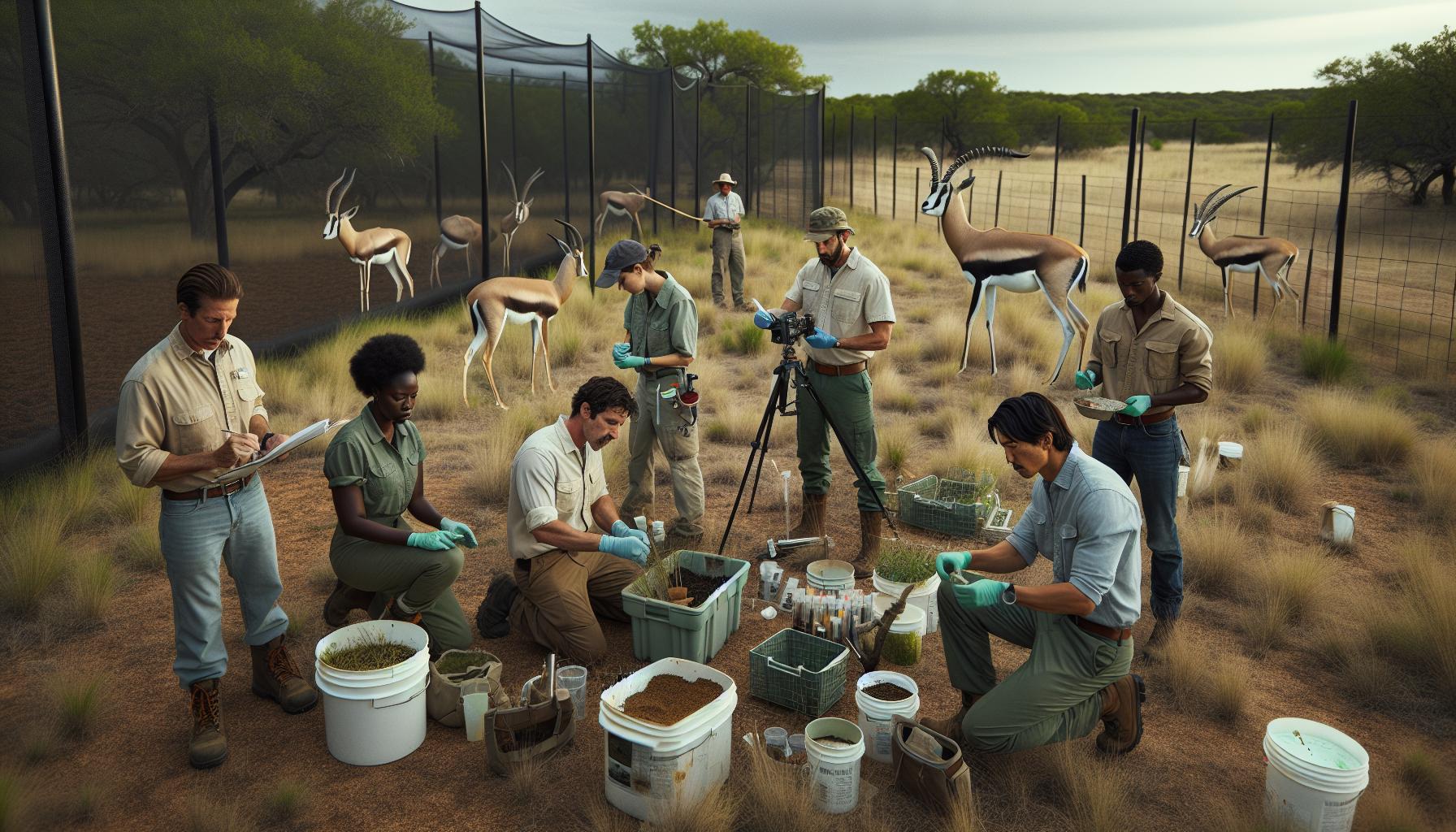
One of the most captivating aspects of exotic hunting in Texas is how it intertwines with conservation efforts aimed at preserving both native and non-native wildlife. Did you know that ethical hunting can play a significant role in wildlife management and habitat conservation? This is especially true in Texas, where a diverse array of exotic species thrives, including the Nilgai, Blackbuck Antelope, and Aoudad sheep. These animals, while not indigenous, are managed under carefully regulated hunting practices that help maintain balanced ecosystems.
Hunters in Texas contribute to conservation in several meaningful ways. First and foremost, a portion of hunting license fees and excise taxes on firearms and ammunition go directly to conservation programs. This funding supports habitat restoration, wildlife research, and the maintenance of public lands. Additionally, many ranches and hunting outfits engage in sustainable practices that enhance the habitats these exotic animals inhabit. For instance, landowners often implement rotational grazing and biodiversity initiatives that benefit both game species and the overall environment.
Furthermore, organizations such as the Texas Parks and Wildlife Department actively monitor exotic game populations and their impact on native species. By regulating hunting seasons and bag limits, they ensure that hunting activities do not lead to overpopulation or resource depletion. Engaging in regulated hunting can also help reduce the spread of diseases that exotic species may carry, benefiting both human and native wildlife populations.
Ultimately, the relationship between hunting and conservation in Texas nurtures a culture of responsibility and respect towards wildlife. Hunters who embrace ethical hunting practices help support the delicate balance of ecosystems, making informed decisions that consider the welfare of animals and their habitats. By participating in these efforts, they play an essential role in sustaining exotic wildlife for generations to come, while enjoying the thrill and challenge of their pursuit.
Common Challenges in Exotic Animal Hunting
The thrill of pursuing exotic game in Texas can be exhilarating, but it’s not without its obstacles. Many hunters, whether seasoned or first-timers, encounter specific challenges that can impact their experience and success rates. Understanding these hurdles can make your hunting journey more rewarding and enjoyable.
One common challenge is the diverse terrain found across Texas. From the flat plains of the Panhandle to the rugged hill country, the landscape varies significantly. Each region presents its own unique set of difficulties, such as navigating dense brush or maintaining stealth in open fields. Hunters need to adapt their strategies accordingly. Familiarizing yourself with the geography and the behavior of the animals in that area can make a big difference. For example, Nilgai prefer open areas, while Blackbuck Antelope are often found in grasslands, requiring hunters to modify their approaches based on the environment.
Another challenge often faced is the unpredictable weather. Texas is known for its extreme temperatures and sudden changes in weather conditions. A sunny morning can quickly turn into a chilly afternoon storm, which can significantly affect animal movement. Understanding local weather patterns and being prepared for change is crucial. Equip yourself with appropriate outerwear and be ready to adjust your plans-whether that means switching locations or modifying your hunting times to align with animal activity.
Additionally, regulations and ethical considerations can be daunting for newcomers. Texas has strict guidelines regarding hunting licenses, bag limits, and the types of exotic game that can be hunted. Staying informed about these laws is essential not only for legal compliance but also for fostering responsible hunting practices. Engaging with local hunting communities or online forums can provide valuable insights and ensure you are up to date with the latest changes in regulations.
Lastly, the interaction with other wildlife presents a unique aspect of hunting exotic game. In areas where these non-native species thrive, hunters may encounter interactions with native wildlife, which requires additional awareness and respect. Understanding the ecological balance can enhance your experience, posing questions on how your hunting practices impact broader conservation efforts.
Navigating these challenges can significantly enhance your hunting experience in Texas. By being well-prepared and knowledgeable, you can minimize obstacles and maximize your success in the field while enjoying the complexity and beauty of Texas wildlife.
Hunting Guides and Resources for Texas Enthusiasts
If you’re dreaming of a unique hunting adventure, Texas offers a thrilling experience with its diverse exotic game. With over 1,000 species of exotic animals available for hunting, you can pursue everything from the majestic Axis deer to the elusive Aoudad sheep. This extensive variety presents a fantastic opportunity for hunters of all skill levels to engage with nature in a meaningful way. To navigate this exciting landscape, it’s essential to arm yourself with the right guides and resources to ensure a successful and responsible hunting experience.
Essential Guides and Resources
Begin your journey by consulting the Texas Parks and Wildlife Department (TPWD). Their website provides comprehensive information about hunting seasons, legal game species, and up-to-date regulations. This is your go-to resource for understanding the rules surrounding exotic hunting, including licensing requirements and bag limits. Additionally, local wildlife management areas often host informative seminars and workshops tailored to exotic game hunting, making these events wonderful opportunities to learn directly from experts.
Joining local hunting clubs or associations can also enhance your experience. These communities are rich with knowledgeable hunters who are eager to share their insights on the best hunting practices and prime locations. Engaging with fellow enthusiasts can provide tips on everything from tracking animals to understanding their behavior. For those looking to hunt specific species, many experienced hunters recommend connecting with personalized hunting guides or outfitters who can tailor trips based on your goals and experience level.
Online Resources
Leverage online platforms and forums dedicated to hunting. Websites like Texas Hunting Forum give hunters a space to ask questions, share experiences, and find valuable information like gear recommendations and seasonal tips. Exploring social media groups focused on Texas hunting can also provide fresh perspectives and immediate access to a community of passionate hunters. Don’t miss out on the wealth of videos and articles available on YouTube or specialized hunting blogs, where seasoned hunters share real-life tactics and personal stories.
Finally, consider subscribing to hunting magazines that focus on exotic game in Texas. Publications like Texas Wildlife Magazine offer articles on conservation efforts, species profiles, and hunting tactics that can enrich your understanding of Texas’ vibrant wildlife ecosystem while keeping you entertained. Whether you’re just starting or are a seasoned pro, these resources can elevate your hunting skills and help you appreciate the rich tapestry of life that Texas has to offer.
Success Stories: Memorable Exotic Hunts in Texas
One of the most exhilarating aspects of hunting in Texas is the unforgettable stories that emerge from the pursuit of exotic game. Hunters often recount their experiences with a sense of pride and enthusiasm, from stalking rare species to sharing a campfire with friends. For instance, a memorable hunt for an Axis deer can be recounted not just for the thrill of the chase, but for the spectacular surroundings of Texas Hill Country. The vibrant landscapes, rich with wildflowers and rolling hills, provide a picturesque backdrop that makes the experience one for the books.
Many hunters share tales of their first encounters with Aoudad sheep, an exotic species that many find challenging yet rewarding to pursue. One such story involved a group of friends who planned a trip to the rugged terrains of the West Texas mountains. After hours of tracking, the team spotted a majestic ram silhouetted against the setting sun. The moment was not just about the hunt; it was about the camaraderie, the challenges faced, and the lessons learned in patience and strategy. This incident resonates well with newcomers to hunting, showcasing the journey over the destination.
Success in exotic hunting often comes from preparation and knowledge of the animal’s behavior and habitat. A seasoned hunter once shared how understanding the seasonal patterns of Blackbuck Antelope led to an incredible hunting experience. By observing their feeding habits and routines, he was able to make strategic decisions that culminated in a successful encounter. Such stories emphasize the necessity of respect for wildlife and the environment, promoting responsible hunting practices that align with conservation efforts.
The diversity of game available-from the agile Impala to the striking Scimitar-Horned Oryx-provides a plethora of opportunities, ensuring that each hunting trip can yield unique memories. Enthusiasts often gather in online forums to exchange their tales, discussing everything from optimal gear to the most breathtaking locations for spotting these exotic animals. Sharing these narratives not only enriches the hunting community but also fosters a deeper connection to Texas’s incredible wildlife.
Frequently asked questions
“`markdown
Q: What exotic animals can I legally hunt in Texas?
A: In Texas, you can legally hunt a variety of exotic animals including *axis deer, blackbuck antelope, and aoudad sheep*. Each species has specific hunting seasons and regulations, so be sure to check the Texas Parks and Wildlife Department rules for details.
Q: Are there specific hunting seasons for exotic animals in Texas?
A: Yes, Texas allows exotic game hunting year-round with specific seasons for native species. *Access to hunting schedules and restrictions* can be found in the Texas Parks and Wildlife Department’s regulations, which helps ensure responsible hunting practices.
Q: Do I need a special license to hunt exotic animals in Texas?
A: While a regular hunting license is required, you may also need a *commercial license if hunting on a ranch*. Confirm your requirements based on your hunting location and the species you intend to pursue to comply with local laws.
Q: What are the ethical considerations for hunting exotic animals?
A: Ethical hunting involves *respecting animal welfare, ensuring safety, and following legal guidelines*. Hunters should adhere to responsible practices that promote conservation and minimize suffering. Engaging in methods outlined in the hunting regulations is also essential.
Q: Where can I find the best locations for hunting exotic animals in Texas?
A: Popular locations for hunting exotic animals include *private ranches, wildlife preserves, and certain public lands*. Researching local hunting guides can provide insights on the best sites that align with your hunting preferences and ethical standards.
Q: What essential gear do I need for hunting exotic game in Texas?
A: Essential gear includes a *reliable rifle or bow, appropriate ammunition, and camouflage clothing*. Additionally, consider safety equipment like a first aid kit, plus tools for field dressing the animal. Always check the specific regulations for your chosen hunting area.
Q: How can first-time exotic hunters prepare for their hunt in Texas?
A: First-time hunters should familiarize themselves with *local laws, study the behavior of targeted species, and ensure they have the necessary permits*. Joining a guided hunt can also provide valuable experience and help in understanding the hunting environment better.
Q: What conservation efforts are in place for exotic wildlife in Texas?
A: Various organizations and agencies in Texas implement *conservation programs aimed at preserving both native and exotic species*. Participating in regulated hunting helps fund these efforts, promoting biodiversity and responsible ecosystem management.
“`
Insights and Conclusions
Ready to explore the diverse hunting opportunities Texas has to offer? Understanding the legalities and options for exotic game hunting strengthens your connection to the great outdoors while ensuring responsible wildlife management. Don’t wait-plan your next adventure today! For those eager to learn more about the best practices for hunting or the wildlife conservation efforts in the state, be sure to check out our articles on “Responsible Hunting Practices” and “How to Prepare for Your First Exotic Hunt.”
Your journey into the exciting world of exotic hunting in Texas starts now. If you have questions or want to share your own hunting stories, drop a comment below. Join our community by subscribing to our newsletter for exclusive tips and the latest updates. Embrace the thrill, respect the wildlife, and happy hunting!
Get our latest guides, news, and insights highlighted in your Google Search & AI Overviews.