
Have you ever wondered which countries are home to the most exotic animals? From the vibrant rainforests of Brazil to the unique wildlife of Madagascar, our planet is bursting with fascinating creatures that capture our imagination. Understanding the biodiversity of these regions not only enriches our knowledge but also fosters a sense of responsibility toward conservation efforts. As you explore the global rankings of exotic animals, you’ll discover not just numbers but the stories behind these remarkable species and their habitats. Join us on this captivating journey to learn which countries stand out as havens for the world’s most extraordinary wildlife, and understand why protecting these treasured ecosystems is crucial for future generations. Your curiosity about nature’s wonders can make a difference!
What Makes Animals Exotic? Exploring Unique Traits
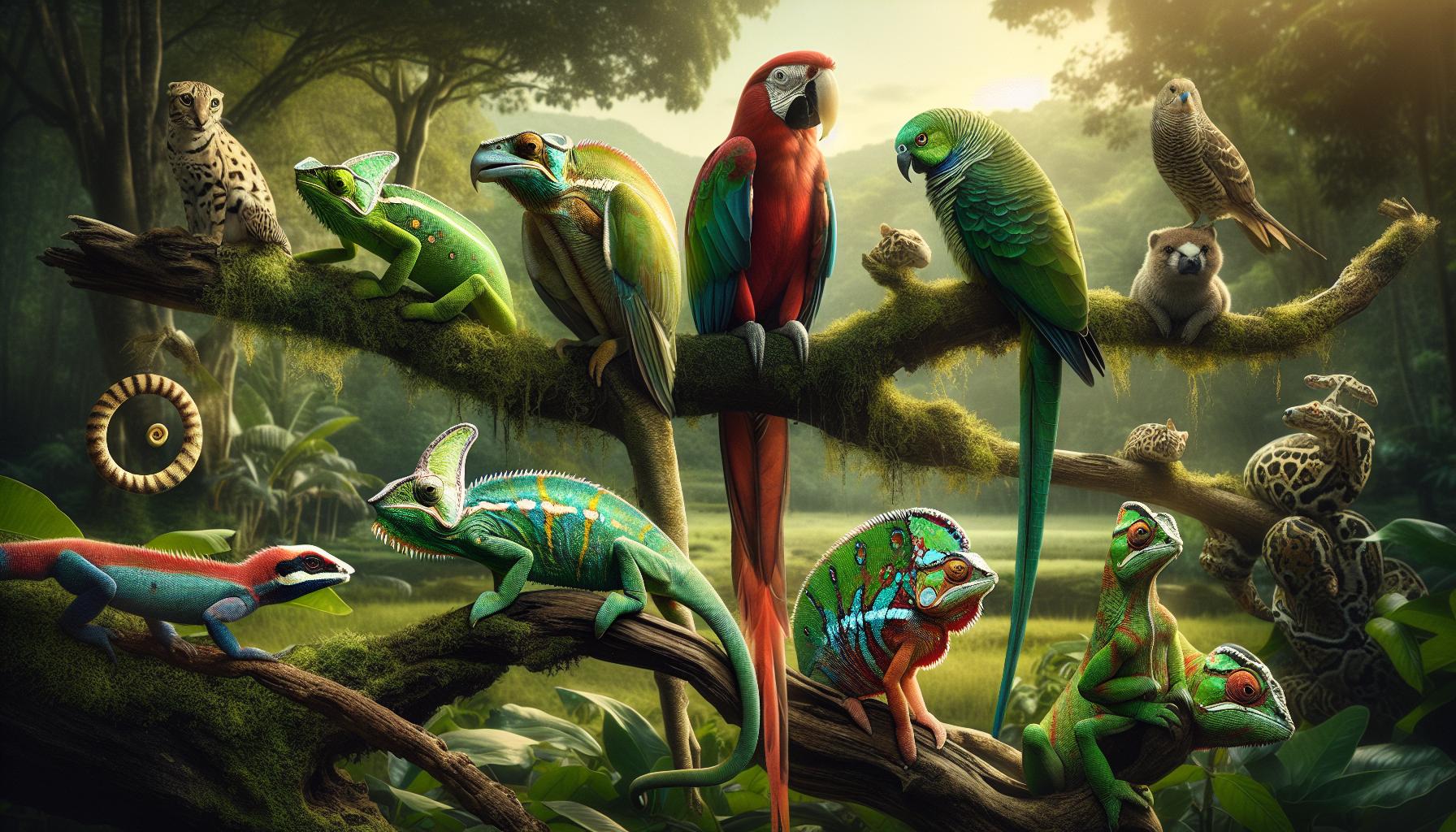
Exotic animals captivate our imagination with their striking appearances, unusual behaviors, and unique adaptations that set them apart from more common pets. What qualifies an animal as “exotic” often revolves around these distinctive traits. For instance, the vibrant scales of a chameleon or the playful intelligence of a capuchin monkey create a sense of awe that ordinary pets simply cannot provide. These animals thrive in specific habitats, ranging from lush rainforests to arid deserts, showcasing evolutionary wonders that highlight the incredible biodiversity our planet harbors.
Among the most fascinating examples are animals like the Axolotl, a neotenic salamander native to Mexico, which remains aquatic and retains its juvenile features throughout its life. Its regenerative abilities make it a subject of scientific research and an intriguing addition to exotic pet collections. Similarly, the Fennec Fox, with its oversized ears and nocturnal lifestyle, provides a glimpse into how species adapt to extreme environments. These traits not only make them visually appealing but also emphasize their adaptability and unique ecological roles.
When considering exotic pets, potential owners must keep in mind that these animals often have specialized care needs. For example, reptiles like Green Iguanas require specific temperature and humidity levels to thrive, while tropical birds need ample space and social interaction. Understanding these unique traits and requirements can guide responsible ownership and foster a deeper appreciation for the wonders of the animal kingdom. With the proper knowledge and commitment, the experience of caring for an exotic animal can be both rewarding and enriching.
Top Countries for Exotic Animal Diversity
The world is alive with the vibrant colors and unusual behaviors of exotic animals, making certain countries remarkable biodiversity hotspots. Countries like Brazil, Indonesia, and Madagascar stand out in the global rankings for exotic animal diversity. For instance, Brazil boasts the Amazon Rainforest, a sanctuary for an astounding variety of wildlife, including the jaguar, vibrant toucans, and countless reptiles and amphibians. This dense, tropical habitat provides the ideal conditions for numerous species that thrive nowhere else on Earth.
In Southeast Asia, Indonesia is another hotspot, particularly due to its unique archipelagos. It is home to the renowned Komodo dragon, the largest species of lizard, as well as the critically endangered orangutan, which depends on the forests of Borneo and Sumatra for survival. The country’s rich marine life, including manta rays and vibrant coral reefs, further adds to its reputation for exceptional biodiversity.
Meanwhile, Madagascar exhibits a staggering level of endemism, meaning many species found here exist nowhere else. The island is famous for its lemurs-primitive primates that have adapted to the unique ecosystems of the island. The fossa, a cat-like predator, and various chameleons, including the world’s smallest species, underscore Madagascar’s exceptional wildlife heritage.
When exploring these rich ecosystems, it’s essential to consider the impact of human activity on these habitats. Conservation efforts are vital in these top countries to preserve their exotic wildlife. By supporting sustainable tourism and local conservation initiatives, we can help maintain the delicate balance of these extraordinary environments, ensuring that future generations will continue to be fascinated by the wonders of exotic animals.
Rare and Endangered Species Around the Globe
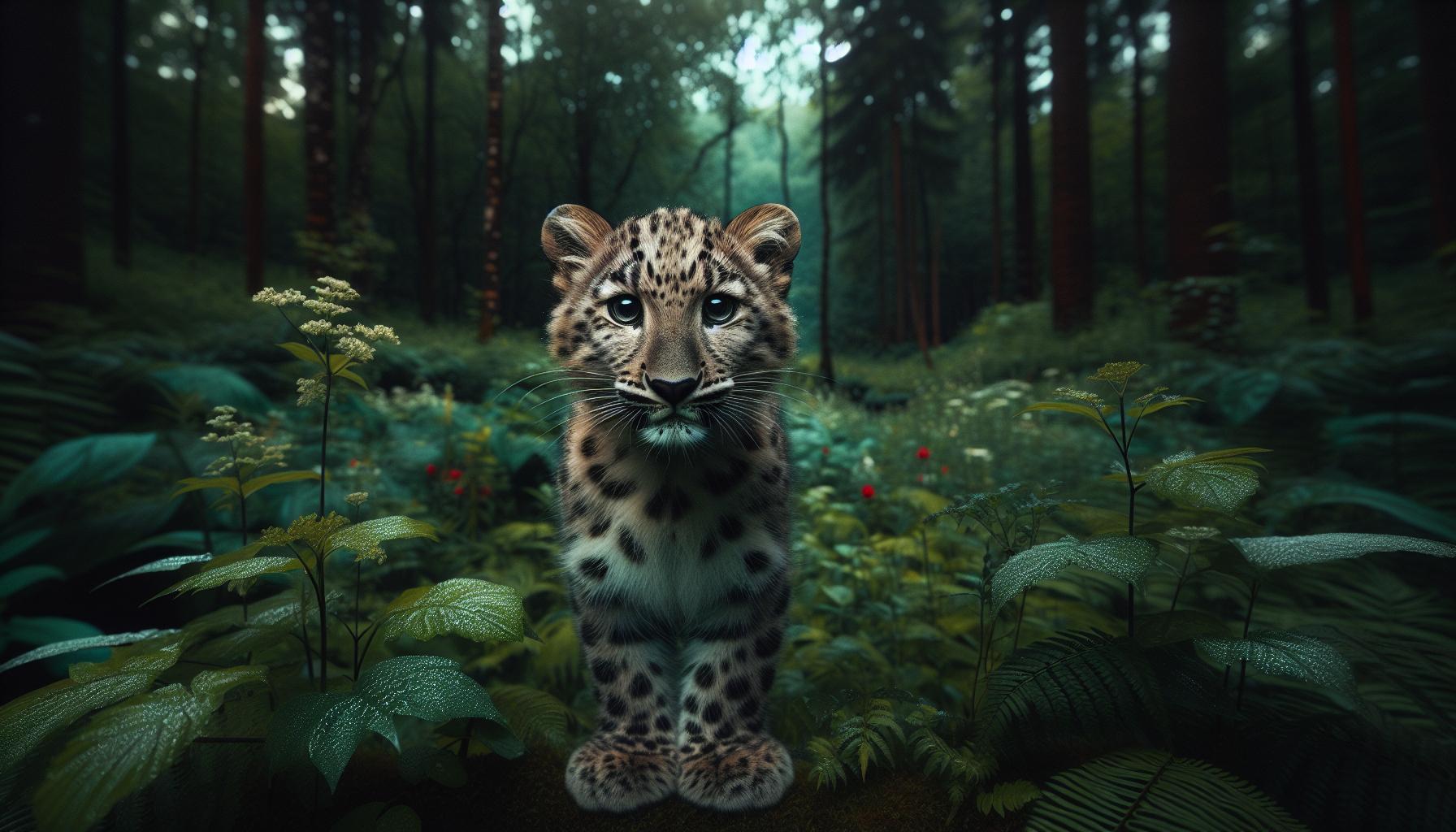
The plight of rare and endangered species is one of the most urgent conservation challenges we face today. Approximately 1 million species are currently threatened with extinction, highlighting the critical need for awareness and action. Countries rich in biodiversity often harbor these species, offering a unique glimpse into the delicate balance of ecosystems. For example, the Sumatran orangutan, found only in the rainforests of Sumatra, is critically endangered due to deforestation and habitat loss. Its future depends on sustainable forestry practices and conservation efforts that protect its natural habitat.
Notable Rare Species
Several exotic animals epitomize the struggle against extinction. Here are a few notable examples:
- Amur Leopard: With only around 100 individuals left in the wild, this elusive cat faces threats from poaching and habitat destruction in the Russian Far East.
- Vaquita: This small porpoise is on the brink of extinction, with less than 30 remaining in the Gulf of California, primarily due to illegal fishing practices that entangle them.
- Javan Rhino: Once widespread across Southeast Asia, fewer than 80 individuals survive today, confined to Ujung Kulon National Park in Indonesia.
These species not only capture our imagination with their unique traits but also serve as indicators of the health of their ecosystems. Their decline often signals larger environmental issues.
Conservation Efforts and Global Impacts
Conservation initiatives play a crucial role in protecting these endangered animals. International cooperation, such as the Convention on International Trade in Endangered Species (CITES), aims to regulate hunting, trade, and habitat conservation. On a local level, community-led efforts often empower residents to engage in sustainable practices that benefit both wildlife and their way of life.
By supporting conservation programs, advocating for wildlife protection policies, and engaging in responsible tourism, individuals can contribute to safeguarding these rare creatures. Chasing knowledge about exotic wildlife not only enriches our understanding but also ignites a passion for preserving these incredible animals for generations to come.
The Most Fascinating Habitats for Exotic Animals

The world is home to some truly spectacular habitats that play host to a vibrant array of exotic animals. From the lush rainforests of the Amazon to the arid landscapes of the Sahara, these unique ecosystems support diverse species, many of which can’t be found anywhere else on Earth. For instance, the Amazon rainforest, often nicknamed the “lungs of the planet,” is not only a crucial carbon sink but also a sanctuary for countless exotic species like the jaguar, macaws, and sloths. This rich biodiversity results from the complex interplay of climate, geography, and biology within the forest’s dense canopy.
Another fascinating habitat is the coral reef ecosystems, found in tropical oceans. These underwater marvels are teeming with life, home to colorful fish, sea turtles, and even dolphins. The Great Barrier Reef in Australia is the largest coral reef system in the world, stretching over 2,300 kilometers. It serves as a critical habitat for over 1,500 species of fish and more than 400 species of coral. However, these vibrant environments are also incredibly vulnerable to climate change, pollution, and overfishing, making conservation efforts essential.
In contrast, the unique biodiversity of Madagascar showcases how isolation can lead to distinct evolutionary paths. Over 90% of wildlife found there is endemic, meaning it exists nowhere else. The island’s diverse habitats range from tropical rainforests to dry deciduous forests, offering homes to unique species such as lemurs, chameleons, and the fossa. Protecting Madagascar’s habitats is vital, as they not only support its native wildlife but also play a significant role in global biodiversity.
Exploring these extraordinary habitats not only fosters a deeper appreciation for the delicate balance of ecosystems but also highlights the urgent need for their conservation. Engaging in responsible tourism, supporting local conservation initiatives, and spreading awareness are crucial steps that everyone can take to help preserve these spectacular regions and the exotic animals that call them home.
How Climate Affects Exotic Animal Populations
Changes in climate have a profound impact on exotic animal populations around the globe. As global temperatures rise and weather patterns shift, the delicate balance within ecosystems is disrupted, posing serious challenges to the survival of diverse species. For instance, tropical rainforests, which house a significant portion of the world’s exotic wildlife, are particularly sensitive to climate change. These regions are experiencing increasingly severe droughts and unpredictable rainfall, which can lead to habitat degradation and reduced food availability for animals that rely on lush vegetation.
Additionally, climate change influences breeding patterns and migration. Many exotic species, such as sea turtles, depend on specific temperature ranges for nesting. Warmer beach temperatures can skew the sex ratio of hatchlings, affecting future populations. Birds, such as the resplendent quetzal found in Central America, are also affected; they may struggle to find suitable nesting sites if climate conditions shift their preferred habitat. As a result, animal populations become more vulnerable to decline, exacerbated by other environmental stresses like habitat loss and pollution.
Adaptation and Conservation Efforts
Exotic animals exhibit varying degrees of adaptability to climate changes, but many species are unable to cope with rapid environmental shifts. Effective conservation strategies must account for these changes. Protected areas need to be re-evaluated to ensure they continue to provide the necessary habitats as species migrate or change their ranges. For example, establishing wildlife corridors can facilitate movement between habitats, allowing species to find suitable environments as climate conditions become less favorable.
Moreover, public awareness and engagement in conservation efforts are vital. Citizens can play a role by supporting local activism, participating in citizen science projects, and advocating for policies that mitigate climate change impacts. By understanding the challenges facing exotic animals and engaging in conservation, everyone can contribute to the preservation of our planet’s incredible biodiversity.
Cultural Significance of Exotic Animals in Different Countries
Exotic animals have played a remarkable role in the cultures of countries around the world, often symbolizing national identity, folklore, and traditions. For instance, the majestic Bengal tiger is not just a symbol of India’s wildlife but also an integral part of its cultural heritage, featured in Indian art, mythology, and literature. In many indigenous cultures, animals like the jaguar or the Andean condor carry deep spiritual meanings, representing strength, freedom, and divine connection. This relationship between exotic species and culture goes beyond mere symbolism; it fosters a unique bond between communities and their environments.
Celebrations and Festivals
Countries often celebrate their native exotic animals through festivals and rituals. In Thailand, the annual Elephant Round-Up in Surin showcases the country’s long-standing relationship with these gentle giants, drawing attention to both their cultural significance and conservation needs. Similarly, in Peru, the celebration of the condor, used in traditional ceremonies, highlights the importance of this bird in Andean culture. Events like these not only promote tourism but also raise awareness about exotic species and their conservation.
Conservation through Tradition
Traditional practices often intertwine with conservation efforts, as seen in Madagascar with its unique lemur population. Local beliefs encourage the protection of these primates, often viewed as sacred. This cultural respect for lemurs can lead to community-driven conservation initiatives, ensuring these animals are preserved for future generations. By fostering such environmental stewardship, cultures that emphasize the importance of their exotic wildlife contribute to global conservation efforts.
Educational Impact
The cultural significance of exotic animals also extends to education, influencing how younger generations perceive wildlife and nature. In Australia, the kangaroo represents not only a national icon but is also a part of educational programs that teach children about biodiversity and environmental responsibility. Programs like these cultivate a sense of stewardship and respect for wildlife from an early age, ensuring that future generations continue to appreciate and protect their natural heritage.
By examining the interplay between culture and exotic wildlife, we see how these animals are more than just species; they are vital elements of identity, tradition, and conservation in various countries around the globe. Each exotic species encapsulates a story, a belief, and a collective responsibility that transcends geographic boundaries, urging us all to engage in their protection and preservation.
Conservation Efforts for Exotic Wildlife
In the world of exotic wildlife, conservation efforts are more crucial than ever as unique species face threats from habitat loss, poaching, and climate change. Countries rich in biodiversity, like Brazil, Indonesia, and Madagascar, have developed numerous strategies to protect their native animals, ensuring the survival of some of our planet’s most extraordinary creatures. For example, Brazil’s Amazon rainforest, teeming with unique species like the Amazon river dolphin and the jaguar, sees various initiatives aimed at sustainable farming practices to reduce deforestation and habitat destruction.
One critical approach to conservation involves creating protected areas or national parks where exotic animals can thrive without human interference. The establishment of reserves helps safeguard biodiversity and supports ecotourism. Countries such as Costa Rica have excelled in this area, designating about 25% of their land as protected zones, which play a vital role in conserving not only the ecosystems but also the cultural heritage of the indigenous communities living there. These protected areas provide a sanctuary for many exotic species like sloths and scarlet macaws, allowing them to flourish in their natural habitat.
Community engagement is another vital aspect of effective conservation. Local communities often play a key role in wildlife protection through initiatives like eco-friendly farming and responsible land use. In Madagascar, programs that incorporate traditional practices with modern conservation techniques have grown successful, promoting coexistence with the native lemur population while providing economic benefits to local inhabitants. This can empower communities to take an active role in conservation, turning their cultural respect for wildlife into a driving force for ecological protection.
Finally, education and awareness are powerful tools in conservation efforts. Educational programs that highlight the importance of sustaining local ecosystems can foster a sense of responsibility among younger generations. For instance, initiatives in African nations that emphasize the significance of species such as the rhinoceros or elephant have raised awareness about poaching issues and encouraged grassroots movements focused on wildlife preservation. By nurturing a passion for wildlife and respect for diversity, these programs help cultivate global citizens who advocate for the protection of exotic wildlife across the globe.
In summary, span a wide range of strategies, from establishing protected areas to empowering local communities and fostering education. As these efforts continue to evolve, they highlight the essential connection between culture, community, and wildlife, emphasizing the importance of preserving our planet’s rich biodiversity for generations to come.
Threats Facing Exotic Animals Today
Many exotic animals, from the vibrant macaws of the Amazon to the elusive pangolins in Africa, face a range of threats that jeopardize their survival. One of the most pressing issues is habitat loss, driven primarily by deforestation for agriculture, urbanization, and infrastructure development. For instance, the tropical rainforests of Indonesia are being cleared at an alarming rate for palm oil plantations, which not only displaces countless species but also contributes to significant carbon emissions, exacerbating climate change.
Another major threat is poaching and illegal wildlife trade, which destabilizes ecosystems and depletes populations of exotic species. The demand for exotic pets, traditional medicine, and luxury items fuels a multi-billion dollar black market. For example, the illegal hunting of elephants for their ivory and tigers for their pelts has pushed many populations to the brink of extinction. Striking a balance between protecting animal rights and ensuring cultural practices can be challenging, yet it’s essential for long-term harmony.
Climate change further complicates the landscape for exotic animals. Many species are struggling to adapt to rapidly changing environments. Rising temperatures and shifting weather patterns can lead to altered migration routes and decreased food availability. The coral reefs, home to diverse marine life, are experiencing devastation through bleaching events, directly impacting species that rely on these ecosystems for survival.
Conservation efforts are crucial to combating these threats. Engaging local communities through eco-tourism and sustainable practices can empower them to protect their wildlife. By fostering a sense of stewardship, local populations become vital allies in preserving the unique biodiversity that defines their regions. Educational initiatives also play a key role in raising awareness about the importance of exotic animals and the need for their protection, helping to cultivate a new generation of wildlife advocates. Together, these strategies can help ensure that the world’s exotic animals continue to thrive in their natural habitats.
Popular Exotic Animals and Their Care Needs
Many exotic animals captivate our imagination with their striking appearances and unique behaviors. Whether it’s the vivid feathers of a parrot or the enchanting movements of a sugar glider, these creatures bring a slice of the wild into our lives. However, owning or caring for exotic animals requires a significant understanding of their specific needs, as different species come with varying requirements for diet, habitat, and social interaction.
Understanding Care Needs
Exotic pets often thrive in environments that mimic their natural habitats. For example, chameleons demand temperature-controlled environments and high humidity, while ferrets are social creatures that require plenty of interaction and playtime to stay happy. When considering an exotic pet, prospective owners must research the specific needs of that animal, including:
- Dietary Requirements: Many exotic animals have specialized diets. For instance, a green tree python may require a diet primarily of small rodents, while a macaw needs a variety of fruits, nuts, and pellets to ensure proper nutrition.
- Habitat Space: Creatures like tortoises need ample space to roam, with access to both sunny and shaded areas. In contrast, sugar gliders thrive in vertical spaces with branches and toys for climbing and gliding.
- Socialization Needs: Some exotic pets such as parrots can become lonely if not given enough interaction and can develop behavioral issues if deprived of companionship.
Practical Tips for Responsible Ownership
- Research Before You Buy: Always ensure that you understand the long-term commitments involved in owning an exotic animal, including potential vet costs and lifespan.
- Source Responsibly: Adopt from reputable breeders or rescues that prioritize the well-being of their animals, ensuring that you are not supporting illegal wildlife trade.
- Create a Suitable Environment: Design spaces that mirror their natural habitats, offering enrichment to prevent boredom-examples include climbing structures for primates or aquariums that mimic natural aquatic environments for fish.
- Regular Veterinary Care: Exotic animals may require unique veterinary expertise. Establishing a relationship with a vet experienced in treating exotic species is critical for their health.
By understanding and respecting the specific needs of these extraordinary creatures, we can create a safe and fulfilling environment for them, allowing them to thrive in our care while we appreciate their beauty and diversity.
The Role of Zoos and Sanctuaries in Conservation
Zoos and sanctuaries play a crucial role in wildlife conservation, acting as protective havens for endangered and exotic animals while also contributing to global efforts to maintain biodiversity. For instance, the San Diego Zoo Global works on conservation programs worldwide, focusing on species such as the endangered California condor. By providing a safe environment where animals can thrive away from human exploitation and habitat destruction, these institutions serve as vital refuges.
Education is another significant aspect of what zoos and sanctuaries offer. They engage and inform the public about the importance of wildlife preservation. Many facilities have educational programs designed to inspire younger generations to care for wildlife and understand the delicate balance of ecosystems. For example, the Bronx Zoo not only showcases rare species but also offers informative experiences that highlight the challenges these animals face in the wild, creating advocates for conservation.
Additionally, zoos and sanctuaries often participate in breeding programs aimed at increasing population numbers of endangered species. These programs are critical for maintaining genetic diversity. Animals like the Amur leopard, once on the brink of extinction, have benefited from such initiatives. Captive breeding efforts, followed by reintroduction programs, can help re-establish populations in their natural habitats, helping to stabilize species on the verge of disappearing.
Moreover, these institutions collaborate with local and international conservation efforts, providing funding and expertise. For example, many zoos contribute to habitat preservation projects, which can be more effective when supported by scientific research conducted within their facilities. In this way, the role of zoos and sanctuaries transcends mere exhibition; they become active participants in the fight for global wildlife conservation, combining education, scientific research, and community engagement to make a lasting impact.
Exotic Animals in Popular Culture and Media
Captivating and often enchanting, exotic animals have long been a source of inspiration for artists, filmmakers, and writers in popular culture. From the mystical realm of animated films to the thrilling documentaries airing on nature channels, these unique creatures hold a special place in our hearts and minds. For example, films like Madagascar and The Lion King not only entertain but also introduce audiences to the extraordinary diversity of wildlife, highlighting animals like lemurs and lions that represent the rich biodiversity of their respective countries.
One notable trend is the way these animals inspire character design and storytelling. The vibrant colors and distinctive behaviors of species such as the poison dart frog or the quirky capybara have provided fresh material for creative minds. In children’s literature, exotic animals often serve as protagonists that teach lessons about friendship, bravery, and the importance of conservation. This narrative approach not only shapes perceptions of these animals but also encourages young readers to appreciate and protect wildlife.
Documentaries and wildlife programs play an equally significant role in raising awareness about exotic animals. Productions from outlets like the BBC and National Geographic feature breathtaking visuals and compelling narratives that showcase the lives of these often-endangered species in their natural habitats. By portraying the challenges faced by animals in the wild, such as habitat loss and climate change, these programs not only entertain but also educate viewers on the urgent need for conservation efforts. For instance, the series Planet Earth gives viewers an inside look at the unique behaviors and environments of exotic species, fostering a deeper connection and concern for their survival.
Additionally, social media platforms have become popular venues for exotic animal lovers to share their experiences and advocacy. Videos of exotic pets, when shared responsibly, can educate the public on the needs and care of such animals. Enthusiasts showcase proper habitats and diets, dispelling myths and promoting responsible ownership. However, it’s crucial for content creators to emphasize ethical considerations, ensuring that the focus remains on the welfare of these animals while inspiring others to contribute positively to conservation efforts.
In conclusion, the impact of exotic animals in popular culture is profound, blending entertainment with vital lessons on biodiversity and conservation. Whether through film, literature, or social media, these captivating creatures continue to inspire awe and concern, urging us to preserve the unique ecosystems they inhabit.
What Can You Do to Help Exotic Animal Conservation?
Taking action to help exotic animal conservation is more important than ever, especially as various species face threats from habitat loss, climate change, and illegal trade. Whether you are a seasoned wildlife enthusiast or just starting to learn about these incredible creatures, there are numerous ways you can contribute to their protection and preservation.
One impactful step is to support reputable conservation organizations. Groups like the World Wildlife Fund (WWF) and the International Union for Conservation of Nature (IUCN) work tirelessly to protect habitats and endangered species. Donations, volunteer opportunities, and awareness-raising campaigns can significantly bolster these efforts. Consider adopting an animal through a conservation fund-this symbolic gesture can help fund necessary projects and research while making you a part of the wildlife conservation community.
Education is another powerful tool. Sharing knowledge about the importance of biodiversity and the specific needs of exotic animals with friends, family, and your broader community can foster a culture of conservation. Create engaging content for social media or local events to inspire others to care about wildlife preservation. When people understand the challenges faced by exotic species, they are more likely to act in ways that support conservation.
Being a conscientious consumer is equally vital. Try to avoid products that contribute to habitat destruction or are made from endangered species. This includes opt for sustainably sourced products and checking for eco-labels, which indicate that a company follows environmentally friendly practices. Additionally, if you’re thinking of bringing an exotic pet into your home, research thoroughly about the animal’s behavior, habitat needs, and legalities around ownership to ensure responsible and ethical care.
Ultimately, every small action adds up. Whether it’s advocating for stronger wildlife protection laws, engaging in local clean-up initiatives, or simply spreading the word about the plight of exotic animals, your efforts can help maintain the rich biodiversity our planet relies on. Remember, being an advocate for exotic animal conservation doesn’t only benefit the animals themselves; it helps to sustain the ecosystems that support all life, including our own.
Q&A
Q: Which country has the highest number of exotic animals?
A: Brazil is home to the highest number of exotic animals, boasting unparalleled biodiversity due to its vast rainforests, particularly the Amazon. The country hosts thousands of unique species, making it a key location for wildlife enthusiasts and researchers alike. Explore more about top countries for exotic animal diversity in our article.
Q: What defines an animal as exotic?
A: An animal is considered exotic if it originates from a region outside its natural habitat and is notably different in behavior, appearance, or ecology from native species. Exotic animals often attract attention for their unique traits and can range from rare species to those commonly kept in captivity.
Q: Are exotic animals legal to keep as pets in all countries?
A: No, the legality of owning exotic animals varies by country. Many places have strict regulations to protect wildlife and ensure public safety. Always check local laws and regulations regarding exotic animal ownership before considering such a pet.
Q: What are the most common exotic pets in the U.S.?
A: Common exotic pets in the U.S. include ferrets, hedgehogs, and certain species of reptiles and birds like iguanas and parakeets. Each has specific care needs, so thorough research is essential before adoption. For more, refer to our section on popular exotic animals and their care needs.
Q: How does climate impact the distribution of exotic animals?
A: Climate significantly influences the habitat and survival of exotic animals. Warmer climates may support diverse ecosystems, whereas harsher environments could limit species diversity. This dynamic affects where exotic animals thrive globally, as outlined in our climate effects section.
Q: Why are many exotic animals endangered?
A: Many exotic animals are endangered due to habitat loss, poaching, and climate change. Conservation efforts aim to protect these species, but human activities continue to pose significant threats. Learn more about this in our section on threats facing exotic animals today.
Q: What role do zoos play in exotic animal conservation?
A: Zoos provide sanctuaries for endangered exotic animals, engage in breeding programs, and educate the public about conservation. They play a critical role in preserving species that are at risk of extinction in the wild. Discover more about their contributions in our article section on zoos and sanctuaries.
Q: How can individuals help with exotic animal conservation efforts?
A: Individuals can support exotic animal conservation by donating to reputable wildlife organizations, spreading awareness, and practicing responsible tourism. Simple actions, like sharing knowledge on conservation issues, make a significant impact. For more ways to contribute, check out our section on what you can do to help exotic animal conservation.
The Conclusion
Thank you for exploring the fascinating world of exotic animals and discovering which countries reign supreme in biodiversity! As we’ve seen, these countries provide unique habitats that support a variety of remarkable wildlife. If you want to dive deeper, check out our articles on the most endangered species and how habitat loss affects animal populations to learn more about these incredible creatures and their ongoing conservation challenges.
Don’t miss out on future wildlife insights! Subscribe to our newsletter for the latest updates and tips on how you can support animal conservation initiatives. Whether you’re a seasoned wildlife enthusiast or just beginning your journey, your support can make a difference. Share your thoughts or favorite exotic animals in the comments below-we love engaging with fellow animal lovers! Keep exploring, and who knows what amazing animal facts you’ll uncover next!
Get our latest guides, news, and insights highlighted in your Google Search & AI Overviews.