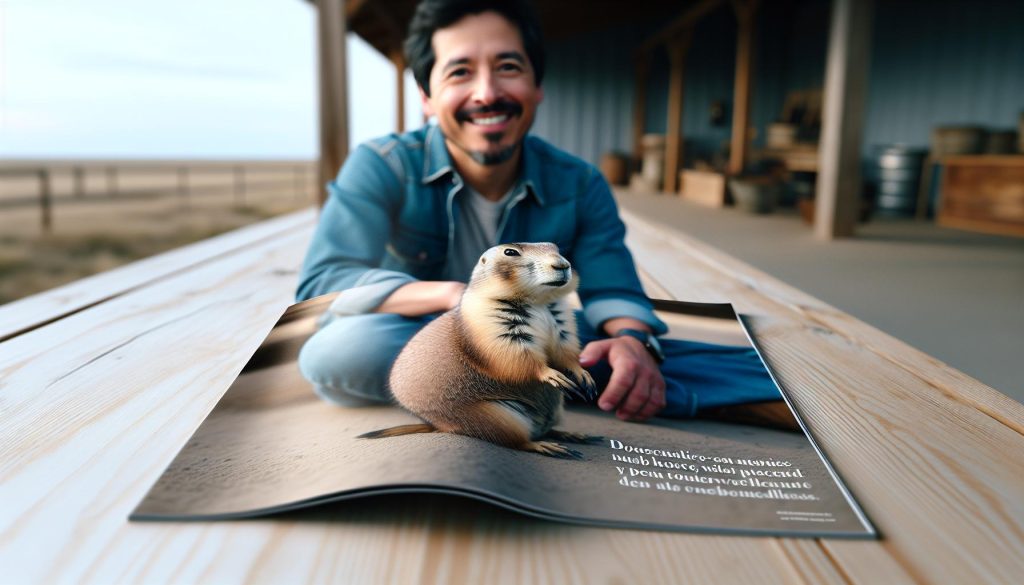
Did you know that owning a prairie dog could be a unique adventure for pet enthusiasts? However, before you dive into this intriguing option, it’s essential to understand the legalities involved in owning these charming little creatures in Texas. Prairie dogs are not just adorable; they play a crucial role in their ecosystems. But with their distinct behaviors and specific habitat needs, responsible ownership requires careful consideration of state regulations and requirements. Whether you’re a seasoned animal lover or simply curious about exotic pets, navigating the legal landscape is vital to ensure these furry friends can thrive in your care. Join us as we explore what it takes to legally own a prairie dog in Texas, providing the insights and knowledge to make informed decisions for your potential new pet.
Is Owning a Prairie Dog in Texas Legal?
In Texas, owning a prairie dog is generally not allowed unless specific conditions and permits are met. Prairie dogs are classified as “wildlife” under Texas law, meaning they are protected and cannot be kept as pets without appropriate authorization. This restriction stems from the state’s concern for the preservation of native species and the health challenges that can arise from keeping wild animals in captivity.
To legally own a prairie dog, individuals must obtain a permit from the Texas Parks and Wildlife Department (TPWD). This process ensures that owners are educated about the needs of prairie dogs, including their habitat, social structure, and health care. Additionally, potential owners must demonstrate that they can provide an adequate living environment that mimics their natural habitat, allowing for proper exercise and social interaction.
Should someone be fortunate enough to meet the requirements for ownership, it’s crucial to understand that prairie dogs are not the typical household pet. They require a significant commitment to their care and wellbeing, which includes proper housing, nutrition, and socialization needs. Therefore, if you’re drawn to the idea of keeping a prairie dog, ensure you’re fully informed about the legal implications and the responsibilities that come with such ownership.
Understanding Prairie Dog Ownership Regulations
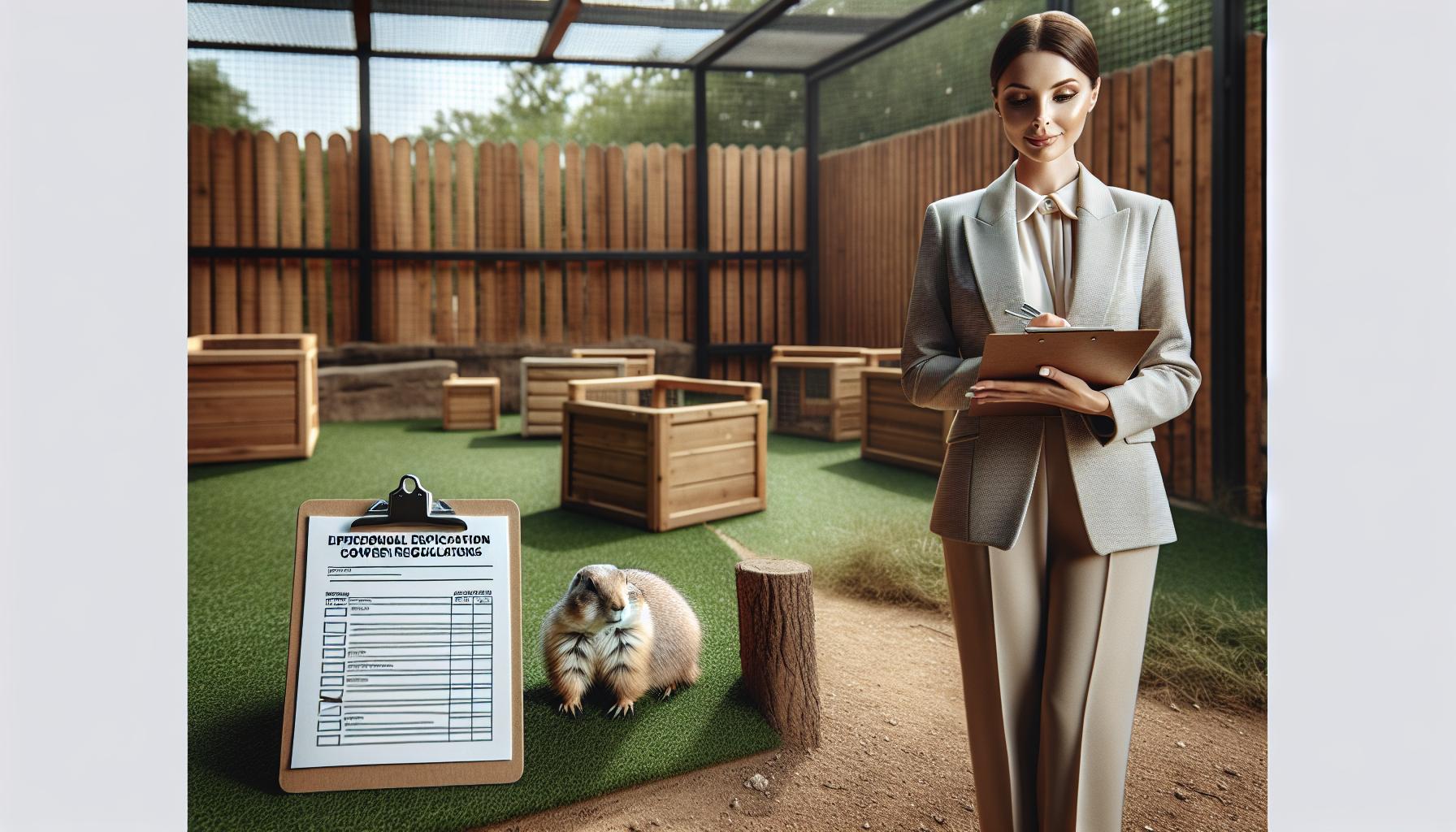
Prairie dogs are fascinating creatures, known for their complex social structures and lively communities. However, many people aspiring to bring one of these charming rodents into their homes often find themselves navigating a web of legal regulations. In Texas, owning a prairie dog is not as simple as deciding to adopt one. These animals are classified as “wildlife” under state law, and specific conditions must be met to keep them legally.
To legally own a prairie dog, potential owners must first secure a permit from the Texas Parks and Wildlife Department (TPWD). The permitting process is designed to ensure that individuals are well-informed about the care requirements of prairie dogs. This includes understanding their native habitat, social needs, and health care. Prospective owners must demonstrate their ability to replicate a natural living environment that allows for ample exercise and sociability. It’s important to note that keeping a prairie dog is not a casual commitment; it involves substantial responsibility and dedication, similar to caring for more commonly accepted pets.
Moreover, regulations often emphasize the preservation of native wildlife and the prevention of diseases associated with wild animals in captivity. Therefore, before diving into prairie dog ownership, it’s essential to conduct thorough research on the implications and responsibilities involved. This ensures that both the owner and the prairie dog can thrive, respecting the animal’s natural instincts and social behaviors while contributing to conservation efforts.
Essential Permits for Prairie Dog Ownership
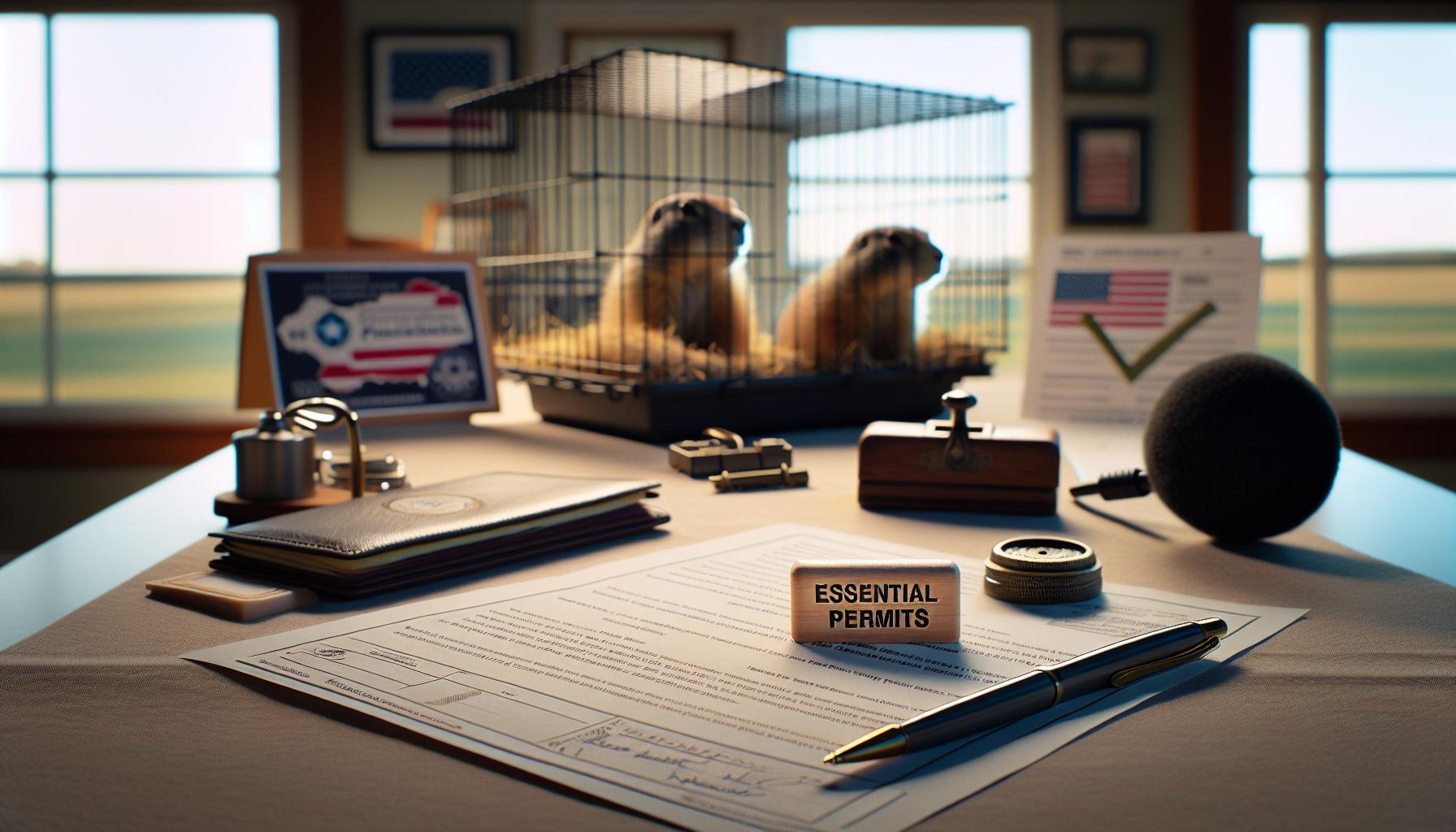
To embark on the thrilling journey of owning a prairie dog in Texas, it’s crucial to understand the essential permits required for legal ownership. Prairie dogs, with their sociable nature and engaging behaviors, require more than just a desire to welcome one into your home; you’ll need to navigate the legal landscape set by the Texas Parks and Wildlife Department (TPWD).
First and foremost, potential prairie dog owners must acquire a specific permit. The process is straightforward but does include some critical steps that any dedicated pet owner should embrace. To start, you must fill out an application form from the TPWD, which requires you to provide details about your living situation, your plans for care, and your understanding of the prairie dog’s needs. This application ensures that you are prepared for the responsibilities ahead, such as replicating their natural habitat and providing adequate social interaction.
Once you submit your application, the TPWD reviews it to assess your preparedness for pet ownership. This might involve an interview or site visit. The goal is to confirm that you can provide a suitable environment, which not only meets your prairie dog’s physical needs but also respects their behavior and lifestyle. If your application is approved, you’ll receive a permit that legally allows you to provide a home for these charming creatures.
Remember, owning a prairie dog isn’t just about having a unique pet-it’s about committing to their long-term welfare and conservation. By following the required legal steps and obtaining the proper permits, you pave the way for a fulfilling relationship with your new furry friend while assisting in the broader efforts to protect wildlife.
Veterinary Care and Health Needs of Prairie Dogs

Prairie dogs, known for their playful antics and exceptional social structures, are often viewed as unique and fascinating pets. However, their health and well-being are paramount to ensuring a fulfilling companionship. As with any pet, veterinary care plays a crucial role in maintaining their health, and understanding prairie dog health needs can equip owners with the knowledge to provide appropriate care.
Regular veterinary check-ups are essential, as prairie dogs are susceptible to various health issues, including dental problems and respiratory infections. In fact, dental care is particularly important for prairie dogs due to their continuously growing teeth. Providing chew toys made from safe materials can help prevent dental diseases. Additionally, routine vaccinations may be recommended to protect against certain diseases, similar to cats and dogs. It’s advisable to seek out a veterinarian who is experienced with exotic pets, as prairie dogs require specialized knowledge for proper care.
### Health Monitoring Tips
To keep your prairie dog healthy, pay attention to the following signs of good health:
- Weight: Regularly check their weight to prevent obesity, a common issue in captive prairie dogs.
- Behavior: Active and social behavior is a sign of a happy prairie dog.
- Feces: Healthy feces should be firm and well-formed.
In addition to veterinary visits, maintaining a clean habitat is crucial in preventing health issues. Prairie dogs are prone to parasites, so a proper cleaning regimen should include regular spot cleaning and periodic deep cleaning of their living area.
Understanding these health needs is vital for responsible ownership, ensuring that your prairie dog not only thrives in your care but also enriches your life with its lively spirit. By committing to their health through regular vet visits and attentive monitoring, you can cultivate a strong bond that elevates both your and your prairie dog’s experience.
Housing Requirements for Prairie Dogs in Texas
Creating a comfortable and safe environment for your prairie dog is essential to ensure its happiness and health. These playful rodents thrive in spacious habitats that mimic their natural burrowing behaviors. When considering how to house a prairie dog, it’s crucial to focus on space, structural elements, and the overall environment.
A good starting point is a large, sturdy enclosure. Prairie dogs are highly social animals, so a multi-level cage that provides room for climbing and exploring is ideal. Aim for a cage size of at least 6 feet long, 3 feet deep, and 3 feet high, but bigger is better to accommodate their energetic nature. When selecting a cage, look for one that has a solid floor rather than wire, as this can help prevent injuries to their sensitive feet. You’ll also want to ensure there are platforms or shelves at varying heights to promote climbing and a secure hideaway where your prairie dog can retreat to feel safe.
Substrates and Bedding
Choosing the right bedding material is just as important as the size of the enclosure. Opt for natural substrates like aspen shavings or recycled paper products, which are safe and absorb moisture effectively. Avoid cedar and pine shavings, as the oils can be harmful to prairie dogs. Keeping the living area clean and dry will not only enhance their comfort but also help prevent health issues related to dampness and waste buildup.
Enrichment and Social Interaction
Incorporating toys and enrichment items into their habitat encourages natural behaviors and mental stimulation. Provide chew toys, tunnels, and digging boxes filled with safe materials to engage their instincts. These enrichments become crucial, especially if you have a single prairie dog, as they rely heavily on social interaction for their well-being. Connecting with other prairie dog enthusiasts or considering a pair of prairie dogs, if legally permissible, can really enhance their social lives.
Ultimately, setting up an ideal habitat for a prairie dog in Texas requires thoughtful planning and consideration of their unique needs. With proper housing, they can thrive as engaging companions, bringing joy and endless fun into your life. Remember, a happy and healthy prairie dog will express its joyful nature through playful antics and a curious demeanor, enriching your home with their lively spirit.
Nutritional Needs: What to Feed Your Prairie Dog
Feeding a prairie dog requires understanding their natural dietary habits to keep them healthy and happy. These social rodents are primarily herbivores, and in the wild, they feast on a variety of grasses, herbs, and other plants found in their native grassland habitats. To replicate this diet in a home setting, it’s essential to provide a balanced mix of fresh greens and high-fiber foods to support their digestive health.
A staple diet for prairie dogs should consist of hay, particularly timothy hay, which serves as a great source of fiber necessary for their digestion. You can also include various greens such as collard greens, kale, and dandelion leaves, but these should be offered in moderation to avoid digestive upset. Additionally, pellets specifically formulated for herbivores can help ensure that your prairie dog gets all the essential vitamins and minerals they need. However, avoid ones that are high in seeds or nuts, as these are often too fatty for prairie dogs.
In addition to their regular diet, it’s beneficial to provide a selection of safe treats like fruits and vegetables. Sweet, juicy options such as carrots, bell peppers, and apples can be given occasionally to add variety and keep mealtime exciting. Just be mindful of the quantities to maintain a healthy balance; too much sugar can lead to obesity and other health issues. Fresh water must also be available at all times, ideally provided in a heavy bowl or a sipper bottle that prevents spills.
To enhance their foraging instincts, treating them with scattered hay or hiding food in toys can mimic their natural behaviors and keep them mentally stimulated. Remembering these dietary needs will not only keep your prairie dog healthy but also improve their overall quality of life, making them livelier companions as they dig into their delicious meals.
Socialization and Behavioral Considerations
Prairie dogs are not just adorable; they are highly social creatures that thrive when they have companionship. In the wild, they live in large colonies called “coteries,” where they engage in complex social interactions. When considering bringing a prairie dog into your home, it’s essential to understand the importance of socialization-both for their well-being and your experience as a pet owner.
Given their natural instincts, it’s advisable to adopt more than one prairie dog. They benefit immensely from the company of their own kind, often forming strong bonds that can alleviate stress and loneliness. If you choose to have a single prairie dog, be prepared to invest time and effort into socializing with them and providing plenty of interactive play. This could involve creating an enriching environment filled with tunnels and toys, simulating their natural habitat and behaviors. Regularly scheduled playtime outside their cage can foster trust and understanding between you and your pet, making for a happier, more confident prairie dog.
Understanding prairie dog behavior is crucial, too. These lively animals communicate using a rich vocabulary of sounds and body language. For instance, they use specific calls to alert others of potential danger. Learning to interpret these signals can help you better respond to their needs and enhance your bond. Additionally, spending time observing their natural behaviors will give you insights into what they enjoy, allowing you to offer more fulfilling activities-like digging boxes filled with safe substrate-mimicking their burrowing habits.
Moreover, it’s important to note that prairie dogs can exhibit territorial behavior, especially if they feel threatened or overwhelmed. Providing a safe, cozy space where they can retreat when feeling stressed will go a long way in ensuring their comfort. Always supervise introductions with new companions, whether different prairie dogs or other pets, to maintain harmony in your household. Responsible ownership not only includes understanding their social needs but also monitoring interactions and intervening when necessary to prevent aggression or anxiety.
With these considerations in mind, you can cultivate a happy, well-adjusted prairie dog that adds joy and personality to your life. From fostering their social nature to recognizing their behavioral cues, your commitment to their well-being will ultimately reward you with a delightful companion.
Common Misconceptions About Prairie Dog Care
While prairie dogs are often seen as cute and cuddly pets, many misconceptions can lead to challenges for prospective owners. One common belief is that prairie dogs are low-maintenance pets. In reality, they require significant commitment in terms of time, social interaction, and proper habitat. These social animals thrive in the company of their own kind, so many experts recommend adopting at least two together. This duo not only reduces loneliness but also allows them to engage in natural behaviors that single pets cannot perform alone.
Another misconception is that prairie dogs can be easily litter trained like cats. However, prairie dogs are not instinctively inclined to use a litter box. They tend to mark their territory with droppings, so accidents are common. Understanding their behavioral patterns is crucial; owners must be prepared to manage their environment to accommodate these natural instincts. Providing designated areas for bathroom use can help minimize mess and keep your pet’s habitat cleaner.
A further misunderstanding is that prairie dogs can be housed like traditional small pets, such as hamsters or guinea pigs. Prairie dogs need ample space to roam, dig, and explore, mimicking their natural environment as closely as possible. They are active, burrowing animals that require a large enclosure with multiple levels and tunneling opportunities to exercise their curious nature. Without proper space and enrichment, these intelligent creatures can become bored, leading to anxiety and destructive behaviors.
Finally, many assume that prairie dogs are disease-free and don’t require veterinary care. On the contrary, prairie dogs can carry zoonotic diseases, which can be passed to humans, and require regular health check-ups to monitor their well-being. Veterinarians experienced with exotic pets are essential for ensuring any concerns regarding nutrition, dental health, or potential illnesses are promptly addressed.
Understanding these common misconceptions helps prospective prairie dog owners prepare for responsible pet ownership. Fully grasping the commitment and care required can lead to a more fulfilling relationship with these fascinating animals, ultimately enhancing both their lives and yours.
Responsible Ownership: Ethical Considerations
Owning a prairie dog can be a delight, but it comes with a significant ethical responsibility. These charming creatures are not just cute pets; they are social, intelligent animals with specific needs that must be met to ensure their well-being. When considering bringing a prairie dog into your home, it’s essential to understand these responsibilities and the broader implications of pet ownership.
Firstly, prairie dogs are highly social animals that thrive in the company of their own kind. It is generally recommended to adopt at least two, as solitary prairie dogs can become depressed or anxious. This social aspect not only benefits the prairie dog but also enriches the owner’s experience, as observing their interactions can be fascinating. To promote a healthy social environment, ensure there is enough space for both animals to establish their own territories while still being able to interact.
Moreover, ethical ownership extends to providing a habitat that mimics their natural environment. Prairie dogs are natural diggers and explorers, needing a spacious and stimulating environment that includes tunnels and various levels for climbing and burrowing. An enclosure that lacks these features can lead to boredom and stress, manifesting in harmful behaviors. Therefore, investing in a well-designed habitat is vital for their physical and mental health.
Regular veterinary care is also paramount. Prairie dogs can carry diseases such as sylvatic plague and can be prone to various health issues themselves. Partnering with a veterinarian experienced in exotic pets is crucial for maintaining their health and preventing potential zoonotic diseases. Responsible ownership means staying informed about their health needs and ensuring they receive routine check-ups and vaccinations.
Lastly, prospective owners should also consider the environmental impact of owning prairie dogs. In some areas, capturing wild prairie dogs can disrupt local ecosystems and contribute to population declines. Opting for prairie dogs bred in captivity, rather than taken from the wild, is a more ethical choice that supports conservation efforts. This approach not only fosters responsible ownership but also contributes to the overall welfare of the species.
In summary, owning a prairie dog requires careful thought and preparation. By understanding their social needs, providing an enriched living environment, maintaining regular health care, and making ethical choices about sourcing, owners can ensure a fulfilling and responsible companionship with these unique animals.
Dealing with Prairie Dog Challenges: Problem-Solving Tips
Prairie dogs are vibrant, sociable creatures with unique challenges that potential owners must navigate. While they can be mischievous and entertaining, their specific needs often require thoughtful solutions to common ownership dilemmas. As wildlife enthusiasts will tell you, understanding and addressing these challenges is key to nurturing a happy and healthy prairie dog.
One of the foremost challenges is their social behavior. Prairie dogs thrive in social settings and may exhibit signs of loneliness or stress when kept alone. To mitigate this, consider adopting a pair or even a small group, as they will engage in natural behaviors with one another. This not only fulfills their social needs but also creates a lively environment to observe. To enhance their interaction, provide ample space in their enclosure, including tunnels and climbing structures that mimic their burrowing habits in the wild.
Another common issue is boredom, which can lead to destructive behaviors. To keep your prairie dog stimulated, rotate their toys regularly and introduce novel items, such as cardboard boxes or safe digging materials. Engaging in daily playtime outside their enclosure enriches their environment and allows you to bond while channeling their energy. Incorporating foraging activities, like hiding treats in bedding or using puzzle feeders, can also keep their minds sharp and prevent unwanted behaviors.
Lastly, ensure their health and safety by being proactive about environmental hazards. Prairie dogs can be susceptible to a variety of health issues, so providing a clean, secure enclosure is crucial. Regular veterinary check-ups should include vaccinations for common diseases and screenings for parasites. Be vigilant about their diet and hydration; a balanced diet rich in hay, fresh fruits, and vegetables aids in their overall health and well-being. Understanding these components not only reinforces responsible ownership but also enhances your bond with these delightful creatures.
By addressing these challenges with creativity and care, you can cultivate a fulfilling relationship with your prairie dog. Sharing these experiences and learning from other enthusiasts can also enrich your journey as an owner, ensuring that both you and your prairie dog thrive!
Connecting with Prairie Dog Enthusiasts in Texas
In Texas, connecting with fellow prairie dog enthusiasts can be both enriching and informative for existing or prospective owners. These social animals thrive in an environment where they can interact not only with their species but also with humans who share a passion for their well-being. Engaging with communities dedicated to prairie dog ownership can provide invaluable resources, tips, and support.
One of the best ways to connect is through online forums and social media groups specifically tailored to exotic pet owners. These platforms often host discussions about care, legal regulations, and best practices, making them an excellent source of information. Websites like the Long Range Hunting Forum feature dedicated sections where users share their experiences, which can be particularly helpful for first-time prairie dog owners looking for advice on everything from housing to diet. Additionally, local wildlife rehabilitation centers and exotic pet shops often have bulletin boards or host meet-ups, giving owners the opportunity to connect face-to-face.
Local clubs or associations focused on prairie dogs and other small mammals also offer a fantastic opportunity for education and socialization. Participating in local events, such as pet fairs or educational workshops, allows owners to meet others who understand the unique challenges and joys of prairie dog care. Through these interactions, owners can share stories, swap care tips, and even form playdates for their pets, ensuring that all participants, whether human or animal, enjoy a fulfilling experience.
Finally, don’t underestimate the power of volunteering for wildlife conservation organizations. Engaging in conservation efforts not only deepens your understanding of prairie dog ecology but also connects you with like-minded individuals who are passionate about animal welfare. This type of involvement fosters a sense of community that extends beyond simple ownership, fostering a collaborative spirit dedicated to the preservation and appreciation of these charming creatures.
FAQ
Q: Is it legal to own a prairie dog in Texas?
A: Yes, it is legal to own a prairie dog in Texas, but owners must comply with state regulations. It is essential to obtain permits as per Texas Parks and Wildlife guidelines, as prairie dogs are considered exotic animals.
Q: What permits do I need to own a prairie dog in Texas?
A: To own a prairie dog in Texas, you typically need a Class A or Class B exotic animal permit. Contact the Texas Parks and Wildlife Department for specific requirements and to ensure compliance with state laws regarding prairie dog ownership.
Q: Are there specific care requirements for prairie dogs in Texas?
A: Yes, prairie dogs have specific care requirements including socialization, a proper diet, and adequate housing. They thrive in environments that mimic their natural habitat, which includes plenty of space to dig and interact socially.
Q: Can I keep multiple prairie dogs together in Texas?
A: Yes, keeping multiple prairie dogs is recommended as they are social animals. However, ensure that you meet housing and social care requirements to promote healthy interactions and minimize stress among them.
Q: What should I feed my prairie dog?
A: A prairie dog’s diet should consist primarily of hay, fresh vegetables, and specialized pellets. Avoid feeding them sugary or processed foods to maintain their health and prevent obesity.
Q: How much does it cost to own a prairie dog in Texas?
A: The cost of owning a prairie dog varies but can range from $100 to $400 for initial purchase, plus ongoing costs for care, food, and veterinary services. Be prepared for expenses related to permits and habitat maintenance.
Q: Do prairie dogs require veterinary care?
A: Yes, prairie dogs require regular veterinary check-ups to monitor their health, especially for common issues such as dental problems and respiratory infections. Finding a vet knowledgeable about exotic pets is crucial for their care.
Q: Where can I find more information about prairie dog ownership in Texas?
A: For detailed information, refer to the Texas Parks and Wildlife Department website, or connect with local wildlife agencies. Additionally, online forums and groups focused on exotic pet care can provide valuable insights and community support.
In Retrospect
Owning a prairie dog in Texas can be a unique and rewarding experience, but it comes with specific legal requirements and responsibilities. Ensure you’ve understood the essential regulations and care needs to provide your new pet with the best environment. If you’re fascinated by the idea, don’t wait-explore your options today!
For more detailed insights, check out our article on the Care Requirements for Exotic Pets and FAQs on Legal Ownership of Exotic Animals in Texas. Your journey into exotic pet ownership doesn’t have to be confusing-join our community, ask your questions, and learn from experienced owners. Remember, informed decisions lead to happier pets and passionate owners!
Ready to dive deeper? Subscribe to our newsletter for the latest updates and resources or visit our blog for more engaging content about exotic pets. We’re here to help you every step of the way!
Get our latest guides, news, and insights highlighted in your Google Search & AI Overviews.