

Did you know that over 5,000 species of exotic animals are kept as pets around the world, each with unique care needs? For those passionate about wildlife and dedicated to animal welfare, becoming a veterinarian for exotic animals offers a fulfilling career path that merges your love for diverse species with the science of veterinary medicine. Whether you dream of treating reptiles, birds, or small mammals, this journey requires specialized knowledge and skills that can sometimes feel overwhelming. But fear not! This guide will walk you through the essential steps and considerations, helping you navigate the rewarding road to becoming an exotic animal veterinarian. Join us as we explore the intricacies of wildlife care, the importance of conservation, and the joys of making a difference in the lives of these fascinating creatures. Your adventure in exotic veterinary medicine starts here!
How to Choose the Right Exotic Animals to Work With
When it comes to selecting the right exotic animals to work with, the decision is not merely a matter of preference; it requires careful consideration of various factors that can significantly impact both the welfare of the animal and your veterinary career. One compelling point to keep in mind is the diversity of exotic species available. From colorful reptiles that thrive in warm habitats to captivating birds that require social interaction, each animal presents unique challenges and joys. Understanding their specific behavior, habitat needs, and dietary requirements is essential for not only providing excellent care but also ensuring a fulfilling experience in your practice.
Choosing which animals to specialize in can also have long-lasting implications for your career. Certain species, like small mammals (think rabbits and guinea pigs), are more commonly kept as pets and may allow for a broader clientele. In contrast, working with more specialized species, like big cats or elephants, can offer a thrilling aspect of veterinary medicine, but it often requires extensive training and experience. Additionally, consider your local regulations, as some regions have strict laws regarding the care and treatment of exotic animals, which might limit your options or dictate your approach.
A great way to make an informed choice is to reflect on your personal interests and values. Passion for a specific type of animal can lead to greater job satisfaction and a more profound commitment to their welfare. Engaging with professionals in the field through volunteer opportunities or internships can provide invaluable hands-on experience, revealing both the challenges and rewards associated with various species.
Lastly, think about how your work with specific animals can contribute to conservation efforts. Many exotic animals face threats in the wild, and veterinarians play a crucial role in wildlife rehabilitation and preservation. Aligning your practice with these ethical considerations not only enhances your professional life but also supports global efforts to protect our planet’s biodiversity. Thus, selecting the right animals isn’t just about personal preference; it reflects a commitment to responsible stewardship and the future of wildlife conservation.
Understanding the Types of Exotic Animals in Veterinary Care
When delving into the world of exotic veterinary care, one of the most fascinating aspects is the sheer variety of species you might encounter. From quirky reptiles like bearded dragons and iguanas to colorful birds such as macaws and canaries, exotic animals provide unique opportunities and challenges for veterinarians. Understanding the characteristics of these animals is vital for providing the best possible care. Each species has distinct behavioral traits, habitat needs, and dietary requirements that must be addressed to ensure their health and well-being.
### Types of Exotic Animals in Veterinary Care
Exotic animals can generally be categorized into several types:
- Reptiles: These cold-blooded creatures come with specific habitat requirements, including controlled temperatures and humidity levels. For example, iguanas need a warm basking area and a high humidity environment to thrive.
- Birds: Many avian species, like parrots, require social interaction and mental stimulation. A parrot kept alone can develop behavioral issues, whereas a companion bird can keep it mentally engaged.
- Small Mammals: Animals like rabbits, guinea pigs, and ferrets are popular pets. They require a balanced diet and plenty of space to explore and exercise. Understanding their social needs is also crucial, as many small mammals thrive in pairs or groups.
- Large Mammals: Working with larger species, such as llamas or even last-resort wildlife like tigers, demands a high level of expertise and safety measures due to their size and strength.
As a veterinarian, it’s not just about knowing how to care for these diverse animals; it’s about understanding their conservation status as well. For instance, some exotic species may be threatened or endangered, and providing medical care can also imply contributing to broader conservation efforts. Participating in rehabilitating animals or working with endangered species in accredited facilities can be a rewarding aspect of the profession.
Recognizing the evolution of these animals in the wild compared to their domesticated counterparts helps veterinary professionals tailor their care protocols. For example, wild birds often have diets vastly different from those of pet birds, who may require fortified foods to prevent nutritional deficiencies. In summary, entering the realm of exotic veterinary care comes with the responsibility of ensuring that the unique needs of each species are met, while also playing a part in their conservation and welfare. Understanding the intricate details of their behavior and care needs is essential for any aspiring exotic animal vet.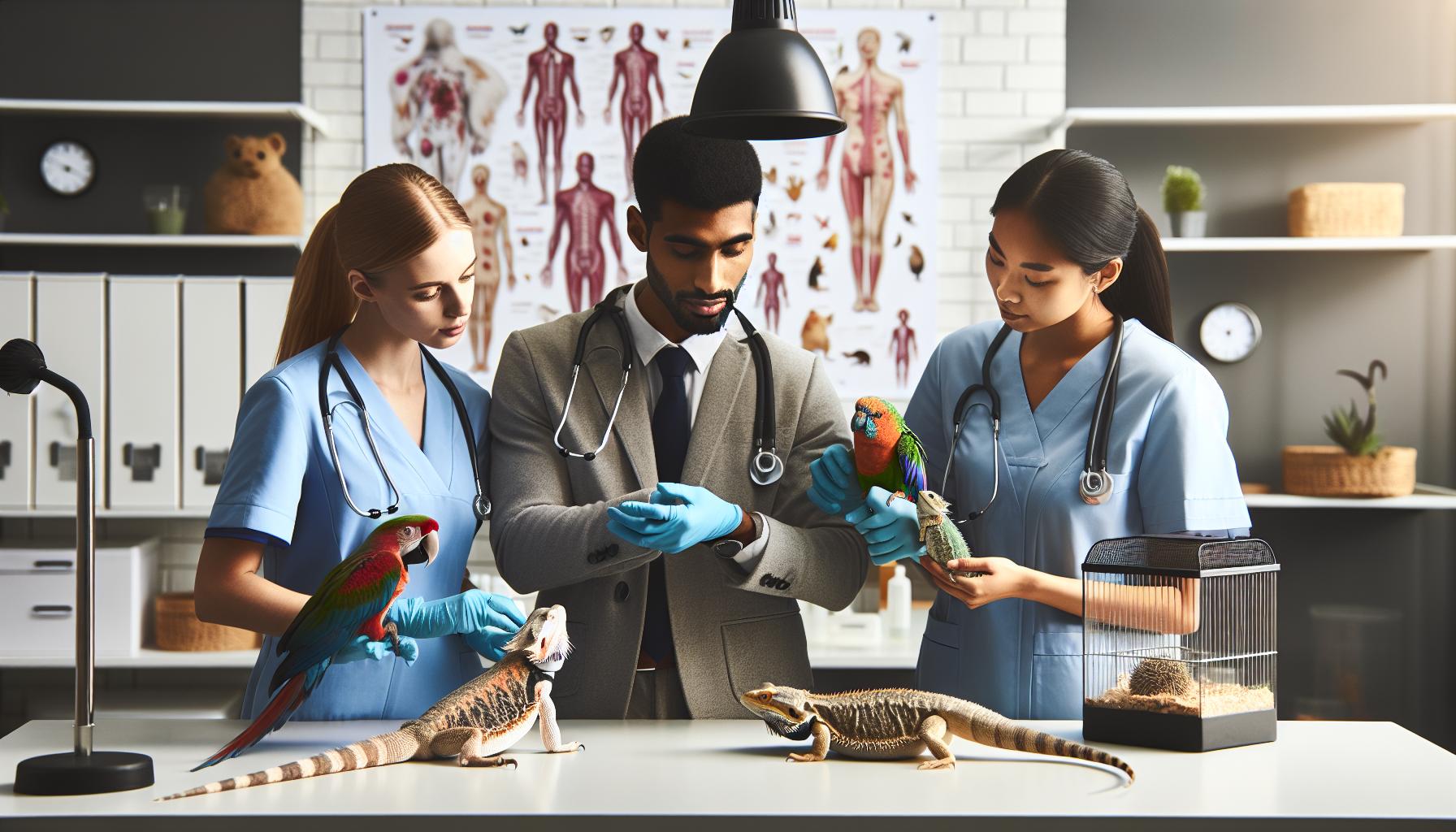
Building Hands-On Experience with Exotic Creatures
Gaining hands-on experience with exotic animals is an exciting yet crucial part of your journey toward becoming a veterinarian specialized in this field. Whether you dream of treating reptiles, birds, or small mammals, the skills you develop through practical experience will shape your understanding and capacity to provide excellent care. Fortunately, there are numerous avenues to explore that can help you dive into the fascinating world of exotic veterinary medicine.
One of the best ways to build this experience is by volunteering or interning at local animal shelters, wildlife rehabilitation centers, or exotic animal sanctuaries. These environments not only expose you to a variety of species but also allow you to observe different handling and care techniques. Many facilities offer programs specifically designed for aspiring veterinary professionals. For example, volunteering at a bird rescue organization can provide you with insights into the social behaviors and nutritional needs of various avian species, helping you understand their unique care requirements.
Additionally, consider shadowing veterinarians who specialize in exotic animals. This direct mentorship can provide you with invaluable real-world knowledge and a deeper appreciation for the intricacies of exotic species care. As you follow these professionals, be attentive to their examination techniques, medical procedures, and client interactions. Asking questions during your observations will enrich your learning experience and demonstrate your eagerness to engage in the field.
Participating in internships during your education is another excellent way to gain practical exposure. Many veterinary schools offer programs that focus specifically on exotic animal medicine. These rotations can range from working with reptiles in a research lab to assisting with surgical procedures in a wildlife hospital. The structured environment of an internship allows you to learn from experienced professionals while taking on responsibilities that can prepare you for your future career.
Take advantage of hands-on workshops and training sessions that focus on specific species or procedures related to exotic medicine. For example, learning how to administer injections to small mammals or understand the requirements for maintaining proper habitat environments for reptiles can significantly enhance your skill set. Engaging with these practical learning opportunities not only builds your resume but also adds depth to your understanding of the species you might work with in your veterinary practice.
In summary, building hands-on experience with exotic animals is essential for any aspiring exotic veterinarian. Engage in volunteer opportunities, seek mentorship under experienced professionals, participate in internships, and pursue relevant workshops. Each experience serves as a stepping stone, equipping you with the confidence and skills needed to provide exceptional care for these unique creatures. As you explore the various paths available, remember that your passion for wildlife and commitment to conservation can make a significant difference in the lives of the animals you care for.
Key Skills Needed for Veterinary Care of Exotic Pets
To successfully care for exotic pets, a unique set of skills is essential due to the varied biology and behavior of these animals. For instance, understanding the specific needs of species ranging from reptiles to birds requires a strong foundation in comparative anatomy and physiology. Exotic veterinarians must adapt their approach based on whether they are treating a lizard, a parrot, or a small mammal, each of which has distinct health concerns and environmental needs.
A fundamental skill for anyone in this field is excellent observation. Because many exotic pets are not as overtly expressive as dogs or cats, subtle signs of illness can be easily overlooked. For example, a snake may refuse food or a bird might become quieter than usual, both potentially indicating underlying health issues. Being able to recognize these changes can make all the difference in early diagnosis and treatment.
Moreover, problem-solving abilities are crucial. Exotic pets often come with complex health histories and unique care challenges. For example, a turtle with shell abnormalities may require a multifaceted approach that includes dietary changes, habitat adjustments, and potential surgical interventions. A veterinarian’s ability to devise a comprehensive care plan tailored to each situation is central to fostering the health and well-being of exotic animals.
Another key asset in this profession is excellent communication skills. Building rapport with pet owners is vital, especially since many exotic pet owners may not have a full understanding of their pets’ needs. Educating them about proper care, dietary requirements, and signs of health issues can empower owners to take action and seek help when necessary. This is particularly important in cases of emergency care, where quick and clear communication can significantly impact outcomes.
Finally, a deep-rooted commitment to animal welfare and conservation is essential. Understanding the ecological roles these creatures play and advocating for responsible ownership practices can help mitigate the growing concerns about exotic pet trade and habitat destruction. Being an advocate for these animals, both in practice and in the community, enriches one’s role as an exotic veterinarian and contributes to the broader mission of conservation.
In summary, successful veterinary care for exotic pets hinges on keen observation skills, strong problem-solving abilities, effective communication, and a passionate commitment to animal welfare. By honing these skills, aspiring veterinarians can ensure not only the health of individual species but also contribute to the preservation of biodiversity and responsible pet ownership.
Getting Certified: Licenses and Credentials Explained
To embark on the journey of becoming a veterinarian for exotic animals, understanding the necessary certifications, licenses, and credentials is essential. This not only legitimizes your practice but also ensures that you are well-equipped to handle the unique challenges presented by these remarkable creatures. Each state in the U.S. has different requirements for veterinary practice, and aspiring exotic veterinarians must be aware of these to navigate their professional paths successfully.
Most importantly, obtaining a Doctor of Veterinary Medicine (DVM) degree from an accredited institution is foundational. This rigorous program generally takes four years to complete and includes comprehensive coursework in subjects like anatomy, pharmacology, and surgery, along with valuable clinical rotations. Upon graduation, passing the North American Veterinary Licensing Examination (NAVLE) is required, and individual states may have additional exams or requirements, such as a state-specific jurisprudence exam.
Specialization and Additional Credentials
After securing a DVM, those wishing to specialize in exotic animals often pursue further education and credentials. Completing a residency in zoological medicine or a similar field, typically spanning three to four years, provides targeted training and experience. During this period, you will gain hands-on skills and deeper knowledge about various exotic species, from reptiles to birds and small mammals. Upon completing a residency, pursuing board certification from organizations such as the American Board of Veterinary Practitioners (ABVP) can enhance your professional stature and open doors to more specialized roles in exotic animal care.
Relevant Certifications
In addition to the standard veterinary licensure, consider obtaining certifications specific to exotic animal care. Organizations like the Association of Exotic Mammal Veterinarians (AEMV) offer programs that focus on the unique needs of exotic pets. These credentials showcase your commitment and expertise, helping you stand out in this niche field. Furthermore, participating in workshops and continuing education courses helps you stay updated on the latest advancements in exotic medicine, improving your skills and knowledge continually.
In summary, obtaining the right certifications and licenses is a critical step in establishing your career as an exotic animal veterinarian. By acquiring a DVM, completing necessary residencies, and pursuing specialized certifications, you not only ensure compliance with regulations but also enhance your capability to provide exceptional care for the diverse world of exotic animals. This path not only fosters personal growth in understanding animal care but also plays a significant role in the broader mission of wildlife conservation and welfare.
Navigating the Job Market for Exotic Animal Vets
Finding your footing in the job market as an exotic animal veterinarian can be as thrilling as a dive into a coral reef-there’s a world of opportunity beneath the surface, but knowing how to navigate it is key. With the rising interest in exotic pets, the demand for qualified exotic animal vets is increasing. However, competition can be fierce, and understanding how to showcase your unique skills and experiences will set you apart from the pack.
Start by leveraging your educational background and hands-on training. Networking is essential in this niche field. Attend veterinary conferences, join exotic animal associations, and connect with professionals on platforms like LinkedIn. These interactions can lead to job opportunities and mentorships. Additionally, consider volunteering at wildlife rehabilitation centers or zoos; this not only enriches your experience but also helps you build valuable connections within the community.
Crafting Your Perfect Resume
Your resume should reflect not just your educational accomplishments but also your passion for exotic animals. Highlight relevant experiences such as internships, volunteer work, and any specialized training. Tailor your application to each job, emphasizing how your skills align with the clinic’s focus, whether they work with reptiles, birds, or small mammals. A strong cover letter that tells your story can also capture attention.
Once you’ve landed interviews, be prepared to discuss current issues in exotic animal care, such as conservation efforts and ethical breeding practices. Showing that you are informed and committed can impress potential employers. Remember, it’s not just about getting a job; it’s about finding a position that resonates with your values and aspirations in exotic veterinary medicine.
In summary, involves proactive networking, tailored resumes, and a deep understanding of the field you love. Stay curious, keep learning, and your passion for wildlife will guide you to the right opportunities.
The Role of Conservation in Exotic Animal Care
Did you know that nearly 90% of all species identified on Earth are not vertebrates, yet these fascinating creatures are often overlooked in conservation efforts? As an aspiring exotic animal veterinarian, understanding the role of conservation in your field is crucial not only for the health of the animals but also for the ecosystems we share. Conservation work extends beyond just treating individual animals; it integrates health care with broader environmental stewardship, focusing on habitat preservation, species recovery, and public education.
Exotic veterinarians play a vital role in conservation by working with endangered species, contributing to wildlife rehabilitation, and participating in research initiatives that inform protective laws and policies. Through hands-on care, these professionals assess the health of wild populations and devise strategies to combat diseases that threaten species survival. For instance, veterinarians working in zoos or wildlife sanctuaries often engage in genetic research and breeding programs aimed at preserving species that are on the brink of extinction.
Moreover, educating pet owners about the responsibilities of exotic animal ownership is an essential aspect of conservation efforts. Many exotic pets, if not cared for properly, can become either a burden to their owners or, worse, a threat to local ecosystems if they escape or are released into the wild. As such, communicating the needs and challenges of caring for exotic species can foster responsible pet ownership and reduce the potential for invasive species.
To truly appreciate the blend of veterinary medicine and conservation, consider getting involved in or supporting local conservation projects. Many non-profits welcome the expertise of veterinary professionals, providing opportunities to contribute to significant work while deepening your understanding of wildlife health and ecosystem balance. This not only enriches your experience but also enhances your career prospects, placing you at the intersection of veterinary science and environmental conservation.
Exploring Specialized Fields in Exotic Veterinary Medicine
Navigating the vibrant world of exotic veterinary medicine opens a pathway filled with diverse specialties, each catering to extraordinary creatures with unique needs. For instance, avian veterinarians focus specifically on birds, ranging from parrots to raptors, honing their skills in the delicate care required for these feathered friends. Many exotic veterinarians also find themselves drawn to herpetology, the study of reptiles and amphibians. This specialty is critical, as these cold-blooded animals often require different husbandry concepts and veterinary approaches compared to traditional pets.
Another fascinating niche lies within zoological medicine, where vets work in zoos or wildlife rehabilitation centers. Here, they address the health concerns of a wide array of species, participating in research initiatives that not only improve animal care but also contribute to conservation efforts. The field of wildlife medicine interconnects closely with zoological practice, as it involves treating native wild animals, often integrating fieldwork for the assessment and treatment of species in their natural habitats. Each of these specialties requires not only veterinary expertise but also a profound respect for and understanding of the animals’ behaviors and environments.
Beyond clinical practice, public health perspectives are equally vital in veterinary medicine. Exotic veterinarians equipped with knowledge in this area can address zoonotic diseases-those that can transfer from animals to humans-which is increasingly significant as urban areas expand into wildlife territories. The ability to educate pet owners and the public on the health risks and the nuances of exotic animal care can foster better practices that benefit both human and animal populations.
As you consider your journey into this field, think about what excites you the most about caring for exotic animals. Whether it’s aiding in the conservation of endangered species or providing specialized care for pet reptiles, immersing yourself in a specialized field can make your practice not just a job, but a transformative experience for both you and the animals you help. Remember, the realm of exotic veterinary medicine is as expansive as the animal kingdom itself, presenting endless opportunities for learning and growth.
Challenges and Rewards of Working with Exotic Animals
The world of exotic animals is as wonderful as it is demanding. Anyone considering a career in this field should be ready to face a unique set of challenges and experience rewarding moments that are hard to match in any other veterinary specialty. For instance, working with creatures that often don’t exhibit traditional pet behaviors can be both a puzzle and a thrill. Imagine trying to understand the needs of a shy tortoise or a hyperactive sugar glider-each requires very different approaches and techniques.
A primary challenge in caring for exotic animals is their specific husbandry and care requirements. Each species often has unique nutritional, environmental, and social needs. For example, reptiles need precise temperature gradients in their habitats to thrive, while birds may require intricate social interactions to stay mentally stimulated. This complexity can lead to increased stress for both the vet and the animals if not managed well. Additionally, some exotic species are particularly delicate or prone to unique health issues, necessitating a deep understanding of their physiology and common ailments.
Despite these challenges, the rewards of this career path are profound. Imagine the satisfaction of successfully treating a critically endangered species, or the joy of watching a once-timid animal flourish under your care. These moments are not just professional triumphs; they contribute significantly to the conservation of biodiversity. Working with exotic pets also means you may form strong connections with informed, passionate pet owners who are eager to learn and contribute to their pets’ well-being.
Furthermore, the opportunity to engage in conservation efforts provides a sense of purpose. Veterinarians in this field often collaborate with wildlife organizations, providing care that supports not only individual animals but entire ecosystems. This blend of clinical practice and environmental stewardship creates a fulfilling loop of challenge and reward that can shape not just your career, but also the world around you.
In sum, while the path of an exotic veterinarian is fraught with challenges-from complex care protocols to emotional encounters with wildlife-it also offers profound rewards, including the chance to make a tangible difference in animal health and conservation. Those drawn to this field will find their work not only a job but a calling, filled with learning opportunities and unforgettable experiences.
Networking and Professional Development Opportunities
In the world of exotic animal care, connecting with others in the field can be as essential as finding the right habitat for a rare species. Networking opens doors to opportunities that might otherwise remain hidden and allows aspiring exotic veterinarians to gain valuable insights from seasoned professionals. Whether you’re just starting or looking to advance your career, building a robust network can greatly enhance your journey in this unique veterinary specialty.
Professional Associations
Joining professional organizations focused on exotic animals is a fantastic way to meet like-minded individuals and expand your knowledge. Groups such as the Association of Reptile and Amphibian Veterinarians (ARAV) and the American Association of Zoo Veterinarians (AAZV) offer resources like newsletters, access to conferences, and workshops. Participating in these events not only boosts your credentials but also enhances your understanding of best practices in exotic animal care.
Conferences and Workshops
Attending conferences specifically tailored to exotic veterinary medicine is another excellent networking avenue. Events such as the International Exotic Animal Medicine Conference provide a platform to learn from experts while connecting with peers in the field. Many conferences include hands-on workshops where you can sharpen your skills and apply new techniques directly. For example, learning how to perform a thorough health assessment on reptiles or birds can significantly boost your confidence and competency during practical sessions.
Online Communities and Forums
With the rise of digital connectivity, online platforms have become invaluable for networking. Websites like VetNet and social media groups dedicated to exotic veterinary medicine enable you to initiate conversations, ask questions, and share experiences with veterinarians and animal care specialists worldwide. These communities often feature discussions on case studies that can deepen your understanding of exotic animal health issues and expert opinions on the latest treatment approaches.
Mentorship Opportunities
Finding a mentor who specializes in exotic veterinary practices can provide personalized guidance, making your career path clearer and more navigable. A good mentor can offer advice on diversifying your experience, navigating challenges specific to exotic animals, and even opening doors to job opportunities. Don’t hesitate to reach out to professionals you admire; many are happy to share their experiences and may even offer shadowing opportunities.
Building connections within the exotic animal veterinary community is not just about advancing your career; it’s also about fostering a collective effort to enhance animal welfare and conservation efforts. As you engage with these networks, remember that every interaction enriches your understanding and opens up possibilities to contribute positively to the fascinating world of exotic animals.
Future Trends in Exotic Animal Veterinary Medicine
The landscape of exotic animal veterinary medicine is rapidly evolving, driven by advancements in technology, increased awareness of animal welfare, and the growing popularity of exotic pets. As more people welcome unique animals into their homes, veterinarians in this field must adapt to a shifting paradigm that prioritizes not only medical care but also education and conservation.
An exciting trend is the integration of telemedicine into veterinary practices. This innovative approach allows pet owners to consult with veterinarians remotely, making it easier for exotic pet owners to access expert advice without the stress of transporting their animals. As technology advances, tools such as mobile apps and virtual consultations are becoming commonplace, enabling vets to monitor patients’ health and offer real-time support, particularly for species that may be prone to stress during travel.
Furthermore, there is a heightened focus on conservation-oriented veterinary practices. Veterinarians are increasingly partnering with wildlife organizations to develop and implement conservation strategies for endangered species and to educate the public about responsible exotic pet ownership. This cooperation not only helps protect vulnerable wildlife but also engages the community, fostering a more profound respect and understanding for exotic animals and their natural habitats.
In addition to these developments, specialized training programs in exotic animal medicine are emerging. Universities are beginning to offer tailored courses and certifications that address the unique needs and challenges presented by exotic pets. This emphasis on specialized education ensures that future veterinarians are well-equipped to handle the complexities of species such as reptiles, birds, and small mammals, ultimately improving the standard of care available.
As we look ahead, the future of exotic animal veterinary medicine promises to be as dynamic and diverse as the creatures it serves. By embracing technological advancements, prioritizing conservation, and enhancing educational pathways, veterinarians can significantly impact the health and well-being of exotic pets while fostering a greater appreciation for the natural world.
Frequently asked questions
markdown
Q: What degree do I need to become a veterinarian for exotic animals?
A: To become a veterinarian for exotic animals, you typically need a Doctor of Veterinary Medicine (DVM) degree from an accredited veterinary school. This is a critical first step before specializing in exotic species.

Q: How can I get hands-on experience with exotic animals?
A: Gaining hands-on experience with exotic animals can be achieved through internships or volunteer work at zoos, wildlife rehabilitation centers, or exotic animal clinics. These opportunities are invaluable for building relevant skills and knowledge.

Q: What certifications are needed to work with exotic animals?
A: While a DVM is essential, pursuing additional certifications, such as those offered by the American Board of Veterinary Practitioners in exotic animal practice, can enhance your credentials and expertise in the field.

Q: What types of exotic animals do veterinarians typically work with?
A: Veterinarians for exotic animals may work with a wide range, including reptiles, birds, small mammals, and even some wildlife species. Understanding the specific care needs of these animals is crucial for effective treatment.

Q: How can networking help my career in exotic animal veterinary medicine?
A: Networking is essential in veterinary medicine. Connecting with professionals in the field through conferences, seminars, and online forums can open doors to job opportunities, mentorship, and collaborative projects in exotic animal care.

Q: What is the role of conservation in exotic veterinary work?
A: Conservation plays a significant role in exotic veterinary practice by focusing on the health of endangered species, habitat preservation, and rehabilitation programs. Veterinarians often contribute to wildlife conservation efforts through research and health management.

Q: What challenges might I face as an exotic animal veterinarian?
A: As an exotic animal veterinarian, you may face challenges such as limited resources, unique medical issues of exotic species, and the need for specialized knowledge. These challenges require ongoing education and adaptability in your practice.

Q: Why is continuing education important for exotic animal vets?
A: Continuing education is critical for exotic animal vets to stay updated on latest research, treatment protocols, and advancements in veterinary medicine. It ensures you can provide the best care for the diverse species you work with.
The Way Forward
Are you ready to embark on your journey to become a veterinarian for exotic animals? This rewarding path not only requires a dedication to animal health but also a passion for understanding unique species and their environments. Remember, gaining hands-on experience through internships or volunteering at wildlife shelters can set you apart in this competitive field.
To dive deeper, check out our guides on veterinary school requirements and tips for working with specific exotic species. Don’t miss out on our newsletter for the latest insights and resources that will support your veterinary education! Share your thoughts or ask questions in the comments below – your future in exotic animal care starts today! Every step you take is a step closer to making a difference in the world of animal health.
Get our latest guides, news, and insights highlighted in your Google Search & AI Overviews.










