Did you know that the Monkey Tail Cactus, with its quirky, furry appearance, is not just a unique addition to your home decor but also a fantastic option for propagation? If you’ve ever wanted to turn one little cactus into a thriving collection, you’re in the right place! Understanding how to propagate this intriguing plant not only enhances your gardening skills but also allows you to share its charm with friends and family. Whether you’re a seasoned plant parent or just starting your succulent journey, this guide will provide you with easy-to-follow tips to successfully propagate your Monkey Tail Cactus. Let’s dive into the fascinating world of cacti and discover how to nurture these beautiful plants from cuttings to full-grown wonders!
Understanding Monkey Tail Cactus: Characteristics and Care Needs
The Monkey Tail Cactus, scientifically known as Cleistocactus strausii, is a fascinating succulent that captivates with its unique, hairy appearance reminiscent of a monkey’s tail. This cactus is native to South America, particularly Bolivia and Argentina, where it thrives in arid conditions. Its long, cylindrical stems can grow up to three feet tall and are covered in distinct, soft spines that give it a fuzzy look. This delightful plant not only adds a touch of whimsy to any indoor or outdoor garden but is also known for its beautiful, bright red or orange flowers that bloom in the spring and summer.
To care for a Monkey Tail Cactus, it’s crucial to replicate its natural habitat as closely as possible. This means providing plenty of bright, indirect sunlight and ensuring well-draining soil. A cactus mix or a blend of potting soil with sand or perlite works wonders to prevent water retention, which can lead to root rot. Watering should be infrequent; allow the soil to dry completely between waterings, especially during the winter months when the cactus goes dormant. In terms of temperature, it thrives in warm environments but can tolerate cooler nights, making it adaptable for various indoor conditions.
When it comes to feeding, a diluted cactus fertilizer during the growing season (spring and summer) can support its growth and flowering. Keep an eye out for pests such as spider mites or mealybugs, which can occasionally plague these resilient plants. Maintaining good air circulation and inspecting your cactus regularly will help keep it healthy and thriving. Whether you’re a seasoned succulent collector or a curious beginner, the Monkey Tail Cactus is sure to bring both beauty and joy to your gardening journey.
Benefits of Propagating Monkey Tail Cactus at Home
Propagating a Monkey Tail Cactus at home can be a wonderfully fulfilling venture, offering numerous benefits beyond simply expanding your collection. First and foremost, it provides an opportunity to connect more deeply with your plant. Watching a cactus grow from a small cutting or offset into a thriving specimen is an immensely gratifying experience that brings gardeners a sense of accomplishment and joy. Moreover, sharing propagated plants with friends and family can foster a sense of community and deepen relationships through the shared appreciation of gardening.
Another significant advantage of propagation is financial. Purchasing mature Monkey Tail Cacti can be quite costly, especially rarer specimens. Propagating your own not only saves money but also allows you to cultivate multiple plants from a single parent, maximizing the beauty in your home or garden. Additionally, if you find yourself with an abundance of healthy cuttings, you can consider trading or selling them, which can help fund your gardening endeavors or simply share the joy of these unique plants with others.
Caring for new cactus cuttings also reinforces your understanding of the plant’s growth habits and needs. Propagation requires special attention to details like watering, light exposure, and soil conditions, giving you a hands-on learning experience that can enhance your overall plant care skills. Each successful propagation not only teaches you patience and nurturing but also equips you with knowledge and techniques applicable to a broader range of succulents and cacti.
Lastly, growing these charming cacti provides an excellent opportunity to diversify your home garden. The unique appearance of the Monkey Tail Cactus, with its long, fuzzy stems and eye-catching flowers, can serve as a conversation starter and add visual interest to your plant collection. Whether displayed in a sunny window or in a special corner of your garden, these propagated beauties are sure to draw compliments and intrigue from visitors. Embracing the art of propagation transforms gardening from a solitary hobby into a vibrant community spectacle, enriching both your life and the lives of those around you.
Step-by-Step Guide to Propagation Methods
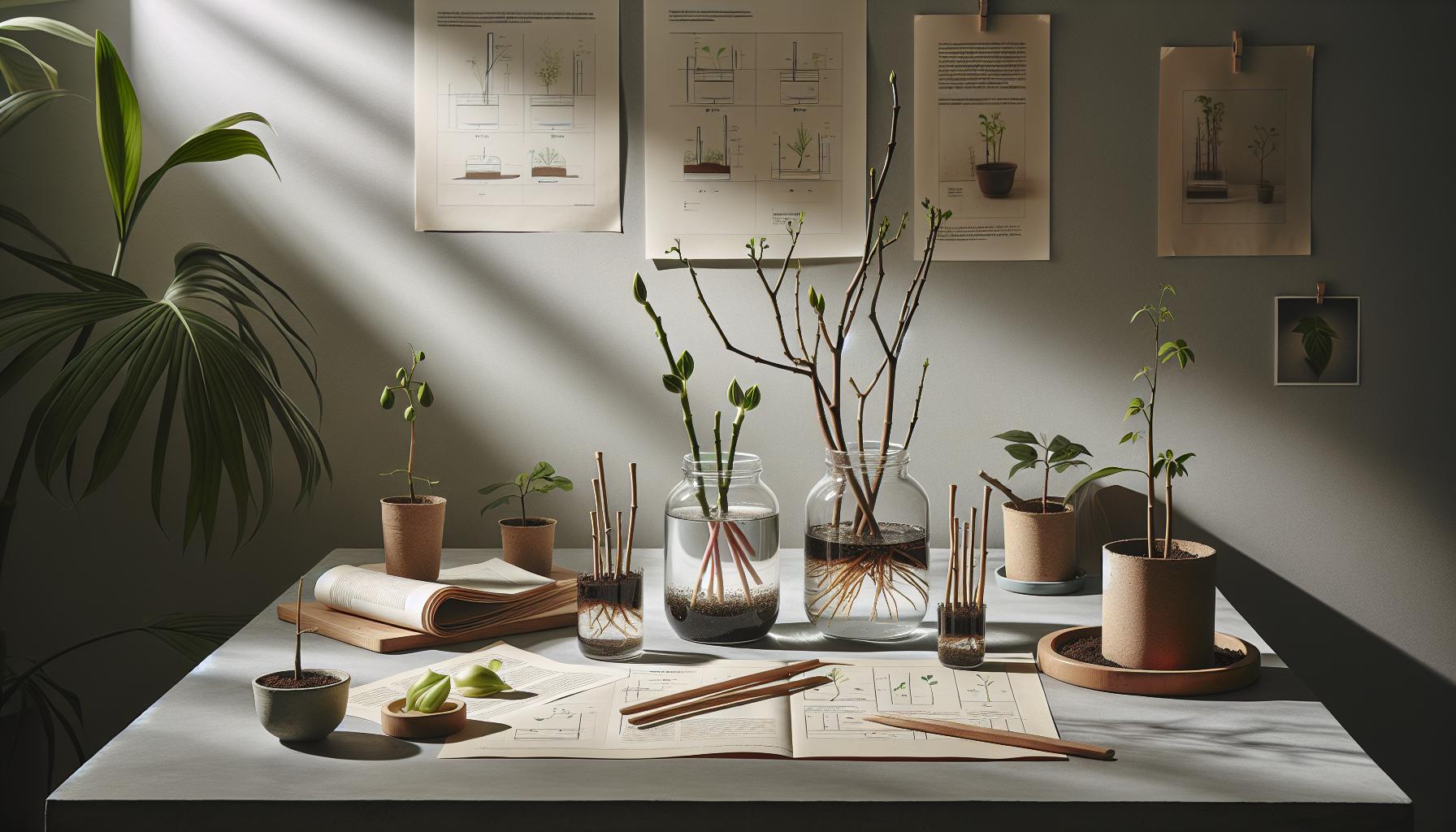
To successfully propagate a Monkey Tail Cactus, also known as Cleistocactus winteri, you’ll want to follow a series of straightforward steps. This fascinating plant, with its elongated, fuzzy stems, can easily be cloned through various propagation methods, most commonly by cuttings or offsets. Here’s a guide that will help you on this rewarding journey of growing new cacti.
Start by preparing a clean, sharp knife or scissors for cutting. It’s essential to ensure your tools are sterile to prevent any infections in your new plant. Wait until the cactus is healthy and mature enough to propagate-usually when it has several stems that can be safely removed without harming the parent plant. When you are ready, follow these steps:
Taking Cuttings
- Select the Cutting: Choose a healthy, mature stem with a length of about 4-6 inches. Look for a segment that is firm and has vibrant coloration.
- Make the Cut: Using your sterile knife, make a clean cut at the base of the chosen stem. Allow the cutting to dry and callous over for a few hours or up to a day. This step is crucial because it helps prevent rot when you plant it.
- Rooting Medium: Prepare a shallow pot filled with well-draining cactus soil. You can also mix regular potting soil with sand or perlite to enhance drainage.
- Planting the Cutting: Once the cutting has hardened, carefully insert about an inch of the cut end into the soil. Press the soil gently around the base to ensure stability. Water sparingly to avoid soaking the soil.
- Provide Proper Conditions: Place the pot in a warm area, ideally with bright, indirect sunlight. A mini greenhouse or a clear plastic bag over the plant can help retain humidity, which is beneficial for root development.
Propagating by Offsets
If your Monkey Tail Cactus has produced offsets-small pups growing at the base-propagating through these can be even simpler. Here’s how to do it:
- Identify Offsets: Look for healthy offsets attached to the parent plant. Make sure they are at least a few inches long.
- Gently Separate: Carefully twist or cut the offset from the main plant, ensuring you don’t damage the roots of the parent or the offset itself.
- Dry and Pot: Like the cutting method, let the offset dry out for a few hours. Then, plant the offset in well-draining cactus soil.
Following these steps will place you on the path to nurturing new Monkey Tail Cacti successfully. As they grow, you’ll experience the joy of seeing each unique cactus thrive under your care. Remember, patience is key; these plants may take some time to establish roots, but their striking appearance makes the wait worthwhile!
Essential Tools for Successful Monkey Tail Propagation
When it comes to propagating the Monkey Tail Cactus, having the right tools at your disposal can make all the difference between a successful operation and an unfortunate mishap. These fascinating cacti, known for their long, spiny, and furry stems, can thrive under your care if you equip yourself with the essentials that facilitate a smooth propagation process. Using the correct tools also ensures that your cuttings or offsets are treated gently, promoting the best chances for growth.
First and foremost, you’ll want a sterile cutting tool. A sharp knife or a pair of scissors is vital for making clean cuts. Avoid using dull blades, as they can crush the cactus tissue and increase the risk of infections. Sterilize your tools with rubbing alcohol before and after use to maintain hygiene. Additionally, having a pair of tweezers on hand can help in handling smaller offsets without damaging them.
Next, prepare a well-draining potting mix specifically suited for cacti. This can be a commercial cactus soil mix or a DIY blend of potting soil mixed with sand or perlite-a mixture that supports airflow and prevents root rot. Using pots with drainage holes is equally important; containers without drainage can lead to waterlogged soil, which is a sure death sentence for your new cactus babies.
Lastly, consider investing in a mini greenhouse or humidity dome. These tools are instrumental in providing a controlled environment for your cuttings to take root. They help maintain humidity levels, which is crucial for encouraging those roots to grow without the stress of fluctuating conditions. If a greenhouse is not available, a simple clear plastic bag can serve as a makeshift solution, ensuring that your cutting retains moisture while allowing for some air circulation.
By gathering these essential tools and preparing adequately, you set the groundwork for a fruitful propagation experience. Each step, combined with care and the right equipment, enhances your chances of successfully nurturing new Monkey Tail Cacti, turning your gardening endeavor into a rewarding journey!
Optimal Conditions for Rooting and Growing
The Monkey Tail Cactus, with its distinctive, furry appearance, thrives in conditions that mimic its native arid environment. To ensure successful rooting and healthy growth of your propagated cuttings, you must create a nurturing habitat that supports their unique needs.
Light is crucial for the wellbeing of these cacti. They flourish in bright, indirect sunlight. A south-facing window or a spot with filtered light is ideal, as direct sunlight can scorch their delicate skin. A few hours of morning sunlight is beneficial, but it’s best to avoid the harsh rays of the afternoon sun. If growing indoors, consider rotating the pots regularly to promote even growth and prevent unwanted stretching towards the light.
When it comes to watering, the golden rule is “less is more.” Overwatering is one of the primary causes of failure in cactus propagation. Allow the soil to dry out completely between waterings, and be cautious about humidity. Although young cuttings benefit from some moisture, they do not tolerate soggy conditions. A moisture meter can be handy to check the soil’s dryness.
The temperature also plays a significant role in the rooting process. Monkey Tail Cacti prefer warmth, ideally between 70°F to 80°F (21°C to 27°C). If you live in a cooler climate, placing your pots near a heat source can help maintain a steady temperature. Furthermore, providing airflow around your cactus will prevent mold and rot, especially in humid conditions. Setting up a small fan in the vicinity, if conditions are too still, can help achieve this balance.
In summary, thriving growth of Monkey Tail Cacti during propagation hinges on the right light, minimal watering, appropriate temperature, and good air circulation. By respecting their natural habitat and adjusting your care routine, you’ll encourage your new plants to establish strong roots and vibrant growth.
Common Mistakes to Avoid When Propagating
When delving into the propagation of Monkey Tail Cactus, it’s easy to fall into a few common traps that can hinder your success. Mistakes can range from environmental missteps to care oversights, each potentially stunting the growth of your new plants. Understanding these pitfalls can set your propagation journey on a triumphant path.
One of the most prevalent errors is overwatering. Cacti thrive in dry conditions, and Monkey Tail Cacti are no exception. Beginners may feel tempted to water frequently, believing this will foster growth. In reality, it’s best to allow the soil to dry out completely between waterings. Consider this: if you were to oversaturate a sponge and then try to place it in a bowl of dry rice, that rice wouldn’t benefit from the excess water. Similarly, soggy potting mix can lead to root rot in your cactus. Always check for dryness with a moisture meter or by touching the soil before giving your plant a drink.
Another frequent misstep is neglecting proper light conditions. While these cacti enjoy bright, indirect light, many novice gardeners mistakenly expose them to harsh, direct sunlight. This not only scorches their delicate spines but can also cause them to become misshapen as they stretch towards light sources. A well-placed south-facing window that filters sunlight is ideal, mimicking their native desert habitat better than punitive afternoon rays.
Temperature can be a quiet adversary, too. Monkey Tail Cacti thrive in warmth, ideally between 70°F to 80°F (21°C to 27°C). If temperatures drop too low, the plants may become lethargic or fail to root properly. Gardeners in cooler climates should consider placing their pots near a gentle heat source, but care must be taken not to place them too close to heaters or drafts that could scorch them. Maintaining consistent temperature and airflow is crucial to ward off the mold that can arise in humid conditions.
Lastly, patience is vital. Many gardeners expect to see rapid results, but rooting can take weeks. If you do not see immediate growth, resist the urge to make drastic changes to your care routine. Each cutting is unique, and adjusting your watering schedule or light exposure too soon can do more harm than good. Give your Monkey Tail Cactus the time it needs to establish its roots, and remember, good things come to those who wait!
Aftercare: Nurturing Your New Monkey Tail Cactus
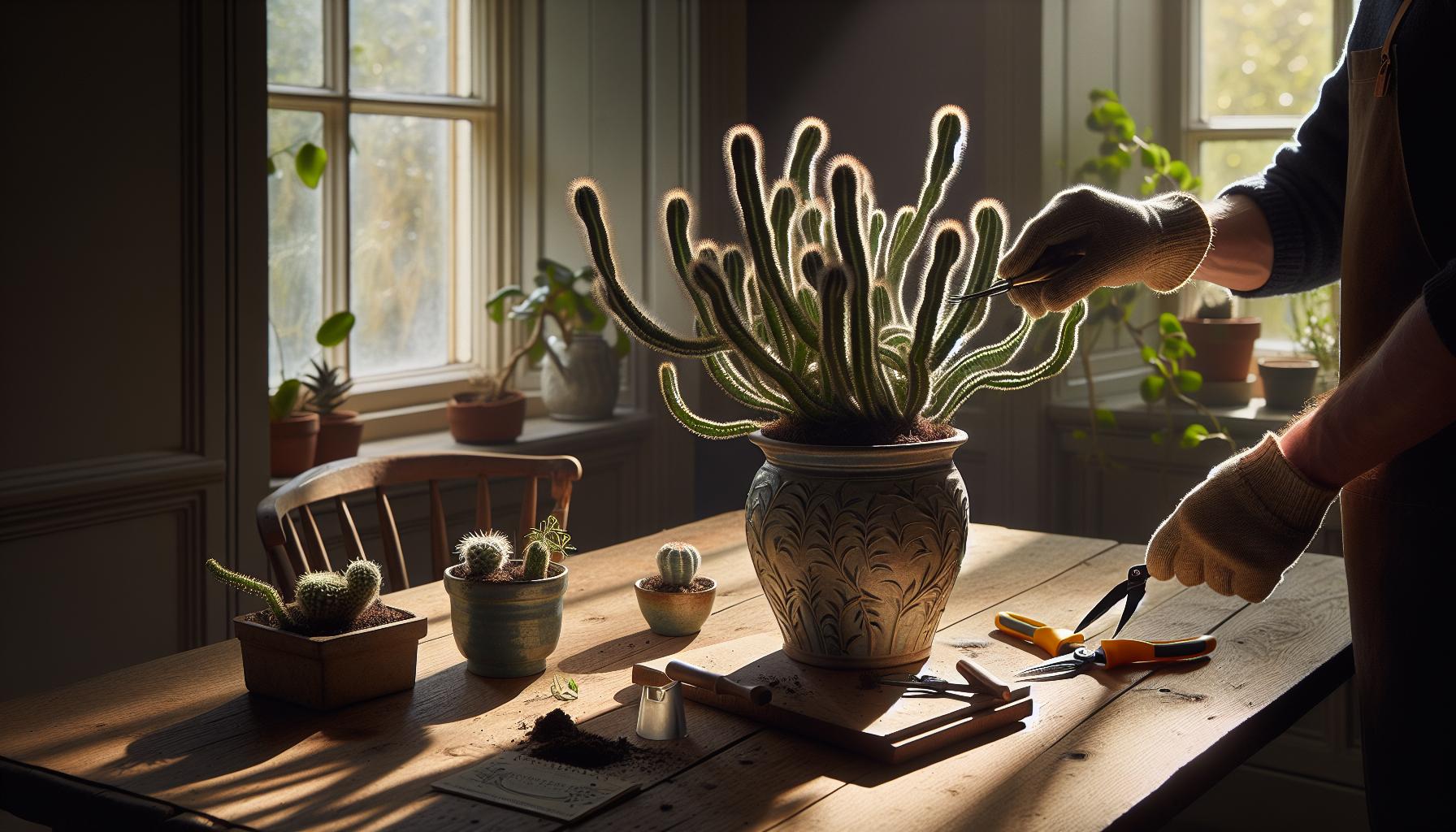
Nurturing a newly propagated Monkey Tail Cactus can be a rewarding experience, as you witness the development of these unique plants. The key to success lies in understanding their specific care requirements post-propagation. These cacti, known scientifically as Cleistocactus hyalacanthus, are quite resilient, but they still need some TLC to thrive.
First and foremost, lighting is crucial. After propagation, place your Monkey Tail Cactus in a location that receives bright, indirect light. While they appreciate sunlight, direct exposure, especially during the hottest parts of the day, can scorch their delicate skin. A spot near a window that filters light or using sheer curtains can help create the ideal environment.
Watering practices should be approached with caution. It’s essential to allow the soil to completely dry out between waterings. For newly propagated plants, this can mean waiting a bit longer than you might with more established cacti. Overwatering is a common pitfall that can lead to root rot and hinder their growth. Checking soil moisture with your finger or a moisture meter can guide you in determining when to water. Typically, you might find that watering every two to three weeks is sufficient, depending on your home’s humidity and temperature.
To encourage healthy growth, maintaining the right temperature and humidity levels is also important. Monkey Tail Cacti thrive in warm conditions, ideally between 70°F to 80°F (21°C to 27°C). If temperatures dip too low, your cactus may become sluggish or stop growing altogether. Avoid placing your plants near drafts or heating vents, as sudden temperature changes can be detrimental.
Lastly, don’t forget about potting. Once you see growth, consider repotting your cactus into a slightly larger pot if its roots start to outgrow the current one. Ensure the new pot has good drainage to prevent excess moisture retention. With the right aftercare, your Monkey Tail Cactus will flourish, rewarding you with its intriguing form and unique appearance as it grows.
Troubleshooting Growth Issues and Diseases

When growing your Monkey Tail Cactus, also known as Cleistocactus hyalacanthus, you might encounter a few common growth issues or diseases that can hinder its wellbeing. Understanding these challenges is the first step to keeping your cactus healthy and thriving. One of the most frequent problems is overwatering, which leads to root rot-a dreadful condition where the roots begin to decay due to excess moisture. To avoid this, always ensure that your cactus’s soil is completely dry before watering again. Use the finger test; if the top inch of soil feels dry, it’s time for a drink. A good rule of thumb is to water every two to three weeks, adjusting based on environmental conditions.
Another issue to be aware of is pests like mealybugs or spider mites. These pests can sap the energy from your cactus, causing stunted growth or yellowing skin. If you discover insects on your plant, don’t panic! A solution as simple as a mixture of water and mild soap can help remove them. Spray the affected areas and give your cactus a good rinse after a few hours to wash away the soap residue. Regular inspections can help catch infestations early before they worsen.
Temperature fluctuations can also impact the growth of your cactus. Ideally, these plants prefer a warm environment, with temperatures ranging between 70°F to 80°F (21°C to 27°C). If temperatures drop too low, you may notice your cactus becoming sluggish or discolored. Keep them away from drafts or air conditioning units to maintain a stable environment. If you suspect your cactus is struggling due to cold stress, provide some warmth, and consider relocating it to a brighter, warmer spot.
Lastly, it’s essential to remain mindful of nutrient deficiencies. If your Monkey Tail Cactus is not growing as expected, it might be due to a lack of essential nutrients. A diluted cactus fertilizer during the growing season (spring and summer) can help provide the necessary nourishment. Watch for signs of deficiency, such as yellowing or stunted growth, and adjust your care routine accordingly. By being proactive and attentive to these potential issues, you’ll set your Monkey Tail Cactus up for a vibrant and healthy life!
When to Expect Growth: Timeframes and Milestones
As you embark on the journey of propagating a Monkey Tail Cactus, patience becomes your best companion. Unlike many fast-growing houseplants, the timeline for seeing growth in your newly propagated cactus can be a bit extended, but don’t be discouraged! Understanding what to expect at each stage can enhance your satisfaction and success in nurturing these unique spiny wonders.
Initially, after you’ve successfully taken cuttings and planted them in well-draining soil, expect to wait around two to four weeks for signs of rooting. During this time, it’s crucial to keep the conditions ideal-warm temperatures and slightly moist soil (not soggy) will encourage root development. Many gardeners find it helpful to create a mini greenhouse environment by placing a plastic bag over the pot (with ventilation) to maintain humidity without excessive moisture.
Once roots have established, typically visible after one month, you’ll enter the growth phase, which can span from three months to a year, depending on factors like light, temperature, and overall care. During this time, you might witness slow but steady growth of new segments, sometimes resembling the lively, curled tendrils that give the Monkey Tail Cactus its character. Ensure your cactus receives bright, indirect sunlight for optimal growth; too little light can delay development, while harsh, direct sunlight can scorch young plants.
After about six months, your cactus should be noticeably growing, with the potential to reach several inches in length. It’s essential to assess whether it’s time to transition to a larger pot if it has outgrown its initial container, which can support further growth. Growth milestones can vary, so take the time to observe and enjoy each stage of your cactus’s life-after all, part of the joy of gardening is in the journey! The anticipation can be as rewarding as the outcome, especially when you finally see those adorable spines emerging after months of care.
Creative Ways to Display Your Propagated Cacti
The Monkey Tail Cactus, with its charmingly spiky, serpentine form, offers a chance to get creative with how you display these unique plants. When your propagated cacti are ready to showcase, the thrill of finding the perfect display can enhance your living space while celebrating your new gardening achievement. Here are some imaginative and delightful ideas for displaying your Monkey Tail Cactus that not only highlight its character but also ensure it thrives.
Unique Display Ideas
- Hanging Planters: Given the Monkey Tail Cactus’s trailing nature, hanging planters provide an ideal solution. Choose a macramé holder or a stylish metal basket to allow the tendrils to cascade beautifully. This elevates your plant while saving space and making a striking visual impact.
- Terrariums: Create a mini desert ecosystem by placing your new cactus inside a clear glass terrarium. Pair it with sand, pebbles, or other decorative stones for a layered look. Ensure the terrarium has proper ventilation to avoid excess humidity.
- Wall-mounted Shelves: Install wall-mounted shelves to turn your cactus into wall art. Combine various sizes and arrangements of cacti, creating a dynamic living display. A backdrop of textured wood or color can enhance the aesthetic appeal.
- Succulent Gardens: Integrate your Monkey Tail Cactus into a larger succulent garden. Mixing different shapes, colors, and textures creates an eye-catching arrangement. Ensure all plants have similar care needs to keep your garden thriving.
Creative Potting Options
When it comes to choosing pots, think outside the traditional design. Rustic terracotta pots emit a warm, earthy vibe that complements the natural look of your cacti. Alternatively, consider painted or patterned pots to add a pop of personality. Repurposed items, such as vintage tea cups or wooden crates, can serve as whimsical planters, turning everyday objects into conversation starters.
Seasonal Arrangements
Displaying your Monkey Tail Cactus can also be a seasonal affair. In the fall, adorn your plant with tiny pumpkins or autumn leaves for a festive touch. In winter, string some fairy lights around the pot for a cozy, inviting atmosphere. Such seasonal adaptations not only keep your decor fresh but also provide an opportunity to show off your gardening pride to visitors.
Cultivating the joy that comes with propagating and displaying a Monkey Tail Cactus brings a sense of accomplishment and flair to your home. By integrating creativity into your display, your new plants become living art that enchants both you and your guests, all while nourishing your passion for gardening.
Exploring Varieties: Different Types of Monkey Tail Cactus
Among the fascinating world of cacti, the Monkey Tail Cactus (Cleistocactus colademononis) stands out not only for its quirky appearance but also for the variety of forms and cultivars available to plant enthusiasts. These distinctive cacti, with their long, trailing stems covered in dense spines, can provide gardeners with an exciting opportunity to explore different varieties that enhance both their collection and propagation efforts.
One of the most popular types is the Golden Monkey Tail Cactus. This attractive variant features bright golden spines that shimmer under sunlight, making it a striking addition to any indoor or outdoor garden. It thrives in similar conditions as its green counterpart but is especially captivating when displayed in a well-lit area where the sunlight can highlight its golden hues.
Another variant is the Living Monkey Tail Cactus, which is notable for its unique, twisting growth habit. This type is often sought after for its dramatic appeal, as the twisting stems create a dynamic visual display. Given its growth pattern, it is ideal for hanging planters and can add an exciting touch to vertical garden arrangements.
To cultivate these varieties successfully, it’s important to consider their individual care needs. While they all share a preference for well-draining soil and plenty of sunlight, some may require slightly different watering schedules or humidity levels. For instance, the Golden Monkey Tail may prefer a bit more regular moisture compared to the standard type, especially during its growing season, so be mindful of these nuances to ensure thriving plants.
If you’re passionate about propagation, these varieties can be multiplied through cuttings or offsets, allowing you to expand your collection. Take cuttings during the active growing season, use a well-draining cactus mix, and ensure that the cut ends are allowed to callous before planting. By understanding and appreciating the differences among these captivating types of Monkey Tail Cactus, you can enhance your gardening experience and showcase a diverse range of textures and appearances in your home or garden.
Sharing Your Gardening Journey: Community and Resources
Embarking on a journey with the Monkey Tail Cactus can be incredibly rewarding, not just for the lush green companions you cultivate, but also for the vibrant community you can connect with! Engaging with fellow plant enthusiasts can provide you with valuable insights, inspiration, and encouragement as you share your experiences and challenges.
The online gardening community is teeming with resources that can elevate your propagation efforts. Platforms like gardening forums, social media groups, and specialized cacti clubs enable you to ask questions, share photos of your successes (or failures!), and seek advice on specific concerns. Consider joining online groups focused on cacti or succulents where members are often eager to share their propagation tips and growing techniques. Sites like Reddit offer subreddits like r/succulents, where you can find a treasure trove of user-generated content and lively discussions.
Additionally, leveraging hashtags on platforms like Instagram or TikTok can lead you to a wealth of visual guides and engaging tutorials. Search for tags such as #MonkeyTailCactus or #CactiPropagation to discover not only propagation methods but also stunning ways others display their prized plants. These visual mediums can be particularly helpful for visual learners who thrive on seeing techniques in action.
Don’t overlook local gardening clubs or meetups, which can provide a tangible experience of sharing your love for plants. These gatherings often encourage members to exchange not just tips, but also plant cuttings, creating a wonderful cycle of growth and support. In every corner of the plant-loving community, you’ll find enthusiasts eager to share their passion and knowledge, making your propagation adventure an exciting chapter in your gardening story!
FAQ
Q: What is the best time of year to propagate Monkey Tail Cactus?
A: The best time to propagate Monkey Tail Cactus is during spring or early summer when temperatures are warmer and sunlight is more abundant. This timing helps promote faster root growth and establishment. For more detailed growing tips, check our section on Optimal Conditions for Rooting and Growing.
Q: How long does it take for Monkey Tail Cactus cuttings to root?
A: Monkey Tail Cactus cuttings typically take 2 to 4 weeks to root, depending on environmental conditions. Ensure that you maintain warmth and humidity to support this process effectively. For tips on nurturing your new cacti, see our Aftercare section.
Q: Can I use regular soil for propagating Monkey Tail Cactus?
A: While you can use regular soil, it’s best to opt for a well-draining cactus mix. This prevents root rot and encourages healthy growth. Visit our Essential Tools for Successful Monkey Tail Propagation for more insights on the right soil choices.
Q: Why are my Monkey Tail Cactus cuttings wilting after propagation?
A: Wilting cuttings may indicate overwatering or insufficient light. Ensure that the cuttings receive indirect sunlight and check the moisture level of the soil before watering. For troubleshooting tips, refer to our Troubleshooting Growth Issues and Diseases section.
Q: How can I ensure successful propagation of Monkey Tail Cactus?
A: To ensure success, follow proper cutting techniques, use the right soil, and maintain optimal humidity and temperature. Avoid overwatering and place cuttings in bright, indirect light. Detailed steps can be found in our Step-by-Step Guide to Propagation Methods.
Q: Are there specific containers recommended for propagating Monkey Tail Cactus?
A: Yes, using small pots with drainage holes is ideal for propagation. Terracotta pots are a good choice as they help regulate moisture. For more tips on selecting the right containers, refer to our Essential Tools for Successful Monkey Tail Propagation section.
Q: What nutrients do Monkey Tail Cactus need after propagation?
A: After propagation, Monkey Tail Cactus benefits from a diluted cactus fertilizer during the growing season. Feed them every 4-6 weeks to encourage healthy growth. For optimal care tips, check our Understanding Monkey Tail Cactus: Characteristics and Care Needs section.
Q: How do I know when my propagated Monkey Tail Cactus is ready for repotting?
A: Your propagated Monkey Tail Cactus is ready for repotting when it has developed a robust root system and shows signs of new growth, typically within 3 to 6 months. Check our When to Expect Growth: Timeframes and Milestones for more insights on recognizing growth milestones.
Closing Remarks
Now that you’re equipped with the knowledge on how to propagate your Monkey Tail Cactus, it’s time to take action! Remember, the thrill of growing new plants from cuttings not only enriches your collection but also enhances your gardening skills. If you have any questions or need clarification, don’t hesitate to drop a comment below; we love hearing from fellow cactus enthusiasts!
For more insights into cactus care, check out our detailed guides on “Choosing the Right Soil for Cacti” and “Watering Tips for Succulent Plants.” These resources will ensure your green friends thrive and keep you inspired in your gardening journey.
Don’t forget to subscribe to our newsletter for the latest updates, tips, and exclusive content delivered straight to your inbox. Join our community and continue exploring the fascinating world of cacti and succulents! Your next gardening adventure starts now-let’s watch those new plants flourish together!
Get our latest guides, news, and insights highlighted in your Google Search & AI Overviews.