When considering landscaping options, many homeowners wonder, “Does monkey grass, or Liriope, thrive in shade?” This versatile ground cover can be a game-changer for problem areas in your yard where sunlight is scarce. Known for its lush green foliage and resilience, monkey grass not only adds beauty, but also helps control soil erosion and suppress weeds. In this guide, we will explore the growing conditions, care tips, and the best uses of monkey grass, especially in shaded environments. Whether you’re looking to beautify a shady corner or seeking a low-maintenance plant for your garden, understanding how to successfully plant and nurture monkey grass in the shade will empower you to create a thriving green space. Let’s dive deeper into the world of this hardy plant and discover how it can transform your garden, even in those challenging areas where sunlight doesn’t reach!
Understanding the Growth Habit of Monkey Grass
Monkey grass, known scientifically as Liriope muscari, is a resilient and adaptable ground cover that thrives under various light conditions, including partial shade. Understanding its growth habit is key to successfully integrating it into your landscape. This plant is characterized by its clumping growth pattern, sending up narrow, arching leaves that can reach heights of 12 to 18 inches. When given the right conditions, monkey grass can form dense carpets of foliage, which not only suppress weeds but also provide an attractive backdrop in gardens.
One fascinating aspect of monkey grass is its tolerance to both drought and shade, making it an excellent choice for areas that receive filtered sunlight or dappled shade, often found beneath trees. However, while monkey grass can survive in low-light conditions, it tends to flourish when it receives at least some direct light throughout the day. In heavily shaded areas, the growth may slow, and the foliage can become sparse. For optimal results, aim to plant monkey grass in locations where it receives around four to six hours of sunlight daily. This balance helps ensure vigorous growth and vibrant color.
Another noteworthy feature of monkey grass is its adaptability to different soil types. While it prefers well-drained soils rich in organic matter, it can also tolerate poor soil conditions. This flexibility makes it suitable for a variety of garden settings, including urban areas where the soil may not be ideal. Regular watering, especially during dry spells, encourages healthy root development, which is vital for thriving plants in shaded environments. Additionally, adding mulch can help retain moisture and regulate soil temperature, further aiding growth in these conditions.
In summary, understanding the growth habits of monkey grass allows gardeners to utilize this versatile plant effectively. Whether creating a lush ground cover in a woodland garden or using it to edge pathways in sunnier spots, knowing its preferences ensures that it will thrive and provide year-round interest in your landscape.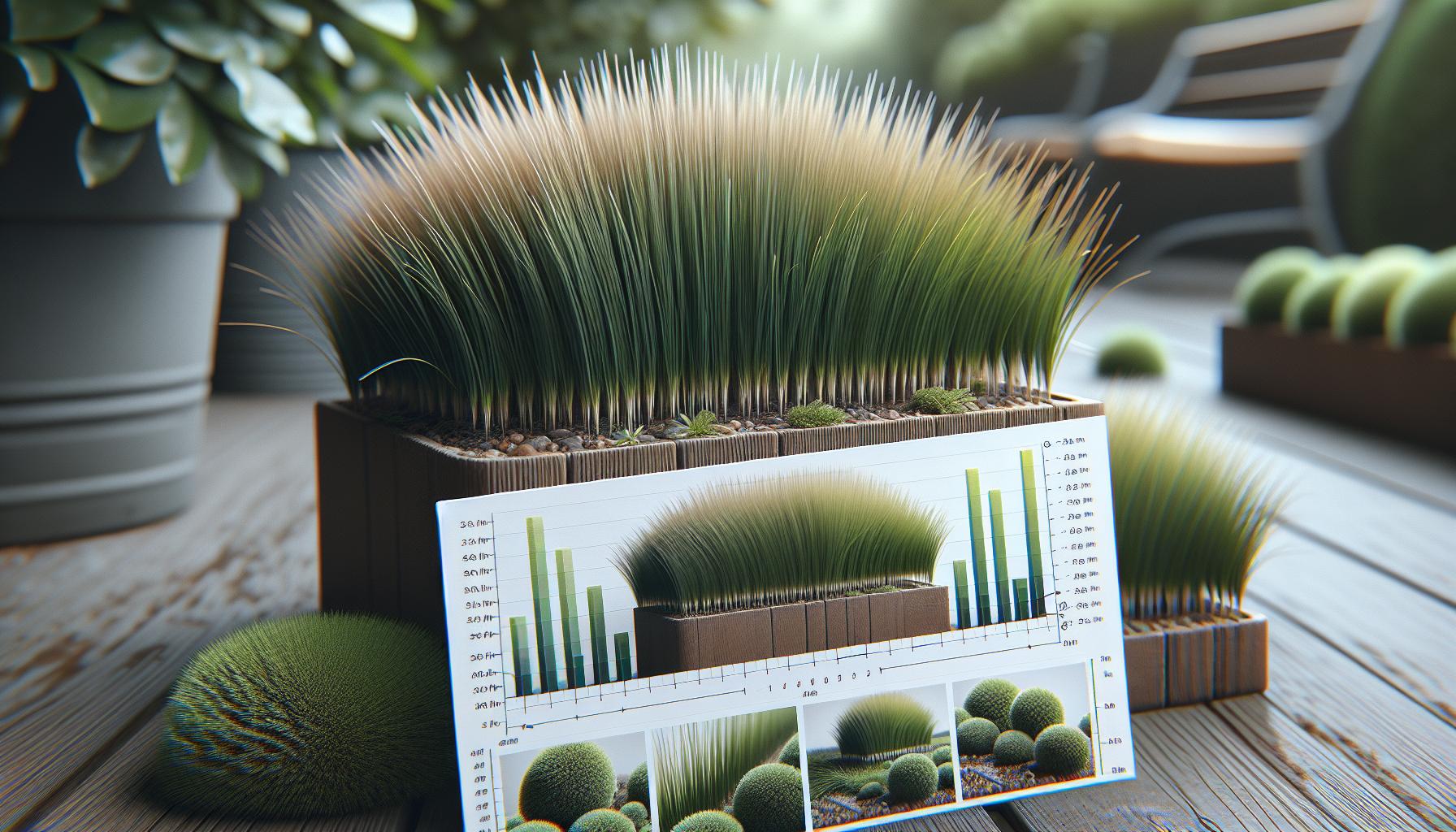
Ideal Soil Conditions for Monkey Grass
Liriope muscari, commonly known as monkey grass, thrives in a variety of soil conditions, making it an appealing choice for both novice and experienced gardeners alike. This resilient plant can adapt to diverse environments, but understanding its soil preferences can truly unlock its potential in your landscape. Monkey grass favors well-drained soils, especially those enriched with organic matter. A blend of loamy soil with compost or peat can create the ideal environment for robust growth, allowing the plant to establish deep roots and flourish.
While monkey grass is quite forgiving when it comes to soil quality, it does best in moderately fertile conditions. Soils that retain some moisture yet drain excess water effectively are the sweet spot for this evergreen favorite. If your garden soil is overly sandy or clay-heavy, consider amending it with organic materials to enhance texture and fertility. Not just a one-size-fits-all plant, monkey grass can tolerate poor soil conditions, which makes it a great option for urban gardens where soil quality might be compromised.
It’s also important to monitor moisture levels, especially in shaded areas where the soil can stay damp for longer periods. Regular watering during dry spells will help support the healthy growth of monkey grass, particularly in the early stages after planting. Incorporating a layer of mulch not only conserves moisture but also aids in temperature regulation, creating a more stable environment for the roots to thrive. This attention to soil conditions will reward gardeners with lush, vibrant growth that enhances any garden design.
In summary, while monkey grass exhibits impressive adaptability, providing a well-drained, organic-rich soil environment will optimize its growth, leading to a lush carpet of foliage that not only enhances aesthetic appeal but also supports local wildlife. Whether you’re designing a shaded retreat or a sun-soaked landscape, keeping these soil conditions in mind will ensure your monkey grass thrives beautifully.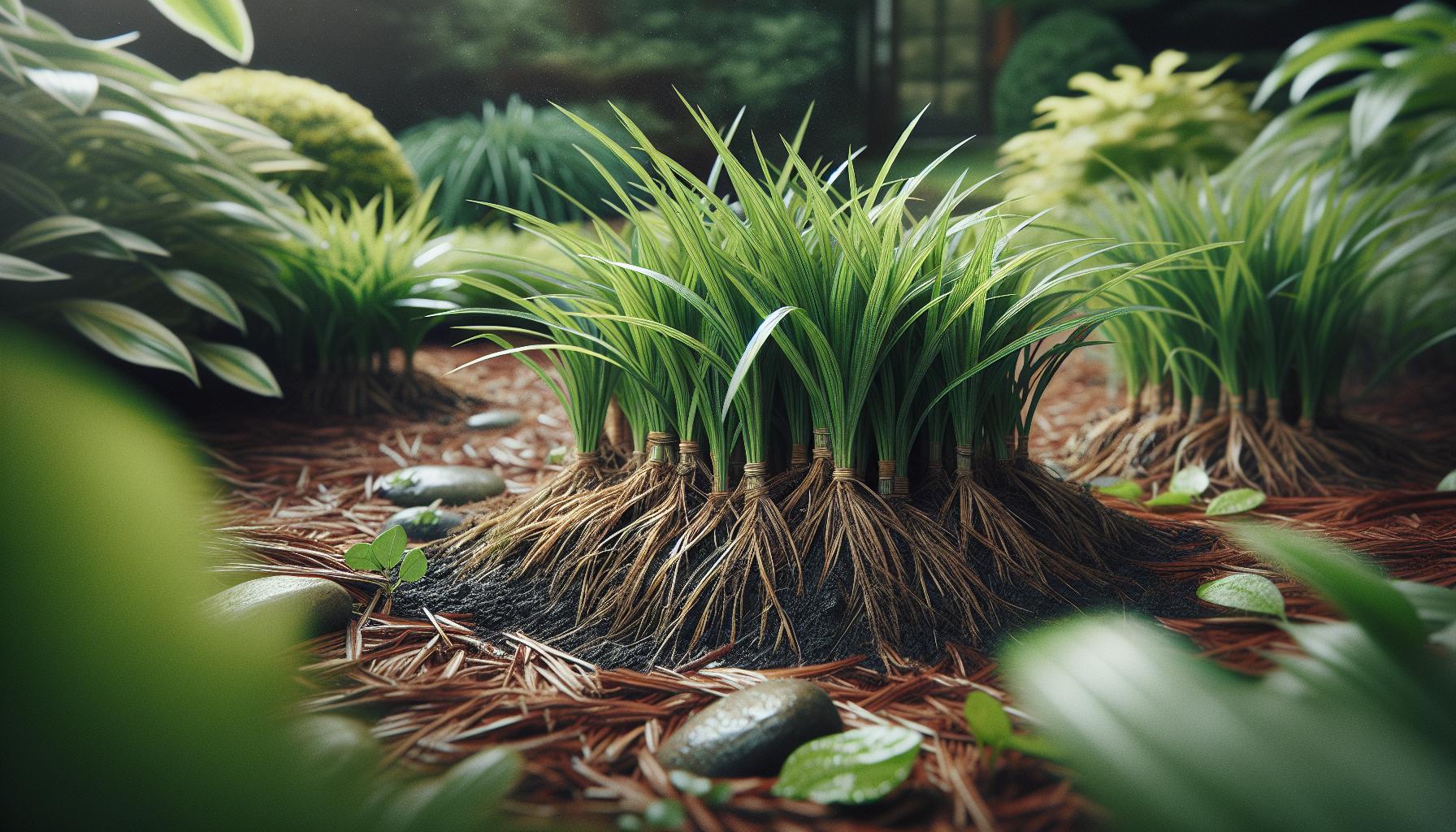
Planting Monkey Grass: Step-by-Step Guide
Planting monkey grass can be a fulfilling endeavor, especially when you consider its ability to thrive in shady areas. This resilient ground cover not only adds lush greenery to your garden but also helps with soil stability and erosion control. To get started on your planting journey, follow this step-by-step guide that leads you through each essential stage.
Begin by selecting the right location. Monkey grass (Liriope muscari) prefers partial to full shade, making it ideal for those challenging spots where sunlight seldom reaches. Observe the area throughout the day to understand how much sun it receives, and choose a spot that gets at least 4 hours of indirect sunlight daily. Once you’ve identified the perfect planting site, it’s time to prepare the soil. Clear any existing weeds or debris, and loosen the soil to a depth of about 12 inches, ensuring good aeration and drainage.
Next, enrich the soil with organic matter. Mixing in compost or well-rotted manure can significantly enhance nutrient availability and improve the soil structure, which is particularly beneficial when planting in shaded areas where water retention can be an issue. After preparing the soil, you can begin planting. Create small holes that are twice as wide as the root ball of the monkey grass but no deeper than the height of the roots. Space the plants about 12-18 inches apart to allow them room to spread and fill in over time.
As you place the plants in their holes, gently backfill with soil, ensuring the crown of the plant is level with the soil surface. Water thoroughly after planting to help the soil settle and eliminate air pockets. It’s essential to maintain consistent moisture, especially during the early weeks as the roots establish themselves. To help retain moisture and suppress weeds, consider adding a layer of mulch around the base of the plants, but keep it away from direct contact with the leaves to prevent rot.
With these steps in mind, you are well on your way to creating a verdant patch of monkey grass that will thrive beautifully in the shade of your garden. Remember, patience is key, as it may take some time for the plants to establish and fully spread. Regular maintenance, such as watering during dry spells and occasional trimming to encourage new growth, will keep your monkey grass looking its best. Happy planting!
How to Care for Monkey Grass in Shaded Areas
Caring for monkey grass in shaded areas can be a gratifying experience, as this vibrant ground cover thrives where many other plants struggle. Monkey grass, or Liriope muscari, is known for its resilience and adaptability, making it perfect for low-light environments. One fascinating fact is that while it loves the shade, too much darkness can stifle its growth. A sweet spot of partial shade, where the plant receives filtered sunlight, leads to lush foliage and abundant blooms.
To keep your monkey grass healthy, consistent moisture is key, especially during dry spells. The shaded environment can sometimes retain moisture longer, but it’s still important to check the soil regularly. Water the plants whenever the top inch of soil feels dry. This not only helps establish a robust root system but also encourages vibrant green leaves and flowering spikes. Mulching around the base can further regulate moisture levels, suppressing weeds and promoting a healthier environment for growth.
Trimming is another essential part of care, particularly in shaded areas where leaves may become overgrown or develop fungal issues due to humidity. A good practice is to trim back monkey grass in early spring before new growth begins. This task not only keeps the area tidy but also stimulates vigorous new growth. If you notice any yellowing leaves, be sure to remove them to maintain the plant’s health and aesthetic appeal.
When considering companion plants, look for species that also enjoy shade, such as hostas or ferns, which can create a beautiful layered effect in your garden. This pairing not only enhances the visual interest but also complements the lush backdrop that monkey grass provides. By following these care tips, you’ll foster a thriving patch of monkey grass that brightens up even the shadiest corners of your yard.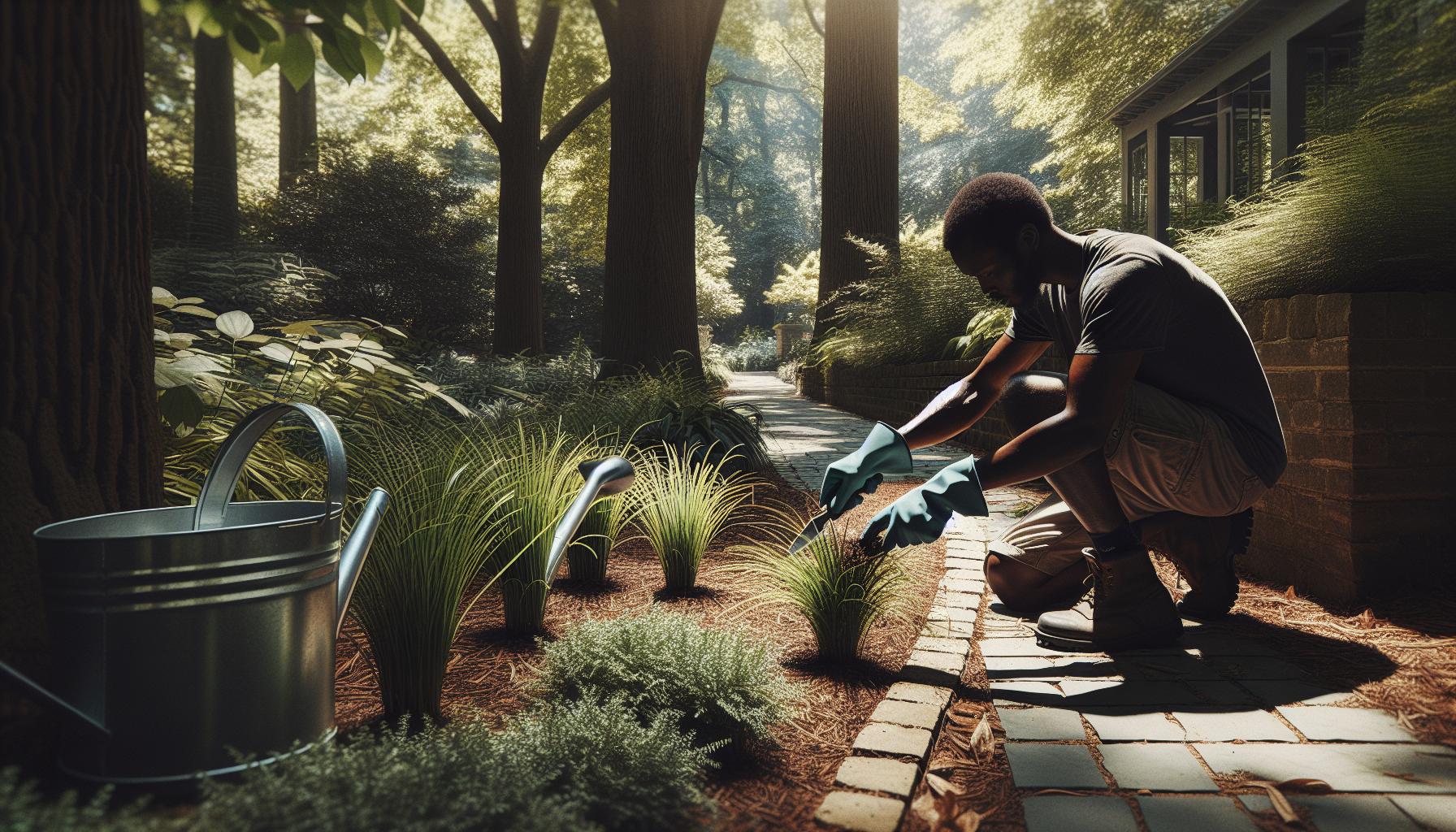
Common Problems with Monkey Grass in Shade
Despite its hardy reputation, monkey grass can encounter challenges when grown in shaded conditions. One common issue is insufficient light, which can lead to leggy growth and reduced flowering. While Liriope muscari prefers partial shade, heavy shade beneath dense tree canopies might hamper its ability to photosynthesize effectively. This results in weak, stretched-out plants that may exhibit a less vibrant color. Observing your plants and adjusting their placement, if possible, to provide them with dappled sunlight can make a significant difference in their overall health.
Another prevalent concern is disease, particularly fungal infections. The environment in shaded areas often retains moisture longer, creating a perfect breeding ground for issues like leaf spot or crown rot. Keeping the foliage dry, particularly during watering, is crucial. If you notice yellowing leaves or a powdery residue,及时 remove the affected areas and improve airflow around the plants. Regular trimming in early spring not only tidies the garden but also helps prevent fungal problems by allowing better air circulation.
Pest infestations can also take a toll on monkey grass. While they are generally resilient, these plants can still attract pests such as slugs or mealybugs, especially in damp, shaded areas. Implementing a watchful eye can prevent these nuisances. If you notice signs of pests, like irregular holes in the leaves or a sticky residue, prompt action is required. You can use organic insecticidal soap or introduce beneficial insects to manage pest populations effectively.
Lastly, nutrient depletion is a concern in shaded gardens. The competition for nutrients from nearby tree roots can starve your monkey grass. To combat this, consider adding a layer of compost annually to enrich the soil and support healthy growth. This practice not only helps your plants thrive but also contributes to the overall ecosystem of your garden. Understanding these common problems allows gardeners to apply targeted solutions and keep their monkey grass lush and attractive, even in challenging conditions.
Companion Plants That Pair Well with Monkey Grass
Monkey grass, or Liriope muscari, is not only a resilient ground cover but also a fantastic companion to a variety of other plants, especially in shaded areas where light conditions may be less than optimal. Pairing monkey grass with the right companions can enhance your garden’s aesthetics while promoting healthier growth for all plants involved.
One excellent companion for monkey grass is the Hosta. With their broad, lush leaves and beautiful flowers, hostas thrive in similar shady conditions and can provide a striking contrast to the fine-textured foliage of monkey grass. They come in a variety of colors and sizes, allowing you to create a dynamic visual effect in your garden. Plus, hostas tend to appreciate the same level of moisture, so watering needs align seamlessly.
Another great match is Astilbe, a flowering perennial that adds vibrant color to your shade garden. The feathery blooms of astilbe flourish in the same conditions as monkey grass, creating an interesting layered effect. As astilbe blossoms in the summer, it contributes both color and texture, combining beautifully with the green backdrop of monkey grass to create a lush, lively garden scene.
Consider adding Ferns as well. Varieties like the Japanese painted fern or maidenhair fern can thrive in the dappled light that monkey grass prefers. Their delicate fronds add a softness that contrasts elegantly with the sturdiness of monkey grass, making them a perfect foil. Ferns also help retain soil moisture and improve the microclimate in your garden, which benefits all nearby plants.
For a pop of color, Coral Bells (Heuchera) offer an exciting range of foliage colors, from deep burgundy to vibrant green. These perennial plants do well in shady areas and can create a vibrant tapestry alongside monkey grass. Their flowers, which bloom in spikes above the leaves, attract pollinators, adding life to your garden while providing an eye-catching display against the ground cover.
In summary, by thoughtfully selecting companions like hostas, astilbe, ferns, and coral bells, you can create a stunning and flourishing shaded landscape. Each plant brings something unique to the garden, enhancing not just their beauty but also supporting each other’s growth in a harmonious ecosystem.
Seasonal Maintenance Tips for Healthy Monkey Grass
When it comes to maintaining a vibrant and healthy patch of monkey grass, or Liriope muscari, seasonal care is key. This resilient ground cover is known for its adaptability, thriving even in less-than-ideal light conditions, but it still needs a little TLC throughout the year to reach its full potential. Engage with your garden as it transitions through the seasons, and you’ll find that nurturing monkey grass is not only beneficial but also surprisingly rewarding.
In spring, as the weather warms, it’s time to give your monkey grass a fresh start. Start by cutting back last year’s dead foliage to allow new growth to emerge unencumbered. This rejuvenation process not only promotes better airflow but also enhances the overall appearance of your landscape. After trimming, consider a light application of a balanced slow-release fertilizer to support growth. Aim for a formula that contains equal parts nitrogen, phosphorus, and potassium to ensure comprehensive nutrient availability.
As summer rolls in, be mindful of watering needs, particularly in shaded areas where moisture retention can vary. Water your monkey grass deeply but less frequently; aim for about an inch of water per week, either from rainfall or supplementary irrigation. This helps establish strong roots. Additionally, keep an eye out for weeds, which can compete for nutrients and moisture. Mulching around your plants with organic materials such as shredded bark or wood chips can suppress weeds while keeping the soil moist.
When fall arrives, it’s time to prepare your plants for the cooler months ahead. You can continue to remove any dead or yellowing foliage to maintain a neat appearance. If your monkey grass has developed a dense growth habit, consider dividing some clumps to prevent overcrowding and to propagate new plants. This can be done every few years, helping to maintain vigorous growth. Prior to winter, a final fertilizer application can fortify the plants and help them withstand the cold.
Finally, during winter, while monkey grass is quite hardy, mulching is still beneficial. A 2-3 inch layer of mulch can protect the roots from freeze-thaw cycles and provide insulation. As temperatures drop, be patient and allow the plants to rest. This period of dormancy is vital for a healthy rebound come spring, setting the stage for vibrant growth as the cycle begins again. By engaging in these seasonal maintenance practices, you can enjoy a lush and thriving carpet of monkey grass that enhances your garden’s beauty year after year.
Identifying the Right Varieties of Monkey Grass
The world of monkey grass, or Liriope muscari, boasts a variety of forms, each offering unique benefits for gardens, particularly in shaded areas. Understanding the differences between these varieties will not only enhance your garden’s aesthetic but also ensure you choose the best fit for your specific conditions. Some popular types include *Liriope muscari*, commonly known as big blue lilyturf, and *Liriope spicata*, known as creeping lilyturf. Both thrive in low-light conditions, but they bring distinct characteristics that can complement diverse landscaping designs.
- Liriope muscari: This type features upright, arching green leaves and produces striking purple flower spikes in late summer. It’s particularly valued for its clumping growth habit, making it a great choice for borders or as a standalone ground cover in shaded areas. Its resilient nature allows it to flourish even with minimal sunlight.
- Liriope spicata: In contrast, creeping lilyturf has a more vigorous spreading habit, which can be ideal for filling large, shady expanses quickly. However, gardeners should be cautious, as its tendency to spread can sometimes lead to it overshadowing other plants. It also has similar purple flower spikes, creating a uniform look across different spots in your garden.
- Variegated varieties: If you’re looking to add a pop of color to your shady spots, consider variegated types like *Liriope muscari ‘Gold Band’*. This variety has creamy yellow stripes along its leaves, providing visual interest and brightness compared to solid green varieties, especially important in dimly lit areas.
Choosing the right variety depends on your garden’s layout and your aesthetic preferences. If you have a large space that needs coverage quickly, *Liriope spicata* may be your go-to. For smaller, more manicured gardens where form and structure are key, opt for the slower-growing *Liriope muscari*. Whatever you choose, these hardy plants will thrive in low light, helping to create lush and vibrant ground cover that requires minimal maintenance while adding charm to your shady corners.
Creative Landscaping Ideas Using Monkey Grass
Monkey grass, or Liriope, is a versatile plant that not only thrives in shady environments but also offers various landscaping opportunities to enhance your garden’s appeal. One captivating way to utilize monkey grass is to create striking borders around flower beds or pathways. When placed along sidewalks or garden edges, the lush green foliage of Liriope provides a beautiful contrast to colorful blooming plants, guiding the eye seamlessly through your outdoor space. For instance, pairing Liriope muscari with bright annuals like petunias or begonias can create a stunning visual effect, especially in areas with filtered sunlight.
Another inventive approach is to use monkey grass as a ground cover in woodland gardens or under established trees. The hardy nature of Liriope allows it to flourish even with dappled light, filling in the gaps and preventing soil erosion while adding texture to the landscape. To create interest, consider mixing different varieties together. The upright growth habit of Liriope muscari can be intermixed with the spreading nature of Liriope spicata, allowing for dynamic layers in your garden design. This combination can enhance the visual depth of shaded areas, making them feel more vibrant and alive.
Additionally, monkey grass can be an excellent choice for container gardening. Versatile and adaptable, it grows well in pots, allowing you to create mobility in your garden design. Place containers filled with Liriope on patios, decks, or even in shaded corners of your yard to bring greenery and a dash of color where traditional planting might be difficult. The added benefit of potting Liriope is the freedom to incorporate different companion plants, such as ferns or shade-tolerant flowering plants like hostas, creating a mini garden that’s specifically tailored to your taste.
In conclusion, whether you use monkey grass for borders, as a ground cover, or in containers, its ability to thrive in low-light conditions makes it a remarkable choice for enhancing shaded landscapes. Embrace the unique versatility of Liriope, and watch your garden transform into a beautifully lush sanctuary.
When to Fertilize and Water Your Monkey Grass
Watering and fertilizing monkey grass requires a thoughtful approach to ensure this resilient plant thrives, even in shaded areas. One key aspect to remember is that Liriope prefers consistent moisture but does not tolerate soggy soil. This means watering should be done when the top inch of soil feels dry to the touch. During the hotter months, particularly in summer, you might need to increase the frequency of watering, whereas, during cooler seasons or in periods of higher rainfall, you can reduce it. A good rule of thumb is to aim for about 1 inch of water per week, either from rainfall or supplemental irrigation.
When it comes to fertilization, timing is crucial. Applying a balanced, slow-release fertilizer in early spring just as new growth begins can set your monkey grass up for season-long success. This initial feeding will promote robust growth and vibrant foliage. If you’re growing in a shaded environment, where nutrients may be slower to break down in the soil, consider a second application in mid-summer to boost the plant’s vigor as it heads into the fall.
Furthermore, it’s important to use the right type of fertilizer. Look for one with a nutrient ratio such as 10-10-10 to provide balanced nutrition. Don’t be tempted to over-fertilize; too much can lead to excess foliage at the expense of flowers, which are a charming feature of certain Liriope varieties. In addition, mulching around your monkey grass can help retain moisture, suppress weeds, and improve the overall health of the soil, creating an ideal environment for growth.
By paying attention to these watering and fertilization guidelines, your monkey grass will not only survive in the shade but will also flourish, adding lush greenery to your shaded garden spaces.
Troubleshooting: Reviving Struggling Monkey Grass
Reviving a struggling patch of monkey grass can often feel like a daunting task, but with a little observation and care, you can coax it back to life. One of the first steps is to assess its surroundings. Liriope, commonly known as monkey grass, prefers well-drained soil and moderate sunlight, but too much shade or moisture can lead to issues like root rot. If your plant appears wilted or discolored, it’s crucial to check the soil. Stick your finger into the soil a couple of inches down-if it feels soggy, it may be time to adjust your watering schedule, as these plants thrive in consistently moist, not waterlogged, conditions.
Once you’ve addressed water levels, evaluate the light conditions. Monkey grass can tolerate some shade, but if it’s too dark for too long, you might notice a decline in vigor. Look for ways to increase light exposure without completely relocating your plants. This might involve pruning back overhanging branches or relocating nearby potted plants that could be blocking sunlight.
<
Feeding and Maintenance
Nutrition plays a vital role in the recovery of your monkey grass. If your plants are looking pale or have stunted growth, consider applying a balanced, slow-release fertilizer. The early spring is the ideal time for this, but a mid-summer boost can help them recover from the stresses of shade. A fertilizer with a ratio like 10-10-10 can provide a balanced nutrient profile that supports overall health. Be cautious not to over-fertilize-less is often more in this case, especially in shaded areas where nutrients are less likely to be swiftly absorbed by the plants.
Lastly, don’t underestimate the importance of mulching. A layer of organic mulch not only helps retain moisture but also suppresses weeds that might compete for the nutrients your monkey grass needs to thrive. If you notice that your plants are still struggling after these adjustments, consider giving them a little space; overcrowding can hinder their growth. Gently dividing overcrowded clumps in the early fall can rejuvenate your patches and allow for better air circulation and moisture retention.
By observing these practices and adjusting accordingly, your monkey grass can bounce back and continue to provide that lush, green appeal, even in the shadier spots of your garden.
Frequently Asked Questions
Q: How much shade can Monkey Grass tolerate?
A: Monkey Grass can tolerate partial shade, ideally receiving about 3-4 hours of indirect sunlight each day. Although it can survive in more shaded areas, optimal growth occurs in locations that receive some sunlight. Refer to the section on Does Monkey Grass Thrive in Low Light Conditions? for more details.
Q: What type of soil is best for Monkey Grass in shaded areas?
A: Monkey Grass thrives in well-draining, loamy soil that is rich in organic matter. In shaded areas, ensure the soil does not retain too much moisture, as this can lead to root rot. Check out the Ideal Soil Conditions for Monkey Grass section for comprehensive guidance.
Q: Can Monkey Grass survive in full shade?
A: Monkey Grass can survive in full shade, but its growth may be sparse and less vigorous. While it can tolerate low light, it benefits from at least some sunlight. For tips on enhancing growth, see How to Care for Monkey Grass in Shaded Areas.
Q: How do I plant Monkey Grass in low light?
A: To plant Monkey Grass in low light, choose a well-drained location, dig a hole, and amend the soil with organic matter if needed. Ensure the plants are spaced adequately to allow air circulation. For detailed planting steps, refer to Planting Monkey Grass: Step-by-Step Guide.
Q: What are common pests affecting Monkey Grass in shady conditions?
A: Common pests include grasshoppers and snails, which can thrive in shaded, moist environments. Regularly check the plants and apply organic pest control methods if necessary. For a deeper dive into plant issues, see Common Problems with Monkey Grass in Shade.
Q: Is Monkey Grass low maintenance for shaded areas?
A: Yes, Monkey Grass is low maintenance, particularly in shaded areas. It requires minimal watering and can thrive without regular fertilization once established. For ongoing care tips, visit Seasonal Maintenance Tips for Healthy Monkey Grass.
Q: How do I revive struggling Monkey Grass in a shaded area?
A: To revive struggling Monkey Grass, assess sunlight exposure, improve soil drainage, and adjust watering habits. Pruning damaged leaves can also help stimulate new growth. For troubleshooting advice, check out Troubleshooting: Reviving Struggling Monkey Grass.
Q: Can I mix Monkey Grass with other plants in shaded areas?
A: Yes, Monkey Grass pairs well with other shade-tolerant plants like hostas and ferns. Combining varieties can enhance landscape aesthetics. For a complete list of compatible plants, see Companion Plants That Pair Well with Monkey Grass.
Closing Remarks
If you’re looking to create a lush, green landscape with monkey grass, remember that while it can thrive in partial shade, providing some sunlight will greatly enhance its growth. Start your planting journey today to transform those tricky shady spots into vibrant areas of your garden. For more tips and tricks on enhancing your outdoor space, check out our guides on “Best Ground Covers for Shade” and “How to Care for Monkey Grass.”
Don’t forget to subscribe to our newsletter for regular updates and gardening tips straight to your inbox! Have questions or want to share your own experiences with monkey grass? Drop a comment below-we love hearing from you! Your lush, shaded garden awaits you; take the next step and explore more of our resources to help your plants thrive.
Get our latest guides, news, and insights highlighted in your Google Search & AI Overviews.