Did you know that flying squirrels are fascinating creatures with incredible gliding abilities, making them a delight for many animal enthusiasts? If you’re considering adding one to your family, understanding the costs involved is essential. From initial purchase prices to ongoing care expenses, knowing how much a flying squirrel truly costs can help you make a responsible and informed decision. This captivating guide will walk you through the various factors influencing the price, such as their diet, habitat needs, and even common veterinary care, ensuring potential owners are well-equipped to provide a loving home for these unique pets. So, let’s dive into the real costs of owning a flying squirrel and discover if this enchanting animal is the right fit for you and your lifestyle!
How Much Do Flying Squirrels Cost?
While flying squirrels are undeniably adorable, owning one comes with a price tag that goes beyond the initial purchase. On average, the cost of a flying squirrel can range from $150 to $300, depending largely on the breeder and the specific type of squirrel. However, this initial investment is just the tip of the iceberg when it comes to the total cost of ownership.
Factors Influencing Flying Squirrel Prices
Several factors can influence the price of a flying squirrel. These include:
- Breeder Reputation: Renowned breeders often charge more for their squirrels due to high demand and quality upbringing.
- Location: Prices can vary regionally; urban areas might see higher costs due to increased demand.
- Species and Age: Rare species or younger squirrels may command higher prices.
In addition to the purchase price, potential owners should consider the ongoing costs of care.
Hidden Costs of Owning a Flying Squirrel
These can add up quickly and may include:
- Diet and Nutrition: Flying squirrels require a specialized diet, which can cost approximately $20 to $40 per month.
- Housing Needs: A proper cage can range from $100 to $400, depending on size and features.
- Veterinary Care: Regular check-ups and potential treatments can cost up to $300 annually.
- Socialization and Enrichment: Toys and play items are vital; budgeting another $50 to $100 per year is wise.
In summary, while the initial purchase of a flying squirrel is a straightforward expense, it’s essential to budget for the overall care and well-being of your pet to ensure a happy and healthy companion.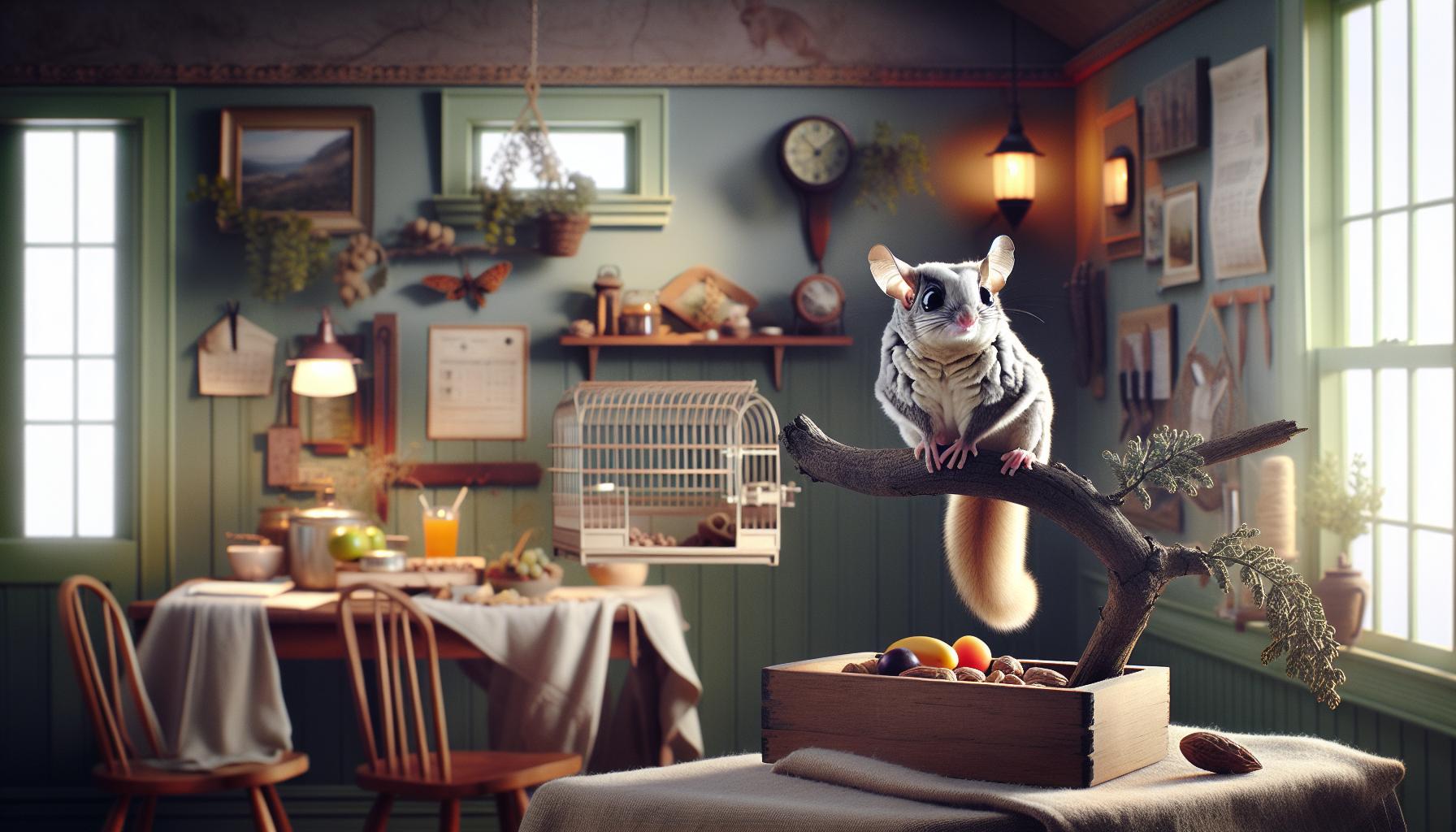
Factors Influencing Flying Squirrel Prices
Flying squirrels are delightful little creatures, known for their ability to glide gracefully through the air, captivating the hearts of many pet enthusiasts. However, the decision to bring one into your home isn’t solely an emotional one; various factors significantly impact their price. Understanding these influences can help potential owners make informed decisions about their new companion.
One of the primary factors affecting the cost of flying squirrels is the reputation of the breeder. Reputable breeders often charge higher prices due to their commitment to responsible breeding practices and the health of their animals. They typically invest in proper care and genetics, ensuring that the squirrels are well-adjusted and free of common health issues. Consequently, buying from an established breeder may be more expensive initially, but it often leads to a happier and healthier pet.
Location also plays a crucial role in price variation. Urban areas tend to have higher living costs and greater demand for pets, which can drive prices up. For example, you might find flying squirrels priced higher in cities compared to rural areas. This local demand often reflects the availability of exotic pet enthusiasts willing to invest in unique pets as well. Additionally, the species and age of the flying squirrel can influence the price. Certain species are rarer and more sought after, commanding premium prices. Similarly, younger squirrels may be more expensive as they require more intensive care during their early developmental stages.
Lastly, it’s essential to factor in the ongoing costs associated with flying squirrels. While the initial purchase price is a key consideration, prospective owners should also think about the long-term financial commitment that includes diet, housing, and healthcare. This thorough understanding ensures that you are not only prepared for the upfront cost but also for the overall investment in your pet’s well-being over its lifetime.
Initial Purchase Price: Where To Buy
Finding the perfect flying squirrel can be an exciting adventure, but understanding where to buy one is crucial to ensure that your new companion starts off on the right foot-or paw! A flying squirrel’s initial purchase price can range significantly based on several factors, including the breeder’s reputation, the location of the sale, and the age or species of the squirrel. It’s essential to approach this search with careful consideration and a commitment to responsible ownership.
When looking for a flying squirrel, it’s best to seek out reputable breeders who prioritize the health and welfare of their animals. These breeders often raise their squirrels in appropriate conditions, ensuring they are well socialized, healthy, and free from common genetic issues. Although paying a premium for a squirrel from a reputable source may seem steep initially, it’s a worthwhile investment that can lead to a happier pet and fewer problems down the road. Prices from responsible breeders can typically range from $100 to $300 or more, depending on these factors.
Another option is to check exotic pet stores that specialize in small animals. While the selection at pet stores may vary, some offer flying squirrels and can provide you with immediate access to necessary supplies. However, be cautious; it’s vital to ask about the animal’s health history and whether the store maintains ethical breeding practices. Prices in pet stores might be comparable to breeders, but doing your homework on the store’s reputation is essential.
You may also consider adopting from a rescue organization. While flying squirrels are less commonly found in shelters, some rescues focus on exotic pets and may have flying squirrels available for adoption. Adoption fees are generally lower, often ranging from $50 to $150, and this option gives a loving home to a squirrel in need.
In summary, the initial cost of a flying squirrel depends greatly on where you choose to buy. Prioritize ethical sources, whether through a breeder, pet store, or rescue, to ensure you are supporting responsible practices while bringing joy into your home. Remember, this decision goes beyond just the purchase price; being a responsible pet owner means being prepared for ongoing care and commitment.
Hidden Costs of Owning a Flying Squirrel
Owning a flying squirrel can be a delightful experience, but it’s important to be aware of the costs that go beyond the initial purchase price. These charming little creatures require significant investment in both time and resources, making it crucial for potential owners to thoroughly understand the hidden costs involved in caring for them.
Firstly, consider the cost of specialized nutrition. Flying squirrels have unique dietary needs that may include fresh fruits, vegetables, and high-quality pellets. Over time, these food expenses can add up, especially if you choose organic or premium products to ensure your pet’s health. On average, preparing a proper diet can cost anywhere from $15 to $30 a month, depending on the quality of food you select.
Another factor to think about is housing needs. While the initial cost of a high-quality cage can range from $100 to $500, remember that you’ll need to furnish it with climbing toys, hammocks, and other enrichment items that encourage natural behaviors. Regular replacement of these accessories, as well as potential upgrades as your pet grows and its needs change, can easily lead to additional expenses of $50 to $150 annually.
Veterinary care is another significant ongoing cost. Routine check-ups, vaccinations, and unforeseen health issues can lead to substantial veterinary bills. Expect to set aside at least $200 to $300 per year for regular check-ups, with emergency visits potentially costing much more. It’s essential to find a vet familiar with exotic pets, as not all veterinarians have the expertise needed to care for flying squirrels.
Lastly, consider the cost of socialization and enrichment activities. Flying squirrels are social animals and thrive on interaction. This can include spending quality time with them, purchasing toys, or even investing in classes or workshops to understand their behavior better. The cost here varies, but budgeting an additional $100 to $200 annually for toys and enrichment supplies is a good starting point.
In conclusion, while buying a flying squirrel may involve a straightforward purchase price, the hidden costs can be substantial. Understanding these elements will help you be a more prepared and responsible owner, ensuring that your new pet remains happy and healthy throughout its life.
Diet and Nutrition: Budgeting for Your Pet
Providing the right diet for your flying squirrel is crucial to keeping them happy and healthy. These little acrobats are omnivorous, meaning they require a balanced diet that includes fruits, vegetables, nuts, seeds, and specialized pellets formulated for their needs. Feeding them improperly can lead to various health issues, so it’s essential to commit to a consistent and nutritious feeding routine.
A monthly budget for your flying squirrel’s diet typically ranges from $15 to $30. This expense can vary based on the quality of food you choose. A well-rounded diet includes:
- Fresh fruits: Apples, bananas, berries, and other seasonal fruits are great for treats and nutrition.
- Vegetables: Leafy greens, carrots, and bell peppers provide vital vitamins and minerals.
- High-quality pellets: Look for high-protein options specifically designed for flying squirrels or small parrots.
- Nuts and seeds: Almonds and sunflower seeds can be offered in moderation as a protein-packed snack.
It’s advisable to avoid feeding them heavily processed foods, sugary treats, or anything toxic like chocolate or avocado.
Moreover, consider the importance of supplementation. Many flying squirrel owners incorporate calcium and vitamin supplements, especially if the natural diet lacks variety. This could add another $5 to $10 per month to your budget. Regularly rotating fruits and vegetables will not only keep meals interesting for your pet but also ensure they receive a wide range of nutrients.
Investing time in meal preparation and planning can significantly benefit the health of your flying squirrel while helping you stay on budget. Preparing meals in advance allows you to buy in bulk, reducing costs over time. By understanding their dietary needs, you’re not just keeping your flying squirrel well-fed-you’re also enhancing their quality of life and longevity.
Housing Needs: Cages and Accessories
Providing an enriching living space for your flying squirrel is essential for its health and happiness. These inquisitive little creatures are naturally climbers and gliders, so their housing needs reflect this acrobatic lifestyle. Investing in a spacious cage with vertical height is crucial; ideally, your flying squirrel’s home should be at least 30 inches tall and 18 inches wide. A well-designed cage will not only accommodate their energetic antics but also promote their overall well-being.
Cage Options
When selecting a cage, consider the following features:
- Horizontal bars: Ensure the bars are close enough together (no more than ½ inch apart) to prevent escapes and safely contain curious little paws.
- Multiple levels: A multi-tiered cage provides more climbing opportunities and space for activities, making it easier to keep your flying squirrel entertained.
- Easy access: Look for cages with large front doors or removable trays for easy cleaning and access to your pet.
Expect to spend anywhere from $100 to $300 for a quality cage, depending on size and features.
Accessories for Comfort and Enrichment
Alongside the cage, consider various accessories that enhance your flying squirrel’s environment:
- Soft bedding: Opt for safe, non-toxic bedding like aspen shavings, paper-based products, or fleece liners to provide a cozy retreat.
- Climbing structures: Branches, ropes, or shelves can help mimic their natural habitat, allowing them to explore and exercise.
- Toys: Provide chew toys made from safe materials to satisfy their natural instinct to gnaw and keep their teeth healthy.
Budget around $50 to $100 for accessories to set up a stimulating environment that keeps your flying squirrel engaged and happy.
In summary, creating a suitable home for your flying squirrel requires thoughtful consideration of space and stimulation. A well-equipped cage and abundant accessories contribute not only to the physical health of your pet but also to its emotional well-being. Understanding and meeting these housing needs is a significant step towards responsible ownership and can deepen the bond between you and your new furry friend.
Veterinary Care: Regular Check-Ups and Treatments
Regular veterinary care is essential for keeping your flying squirrel healthy and happy. Just like dogs and cats, these little creatures require routine check-ups to ensure they are thriving. Regular visits to an exotic animal vet can help catch potential health issues early, allowing for prompt treatment. Imagine your flying squirrel as a tiny gymnast; their natural agility might mask underlying problems that could go unnoticed without professional attention.
During these check-ups, vets will typically perform a thorough examination, checking for common conditions that affect flying squirrels, such as dental issues or respiratory infections. The cost of these routine visits can range from $50 to $100, depending on your location and the specific veterinary clinic you choose. Some situations may require additional diagnostic tests, such as blood work, which can add to the total bill but is invaluable for preventive care.
Vaccinations and Treatments
Vaccination is another crucial aspect of your flying squirrel’s health regimen. While not all flying squirrels require vaccinations like conventional pets, some vets may recommend preventive treatments against common parasites. For example, treating for fleas or mites can range from $20 to $50. Additionally, if your flying squirrel experiences any health issues-be it an injury or illness-the cost for treatments can escalate quickly. Expect to pay anywhere from $100 to several hundred dollars based on the type of treatment required.
Choosing the Right Vet
Finding a vet with experience in exotic animals is vital. Reach out to local pet owners or animal care communities to get recommendations. A vet familiar with the unique needs of flying squirrels will provide tailored advice on diet, nutrition, and care specific to their species.
Owning a flying squirrel can be a rewarding experience, but it’s important to factor in the cost of regular veterinary care as part of your long-term financial commitment. Being prepared for these expenses will help ensure your furry companion stays healthy and happy for years to come.
Socialization and Enrichment: Keeping Them Happy
Flying squirrels are highly social creatures that thrive on interaction, making their socialization and enrichment needs pivotal for their overall well-being. These fascinating animals not only enjoy companionship with their human caretakers but also require mental stimulation and physical activity to prevent boredom, which can lead to behavioral issues. Creating a rich and engaging environment is crucial for your flying squirrel’s happiness and health.
To ensure your flying squirrel feels secure and socially fulfilled, consider incorporating a variety of play opportunities into their daily routine. Regular interaction through playtime can help build a strong bond between you and your pet. You might choose to use toys like tunnels, climbing structures, and even simple household items such as cardboard boxes to inspire creativity and exploration. Remember, these creatures are natural gliders, so they relish the chance to leap and glide from surface to surface. You can enhance their play area by enabling a safe environment that includes perches and soft landing spots to mimic their natural behaviors.
Moreover, socialization isn’t just about play; it extends to bonding moments that include gentle handling and interaction. Spend time allowing your flying squirrel to explore their surroundings-inside a secure space while supervised. This not only builds trust but also helps them become accustomed to human interaction. For those considering multiple flying squirrels, it’s beneficial to introduce them gradually to avoid territorial disputes. When correctly socialized, flying squirrels are not only affectionate but can be incredibly entertaining companions, showcasing their playful antics as they interact with each other and their environment.
In addition to physical items, providing cognitive enrichment is equally essential. Rotate toys regularly to keep the environment novel and exciting for your flying squirrel. Incorporate puzzle feeders that challenge them and reward them with treats for their efforts. Such mental stimulation can significantly increase their well-being, mirroring the diverse environments they would encounter in the wild. Engaging in enriching activities will not only satisfy their natural instincts but also foster a happier, healthier pet.
Embracing these practices will go a long way in ensuring your flying squirrel is not only entertained but feels loved and secure in their home. This commitment to their socialization and enrichment is an essential aspect of responsible ownership, ensuring a fulfilling life for your airborne friend.
DIY vs. Store-Bought: Cost-Effective Care Solutions
When it comes to caring for flying squirrels, pet owners often face the choice between DIY care solutions and buying store-bought products. Each option has its merits and can greatly influence the overall cost and quality of care for these delightful creatures. For instance, crafting your own toys and habitats can significantly reduce expenses while fostering creativity in play. Items around your home, like cardboard boxes, paper towel rolls, and old blankets, can be repurposed into climbing structures and hideaways that your flying squirrel will love. Not only does this save money, but it also allows you to customize their environment to suit their natural behaviors.
On the flip side, store-bought products often come with the assurance of quality and safety. For example, specialized flying squirrel cages are designed to accommodate their unique gliding ability and social needs, providing various levels and perches that DIY solutions might lack. Buying commercially available toys ensures they’re made from safe materials and often includes features to stimulate your pet mentally and physically. Investing in a few key items, such as interactive toys or climbing nets, can be worth the upfront cost when considering the long-term benefit to your flying squirrel’s happiness.
It’s wise to strike a balance between the two approaches. Consider starting with a robust set of store-bought essentials for their habitat, such as a proper cage and feeding accessories, then gradually incorporate DIY elements to enhance their environment. Keep in mind that enriching your flying squirrel’s life doesn’t necessarily have to break the bank. Simple, engaging activities can be both budget-friendly and educational, providing an avenue for bonding. Whether you’re making homemade toys or carefully selecting store-bought items, the goal is to create a dynamic, engaging habitat where your flying squirrel can thrive.
Ultimately, the best solution may be a mix of both worlds, where careful planning and creativity meet safety and convenience, ensuring your flying squirrel lives a happy and fulfilling life.
Is a Flying Squirrel Right for You?
Imagine having a tiny, gliding companion who flits around your home with the playful spirit of a flying acrobat. Flying squirrels have become increasingly popular pets due to their adorable appearance and engaging behaviors. However, before deciding to invite one of these enchanting creatures into your life, it’s crucial to consider if they are the right fit for you.
Flying squirrels are social animals that thrive on interaction. They bond closely with their human caregivers but require plenty of attention daily. If you’re away from home for long periods or prefer a low-maintenance pet, a flying squirrel may not be ideal. They need time outside their cages for exercise and socialization, as well as mental stimulation through games and toys. If you lead a busy lifestyle, consider whether you can dedicate time each day to keep your squirrel healthy and happy.
Another important factor is space. Flying squirrels require ample room to explore and glide, ideally in a multi-level cage and a safe, spacious area for playtime. You’ll need to squirrel-proof your home, removing hazards and creating a stimulating environment filled with climbing opportunities and enrichment. If you live in a small apartment or don’t have a safe area for them to roam, it might be difficult to fully meet their needs.
Lastly, owning a flying squirrel comes with legal considerations. Before making any decisions, check your local laws regarding pet ownership. Some areas have restrictions or require permits for exotic pets. Understanding these regulations will help you avoid any legal troubles down the road.
Bringing a flying squirrel into your life can be a rewarding adventure if you’re prepared for the commitment. Make sure to weigh all these factors carefully to ensure you can provide the love, attention, and care that these unique pets deserve.
Legal Considerations and Permits for Ownership
Owning a flying squirrel can be a magical experience, but it’s essential to navigate the maze of regulations that govern their ownership. Not every state or municipality allows residents to keep flying squirrels as pets, given their exotic nature. In some regions, specific permits may be needed to own them legally, while others may outright ban them as pets. Therefore, the first step on your journey should involve thorough research into the laws that apply in your area.
Check with your local wildlife agency or animal control for detailed regulations. Some states, like California, restrict exotic pet ownership without a special permit. In contrast, others might impose less stringent requirements. Keeping an illegal pet can result in hefty fines or confiscation, so knowing the laws beforehand is crucial. Here are a few tips to guide you:
- Contact local authorities: Verify regulations regarding ownership. This might include municipal, county, or state regulations.
- Consider zoning laws: Even if flying squirrels are allowed, your specific area or housing association might have its own restrictions.
- Educational permits: Some states may require permits for educational purposes or a specific type of license if bred.
Understanding the legalities also extends beyond initial ownership. If you’re planning to travel with your flying squirrel, different states may have varying regulations regarding transporting them across state lines. Additionally, if you intend to breed them, you’ll often need a specific breeder’s license or adhere to strict breeding regulations, which can include health assessments of the animals.
As you immerse yourself in the world of flying squirrels, consider consulting with local exotic pet groups or online communities. They can provide invaluable insights about legal obligations and share their experiences with obtaining the necessary permits. Remember, while the allure of having a flying squirrel as a pet is strong, a responsible owner ensures they abide by all legal standards, promoting both the animal’s well-being and the surrounding community’s peaceful coexistence with wildlife.
Long-Term Financial Commitment: Planning Ahead
Owning a flying squirrel is a delightful adventure, but it’s important to understand the financial commitment involved. These charming critters can bring joy, but their care over the long term requires careful budgeting. When considering the costs, think of it not just as an initial purchase, but as an ongoing commitment that can extend over a decade or more.
The purchase price of a flying squirrel itself can range from $150 to $400, depending on the breeder and the squirrel’s age and coloration. However, this is only the beginning. You’ll need to factor in the costs of suitable housing, which can include a sizable cage, climbing structures, and bedding-all of which can tally up to several hundred dollars. Additionally, ongoing costs such as high-quality food, treats, and litter need to be included in your budget. High-protein diets like pellets, nuts, fruits, and vegetables can easily add up to $30 to $50 per month.
Veterinary care is another significant expense. Regular check-ups and potential health issues can result in veterinary bills that range from $50 to several hundred dollars annually. It’s wise to set aside a portion of your budget for emergency care as well; costs for unexpected health issues can escalate quickly. Additionally, consider the costs associated with socialization and enrichment, like toys and interactive experiences, which can further add to your monthly expenditure.
To ensure you’re prepared for this commitment, creating a long-term financial plan is essential. Having a clear understanding of these ongoing costs can help you make an informed decision about whether a flying squirrel is the right pet for you. By planning ahead, you can provide a fulfilling life for your new furry friend, ensuring they receive the appropriate care without financial strain.
FAQ
Q: What are the ongoing costs of owning a flying squirrel?
A: The ongoing costs of owning a flying squirrel include their diet, veterinary care, and housing maintenance. Expect to budget around $30 to $50 per month for food and supplies, plus regular vet check-ups, which can cost $100 to $200 annually. Be sure to factor in additional expenses like enrichment items.
Q: How long do flying squirrels live as pets?
A: Flying squirrels can live 8 to 15 years in captivity with proper care. This is an important consideration when planning for the long-term commitment of owning one. Their lifespan can be influenced by diet, habitat, and health care.
Q: Can flying squirrels be litter trained?
A: Yes, flying squirrels can be litter trained, but it requires patience and consistency. Using a specific area in their cage with suitable litter will encourage them to use that spot. Training them early on is beneficial for maintaining cleanliness.
Q: Are flying squirrels suitable for first-time pet owners?
A: Flying squirrels can be challenging for first-time pet owners due to their social needs and specialized care requirements. They require daily interaction and enrichment to thrive, meaning they are better suited for owners who have experience with exotic pets.
Q: What legal considerations should I be aware of before getting a flying squirrel?
A: Legal considerations vary by region. In some places, owning a flying squirrel may require special permits or licenses. Always check state and local regulations before purchase to ensure compliance with wildlife laws.
Q: What size cage do I need for a flying squirrel?
A: A suitable cage for a flying squirrel should be at least 2 feet wide, 2 feet deep, and 3 feet tall. It should provide enough space for climbing and play. Ensure it has horizontal bars and platforms for enrichment.
Q: What type of diet is best for a flying squirrel?
A: A balanced diet for flying squirrels includes premium pellets, fresh fruits, and vegetables, as well as occasional nuts. It’s crucial to avoid feeding them processed human food to maintain their health. Regularly offering varied foods will help with a balanced diet.
Q: How do I socialize a flying squirrel?
A: To socialize a flying squirrel, handle them gently and frequently from a young age. Use treats to create positive associations with human interaction. Spend time daily interacting with them to foster trust and reduce the likelihood of biting or fear.
In Conclusion
Now that you have a clear understanding of the costs associated with owning a flying squirrel, you can make an informed decision about whether this charming pet is right for you. Remember, the investment goes beyond just the initial purchase-careful budgeting for habitat setup, nutrition, and health care is essential. If you’re considering adding a flying squirrel to your home, don’t wait! Explore our detailed guides on housing requirements and dietary needs to ensure you’re fully prepared.
For more insights, check out our articles on “Top 5 Exotic Pets for Beginners” and “Caring for Your Flying Squirrel: A Complete Guide.” Subscribe to our newsletter for tips on responsible pet ownership and exclusive content. Your comments are welcome-share your thoughts, experiences, or questions below! Dive deeper into the fascinating world of exotic pets and join our community of wildlife enthusiasts.
Get our latest guides, news, and insights highlighted in your Google Search & AI Overviews.