Did you know that flying squirrels can glide over 150 feet through the air? These enchanting creatures are not only adorable but also make fascinating pets when cared for properly. If you’re interested in adding a flying squirrel to your family, it’s essential to understand their unique needs, behaviors, and the legal considerations in your area. This buying guide will help you navigate the process of finding the right flying squirrel for you, ensuring that you provide a loving and suitable environment for your new companion. Discover everything from their habitat requirements to dietary preferences, and explore reputable sources where you can adopt or purchase these delightful pets. Whether you’re a seasoned exotic animal owner or a curious newcomer, our guide will equip you with the knowledge you need to make informed decisions and prioritize the well-being of these incredible animals. Let’s take flight into the world of flying squirrels!
Where to Find Flying Squirrels for Sale
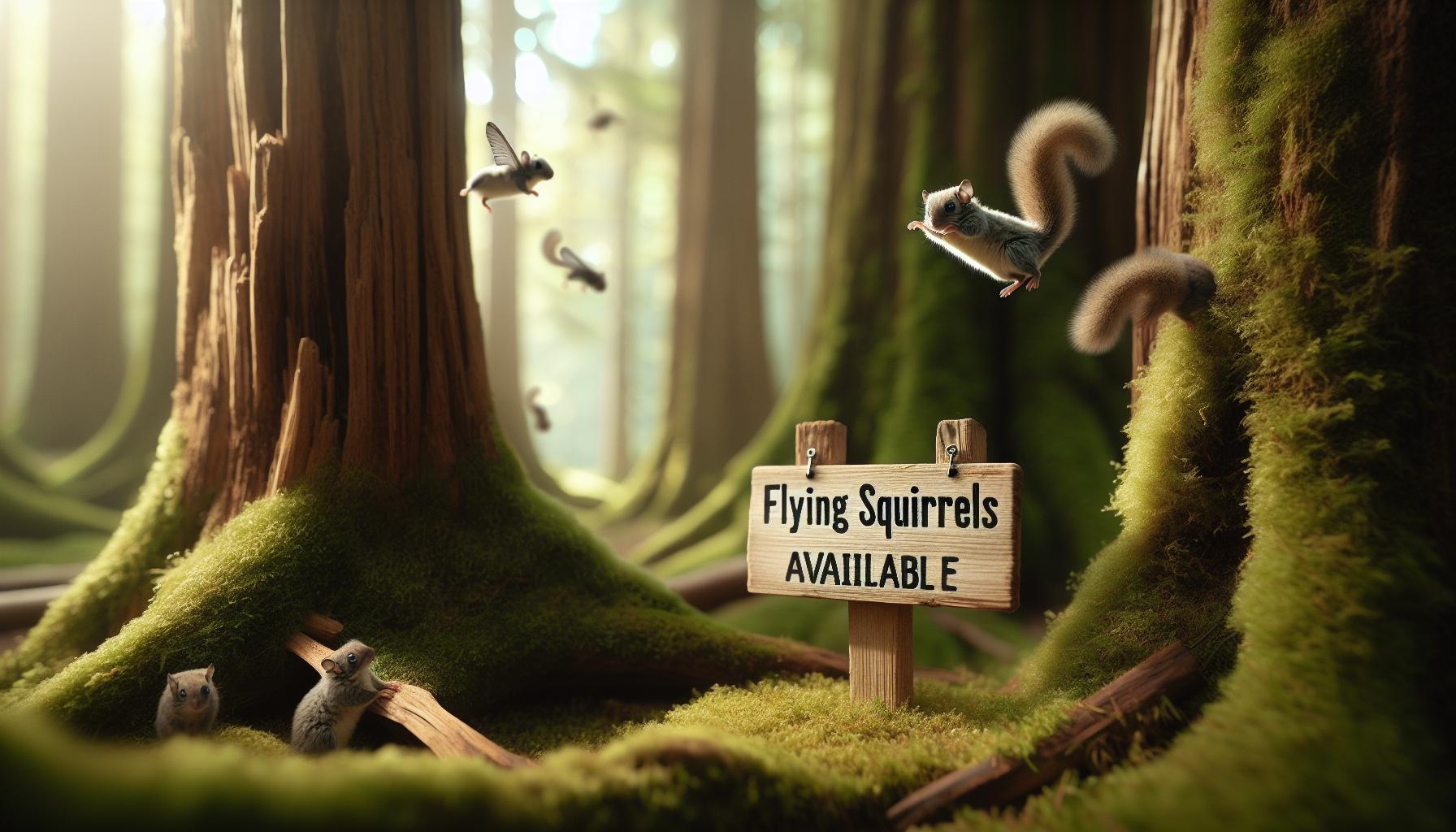
Finding a flying squirrel to bring into your home can be an exciting adventure, especially given their charming personalities and unique qualities. These adorable creatures, known for their ability to glide gracefully from tree to tree, have captivated many animal lovers. When looking to add one of these furry friends to your family, knowing where and how to search is vital.
A good starting point is to check local exotic pet breeders and rescues. Many reputable breeders specialize in flying squirrels, ensuring that they are healthy, well-socialized, and accustomed to human interaction. It’s essential to do your homework: look for breeders who prioritize animal welfare and are transparent about their breeding practices. Reputable breeders often provide a health guarantee and are willing to share information about the care and background of the animals.
Online platforms and forums dedicated to exotic pet ownership can also be valuable resources. Websites like social media groups or exotic pet forums allow you to connect with other enthusiasts. Here, you can gain insights from current owners, recommendations for ethical breeders, or even find flying squirrels available for adoption. Just make sure to verify the legitimacy of the listings and ensure that any animal you consider has been ethically sourced.
When searching, be mindful of the local laws regarding private ownership of flying squirrels, as regulations vary by state or region. Ensuring that you are legally permitted to own a flying squirrel will save you from potential complications down the road.
In addition to breeders, consider checking with animal shelters or rescue organizations. Although less common, some shelters may have flying squirrels that need new homes. Rescued flying squirrels often come with their own set of challenges, but they can offer a deeply rewarding experience for someone willing to invest the time and care needed. Always prioritize adopting over buying whenever possible to help give these animals a second chance.
Understanding the Legalities of Owning a Flying Squirrel
Before welcoming a flying squirrel into your home, it’s crucial to navigate the maze of legal regulations surrounding their ownership. These adorable creatures, while captivating and unique pets, are subject to varying laws and restrictions depending on where you live. Different states and municipalities may have specific rules, licensing requirements, or outright bans on keeping flying squirrels as pets, making it essential to do your homework.
Checking Local Laws
Start by investigating your local regulations. Many areas require permits for exotic pets, while others prohibit ownership altogether. A simple online search or a visit to your state’s wildlife agency can provide clarity on the legalities involved. For example, states like California and New York have stringent laws regarding exotic pet ownership, including flying squirrels. Make sure to review the legal stipulations carefully before making a commitment.
Consider Conservation and Ethics
Beyond legality, consider the ethical implications of owning a flying squirrel. These animals are wild at heart, and capturing them for pet ownership can have ecological impacts. It’s preferable to adopt from rescues or buy from reputable breeders who prioritize the well-being of their pets and adhere to ethical breeding practices. This helps ensure you are supporting responsible ownership and conservation efforts in your area.
The Importance of Documentation
When you find a suitable source for your flying squirrel, ensure that the seller provides necessary documentation, which may include health guarantees and proof of the animal’s legal status. Having this information not only protects you as a pet owner but also supports responsible practices in exotic pet ownership. Proper documentation ensures that you are adopting or purchasing a healthy animal while adhering to local laws.
By prioritizing these considerations, you can ensure that your journey into flying squirrel ownership is both lawful and ethical, allowing you to enjoy the companionship of these delightful creatures responsibly.
Choosing the Right Breeder: What to Look For

Finding the right breeder for a flying squirrel is crucial for ensuring you bring home a healthy and well-adjusted pet. The excitement of welcoming these adorable creatures into your life should go hand-in-hand with responsible sourcing, making it essential to do your research. A reputable breeder not only prioritizes the health of their animals but also their emotional and social well-being. In this guide, we’ll outline key factors to consider when selecting a breeder, helping you make an informed choice for your future furry companion.
One of the first things to look for in a breeder is transparency. A responsible breeder will be open about their breeding practices, health screening, and the specific lineage of their flying squirrels. Don’t hesitate to ask questions about how they care for their animals and the conditions in which they are raised. A good breeder will provide information on the socialization of their squirrels and the environment they grow up in, which greatly impacts their behavior and temperament. If the breeder is hesitant or unwilling to share this information, it may be a red flag.
Another important aspect is health and care assurances. A reputable breeder should offer health guarantees and be willing to provide veterinary records, including vaccinations and health screenings. Look for breeders who have regular check-ups for their animals and can demonstrate that they’re following best practices for animal care. Additionally, consider their response to health issues that may arise; they should be prepared to assist you or at least provide guidance.
You’ll also want to assess the environment in which the squirrels are raised. If possible, visit the breeder’s facility to see the living conditions for yourself. Is the space clean, safe, and spacious? Are the animals well cared for and socialized? A nurturing environment will lead to healthier flying squirrels that are more likely to thrive in a home setting. Pay attention to the interaction between the breeder and the pets; positive engagement is a sign that the squirrels are being handled with care and affection.
Lastly, don’t overlook the personal recommendations and reviews from other flying squirrel owners. Online forums, social media groups, and exotic pet communities can be excellent resources for recommendations and feedback. Hearing from other enthusiasts who have firsthand experience with a particular breeder can give you insights that are not always evident from an initial visit or conversation.
By keeping these considerations in mind, you can ensure that your choice of breeder aligns with responsible practices and leads to a positive flying squirrel ownership experience. In doing so, you’ll not only provide a wonderful home for your new pet but also contribute to the ethical treatment and sustainable practices within the exotic pet community.
Assessing the Cost of Flying Squirrels
The price of a flying squirrel can vary significantly depending on several factors including the breeder, the squirrel’s age and lineage, and the region in which you live. Generally, you can expect to pay anywhere from $150 to $400 for a healthy, domesticated flying squirrel. However, keep in mind that the initial cost is just one part of the financial commitment involved in owning one of these charming critters.
When calculating the total cost of ownership, consider the ongoing expenses associated with their care. A flying squirrel requires a well-equipped cage, which can range from $100 to $300. Additionally, food, bedding, and toys will add to your monthly budget. High-quality rodent pellets, fresh fruits, and nuts are essential for their diet, potentially costing around $30 to $50 per month. Routine veterinary care, including check-ups and vaccinations, should also be factored into your costs, which can run from $50 to $150 annually.
Hidden Costs
Apart from the upfront costs, be mindful of other potential expenditures. Flying squirrels benefit from companionship and mental stimulation, so investing in playtime and socialization is important. You might find yourself spending on enrichment toys or even a second squirrel, as they thrive on social interaction.
Another key factor is potential emergency veterinary costs, which can be unexpected and quite high, ranging from $100 to $1,000 depending on the nature of the issue. Therefore, it is wise to establish a budget that accommodates both routine care and unforeseen circumstances to ensure you can provide the best home for your flying friend.
Making this commitment requires thorough financial planning, but the joy a flying squirrel can bring into your life is well worth the investment. By understanding the full range of costs involved, you can prepare adequately to ensure your new pet is healthy, happy, and provided for in all aspects of its care.
Essential Supplies for Your New Flying Squirrel
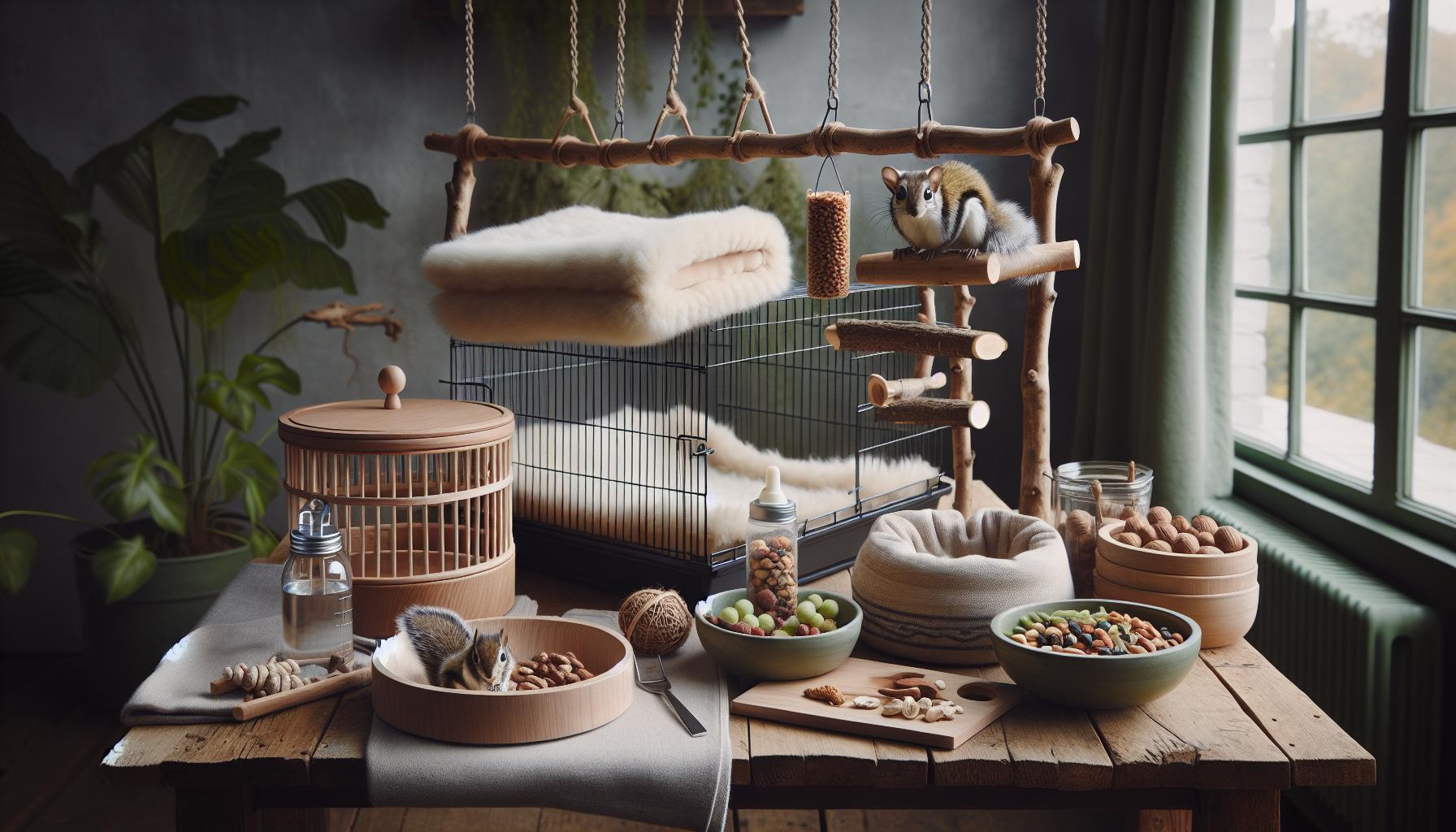
To provide your new flying squirrel with a happy and healthy environment, gathering the right supplies is essential. These adorable creatures need more than just a cage and food; they require specific items to thrive. First and foremost, a spacious and enriching habitat is crucial. Look for a large cage that allows for climbing and gliding, as flying squirrels are naturally active and playful. Consider a multi-level cage with platforms, hammocks, and plenty of space for toys-this setup mimics their natural forest environment.
In addition to a suitable cage, you’ll need bedding materials such as recycled paper bedding or aspen shavings, which are safe and comfortable for lounging and nesting. Keep your squirrel entertained with a variety of toys, including branches, climbing ropes, and chew toys, to satisfy their natural instinct to gnaw and explore. Providing items like tunnels or foraging toys can stimulate their mental abilities, making playtime a little adventure every day.
Feeding Essentials
A nutritious diet is vital for your flying squirrel’s health. Invest in high-quality rodent pellets as a staple. These should be complemented with fresh fruits and vegetables-think apples, berries, and leafy greens-to provide essential vitamins. You might also treat your furry friend with nuts, but remember to do so in moderation as these are high in fat.
Health and Wellness Supplies
Routine healthcare essentials are equally important. Make sure you have a small travel carrier for vet visits and emergency situations. Additionally, it’s wise to have a basic first-aid kit ready, including items like sterile gauze, antiseptic, and safe pain relief (consult your vet for specifics). Regular vet check-ups are part of responsible ownership, so budgeting for these visits is a necessity.
By curating these critical supplies, you’ll create a fulfilling home for your flying squirrel, allowing for bonding, play, and a healthy lifestyle. Remember, these charming creatures thrive on interaction and stimulation, so investing in their environment and care will pay off in a happy, well-adjusted pet.
Understanding the Care Needs of Flying Squirrels
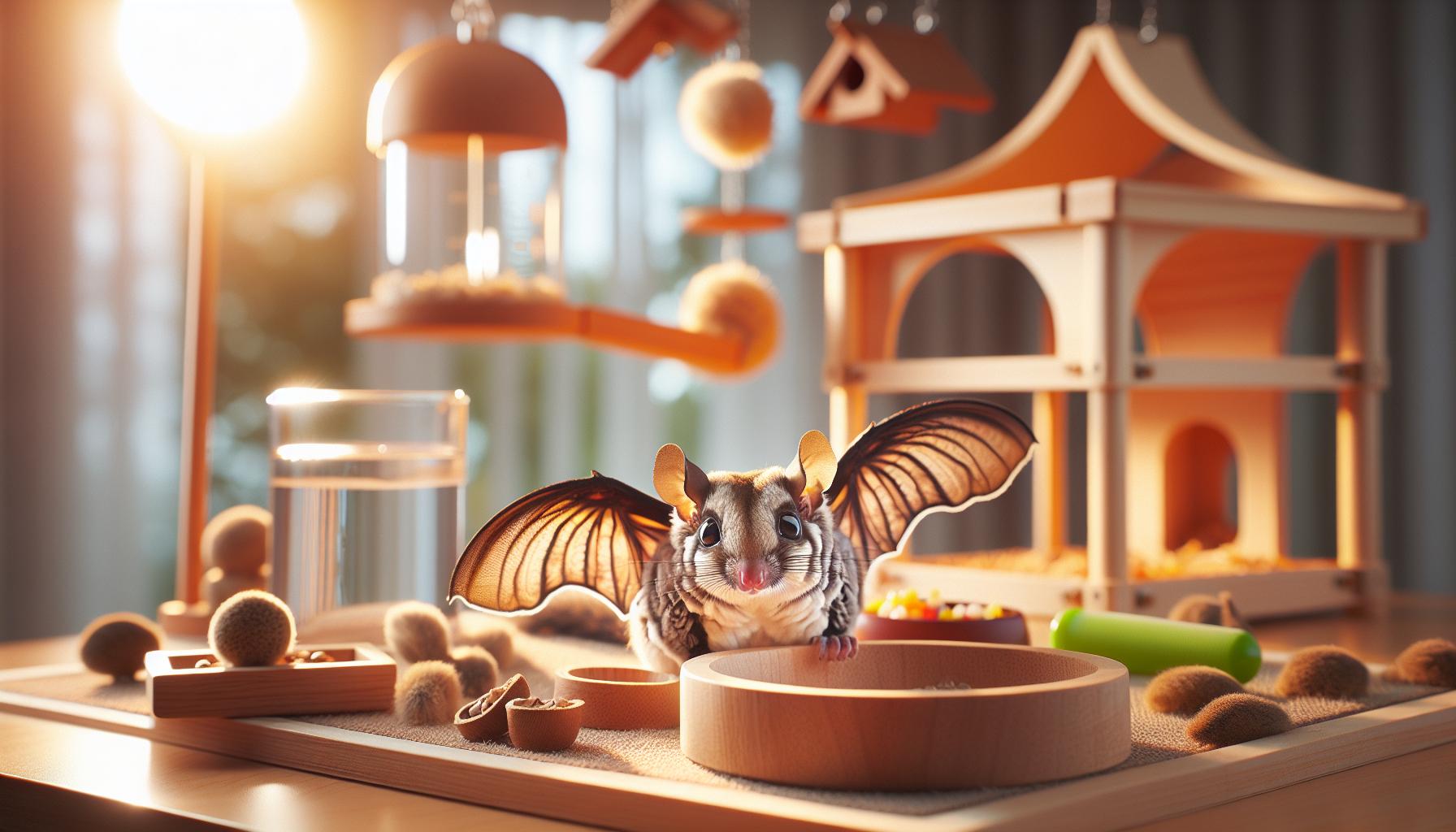
Flying squirrels are not just cute balls of fur; they’re unique pets that require specific care to thrive. Known for their ability to glide through the air, these nocturnal creatures possess an energetic lifestyle that mirrors their wild counterparts. Providing appropriate care involves understanding their social, physical, and dietary needs to ensure they lead happy and healthy lives.
A spacious and engaging environment is crucial. Flying squirrels are highly active and require room to climb, glide, and explore. Their living space should be equipped with multi-level cages featuring ramps, hammocks, and safe materials for chewing. Regularly rotating their toys and adding new ones can stimulate their minds and add excitement to their days. Consider setting aside some time daily for supervised out-of-cage playtime in a secure area; this not only strengthens your bond but also simulates their natural instinct to roam.
Diet is another essential component of flying squirrel care. These small critters thrive on a balanced diet primarily consisting of high-quality, specialized rodent pellets. Supplement their meals with fresh fruits and vegetables like carrots, apples, and leafy greens which provide essential vitamins. It’s important to treat them with nuts occasionally but be mindful of the quantity due to their high-fat content. Providing a variety of food keeps their diet interesting and ensures they receive all necessary nutrients.
Social interaction is key to your flying squirrel’s happiness. These animals are notably sociable, so they benefit greatly from companionship, whether it’s from their human owners or other flying squirrels. Engagement through play, gentle handling, and consistent interaction will help your pet feel secure and loved. As you navigate their care needs, keep in mind that every flying squirrel has its unique personality, so paying attention to their particular preferences and behaviors will help you create a nurturing atmosphere. By catering to their needs and fostering a stimulating environment, you will enjoy the rich rewards of a delightful flying squirrel companion.
Creating a Safe Environment for Flying Squirrels
Creating a safe space for your flying squirrel is essential for its well-being and happiness. These spirited little creatures are natural climbers and gliders, and replicating their wild environment within the confines of your home is key to nurturing their physical and mental health. Imagine a tree filled with branches, ledges, and a cozy nook to retreat to-this is the essence of their habitat needs.
Start by investing in a robust, multi-level cage that allows your squirrel to climb and explore. Look for cages with horizontal bars spaced appropriately to prevent escapes. Inside, incorporate various items such as wooden branches for climbing, multicolored hammocks for resting, and tunnels for curiosity and play. The cage should also include chewable items-like untreated wood or cardboard-to satisfy their instinct to gnaw and promote dental health. Regularly refreshing their environment with new toys will keep your squirrel mentally stimulated, mitigating boredom and destructive behavior.
When it comes to out-of-cage time, safety is paramount. Designate a secure area free from hazards such as open windows and or toxic plants. This allows your flying squirrel to exercise its gliding abilities and explore safely. Supervised playtime not only satisfies their need for movement but also strengthens your bond.
Proper temperature control is another factor to consider. Flying squirrels thrive in moderate temperatures (around 70-75°F) and are particularly sensitive to both extreme heat and cold. Ensure their habitat is located in a stable environment, away from drafts and direct sunlight. Providing a nesting box helps them feel secure. Using soft, natural materials like shredded paper or fabric will create a cozy sanctuary for their downtime, much like the nests they would build in trees.
In summary, to create a safe environment for your flying squirrel, focus on a spacious multi-level cage, engaging toys, secured out-of-cage play areas, and a stable climate. These steps will ensure your new companion thrives and brings joy to your life, mimicking the natural surroundings they would experience in the wild.
Dietary Requirements: Feeding Your Flying Squirrel Right
Feeding your flying squirrel right is crucial for its health and happiness. These little acrobats are omnivores in the wild, enjoying a diverse diet that typically includes fruits, nuts, seeds, and even insects. This natural inclination should guide you in selecting the appropriate food for your pet. A balanced diet will not only promote optimal health but also enhance their vibrant personality.
A solid foundation for their diet involves high-quality commercial pellets specifically formulated for flying squirrels. While these pellets provide essential nutrients, you can also supplement their meals with fresh fruits and vegetables. Ideal options include apples, blueberries, carrots, and leafy greens. Just be sure to wash them thoroughly and cut them into manageable pieces. It’s essential to introduce new foods gradually to avoid digestive upset and to monitor their reactions to various items.
What to Avoid
Certain foods can be harmful to flying squirrels. Here’s a quick list of items to keep off the menu:
- Processed sugars and human snacks
- High-fat foods like bacon or chips
- Citrus fruits like oranges which can upset their stomach
- Chocolate and caffeine
Offering a variety of food helps mimic their natural foraging behavior, keeping them mentally engaged and happy. Always ensure fresh water is available, as hydration is just as vital as nutrition.
Lastly, monitor portion sizes-flying squirrels have a tendency to overeat. A small handful of pellets, a few chopped fruits, and a sprinkling of insects, such as mealworms, typically suffice for daily feeding. This balanced approach, complemented by treats like nuts in moderation, will keep your flying squirrel content and healthy, ready to barrel through the air and bond with you!
Socialization and Bonding Tips for Owners
Building a strong bond with your flying squirrel can be one of the most rewarding aspects of pet ownership. These delightful creatures are incredibly social and thrive on interaction with their human companions. To foster a nurturing relationship, it’s essential to approach your new pet with patience, understanding, and lots of love.
Start by creating a peaceful environment where your flying squirrel feels safe. Quiet spaces with minimal disturbances are ideal for initial bonding. Spend time sitting near their habitat, speaking softly and allowing them to acclimate to your presence. Gradually introduce your scent by placing a piece of clothing in their space. This familiarization helps them associate you with comfort and security.
Once your flying squirrel seems at ease, begin gentle interactions. You can use treats to encourage their adventurous spirit-such as small pieces of fruit or nuts. Place the treats in the open and let them come to you. Over time, you can try offering treats from your hand. This approach not only promotes trust but also establishes a routine of interaction that they will come to look forward to. Be mindful of their body language; if they seem hesitant or stressed, take a step back and give them time.
Create Playtime Opportunities
Flying squirrels are natural climbers and gliders, so incorporating play into your routine is essential for their happiness. You might consider setting up a designated play area where they can explore safely. Use soft surfaces and provide climbing structures like branches or shelves. Allowing them to glide and explore creates a strong bond through shared experiences.
Socializing your flying squirrel isn’t just about direct interaction; it’s also crucial to expose them to various experiences gradually. Exposure to new people or environments can enhance their social skills, making them more adaptable and happy. Always monitor their interactions to ensure they feel secure.
Remember, building a relationship with a flying squirrel is a journey that requires patience and dedication. With dedication and care, you will not only have a joyful companion but also a playful friend who looks forward to adventures with you!
Health Considerations: Keeping Your Flying Squirrel Happy
Caring for a flying squirrel goes beyond just feeding and providing a safe space; maintaining their health is crucial for ensuring they live a happy and fulfilling life. These enchanting creatures, known for their lively nature and graceful gliding, can be susceptible to specific health issues if not cared for properly. With diligent attention to their needs, you can help your flying squirrel thrive.
One essential health consideration is providing a balanced diet. A flying squirrel’s nutrition should be rich in fresh fruits, vegetables, and specially formulated pellets to meet their unique dietary requirements. Avoid processed foods and keep treats like nuts in moderation. Moreover, keeping their diet varied can help prevent obesity, which is a common issue in captive flying squirrels. Regularly consulting with a veterinarian familiar with exotic pets can provide valuable insights into dietary adjustments as your pet ages.
Another significant aspect is ensuring they receive regular vet check-ups. Like all pets, flying squirrels can suffer from dental issues, parasites, or skin problems. Early detection through annual visits can make a significant difference in treatment outcomes. Moreover, they can also receive vaccinations against common conditions, reducing the risk of illness. Ensuring your flying squirrel is examined by a vet who understands their quirks is paramount to their well-being.
Exercise is vital for flying squirrels; inadequate physical activity can lead to depression or obesity. Providing ample opportunities for play and enrichment is essential. You can create an engaging play area filled with branches, tunnels, and toys that stimulate their natural instincts. Regular interactive play sessions not only support their physical health but also strengthen the bond you share with them.
Finally, pay attention to their environmental needs. Flying squirrels thrive in comfortable, clean habitats that mimic their natural setting. Ensure their enclosure maintains optimal temperature and humidity and is filled with enrichment items. Switching up their environment with new toys or rearranging their space can alleviate boredom and contribute to their overall happiness.
By being proactive and informed about these health considerations, you can be a responsible and caring owner, allowing your flying squirrel to enjoy a vibrant and healthy life. With each interaction, you’ll create a joyful experience for both you and your delightful companion!
Fun Facts About Flying Squirrels You Didn’t Know
Flying squirrels are not just adorable with their big, expressive eyes and fluffy tails; they also come with a fascinating set of characteristics that many people might not know about. For those considering bringing home one of these enchanting pets, here are some fun facts that highlight their unique features and behavior.
First off, flying squirrels are not true flyers. Instead of wings, they have a special membrane called a patagium that extends from their wrists down to their ankles, allowing them to glide gracefully from tree to tree with ease. When they leap, they can cover distances of up to 150 feet! This amazing ability not only helps them escape predators in the wild but also allows them to traverse their environments in search of food, such as fruits, nuts, and even fungi.
In addition to their impressive gliding skills, flying squirrels are mostly nocturnal, which means they are primarily active at night. This behavior is a fascinating adaptation that helps them avoid daytime predators while exploiting the nighttime resources of their habitat. If you decide to adopt one, be prepared for a pet that may want to play when you’re winding down for bed!
Another captivating trait is their social nature. Flying squirrels have intricate communication systems and actually don’t fare well in isolation. They produce a variety of sounds ranging from soft whistles to chattering and even barking. This vocalization helps them maintain connections with their peers. Thus, if you’re considering getting one as a pet, you might want to think about adopting more than one to keep them company!
Lastly, contrary to popular misconceptions, flying squirrels are quite affectionate and can bond deeply with their owners. With proper handling and socialization, they can become friendly and engaging companions. Providing plenty of opportunities for play and enrichment will help ensure a happy, well-adjusted flying squirrel that exhibits those endearing, playful behaviors owners often love.
With these delightful insights, are you ready to explore the incredible world of flying squirrels? Not only are they fascinating creatures, but they can also bring joy and companionship to your home, provided you’re equipped with the knowledge and resources needed for responsible ownership!
Common Misconceptions About Flying Squirrel Ownership
Flying squirrels are often misunderstood creatures, and these misunderstandings can lead to misconceptions about their care and suitability as pets. One of the most prevalent myths is that flying squirrels are wild animals that do not adapt well to captivity. Contrary to this belief, with proper socialization and a dedicated environment, flying squirrels can thrive as affectionate companions. They are highly social animals and actually benefit from interaction with their owners, often forming strong bonds much like dogs or cats.
Another common misconception is that flying squirrels are silent and independent pets. In reality, they are quite vocal and have a variety of sounds they use to communicate, including soft whines and barks. These vocalizations are important; they signal their mood and needs. Potential owners should be prepared for a pet that enjoys companionship and is likely to call out for interaction.
People also tend to think that flying squirrels are low-maintenance pets. However, while they may appear cute and cuddly, they require a significant amount of attention, proper diet, and mental stimulation. For instance, their dietary needs are specific-they cannot survive on just nuts and seeds alone; they require a balanced diet that includes fruits, vegetables, and specially formulated pellets. Additionally, enrichment in the form of toys and interaction is crucial for their mental health.
Lastly, many believe that flying squirrels will be easy to care for due to their small size. However, their needs can be quite complex. Setting up a proper habitat is essential; they need ample space to glide and play, along with a safe and stimulating environment to explore. Ignoring these requirements can lead to behavioral issues and stress in the animal. Knowing these facts can help you not only choose the right pet for your lifestyle but also ensure that your flying squirrel lives a happy, healthy life.
Frequently Asked Questions
Q: What should I know before buying a flying squirrel?
A: Before purchasing a flying squirrel, research their legal status in your area, as ownership laws vary. Consider their social needs, habitat requirements, and diet to ensure you can provide proper care. Also, assess if you can commit to their long-term companionship.
Q: Are flying squirrels good pets for beginners?
A: Flying squirrels can be suitable pets for beginners, but they require specific care and attention. They are social animals that thrive on interaction. First-time owners should educate themselves about their needs and ensure they can provide a safe environment.
Q: How much do flying squirrels typically cost?
A: The cost of a flying squirrel can vary widely based on factors like breed and breeder reputation, generally ranging from $100 to $500. Beyond the initial purchase price, budget for ongoing expenses like food, habitat setup, and veterinary care.
Q: What supplies do I need for a flying squirrel?
A: Essential supplies for a flying squirrel include a spacious cage, soft bedding, climbing structures, and dietary needs like pellets and fresh fruits. Consider enriching their environment with toys and hiding spots to promote active play.
Q: Can I find flying squirrels at pet stores?
A: While some pet stores may carry flying squirrels, it’s better to find a reputable breeder or rescue organization. This ensures you get a healthy pet and support ethical breeding practices. Always do thorough research on the seller.
Q: What is the lifespan of a flying squirrel?
A: Flying squirrels typically live between 10 to 15 years in captivity with proper care, diet, and environment. It’s important to prepare for long-term commitment to ensure your pet’s well-being throughout its life.
Q: How do I bond with my new flying squirrel?
A: Bonding with your flying squirrel involves spending time with them daily. Start with gentle handling and allow them to explore your safe space. Offer treats and playtime to build trust and strengthen your relationship.
Q: Where can I find reputable breeders for flying squirrels?
A: You can find reputable breeders for flying squirrels through online forums, exotic pet expos, or local wildlife organizations. It’s vital to read reviews and ask about their breeding practices to ensure you’re dealing with a responsible seller.
Key Takeaways
As you embark on your journey to find the perfect flying squirrel, remember that understanding their behavior, habitat, and care needs is crucial for responsible ownership. With this guide in hand, you’re well-equipped to make informed decisions, ensuring these fascinating creatures thrive in your care. Don’t miss out-start your search today and consider exploring trusted breeders and rescue centers nearby.
If you’re eager to learn more about exotic pets or need tips on creating a conducive environment for your new friend, check out our articles on the Best Small Pets for Beginners and Exotic Pet Care Essentials. Each resource is designed to deepen your understanding and enhance your pet ownership experience.
Join our community of wildlife enthusiasts by signing up for our newsletter, where you’ll receive updates, tips, and insights straight to your inbox. Have questions or experiences to share? We invite your comments below! Your engagement helps foster a friendly, knowledgeable community passionate about responsible pet ownership and wildlife conservation. Happy exploring!
Get our latest guides, news, and insights highlighted in your Google Search & AI Overviews.