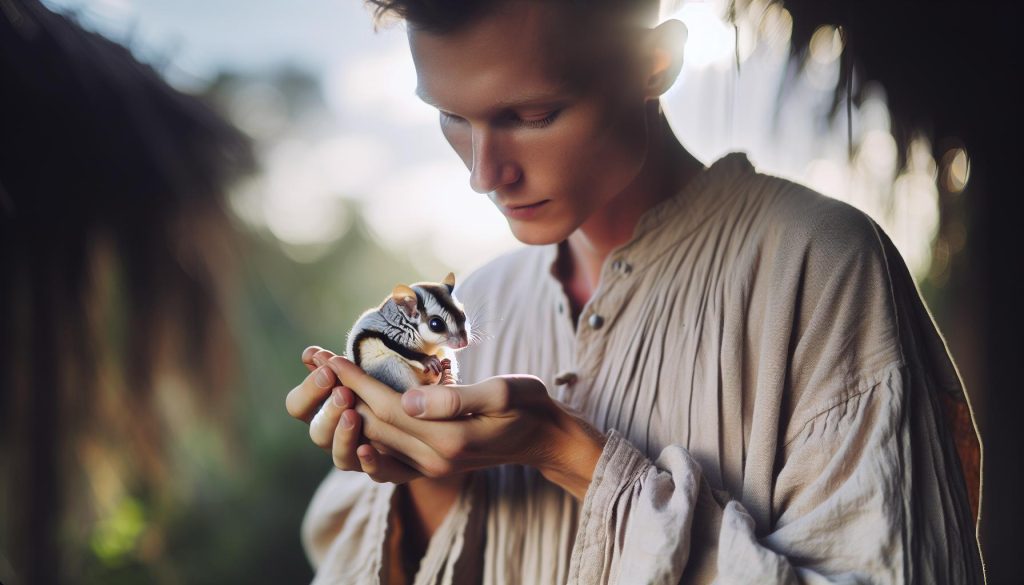
Did you know that baby flying squirrels can glide more than 150 feet in one leap, using their unique membrane to navigate through the treetops? If you’re considering caring for one of these adorable creatures, you’re in for a rewarding adventure! Understanding their delicate needs and behaviors is crucial to ensure they thrive in a domestic setting. From their nutritional requirements to creating a safe environment, every detail matters for their well-being. This guide will walk you through the essential steps to properly care for your baby flying squirrel, addressing common concerns and helping you nurture a happy, healthy pet. So, let’s dive into the fascinating world of flying squirrels and learn how to be the best caretaker for your furry companion!
How to Choose Your Baby Flying Squirrel Ally
Choosing the right baby flying squirrel ally can be an exciting journey filled with joy and companionship. These adorable critters, known for their unique gliding ability and playful nature, require specific considerations to thrive in a domestic environment. When selecting your baby flying squirrel, look for a healthy individual with bright eyes and a clean, vibrant coat. Avoid any that show signs of lethargy or unusual behavior, as these could indicate underlying health issues.
Consider the origin of your baby flying squirrel. Wild-caught squirrels often have a harder time adapting to captivity and may carry diseases. Instead, opt for a baby from a reputable breeder who understands the importance of socialization and early care. The age of the squirrel is also crucial; ideally, you want one that is around 8-12 weeks old, as this is the prime time for bonding and training.
Next, think about the personality traits you desire in your flying squirrel ally. These creatures vary in temperament, with some being naturally more curious and friendly than others. Spend time with potential companions to gauge their reaction to human interaction. A squirrel that approaches you and engages playfully is likely to bond well over time, whereas one that shyly retreats might need more patience and gentle encouragement.
Lastly, ensure you are ready to meet the commitment required for raising a baby flying squirrel. They are incredibly social animals and thrive on interaction, so be prepared to invest time in their care and socialization. Ensuring you have a suitable habitat, engaging toys, and a balanced diet are crucial steps in creating a happy home for your new friend. Taking the time to carefully choose your baby flying squirrel ally will lead to a rewarding relationship that enriches both your lives.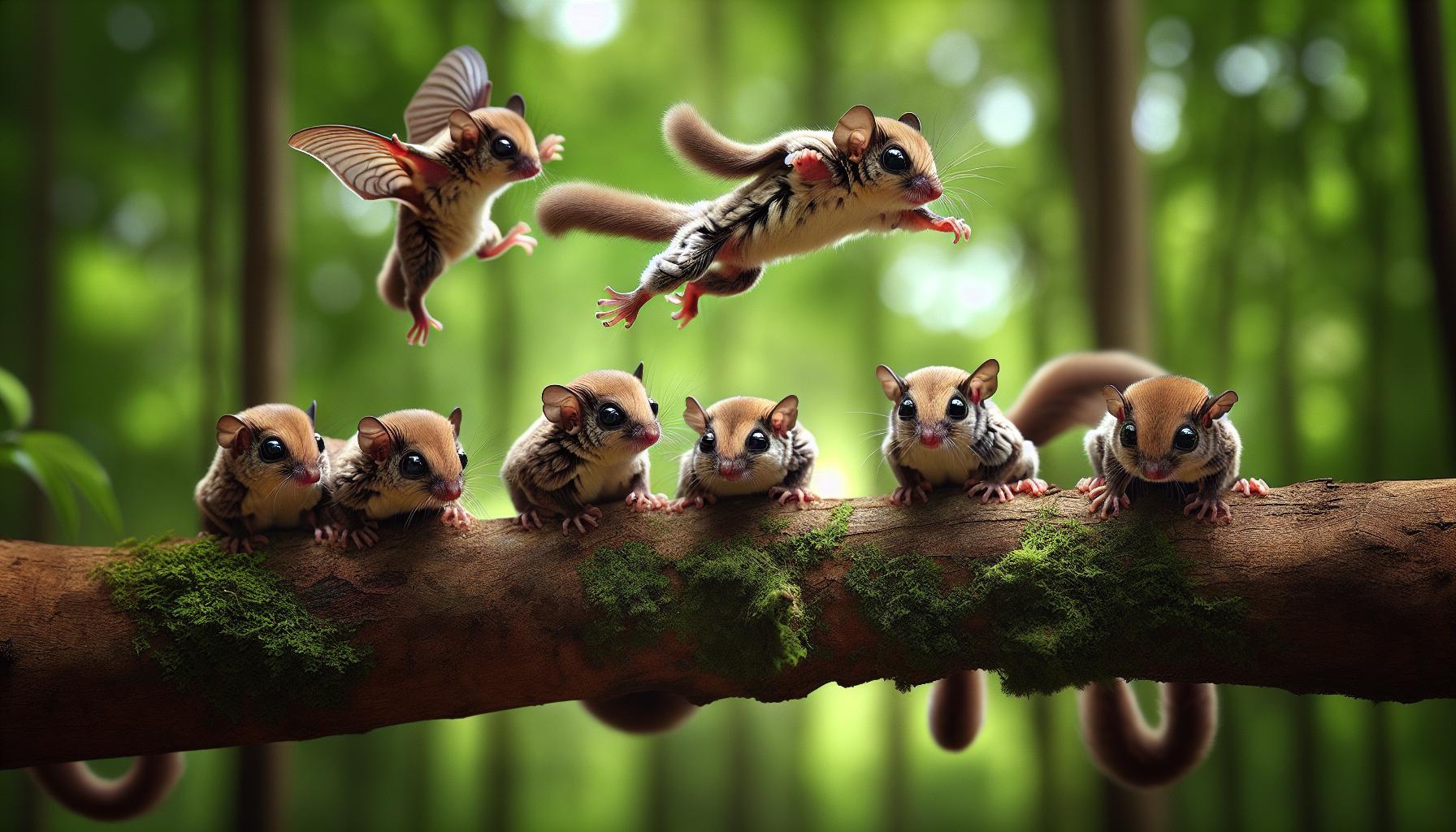
Understanding Baby Flying Squirrel Behavior
Baby flying squirrels are captivating little creatures, known for their gentle demeanor and remarkable gliding abilities. Understanding their behavior is crucial for any caretaker, as it helps forge a strong bond and ensures they thrive in a domestic setting. These nocturnal animals are most active during the evening, which is when you might find them exploring their surroundings, climbing, and gliding from heights. Their playful antics can be thoroughly entertaining, as they often engage in activities that mimic their natural instincts.
One key aspect of flying squirrel behavior is their strong social nature. In the wild, they typically live in colonies, establishing tight-knit relationships with other squirrels. Because of this, a baby flying squirrel needs ample interaction with its human caretakers or other pet companions. Providing enrichment, such as climbing structures, toys, and regular playtime, can mimic their natural habits, helping them feel secure and stimulated. Keep in mind that a bored squirrel can become anxious or destructive, so it’s essential to engage them frequently.
Behavioral cues are also important for understanding their needs. For example, a flying squirrel might display signs of distress through vocalizations, excessive hiding, or not eating. Recognizing these signs early allows you to address any issues promptly, whether that means adjusting their environment, diet, or medical care. Positive reinforcement training works wonders; using treats and consistent commands can facilitate bonding and help your baby flying squirrel learn essential behaviors.
Ultimately, creating a nurturing environment requires patience and observation. Each flying squirrel has its unique personality, ranging from bold to shy, which colors its interactions with humans and their surroundings. Spend time simply watching your squirrel; understanding its individual quirks will guide you in providing the best care possible. A well-cared-for flying squirrel is not just a pet but a delightful companion whose behavior becomes a reflection of the love and attention you provide.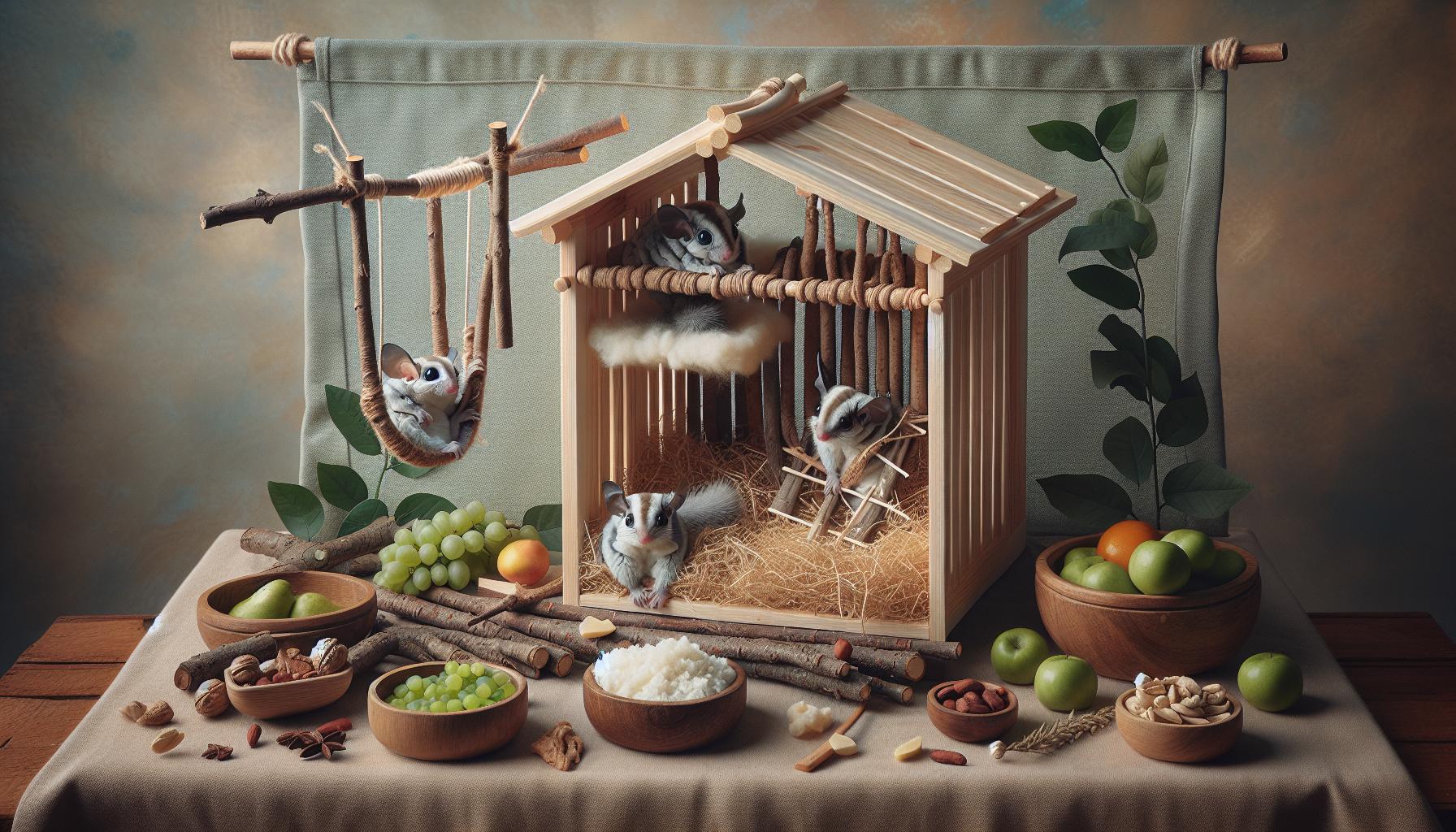
Creating an Ideal Habitat for Your Baby Flying Squirrel
Creating a comfortable and stimulating habitat for your baby flying squirrel is integral to their happiness and health. These enchanting little creatures thrive in environments that mimic their natural habitat, providing both physical structure and mental engagement. Think of their habitat as a miniature version of their woodland home, filled with opportunities for climbing, gliding, and exploration.
To begin, select a spacious enclosure that allows for movement and exercise. A large, multi-level cage is ideal, measuring at least 2 feet wide, 3 feet high, and 2 feet deep. This size will encourage your flying squirrel to climb and glide. Make sure the bars are closely spaced-no more than half an inch apart-to prevent escapes. Inside, incorporate a variety of platforms and shelves at different heights. Wooden perches, branches, and hammocks provide excellent spots for lounging and sleeping, mimicking the trees they love to navigate.
To enrich their habitat, consider adding natural elements. Cover the cage floor with soft bedding like aspen shavings or untreated paper products, which are safer than cedar shavings. Provide opportunities for foraging by hiding nuts and treats within their environment; this encourages natural behaviors. Include items like cardboard tubes and small boxes to stimulate their curiosity. Remember to introduce climbing structures too, such as ropes or ladders, which can keep your flying squirrel entertained and active.
Lighting is crucial as well; ensure they have a cycle of light and dark, simulating natural conditions. A full-spectrum light can replicate the sun, benefiting their activity and mood during their active hours. Always keep the enclosure away from direct sunlight and drafts to maintain a stable temperature, ideally between 70°F and 80°F.
In summary, designing an ideal habitat for your baby flying squirrel is all about balancing comfort and stimulation. By creating a space that allows for instinctual behaviors like climbing and foraging, you’ll nurture a happy and healthy companion. Careful attention to their habitat not only enriches their lives but helps foster a deep bond between you and your flying squirrel.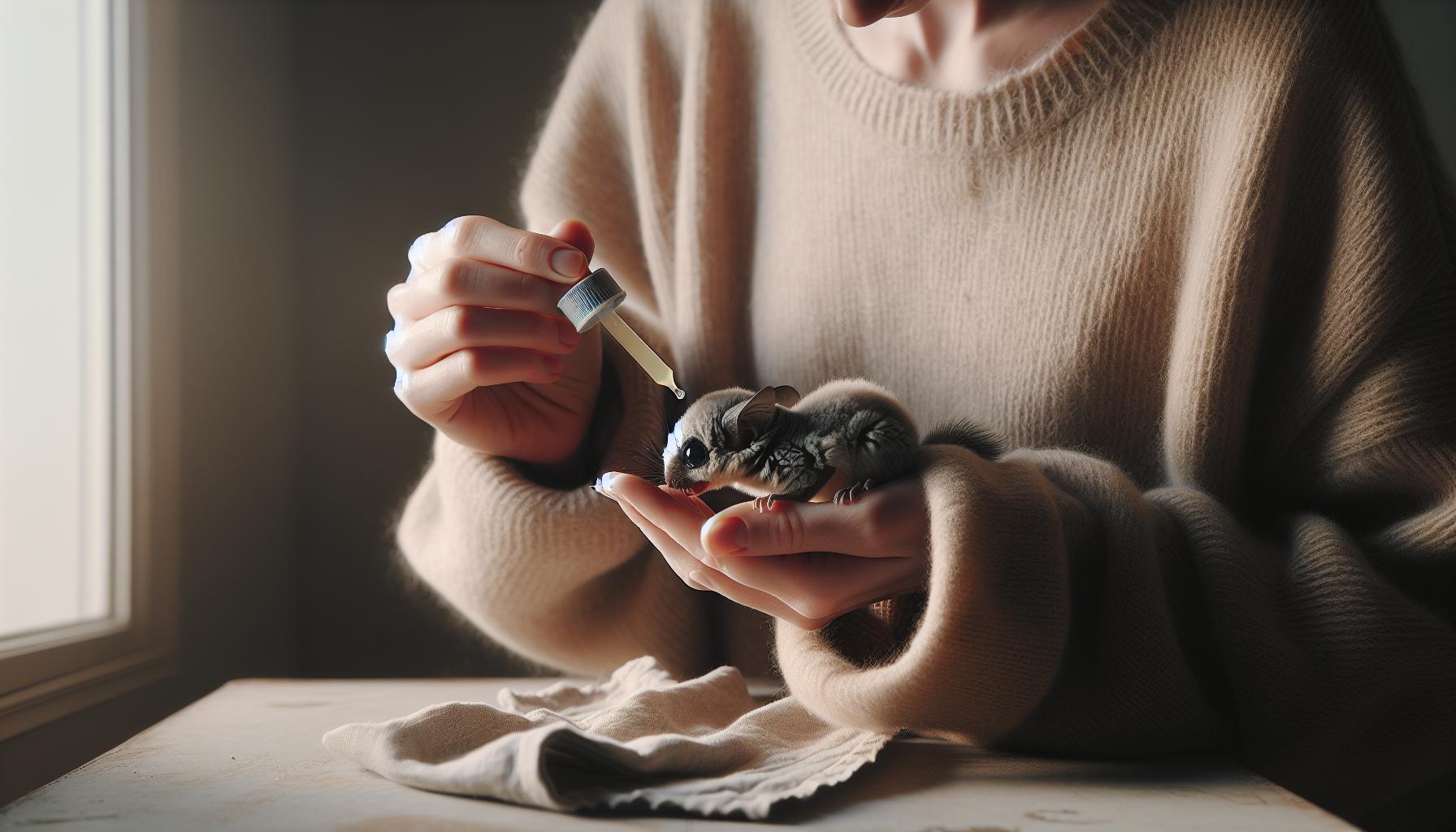
Nourishing Your Baby Flying Squirrel: Feeding Essentials
Nourishing your baby flying squirrel is one of the most rewarding aspects of caring for these delightful creatures. Unlike traditional pets, flying squirrels have a specialized diet that closely mirrors what they would find in the wild. A well-balanced diet not only supports their growth and energy needs but also helps maintain their playful and curious nature.
To start off, it’s essential to recognize that flying squirrels are omnivorous. Their diet primarily consists of fruits, nuts, seeds, and insects. While you can offer a variety of fresh fruits – such as apples, bananas, and berries – nuts should be provided in moderation, as they are high in fat. Opt for healthy nuts like unsalted walnuts, almonds, and pecans. A mixed diet keeps your flying squirrel engaged and ensures they receive essential nutrients.
Commercial Foods
Utilizing high-quality commercial diets designed specifically for flying squirrels is also a beneficial approach. These pellets are formulated to meet their nutritional needs and can be a reliable staple in their diet. Always complement commercial foods with natural options. You might also consider the occasional small amount of protein like boiled chicken or mealworms, but it’s wise to limit these to treat status, given their calorie density.
Fresh Water
Access to clean, fresh water is essential for hydration. Use a water bottle with a sipper tube or a small bowl to ensure your flying squirrel can easily drink without spilling. Change the water daily to avoid any contamination.
Feeding Schedule
Establishing a consistent feeding schedule helps create a sense of routine for your pet. Offering food twice a day, once in the morning and once in the evening, aligns well with their natural feeding habits. Place small portions of a variety of foods to encourage foraging, which satisfies their instinctive behaviors and keeps their minds active.
A well-planned diet will not only promote the well-being of your flying squirrel but will also lay the groundwork for a strong bond between you and your unusual pet. By understanding their dietary needs and preferences, you can create a delightful feeding experience that mirrors their natural behaviors while ensuring they remain healthy and happy.
Socializing Your Baby Flying Squirrel for Bonding
Building a bond with your baby flying squirrel can be one of the most rewarding aspects of pet ownership. These adorable little creatures are known for their playful and curious nature, and establishing a strong social connection can enhance both their happiness and your mutual interaction. The key is to approach bonding with patience and understanding, as flying squirrels are naturally shy and may take some time to adjust to their human companions.
Start by creating a relaxed environment. When you first bring your baby flying squirrel home, give them a day or two to acclimate to their new surroundings before attempting to interact. This helps reduce stress and allows them to feel secure in their habitat. Once they seem comfortable, begin the bonding process with short, gentle interactions. Use a calm voice and slow movements to avoid startling them. You can sit near their cage, offering treats like small pieces of fruit or nuts, encouraging them to come closer at their own pace.
Gradual Engagement
Once your flying squirrel becomes more accustomed to your presence, you can gradually increase the duration of your interactions. Encourage play by providing safe toys, such as small tunnels or climbing structures, and engage them in short play sessions. You might find that they enjoy chasing after lightweight objects or nibbling on their favorite treats, which can make your time together fun and enriching. Remember to always let them initiate contact; forcing interaction can lead to fear and mistrust.
Handling with Care
When your flying squirrel is ready, you can begin handling them more regularly. Start by offering your hand for them to sniff and investigate. Once they are comfortable, carefully scoop them up using both hands, cradling their body gently. Avoid gripping too tightly, as this can cause them stress. Make sure to provide plenty of soft surfaces for them to land on so they feel secure. With time and positive reinforcement, they’ll start to associate you with safety and play.
Creating opportunities for socialization outside of their habitat is also beneficial. Spend quiet time with them in a safe, enclosed space. This not only strengthens your bond but allows them to explore a new environment at their own pace. Engaging in these bonding activities not only enriches their lives but also helps make your flying squirrel a happier, more well-adjusted pet. Remember, the relationship you build is based on trust and respect, which will create a delightful companion for years to come.
Common Health Issues in Baby Flying Squirrels
Baby flying squirrels, with their enormous eyes and playful antics, can be an enchanting addition to your home. However, just like any other pet, these little creatures are susceptible to certain health issues that potential owners should be aware of. Recognizing the signs of illness early can lead to prompt treatment, ensuring your furry companion stays healthy and happy.
One of the most common health concerns in baby flying squirrels is respiratory infections. Due to their sensitive respiratory systems, changes in temperature or humidity can lead to illnesses. Look for symptoms such as lethargy, sneezing, or nasal discharge. Maintaining a stable, warm environment and avoiding drafts helps mitigate this risk. If you notice any signs of respiratory distress, consulting a veterinarian experienced in exotic animals is crucial.
Another area of concern is nutritional deficiencies. Baby flying squirrels require a well-balanced diet to thrive, and a lack of essential nutrients can lead to growth problems or weakened immune systems. Common signs of nutritional issues include poor fur quality, weight loss, and lethargy. Ensure their diet is rich in fruits, vegetables, and specially formulated pellets designed for sugar gliders or flying squirrels.
Parasites, both internal and external, pose a significant threat. External parasites, like mites and fleas, can cause irritations and transmit diseases, while internal parasites can lead to more severe digestive issues. Regular check-ups with a vet can help detect and treat these problems before they escalate. Always ensure that their habitat is clean and parasite-free.
Lastly, dental problems can arise due to a diet lacking in appropriate chewables. Flying squirrels naturally wear down their teeth through chewing, so it’s vital to provide safe items like branches or chew toys. Keep an eye out for excessive drooling or difficulty eating, which can indicate dental pain.
By staying informed about these common health issues and maintaining a proactive approach to care, you can help ensure your baby flying squirrel lives a long, thriving life filled with playful adventures. Remember, a little preventative care goes a long way in the world of flying squirrel ownership!
Effective Care Tips for a Happy Flying Squirrel
Caring for a baby flying squirrel can be an incredibly rewarding experience, but it comes with its own unique set of responsibilities. These lively little creatures thrive in environments that mimic their natural habitat, so understanding their needs is key to ensuring they remain happy and healthy. Here are some essential care tips to help you create a nurturing environment for your fuzzy friend.
First and foremost, diet plays a crucial role in the well-being of your baby flying squirrel. In the wild, they consume a varied diet of fruits, vegetables, nuts, and insects. To replicate this, aim for a balanced mix comprising quality pellets specifically designed for flying squirrels or sugar gliders, along with fresh fruits and veggies. Ensure that you avoid foods that are high in sugar or fat. Regularly check their weight and fur quality to spot any nutritional deficiencies; a healthy squirrel will have a shiny coat and an energetic demeanor.
Next, the habitat you provide is paramount. Baby flying squirrels are naturally arboreal, meaning they love to climb and explore. Create a spacious cage with plenty of vertical space, incorporating branches and hammocks to encourage climbing. Remember to line the bottom with soft bedding for comfort, and include a cozy nesting area where they can feel secure. Regular cleaning of their space is vital to prevent health issues, so make it part of your routine.
In addition to a proper diet and habitat, socialization is essential for your baby flying squirrel’s emotional health. These creatures thrive on interaction. Spend time each day handling them gently and introducing them to new, safe toys to keep their environment stimulating. Treats can be a great way to build a bond; offer them small bits of fruit or nuts, allowing them to associate your presence with positive experiences.
Lastly, remember that regular veterinary check-ups are crucial. Finding a vet who specializes in exotic animals will help you stay ahead of potential health issues. Keep an eye out for any changes in behavior or appetite-both can be red flags for health problems. Being proactive and attentive will go a long way in ensuring your baby flying squirrel enjoys a long, happy life by your side.
Understanding the Lifespan of Your Baby Flying Squirrel
While these charming little creatures might seem perpetually youthful, the lifespan of baby flying squirrels is a fascinating aspect of their care that every owner should understand. In a well-cared-for environment, these adorable critters can live anywhere from 10 to 15 years, depending on several factors such as genetics, diet, habitat, and overall health. That’s a long commitment, making it essential to be fully prepared before welcoming one into your home.
To ensure your flying squirrel thrives well into its senior years, prioritize creating a stimulating environment that mimics their natural habitat. These pets are highly social and active, requiring plenty of space to explore, climb, and play. Commonly, owners provide tall cages with wide shelves, branches for climbing, and soft bedding for comfort. Regular interaction and mental stimulation through toys and socialization are just as important as their physical space, significantly impacting their happiness and lifespan.
Diet also plays a critical role in their longevity. A balanced diet rich in fresh fruits, vegetables, and specific pellets designed for flying squirrels helps prevent health issues that could shorten their lives. Monitoring their health through routine veterinary check-ups can catch potential problems early, ensuring your furry friend enjoys a long, active life. By understanding these factors and committing to their care, you can look forward to many years of companionship with your flying squirrel.
Safety Tips for Handling Baby Flying Squirrels
Handling baby flying squirrels can be a delightful yet delicate endeavor. These charming little creatures, with their big eyes and gentle nature, deserve the utmost care, especially when it comes to safety. When lifting or interacting with your baby flying squirrel, it’s crucial to maintain a calm and soothing approach. Start by ensuring your hands are clean and that no strong scents, such as perfumes or foods, are lingering on them; these can overwhelm their sensitive noses.
Always support their body properly. Cradle them in your hands or place them on a soft, familiar surface that allows them to feel secure. Remember, flying squirrels are naturally skittish and may panic if they feel unstable. If you need to transport them, use a small, tightly secured carrier that minimizes movement, ensuring they don’t feel jostled or frightened.
Creating a Safe Environment
Safety extends beyond handling; it’s about creating a secure habitat for your flying squirrel when you’re not directly interacting with them. Always ensure that their living space is escape-proof. Regularly check for any openings or gaps in their enclosure where they could squeeze through. Additionally, remove any potential hazards, such as small objects that they might ingest or sharp items that could cause injury.
Supervised Interaction
While it’s tempting to let your flying squirrel explore during playtime, keep interactions supervised. Close attention helps prevent accidents. Keep other pets away during playtime, as dogs and cats can pose significant risks. When allowing your baby flying squirrel to roam outside of their habitat, opt for safe areas free from high places, as they are adept at climbing but can fall if startled.
Incorporating playtime with toys that are safe and specifically designed for small animals can also promote safe exploration and mental stimulation. Avoid anything that might easily break, as sharp edges or small parts could harm your squirrel.
Emphasizing safety is not just about protection; it’s also part of building a trusting relationship with your baby flying squirrel. Each gentle handling will help them learn that they are secure in your presence, encouraging them to engage and bond with you over time. By following these essential tips, you’ll ensure a happy and safe environment for your furry friend to thrive.
Engaging Activities for Your Baby Flying Squirrel
Baby flying squirrels are not just adorable; they are also incredibly playful and intelligent creatures that thrive on engagement and stimulation. Providing them with varied activities is crucial for their mental and physical health. Just like children, these little critters require exploration and play to develop properly, and it’s a great way to bond with your furry friend.
One of the simplest ways to engage your baby flying squirrel is through interactive play. Using safe toys designed for small animals can create a fun environment. Items like tunnels, climbing structures, and chew toys stimulate their natural instincts to explore and chew. Homemade toys can also be a hit-think about using cardboard boxes, paper towel tubes, or even soft cloths for them to hide in or peek around. Rotating toys regularly will keep their surroundings interesting, preventing boredom.
Physical Activities
Flying squirrels are naturally energetic and enjoy climbing and gliding. You can create a miniature obstacle course in a safe area of your home. Use small pieces of wood or sturdy furniture to encourage them to jump and navigate their environment. Supervised playtime outside of their cage is also beneficial; ensure the area is secure and free from high drops to prevent falls.
Another engaging activity involves foraging. Scatter their favorite treats around their habitat or in a digging box filled with non-toxic substrate. This encourages them to use their nose and paws, mimicking their natural searching behavior in the wild. Foraging not only entertains but also stimulates their mind, reaching their full potential and keeping them healthy.
Social Interaction
Finally, don’t underestimate the importance of bonding time. Spend quiet moments with your baby flying squirrel, allowing them to curl up on your shoulder or explore your lap. Gentle handling and positive reinforcement help strengthen the trust between you and your pet. Taking the time to interact and understand their unique behaviors will deepen your relationship and ensure a happy, well-adjusted flying squirrel.
Engaging activities will keep your baby flying squirrel active and healthy, while also enhancing the bond you share. Remember, a happy squirrel means a happy owner!
Transitioning from Baby to Adult: What to Expect
As your baby flying squirrel matures, you will notice a remarkable transformation in its behavior and needs. This transition from a playful juvenile to a more independent adult can be both exciting and challenging for you as a caregiver. Expect dynamic shifts in personality, energy levels, and social interactions. Understanding these changes will help you provide a supportive environment that caters to your flying squirrel’s evolving needs.
Housed within their playful nature, flying squirrels become increasingly curious and adventurous as they grow. Adults tend to explore their environment more thoroughly, often investigating new objects and climbing higher. As a caregiver, it’s essential to ensure that their habitat remains safe and enriched. Providing a larger space filled with diverse climbing structures and hiding spots can stimulate their inquisitive nature. Consider incorporating new toys like climbing nets or tunnels that encourage these natural tendencies.
Behavioral Changes
Along with physical development, behavioral changes will be evident as your flying squirrel grows. Adult flying squirrels may show increased independence and a shift in their social dynamics. While baby flying squirrels crave constant interaction and cuddling, adults often enjoy longer periods of solitude or solitary play. Recognize and respect this need for independence while still establishing regular bonding time. Engaging in gentle handling and allowing them to approach you on their own terms can maintain and strengthen your bond.
Expect fluctuations in dietary requirements, too. As your flying squirrel transitions to adulthood, its nutritional needs will change, necessitating a shift in feeding from formula or baby-specific foods to a balanced adult diet. Focus on incorporating a variety of fresh fruits, vegetables, nuts, and specially formulated pellets to meet their nutritional needs. Keeping a consistent feeding schedule can also help regulate metabolism, making for a happy and healthy adult squirrel.
Training and Socialization
Training remains an essential part of your flying squirrel’s development, particularly as they reach adulthood. Implementing a consistent routine and using positive reinforcement techniques will encourage desired behaviors. This phase is an excellent opportunity to teach new tricks or commands, enhancing your engagement with your pet. It’s beneficial to allow them to explore their surroundings freely during supervised play sessions, which will help in honing their navigational instincts.
Lastly, it’s important to recognize that the transition from baby to adult is unique to each flying squirrel. Some may become more sociable, while others prefer a more solitary approach. By observing these behaviors and adjusting your care strategies accordingly, you can contribute to a happy and well-adjusted adult flying squirrel. Embrace the journey and enjoy the delightful quirks your furry companion exhibits throughout this transformation!
FAQ
Q: How can I tell if my baby flying squirrel is healthy?
A: To determine if your baby flying squirrel is healthy, observe its activity level, appetite, and fur condition. A healthy squirrel should be energetic, eating regularly, and have a clean, smooth coat. Regular vet check-ups are essential for monitoring health, especially in young squirrels.
Q: What temperature should I keep my baby flying squirrel’s habitat?
A: The ideal temperature for a baby flying squirrel’s habitat is between 70°F and 80°F (21°C to 27°C). Ensure the environment is stable and avoid sudden temperature fluctuations to keep your squirrel comfortable and happy. Use a thermometer to monitor conditions regularly.
Q: How often should I feed my baby flying squirrel?
A: Baby flying squirrels typically need to be fed every 3 to 4 hours, depending on their age. Use a high-quality milk replacer or formula specific for squirrels, and gradually introduce solid foods as they mature. Ensure food is fresh and clean to prevent health issues.
Q: What should I do if my baby flying squirrel refuses to eat?
A: If your baby flying squirrel refuses to eat, first check for health issues like fever or lethargy. Offer different types of food such as milk replacer or fruits. If it continues to refuse food for more than 12 hours, consult a veterinarian immediately for guidance and care options.
Q: Can baby flying squirrels socialize with humans?
A: Yes, baby flying squirrels can socialize with humans, especially if they are handled gently from a young age. Regular, positive interactions help them develop trust. Spend time daily with your squirrel, offering treats and engaging in activities to promote bonding and reduce stress.
Q: When should I start introducing solid foods to my baby flying squirrel?
A: You can start introducing solid foods to your baby flying squirrel at around 8 weeks of age. Begin with small amounts of soft fruits and vegetables, gradually adding nuts and grains as they grow. Ensure that the new foods are safe and nutritionally appropriate.
Q: Are there any specific toys I should provide for my baby flying squirrel?
A: Provide varied toys such as climbing structures, tunnels, and chew toys made from safe, natural materials. These toys stimulate physical activity and mental engagement, which are essential for your flying squirrel’s happiness and well-being. Regularly rotate toys to maintain interest.
Q: What are signs of stress in baby flying squirrels?
A: Signs of stress in baby flying squirrels include excessive hiding, aggression, or lack of appetite. If your squirrel exhibits these behaviors, evaluate its environment for potential stressors, such as loud noises or unfamiliar pets. Redirect and create a calm space for recovery.
Key Takeaways
Caring for a baby flying squirrel might seem daunting, but with the right knowledge, it can be a rewarding experience. Remember to prioritize their dietary needs and social stimulation as you nurture them into healthy adults. If you’re eager to expand your knowledge, check out our guides on Indoor Habitat Setup for Exotic Pets and Recognizing Common Behavioral Issues in Flying Squirrels.
Start implementing these steps today and join the community of responsible pet owners! Have any questions or tips to share from your journey? Drop a comment below-your insights could help others. For more fascinating facts about exotic animals and their care, don’t forget to subscribe to our newsletter. Together, we can promote a better understanding and appreciation of these wonderful creatures!
Get our latest guides, news, and insights highlighted in your Google Search & AI Overviews.