Did you know that flying squirrels can glide over 150 feet from tree to tree? These fascinating creatures not only capture our imagination with their aerial acrobatics, but understanding their age can also offer insights into their health and behavior. Whether you’re a new pet owner considering a flying squirrel or a wildlife enthusiast eager to learn more about these remarkable animals, knowing how to determine their age is essential. In this guide, we’ll explore practical methods to assess the age of flying squirrels, shedding light on their growth stages, behavior, and care needs. Get ready to uncover the secrets of these charming gliders and enhance your appreciation for their unique lives!
How Flying Squirrel Age Affects Their Behavior
As flying squirrels age, their behavior undergoes significant changes that can affect their interaction with their environment, social structures, and even their care needs. For instance, younger flying squirrels are typically more active and playful, often engaging in acrobatic displays as they glide between trees. In contrast, older squirrels tend to exhibit more sedentary behavior, preferring to rest and conserve energy rather than engage in the frenzied activity characteristic of youth. This decline in activity can also result in weight gain, which may further influence their agility and lifestyle.
Additionally, social behaviors can shift as flying squirrels mature. Younger squirrels are often more curious and bold, exploring new territories and approaching potential mates with enthusiasm. Conversely, age can bring about increased caution; older squirrels may avoid confrontations, retreating to their nests at the first sign of danger. Their social hierarchy within a group can change as well, with older, more experienced squirrels sometimes taking on more dominant roles, particularly in resource-rich environments.
Understanding how aging impacts behavior is essential, especially for pet owners or wildlife enthusiasts. For example, if you notice that your pet flying squirrel is less inclined to engage in play or seems to prefer solitude, it might be a natural part of aging. Owners can provide enrichment in the form of comfortable resting areas or gentle interaction to support their older squirrel‘s emotional well-being. Additionally, recognizing these behavioral shifts can aid in early detection of potential health issues, prompting timely veterinary care and adjustments to their habitat to suit their needs better.
In essence, being attuned to the changes in a flying squirrel’s behavior as it ages not only enhances the bond between human and pet but also promotes a healthier, more fulfilling life for these charming creatures.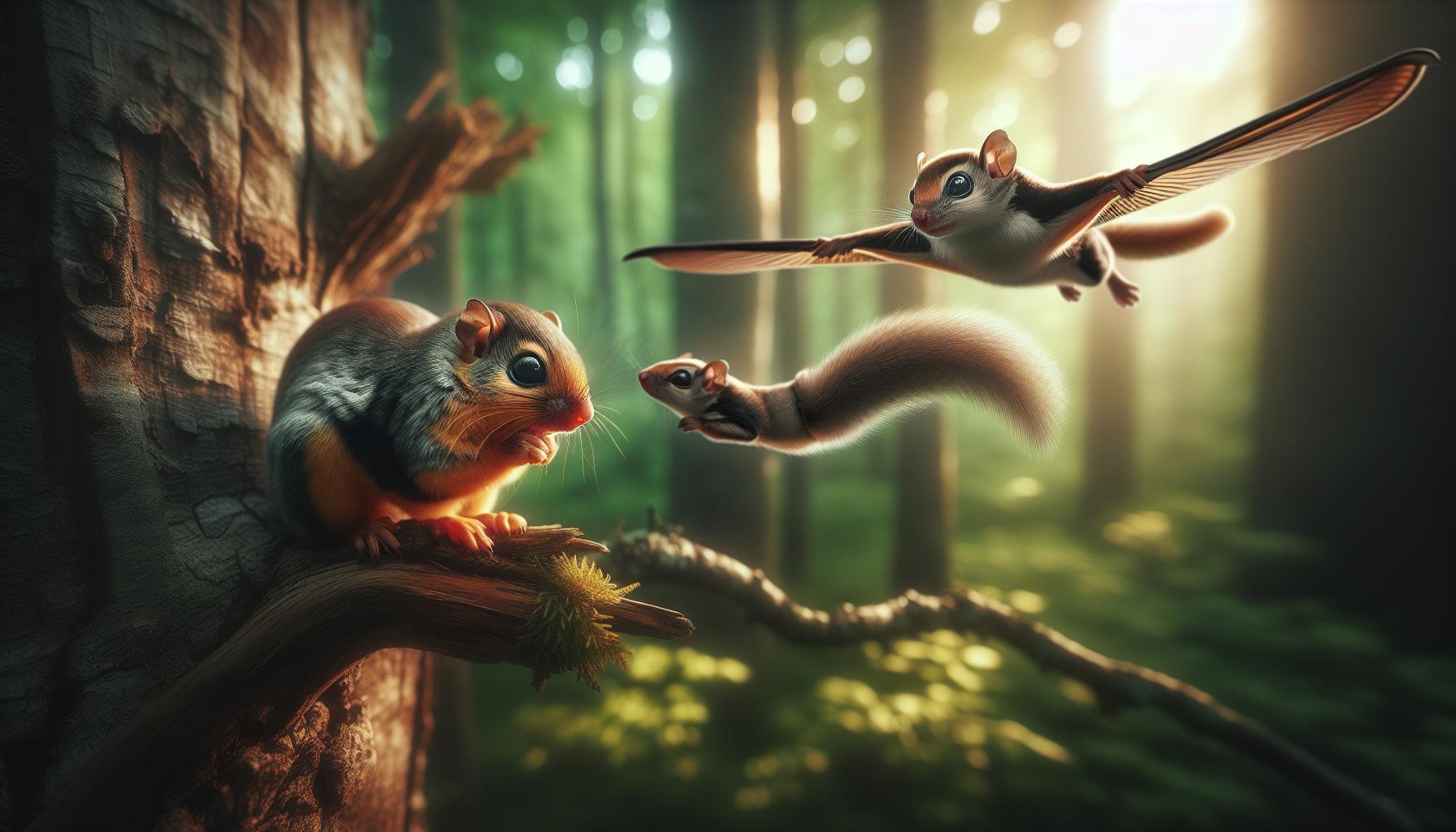
Physical Signs of Aging in Flying Squirrels
As flying squirrels age, their physical appearance can provide telltale signs that help enthusiasts and pet owners gauge their age. Just like humans, flying squirrels experience various changes in their bodies as they grow older. One of the most noticeable indicators is their fur; younger squirrels typically have a soft, dense coat with vibrant colors, while older individuals may exhibit thinning fur or a more subdued coloration, often greyed or faded over time. Additionally, older squirrels may develop bald patches, particularly around the face and ears, which can signal changes in their skin health or grooming habits.
Another clear sign of aging is in their eyes. Young flying squirrels have bright, clear eyes, often reflecting their playful and inquisitive nature. As they age, the eyes may become clouded, indicating potential health issues such as cataracts, which can affect their vision and overall quality of life. Moreover, age can impact their dental health. Older squirrels might show signs of worn or broken teeth due to years of gnawing. Healthy teeth are crucial for their ability to feed efficiently, so noticing changes here can prompt immediate care considerations.
Behavioral observations also play a role in recognizing aging. If you spot a flying squirrel that is less active or slower to respond, it might be a sign of age rather than a health issue. They may prefer a cozy nook over the acrobatics of their youth, choosing to conserve energy as they mature. Monitoring these physical and behavioral changes can be essential for ensuring that their living conditions remain suitable and supportive as they navigate their later years, helping them enjoy a comfortable and healthy life.
In summary, watching for shifts in fur condition, eye clarity, dental health, and activity levels can provide valuable insights into the age of flying squirrels, enhancing your ability to care for these delightful creatures as they age. Recognizing these signs allows for proactive healthcare and a better understanding of their needs throughout the various stages of their lives.
Understanding the Life Stages of Flying Squirrels
Flying squirrels, beloved for their nocturnal antics and charm, progress through distinct life stages that deeply influence their behavior and care needs. Understanding these stages not only enhances our appreciation of these fascinating creatures but also informs responsible care for those fortunate enough to have them as pets.
In their early stages, flying squirrels are playful and curious, typically exhibiting high energy levels. A baby or juvenile flying squirrel is usually born hairless and blind, relying heavily on its mother’s care. During this stage, socialization is critical, as it helps them develop the necessary skills for adulthood. They engage in playful interactions, which teach them about their environment and improve their skills in locomotion and foraging. Owners can support this development by providing ample opportunities for safe exploration and gentle handling, helping the young squirrels grow into confident adults.
As they transition into adulthood, usually around 6-12 months of age, flying squirrels become more independent and may display territorial behavior. This stage is characterized by increased exploration and activity levels, as they begin to establish their range. Adult flying squirrels require spacious habitats that mimic their natural environments, allowing them to glide and exercise effectively. Offering a variety of climbing structures and toys can keep them mentally stimulated and physically fit during this phase.
Once they reach maturity, generally between 18 months to 2 years, you’ll notice shifts in their behavior. Adult flying squirrels may settle into a routine, exhibiting less impulsivity and more cautious movements. It’s crucial during this stage to pay attention to age-related needs, including diet adjustments and health monitoring. Providing a balanced diet rich in fruits, nuts, and vegetables ensures they maintain optimal health.
Finally, as flying squirrels enter their senior years, typically after 5 years of age, you may observe changes that require special attention. They might slow down, becoming less active and more reclusive. Ensuring that their living conditions remain comfortable and supportive becomes paramount. Soft bedding, easy access to food, and gentle handling will help them navigate their golden years with dignity. empowers pet owners to provide tailored care, fostering a healthy and fulfilling life for these captivating animals.
How to Estimate Age Using Teeth
To determine the age of a flying squirrel, examining their teeth can be surprisingly revealing. Just like with many animals, a flying squirrel’s dental health and wear patterns can provide valuable insights into their age. The key indicators are typically found in their incisors, which grow continuously throughout their lives.
Young flying squirrels, generally under one year old, will have smooth, bright white incisors with very little wear. As they age, these teeth accumulate wear grooves and may become more yellowish due to exposure to food and natural wear from their environment. By about 2 to 3 years of age, the incisors will begin to show notable signs of wear, such as chipped or frayed edges. In squirrels over 5 years old, the incisors are often less sharp, and there may be visible discoloration or even breakage, depending on their diet and overall dental health.
When observing a flying squirrel’s dental characteristics, consider the following checklist:
- Under 1 Year: Bright white teeth, little wear.
- 1-2 Years: Slightly worn, minor discoloration.
- 2-4 Years: Noticeable wear, possibly frayed edges.
- 5+ Years: Significant wear, dull or broken teeth.
Always remember that the environment and diet play crucial roles in dental wear. A flying squirrel with a varied, natural diet may maintain healthier teeth than one fed solely commercial snacks. Therefore, while teeth can give you a good estimation of age, they should be evaluated alongside other factors for a more comprehensive understanding.
The Role of Habitat in a Squirrel’s Lifespan
The environment in which a flying squirrel lives has a profound impact on its lifespan and overall health. In the wild, flying squirrels thrive in forests with ample trees for nesting and foraging. These habitats offer not just shelter but also a rich source of food, including fruits, nuts, and insects. A squirrel who has access to a diverse diet is likelier to remain healthy and vibrant as it ages. For instance, those living in well-preserved woodlands, with plenty of old trees, often experience fewer health issues compared to those in fragmented or disturbed environments where food sources are limited and competition is high.
The structure of the habitat also plays a critical role. Flying squirrels are adept climbers and gliders, requiring trees with specific features, such as deep bark for gripping and hollow cavities for nesting. Without adequate habitats, they may experience increased stress levels or even seek unsafe areas for shelter, which can lead to higher mortality rates. Additionally, urbanization presents unique challenges; squirrels in city settings face threats from vehicles and pollution, which can negatively impact their lifespan.
Moreover, climate conditions can influence their habitat quality. Warmer temperatures or sudden environmental changes can alter food availability and shelter options. For example, winter seasons that are unusually harsh can lead to increased energy expenditure for warmth, which could reduce the energy reserves they depend on for survival, especially in older squirrels that may not find food as readily.
In summary, the habitat of flying squirrels is not just a backdrop for their lives; it is a determinant factor in their health and longevity. Sustainable practices that focus on woodland preservation and urban wildlife management can greatly enhance the lifespan of these fascinating creatures, allowing them to thrive well into their senior years.
Age-Related Health Issues in Flying Squirrels
As flying squirrels age, just like any other creature, they become more susceptible to various health issues that can affect their quality of life. Understanding these age-related health concerns is vital for anyone caring for flying squirrels, whether in a wildlife rehabilitation context or as a pet owner. Common health problems in older flying squirrels include dental disease, obesity, and degenerative arthritis.
One notable issue is dental disease, which can lead to difficulty in eating and nutritional deficiencies. As flying squirrels grow older, their teeth can wear down or become misaligned. This not only affects their ability to chew food but may also cause pain and discomfort. Regular dental check-ups and a diet that promotes dental health, such as certain textures of food, can help mitigate these issues.
Another prevalent concern is obesity, particularly when flying squirrels have less activity in their later years. In the wild, they may become less agile, making it harder for them to glide and forage as they once did. Owners should be mindful of their pet’s diet and activity levels, providing opportunities for exercise in their enclosures to maintain a healthy weight.
Additionally, degenerative arthritis is common in aging squirrels, leading to decreased mobility and reluctance to engage in their once playful behaviors. Symptoms of arthritis can include stiffness, limping, and difficulty climbing. Providing soft bedding, ramps instead of steep climbs, and sometimes even veterinarian-prescribed pain relief can significantly improve their comfort levels.
Preventative care, such as routine veterinary visits, a balanced diet, and an enriching environment, is crucial in managing these . Being proactive can ensure that these delightful creatures live long, healthy, and fulfilling lives, even in their senior years.
Different Lifespan Expectations for Species Variants
The lifespan of flying squirrels can vary significantly depending on the species, environment, and individual health. For example, the most commonly known species, the Southern Flying Squirrel (Glaucomys volans), typically lives between 5 to 10 years in the wild. In contrast, those kept as pets or in rehabilitation settings can often reach ages upwards of 10 years, sometimes even into their teens, with proper care.
Additionally, environmental factors play a crucial role in determining lifespan. Factors like habitat quality, food availability, and exposure to predators can all impact how long these delightful creatures live. For instance, flying squirrels residing in urban areas may face more challenges, such as habitat fragmentation and higher risks of injury, potentially shortening their lifespan compared to those in lush, stable forest ecosystems.
An interesting aspect to consider is how species variants of flying squirrels have adapted differently to their environments, influencing their longevity. The Northern Flying Squirrel (Glaucomys sabrinus), for example, may show similar lifespan patterns to its Southern counterpart, yet its habitat preferences can lead to different health risks and challenges. Thus, a better understanding of each species’ environment and care needs can help aspiring owners or wildlife enthusiasts set realistic lifespan expectations.
In summary, while the average lifespan for flying squirrels begins around 5 years, with optimal conditions and care, they can thrive much longer. Always consider the specific needs of the species variant you are interested in, as well as their natural habitat! With this awareness, enthusiasts can ensure their flying squirrel companions lead comfortable and healthy lives.
Behavioral Changes as Flying Squirrels Age
As flying squirrels age, their behavior often undergoes subtle yet significant changes that can be both fascinating and important for caretakers to recognize. Young flying squirrels are typically energetic and playful, using their agility to glide from tree to tree in search of food, establish territory, or play with peers. However, as they transition into middle age and beyond, their activity levels may begin to decrease. This is often due to a combination of natural aging processes and potential health issues that can arise over time.
In older flying squirrels, you might notice a shift in social interactions. Younger squirrels are known for their playful demeanor and social bonding, often engaging in vigorous play. Older individuals may become more solitary or show less enthusiasm for socializing. This change is a natural part of aging, but it can also signal potential health concerns, such as arthritis or other mobility issues. Observing these behaviors can help you monitor your pet’s health, prompting timely vet visits if necessary.
Additionally, the gliding skills of aging flying squirrels may not be as sharp as they once were. They might glide less frequently or choose safer, shorter distances when jumping from branch to branch. This tendency is instinctive, as older squirrels aim to avoid the risks associated with falls or injuries. Providing them with accessible environments, such as easily navigable enclosures with lower jumps, can enhance their comfort and safety.
Behavioral Signs to Watch For
Understanding the specifics of behavioral changes can be especially helpful for pet owners. Here are several key signs to monitor:
- Decreased Activity: Older squirrels may spend more time resting and less time engaging in play.
- Changes in Social Behavior: They might distance themselves from younger companions or show less interest in social bonding.
- Altered Eating Habits: Watch for changes in appetite or preferences in food, which can indicate health issues.
- Increased Caution: Opting for shorter glides or avoiding particularly high branches can be a sign of aging awareness.
Recognizing these changes not only helps pet owners provide better care but also fosters a deeper connection with their flying squirrel friends as they age. By adapting their environment and care routines to meet the needs of aging squirrels, you can ensure they live comfortably and happily in their golden years.
Comparing Aging Processes in Other Squirrel Species
As we explore the fascinating world of squirrels, it’s intriguing to consider how aging affects various species. Each type of squirrel has its own unique aging process that influences not only their physical characteristics but also their behavior and habitat use. For example, while flying squirrels may become less social and more cautious with age, tree squirrels exhibit different aging patterns due to their adaptations to heavily populated urban environments or dense forests.
Eastern gray squirrels, a common sight in North America, show marked changes in behavior as they grow older. Unlike flying squirrels, gray squirrels often maintain their social structures even into their senior years, engaging in playful behavior and forming multiple social bonds. However, as they age, you may notice diminished agility; older gray squirrels tend to prefer foraging in familiar areas rather than climbing to high branches or leaping between trees. This strategy helps minimize the risk of falls, which become increasingly dangerous as their reflexes slow down.
Ground squirrels provide another fascinating comparison. These burrowing critters often face different challenges related to aging, particularly concerning their communal living arrangements. When older ground squirrels begin to show signs of declining health, they may withdraw from their groups, a stark behavior change compared to their typically social demeanor. This change can be critical as, unlike flying squirrels that primarily glide and perch, ground squirrels rely on burrow safety and communal vigilance to prevent predation. Recognition of these behavioral shifts is essential for those caring for ground squirrel populations, enabling quicker intervention when health issues arise.
In examining other species, such as the California ground squirrel, the patterns hold similar themes. As they reach maturity, their grooming habits and territory maintenance may decrease. This is especially true for elder squirrels that have been established in an area for years. They often become less mobile due to age-related ailments, making them vulnerable to competition and predation. Noting these changes can inform pet owners and wildlife enthusiasts alike about the care and environment needed to support aging squirrels across different species.
Ultimately, understanding how age impacts behavior across various squirrel types enriches our overall appreciation of these remarkable creatures. It underscores the importance of tailored care that considers the specific life stages and needs of each species, ensuring that they thrive even in their golden years.
Factors Influencing Longevity in Flying Squirrels
Flying squirrels have captured the hearts of wildlife enthusiasts with their charming looks and gliding abilities. Just like any other animal, their lifespan is affected by a myriad of factors that shape their longevity. In the wild, flying squirrels can live up to six years, while those kept as pets might enjoy even longer lives, sometimes exceeding ten years with proper care. Understanding what influences this aspect of their life can help enthusiasts and caretakers provide the best environments for these adorable creatures.
One key factor affecting the lifespan of flying squirrels is diet. A balanced diet rich in nutrients is crucial. Squirrels thrive on a mix of fruits, vegetables, nuts, and specially formulated pellets that provide essential vitamins and minerals. Inadequate or poor nutrition can lead to obesity and other health issues that significantly shorten their lifespan. Proper diet not only supports growth but also enhances immune function, making them less susceptible to diseases.
Another important influence is their habitat. Flying squirrels prefer wooded areas where they can glide between trees. Adequate space for movement and climbing is vital for their physical health, as it promotes exercise and mental stimulation. In captivity, providing an enriched environment that mimics their natural habitat-complete with climbing structures, safe spots for hiding, and social interaction-can lead to longer, healthier lives. Stress and lack of stimulation can reduce their quality of life, contributing to health decline.
Finally, just like humans, genetics plays a role in the longevity of flying squirrels. Some individuals may be predisposed to certain health conditions that can affect their lifespan. Regular veterinary check-ups are essential for early detection and treatment of age-related health issues, ensuring that any underlying problems are managed effectively. Observing changes in behavior, such as decreased activity or alterations in eating habits, can also signal when a trip to the vet might be necessary.
Ultimately, nurturing a flying squirrel’s health and well-being through proper nutrition, habitat enrichment, and regular health monitoring makes a substantial difference in how long they can thrive in your care. Whether in the wild or as pets, these enchanting creatures remind us of the importance of environment and care in achieving a happy, healthy life.
How to Track the Age of Your Pet Flying Squirrel
To truly understand your pet flying squirrel’s age, you can look for a blend of physical characteristics and behavioral indicators. Start with their teeth-these are one of the most reliable aspects to examine. Flying squirrels have a set of incisors that grow continuously. Over time, these teeth can wear down or change color, giving clues about their age. Younger squirrels often have stark white incisors, while older squirrels might display darker, more worn-down teeth. Analyzing the wear can be a straightforward way to gauge approximate age.
Another method is through body size and weight. Younger flying squirrels are typically smaller and lighter, while mature squirrels will have a more robust build. If you have a reference point, such as photographs or records of your squirrel when you first brought them home, comparing these can be insightful. Changes in weight are also important-if your flying squirrel suddenly loses or gains significant weight, it could be a sign of age-related health issues.
Behavioral observations can also play a crucial role in age assessment. For instance, younger flying squirrels are usually more playful and energetic, engaging in acrobatic stunts and exploring their environment with curiosity. As they age, their activity levels may decrease; they may prefer sleeping more often or become less adventurous. Keep an eye on these shifts; they’re not just signs of aging but also indicators of overall health.
Lastly, consider consulting a veterinarian who is experienced with exotic pets. They can perform a thorough examination, utilize diagnostic tools, and provide insights based on their training. If you’re ever uncertain, seeking professional advice ensures your beloved companion gets the best care and attention, particularly as they grow older.
By combining these observation techniques, you’ll have a clearer picture of your flying squirrel’s age and overall well-being, helping you provide the best possible care tailored to their life stage.
FAQ
Q: How can I estimate the age of a wild flying squirrel?
A: To estimate the age of a wild flying squirrel, observe its physical features such as fur texture and eye clarity. Younger squirrels have soft, shiny fur and clear eyes, while older squirrels often show signs of graying fur and cloudiness in their eyes. For a more precise assessment, consult a wildlife expert or veterinarian.
Q: What are common misconceptions about flying squirrel aging?
A: Many believe that a flying squirrel’s age is solely determined by size, but this is misleading. Environmental factors, diet, and health impact aging significantly. Squirrels can vary in size; thus, health and behavior offer better insights into their actual age. For detailed information, explore sections on behavioral changes in older squirrels in your guide.
Q: When is the best time to observe flying squirrels’ aging signs?
A: The best time to observe signs of aging in flying squirrels is during early spring when they are most active. Look for changes during their mating season, which can highlight changes in behavior as they age. Also, frequent observation can aid in noticing subtle aging signs over time.
Q: What health issues are typical in older flying squirrels?
A: Older flying squirrels often suffer from arthritis, dental problems, and diminished eyesight, affecting their ability to forage. Regular health check-ups can help manage these age-related conditions. For care guidelines, see the age-related health issues section in your guide.
Q: How does a flying squirrel’s habitat affect its lifespan as it ages?
A: A flying squirrel’s habitat greatly influences its lifespan; adequate food, shelter, and low predator exposure typically promote longer lifespans. Habitat degradation can accelerate aging signs and health issues. To understand more, examine the article’s focus on the role of habitat in lifespan.
Q: Can flying squirrels be judged for age based on their teeth?
A: Yes, examining the wear and tear on a flying squirrel’s teeth can provide insight into their age. Younger squirrels usually have sharp, even teeth, while older ones show significant signs of wear. For detailed methods, refer to the section on estimating age using teeth in your guide.
Q: What is the average lifespan of a flying squirrel in captivity compared to the wild?
A: In captivity, flying squirrels can live up to 10-15 years, while those in the wild average around 5-7 years due to predation and environmental factors. Proper care in captivity can significantly enhance their lifespan. Visit the guide’s section on species variants for more details.
Q: How do I track age changes in my pet flying squirrel over time?
A: To track age changes in your pet flying squirrel, maintain a detailed health and behavior log. Note physical changes, activity levels, and any health issues. Schedule regular vet check-ups for professional assessments. For tracking techniques, refer to the tracking age section of your guide.
Insights and Conclusions
Understanding the age of a flying squirrel is an exciting step towards ensuring their health and well-being. Whether you’re a devoted pet owner or a curious nature enthusiast, knowing their life stages helps you provide the right care. Don’t forget, as they grow, their needs can change significantly. Are you ready to learn more about caring for these fascinating creatures? Explore our articles on “Flying Squirrel Care Tips” and “Understanding Flying Squirrel Behavior” for deeper insights that will elevate your knowledge.
If you found this guide helpful, consider signing up for our newsletter! Stay updated on the latest in wildlife care and discover other intriguing topics. Share your thoughts or experiences in the comments below; we’d love to hear from you. Your journey into the world of flying squirrels doesn’t have to end here-dive deeper and unlock the secrets of their enchanting lives!
Get our latest guides, news, and insights highlighted in your Google Search & AI Overviews.