

Did you know that prairie dogs are not actually dogs at all? These fascinating creatures are small, burrowing rodents belonging to the squirrel family, and they play a crucial role in their ecosystems. Living in large colonies, prairie dogs exhibit complex social structures and behaviors that can be as engaging to observe as any wildlife documentary. If you’re curious about their classification, habitat, and the vital role they play in their environment, you’re in the right place! Understanding what a prairie dog is-and their importance to the grassland habitats they inhabit-offers insight into the delicate balance of our ecosystems. Dive in to learn about these remarkable animals and discover why they captivate wildlife enthusiasts and scientists alike!
What Are Prairie Dogs: Overview of This Unique Species
Did you know that prairie dogs have a complex social life and are part of the squirrel family? These fascinating creatures, scientifically classified as members of the genus Cynomys, share a unique blend of traits that distinguish them from other rodents. Prairie dogs are not actually dogs at all; instead, they are small, burrowing mammals that thrive in North American grasslands. Their playful nature, elaborate burrow systems, and vocal communication make them a captivating subject for wildlife enthusiasts.
Prairie dogs are easily recognizable by their stocky bodies, short legs, and bushy tails. Typically, these animals weigh between 1.5 to 3 pounds and can grow up to 17 inches long, including their tails. Their fur is usually a mix of brown and tan, providing them with natural camouflage against the sandy and earthy tones of their habitats. As herbivores, their diet mainly consists of grasses, seeds, and herbs, which they nibble on throughout the day. This foraging behavior not only sustains them but also plays a key role in maintaining the ecosystem, as their burrowing aerates the soil and promotes plant growth.
Their social structure is another remarkable aspect of prairie dogs. They live in colonies called “towns,” which can consist of hundreds or even thousands of individuals. Each town is composed of smaller family groups known as “coteries.” These coteries are typically made up of a dominant male, several females, and their offspring. Communication within and among these groups is highly sophisticated, featuring a range of barks, chirps, and whistles that convey messages about predators, food sources, and even specific dangers. This tight-knit social organization not only helps them detect threats but also fosters a sense of community and cooperative care for the young.
In summary, prairie dogs are a captivating species that exemplify the rich diversity of wildlife. Their unique classification within the rodent family, along with their vibrant social structures and important ecological roles, underscore the need for conservation efforts to protect their populations and habitats. These playful creatures not only enrich their environment but also enchant those lucky enough to observe them in the wild.
Habitat and Range: Where Prairie Dogs Live
Prairie dogs are fascinating creatures that primarily inhabit the vast grasslands of North America, an ecosystem that suits their burrowing lifestyle. Found in the United States, Canada, and Mexico, these small mammals thrive in open plains, where their complex social structures and communal living can flourish. Their burrows, which can reach impressive depths and lengths, not only provide shelter but also create a rich habitat for many other species, making these ecosystems vibrant and diverse.
These social rodents prefer habitats that offer a mix of short and mixed grass, which provides food while allowing them to easily spot predators. The Great Plains, including areas such as the states of Montana, Wyoming, and Colorado, serve as ideal locations for prairie dog towns. Here, expansive fields allow for the development of extensive burrow systems that can house hundreds to thousands of individuals, showcasing an incredible interaction between prairie dogs and their environment.
Their burrowing behaviors contribute significantly to the ecology of their habitats. By digging and maintaining their tunnels, prairie dogs aerate the soil, enhance water infiltration, and promote plant growth. This behavior not only benefits themselves but also supports a wide variety of other wildlife. For example, the barren areas around their towns attract grazing animals like bison and deer, while the burrows provide homes for critters such as burrowing owls and foxes.
However, the habitat of prairie dogs is increasingly threatened by urban development and agricultural expansion. As the grasslands disappear, so do the homes of these remarkable animals. Conservation efforts are essential to preserve their unique habitats and ensure that future generations can admire these engaging socialites in their natural settings. By raising awareness of their ecological importance, we can foster a greater appreciation for prairie dogs and the critical roles they play in maintaining the balance of their ecosystems.
Social Structure: Understanding Prairie Dog Groups
Prairie dogs are not just charming little burrowers; they are highly social creatures that showcase fascinating group dynamics. Living in intricate colonies known as “towns,” these mammals exhibit a well-structured social hierarchy that governs their interactions and daily activities. A prairie dog town can be home to dozens to thousands of individuals, forming a vibrant community that thrives on cooperation and communication.
Social Hierarchies
At the heart of prairie dog society are their social structures, which are often determined by factors like age, sex, and reproductive status. Typically, towns consist of several family groups, each led by a dominant male and surrounded by females and their young. In these close-knit families, the males are tasked with protecting the territory from intruders and predators, while females focus on rearing their young. Communication is key in these societies, and prairie dogs utilize a sophisticated system of vocalizations to alert others to danger or to signal their identity. Each call can convey specific information, such as the type of predator approaching, which helps the colony respond swiftly to threats.
Cooperative Living
Living in groups not only enhances their survival but also fosters strong social bonds. Prairie dogs engage in mutual grooming and play, reinforcing their relationships within the colony. This social interaction is vital for maintaining the health of the colony, as it promotes solidarity and reduces stress among members. Interestingly, prairie dogs exhibit behaviors akin to altruism; individuals have been seen to risk personal safety to warn others of danger, showcasing their commitment to the colony’s well-being.
Breeding and Nesting
During the breeding season, social structures become even more evident. Males engage in elaborate displays to attract females, and competition among males can lead to the formation of hierarchies based on agility and assertiveness. After mating, females are responsible for digging burrows that serve as nests, typically in the center of the town for added protection. The communal nature of prairie dog towns allows for cooperative defense, as younger prairie dogs frequently help in alerting the adults during breeding and rearing of the young.
In summary, the social structure of prairie dogs is intricate and essential for their survival. By living in organized groups, they enhance their chances against predators, share responsibilities, and foster strong social ties that enrich their daily lives. Understanding these dynamics provides a deeper appreciation for these fascinating creatures and the vital roles they play in their ecosystems.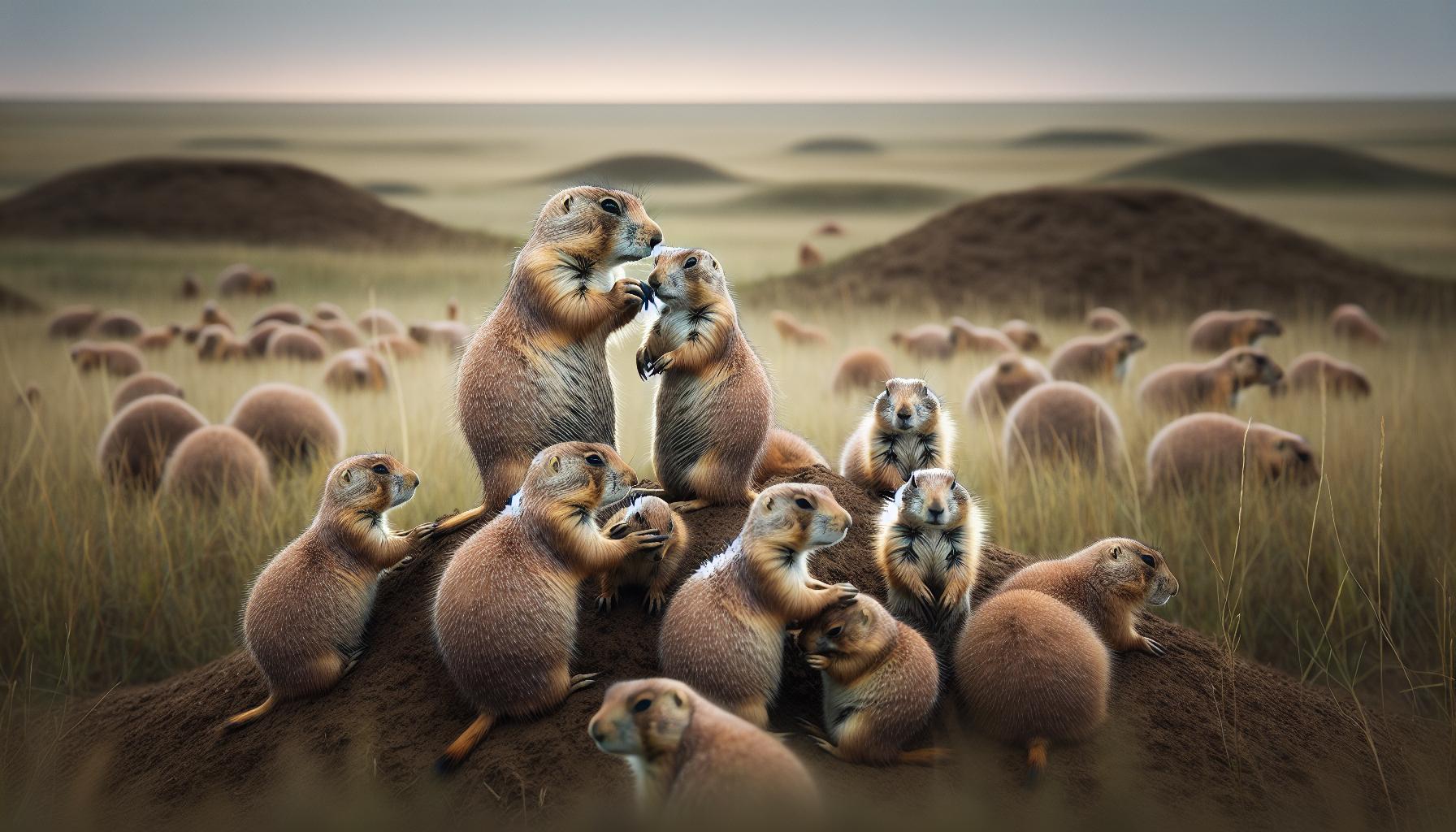
Diet and Feeding Habits: What Do Prairie Dogs Eat?
Prairie dogs are herbivores, primarily feasting on a diverse array of grasses, herbs, and forbs found in their native habitats. These social burrowers possess a penchant for munching on vegetation, which plays a vital role in their overall diet. Their love for greens ensures that they consume not only the leaves but also the stems and roots of various plants, contributing to their health and the health of their ecosystem. These little creatures have a significant impact, as their grazing habits promote plant diversity and help maintain the grasslands in which they thrive.
Preferred Foods
This lively rodent favors a menu packed with nutritious options, which often includes:
- Grasses: Particularly prefer species such as buffalo grass and blue grama.
- Forbs: Enjoy flowering plants like clover and dandelion.
- Roots and Tubers: Occasionally dig up and eat the underground parts of plants.
Their selective grazing patterns encourage grass regrowth, which in turn supports a rich biodiversity in their communal habitats-a wonderful example of how one species can contribute to the ecology of an entire region.
Feeding Behavior
The feeding habits of prairie dogs are closely linked to their social structure and community dynamics. They often graze in groups, providing safety in numbers while foraging. When one prairie dog spots a predator, they will emit a warning call, prompting the entire colony to retreat to their burrows. This cooperative behavior not only enhances their survival chances but also ensures that their feeding activities remain collective and efficient.
Interestingly, these little critters have an incredible ability to adapt their diet based on seasonal changes. During spring and summer, they prefer tender young shoots, whereas, in the fall and winter, they may rely more on stored food, including dried grasses. By timing their feeding and foraging strategies according to the seasons, prairie dogs exhibit resourcefulness that speaks to their survival skills.
In summary, prairie dogs are fascinating creatures with diet and feeding habits that underscore their importance in the ecosystem. Their grazing not only sustains them but also supports the health of grassland environments, making them integral players in maintaining ecological balance. Understanding their dietary preferences and behaviors enriches our appreciation for these unique animals and the roles they occupy in their habitats.
Behavioral Traits: Fun Facts About Prairie Dogs
Prairie dogs are not just adorable little critters; they are also incredibly social and intelligent animals. These fascinating rodents rely on a complex system of communication to thrive in their colonies, which can consist of hundreds or even thousands of individuals. With their swift reflexes and keen senses, prairie dogs have developed an impressive repertoire of vocalizations and body language to alert others of potential dangers. Researchers have discovered that their warning calls can convey specific information about the type and size of a looming predator, showcasing their remarkable ability to communicate effectively.
Beyond their communication skills, prairie dogs display a highly structured social system. They live in communal burrows known as colonies or towns, created through extensive tunneling systems that can stretch over many acres. Within these towns, prairie dogs exhibit social behaviors like grooming and playing, which help strengthen bonds among group members. This social structure not only provides safety in numbers but also teaches younger prairie dogs essential survival skills. When they’re not foraging for food or evading predators, you might find them engaging in playful wrestling matches, which are crucial for their development.
Interestingly, prairie dogs also possess the unique ability to adapt their behavior according to their environment. For instance, they may alter their foraging routines based on the presence of predators or the availability of food. During periods of drought, they are known to optimize their feeding schedules to ensure they get enough nourishment while minimizing exposure to danger. This adaptability extends to their daily activities; prairie dogs often choose to spend more time above ground while the sun is shining, basking in the warmth, and socializing with nearby neighbors, only retreating to their burrows when it is dark or threats loom nearby.
Their playful yet responsible nature lends itself to a great ecological role, impacting their surroundings significantly. As avid diggers, prairie dogs aerate the soil, which benefits plant life. Their grazing habits can even shape the landscape, creating patches of short grass that promote a diverse plant community. So, the next time you observe these lively creatures, remember that beneath their entertaining antics lies a world of intricate social behavior and environmental influence that makes prairie dogs essential to their ecosystem.
Reproduction and Life Cycle: The Prairie Dog’s Journey
Prairie dogs have an intriguing reproductive cycle that plays a crucial role in maintaining their large social colonies. Typical of many rodent species, prairie dogs have a relatively short gestation period of about 28 to 35 days. As spring arrives, so does the mating season, which typically takes place from late January to early March. During this time, males actively engage in display behaviors, showcasing their strength and vitality to attract females. Their courtship often involves elaborate vocalizations and posturing, emphasizing their social nature.
After a successful mating season, female prairie dogs, called bitches, usually give birth to a litter of 3 to 5 pups. These adorable little creatures are born hairless and blind, significantly dependent on their mothers. The nurturing instincts in prairie dog mothers are remarkable; they will not only care for their own young but can also nurse others’ pups in the colony if needed, displaying a true sense of community. Weaning generally occurs around six weeks of age, and by this time, the young pups start to emerge from the burrows, learning to navigate the bustling world of their colony.
As the puppies grow, their environment plays a pivotal role in their development. They learn essential survival skills like foraging and recognizing potential threats from adults, and they are often seen engaging in playful antics that mimic adult behaviors. This critical learning period boosts their social skills and prepares them for life as full-fledged members of the colony. By mid-summer, the pups are relatively self-sufficient, joining the adult prairie dogs in foraging and participating in social activities.
The life span of prairie dogs in the wild can be around 3 to 5 years, but those in captivity can live longer due to reduced threats and better care. Understanding this journey highlights the resilience and adaptability of prairie dogs as they navigate their early lives in complex social structures, allowing them to contribute to the ecological fabric of their environment. Whether they are darting about their towns or playfully wrestling, prairie dogs remain indispensable to their habitats and each other, embodying the intricate balance of the natural world.
Common Misconceptions: Debunking Prairie Dog Myths
Prairie dogs are often misunderstood creatures that fill a unique niche in the ecosystem, yet common misconceptions tend to overshadow their true nature. Many people mistakenly believe that these fascinating rodents are pests that deserve eradication. In reality, prairie dogs play a vital role in their environment, serving as a keystone species. Their burrowing activities help to aerate the soil and promote plant growth, while their colonies provide habitat for numerous other species, including burrowing owls, snakes, and even some insects. By fostering biodiversity, prairie dogs contribute to the health of the grasslands they inhabit.
Another frequent myth centers on the idea that prairie dogs are solitary animals. Contrary to this belief, they are highly social creatures that live in complex colonies called coteries. These colonies can consist of many family groups, and they exhibit cooperative behaviors like grooming and sentinel duty, where one prairie dog keeps watch while others forage. Their communication skills are also remarkable; with a diverse range of vocalizations, they can convey specific warnings about different predators. This strong sense of community not only supports their survival but enhances their overall adaptability, making them resilient in the face of environmental changes.
One must also address the misconception that prairie dogs are rodents that can be easily kept as pets. While they may appear cute and cuddly, prairie dogs have specific social and environmental needs that are difficult to meet in captivity. They require substantial space to dig and roam, as well as social interaction with their own kind to thrive. Keeping a prairie dog as a pet without understanding these needs can lead to significant challenges both for the animal and the owner.
Finally, there’s a misconception that prairie dogs pose a significant health threat to humans and livestock. While they can carry diseases such as the plague, the risk of transmission is relatively low, especially with proper precautions. Understanding these factors is crucial for informed wildlife management and fostering a harmonious coexistence with these unique animals.
Embracing correct knowledge about prairie dogs not only helps dispel harmful myths but also encourages an appreciation for the ecological contributions they make. By cultivating a deeper understanding of their behavior and roles, we can foster a greater respect for these remarkable creatures, ultimately leading to better conservation efforts.
Conservation Status: Protecting Prairie Dogs and Their Habitats
The decline of prairie dog populations across North America is a troubling sign of the challenges these adorable yet critical rodents face. Once thriving in expansive colonies that stretched across the plains, their numbers have dwindled due to habitat destruction, agricultural practices, and disease. For wildlife enthusiasts and conservationists alike, understanding the conservation status of prairie dogs is vital not only for their survival but also for the health of the ecosystems they support.
Prairie dogs are often considered a keystone species because their burrowing behavior improves soil structure and promotes plant diversity. This, in turn, supports various other species, from predatory birds to smaller mammals. Yet, despite their importance, prairie dogs are often targeted as pests. Farmers view them as agricultural nuisances, and as a result, many colonies have been exterminated. The threat of habitat loss is compounded by the encroachment of urban development and changes in land use, leading to fragmented populations that struggle to survive.
Efforts to protect prairie dogs are underway, focusing on habitat restoration and establishing protected areas. These initiatives often aim to balance land use with wildlife needs. Educating the public about the benefits of prairie dogs can be instrumental in these conservation efforts. Suggestions for individuals interested in supporting prairie dog conservation efforts include:
- Participate in local wildlife conservation programs focused on habitat restoration.
- Spread awareness about the ecological role of prairie dogs in maintaining healthy grasslands.
- Support legislation that protects prairie dog habitats and regulates land use practices.
Ultimately, conserving prairie dogs isn’t just about saving a single species-it’s about preserving the intricate web of life that thrives in the prairies. A healthier ecosystem benefits not only prairie dogs but also the myriad of species that depend on them. As we work together to protect these remarkable creatures, we embrace a broader commitment to our environment and the interconnectedness of all living things.
Interactions with Other Wildlife: Prairie Dogs in the Ecosystem
Prairie dogs are not just adorable little critters; they play an essential role in maintaining their ecosystems. As keystone species, their presence significantly enhances the biodiversity of the grasslands they inhabit. By digging extensive tunnel systems, prairie dogs aerate the soil, allowing moisture to penetrate and facilitating the growth of plant life. This burst of vegetation attracts a variety of herbivores, from deer to rabbits, creating a bustling hub of activity on the prairie.
Their burrows provide shelter not only for themselves but also for other animals. Burrowing owls, for example, are often seen taking refuge in abandoned prairie dog tunnels, which offer them protection from predators. Similarly, the burrows benefit other small mammals like foxes and badgers, which might use the tunnels as dens or temporary cover. This interdependence showcases how prairie dogs serve as a critical link in the food web, supporting various species that rely on their habitats.
In addition to providing shelter, prairie dogs are a food source for numerous predators. Coyotes, hawks, and ferrets all rely on prairie dogs as part of their diet. The complex social structures of prairie dog colonies lead to vigilant behavior, where individuals take turns acting as sentinels to warn others of approaching threats, thereby enhancing the survival rates of all colony members and their neighbors in the ecosystem.
Ultimately, the intricate relationships prairie dogs have with other wildlife illustrate the broad impact they have on their environment. Their role as burrowers, prey, and contributors to soil health make them indispensable players in the grassland ecosystem, and protecting them is crucial for maintaining the natural balance of these vibrant habitats. Every prairie dog colony is a living community, interconnected with the many forms of life that depend on it, underscoring the importance of conservation efforts aimed at preserving these original prairie dwellers.
Differences Between Species: Types of Prairie Dogs Explained
While many might picture a prairie dog as a one-size-fits-all critter, the reality is that there are several distinct species, each with unique characteristics and habitats. Prairie dogs belong to the family Sciuridae and are primarily found across North America, but their traits can vary significantly. There are five recognized species, each adapted to its specific environment and displaying a fascinating range of behaviors.
Species Breakdown
- Black-tailed Prairie Dog: This is the most common and well-known species, primarily found in the Great Plains. Their iconic black-tipped tails and social nature make them easy to spot in colonies known as “coteries.” They live in large towns that can cover extensive areas and are highly social, often engaging in grooming and play behaviors.
- White-tailed Prairie Dog: Slightly more elusive, this species is found in the mountainous regions of Colorado and is characterized by its white tail. They prefer higher elevations and can often be seen in meadows, dining on grasses and forbs. Their burrows tend to be slightly less complex than those of the Black-tailed Prairie Dogs.
- Gunnison’s Prairie Dog: Endemic to the mountainous areas of the southwestern United States, this smaller species has a rounded face and a more nuanced coloration. Their colonies are typically smaller, with each group exhibiting distinct social dynamics. They have a more varied diet, including a greater diversity of plant life due to their mixed habitat.
- Mexican Prairie Dog: Found primarily in Mexico, this species is listed as endangered and faces considerable habitat loss. They are similar in appearance to the Black-tailed Prairie Dog but have distinct vocalizations and social structures. Conservation efforts are crucial for their survival, highlighting the ongoing challenges faced by wildlife in changing landscapes.
- Utah Prairie Dog: Also endangered, the Utah Prairie Dog is unique to the state of Utah. They have a pale coat and a distinctive flat head. Conservation programs focus on habitat restoration and awareness, as their burrowing activities significantly influence soil health and local ecosystems.
Understanding these differences not only enriches our appreciation of prairie dogs but also emphasizes the importance of conservation efforts tailored to each species. Ecologically, they play a vital role in their respective habitats-whether through their impressive burrow systems, which aerate the soil and promote plant diversity, or as prey for various predators. By recognizing the unique traits and challenges of each species, we can better advocate for the protection of these charming animals and their ecosystems.
Caring for Prairie Dogs: A Guide for Pet Owners
To care for a prairie dog as a pet is to embrace a unique and rewarding experience, as these charming creatures are more than just adorable animals; they are complex little beings with specific needs. Known for their social nature, prairie dogs thrive in environments that mimic their natural habitat. When considering bringing one of these furry friends into your home, understanding their requirements-ranging from diet to social interaction-is essential.
Prairie dogs are primarily herbivores who relish a diverse diet. In captivity, it’s crucial to provide them with a mix of fresh hay, leafy greens, and high-quality pellets formulated for small rodents. Avoid feeding them too many sugary fruits or starchy vegetables, as these can lead to health issues. Fresh water should always be available, and some pet owners opt for water bottles with sippy tubes to keep their habitats clean.
Socialization is another key aspect of caring for prairie dogs. They are notorious for their gregarious behavior; ideally, they should be kept in pairs or small groups to fulfill their need for companionship. Solo living can lead to stress and loneliness, making them prone to behavioral issues. When introducing new prairie dogs, it’s important to monitor their interactions closely to ensure they establish a harmonious relationship.
Cleaning their living space regularly is vital for their health. A spacious, well-ventilated enclosure is necessary, so consider using a multi-level cage that allows them to climb and explore. Provide substrates for digging and burrowing-like shredded paper or aspen shavings-to satisfy their natural instincts. Enrichment is crucial; toys, tunnels, and places to hide will keep your prairie dog mentally stimulated and happy.
Alongside a proper diet and social environment, regular vet check-ups are recommended to monitor for common health problems such as dental issues and respiratory infections. By creating an engaging and nurturing environment that respects their social nature, prairie dogs can thrive as delightful companions, offering joy and entertainment while reminding us of the importance of conservation and the unique roles these creatures play in our ecosystems.
Importance in Culture: Prairie Dogs in Popular Media
Prairie dogs, with their charming antics and social behaviors, have captured the imagination of many in popular media. These small, burrowing rodents are often depicted in films, cartoons, and literature, serving as symbols of the wild American frontier and the rich biodiversity of North America’s grasslands. Their cute appearance and engaging social structures-where they live in colonies called “towns” and communicate through a complex system of vocalizations-make them perfect subjects for storytelling and entertainment.
In animated films like Spirit: Stallion of the Cimarron, prairie dogs are portrayed as endearing creatures that add comic relief and charm to the narrative. Their burrowing life and social interaction fuel both fascination and empathy from audiences, inviting viewers to appreciate the ecological importance of these animals. Documentaries also shed light on their role in the ecosystem as a keystone species, contributing to soil aeration and providing habitats for various other species, which helps raise awareness about conservation and their natural behaviors.
Beyond entertainment, prairie dogs serve as a cultural touchstone, embodying themes of community and connection. Their complex social lives reflect human values such as teamwork and communication. In literature, prairie dogs are sometimes used as metaphors for societal structures, highlighting the importance of cooperation and understanding within communities. This cultural representation helps foster a deeper appreciation for wildlife and urges audiences to consider their role in protecting these animals and their habitats.
Overall, the depiction of prairie dogs in popular media serves not only to entertain but also to educate. By presenting these unique creatures in engaging ways, media outlets can inspire curiosity and advocacy for wildlife conservation, helping ensure that future generations will continue to learn about and appreciate the vital roles prairie dogs play in our environment.
Frequently Asked Questions
Q: What is a prairie dog?
A: A prairie dog is a small, burrowing rodent belonging to the family Sciuridae. They are primarily found in North America and are known for their complex social structures and extensive underground burrows. Prairie dogs play a vital role in their ecosystem, serving as prey for various predators and helping aerate the soil through their burrowing habits.
Q: How are prairie dogs classified scientifically?
A: Prairie dogs belong to the genus Cynomys. They are classified within the family Sciuridae, which includes squirrels and other rodents. There are several species of prairie dogs, including the black-tailed, white-tailed, and Mexican prairie dogs, each identified by specific physical and behavioral traits.
Q: Are prairie dogs social animals?
A: Yes, prairie dogs are highly social animals. They live in large colonies called “towns,” where they exhibit complex social behaviors. Within these groups, they communicate using a variety of vocalizations, and they engage in cooperative activities such as grooming and watching out for predators.
Q: What do prairie dogs eat?
A: Prairie dogs primarily eat grasses, seeds, and herbs. They are considered herbivores and contribute to their ecosystem by consuming vegetation, which helps maintain the grasslands. Their foraging patterns can influence the distribution of plant species in their habitats.
Q: Why are prairie dogs important to their ecosystem?
A: Prairie dogs play a crucial role in their ecosystem by serving as a food source for predators and creating habitat for other species through their burrowing activities. Their burrows provide shelter for various animals, including foxes, burrowing owls, and other small mammals.
Q: How do prairie dogs communicate?
A: Prairie dogs communicate using a sophisticated system of vocalizations that can convey different meanings, such as the presence of predators or the location of food. They also use body language and scent marking to share information with others in their colony.
Q: What threats do prairie dogs face?
A: Prairie dogs face several threats, including habitat loss due to urban development and agriculture, disease outbreaks, and extermination efforts due to their competition with livestock for grazing. Conservation efforts aim to protect their habitats and ensure their populations remain stable.
Q: Can prairie dogs be kept as pets?
A: While it’s technically possible to keep prairie dogs as pets, it requires specialized care and a commitment to their social needs. They thrive in groups, so solitary prairie dogs may suffer from stress. Prospective owners should conduct thorough research and consider adopting multiple prairie dogs to meet their social needs.
Key Takeaways
As you dive deeper into the fascinating world of prairie dogs, remember these social critters play a crucial role in their ecosystems, acting as both prey and community builders. If you’re curious about their behavior or habitat, check out our insightful articles on prairie dog colonies and their environmental impact.
Don’t let your exploration stop here! Engage with us by sharing your thoughts in the comments or checking out our newsletter for more wildlife wonders and updates. Plus, if you’re interested in wildlife conservation, explore how you can get involved in local efforts to protect these charismatic creatures.
Stay curious and keep exploring! There’s so much more to discover about the animal kingdom, and we’re excited to share this journey with you. Remember, every visit enriches your knowledge and helps foster a deeper connection with nature!
Get our latest guides, news, and insights highlighted in your Google Search & AI Overviews.










