Did you know that prairie dogs are not only fascinating to watch but also play a crucial role in their ecosystem? These social critters are often found in expansive grasslands, and their unique burrowing habits create habitats for a variety of other wildlife. If you’re eager to observe these lively animals or even consider them for a new addition to your landscape, understanding where to find them is essential. In this guide, we’ll explore the best locations and sources for spotting prairie dogs, whether you’re a wildlife enthusiast, photographer, or simply curious about these charming creatures. Let’s embark on this adventure together, discovering the habitats and behaviors of prairie dogs while respecting their vital role in nature. Get ready to uncover the best spots to catch a glimpse of these underground dwellers!
Where Do Prairie Dogs Live in the Wild?
Prairie dogs are fascinating creatures that thrive in the grasslands and open plains of North America. These social animals inhabit vast areas characterized by their extensive burrow systems, which can cover several acres. Typically, prairie dogs can be found in the western United States, particularly in regions such as Colorado, Utah, South Dakota, and Wyoming. They prefer areas with short grass or mixed grasslands where they can easily dig, forage, and maintain their colonies effectively.
Prairie dogs live in large groups called “towns,” which can consist of hundreds to thousands of individuals. These towns are not just random gatherings; they are complex communities with designated family units, known as coteries, that work together to defend their territory and raise their young. A notable behavior of prairie dogs is their vocal communication; they use a variety of barks and chirps to alert each other about potential threats, which is both a fascinating and critical aspect of their survival in the wild.
To observe prairie dogs in their natural habitat, visiting national parks and wildlife refuges-such as the Badlands National Park in South Dakota or the Rocky Mountain Arsenal National Wildlife Refuge in Colorado-can be rewarding. These locations host thriving prairie dog colonies where enthusiasts can watch these playful animals interact and engage in their daily activities. It’s not only an enjoyable experience but also an opportunity to appreciate the ecological role they play within the grassland ecosystem.
Whether you’re a wildlife enthusiast looking to explore or a researcher studying their social structures, understanding where prairie dogs live in the wild broadens our appreciation for these unique, charismatic members of the rodent family.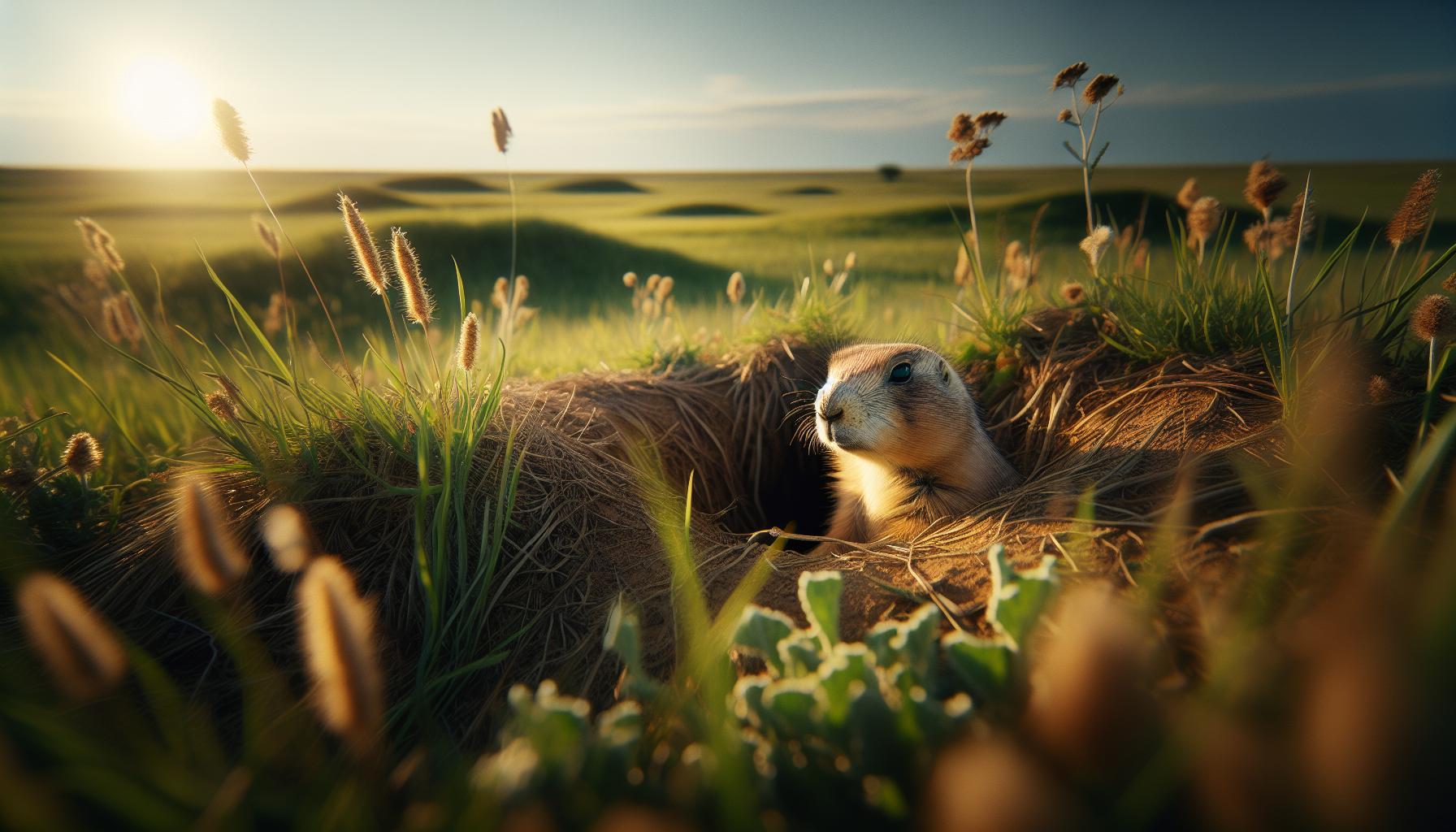
Understanding Prairie Dog Social Structures
Prairie dogs are not only intriguing due to their adorable appearance but also because of their remarkable social structures. Living in elaborate colonies known as towns, these social rodents create a network that mirrors some aspects of human communities. Each town can host hundreds to thousands of prairie dogs, making it a bustling hub of activity and interaction.
Within these towns, prairie dogs form smaller family units called coteries. Each coterie comprises several related individuals, such as a breeding pair and their offspring. They work cooperatively to raise their young and defend their territory against intruders, showcasing a tight-knit family dynamic. This social organization isn’t accidental; it’s a vital survival strategy. For instance, a coterie’s collective vigilance allows them to quickly respond to predators, utilizing a complex system of vocalizations to warn one another of potential threats. Their communication includes alarm calls that vary based on the type of predator, highlighting their sophisticated behavior.
Living in such closely packed communities also means that prairie dogs are integral to the ecosystem. Their burrows provide shelter for numerous other species, including ground-nesting birds, small mammals, and even reptiles, showcasing how prairie dogs act as a keystone species in their environment. Observing these dynamic societies in places like Badlands National Park or Rocky Mountain Arsenal National Wildlife Refuge can be a delightful experience. You’ll witness not just the individual behaviors of prairie dogs but also how interconnected they are within their bustling towns, contributing to a rich tapestry of life in the grasslands.
Best Places to See Prairie Dogs in the USA
Exploring the lively world of prairie dogs in their natural habitats can be a memorable adventure! These charming creatures thrive in the grasslands of North America, where their intricate towns buzz with activity. If you’re eager to catch a glimpse of these social rodents in the wild, there are several fantastic locations across the United States perfect for observing them in their bustling communities.
One prime destination is Badlands National Park in South Dakota. The park is home to vast prairie dog colonies, providing visitors with ample opportunities to observe their behaviors. You can witness prairie dogs emerging from their burrows, interacting with each other, and standing guard against potential predators. The unique landscapes of the Badlands also make it an excellent backdrop for photography and wildlife watching.
Another noteworthy spot is the Rocky Mountain Arsenal National Wildlife Refuge located near Denver, Colorado. This refuge not only protects prairie dogs but also serves as a sanctuary for various wildlife species. Visitors can participate in guided tours that help educate them about the importance of prairie dogs in the ecosystem while offering the chance to see these animals up close.
For those looking for a more immersive experience, consider attending events at the Prairie Dog Town in Fort Collins, Colorado. This designated area allows you to closely observe prairie dogs within a managed environment, ensuring a respectful and responsible interaction. You might even have the chance to participate in educational programs that detail the ecology and conservation of prairie dogs and their habitats.
Visiting these locations not only satisfies your curiosity but also contributes to preserving these vital ecosystems. Always remember to practice ethical wildlife watching: keep a respectful distance, avoid disturbing the animals, and follow any park or refuge guidelines. Enjoy the experience of diving into the vibrant social lives of prairie dogs while appreciating their role in the broader environment!
Adopting a Prairie Dog: Legal Considerations
Adopting a prairie dog can be an exciting venture, but it’s important to consider several legal factors before you bring one of these social creatures into your home. Prairie dogs are native to the grasslands of North America and are highly social animals, thriving in colonies. However, their adoption is regulated differently across various states. In some areas, owning a prairie dog as a pet is perfectly legal, while in others, it may require special permits or is outright prohibited.
Before considering adoption, here are a few key points to keep in mind:
- Check Local Laws: Always start by researching your local laws regarding prairie dog ownership. Some states, like Colorado, may allow ownership with specific regulations, whereas others may ban it entirely.
- Permits and Licensing: If permits are required, ensure you complete all necessary paperwork. This may include health checks and proof of a suitable habitat.
- Source Responsibly: Consider adopting from reputable breeders or rescue organizations rather than capturing wild prairie dogs. This not only helps support conservation efforts but also ensures that you are adopting a healthy animal.
- Understanding Care Needs: Prairie dogs require specific conditions and socialization. Research their dietary and habitat needs, and consider how they will fit into your lifestyle.
In addition to legal and care considerations, think about the long-term commitment involved in adopting a prairie dog. They can live for about 5-10 years in captivity, so having a clear understanding of their social needs and proper care is essential. Engaging with educational programs through wildlife organizations can provide additional insights and help you prepare for a responsible pet ownership experience. By ensuring that you follow the legal guidelines and provide proper care, you can enjoy the company of these playful rodents while contributing to their conservation.
Caring for Prairie Dogs: Habitat Needs and Diet
To create a thriving environment for prairie dogs, it’s essential to understand their natural habitat and dietary needs. Prairie dogs are social rodents primarily found in the grasslands of North America, where they live in expansive burrow systems that can extend for miles. Their habitats are typically characterized by grassy plains that allow for easy foraging and digging. When caring for a prairie dog, replicating these conditions is crucial for their well-being and happiness.
In terms of space, prairie dogs require a large area with ample room to dig and explore. A suitable enclosure should be a minimum of several feet tall and wide, with a mixture of soft soil and sand, allowing them to exhibit their natural burrowing behavior. Additionally, providing materials such as hay, grass, and untreated wood will encourage foraging and nesting, reflecting their wild environment.
Diet plays a significant role in the health of prairie dogs. In the wild, their diet consists mainly of a variety of grasses, seeds, and some plants. To ensure a well-balanced diet in captivity, offer a mixture of fresh hay (such as timothy hay), leafy greens (like romaine or dandelion greens), and special pellets that are specifically formulated for herbivorous rodents. Avoid high-fat or sugary foods, which can lead to obesity and other health issues.
Here are some key dietary staples to include:
- Fresh Hay: Essential for digestion and dental health.
- Vegetables: Leafy greens and root vegetables provide necessary vitamins.
- Pellets: Formulated for herbivores ensure nutrient balance.
- Occasional Treats: Dried fruits or nuts in small quantities can be offered as treats.
Remember, hydration is vital, too. Always provide fresh, clean water in a heavy bowl to prevent spills, mimicking their natural access to water sources. Ensuring that your prairie dog’s habitat mimics their wild living conditions will help keep them happy and healthy, allowing you to enjoy the company of these fascinating creatures while being a responsible pet owner.
Prairie Dog Conservation: How You Can Help
Prairie dogs are not just adorable creatures; they play a crucial ecological role in the grasslands of North America. Their expansive burrow systems provide habitats for various species, including burrowing owls, prairie rattlesnakes, and foxes. However, these charismatic rodents face significant threats due to habitat loss, disease, and human encroachment. Fortunately, there are several ways you can make a difference in their conservation.
One effective way to contribute is by supporting or volunteering with local wildlife conservation organizations. These groups often lead efforts to protect prairie dog habitats, educate the public, and promote responsible land use. Many of them hold events such as clean-up days or educational workshops that raise awareness about the importance of prairie dogs in their ecosystems. Your participation can help ensure these communities thrive and flourish.
Adopting responsible behavior during outdoor activities also plays a crucial role. When visiting areas where prairie dogs live, maintain a respectful distance, avoid disturbing their habitats, and follow all guidelines set by wildlife officials. Simple actions like refraining from allowing pets to chase them or from using vehicles in sensitive areas can significantly reduce stress on these animals.
Lastly, you can advocate for prairie dogs by raising awareness on social media or within your community. Share information about prairie dog ecology, the challenges they face, and how others can help. By fostering a sense of stewardship and promoting conservation-friendly practices, you can inspire others to protect these remarkable animals and their habitats. Together, our efforts can create a brighter future for prairie dogs, ensuring they continue to be a vibrant part of our natural world.
Common Myths About Prairie Dogs Debunked
Many people hold misconceptions about prairie dogs, often based on outdated stereotypes or misunderstandings. Debunking these myths can deepen our appreciation for these social rodents and promote responsible wildlife interactions.
One common myth is that prairie dogs are pests that only cause damage to crops and landscapes. In reality, while they can impact agricultural areas, their burrowing activities create complex ecosystems that benefit many other species. Their tunnels serve as homes for creatures like hawks, snakes, and foxes, and their foraging habits help maintain the grasslands they inhabit. By promoting biodiversity, prairie dogs play a vital role in the health of grassland ecosystems.
Another frequent misconception is that prairie dogs are solitary animals. Contrary to this belief, these creatures are highly social and live in intricate colonies known as “towns.” Social structures within these colonies are complex, with family groups that engage in cooperative behaviors. They communicate through a series of vocalizations and body language, which serves to alert others about potential threats like predators or human activities. Observing these interactions can be a fascinating aspect of visiting prairie dog towns.
Many people also think that prairie dogs are dangerous due to their role as a food source for predators. While it is true that they are prey for larger animals, always remember that wild animals, including prairie dogs, deserve respect and space. Approaching them too closely can cause stress and disrupt their natural behaviors. When visiting their habitats, it’s best to keep a safe distance and to follow local guidelines for wildlife observation.
In conclusion, understanding the realities of prairie dog life helps us appreciate their ecological significance and promotes conservation efforts. By dispelling these myths, we can foster a more respectful relationship with wildlife and encourage others to recognize the important role prairie dogs play in our ecosystems.
What to Expect When Visiting Prairie Dog Towns
Visiting prairie dog towns can be a delightful and enriching experience. These lively communities are a bustling hub of activity, where you can witness the social dynamics of one of nature’s most fascinating rodents up close. As you approach a colony, you’ll notice their unique burrows – a network of holes that serve as both homes and lookout points. The sight of these small, charming creatures popping their heads out to survey their surroundings can be both entertaining and enlightening.
When you arrive, expect to hear a variety of vocalizations that prairie dogs use to communicate. They have a sophisticated system of calls that can indicate the presence of predators, alerting their colony to potential danger. To enhance your experience, bring binoculars or a camera with a zoom lens, allowing you to observe their interactions from a respectful distance without disrupting their natural behavior.
Best Practices for Visiting
To make the most of your visit while ensuring the safety of these animals, consider the following tips:
- Keep Your Distance: Stay at least 25 yards away from the burrows. This helps reduce stress on the animals and allows you to observe their behaviors without encroaching on their territory.
- Be Quiet: Keep noise levels down. Excessive noise can scare prairie dogs back into their burrows and disrupt their social interactions.
- Respect Their Habitat: Stay on designated paths and avoid trampling their burrows or the surrounding vegetation, as this can cause harm to the environment.
- Educate Yourself: Learn about prairie dogs and their role in the ecosystem. Understanding their behavior and social structures can greatly enhance your appreciation of these animals.
By following these guidelines, you can enjoy a memorable encounter with prairie dogs that is both respectful and educational. Whether you’re a seasoned wildlife enthusiast or a curious newcomer, observing these charismatic creatures in their natural habitat is sure to leave you with lasting memories and a deeper understanding of the role they play in our ecosystems.
Resources for Prairie Dog Enthusiasts and Caregivers
Finding a prairie dog colony can be thrilling for wildlife enthusiasts and nature lovers alike! Prairie dogs inhabit the Great Plains and parts of the western United States, making the areas from South Dakota down to New Mexico prime locations for observation and appreciation. If you’re eager to see these fascinating creatures in their natural habitat, visiting state and national parks is an excellent way to do so. Parks like the Badlands National Park in South Dakota and the Prairie Dog Town in Texas are well-known for their vibrant populations.
For those looking to adopt or care for prairie dogs, it’s crucial to understand the legal considerations and housing needs. Prairie dogs are not common pets and often require special permits for ownership, which vary from state to state. Always check local regulations or contact wildlife agencies for guidance on ensuring legal and humane practices.
When it comes to care, prairie dogs thrive in spacious environments that mimic their natural habitat. This includes access to tunnels, burrows, and grass for grazing. They are social animals, so if you plan on keeping them, consider having at least two together, as they often live in colonies in the wild.
Consider reaching out to reputable wildlife rehabilitation centers or exotic animal care organizations for additional resources and support. These institutions can provide guidance on proper care, habitat setup, and insights on prairie dog behavior. Engaging with local wildlife enthusiast groups can also be a rich source of information and community support for those passionate about these unique animals.
Remember, whether you’re looking to observe or care for prairie dogs, fostering respect for their natural behaviors and habitats is essential.
Educational Programs: Learning About Prairie Dogs
Exploring the world of prairie dogs can be a thrilling adventure, and educational programs focused on these fascinating creatures offer a unique opportunity to learn and engage. Whether you’re an aspiring wildlife enthusiast or someone keen on understanding conservation efforts, many organizations across the United States host programs dedicated to prairie dog education. These initiatives often include guided tours, interactive workshops, and informative talks that shed light on prairie dog habitats, social structures, and their important role in the ecosystem.
For instance, local wildlife preserves and national parks frequently offer ranger-led programs where visitors can observe prairie dogs in their natural habitats. These programs provide insights into their behaviors, such as their distinctive warning calls and social interactions, making them both informative and entertaining. Participating in these outings is a perfect way to witness how prairie dogs contribute to their ecosystems, including their role in creating habitats for other wildlife through their burrowing activity, which aerates the soil and aids in plant growth.
Additionally, educational institutions often conduct research projects and citizen science initiatives where the public can take part by tracking prairie dog populations and behaviors. Getting involved not only enhances your knowledge but also contributes to vital conservation efforts. Programs may also cover the legal aspects of adopting prairie dogs, ensuring that potential pet owners are well-informed about responsibilities and regulations.
Moreover, many nonprofits committed to wildlife conservation provide resources through online platforms, offering webinars, educational videos, and downloadable guides about prairie dog care and ecology. These resources are invaluable for anyone interested in fostering a deeper understanding of these creatures, whether for educational purposes or for potential adoption. By participating in such educational programs, you can help promote awareness and appreciation for prairie dogs, ensuring they continue to thrive in their native landscapes.
Understanding Prairie Dog Behavior and Communication
Prairie dogs are remarkable creatures known for their complex social structures and diverse communication methods. They are not just charming little rodents; they exhibit behaviors and nuances that are critical for survival in their natural habitats. For instance, these highly social animals live in large colonies, often referred to as “towns.” Within these towns, prairie dogs maintain a fascinating hierarchy that includes family structures and territorial boundaries.
One captivating aspect of prairie dogs is their sophisticated vocal communication. They utilize a variety of sounds to convey different messages, such as alarm calls that indicate the presence of predators. Research has shown that they can differentiate between species of threats, employing specific alarm calls for hawks versus humans, highlighting their remarkable ability to convey complex information. These calls can vary in pitch and duration, and they even incorporate elements akin to a rudimentary language, where different sounds can indicate not just the type of predator, but the urgency of the threat.
Their social interactions are equally intriguing. Prairie dogs engage in grooming, play, and even ‘kissing’ as forms of bonding. The grooming behavior serves not only as a way to maintain health by removing parasites but also reinforces social bonds among group members. When you visit a prairie dog town, you may witness these lively interactions, which can provide insights into their community dynamics and cooperative behaviors.
In terms of where to observe these fascinating behaviors, abundant prairie dog towns can often be found in the open grasslands of states like Montana, Colorado, and Arizona. If you’re keen on making a trip to see them in person, timing your visit during the early morning or late afternoon usually yields the best viewing opportunities, as this is when prairie dogs are most active. Overall, understanding their behavior and communication adds a rich layer to the experience of observing prairie dogs in the wild, making each visit a delightful educational journey.
Connecting with Prairie Dog Rehabilitation Centers
can be an enriching experience for anyone looking to foster a deeper understanding of these fascinating creatures. These facilities play a vital role in conservation efforts, providing care for injured or orphaned prairie dogs and working tirelessly to rehabilitate them for release back into the wild. By connecting with these centers, not only do you support vital conservation work, but you also gain valuable insights into the daily lives and needs of prairie dogs that may not be evident during casual observation in the wild.
You can find prairie dog rehabilitation centers across the western United States, where these animals are most commonly located. Many of these centers welcome visitors for educational programs, allowing attendees to learn about prairie dog behavior, habitat requirements, and social structures through direct interaction and observation. Participating in volunteer programs can also offer hands-on experience; you might help with feeding, caring, or even building enclosures, all while learning from experienced personnel about the nuances of prairie dog care.
Moreover, these centers often feature opportunities for public outreach and education. They provide information on how to approach wildlife responsibly and promote the conservation of prairie dog populations. Some locations might even organize tours or events, engaging with the community and raising awareness about the ecological significance of prairie dogs, which play a crucial role in maintaining the health of grassland ecosystems.
To find a prairie dog rehabilitation center near you, consider searching online for wildlife rescue organizations or animal welfare groups specifically focused on prairie dogs. Websites of national conservation organizations can also be great resources for locating certified centers. Supporting these organizations, whether through donations, volunteering, or attending events, helps ensure the ongoing health of prairie dog populations while enriching your own knowledge and appreciation of these charismatic animals.
FAQ
markdown
Q: Where are the best locations to find prairie dogs in the United States?
A: The best locations to find prairie dogs are primarily in the Great Plains, including states like Montana, South Dakota, and Wyoming. These regions are known for having large colonies. For specific viewing spots, consider visiting national parks such as Badlands or Wind Cave in South Dakota where prairie dog towns are easily accessible.

Q: How can I locate prairie dog colonies in my area?
A: To locate prairie dog colonies, check local wildlife guides, state park websites, or contact wildlife protection agencies. Online forums and social media groups dedicated to wildlife observation can also provide current locations and tips from fellow enthusiasts.

Q: What season is best for observing prairie dogs?
A: Late spring to early summer is typically the best season for observing prairie dogs. During this time, they are most active, and their young can be seen emerging from the burrows. Morning hours also offer optimal viewing as the animals are more lively before the heat sets in.

Q: Are there guided tours for prairie dog watching?
A: Yes, many wildlife parks and local guides offer tours for prairie dog watching. These tours often include educational information about their behavior and habitat. Researching local wildlife tours in regions with known prairie dog populations can enhance your experience.

Q: What do prairie dogs eat in their natural habitat?
A: Prairie dogs primarily eat grasses, seeds, and roots. Their diet may vary depending on the season and available vegetation. Observing their feeding habits can provide insight into their natural behavior and the ecology of their habitat.

Q: Can I adopt a prairie dog as a pet?
A: Adopting a prairie dog as a pet is possible but comes with legal considerations. Ensure you are aware of local regulations regarding exotic pet ownership. Provide a suitable habitat, including space and diet, to meet their needs if you choose to adopt one.

Q: How do prairie dogs communicate with each other?
A: Prairie dogs communicate through a complex system of barks, whistles, and body language. Each call can indicate different threats or behaviors, which contributes to their social structure. Observing these interactions can provide valuable insights into their social dynamics.

Q: Why are prairie dogs considered important to their ecosystem?
A: Prairie dogs are vital to their ecosystem as they create burrows that provide habitats for other animals. Their grazing helps maintain the health of grasslands by promoting plant diversity, which in turn supports numerous species in their habitat.
Insights and Conclusions
Now that you’re armed with the essential locations and resources to find prairie dogs, it’s time to take action! Remember, these fascinating creatures thrive in open grasslands, particularly in areas ideal for prairie dog hunting or wildlife observation. Explore further by checking out our detailed guides on local hunting regulations and expert tips on choosing the right equipment for your adventure.
If you have lingering questions or wish to share your prairie dog experiences, we invite you to leave a comment below or join our community discussions. Don’t forget to bookmark our site for more insights on wildlife care and habitat protection. Your next prairie dog encounter starts here-let’s make it an unforgettable one!
Get our latest guides, news, and insights highlighted in your Google Search & AI Overviews.