Did you know that prairie dogs are more than just adorable rodents; they are a vital part of North America’s grassland ecosystem? If you’re considering adopting one of these engaging animals, it’s essential to understand their unique needs and behaviors. Prairie dogs are social creatures that thrive in colonies, and they require a specific habitat, diet, and care to ensure their happiness and health.
Adopting a prairie dog can be incredibly rewarding, but it also comes with responsibilities. Are you ready to provide a safe environment, engage in regular interaction, and meet their specific social needs? This guide will walk you through the step-by-step process of adopting a prairie dog, ensuring you feel confident and prepared. By the end, you’ll have a clear understanding of how to welcome these fascinating creatures into your home while promoting their well-being and preserving their natural behavior. So, let’s dive into the joy of caring for your new furry friend!
Understanding Prairie Dog Behavior and Social Needs
Prairie dogs are remarkable creatures with complex social structures and behaviors that make them fascinating companions. Native to the grasslands of North America, these small rodents thrive in colonies, known as coteries, that can range from just a few members to hundreds. Understanding their social needs is crucial for any potential owner, as prairie dogs are highly social animals that rely on interactions with their own kind. In captivity, they can develop strong bonds with humans, but they thrive most in environments that mimic their natural social settings.
One of the most compelling aspects of prairie dog behavior is their communication. These intelligent animals use a sophisticated system of vocalizations and body language to convey messages about danger, food, and social dynamics. For example, different chirps can signify various predators or the presence of danger, enabling the colony to take immediate action. This level of communication highlights the importance of understanding their needs and behaviors to foster a healthy, enriched life for your new pet.
When adopting a prairie dog, consider their social needs. It is often recommended to keep them in pairs or groups to prevent loneliness and boredom. If possible, adopting two prairie dogs that are already familiar with each other can help ease the transition into your home. These social interactions are not only beneficial for the prairie dogs but also reduce stress for their human companions, as they will have their natural behaviors stimulated by their interactions with one another.
Creating a suitable environment for your prairie dog is equally vital. Their habitat should include areas for burrowing, climbing, and even an open space for them to run. Responsible ownership means observing their interactions and ensuring they engage in normal behaviors, which will contribute significantly to their well-being. By understanding prairie dog behavior and their social needs, you can provide a nurturing home that celebrates their lively nature and keeps them happy and healthy.
Finding a Reputable Prairie Dog Breeder

Finding a top-notch prairie dog breeder can significantly enhance the experience of welcoming these social critters into your home. Prairie dogs, due to their complex social structures and specialized care needs, require breeders who understand their unique behaviors and environmental needs. A responsible breeder goes beyond simply selling animals; they prioritize the health and well-being of the prairie dogs and socialize them to ensure they adapt well to a domestic environment.
When seeking a breeder, start by researching local and online resources. Look for breeders who are members of recognized associations, such as the American Federation of Aviaries or similar wildlife organizations. These affiliations often reflect a commitment to ethical breeding practices and adherence to welfare standards. Reach out to breeders and ask about their breeding practices, health screenings, and whether they provide socialization for the animals. A reputable breeder should be willing to answer your questions and provide details on the temperament of their prairie dogs.
Visiting the breeder in person is important. This allows you to inspect the living conditions of the prairie dogs and see how they interact with each other and their surroundings. Healthy animals exhibit curiosity and are lively, indicating they are well-cared for. Look for signs of a clean and safe environment, complete with appropriate hiding spaces and comfort areas that mimic their natural habitat.
Additionally, consider getting feedback from other prairie dog owners. Social media groups and forums can be valuable for gathering insights and experiences regarding specific breeders. Suggestions from the community can lead you to reputable sources while also providing valuable tips on what to expect when adopting a prairie dog.
By taking the time to find a responsible breeder, you not only ensure the well-being of your new pet but also become a part of a community that values compassionate care and respect for these fascinating animals.
Preparing Your Home for a Prairie Dog
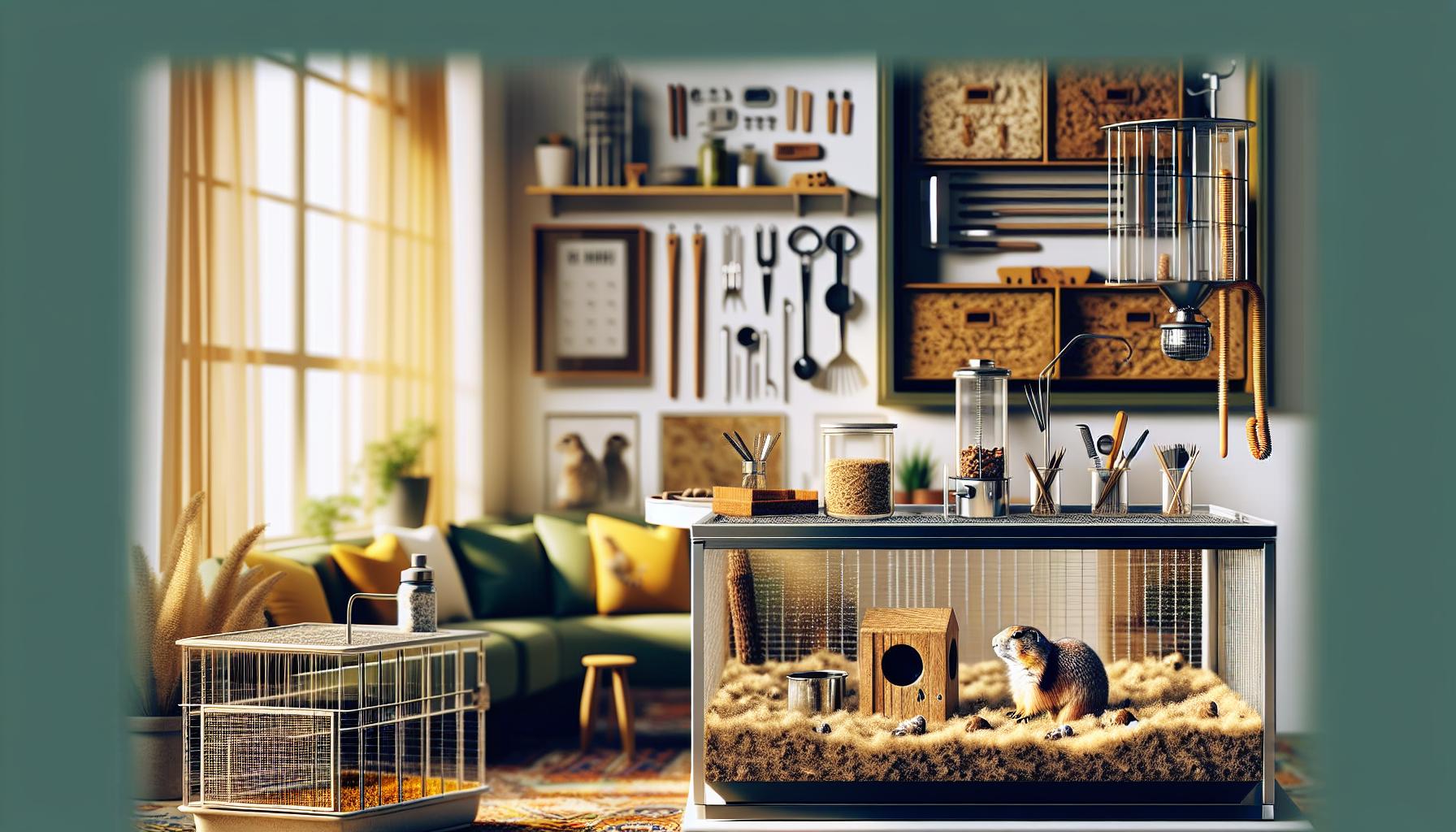
Creating a welcoming and safe environment for a prairie dog in your home is crucial for their well-being. These curious creatures are social animals that thrive in a structured yet enriching space. Before bringing your new furry friend home, you should take specific steps to prepare your living space, ensuring it meets their unique needs while also making it enjoyable for both you and your pet.
Start by dedicating a designated area in your home exclusively for your prairie dog. This can be a large cage that mimics their burrowing habitat-something spacious where they can move around, dig, and play. Look for a multi-level habitat that includes spaces for exploration and secure hiding spots, as prairie dogs often seek out burrows to feel safe. You can fill the enclosure with soft bedding like aspen shavings or hay, avoiding cedar or pine shavings that can be harmful.
To enrich their environment, consider incorporating elements that reflect their natural habitat. Add tunnels, chew toys, and climbing structures to encourage play and explore. These features not only provide mental stimulation but also promote natural behaviors. Keep in mind that prairie dogs are very social and do best with companions, so if your living situation permits, adopting more than one can enhance their happiness.
It’s also important to ensure the room is safe. Remove any toxic plants, secure loose wires, and close off any areas where they might get stuck or injured. Creating a small, enclosed outdoor space can also allow them to enjoy sunshine and fresh air while supervised. Always check the area for escape routes; prairie dogs are adept at squeezing through small openings!
As you set up this cozy haven, remember to keep their health and comfort in mind. Invest in a high-quality water bottle and provide a varied diet rich in hay, fresh vegetables, and specially formulated pellets. Familiarize yourself with their behavioral cues and needs to ensure your new pet integrates smoothly into your life while enjoying the best possible care. With a little preparation and understanding, you’ll create an ideal home for your prairie dog that fosters both happiness and health.
The Essential Supplies for Prairie Dog Care
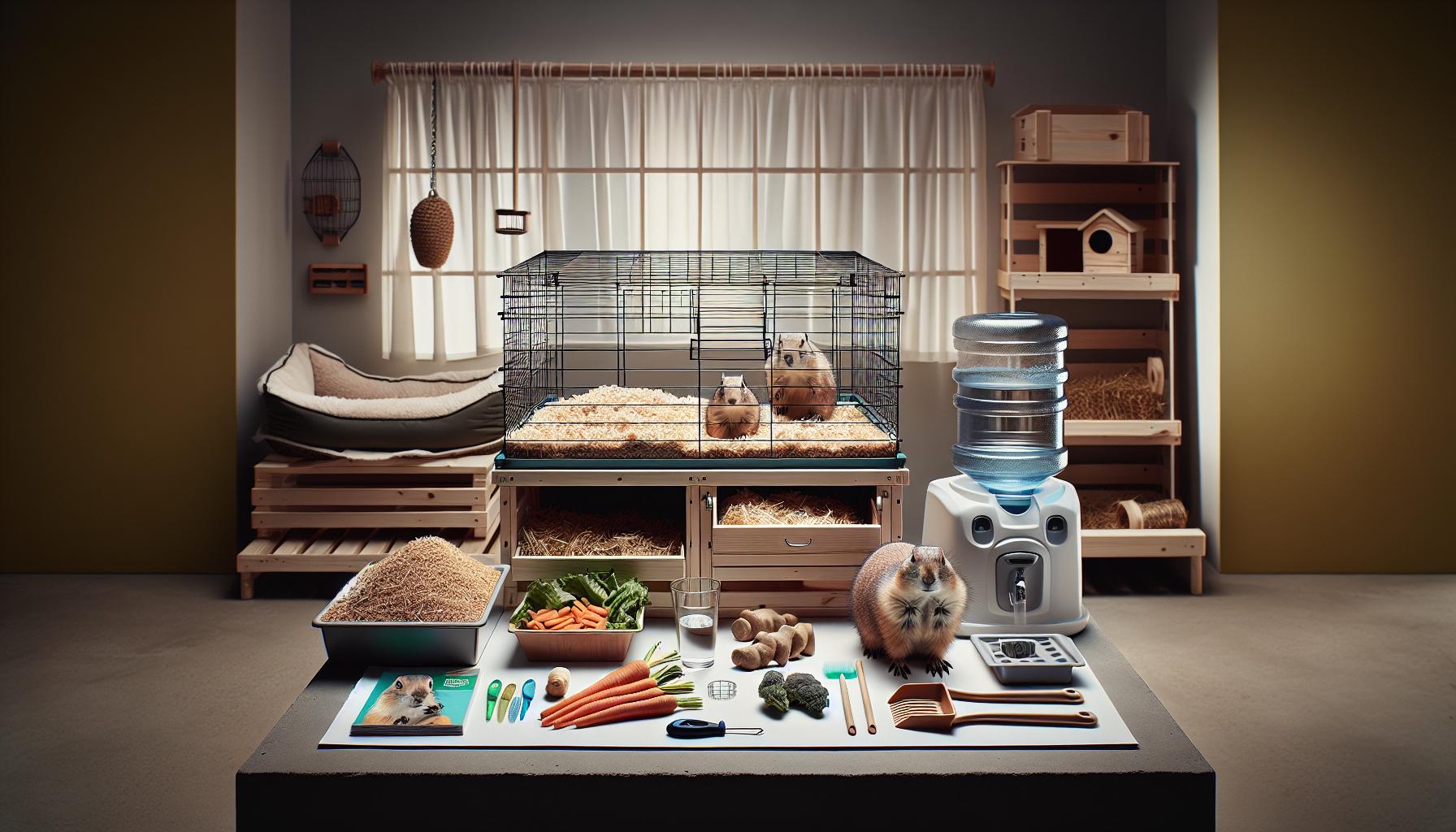
Prairie dogs are not just adorable; they are also highly social and intelligent animals that require specific supplies to thrive in captivity. To ensure that your new furry friend has the best life possible, gathering the right supplies before bringing them home is essential. These supplies support their physical health, mimic their natural habitat, and enrich their lives, promoting well-being and happiness.
Start with a high-quality enclosure that offers ample space for your prairie dog to move around, explore, and dig. A multi-level habitat is ideal, featuring tunnels and hiding spots to emulate their natural burrowing behavior. Look for materials that are safe and easy to clean, such as metal or sturdy plastic. Along with the habitat, soft bedding is crucial; materials like aspen shavings or shredded paper provide comfort. Avoid cedar or pine shavings, as these can be harmful to their respiratory systems.
Next, focus on feeding supplies. Prairie dogs require a varied diet to maintain their health. Equip your habitat with a heavy ceramic food dish to prevent tipping and a high-quality water bottle to ensure they always have access to fresh water. When selecting food, opt for a mix of high-fiber hay, fresh leafy greens, and specially formulated pellets designed for herbivores. Research shows that a balanced diet keeps prairie dogs healthy and happy, reducing the risk of obesity and other health issues.
Lastly, consider their enrichment needs. Create a stimulating environment by incorporating chew toys made from safe materials, climbing structures, and digging boxes filled with safe substrates. These elements encourage natural behaviors and provide mental stimulation, which is essential for their well-being. Remember, prairie dogs are social creatures; if possible, consider adopting more than one to fulfill their natural social instincts.
By gathering these essential supplies, you’ll be well on your way to providing a nurturing and engaging environment for your prairie dog, ensuring they thrive as a cherished member of your family.
Diet and Nutrition for a Healthy Prairie Dog

When it comes to keeping your prairie dog healthy and happy, their diet plays a crucial role. These charming little mammals are herbivores by nature, thriving on a diet rich in fiber and low in fat. Unlike your average pet, prairie dogs require specific nutritional components to maintain their unique digestive systems and overall well-being. Providing a proper diet mimics their natural grazing habits and ensures a vibrant, active pet.
Start with high-quality grass hay, which should form the bulk of their diet. Timothy hay and orchard grass are excellent choices, offering the necessary fiber that keeps their digestive systems running smoothly. Unlike many other pets, prairie dogs don’t just nibble; they enjoy constant access to hay to munch on throughout the day. You can supplement their hay diet with fresh leafy greens such as kale, collard greens, or dandelion greens. These provide essential vitamins and minerals, which are vital for your prairie dog’s health. Be mindful of introducing new foods gradually to avoid gastrointestinal upset; a sudden change can lead to digestive distress.
In addition to hay and greens, consider incorporating specially formulated pellets designed for herbivores. These pellets can provide additional nutrients and are a great source of balanced vitamins and minerals. Choose brands that are high in fiber and specifically made for prairie dogs, as they contain the appropriate ratio of nutrients for your furry friend.
Remember to limit treats to occasional snacks, focusing on healthy options like small pieces of fruit-apples or berries work well-given in moderation. It’s essential to avoid foods that are high in sugars or processed ingredients, which can lead to obesity and other health complications. Water is another critical aspect; ensure that your prairie dog has constant access to clean water, whether through a bowl or a water bottle.
Tips for Feeding Your Prairie Dog
- Offer unlimited hay daily to promote healthy digestion.
- Incorporate greens but introduce them slowly-about 10-15% of their diet.
- Use pellets as a supplement, not a primary food source.
- Limit fruits and treats to occasional rewards.
- Always provide fresh, clean water.
By focusing on a balanced diet that caters to their natural foraging instincts and nutritional needs, you’ll ensure your prairie dog leads a long, healthy, and fulfilling life. Not only will you be supporting their physical health, but you’ll also be enhancing their mood, as a well-nourished prairie dog is a happier, more playful companion!
Creating a Safe and Enriching Environment
Creating a safe and enriching living environment for a prairie dog is essential for their well-being and happiness. These social creatures thrive in spaces that mimic their natural habitats, providing opportunities for exploration, play, and social interaction. Starting with a suitable enclosure, it’s important to select a cage that is spacious enough to accommodate their active lifestyle. A multi-level habitat allows for climbing and burrowing, emulating their innate behaviors. Aim for a cage that is at least 4 feet wide, 2 feet deep, and 2 feet high, with bars spaced close enough to prevent escapes.
Once you have the right enclosure, consider the interior setup. Use natural materials like untreated wood, hay, and grass to create various structures and hiding spots. Prairie dogs love tunnels, so including tubes or boxes will offer them places to explore and feel secure. Adding a digging box filled with safe substrate like shredded paper or aspen shavings can provide hours of entertainment while satisfying their natural instinct to burrow. Regularly change and clean these items to maintain a hygienic environment.
Social interaction is crucial for prairie dogs, as they are highly social animals that thrive in the company of their kind. If you’re considering adopting more than one, ensure that your enclosure can accommodate them comfortably. Even if you have just one prairie dog, dedicate time each day to bond with them through gentle interaction. This not only helps with their social needs but also strengthens the bond between you and your pet.
Lastly, environmental enrichment is vital. Rotate toys and climbing structures regularly to keep their space stimulating. Items like soft chews, balls, or even grass mats can encourage play and exploration. Providing a variety of textures and activities will help prevent boredom and promote mental health. Remember, a happy prairie dog is an active one, full of personality, so creating an engaging and safe environment is key to their flourishing life.
Health Considerations and Common Health Issues
Prairie dogs are charming little creatures, but like all pets, they come with their own set of health considerations. Understanding common health issues can be critical for their longevity and overall well-being. They are prone to specific ailments that can often be mitigated through proper care and attention. This includes regular check-ups with a veterinarian experienced in exotic animals, as many standard veterinary practices may not be well-versed in prairie dog health.
One common health problem is dental disease. Prairie dogs have continuously growing teeth, and if they don’t wear them down properly, this can lead to overgrowth, resulting in pain and difficulty eating. To help prevent this, provide plenty of chew toys made from safe materials, such as untreated wood, and ensure their diet includes high-fiber foods that encourage natural chewing behaviors.
Another area of concern is obesity, which is increasingly common in domestic prairie dogs, primarily as a result of insufficient exercise and an improper diet. Always keep an eye on their weight and ensure they have ample room to roam and play. A balanced diet consisting mainly of hay, supplemented with small amounts of fresh vegetables, is ideal, and treats should be given sparingly.
Skin issues can also pose problems due to dry conditions or parasites like mites. Regular grooming can help, along with ensuring their living environment is clean and well-maintained. If you notice excessive scratching or any changes in their skin or coat, it’s advisable to consult a vet promptly.
Additionally, prairie dogs are susceptible to upper respiratory infections, especially in conditions that are not properly ventilated. Make sure their living space has good airflow and isn’t too humid. Symptoms to watch for include nasal discharge, sneezing, or lethargy, and if these arise, seek veterinary advice immediately.
With proper care and preventive measures, many health issues can be avoided. Engaging with your prairie dog daily not only bolsters your bond but also ensures you’re attuned to any changes in their behavior or health. Keeping a close eye on these adorable critters will help ensure they live a happy, healthy life filled with exploration and enjoyment.
Legal Considerations for Prairie Dog Ownership
Owning a prairie dog can be a rewarding experience, but it’s essential to navigate the legal landscape before you bring one into your home. In many states, prairie dogs are considered exotic pets, and specific regulations may govern their ownership. Some areas may require permits or licenses to keep prairie dogs legally, while others may prohibit ownership altogether due to concerns regarding wildlife conservation and public health. Therefore, it’s crucial to research local laws and consult with your state’s wildlife agency to ensure you comply with all regulations.
One common legal consideration is the protection of native wildlife. Many states recognize prairie dogs as a species that plays a significant role in local ecosystems. As a result, some jurisdictions may have restrictions on capturing or relocating prairie dogs from their natural habitats. It’s important to note that purchasing a prairie dog from a reputable breeder or rescue organization that follows legal guidelines is often recommended. This approach not only ensures the health and legality of your pet but also supports ethical breeding practices.
Additionally, potential prairie dog owners should be aware of any zoning laws in their residential areas. Some communities may have specific ordinances that restrict or regulate exotic pet ownership, including prairie dogs. Before adopting, check with your homeowners’ association or local government to avoid any surprises that could lead to fines or the need to give up your new pet.
It’s equally valuable to understand the potential implications of owning a prairie dog concerning public health. Prairie dogs can carry diseases that affect humans and pets, such as the plague and tularemia. Hence, responsible ownership means strictly adhering to any health guidelines provided by local authorities, including vaccination and regular veterinary care. Keeping your prairie dog in a secure, safe environment can help mitigate risks not only to your pet but also to your household and community. Overall, informed legal compliance promotes a healthy, fulfilling relationship with your prairie dog while ensuring the species’ well-being in their natural habitat.
Integrating a Prairie Dog into Your Family
can be a delightful yet intricate endeavor. These charming creatures, with their playful antics and social nature, can form a wonderful bond with their human companions. However, understanding their specific needs and behaviors is critical to creating a harmonious household. Prairie dogs are highly social animals that thrive in family groups; thus, bringing one into a home filled with love, patience, and preparedness is essential for a smooth transition.
When first introducing your prairie dog to your family, consider the environment. Create a safe, designated space for your new pet that minimizes stress-a small, quiet room away from loud noises and excessive foot traffic provides an ideal starting point. Place their habitat there, ensuring it’s both secure and spacious enough to allow for natural movements. Familiarize your prairie dog with their new surroundings gradually. This method encourages confidence and helps reduce anxiety in the initial adjustment period.
As with any pet, supervised introductions are key. Allow family members, especially young children, to approach the prairie dog calmly and respectfully. Teach them to approach slowly, offer treats, and avoid overly loud voices or sudden movements. This gentle approach fosters trust, enabling your prairie dog to feel safe and secure. Remember, patience is paramount; it may take time for your new friend to acclimate to their new environment and family members.
Moreover, it’s important to actively engage with your prairie dog. These animals are intelligent and require mental stimulation. Activities like interactive play, providing toys that encourage digging or climbing, and even short training sessions can help strengthen your bond. Incorporating routines into your interactions not only enhances their comfort but also allows for more enriching experiences. Regular socialization and enrichment activities will keep your prairie dog happy, healthy, and engaged as a beloved member of your family.
Overall, integrating a prairie dog into your household is a rewarding journey that thrives on understanding their social needs, creating a supportive environment, and fostering delightful interactions. With the right preparation and commitment, you’ll find that a prairie dog can bring joy and companionship into your life, becoming a cherished part of your family.
Training Your Prairie Dog: Tips and Techniques
Training a prairie dog can be a rewarding experience that not only strengthens your bond but also enhances their overall well-being. These social creatures are intelligent and capable of learning various tricks and commands, which can help integrate them seamlessly into your family. When starting your training journey, remember that patience and positive reinforcement are key-prairie dogs respond best to encouraging methods rather than aversive techniques.
One effective approach is to use treats as a reward system. Prairie dogs are highly motivated by food, so identifying their favorite snacks can make training much easier. Begin with simple commands like “come” or “sit.” Use a calm tone and encourage them with their favorite treat as a reward. For instance, when your prairie dog approaches you, immediately offer a treat and praise them to reinforce the behavior. Over time, increase the complexity of the commands as they master each new skill.
| Command | Tip |
|---|---|
| Come | Call their name, use the command, and show a treat. |
| Sit | Hold a treat above their head until they naturally sit to reach it. |
| Spin | Use a treat to guide them in a circle while saying “spin.” |
Consistency is crucial in training sessions, so try to dedicate a few minutes each day to practice. Keep sessions short-between five to ten minutes-to ensure that your prairie dog remains engaged and doesn’t lose interest. For their mental stimulation, you can also incorporate puzzle toys that challenge them and reward their problem-solving skills.
Lastly, socialization is an important aspect of training. Expose your prairie dog to different people, pets, and environments gradually. This helps them become well-adjusted and less fearful, making both training and everyday interactions more pleasant. Remember, training should be a fun experience for both you and your prairie dog; the more you enjoy the process, the more successful you will be. With time, patience, and love, your prairie dog will learn how to be a delightful companion that enhances your home.
Building a Bond with Your Prairie Dog
Building a connection with a prairie dog can be a delightful and rewarding experience, as these lively creatures thrive on social interaction. Did you know that prairie dogs are highly social animals that live in intricate colony systems, communicating through a variety of vocalizations? Understanding their natural behavior can greatly enhance your bond. When first bringing home your prairie dog, it’s essential to create a safe, secure environment where they can feel comfortable and explore at their own pace.
To foster a strong relationship, patience is key. Start by allowing your new companion to acclimate to their new home without overwhelming them. Spend time sitting quietly near their habitat, speaking softly to them. This helps them associate your presence with safety and calmness. As they begin to feel more secure, introduce interactive play sessions using toys that appeal to their inquisitive nature, such as tunnels or chewable items. Engage them with gentle, playful teasing, and watch as they respond-prairie dogs are known for their cheery antics!
A structured routine can also deepen your bond. Consistency in feeding, playtime, and interactions can make your prairie dog feel more at ease. You might implement specific times for treats or play, reinforcing their understanding of daily rhythms. For instance, you might give them a small treat as you call their name, gradually working toward more complex actions as your relationship strengthens. The trust you build will encourage them to approach you more confidently.
Don’t forget, socialization with various friends and family members can enrich their experience as well. By gently introducing them to new people and environments, you will help them become well-adjusted and less fearful. This can significantly enhance their knowing that their human is a source of fun and reliability, creating a loving companionship that can last a lifetime. not only enhances their happiness but transforms your home into a vibrant retreat filled with laughter and love.
Understanding Prairie Dog Conservation and Impact
Prairie dogs are not just adorable, sociable creatures; they also play a crucial role in their ecosystems. As a keystone species, prairie dogs help maintain the health of grasslands by aerating the soil with their burrowing activities and promoting plant growth. Their complex burrow systems provide shelter for a variety of other wildlife, including foxes, badgers, and various bird species. This interconnectedness underscores the importance of understanding their conservation status and the impacts humans have on their populations.
Unfortunately, prairie dog habitats are increasingly threatened by urban development, agriculture, and climate change. As a potential prairie dog owner, it’s vital to recognize the responsibility that comes with adopting these animals. You’ll want to ensure your prairie dog is sourced from a reputable breeder or rescue that prioritizes conservation efforts. Supporting wildlife organizations dedicated to prairie dog preservation not only contributes to the well-being of these charming critters but also helps protect the intricate ecosystems they support.
When bringing a prairie dog into your home, consider how your decision aligns with broader conservation goals. Engaging in practices that promote healthy habitats, such as advocating for proper land use and supporting habitat restoration projects, contributes to the sustainability of prairie dog populations. By understanding and acting upon these conservation principles, you foster a spirit of responsible ownership that extends beyond your own living room, creating a positive impact on the world outside.
Ultimately, adopting a prairie dog can be a rewarding experience that benefits both you and the species. By educating yourself and others about their ecological significance, you play an essential role in the ongoing conservation efforts that protect not just prairie dogs, but the vibrant ecosystems they inhabit.
Frequently asked questions
Q: What legal requirements are there for adopting a prairie dog?
A: Before adopting a prairie dog, check your local laws as some areas require permits or have restrictions on ownership. Always consult your state wildlife agency to ensure compliance with regulations regarding exotic pets.
Q: How do I find a reputable prairie dog breeder?
A: To find a reputable prairie dog breeder, look for breeders who are licensed and follow ethical breeding practices. Attend local pet shows or consult wildlife rescue organizations for recommendations. It’s important to visit the breeding facility to ensure the health and welfare of the animals.
Q: What is the ideal habitat setup for a prairie dog?
A: A suitable habitat for a prairie dog includes a spacious cage with multiple levels and tunnels. Provide bedding material like aspen shavings and ensure plenty of ventilation. The environment should mimic their natural habitat as much as possible for their well-being.
Q: How do I socialize my prairie dog with other pets?
A: To socialize a prairie dog with other pets, start the introduction slowly while ensuring safety. Allow them to observe each other from a distance and gradually decrease space. Supervised interactions can help build a positive relationship over time.
Q: What should I feed my newly adopted prairie dog?
A: A balanced diet for a prairie dog should consist of high-fiber foods like hay, fresh vegetables, and specially formulated pellets. Avoid sugary foods and provide access to clean, fresh water at all times to maintain their health.
Q: What are common health issues in prairie dogs?
A: Common health issues in prairie dogs include dental problems, obesity, and respiratory infections. Regular veterinary check-ups and proper nutrition can help prevent these issues. Educate yourself on specific health signs to monitor your pet’s condition.
Q: How can I enrich my prairie dog’s environment?
A: To enrich your prairie dog’s environment, provide interactive toys, tunnels, and climbing structures. Change their setup regularly and include foraging opportunities to stimulate their natural behaviors. Simple items like cardboard boxes can also encourage play and exploration.
Q: How do I build a bond with my prairie dog?
A: Building a bond with your prairie dog requires patience and consistency. Spend time near their habitat, offer treats, and gently handle them to build trust. Regular interaction and positive reinforcement, like praise for good behavior, will strengthen your relationship.
In Retrospect
Adopting a prairie dog can be an incredibly rewarding experience, and now you have the essential steps to ensure a successful transition into your home. Remember, these social creatures thrive on companionship and a stimulating environment, so be sure to explore our in-depth guides on creating the perfect habitat and understanding prairie dog behavior. If you’re eager to dive deeper, check out our articles on caring for exotic pets and enhancing their enrichment activities.
But don’t wait too long-your new furry friend is counting on you to provide a loving and enriching home! If you have lingering questions or concerns, feel free to check out our community forums where fellow adopters share tips and experiences. And to stay updated on all things prairie dog, consider subscribing to our newsletter for the latest insights and resources. Let’s ensure your journey into prairie dog ownership is joyful and fulfilling-start exploring now!
Get our latest guides, news, and insights highlighted in your Google Search & AI Overviews.