
Did you know that prairie dogs have a complex social structure that rivals that of many primates? These intriguing rodents, often misperceived as mere pests, play a crucial role in their ecosystems. Understanding what prairie dogs are, along with their cultural significance, sheds light on their importance to biodiversity and historical human lore. Many admire their lively, community-oriented behavior, but few realize how they affect the environment around them. From their fascinating communication methods to their impact on other species, prairie dogs are far more than just cute critters; they are vital members of their habitat. In this article, we’ll delve into the definition of prairie dogs and explore their significance in culture and the ecosystem, igniting your curiosity about these remarkable animals and their world.
Cultural Significance of Prairie Dogs in Native American Traditions
Prairie dogs hold a significant place in the traditions and cultures of various Native American tribes, symbolizing community and interconnectedness within nature. These lively creatures are not just seen as wildlife but as integral elements of the ecosystem, reflecting lessons about social structures and the importance of cooperation. In many Native American cultures, prairie dogs are viewed as teachers, embodying values such as familial bonds, teamwork, and the importance of living in harmony with the land.
The social behavior of prairie dogs, particularly their elaborate burrowing systems and cooperative interactions, resonates deeply with the principles of community often celebrated in Native American beliefs. Tribes often interpret the prairie dog’s lifestyle as a metaphor for social cohesion and mutual support. For instance, the way prairie dogs alert one another to danger by barking is akin to the communal vigilance that tribes practice, emphasizing awareness and protection of one’s community.
Furthermore, prairie dogs play a role in several creation stories and folklore. They are sometimes portrayed as tricksters or wise beings who can teach humans about stewardship of the earth. Their presence in the ecosystem-maintaining soil health and providing sustenance for predators-makes them a crucial part of the natural world that many tribes view with reverence. This perspective encourages a deep respect for wildlife and a recognition of every species’ role in the balance of nature.
In cultural celebrations, prairie dogs, along with their habitats, may be honored through art, dance, and storytelling. By integrating these animals into their cultural expressions, Native Americans reinforce the message that all creatures have intrinsic value and play an essential role in the web of life. As a result, prairie dogs stand as representatives of larger principles concerning community, respect for nature, and the interconnectedness of all living things.
Understanding the Ecology and Behavior of Prairie Dogs

Prairie dogs are fascinating creatures that play an essential role in their ecosystems. These small, social rodents inhabit vast grasslands and are easily recognizable by their characteristic burrowing behavior. An intriguing fact about prairie dogs is their complex underground towns, which can span several acres and house hundreds of individuals. These burrows are not just homes; they are intricately designed with multiple entrances, chambers for sleeping and nesting, and escapes from predators. This remarkable architecture not only protects the prairie dogs themselves but also creates a unique habitat for many other species, including insects, birds, and mammals, which all depend on the burrows for shelter and protection.
The behavior of prairie dogs is a reflection of their social nature. They live in colonies called “coteries,” which consist of family groups that cooperate in foraging, caring for young, and defending against threats. When danger is near, prairie dogs communicate using a sophisticated system of barks and calls to alert their fellow colony members. Each sound conveys different information about the type of predator present, allowing the colony to respond effectively. This behavior mirrors the communal values found in many Native American cultures, where cooperation and vigilance are key to survival and success.
Their diet primarily consists of grasses, seeds, and roots, which they foraged during the day in large groups. This grazing activity is crucial for maintaining the grasslands’ health, as it encourages new growth and promotes biodiversity in plant species. Furthermore, their burrowing activities aerate the soil, helping to improve its quality. This ecological role showcases how prairie dogs contribute to the overall health of their habitats, making them a keystone species in their environment.
encourages a deeper appreciation for their place in the natural world. Not only do they serve as social animals, exemplifying family bonds and community living, but they also impact their ecosystems significantly. Observing prairie dogs in their natural habitat can provide insights into these lively creatures and their dynamic interactions with fellow wildlife, reinforcing the necessity of conservation efforts to protect their habitats and ensure their survival.
The Unique Social Structure of Prairie Dog Colonies
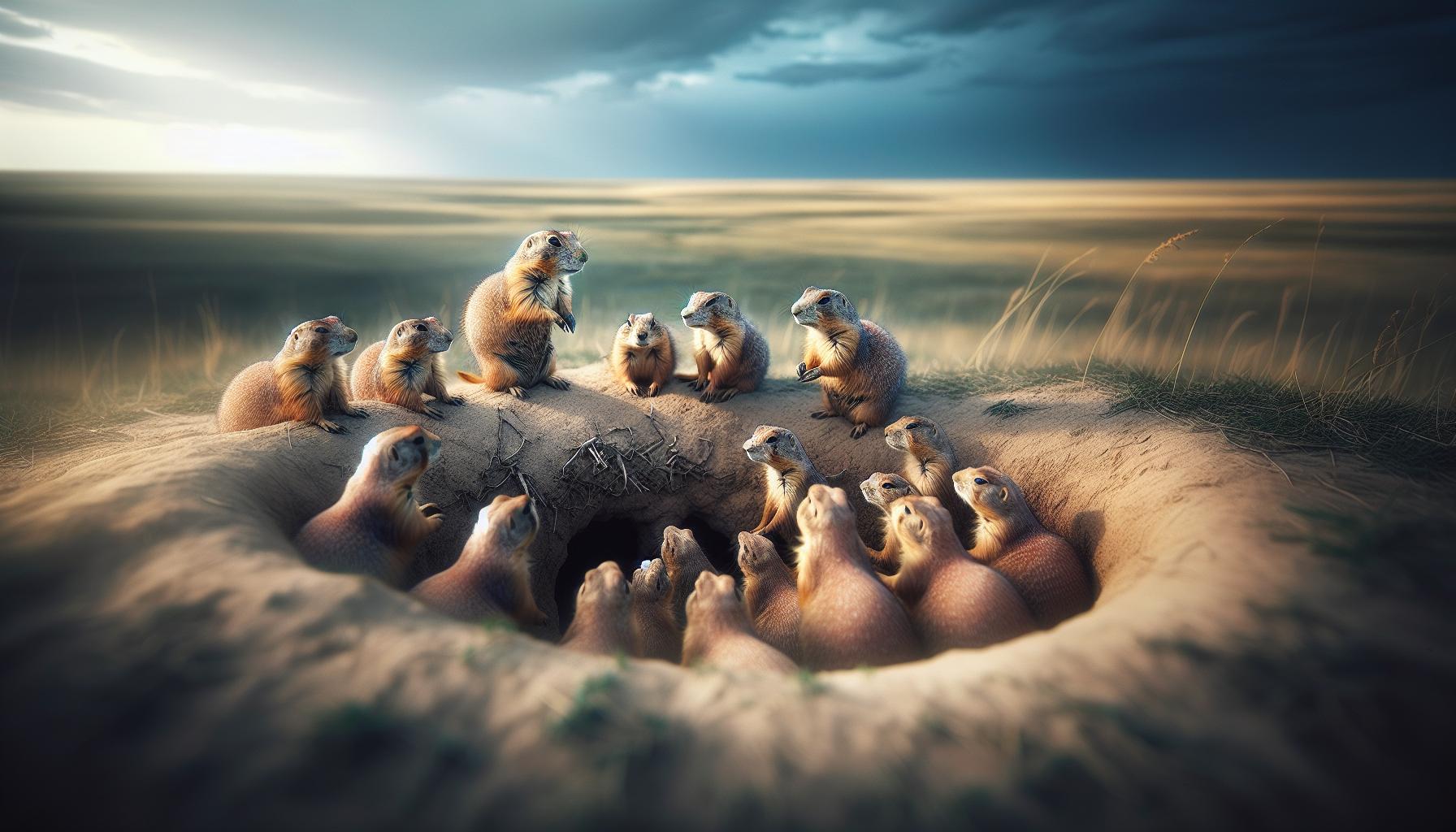
Prairie dogs are not just social creatures; they form sophisticated communities that reveal much about their behavior and interactions. Their colonies, known as coteries, are organized family units that can include anywhere from a handful to dozens of members. Within these groups, prairie dogs demonstrate complex social behaviors that highlight their cooperative nature. This intricate social framework is built on strong family bonds, which are crucial for their survival in the vast grasslands they inhabit.
Each coterie has a hierarchical structure, with a dominant pair that typically leads the group. These leaders are responsible for making decisions regarding foraging and defending the colony from predators. The roles within the coterie are not rigid; everyone contributes to the well-being of the group. Younger prairie dogs often help care for the young ones, while older members take on sentinel duties, watching for potential threats from the sky or ground. This division of labor ensures that there is always someone vigilant, allowing the rest of the group to forage or rest safely.
Communication is pivotal in maintaining the cohesion of prairie dog colonies. The animals use an elaborate system of vocalizations to convey vital information about predators and other dangers. Each call can indicate the type of threat present-be it a hawk, fox, or human-enabling the prairie dogs to react appropriately. This level of communication is not only fascinating but also serves as a reminder of the importance of community and shared awareness, much like the values celebrated in many Native American traditions, which emphasize unity and mutual support.
The prairie dog social structure demonstrates remarkable adaptation to their environment, helping them thrive in the challenging conditions of the grasslands. By maintaining strong social ties and displaying cooperative behaviors, prairie dogs not only ensure their survival but also create a vibrant community that supports the broader ecosystem. The health of their colonies and the stability of their social networks are critical not only for prairie dogs themselves but for the myriad species that depend on them, highlighting their role as a keystone species within their habitat.
Prairie Dog Communication: More Than Just Barking
Prairie dogs are far more than charming furballs scurrying through the grasslands; they are formidable communicators with an impressive vocabulary. Their complex system of vocalizations allows them to convey essential information about predators and social dynamics within their colonies. Interestingly, researchers have discovered that prairie dog calls are not mere barks but a sophisticated form of language that includes varying tones, pitches, and patterns. This allows them to specifically identify the type of threat present-whether it be a hawk, a fox, or even a human encroaching on their territory.
The acoustic richness of prairie dog communication can be compared to the nuanced conversations of humans. Each call serves a particular purpose and can communicate not only the type of predator but also its distance and size. For example, a quick, high-pitched alarm call might signal a hawk overhead, alerting other prairie dogs to take cover, while a different tonal pattern might indicate a ground threat. This level of detail assists in fostering a strong sense of community and cooperative defense among the prairie dogs, making each member aware and alert.
Moreover, prairie dog communication highlights the importance of social bonds within their colonies. Young prairie dogs learn these vocal cues from their family members and through observation, much like human children picking up language skills. This behavior not only strengthens their communal ties but also enhances their survival chances in a harsh environment. By understanding the nuances of their calls, prairie dogs can effectively respond to dangers, illustrating how critical communication is for their social structure and overall ecological well-being.
Overall, the intricate communication methods of prairie dogs serve as a reminder of the rich social fabric of wildlife. Observing and appreciating this aspect of their behavior can deepen our understanding of their role as a keystone species and inspire conservation efforts to protect both them and their habitats. As you explore the world of prairie dogs, pay attention to these fascinating interactions; they serve not only as a means of survival but also as a vibrant expression of community life.
Threats to Prairie Dog Populations and Their Ecosystems
As prairie dogs scurry about their intricate burrow systems, they play a crucial role in the ecosystems of the Great Plains. But these charismatic rodents face a myriad of threats that jeopardize their populations and the broader ecological balance. Among the most pressing dangers is habitat loss, largely fueled by human development, agriculture, and urbanization. As fields are converted into cropland or cities expand, prairie dog colonies are often obliterated, shrinking their already fragmented habitats and leaving little room for these social dwellers to thrive.
Additionally, disease poses a significant risk to prairie dog populations. Sylvatic plague, caused by a bacterium transmitted by fleas, can decimate entire towns of these animals in a matter of days. This not only impacts prairie dog numbers but also disrupts the myriad species that rely on them as a food source. Predators such as hawks, coyotes, and even larger mammals depend on prairie dogs as a primary prey item, creating a cascading effect within the food web when prairie dog populations decline.
Invasive species also play a role in threatening these native rodents. Non-native plants can outcompete the grassland flora that prairie dogs depend on, altering their habitat and food supply. Furthermore, the introduction of predatory or competitive species can disrupt their social structures and living conditions, putting additional stress on their communities.
To combat these threats, conservation efforts are crucial. Protected areas that preserve prairie dog habitats help maintain healthy populations. Public awareness campaigns can aid in educating communities about the ecological importance of prairie dogs, promoting coexistence and support for conservation programs. By fostering an appreciation for these fascinating creatures and the roles they play, we can work towards ensuring that prairie dogs continue to thrive in their natural habitats, supporting the biodiversity of the ecosystems they inhabit.
Conservation Efforts: Saving Prairie Dogs for the Future
Conserving prairie dogs is essential not only for their survival but also for maintaining the health of the vast ecosystems they inhabit. As these small but mighty mammals play a pivotal role as a keystone species, their conservation ensures the well-being of a multitude of other species that rely on their colonies for food and habitat. Engaging in efforts to protect prairie dogs helps sustain the intricate web of life in the grasslands, which supports everything from burrowing owls to black-footed ferrets.
One effective approach to conservation is establishing protected areas to safeguard prairie dog habitats from the threats of urbanization and agriculture. These reserves allow prairie dog populations to flourish without the pressures of habitat destruction. Organizations such as the Prairie Dog Coalition advocate for creating and maintaining these safe havens, encouraging local governments to recognize and protect prairie dog areas as vital ecological assets. Community involvement is also crucial; by fostering an appreciation for prairie dogs through educational programs, people can learn how these creatures contribute to the environment, creating a genuine interest in their protection.
In addition to habitat conservation, active management strategies can help mitigate the impacts of disease outbreaks, particularly sylvatic plague. Some programs focus on monitoring prairie dog populations and implementing flea control measures to reduce disease transmission. Likewise, collaboration among wildlife experts, ranchers, and conservationists is vital to develop integrated land-use strategies that benefit both agricultural practices and prairie dog preservation.
Overall, the future of prairie dogs and the ecosystems they support depends heavily on collective action and informed stewardship. Whether through protective legislation, habitat restoration projects, or community education, every effort counts. By valuing these rugged little rodents and championing their conservation, we take a significant step toward ensuring the vibrant ecosystems of the Great Plains remain intact for generations to come.
Prairie Dogs in Popular Culture: Movies, Books, and Beyond
Prairie dogs capture the imagination not just in the wild but also in popular culture. These iconic animals contribute to a variety of creative works, serving as symbols of community, nature, and the challenges of survival. In films and literature, they often embody traits of playfulness, intelligence, and resilience, reflecting their social structures and behaviors common in their natural habitats.
One notable instance is the animated film Over the Hedge, where a group of animals encounters a meadow filled with prairie dog colonies. The film humorously explores themes of adaptation and the impact of urbanization on wildlife. Prairie dogs, with their bustling burrows and lively interactions, add a relatable and amusing touch to the storyline, emphasizing the importance of community and cooperation among different species.
In literature, prairie dogs frequently appear in children’s books, where they are depicted as engaging characters who teach lessons about teamwork and friendship. Titles like The Prairie Dog that Danced not only entertain but also educate young readers about prairie dog habits and habitats, creating a sense of wonder about wildlife.
Beyond stories, prairie dogs serve as mascots for conservation efforts, appearing in campaigns promoting biodiversity and ecosystem health. Their representation highlights the delicate balance of grassland ecosystems, urging audiences to consider the role they play in protecting these environments. People are encouraged to visit places like prairie dog towns, where they can observe their antics and learn more about the ecological significance of these animals.
With their endearing qualities and essential ecological roles, prairie dogs continue to inspire various forms of artistic expression. Their inclusion in pop culture fosters a connection between humans and wildlife, reminding us of our shared responsibility in protecting these vibrant ecosystems.
How to Observe Prairie Dogs in Their Natural Habitat
To catch a glimpse of prairie dogs in their natural habitat is to witness a remarkable display of social behavior and community life. These charming creatures are often found in large colonies known as towns, which can span several acres and are typically situated in open grasslands or plains. To observe prairie dogs, you’ll want to visit their habitats during the early morning or late afternoon when they are most active. Bring binoculars or a camera with a zoom lens to get a closer look without disturbing their natural behavior.
As you approach a prairie dog town, find a quiet spot away from the main burrow entrances to avoid startling them. Sit still and watch the vibrant interactions among the prairie dogs. You’ll notice their distinctive behaviors, like standing on their hind legs to survey the area for predators, or the playful antics of younger dogs. Patience is key; often, the more you wait, the more relaxed they become, offering you a front-row seat to their social interactions, which can include vocal communication, grooming, and playing.
It’s essential to respect their space, ensuring you do not encroach on their burrows or cause undue stress. Remember to follow any local guidelines for wildlife observation, as these protections are in place to ensure these events are as undisturbed as possible. Combining a visit with educational resources on prairie dog behavior can enhance your experience, deepening your understanding of their ecological roles and social structures. Take the opportunity to share your observations with others, perhaps linking your experience to local conservation efforts that aim to protect these dynamic creatures and their habitats.
Prairie Dog Species: Differences and Similarities
Did you know there are several species of prairie dogs, each with unique traits and behaviors? These small, highly social mammals belong to the family Sciuridae and can be found throughout the grasslands of North America. While all prairie dogs exhibit fascinating social structures and communication methods, they also have notable differences in size, habitat preference, and behavior. Let’s take a closer look at these intriguing creatures!
A Quick Look at Prairie Dog Species
There are five recognized species of prairie dogs, each adapted to their specific environments:
- Black-tailed Prairie Dog (Cynomys ludovicianus): The most common and widely studied species, found primarily in the Great Plains. Known for their distinctive black-tipped tails, they thrive in extensive colonies and are vital for maintaining the health of their ecosystems.
- White-tailed Prairie Dog (Cynomys leucurus): This species is primarily located in the mountainous regions of Wyoming and Colorado. With a white tail, these prairie dogs are slightly less social than their black-tailed relatives and prefer rockier terrain.
- Gunnison’s Prairie Dog (Cynomys gunnisoni): Found in the southwestern United States, this species has a bushier tail and inhabits high elevation areas. They’re critical to local biodiversity as they create burrows that benefit other species.
- Mexican Prairie Dog (Cynomys mexicanus): Once abundant, this species is now endangered, primarily located in parts of northern Mexico and southwestern Texas. Their smaller colonies are facing threats from habitat loss and agricultural development.
- Utah Prairie Dog (Cynomys parvidens): This species is unique to Utah and is considered vulnerable due to habitat loss. They have smaller towns and play a significant role in their ecosystem, despite being lesser-known.
Similarities and Differences
While these species share remarkable social traits-such as living in large colonies and engaging in complex communication-their habitats and behaviors can vary significantly. For instance, black-tailed prairie dogs are known to create extensive, intricate burrow systems that can host thousands of individuals, while Gunnison’s prairie dogs may prefer more isolated structures in less dense populations.
Another fascinating point is their communication patterns. All species utilize a range of vocalizations to alert one another to predators, but black-tailed prairie dogs have been shown to have a particularly sophisticated system, with calls that can convey specific information about the type of threat.
Understanding these differences and similarities adds to the overall appreciation of prairie dogs in both ecological and cultural contexts. As integral parts of their ecosystems, their impact on soil health and biodiversity is significant, making their conservation crucial. So whether you’re a curious newcomer or a seasoned wildlife enthusiast, gaining insight into prairie dog species enhances your connection to these uniquely social animals and the habitats they create.
The Role of Prairie Dogs in Biodiversity and Ecosystem Health
Prairie dogs may be small in stature, but their impact on the ecosystem is monumental. These social critters serve as a keystone species, meaning their presence and actions significantly influence the environment around them. Their burrowing activities not only aerate the soil but also help water to percolate, enhancing ground moisture and promoting plant growth. This change in soil structure benefits a variety of flora, creating a vibrant habitat that supports diverse wildlife.
The extensive colonies formed by prairie dogs provide shelter and food for numerous other species. Animals such as burrowing owls, black-footed ferrets, and various snakes depend on prairie dog towns for their survival. In fact, a study noted that nearly 250 species can benefit directly from prairie dog ecosystems. These towns serve as a community hub, where other wildlife can find burrows for nesting, refuge from predators, and a stable food supply.
Additionally, prairie dogs create a unique environment that fosters biodiversity. Their grazing habits help control the growth of grasses and other plants, encouraging a mix of flora that supports different species of insects, birds, and mammals. The natural cycles of their burrowing and foraging activities significantly contribute to the health of grassland ecosystems, making them not just inhabitants but facilitators of ecological balance.
Given the vital role prairie dogs play, their conservation is essential. As their populations decline due to habitat loss and other threats, the entire ecosystem is at risk. By protecting prairie dogs, we also safeguard the myriad species that rely on their home and the health of the grasslands they help to sustain. Understanding and appreciating the role of prairie dogs is a step towards maintaining the delicate web of life that defines our grassland landscapes.
Fun Facts About Prairie Dogs You Didn’t Know
Did you know that prairie dogs exhibit some of the most sophisticated communication systems in the animal kingdom? These social rodents not only bark but also use a complex array of sounds to warn each other about different types of predators, from hawks to coyotes. Research has shown that their ‘barks’ can even convey specific details about the size and shape of the threat, almost like a coded language! Such intricate communication allows them to work as a team to protect their community, showcasing an intelligence often underestimated in small mammals.
Beyond their impressive communication, prairie dogs are fascinating in their social behavior. Living in large colonies known as “towns,” these creatures thrive in a rich social environment where cooperation is key. They exhibit behaviors such as grooming each other and sharing alarm calls, reinforcing social bonds within their groups. Additionally, prairie dogs have different social structures, including family units that help raise young pups. This sense of community not only enriches their lives but plays a critical role in their survival against predators.
Their impact extends beyond social interactions; prairie dogs are known as a keystone species in grassland ecosystems. By digging extensive burrows that create rich underground networks, they improve soil aeration and water infiltration. This activity supports a diverse range of flora and fauna. Interestingly, prairie dog burrows provide essential habitat for various other species-like the endangered black-footed ferret, which relies on them as a primary food source. Thus, their existence bolsters biodiversity, illustrating just how interconnected life is in grassland habitats.
If you have the chance to observe prairie dogs in their natural settings, you’ll notice their playful antics, such as “kissing” – a behavior where they touch noses in a show of affection, enhancing their social connections. Whether you’re a wildlife enthusiast or a casual observer, understanding these fun facts about prairie dogs enriches your appreciation for these remarkable creatures and highlights the importance of conserving their habitats to maintain the ecological balance in which they play such a significant role.
Frequently asked questions
Q: What is the origin of the term “prairie dog”?
A: The term “prairie dog” originated from early settlers who noted their barking sounds, which resembled a dog’s bark. These small mammals live in intricate underground tunnels in grasslands, particularly in North America, and are known for their social behavior and vocal communication.
Q: Why are prairie dogs considered a keystone species?
A: Prairie dogs are considered a keystone species because their burrowing activity aerates the soil and helps to maintain grassland ecosystems. Their colonies provide habitats for multiple other species, enhancing biodiversity and ecosystem health. This significance is explored in more detail in the section on biodiversity in our article.
Q: How do prairie dogs communicate with each other?
A: Prairie dogs use a sophisticated system of vocalizations and body language to communicate. They have specific calls for different types of predators and convey information about food sources. This complex communication system highlights their intelligent social structure, as mentioned in our article on prairie dog communication.
Q: What cultural symbols do prairie dogs represent in Native American traditions?
A: In Native American cultures, prairie dogs often symbolize community and cooperation due to their social structures. They serve as reminders of the importance of living in harmony with nature and are featured in various folklore. For more insights, refer to the section discussing cultural significance in our main article.
Q: When is the best time to observe prairie dogs in the wild?
A: The best time to observe prairie dogs is during their active hours in the spring and early summer, when they are most visible above ground. Early mornings or late afternoons provide ideal conditions for watching their behavior and interactions, as described in our guide on observing prairie dogs.
Q: How do prairie dogs impact agriculture?
A: Prairie dogs can significantly affect agriculture, as their burrowing can damage crops and fields. However, their existence also promotes biodiversity, which can benefit agricultural ecosystems. Understanding these dynamics is crucial for effective land management, as highlighted in our article about threats to prairie dog populations.
Q: What threats do prairie dogs face today?
A: Prairie dogs face numerous threats including habitat loss due to urban development, farming, and climate change. Additionally, they are impacted by disease and human activities. Addressing these threats is vital for their conservation, which is covered in our conservation efforts section.
Q: What are the different species of prairie dogs?
A: There are five species of prairie dogs: the black-tailed, white-tailed, Gunnison’s, Utah, and Mexican prairie dogs. Each species has unique characteristics and habitat preferences, which are discussed in detail in the species comparison section of our article.
To Wrap It Up
As we wrap up our exploration of what prairie dogs mean and their cultural significance, it’s clear that these fascinating creatures are more than just adorable animals-they are vital players in their ecosystems and carry deep meanings in various cultures. If you’re intrigued by their behavior, habitat, and community dynamics, delve deeper into our articles on prairie dog conservation efforts and the impact of urbanization on wildlife habitats.
Don’t miss out on the wealth of knowledge available-check out our related posts on burrowing animals and more unique wildlife to expand your understanding. If you found this information valuable, consider subscribing to our newsletter for the latest updates and insights. Share your thoughts in the comments below, and let’s keep the conversation going about these amazing creatures. Your journey into the wild world of prairie dogs starts here, so explore further and discover what other wonders await!
Get our latest guides, news, and insights highlighted in your Google Search & AI Overviews.