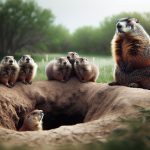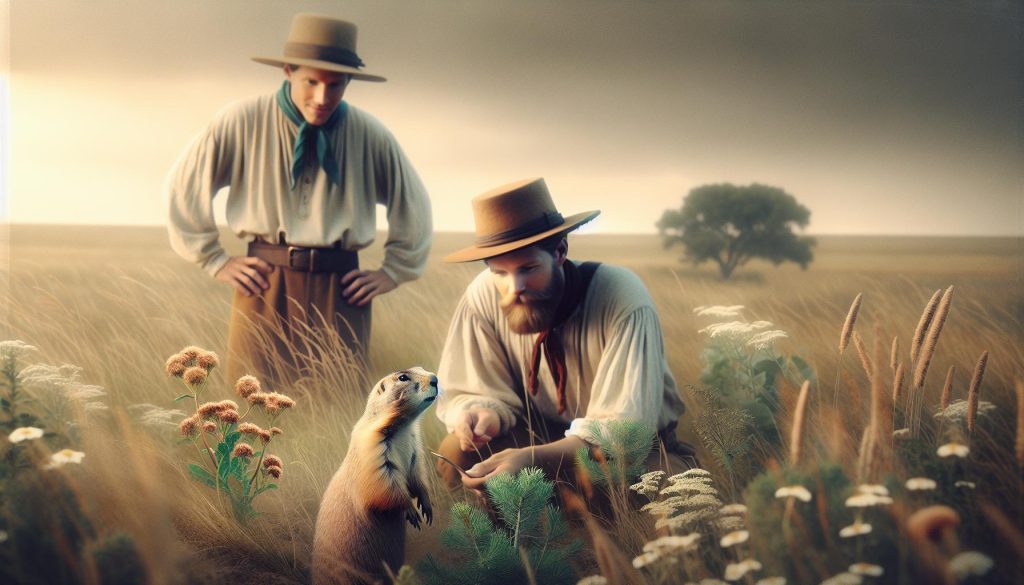
Did you know that the adorable prairie dog, often seen in the grasslands of North America, has a history that dates back to the early 19th century? During their famous expedition, Lewis and Clark encountered this fascinating creature and opted to name it based on its unique characteristics. Understanding what they called the prairie dog not only sheds light on their exploration but also connects us to the rich tapestry of wildlife that continues to thrive today. As we dive into this intriguing topic, you’ll discover how the names we assign to animals reflect both our understanding of them and our cultural heritage. Join us on this journey to uncover the original name Lewis and Clark bestowed upon the prairie dog, revealing a delightful story about discovery, naming, and nature’s wonders.
What Did Lewis and Clark Call the Prairie Dog?
The explorers Lewis and Clark, during their monumental expedition across the American West in the early 1800s, first encountered this intriguing creature known today as the prairie dog. They referred to it as the “barking squirrel.” This name derived from the prairie dog’s distinctive vocalizations, which seemed to resemble barking, making it memorable to the explorers amidst their grand adventure through uncharted territories.
The prairie dog is more than just an amusing name; it’s a vital player in its ecosystem. These social rodents live in intricate underground burrows that not only provide shelter for themselves but also support various other species that rely on prairie dog colonies for survival. In their detailed journals, Lewis and Clark observed these animals’ burrowing habits and noted their active nature, highlighting how their colonies significantly altered the landscapes of the Great Plains.
Interestingly, this name reflects the cultural perspectives and linguistic tendencies of the time. Naming wild animals often stemmed from observable behaviors, connecting them deeply to the human experience. The “barking squirrel” effectively captured the prairie dog’s character, illustrating how exploration not only uncovered new lands but also new understanding of the world’s diverse fauna.
Today, knowing these historical terms enriches our appreciation for prairie dogs and their role in the environment. Their name’s origin serves as a reminder of the continuous interaction between humans and wildlife, inviting contemporary audiences to learn more about these fascinating creatures and their critical role in ecological systems.
The Fascinating Origin of the Prairie Dog’s Name
The intrepid explorers Lewis and Clark encountered a fascinating creature during their travels across the American West-the prairie dog. Initially, they dubbed this lively rodent the “barking squirrel” due to its distinctive vocalizations, which resemble the barks of a small dog. This catchy name not only highlights the explorers’ keen observations but also exemplifies how language can encapsulate the characteristics of wildlife they encountered for the first time.
The prairie dog’s playful nature and bustling activity captivated Lewis and Clark. Their journals detail how these animals would frolic in their colonies, making it easy to see why the name “barking squirrel” stuck. This term effectively connects to the human experience; it captures the essence of a creature that was both intriguing and often overlooked in its natural habitat. The “squirrel” aspect relates to its small size and social behaviors, while “barking” speaks to its unique method of communication, thus painting a vivid picture of what these explorers witnessed.
The name also reflects a broader cultural practice of the time, where explorers and naturalists frequently named animals based on their observable behavior. This trend illustrates the connection between humans and nature, emphasizing not only curiosity but also the need to categorize and understand the world around us. Today, understanding the origin of the prairie dog’s name enriches our appreciation for this species and encourages a deeper respect for all wildlife, inviting everyone to marvel at the diversity of life that populates our planet.
As modern conservationists work to protect these animals and their habitats, recognizing their historical significance reminds us of the ongoing relationship between humans and the natural world. By honoring the stories and observations of explorers like Lewis and Clark, we can foster a greater awareness and appreciation for the ecological roles that prairie dogs and their relatives play in the environment.
The Role of Prairie Dogs in Lewis and Clark’s Expedition
During their legendary expedition across the American West, Lewis and Clark encountered the prairie dog, a small rodent that played an unexpectedly vital role in their journey. These social creatures, often found in sprawling colonies known as “towns,” provided the explorers with both a source of intrigue and practical observations that contributed to their understanding of the new terrains they were traversing. The advent of the prairie dog, which Lewis and Clark affectionately labeled the “barking squirrel,” reflected not just their keen observational skills but also the significance of local wildlife in shaping the narrative of westward exploration.
Prairie dogs live in intricate burrow systems that serve as homes and protective shelters for their families. These burrows create an ecosystem that supports a variety of other wildlife, demonstrating the interconnectedness of species. Lewis and Clark noted how the presence of these colonies indicated rich, fertile land, influencing their decisions on where to camp and gather resources. Additionally, the lively antics of prairie dogs, including their infamous “barking” calls and social behaviors, captured the attention of the explorers, illustrating the diverse life forms thriving in the uncharted territories. Their observations not only highlighted the prairie dog’s essential role in the ecosystem but also emphasized the explorers’ commitment to documenting the flora and fauna they encountered.
As the expedition progressed, prairie dogs became an interesting point of reference in Lewis and Clark’s journals, acting as indicators of the health of the prairie ecosystem. The explorers detailed their interactions with the colonies, making note of the distinctive vocalizations and the social dynamics exhibited within these burrows. This attention underscored the broader importance of prairie dogs beyond mere curiosity; they were a keystone species within their habitat, affecting the ecosystem’s overall functioning by aerating the soil and providing food for predators.
Understanding the role of prairie dogs within the context of Lewis and Clark’s expedition enriches our appreciation for these fascinating creatures today. As we consider the explorers’ perspective, it’s essential to recognize how such observations helped shape our understanding of wildlife and ecological relationships in North America. The legacy of Lewis and Clark, encapsulated in their detailed notes and the names they assigned to the creatures they encountered, continues to resonate in modern conservation efforts, reminding us of the complexity and beauty of the natural world.
Understanding the Ecology of Prairie Dogs
Prairie dogs are not only charming little rodents but also pivotal players in their ecosystem. These social animals inhabit complex burrow systems, often referred to as “towns,” which can span hundreds of acres and house thousands of individuals. This intricate network of tunnels serves multiple purposes: it provides shelter from predators, temperature regulation, and a safe space for raising young. The burrows foster a unique microhabitat that supports a diverse community of organisms, including other mammals, birds, and insects, showcasing the interconnectedness of life on the prairie.
The impact of prairie dogs goes beyond their immediate habitat. Their burrowing activity aerates the soil, which improves water infiltration and promotes the growth of grasses-important food sources for many herbivores. These grasslands then attract larger predators like coyotes and hawks, making prairie dogs a keystone species in their environment. Not only do they contribute to soil health, but they also serve as a food source for a variety of animals, establishing a critical link in the local food web.
In the context of Lewis and Clark’s expedition, the explorers observed prairie dogs and their towns as indicators of ecological health. Lewis and Clark noted the locations of these colonies in their journals, recognizing that the presence of vibrant prairie dog towns often signaled fertile land suitable for grazing and camping. Their keen observations reflected an early understanding of ecological relationships, paving the way for contemporary conservation efforts that still value prairie dogs as indicators of biodiversity and ecosystem health.
Today, is crucial for their conservation. Protecting these animals and their habitats ensures that the intricate balance of life they support continues. Engaging with educational programs about prairie dog behavior and habitat can spark interest and awareness, encouraging everyone-from wildlife enthusiasts to casual observers-to participate in conservation efforts. From their charming behavior to their vital ecological role, prairie dogs exemplify how one species can significantly influence its environment and beyond.
How to Identify Different Prairie Dog Species
Prairie dogs, often described as the lively architects of the grasslands, are not just a single species but encompass several distinct types. Understanding can be a delightful exploration for wildlife enthusiasts and casual observers alike. Each species showcases unique characteristics that reflect their adaptations to various habitats across North America.
There are five recognized species of prairie dogs: the black-tailed, white-tailed, Mexican, Gunnison’s, and the Utah prairie dog. Here’s a handy guide to help differentiate them:
Black-tailed Prairie Dog
This is the most common species, easily recognized by its distinct black-tipped tail. Black-tailed prairie dogs typically inhabit the central United States and are known for their large colonies, or “towns,” which can cover extensive areas. They are social creatures, displaying a range of vocalizations to communicate the presence of predators.
White-tailed Prairie Dog
Found primarily in the Rocky Mountain region, the white-tailed prairie dog has a lighter coat and a characteristic white tail. This species prefers sparse, rocky grasslands, and their burrows are often located in slightly elevated terrain.
Mexican Prairie Dog
Considered the smallest of the prairie dog species, the Mexican prairie dog has a softer, more cinnamon-colored fur. Once common across the plains, this species has faced significant population declines and is now mostly found in New Mexico and Arizona. Their burrowing behavior is similar to other prairie dogs, but conservation efforts are crucial for their survival.
Gunnison’s Prairie Dog
Larger than the Mexican variety, Gunnison’s prairie dog can be identified by its slightly more muscular build and bushy tail. Residing mainly in the Rocky Mountains, this species prefers higher elevations and has a shy demeanor compared to its black-tailed counterpart.
Utah Prairie Dog
Unique to Utah, this species is recognized by its rounder face and more compact body. It is often considered a conservation priority due to its limited distribution and declining numbers. The Utah prairie dog has very specific habitat needs, typically favoring open sagebrush and grasslands.
By learning to distinguish between these prairie dog species, you not only enhance your wildlife observation skills but also gain a deeper appreciation for their roles within their ecosystems. Observing prairie dogs in their natural habitats can reveal fascinating behaviors and social interactions, as they play an essential part in maintaining the ecological balance of grassland environments.
Cultural Significance of Prairie Dogs in Native American Lore
Prairie dogs hold a special place in Native American culture, revered not just as part of the ecosystem but also woven into the fabric of various tribal narratives and traditions. Historically, many tribes viewed these charming rodents as symbols of community and communication, reflecting their own social structures. For instance, prairie dogs are known for their intricate burrow systems and their vocalizations, which function similarly to a warning system, much like how tribes would communicate important messages to one another across distances.
In Native American lore, the prairie dog often embodies themes of industriousness and cooperation. Tribes such as the Lakota and Cheyenne recognized and respected the prairie dog’s role in the prairie ecosystem, understanding that these small animals help aerate the soil, allowing for better water retention and promoting the growth of grass. This ecological awareness ties into a broader reverence for wildlife and the interconnectedness of all living beings.
Additionally, rituals and teachings involving prairie dogs can be found in various traditions, where they serve as reminders of the balance needed for survival. The animals’ social behaviors, including their teamwork in defending their towns against predators, resonate with values of collective effort and resilience, key lessons often imparted through storytelling and folklore.
Modern conservation efforts aimed at protecting prairie dog populations echo these cultural sentiments, as preserving their habitats ensures the continuation of these values. By nurturing the prairie dog, tribes not only safeguard a critical species but also honor their ancestors’ respect for the natural world. Thus, the prairie dog stands as a bridge between past and present, linking traditional ecological knowledge with contemporary environmental stewardship.
Conservation Efforts for Prairie Dogs Today
While wandering the vast expanses of the Great Plains, Lewis and Clark encountered an intriguing creature that would soon capture the imagination of many: the prairie dog. This small, social rodent, which digs extensive burrow systems, earned its charming name from the notable behavior of its loud, bark-like calls that echoed like a dog’s bark in the prairie landscape. Their original moniker reflects the joyful connection Nature made with the explorers, who documented these fascinating animals in their journals as they traversed the American wilderness.
Modern conservation efforts aim to protect these vibrant members of our ecosystem, recognizing their vital role in maintaining the health of grasslands. Prairie dogs aerate the soil through their burrowing, enhance water retention, and serve as a keystone species for various other animals, including foxes, hawks, and badgers, that rely on them for food and habitat support. Today, many organizations work tirelessly to preserve prairie dog populations, which have dramatically declined due to habitat loss, disease, and extermination efforts resulting from agricultural expansion.
Key Conservation Strategies
- Habitat Protection: Preserving prairie habitats through government and nonprofit initiatives ensures that prairie dogs have secure environments to thrive.
- Public Awareness: Raising awareness about the ecological importance of prairie dogs helps dispel negative perceptions and promotes community-led conservation efforts.
- Research and Monitoring: Conducting studies to monitor prairie dog populations and health can inform better conservation strategies and decision-making.
- Legal Protection: Advocacy for legal protections under various wildlife conservation laws can help safeguard prairie dog colonies from harmful practices.
As stewards of the land, we can all contribute to these conservation efforts. Simple actions such as supporting local conservation organizations, participating in prairie restoration projects, or engaging in education about prairie ecosystems can make a significant difference. By fostering a respectful relationship with these remarkable creatures, we honor not only Lewis and Clark’s legacy of exploration but also the intricate network of life they helped illuminate.
Fun Facts About Prairie Dogs and Their Behavior
Prairie dogs are fascinating little animals that display a rich variety of social behaviors and ecological interactions that can captivate any wildlife enthusiast. Did you know that these social rodents live in large colonies, known as coteries, which can contain dozens of individuals? Each prairie dog has a social structure with roles that can vary from caregivers to sentinels, who alert the group of oncoming threats. This cooperation is crucial for their survival in the open plains, where they are preyed upon by several predators, including eagles and coyotes.
Their communication skills are particularly remarkable. Prairie dogs have a wide range of vocalizations, some of which are incredibly specific. Research has found that they can convey detailed information about the size, shape, and color of approaching predators through their barks. This nuanced communication system showcases their intelligence and enhances their ability to survive in the wild.
Another interesting aspect of prairie dogs is their burrowing behavior. They are skilled diggers, creating intricate tunnel systems that not only serve as their homes but also help aerate the soil, promoting a healthy grassland ecosystem. These burrows provide shelter and protection not only for prairie dogs but also for many other species, such as snakes and owls, making them a keystone species in their native habitats.
Additionally, prairie dogs have a unique sense of community, often engaging in social grooming and play. These activities strengthen bonds within the coteries. This level of social interaction is essential for their well-being and creates a vibrant, dynamic microecosystem that supports their community. Understanding these delightful creatures’ behaviors can deepen our appreciation for the role they play in grassland ecosystems and the importance of their conservation.
Lewis and Clark’s Legacy and Its Impact on Wildlife Study
In their extraordinary journey across the American wilderness, Lewis and Clark encountered a myriad of wildlife, but few sparked as much curiosity as the prairie dog. During their expedition in the early 1800s, Meriwether Lewis and William Clark referred to these remarkable creatures as “barking squirrels.” This name not only captures the playful nature of the prairie dog’s vocalizations but also reflects the European settlers’ initial impressions of the native fauna, linking these social rodents to familiar animals from their homeland.
The legacy of Lewis and Clark’s expedition extends far beyond the geography they mapped; it laid the groundwork for future wildlife studies. Their meticulous notes often highlighted the ecological significance of various animals, including prairie dogs, which they recognized as crucial to the ecosystem of the Great Plains. The prairie dog towns they observed served not only as homes for these critters but also supported a diverse array of other species, making them a keystone species in their ecosystem. Lewis and Clark’s observations underscored the interconnectedness of wildlife, fostering early conservation awareness that resonates today.
The expedition’s documentation of the prairie dog contributed significantly to the scientific understanding of North American wildlife. By recording their behaviors and habitats, Lewis and Clark ignited curiosity that would inspire naturalists and biologists for generations. Their descriptive accounts helped shape early American perceptions of wildlife and emphasized the need for conservation long before it became a widespread movement. As these social creatures continue to encounter challenges in their habitats, the spirit of discovery that fueled Lewis and Clark’s expedition serves as a reminder of the importance of preserving the intricate balance of our ecosystems.
As wildlife enthusiasts and advocates, we can draw valuable lessons from Lewis and Clark’s legacy. Understanding the identities and roles of animals like the prairie dog not only enriches our connection to nature but also empowers us to participate in conservation efforts. With increasing habitat loss and threats to their populations, awareness and protection for these keystone species are critical. Whether through education or activism, each of us can honor the explorers’ commitment to studying and preserving the natural world.
FAQ
Q: What original name did Lewis and Clark use for the prairie dog?
A: Lewis and Clark referred to the prairie dog as the “barking squirrel” during their expedition. This name reflects its vocal nature and small size, showcasing the explorers’ fascination with this unique species.
Q: Why did Lewis and Clark call the prairie dog a “barking squirrel”?
A: The name “barking squirrel” was derived from the distinctive barking sound prairie dogs make to communicate. This unique vocalization struck the explorers as reminiscent of a small squirrel’s behavior, emphasizing their curiosity and observation of wildlife.
Q: How did Lewis and Clark’s observations of prairie dogs impact future studies?
A: Lewis and Clark’s detailed descriptions of prairie dogs provided valuable insights that influenced future wildlife studies and conservation efforts. Their documentation highlighted the ecological significance of prairie dogs as a keystone species in grassland ecosystems.
Q: What role do prairie dogs play in their ecosystem?
A: Prairie dogs play a crucial role as a keystone species in grassland ecosystems. They aerate the soil, improve vegetation growth, and serve as prey for various predators, thus contributing to biodiversity and habitat health.
Q: What habitat do prairie dogs prefer?
A: Prairie dogs thrive in open grasslands and plains where they dig extensive burrows. These habitats allow for their social structures and protect them from predators, showcasing their adaptability to environmental conditions.
Q: Are there different species of prairie dogs?
A: Yes, there are five recognized species of prairie dogs: the black-tailed, white-tailed, Mexican, Gunnison’s, and Utah prairie dogs. Each species has distinct habitats and behaviors, contributing to their unique ecological roles.
Q: What conservation efforts are in place to protect prairie dogs?
A: Conservation efforts for prairie dogs include habitat protection, monitoring populations, and public education on their ecological importance. Organizations work to create awareness of the threats they face, such as habitat loss and disease.
Q: How can I learn more about prairie dogs and their behavior?
A: To learn more about prairie dogs, explore sections in our article about fun facts and their cultural significance in Native American lore. Engage with local wildlife organizations or visit habitats to observe their behavior firsthand.
In Conclusion
As we wrap up our exploration of what Lewis and Clark called the prairie dog, it’s fascinating to consider the unique traits of these remarkable creatures that captured the attention of early explorers. Their lively social behavior and intricate burrowing systems highlight the importance of understanding and appreciating our local wildlife. If you loved this deep dive, don’t miss our articles on the impact of prairie dog colonies on their ecosystems and tips for observing these adorable animals in their natural habitats.
Curious about how conservation efforts are shaping the future of wildlife like prairie dogs? Subscribe to our newsletter for the latest insights, tips, and stories that connect you more deeply with nature! And feel free to share your thoughts below-what other wildlife wonders are you eager to learn about? Let’s continue this journey of discovery together!
Get our latest guides, news, and insights highlighted in your Google Search & AI Overviews.