Did you know that prairie dogs communicate through a complex system of vocalizations? These small, social rodents utilize a variety of sounds to alert their colonies about predators, forage for food, and even signal excitement. Understanding how to call a prairie dog using techniques like sound mimicking can enhance your wildlife observation or hunting experience, allowing you to engage more deeply with nature. Whether you’re a seasoned hunter or a curious nature lover, mastering these calling techniques can improve your chances of spotting these fascinating creatures in their natural habitat. Dive into the world of prairie dog communication, and discover how you can effectively replicate their calls, showcasing both your skills and respect for wildlife. Let’s explore the different methods, tips, and sounds that will make you an adept prairie dog caller!
How Prairie Dogs Communicate: Understanding Their Sounds
Prairie dogs are not just charming little creatures; they are also quite the communicators. These social rodents have developed a complex system of vocalizations that are essential for survival within their communities. Their calls vary in pitch, tone, and duration, enabling them to convey critical information about predators, food, and even their emotional states. Notably, researchers have discovered that specific sounds can indicate different types of threats-like a hawk versus a coyote-showcasing their impressive ability to convey detailed messages.
One of the primary calls you might hear is a loud “bark,” typically used to alert other prairie dogs of impending danger. These barks may vary based on the type of predator spotted. Additionally, they employ softer, more subtle whistles and chirps that can signal greetings among family members or indicate calm and social behaviors. The nuances in their sounds reflect both their social structure and the environmental challenges they face.
Understanding these vocalizations can enhance your experience when observing prairie dogs in their natural habitats. For instance, listening closely during a visit to a prairie dog colony can give you insights into their social dynamics. Are they on high alert, or do they seem relaxed and at play? If you’re interested in mimicking their sounds, focusing on tone and pitch will help ensure a more convincing imitation, which can pique their curiosity or enable closer interactions.
By taking the time to learn about how these fascinating animals communicate, not only do you gain a deeper appreciation for them, but you also contribute to respectful wildlife observation practices. Always remember that while engaging with prairie dogs, it’s crucial to minimize stress and disturbance to these lively communities.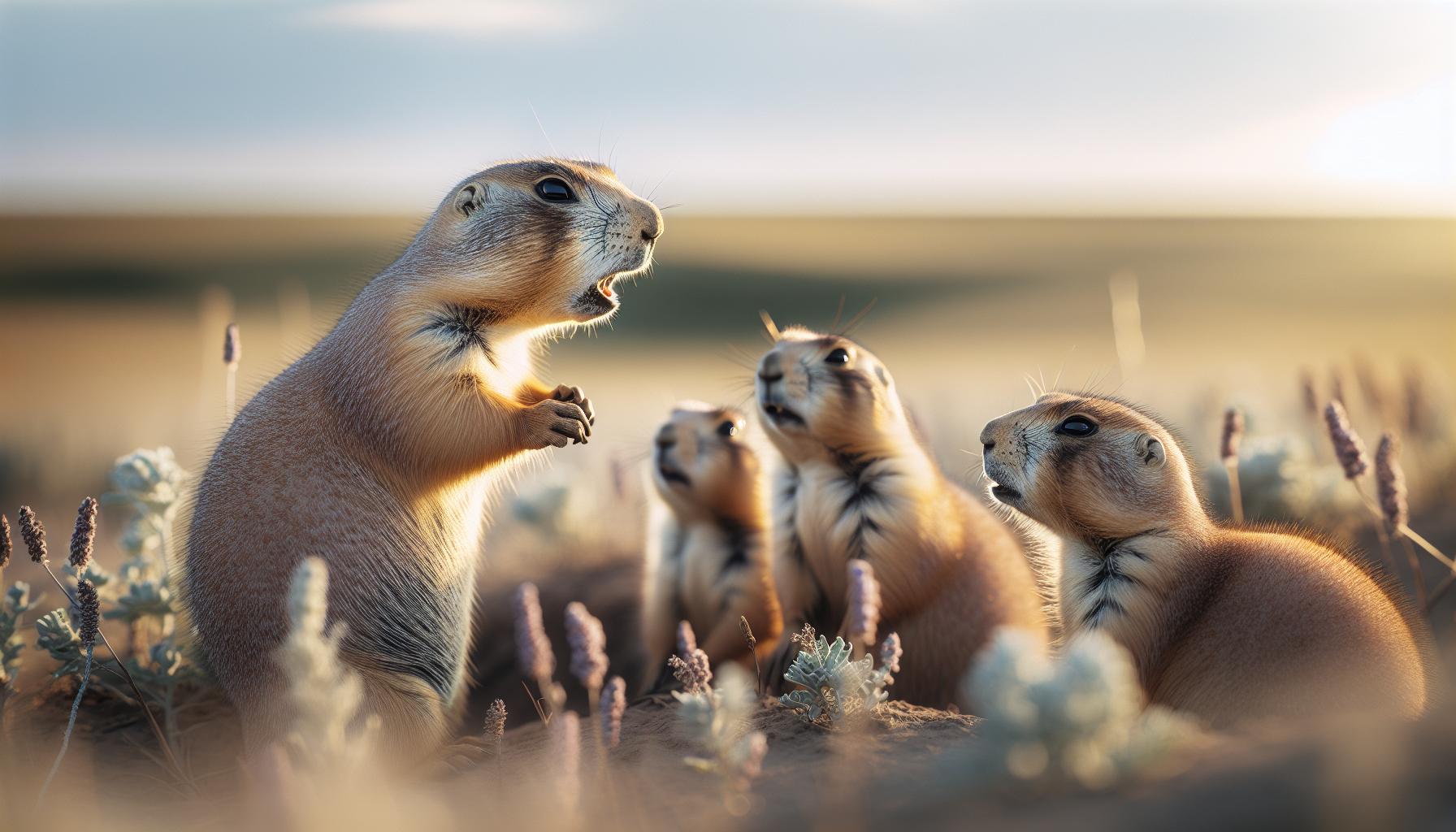
Exploring Common Prairie Dog Calls and Their Meanings
Listening to prairie dogs is like tuning into a lively radio station filled with distinct sounds, each carrying a different message. One of the hallmark calls you’ll encounter is the sharp, loud “bark,” which prairie dogs use to communicate danger. These barks can change in intensity and rhythm depending on the predator’s type. For instance, a bark might sound more urgent if a hawk is spotted compared to a coyote. Interestingly, researchers have observed that these vocalizations can convey details such as the size and proximity of the threat, demonstrating an impressive level of communication in a seemingly simple species.
In addition to barks, prairie dogs employ a variety of softer calls like whistles and chirps. These gentler sounds are often used for social interactions among family groups, signaling greetings or indicating that all is well in their environment. For example, when prairie dogs are relaxed and socializing, you might hear a series of quiet whistles that create a calming atmosphere within the colony. This rich tapestry of sounds not only provides insights into their social structures but also reflects their emotional states and environmental awareness.
To delve into mimicking these calls, pay close attention to the pitch and rhythm of the sounds you hear. Start with simpler sounds like whistles, gradually working up to the more complex barks. Using basic vocal techniques, you’ll want to experiment with timing and volume. It’s best to practice this in a quiet area, away from their habitats, to avoid stressing the animals. By mastering these calls, you can enhance your wildlife observation experience, possibly drawing prairie dogs nearer to you, sparking their curiosity. However, it’s essential to approach this with mindfulness and respect, ensuring you do not disrupt their natural behaviors or cause them stress.
Whether you’re a curious newcomer or a seasoned wildlife enthusiast, understanding prairie dog calls opens a window into their fascinating world, nurturing a deeper appreciation for these charming creatures and the ecosystems they inhabit.
Mastering Sound Mimicking Techniques for Prairie Dogs
To successfully mimic prairie dog sounds, it’s essential to immerse yourself in their vocal world. These clever little creatures use a range of calls, each serving a unique purpose in their social interactions and responding to threats. One effective technique involves first listening closely to the sounds they make. Observe the differences in pitch and rhythm when they bark warnings compared to the softer whines and whistles used in social contexts. Acknowledging these nuances is crucial for crafting your mimicking approach.
When you’re ready to practice, begin with the shorter and simpler calls, like whistles. Try to replicate their tone-high-pitched whistles can usually emulate greetings or calls for calm among the colony. As you gain confidence, move on to barks. An ideal strategy involves varying your timing and volume to simulate genuine interactions. For instance, a quick series of sharp barks can capture the urgency of a warning call, ideally suited to evoke a response or curiosity from nearby prairie dogs.
Practicing mimicry can be most effective when done in an open area where prairie dogs are known to gather. Keep your sessions short and gentle, allowing the animals to gradually become accustomed to your sounds without feeling threatened. It might take time to refine your technique, but patience is key. As with any wildlife observation approach, respect their natural behaviors is paramount, ensuring that your endeavors are not disruptive.
Finally, remember that successful sound mimicking isn’t just about technique-it’s about understanding and respecting prairie dogs as social creatures. Engaging with their sounds provides a unique opportunity to appreciate the complexity of their communication. Whether you’re looking to observe them closely or simply enjoy the experience, mastering prairie dog calls enriches your connection with nature and these fascinating animals.
Best Practices for Calling Prairie Dogs Successfully
Engaging with prairie dogs through sound is not just a fun pastime but also a fascinating way to connect with these lively animals. To utilize calling techniques effectively, it’s vital to approach this practice with knowledge and respect. Start by listening closely to the natural calls of prairie dogs in their environment. Each call serves a specific purpose, whether it’s a warning of danger or a social invitation. By understanding these nuances, you’ll be better equipped to mimic their sounds accurately.
When attempting to call prairie dogs, consistency is key. Here are some tips to enhance your calling success:
- Know Your Audience: Different colonies might have varying responses to calls based on their previous experiences. Spend some time observing their behavior before attempting to engage.
- Start Simple: Begin with basic sounds like soft whistles or low barks. This helps establish an initial connection without startling them.
- Vary Your Sounds: Just as prairie dogs do, change your tones and pitches. Alternating between high-pitched whistles and lower barks can mimic their natural vocal patterns more convincingly.
- Be Patient: It may take time for prairie dogs to respond. Allow moments of silence between calls; this mimics their natural communication patterns and encourages them to investigate.
- Observe Body Language: Pay attention to the prairie dogs’ reactions. If they seem curious, continue your sounds; if they appear anxious or retreat, it might be best to cease calling for a while.
Each successful encounter deepens your understanding of prairie dog behavior, revealing the complexities of their social interactions. Whether you’re hoping to observe their playful nature or simply enjoy the serenity of their habitat, mastering the art of calling can turn a regular outing into an unforgettable wildlife experience. Always approach with a mindset of conservation and respect for their environment to ensure a harmonious interaction with these charming creatures.
The Role of Habitat in Prairie Dog Calling Techniques
Understanding how habitat influences prairie dog calling techniques can dramatically enhance your interactions with these charismatic creatures. Prairie dogs thrive in open grasslands, often creating extensive colonies known as “towns,” which serve as both their home and social hubs. The structure and composition of these habitats not only affect prairie dog behavior but also dictate how sound travels and how calling can be employed effectively.
In a dense prairie dog town, communication is key. Prairie dogs rely on vocalizations to alert one another about predators or convey social messages. When attempting to call prairie dogs in these communities, understanding their environment becomes crucial. For example, soft calls can be more effective in areas with thick vegetation, as louder sounds may be filtered or absorbed before reaching their ears. Conversely, in open fields, you might use sharper, clearer sounds, as they can travel farther without obstruction. Observing the type of habitat can guide the volume and tone of your calls.
Another aspect to consider is the nesting patterns of prairie dogs. They often create burrows and have specific areas where they gather. If you’re calling them, positioning yourself near these congregations-without disturbing their activities-can maximize your chances of attracting their attention. Focusing your efforts near their burrows allows you to mimic the natural sounds they would hear from other prairie dogs nearby, including their alerts and whistles.
Ultimately, the success of your calling techniques hinges on your ability to adapt to the prairie dog’s habitat. Remember to always prioritize their comfort; observing how they respond to your calls will provide invaluable feedback. If they appear curious or approach, you’re on the right track! If they seem alarmed or retreat, it may be time to adjust your approach or even relocate to a less invasive spot. Through careful observation and understanding of their habitat dynamics, you can create a rewarding interaction that respects their social structures while allowing you to appreciate the wonders of prairie dog communication.
Tools and Equipment to Enhance Your Prairie Dog Calls
To effectively communicate with prairie dogs, the right tools and equipment can significantly enhance your calling techniques. Prairie dogs possess a sophisticated vocal repertoire, and employing the right calling methods can help you tap into their social context and behaviors. Whether you’re a novice or an experienced wildlife observer, understanding the tools at your disposal will make your encounters with these fascinating creatures more rewarding.
One of the primary tools to consider is a good quality predator call or wildlife amplifier. These devices can help amplify your calls, ensuring they carry further across the open grasslands where prairie dogs typically reside. Look for devices that allow you to adjust volume and pitch, as prairie dog calls can vary in intensity based on environmental factors. Additionally, some electronic callers come pre-loaded with common prairie dog sounds, making them a convenient option for those keen to mimic authentic vocalizations.
Using a simple yet effective technique, you can also craft your own calls. Consider using your voice or simple objects like a whistle or a small metal pipe. These can mimic the chirps and barks of prairie dogs without needing specialized equipment. With a bit of practice, you can learn to replicate their calls closely, which can be particularly effective when combined with natural behaviors observed in these animals.
Lastly, invest in optics, like binoculars or spotting scopes, which allow you to observe prairie dog towns from a distance without causing disturbance. This way, you can watch their reactions to your calls and adjust your techniques accordingly. Being able to analyze their social dynamics through optic tools enhances your understanding and interaction with these lively animals.
In summary, equipping yourself with the right tools-from electronic calls to simple voice techniques and good optics-will greatly improve your prairie dog calling success and enrich your experience in the wild. Always remember to stay respectful of their space and natural behaviors as you engage. Happy calling!
The Psychology Behind Prairie Dog Social Interactions
Prairie dogs are not just adorable rodents; they are fascinating creatures with a complex social structure, rivaling that of some primates. Living in colonies, or “towns,” these animals utilize a sophisticated system of vocalizations to communicate everything from alarms about predators to social greetings and mating signals. Understanding the dynamics of their communication sheds light on their interactions and can enhance your efforts in calling them.
Every prairie dog call has a distinct meaning, tailored to the context of the situation. For instance, when they detect a hawk, they emit high-pitched warning calls that alert their peers to remain vigilant and take cover. In contrast, during breeding season, their vocalizations may become more varied and complex as they engage in courtship behaviors. This rich tapestry of sounds can be key when attempting to mimic prairie dog calls; understanding the context of each sound will help you select the right call to use in your interactions. By carefully observing their responses to different calls, you can adjust your techniques to better align with their social cues.
To mimic prairie dogs effectively, it’s also essential to consider their social structure. Prairie dogs display a high level of social interaction, characterized by grooming, playing, and communal living. Using this knowledge, try incorporating playful or friendly sounds when you’re calling to them; this might elicit a more positive response. For example, softer, chirping sounds may invoke curiosity and prompt prairie dogs to approach instead of scurrying away. Additionally, creating a more appealing atmosphere by using a mix of calls can simulate a natural setting rich with interaction, which might lead to more successful encounters.
In summary, grasping not only enriches your experience but also enhances your calling strategies. By recognizing the nuances in their communication and social behavior, you can tailor your approach, making your time in the field more effective and enjoyable. Remember, the goal is not just to call prairie dogs but to understand and respect their world, fostering a deeper connection with these charming animals.
Tips for Observing and Interacting with Prairie Dogs
Observing prairie dogs in their natural habitat can be a rewarding experience for wildlife enthusiasts, offering insights into their rich social structures and communications. These animals are incredibly social, living in complex colonies where interactions are frequent and varied. To truly appreciate their behaviors and interactions, patience and careful attention are key.
Begin your observation with a good understanding of prairie dog behavior. When you arrive at a prairie dog town, find a comfortable vantage point where you can view the activity without disturbing the animals. It’s best to sit quietly, allowing them to acclimate to your presence. Remember, they are naturally wary of predators, so sudden movements or loud noises can cause them to retreat into their burrows. Take your time to watch their natural behaviors, such as grooming, playing, and calling to one another.
One of the most exciting aspects of observing prairie dogs is witnessing their vocalizations firsthand. Each sound serves a distinct purpose, from alarm calls signaling the presence of predators to softer sounds used in social bonding. Try to mimic simple calls you hear, and watch how they respond. This not only enhances your understanding but can also draw them closer, fostering a more interactive experience. However, it’s critical to approach this with respect for their boundaries; your goal is to engage without causing stress.
Strategies for Successful Interaction
To further enrich your encounters, consider the following tips:
- Use Binoculars: Bring binoculars to maintain a respectful distance while getting a closer look at their behaviors and interactions.
- Record Sounds: If you’re interested in sound mimicking, use a voice recorder to capture their calls. This allows you to study the sounds later to enhance your mimicking skills.
- Choose the Right Time: Early morning or late afternoon are often the best times to observe prairie dogs, as they are most active during these cooler parts of the day.
- Be Mindful of the Environment: Avoid trampling their burrows or disturbing their habitat. Remember that these animals play a vital role in their ecosystem.
By engaging with prairie dogs in thoughtful ways, you not only deepen your own appreciation for them but also advocate for responsible wildlife observation practices. These interactions forge a connection between humans and nature, promoting a greater understanding and respect for these fascinating creatures.
Safety Considerations When Calling Prairie Dogs
When it comes to calling prairie dogs, safety is paramount-not just for the observer but also for the prairie dogs themselves. These fascinating creatures are sensitive to their environment, and any disturbance can lead to unnecessary stress or abandonment of their burrows. Understanding how to engage responsibly with them is essential for both conservation and enjoyment.
To begin with, respect their territory. Prairie dogs communicate through a variety of vocalizations that signal everything from danger to social interaction. If you’re attempting to mimic calls, do so from a distance that allows you to observe their reactions without encroaching on their space too closely. This means maintaining a respectful distance, ideally using binoculars to watch their interactions. Sudden movements can trigger alarm calls, so stay still and unobtrusive, allowing the prairie dogs to feel comfortable enough to resume their natural behaviors.
Another important safety consideration involves timing your visits. Early morning or late afternoon are typically the most active times for prairie dogs, minimizing the chance of heat stress from daytime sun. Avoid visiting during extreme weather conditions-like heavy rain or lightning-which can put both you and the prairie dogs at risk. Also, be cautious about your surroundings; prairie dog burrows can create unstable ground, and a misstep could lead to accidents.
Beyond personal safety, it’s crucial to engage with prairie dogs ethically by considering the broader impact of your presence. Avoid using loud or jarring calls that might cause panic in the colony. This not only disrupts their social structure but can also encourage them to flee. Instead, choose softer sounds that replicate their natural calls. When observing, take care not to trample the surrounding vegetation or disturb their habitat, as these areas play crucial roles in the ecosystem and provide essential shelter and resources.
In summary, calling prairie dogs can be a rewarding experience when approached with care and responsibility. By respecting their environment, being mindful of timing and volume, and adhering to ethical practices, you can enjoy a safe and exciting interaction with these engaging animals while contributing positively to their conservation.
Engaging Activities: Using Calls for Wildlife Observation
Using calls to observe prairie dogs can transform a simple outing into an exhilarating adventure filled with rich interactions with these social creatures. Prairie dogs are not only intriguing to watch, but their vocalizations are an essential part of their complex social structure. When you engage in sound mimicking, you’re tapping into their language, making it a fascinating gateway to understanding their behaviors and interactions in the wild.
To get started, familiarize yourself with the types of vocalizations prairie dogs use. They communicate different messages-such as warnings of predators, calls for nutritious food, and social greetings-through a range of sounds. Here are a few engaging activities you can incorporate into your prairie dog observation sessions:
- Vocal Mimicry Challenges: Research and practice mimicking the basic alarm call or the “chatter” that signifies a friendly gathering. This not only helps you become more attuned to their responses but also heightens your own observation skills.
- Interactive Observation: Bring along a group of friends or family. Take turns calling out sounds and observing how the prairie dogs react. This can lead to lively discussions about their social dynamics based on the responses you observe.
- Documentation: Keep a journal to note down the different sounds you hear and the circumstances around them. Documenting their behavior can offer insights into their communication patterns and even help in identifying specific calls over time.
Always remember to keep your distance, respect their space, and avoid startling them. Using binoculars allows you to observe their reactions without infringing upon their territory, fostering a peaceful environment that encourages natural behaviors. By blending the art of sound mimicry with responsible observation techniques, you not only enrich your own experience but also contribute to the understanding and appreciation of these remarkable animals in their natural habitats.
Conservation and Respect: Ethical Practices for Enthusiasts
Engaging with prairie dogs can be an exciting venture, but it’s essential to approach these interactions with a mindset rooted in conservation and respect. As social creatures, prairie dogs play a vital role in their ecosystems, and understanding how to appreciate them responsibly ensures their protection for future generations. One of the most rewarding aspects of observing these animals is knowing that your presence can have a positive impact on their well-being.
To maintain ethical practices while enjoying your time with prairie dogs, always prioritize their safety and comfort. This means keeping a respectful distance during observation. Use binoculars to get a closer look without intruding on their habitat, allowing you to witness their behavior without causing stress. It’s crucial to avoid sudden movements or loud noises that could startle them, which not only disturbs their social structures but could also make them more vulnerable to predators.
Effective communication is critical, not just with the prairie dogs, but among fellow enthusiasts. Share your experiences and knowledge about prairie dog behavior with others, fostering a community that values conservation. For example, when participating in group outings, discuss the importance of leaving no trace and the impact of human activity on prairie dog colonies. Such conversations can cultivate a deeper awareness of environmental stewardship and encourage responsible wildlife interaction.
Additionally, make use of your observation sessions to contribute to conservation efforts. Documenting your interactions, such as noting the different calls and responses you observe, can provide valuable insights that aid in understanding prairie dog populations and their health. Engage with local wildlife organizations that may appreciate your findings, as these collaborations can enhance conservation strategies while nurturing a shared passion for these fascinating rodents.
By blending enjoyment with responsibility, we can preserve the delicate balance of prairie dog ecosystems and ensure that future generations get to experience the joy of watching these captivating animals.
Q&A
Q: What sounds do prairie dogs make to communicate?
A: Prairie dogs use a variety of sounds, including barks, chirps, and growls, to communicate different messages such as warning of predators or establishing territory. Understanding these vocalizations can enhance your ability to mimic them effectively when calling prairie dogs. For a deeper dive, check out our section on Understanding Their Sounds.
Q: How can I effectively mimic prairie dog sounds?
A: To mimic prairie dog sounds effectively, practice imitating their barks and chirps using your voice or a call device. The key is to replicate the timing and pitch variations typical of prairie dog communication. You can explore Sound Mimicking Techniques for detailed tips on honing your skills.
Q: What time of day is best for calling prairie dogs?
A: Early morning and late afternoon are the optimal times for calling prairie dogs, as they are more active and likely to respond to calls during these periods. Understanding their behavior can significantly influence your success, as covered in our Best Practices for Calling section.
Q: Do prairie dogs respond to electronic calls?
A: Yes, prairie dogs can be attracted to electronic calls that mimic their natural sounds. Using electronic devices can enhance your chances if you struggle with vocal mimicry. Consider the Tools and Equipment section for recommendations on effective calling devices.
Q: What habitat features attract prairie dogs to calling areas?
A: Prairie dogs are drawn to open areas with short grass and few obstructions. Favorable habitats for calling include regions near their burrows, where they feel secure to respond. For more insights, refer to our exploration of the Role of Habitat in calling techniques.
Q: How should I position myself when calling prairie dogs?
A: Position yourself downwind from where you expect prairie dogs to appear to avoid detection. Also, find a spot that offers good visibility while remaining hidden. This strategy is highlighted in our Best Practices for Calling Successfully.
Q: What precautions should I take while calling prairie dogs?
A: Always be respectful of wildlife and follow local regulations. Ensure you’re not intruding on their habitat or causing stress. For safety tips and ethical practices, refer to our section on Conservation and Respect.
Q: Can calling prairie dogs contribute to wildlife observation?
A: Yes, calling techniques can enhance wildlife observation experiences. By mimicking calls, you can draw prairie dogs closer for observation, making it an engaging activity. Learn more about balancing calling and observation in our Engaging Activities section.
Key Takeaways
Now that you understand the essential techniques and sound mimicking strategies for calling prairie dogs, it’s time to put your knowledge into action! Remember, effective calling can significantly enhance your prairie dog hunting experience. Don’t miss out-head out to your local hunting grounds and put these tips to the test. For more insights, check out our articles on the best locations for prairie dog hunting and essential gear recommendations!
If you have questions or experiences to share, we’d love to hear from you in the comments below. While you’re here, consider signing up for our newsletter for updates on hunting techniques and exclusive offers. Your adventure in prairie dog hunting is just beginning-explore more content on our site to deepen your skills and maximize your success! Don’t forget to visit our guides on prairie dog habitats and conservation tips to continue your learning journey. Happy hunting!
Get our latest guides, news, and insights highlighted in your Google Search & AI Overviews.