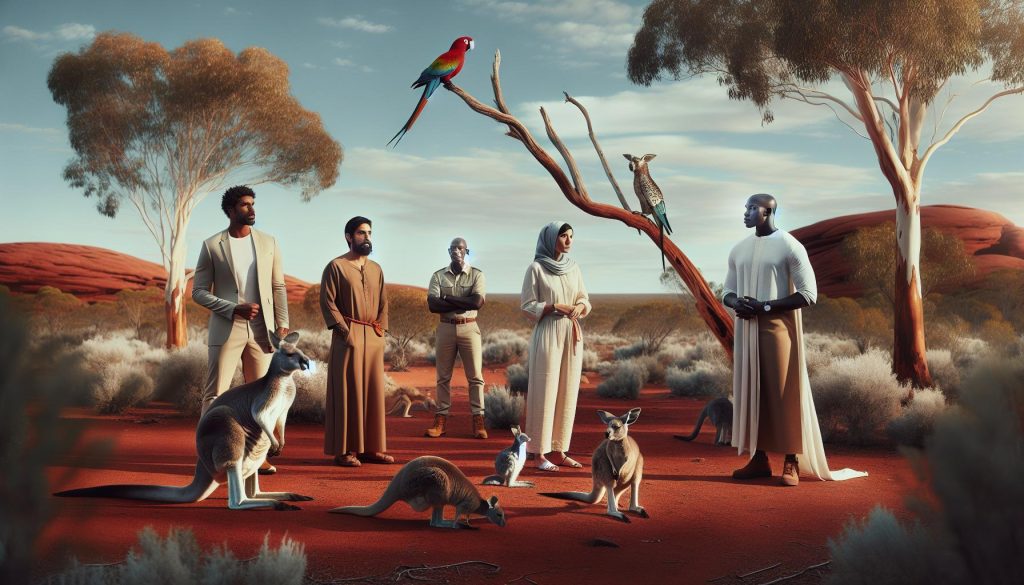
Did you know that Australia is home to around 80% of the planet’s unique wildlife? From the iconic kangaroo to the elusive platypus, the array of exotic animals here is not just fascinating but vital for understanding biodiversity. This extraordinary variety can be attributed to the continent’s unique evolutionary history, varied climates, and diverse ecosystems. Curious about what makes these creatures so special? Exploring Australia’s ecosystems reveals how isolation, adaptation, and environmental factors have shaped these amazing species. Whether you’re a wildlife enthusiast or simply intrigued by the natural world, understanding Australia’s exotic animals offers a window into the delicate balance of nature and the importance of conservation. Join us as we uncover the reasons behind Australia’s incredible biodiversity and what it means for our planet’s future.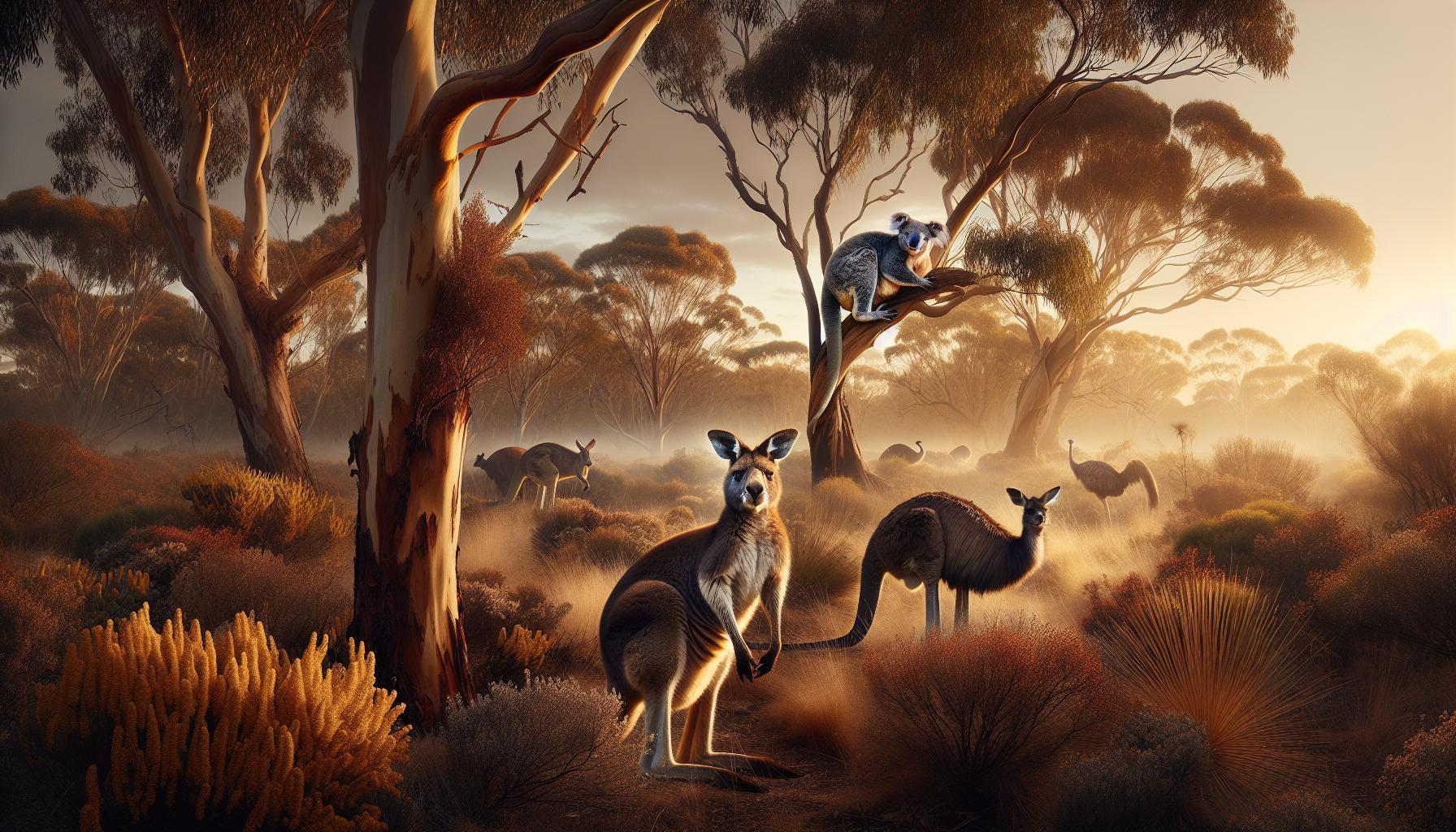
Why Australia Is the Home of Exotic Animals
Did you know that over 80% of Australia’s wildlife is unique to the continent? This astonishing figure showcases just how rich and diverse Australian fauna truly is. The isolation of Australia, which has remained largely separate from other landmasses for millions of years, has created an environment where species can evolve in unique ways, leading to an abundance of exotic animals. This evolutionary journey has resulted in fascinating creatures like the kangaroo, koala, and platypus-each with distinctive traits that enable them to thrive in their specific habitats.
One significant factor contributing to Australia’s unique animal life is its varied landscapes, ranging from arid deserts to lush rainforests. These distinct ecosystems provide a multitude of niches, allowing a wide range of species to flourish, each adapted to meet the challenges of their particular environment. For example, the Great Barrier Reef hosts an incredible assortment of marine life, while the Australian bush serves as a habitat for species that have developed extraordinary adaptations for survival, such as the thorny devil lizard, which can absorb water through its skin.
Isolation has also played a critical role in shaping Australia’s biodiversity. With few natural barriers to movement within the continent, species have become highly specialized. As a result, many animals exhibit traits that are not found anywhere else in the world. This evolutionary isolation can be illustrated by the marsupials, which are predominantly found in Australia and nearby islands. The unique reproductive systems of these animals allow for a different survival strategy compared to placental mammals, further diversifying the types of animals found in the region.
Ultimately, the combination of geographic isolation, diverse habitats, and unique evolutionary paths have made Australia a treasure trove of exotic animals. To truly appreciate this rich biodiversity, one must explore its ecosystems, observe its wildlife in action, and understand the delicate balance that sustains it. Embracing this knowledge not only enhances our appreciation of these remarkable animals but also underscores the importance of conservation efforts to protect Australia’s unique wildlife for future generations.
The Unique Ecosystem of Australia
Australia’s ecosystems are nothing short of extraordinary. With a landscape that varies from the lush, tropical rainforests of Queensland to the arid expanses of the Outback, this continent offers a myriad of habitats that support a diverse range of wildlife. Each ecosystem is a vital part of a larger web of life, fostering unique interactions among plant and animal species that thrive in specific conditions. For instance, the Great Barrier Reef, a UNESCO World Heritage site, is renowned for its stunning biodiversity, providing a vibrant underwater habitat teeming with fish, corals, and other marine life. The intricate relationships within these ecosystems contribute significantly to the richness of Australia’s exotic fauna.
Moving inland, the Australian bush is home to a variety of species uniquely adapted to survive in its environment. Here, you’ll encounter kangaroos, koalas, and the curious echidna. The flexibility of these creatures to adapt to changing conditions-be it through diet, shelter, or breeding-is a testament to the resilience of Australia’s wildlife. For example, the kangaroo’s ability to go for long periods without water and thrive on sparse vegetation illustrates the remarkable adaptations that have evolved due to environmental pressures.
Moreover, Australia’s unique ecosystems are characterized by their isolation, resulting in evolutionary processes unlike any other part of the world. This geographic solitude has allowed species to develop in ways that create distinct adaptations. Take, for example, the marsupials, which have evolved unique reproductive adaptations allowing them to give birth to relatively underdeveloped young. This strategy suits the unpredictable Australian environment, where conditions can change dramatically. The diversity created by these ecosystems reflects the complex interplay between species and their habitats, making Australia a veritable living laboratory of evolution.
Lastly, understanding these ecosystems underscores the importance of conservation efforts. Many of Australia’s unique species face threats from habitat loss, climate change, and invasive species. Conservation initiatives that focus on protecting these habitats are essential not only for the survival of exotic animals but also for maintaining the delicate balance that sustains their ecosystems. By appreciating and protecting these natural wonders, we ensure that Australia remains a frontier for biodiversity and a treasure trove of exotic animals for generations to come.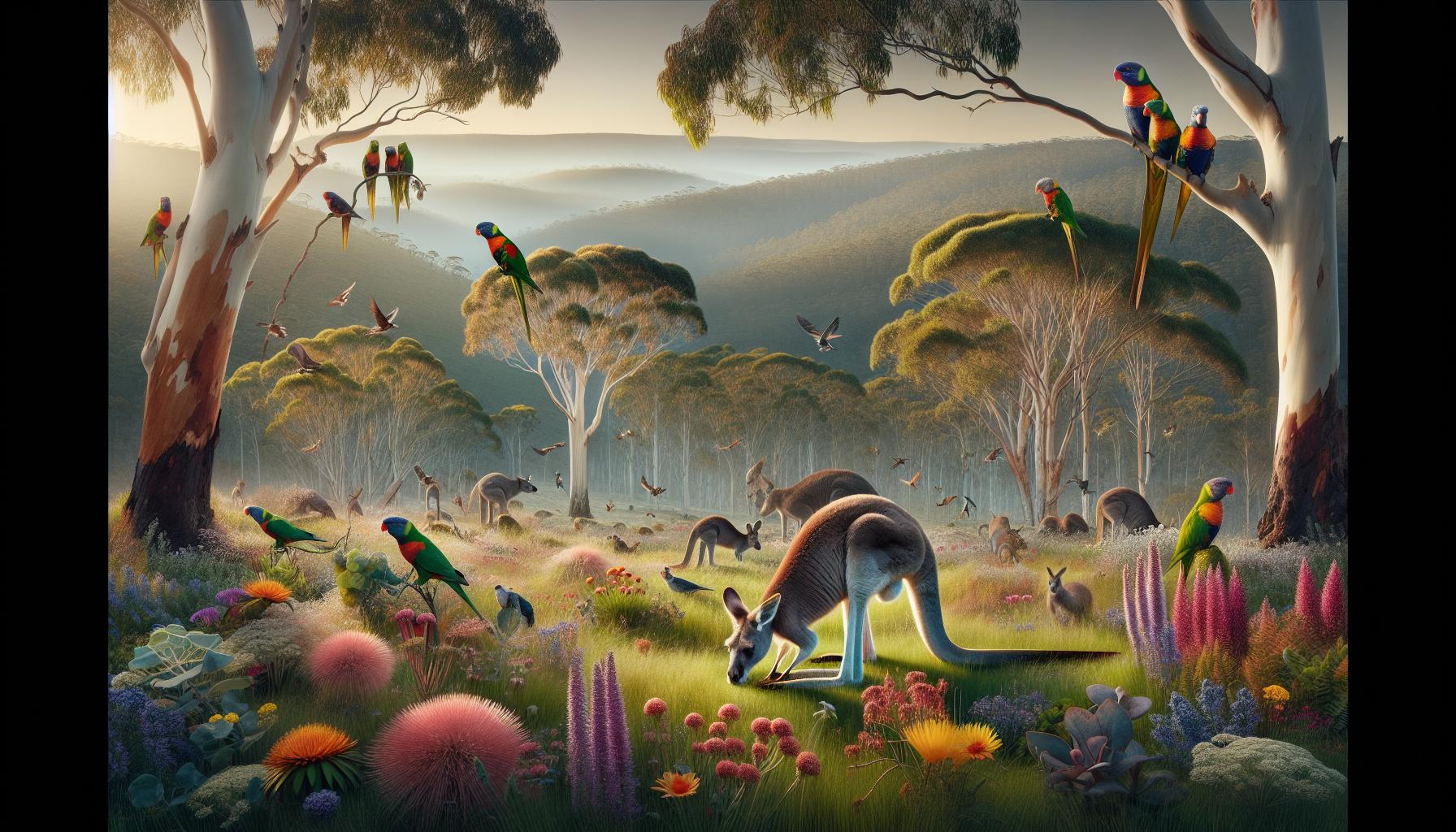
Understanding Australia’s Biodiversity Hotspots
Australia boasts some of the richest biodiversity hotspots in the world, making it a paradise for wildlife enthusiasts. These areas, characterized by their incredible species diversity and high levels of endemism, serve as crucial habitats for an array of exotic animals. For instance, the Wet Tropics of Queensland, a UNESCO World Heritage site, is home to an astonishing variety of flora and fauna, including the iconic cassowary and the tree kangaroo. This area’s unique combination of tropical rainforests, mountain ranges, and rich waterways creates a micro-ecosystem that supports countless species, many of which are not found anywhere else on earth.
Another notable hotspot is the Australian Alps, where the cold mountain climate fosters a unique collection of wildlife adapted to these harsher conditions. Here, you can find the elusive snow gum and species like the Alpine ringtail possum, both magnificently specialized to thrive in these frigid environments. The Great Barrier Reef also deserves mention; this vibrant underwater landscape is not only a sanctuary for dazzling marine life, like the clownfish and giant clams, but it also plays a significant role in global biodiversity. The reef’s coral formations provide essential marine habitats, showcasing the interconnectedness of various ecosystems.
The significance of these biodiversity hotspots extends beyond mere aesthetics. They contribute to ecological balance by supporting food webs and offering ecological services like carbon storage and water filtration. However, these precious areas face ongoing threats from human activity, such as urbanization, agriculture, and climate change. Protecting and understanding these hotspots is crucial, not just for the species that inhabit them, but for the health of our planet as a whole. By fostering conservation efforts in these regions, we ensure that future generations can continue to marvel at Australia’s extraordinary exotic animals.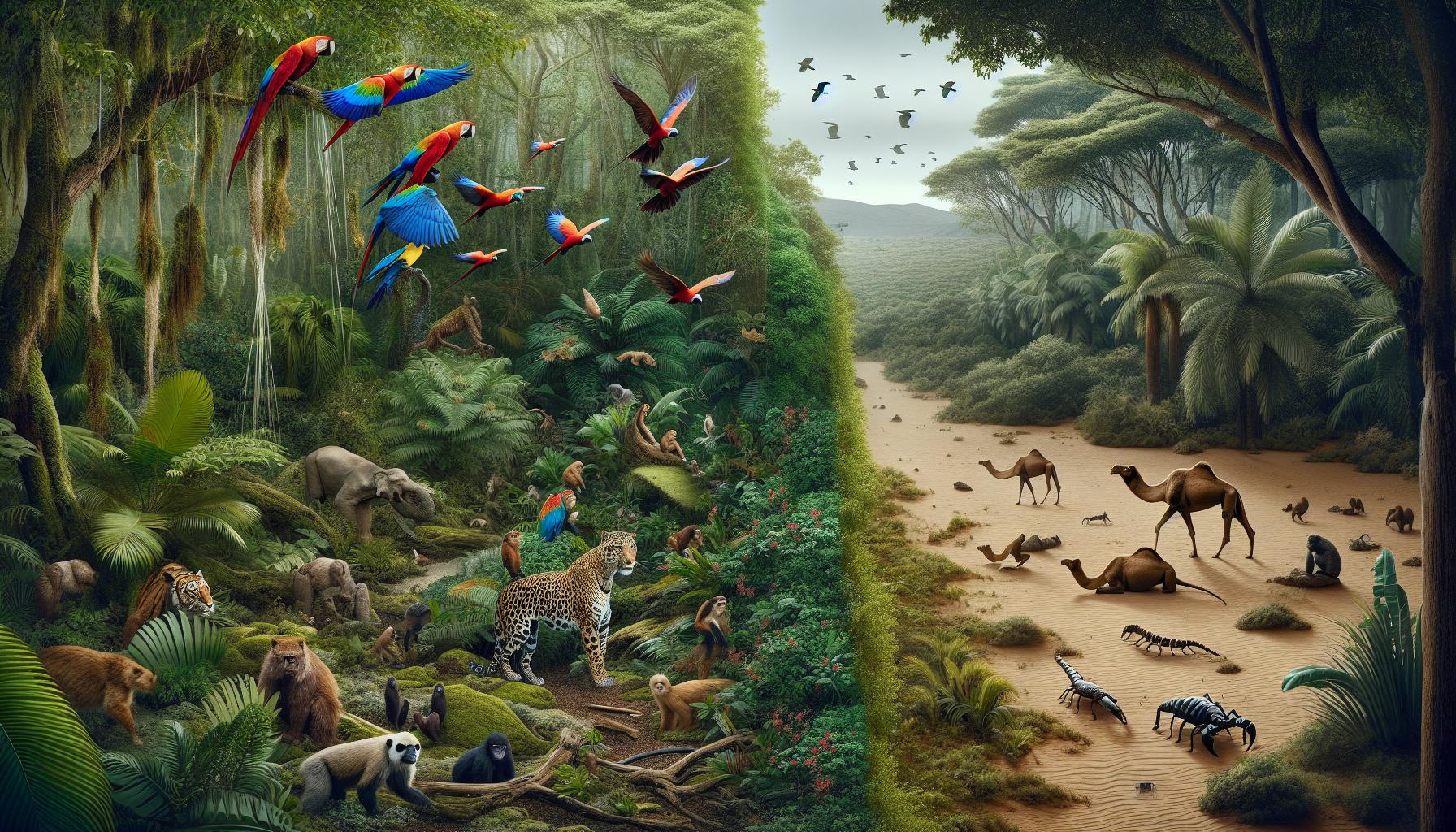
Influence of Geography on Animal Diversity
Australia’s remarkable animal diversity is intricately tied to its unique geography, resulting in a landscape that fosters a wide range of habitats and ecological niches. The continent’s separation from other land masses for millions of years has allowed species to evolve in isolation, leading to about 80% of Australia’s wildlife being endemic. This geographical isolation combined with the extremes of climate-from tropical rainforests to arid deserts-creates a mosaic of environments that various species have adapted to over time.
In the north, you’ll find lush tropical ecosystems like the Cairns and the Wet Tropics, where dense forests provide shelter for exotic creatures such as the cassowary. Move south, and the terrain shifts to dry, grassy woodlands and scrublands, habitats where kangaroos and emus thrive. The surreal landscapes of the Outback, with their red sands and sparse vegetation, support a surprisingly diverse range of life, including the iconic thorny devil lizard. Each region poses unique challenges and opportunities for survival, pushing animals to develop specific adaptations for feeding, reproduction, and survival strategies that are finely tuned to their environments.
Another crucial factor is Australia’s mountainous regions, such as the Great Dividing Range, which influences rainfall patterns. These mountains can create rain shadows, leading to wet, biodiverse ecosystems on one side and arid environments on the other. This variation fosters distinct animal communities that are adapted to different ecological conditions. For example, species endemic to the rainforests, like the tree kangaroo, thrive in high humidity and dense foliage, while those in the drier regions, such as the red kangaroo, have evolved to cope with extreme heat and scarce water sources.
The impact of Australia’s geography on its biodiversity also highlights the importance of conserving these varied ecosystems. Each habitat plays a key role in supporting the unique wildlife that calls Australia home. Protecting these diverse landscapes not only safeguards our exotic animals but also preserves the intricate web of life that sustains them.
The Role of Isolation in Evolutionary Development
Australia’s isolation as a continent has been a fundamental actor in shaping its unique biodiversity. Separated from other land masses for over 40 million years, this physical distance has created a natural laboratory for evolution. Species that evolved in this isolation faced distinct ecological pressures, leading to a remarkable range of adaptations that you won’t find anywhere else on the planet.
The continent’s varied climates, from the humid tropics of the north to the arid deserts in the center, have fostered the evolution of specialized species. For example, the platypus and echidna, known as monotremes, are fascinating examples of how evolutionary paths diverged. Their existence challenges conventional classifications of animals, displaying features that are more akin to reptiles while functioning like mammals. This evolution is a direct result of the unique pressures they encountered in isolated ecosystems, allowing them to develop traits best suited to their environments.
In the absence of many mammalian predators found elsewhere, Australian fauna have adapted in unexpected ways. Take the kangaroo, for instance. This iconic marsupial developed powerful hind legs that are indispensable for navigating the diverse terrain-from forests to open plains. Its reproductive cycle, which allows for the birth of premature offspring that continue developing in a pouch, is another marvel of adaptation in response to environmental challenges.
Isolation also brought about the emergence of numerous endemic species-animals that are found nowhere else on Earth. Around 80% of the animals in Australia are unique to the continent, which means their evolutionary journey has been untouched by external influences. This complex interplay between geographical isolation and evolutionary development underscores the delicate balance of Australia’s ecosystems, making it imperative to protect these unique species and their habitats for future generations.
Famous Exotic Animals Native to Australia
Australia is home to some of the most fascinating and diverse exotic animals on the planet, each adapted to thrive in its unique habitats. For any wildlife enthusiast, the opportunity to learn about these incredible creatures is a thrilling journey. From the iconic kangaroo to the elusive platypus, Australia showcases an astonishing array of species that captivate the imagination.
One of the most recognizable animals is the kangaroo, a symbol of Australia. These marsupials are not just cute; they’re engineered for endurance. With strong hind legs, kangaroos can cover great distances in a single bound, reaching speeds up to 35 miles per hour. They live in groups called mobs, providing safety in numbers as they graze on grasses and shrubs in their varied environments, from open plains to dense forests. Their unique reproductive strategy, which allows the birth of tiny, underdeveloped joeys that continue to grow in the mother’s pouch, exemplifies nature’s remarkable adaptations.
Another must-see species is the koala, often associated with cuddly imagery but deserving of respect for its specific dietary needs and habitat. Koalas are highly selective feeders, primarily consuming eucalyptus leaves, which are low in nutrients. This specialized diet requires them to spend much of their time resting to conserve energy, resulting in their sleepy demeanor. These adorable marsupials play a vital role in forest ecosystems by helping to maintain eucalyptus tree health, although they face significant threats from habitat loss and climate change.
Diving into the water, the platypus offers a striking example of evolutionary wonder. As one of the few monotremes (egg-laying mammals), the platypus has a duck-like bill, webbed feet, and a beaver-like tail. Its ability to locate prey underwater using electroreception-detecting electric fields produced by muscle movements of its prey-illustrates the incredible adaptability and innovation present in Australian wildlife. Platypuses thrive in freshwater rivers and streams, but their unique characteristics also mean they are vulnerable to environmental changes, making conservation efforts critical.
Lastly, let’s not forget the threatened but beautiful greater bilby. Once widespread across Australia, these nocturnal marsupials have faced population declines due to habitat destruction and competition with invasive species. The bilby is an ecological engineer, creating burrows that provide habitats for other creatures and promote soil health. Conservation programs focused on restoring their habitats and controlling predators are vital for ensuring their survival.
Australia’s exotic animals inspire curiosity and a deeper respect for the environment. Understanding their behaviors and adaptations not only enhances our appreciation but also emphasizes the importance of ongoing conservation efforts to protect these unique species. With a blend of educational insight and a touch of wonder, the tale of Australia’s wildlife invites everyone to become advocates for their protection.
The Impact of Climate on Species Variation
The unique climate of Australia plays a pivotal role in the remarkable variety of exotic animals found across the continent. Featuring an array of ecosystems from arid deserts to lush rainforests, Australia’s climate is not only diverse but also has fostered distinct adaptations in its wildlife. Temperature fluctuations, seasonal rains, and varying humidity levels create environments where species have learned to thrive under specific conditions.
For instance, the iconic kangaroo is perfectly suited to the often dry and nutrient-scarce environments of the Australian outback. Their powerful hind legs enable them to cover vast distances in search of food and water, which is crucial during dry spells. On the other hand, species such as the tree frog have evolved to be resilient to the wet, humid conditions of tropical rainforests, developing moisture-retentive skin that allows them to thrive in their lush habitats. Meanwhile, the koala, with its specialized diet, exemplifies how climate influences dietary habits, as it relies on eucalyptus trees that flourish in areas with specific climate conditions.
Climate change is significantly impacting these delicate ecosystems. As temperatures rise and weather patterns become more erratic, many species are forced to adapt rapidly-or face extinction. For instance, increasing drought conditions threaten both koalas and bilbies, as their habitats become less hospitable and food sources dwindle. Conversely, some species may expand their ranges to cooler areas, which can lead to competition with native species and disrupt existing ecosystems.
Understanding is essential for conservation efforts. By recognizing the specific climate requirements of various species, we can devise targeted strategies to protect habitats, promote biodiversity, and ensure the survival of Australia’s exotic wildlife in the face of ongoing environmental change. The future of these unique animals depends not only on their adaptability but also on our commitment to preserving their habitats and mitigating the effects of climate change.
Conservation Challenges for Australia’s Unique Wildlife
The heartbreakingly unique wildlife of Australia faces a series of conservation challenges that are deeply intertwined with the very factors that make the continent’s ecosystems so special. With about 1 in 3 species of Australian mammals now either extinct or endangered, conservation efforts are not just critical; they are urgent. Deforestation, habitat fragmentation, and climate change dramatically threaten the delicate balance of life here, making it harder for species to endure and adapt.
Habitat loss is perhaps the most pressing issue. Urban expansion, agriculture, and logging have made significant inroads into native habitats, displacing countless species and breaking up ecosystems into smaller, less viable patches. Many animals, like the adorable sugar glider, depend on extensive tree cover for survival, and when their homes are cut down, they face dire odds. Restoration projects are essential, aiming to bring back native vegetation and re-establish corridors that allow wildlife to migrate and thrive.
Moreover, climate change casts a long shadow over Australia’s biodiversity. Rising temperatures and changing rainfall patterns threaten the habitats where unique species, such as the leadbeater’s possum or the western ground parrot, reside. These animals need stable environments to thrive, and as their climatic niches shift, many are left without suitable homes. Conservationists are racing against time to implement adaptive strategies, such as creating artificial habitats or relocating populations to more suitable areas.
In addition to these natural challenges, invasive species pose a significant threat to native wildlife. The introduction of foreign animals, like cats and foxes, has resulted in the decline of ground-nesting birds and marsupials. These invaders prey on native fauna, which often lacks the adaptations necessary to defend itself. Educating the public about the impact of these introduced species and promoting responsible pet ownership are crucial steps in mitigating their effects.
In the face of these challenges, there is a bright side: public interest in conservation is growing. There are numerous organizations committed to protecting Australia’s unique wildlife, conducting vital research, and inspiring action. For instance, initiatives that engage local communities in conservation efforts not only help protect ecosystems but also foster appreciation for the rich biodiversity that Australia has to offer. Together, by understanding the issues and taking informed action, we can help safeguard Australia’s extraordinary wildlife for generations to come.
Interactions Between Native and Exotic Animal Species
in Australia create a complex web of ecological relationships that can have profound effects on biodiversity. One captivating aspect of this dynamic is how some native animals, such as the bilby and the bandicoot, have evolved specific behaviors to adapt to the pressures exerted by invasive species. The introduction of exotic predators like cats and foxes has drastically changed the landscape for these native marsupials, forcing them to become nocturnal to avoid detection and predation during daylight hours.
These interactions don’t only affect the native species directly. The decline of native fauna has a cascading impact on the ecosystem, influencing everything from plant pollination to soil health. For instance, as smaller ground-dwelling mammals disappear due to predation, the seed dispersal roles they once played are compromised, leading to an overgrowth of certain plants and a decline in others. This imbalance can further exacerbate habitat loss and alter the competition and resources available for other species.
Conversely, exotic species can also adapt remarkably well to their new environments, often out-competing native species for food. Take the European rabbit, for example. Released into the wild in the 19th century, rabbits quickly multiplied and devastated local vegetation, leading to soil erosion and a decline in food resources for native herbivores such as kangaroos. The sheer adaptability of these introduced species means they often thrive in situations where native species struggle, creating additional stress on Australia’s already beleaguered wildlife.
Educational initiatives and community awareness programs play a pivotal role in managing these interactions. By fostering responsible pet ownership and understanding the ecological stakes, locals can contribute to mitigating the effects of invasives. Partnerships between government bodies and conservation groups focus on strategies such as trapping programs for feral cats and foxes, aiming to restore balance to native ecosystems. As awareness grows about the intricate links between species, more Australians are recognizing the importance of safeguarding their unique flora and fauna while promoting coexistence, ensuring a rich and diverse biological heritage for generations to come.
How Human Activity Affects Wildlife in Australia
Human activities have profound effects on the wildlife of Australia, altering habitats, disrupting ecosystems, and introducing new challenges that many native species struggle to overcome. Australia’s unique biodiversity, including its many exotic animals, is under constant threat from human actions. For instance, urban expansion leads to habitat loss, as cities and towns encroach on natural landscapes. This fragmentation not only reduces the space available for native species but also restricts their movement, limiting access to food and breeding grounds.
Furthermore, agricultural practices contribute significantly to wildlife disturbance. The clearing of land for farming and grazing displaces many species while promoting the spread of invasive plants and animals. These invaders, such as the feral cat and European rabbit, not only compete for resources but often prey on vulnerable native species, exacerbating their decline. For example, the sheer number of rabbits has led to significant degradation of local vegetation, which in turn affects herbivores like kangaroos that depend on these plants for survival.
Climate Change and Its Impact
Climate change, driven in large part by human activities, poses yet another layer of challenge for Australia’s wildlife. Rising temperatures and altered rainfall patterns affect the availability of water and food sources, forcing species to adapt quickly or face extinction. Coral reefs, like the Great Barrier Reef, are particularly vulnerable, suffering from bleaching events triggered by increased ocean temperatures. These reefs are vital not only for the myriad species that inhabit them but also for the broader ecosystems they support.
Community Involvement in Conservation
Fortunately, there are ways individuals and communities can make a positive impact. By engaging in local conservation efforts, supporting responsible tourism, and promoting awareness of the ecological challenges faced by Australian wildlife, everyone can contribute to a healthier environment. Educational programs and community initiatives, such as wildlife corridors and native plant gardens, can enhance the habitat for local fauna and foster a greater appreciation for the unique wildlife that calls Australia home.
Emphasizing sustainable practices and responsible pet ownership is crucial in this fight. Educating others about the importance of not releasing pets into the wild and understanding the ecological balance can lead to significant improvements in species conservation. Each small action contributes to the larger goal of preserving Australia’s rich wildlife heritage. Through collaboration and dedicated effort, it’s possible to protect the extraordinary animals that thrive in this unique environment.
The Future of Australia’s Exotic Animal Populations
hinges on a delicate balance of conservation efforts, public awareness, and the adaptation of wildlife to an ever-changing environment. As climate change continues to pose significant challenges, including altered habitats and food sources, species that once thrived may struggle to survive. For instance, iconic animals like the koala face habitat loss due to bushfires and urban expansion, leading to a decline in their population. Meanwhile, the adaptability of species such as the red kangaroo provides hope that some can cope with the stresses imposed by climate change by migrating to more suitable areas.
Engaging local communities in wildlife conservation is essential for fostering a brighter future for these exotic populations. Initiatives that promote the creation of wildlife corridors and the restoration of natural habitats can create safe havens for many native species. Consider programs where schools and local organizations plant native gardens to support pollinators or restore local wetlands. These projects not only provide immediate benefits for species like the eastern grey kangaroo or the endangered eastern curlew but also enhance community awareness of our unique ecosystems.
Furthermore, education plays a pivotal role in encouraging individuals to respect and protect Australia’s biodiversity. By informing the public about the threats facing exotic animals, such as the impact of invasive species and loss of habitat, we can inspire sustainable practices. For example, responsible pet ownership encourages pet owners to keep their animals contained and to refrain from releasing them into the wild, which can help protect vulnerable native species from predation and competition.
The road ahead may be challenging, but with collaborative efforts and informed public participation, there is potential for Australia’s exotic animals to thrive. From embracing sustainable tourism that respects wildlife habitats to supporting local conservation projects, each action contributes to a healthier and more resilient environment. Ultimately, it requires a concerted effort from everyone-individuals, communities, and governments-to ensure that Australia continues to be a sanctuary for its extraordinary wildlife.
Exploring Australia’s Unique Habitats: From Rainforests to Deserts
Australia’s diverse landscapes are not just a visual feast but also crucial to the incredibly rich tapestry of wildlife that calls this continent home. From lush rainforests teeming with life to barren deserts that seem desolate, each habitat presents unique challenges and opportunities for the myriad species that thrive within them. For instance, Australia’s rainforests, some of the oldest on Earth, harbor a myriad of species, including the elusive tree kangaroo and vibrant birds like the cassowary. The warmth and humidity here create a haven for both native plants and animals, offering abundant food and shelter.
Similarly, when you venture into the arid deserts, such as the iconic Simpson Desert, the wildlife adapts dramatically to the harsh conditions. Creatures such as the perentie lizard and the red kangaroo display remarkable adaptations to conserve water and manage extreme temperatures. The desert’s survival strategies teach us about resilience, making these animals fascinating subjects of study. Did you know? The red kangaroo can survive without water for long periods, obtaining moisture from the grasses it consumes-a fantastic adaptation to its environment!
The coastal environments also play a pivotal role in the overall biodiversity of Australia. The Great Barrier Reef, for example, is renowned for its stunning coral formations and marine life. It supports a plethora of species, including unique fish like the clownfish and various types of sea turtles-all showcasing the interconnectedness of aquatic and terrestrial life.
To truly appreciate Australia’s unique habitats, it’s vital to engage responsibly. Visitors are encouraged to follow local guidelines that protect these environments. For example, when in national parks, staying on paths helps preserve native flora, while minimizing disturbances to fragile animal habitats. Understanding and respecting these ecosystems not only enriches your experience but contributes to ongoing conservation efforts. By exploring responsibly, each of us can ensure that these spectacular landscapes continue to support the exotic animals that make Australia their home.
Q&A
Q: What are the main factors contributing to Australia’s unique animal diversity?
A: Australia’s unique animal diversity is primarily due to its geographical isolation, varied climates, and distinct ecosystems. This isolation has allowed species to evolve independently, leading to a high rate of endemism, where many animals found here are not seen anywhere else in the world. For more insights, check out our section on The Unique Ecosystem of Australia.
Q: How does Australia’s geography influence its wildlife?
A: Australia’s geographical features, such as deserts, rainforests, and mountains, create diverse habitats that support different wildlife. These varying environments provide specific resources and niches, promoting biodiversity. For a deeper understanding, refer to The Influence of Geography on Animal Diversity in our article.
Q: What role does climate play in the adaptation of Australia’s exotic animals?
A: Climate significantly affects how Australian animals adapt and thrive. Extreme weather patterns, ranging from droughts to floods, have led species to develop unique survival strategies, enhancing their resilience. Explore this in more detail in our section on The Impact of Climate on Species Variation.
Q: Why are many animals in Australia considered ‘exotic’?
A: Animals are termed ‘exotic’ in Australia primarily because they are not native to the region. This includes both introduced species and those appearing unusual due to Australia’s unique evolutionary path. Learn more about this in the context of Famous Exotic Animals Native to Australia.
Q: How does isolation contribute to the evolution of Australian wildlife?
A: Isolation has played a crucial role in the evolutionary development of Australian wildlife. Limited interaction with other land masses allowed species to evolve unique traits suited to their environments, leading to high levels of endemism. For further exploration, see The Role of Isolation in Evolutionary Development.
Q: What conservation efforts are in place to protect Australia’s unique animals?
A: Numerous conservation efforts aim to protect Australia’s unique wildlife, focusing on habitat preservation, species monitoring, and public awareness campaigns. Engaging with local conservation groups can also make a significant difference. For more details, refer to our section on Conservation Challenges for Australia’s Unique Wildlife.
Q: Are there any threats to Australia’s exotic animal populations?
A: Yes, threats such as habitat loss, climate change, and invasive species pose significant risks to exotic animal populations in Australia. Addressing these threats is critical for maintaining biodiversity. Dive deeper into this issue in our article’s section on How Human Activity Affects Wildlife in Australia.
Q: What can people do to help protect Australia’s exotic wildlife?
A: Individuals can support wildlife protection by volunteering with conservation organizations, spreading awareness about endangered species, and making environmentally friendly choices. Engaging in local restoration projects can also contribute significantly. For more actions, check our guidance in the section discussing The Future of Australia’s Exotic Animal Populations.
In Conclusion
As we’ve explored, Australia’s incredible array of exotic animals is a captivating blend of unique habitats and evolutionary history. But the wonders don’t stop here! To dive deeper, check out our articles on “Australia’s Most Endangered Species” and “How to Care for Exotic Pets,” where you’ll uncover more fascinating insights and practical tips that will deepen your appreciation for these remarkable creatures.
Don’t miss out on the chance to connect with fellow wildlife enthusiasts-feel free to leave a comment sharing your favorite exotic animal or what surprised you most about Australia’s wildlife! Plus, join our newsletter for more engaging content and exclusive updates. Remember, your journey into the wild world of exotic animals is just beginning, so let’s explore it together!
Get our latest guides, news, and insights highlighted in your Google Search & AI Overviews.