Did you know that flying squirrels come in a variety of striking coat colors? Understanding these unique variations not only enhances our appreciation of these fascinating creatures but also sheds light on their adaptations and habitats. From the classic gray to more unexpected hues such as brown and white, the colors of flying squirrels play a crucial role in their survival and social interactions. This article will uncover the different coat variations of flying squirrels, exploring how these colors can influence their behavior and help them thrive in diverse environments. Whether you’re a wildlife enthusiast or simply curious about these nocturnal gliders, you’ll discover that the world of flying squirrels is as colorful and captivating as their coats!
Understanding the Color Variations of Flying Squirrels
The color variations of flying squirrels are as captivating as their gliding abilities. These enchanting creatures can exhibit a range of coat colors, primarily consisting of shades like gray, brown, and white. What makes these variations particularly fascinating is how they not only reflect individual genetics but also serve practical roles in their survival. For example, the common gray flying squirrel primarily showcases gray fur, which provides excellent camouflage against tree bark, enhancing its ability to evade predators.
Genetic factors play a significant role in determining the specific coloration of flying squirrels. Breeding patterns can lead to a variety of hues-some flying squirrels may display a paler coat, almost hinting at pastel shades, while others might exhibit deeper, richer tones. This genetic diversity is not just aesthetic; it can have implications for their behavior and adaptability in different environments. As habitats vary-from densely wooded forests to urban areas-the best coloration for blending in can change, influencing populations over time.
Beyond mere aesthetics, the environment significantly impacts coat color. For instance, flying squirrels living in lighter, more open areas might develop lighter fur to match their surroundings, whereas those in darker, denser forests may retain darker hues. Seasonal changes can also affect coat colors, with some species experiencing shifts that allow for better camouflage depending on the season. This adaptability showcases nature’s incredible ability to evolve in response to changing surroundings, ensuring that these delightful creatures can thrive in various habitats.
In summary, enriches our appreciation for these animals, highlighting the interplay between genetics, environment, and survival strategies. Observing these furry gliders in their natural habitats can reveal much about the ecological dynamics at play and reminds us of the complex interactions within the animal kingdom.
The Most Common Coat Colors in Flying Squirrels
Flying squirrels exhibit a delightful array of coat colors, making them one of the most visually interesting nocturnal animals. The most common colors seen among these agile gliders include shades of gray, brown, and white. These primary hues not only add to their charm but also serve crucial roles in their survival adaptations, particularly in camouflage, which helps them avoid predators in their natural habitats.
The gray flying squirrel, typically displaying a soft gray coat, is perhaps the most recognizable. This coloration allows it to blend seamlessly into the bark of trees, providing an essential layer of protection. Brown varieties are often found in regions where their environment features rich, earthy tones. These squirrels can exhibit a spectrum from light tan to deep, chocolate brown, which enhances their stealth as they navigate through leaf-laden canopies at dusk. Additionally, some populations may present a striking white underside, contrasting beautifully with their darker upper fur and further aiding their camouflage against various backgrounds.
Different species of flying squirrels may also display unique color patterns based on their geographical locations. In areas with abundant lichen and moss, squirrels may have mossy green tints mixed in their fur. These variations highlight the incredible adaptability of flying squirrels, as their coloration has evolved to suit the specific demands of their environments. Understanding the common coat colors of flying squirrels not only enriches our appreciation of these fascinating creatures but also underscores the intricate connections between wildlife and their habitats.
Uncommon Coloration: Rare Variants of Flying Squirrels
Flying squirrels are not just a feast for the eyes with their charming demeanor; they also display some truly unique and uncommon coat color variations that can captivate any wildlife enthusiast. While the classic shades of gray and brown are most prevalent, rare variants can range from striking albino individuals to those exhibiting unusual melanin patterns. These variants often stand out not only for their beauty but also for the curiosity they provoke in observers and researchers alike.
One of the most fascinating rare colorations is found in leucistic flying squirrels. These squirrels have a partial loss of pigmentation, resulting in a coat that appears predominantly white or very pale compared to their more common counterparts. Unlike albino squirrels, leucistic individuals often retain some color in their fur, which can lead to striking combinations, particularly when paired with darker facial markings or soft gray tones. These squirrels can sometimes be spotted in regions with heavy snow cover, where their light coloration may provide better camouflage in winter habitats.
Another rare variant is the melanistic flying squirrel, characterized by an overproduction of melanin that gives them a deep black or dark brown coat. These squirrels are surprisingly elusive in the wild and can be difficult to spot, despite their dramatic coloration. The darkness of their fur may provide a distinct advantage in dense forest environments, allowing them to slip through the shadows unnoticed. Such variations represent a marvel of adaptability and evolution, showcasing how these creatures have adapted to their environments in ways that may not always be immediately apparent.
Understanding these uncommon colorations not only enriches our knowledge of flying squirrels but also highlights the importance of habitat diversity and the genetic factors that influence coloration. Observers and wildlife enthusiasts should keep an eye out for these rare variants and consider how factors like age, location, or even seasonal changes may play a role in the appearance of flying squirrels in their local areas. Observing these unique creatures in their natural habitat can be a rewarding experience, providing a deeper appreciation for the beauty and diversity of wildlife around us.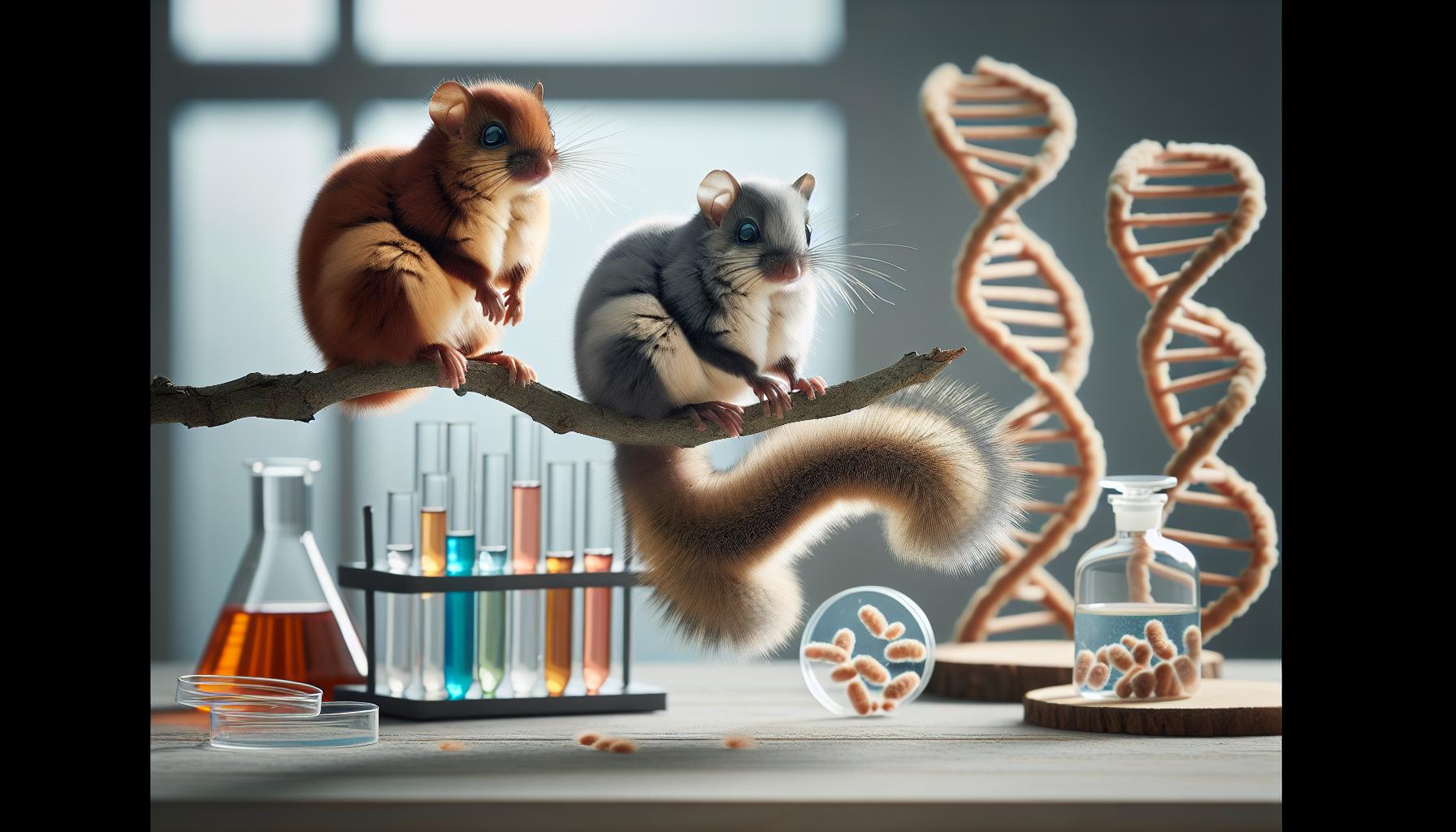
Genetics Behind Flying Squirrel Colors
The stunning diversity in coat colors of flying squirrels is not just a matter of aesthetics; it’s deeply rooted in their genetics. The primary players in this colorful drama are melanin pigments, which dictate the shades of these remarkable creatures’ fur. Most commonly, flying squirrels display various combinations of eumelanin (responsible for black and brown colors) and pheomelanin (which gives a yellow or reddish hue). This genetic tapestry is woven intricately, telling stories of adaptation and survival in diverse habitats.
Genetic variations can lead to fascinating color morphs. For instance, melanistic flying squirrels exhibit a surplus of eumelanin, resulting in a striking black coat. This rarity not only makes them visually outstanding but may also offer ecological advantages; the darker hue can provide better camouflage in dimly-lit forest areas, enhancing their stealth and survival against predators. Conversely, leucistic flying squirrels show a partial reduction in pigmentation, leading to their lighter coats. These variations are determined by specific genetic alleles, and the expression of these genes can be influenced by environmental factors and dietary conditions.
Understanding these genetic mechanisms does not just fulfill our curiosity; it also plays a significant role in conservation efforts. Recognizing that coat colors can indicate population health is vital. For example, if a certain color variant is disappearing from a population, it could signal issues like habitat destruction or genetic bottlenecks. Enthusiasts and researchers alike are encouraged to observe and document these color variations to contribute valuable data that may assist in protecting these cherished creatures. Additionally, prospective owners of flying squirrels should consider these genetic factors in their care, as certain colors may signify particular dietary or habitat needs.
The study of flying squirrel colorations provides thrilling insights into genetic diversity and adaptation. It opens windows into their evolutionary pathways, showing how these charming animals continue to thrive amid changing environments. As we learn more about their genetic makeup, we appreciate not only their beauty but also their resilience in the face of ecological challenges.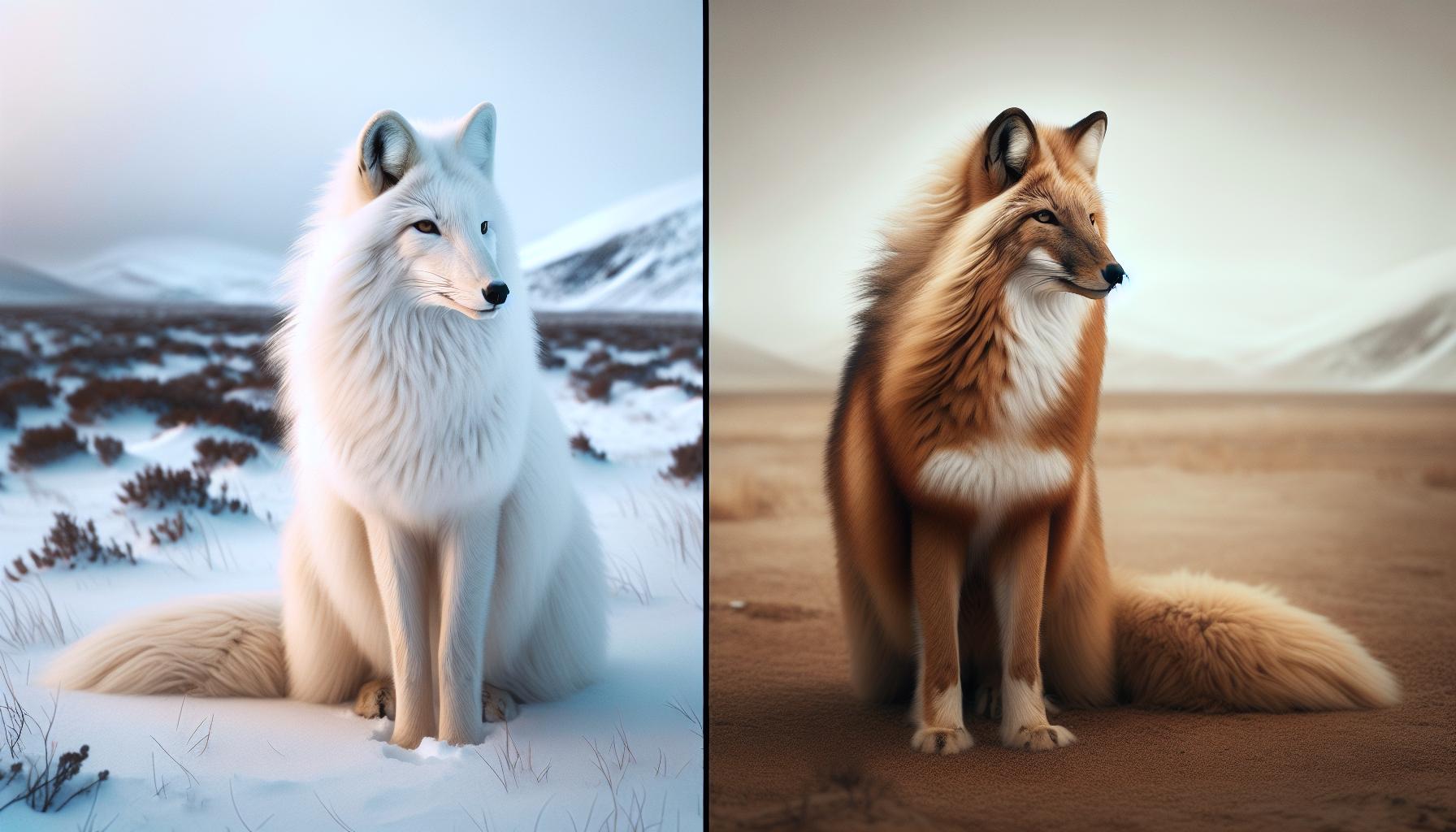
How Environment Influences Coat Colors
The environment plays a crucial role in shaping the coat colors of flying squirrels, acting like a natural canvas that allows these fascinating creatures to adapt and blend into their habitats. Color variations can often be linked to the specific conditions of their surroundings, including factors like seasonality, temperature, and habitat types. For example, flying squirrels residing in dense forest environments might exhibit darker coats, which provide better camouflage among the shadows and trees, aiding in their stealth during nocturnal activities. On the flip side, those in lighter, more open areas may showcase paler fur to blend in with sunlit spaces.
Another way the environment influences color is through seasonal changes. Just as some animals develop thicker fur or shift colors in winter, flying squirrels may also show subtle changes in coat color as seasons change. In cooler months, their fur might take on a richer, deeper shade, which can help in insulation as well as in predation avoidance, blending into a frostier landscape. When spring arrives, they might lighten slightly to match the blooming flora as food resources become more abundant.
Dietary factors also play an essential role in the coloration of flying squirrels. The pigments in their fur can be influenced by what they consume. A diet rich in certain nutrients can enhance their color vibrancy, while deficiencies may lead to paler coats. By understanding these connections, care providers and enthusiasts can better support the health of flying squirrels. Providing a diverse and nutritious diet is vital not only for energy and health but also for maintaining the vibrant colors that are part of their appeal.
Finally, the role of parental traits can’t be overlooked either. In environments where specific coat colors are favored, these traits can be passed down through generations, influenced by natural selection. This evolutionary mechanism ensures that flying squirrels remain well-adapted to their environments, demonstrating how interconnected their survival and coloration truly are. Observing these dynamics in action reveals the beautiful interplay between genetics and the natural world, shedding light on how creatures like flying squirrels navigate their ecosystems with such flair.
Seasonal Color Changes in Flying Squirrels
As the seasons change, so too do the remarkable hues of flying squirrels. These agile creatures can showcase a spectrum of coat colors that not only reflect their aesthetics but also serve practical purposes in nature. During the colder winter months, flying squirrels often exhibit deeper, richer shades. This transformation is more than just seasonal attire; the darker colors provide better insulation and camouflage in a frosty landscape. Imagine these little acrobats blending seamlessly with the sharp lines of bare trees and the shadowy patches of winter snow, making them less conspicuous to predators.
When spring graces the forest, flying squirrels begin to lighten their coat colors, aligning their appearance with the blooming flora surrounding them. This lighter palette helps them remain inconspicuous against the vibrant greens and budding flowers, creating a perfect disguise amidst the new growth. Their fur may become tinged with warmer shades, giving them a refreshing look just as their habitats burst back into life. As insects and fruits become more plentiful, flying squirrels adjust their coloration to maintain stealth, showcasing nature’s clever design for survival.
Understanding the intricacies of these seasonal changes unveils not only the beautiful adaptability of flying squirrels but also highlights the interconnectedness of their environment and behavior. It’s a gentle reminder for wildlife enthusiasts and caretakers alike to appreciate the refreshing alterations in these animals, as they play an essential role in their vibrant ecosystems. By observing their coat changes throughout the year, we foster a deeper appreciation for the natural world and can make better-informed decisions about their care and conservation, ensuring these intriguing beings continue to thrive as the seasons cycle through.
The Role of Color in Flying Squirrel Survival
The striking colors of flying squirrels play a pivotal role in their survival within the diverse ecosystems they inhabit. These adorable, nocturnal creatures have adapted their coats not just for beauty, but for practical reasons that enhance their safety. One of the primary advantages of their coloration is camouflage. For example, a flying squirrel’s grayish-brown fur blends seamlessly with the bark of trees, especially during the day when they rest. This natural disguise is vital, keeping them hidden from predators such as hawks or owls during their vulnerable daytime naps.
As seasons shift, the color variations in their fur provide additional survival benefits. A spring coat with lighter hues helps them remain inconspicuous among blossoming flowers and tender greens, allowing them to forage for food while minimizing the risk of detection. In contrast, during the fall when the leaves change, these squirrels adapt to darker shades, which blend better with the now bare branches and shadows. This dynamic relationship between color and environment showcases the remarkable evolutionary adaptations of flying squirrels, emphasizing their role as both prey and foragers in their diverse habitats.
Moreover, the variations in coat color may influence social interactions within squirrels. Brighter colors can signal health and vitality, attracting potential mates. Conversely, darker shades may also indicate a squirrel’s maturity or dominance within a social hierarchy. As wildlife enthusiasts, understanding these nuances allows for greater appreciation of not only the beauty of flying squirrels but also their intricate behaviors and survival strategies. Therefore, as you observe these enchanting creatures, consider the layers of color that provide them with essential protection in the wild.
Caring for Flying Squirrels: Consider Color and Coat
Caring for flying squirrels requires an understanding of their unique coat variations, which can greatly affect their well-being and comfort. These adorable creatures come in a range of colors, from grayish-brown to more unusual shades like albino white or melanistic black. When choosing a flying squirrel as a pet or caring for one in rehabilitation, it’s essential to consider how these colors play into their health and environment.
Their fur serves not only aesthetic purposes but also practical ones. For example, the color of a flying squirrel can help regulate its body temperature. Lighter colors reflect sunlight, which can be beneficial in warmer climates, while darker shades absorb warmth, offering comfort in colder conditions. When creating a habitat for a flying squirrel, mimic natural surroundings. Use appropriate bedding materials that suit their color; darker-colored bedding may be more calming for darker-coated squirrels, while lighter bedding could work well for those with light fur.
Additionally, consider how coat color can influence social interactions. In the wild, brighter colors can appear more appealing during mating seasons, signaling vigor and health. If you are caring for multiple flying squirrels, ensure that their habitat has plenty of space and enrichment opportunities to accommodate their social behaviors. Mix and match toys and hideaways that cater to their preferences-these can enhance their mental stimulation and engagement based on their color-related social dynamics.
Lastly, regular grooming is important in maintaining a healthy coat. Flying squirrels naturally groom themselves, but in captivity, they may benefit from occasional human assistance. Use a soft brush to remove loose fur or debris, keeping their coat clean and shiny. This not only promotes health but also enhances the bond between you and your flying squirrel, ensuring they thrive in their vibrant, colorful world.
Flying Squirrel Species and Their Unique Colors
Flying squirrels are a fascinating family of creatures known for their unique ability to glide through the trees of their forest habitats, but their coat colors are just as captivating. Among the most recognized species in North America, the Southern Flying Squirrel (Glaucomys volans) typically dons a soft, grayish-brown coat. This coloring not only helps them blend into the bark of trees, providing excellent camouflage against predators but also helps them manage temperature variations in their environment.
The Northern Flying Squirrel (Glaucomys sabrinus) presents a slightly different palette, often featuring a more muted tone that can range from grayish to reddish hues. These differences in color between the species can be attributed to their adaptability to different habitat types and climatic conditions. Furthermore, certain populations, especially those living in areas with snow, may possess a lighter fur variation, which aids in hiding from potential threats in a winter landscape.
Beyond the common grey and brown hues, rare color variants intrigue wildlife enthusiasts and collectors alike. The albino flying squirrel, with its striking white fur and pink eyes, is an example of a genetic mutation that occurs in the wild but is exceptionally rare. Likewise, melanistic flying squirrels can sport an all-black coat, making them a unique sight against the backdrop of a forest. These uncommon colors spark interest not only for their beauty but also for the fascinating genetic factors that result in such variations.
Understanding the unique colors within the flying squirrel family helps foster better care practices for those who choose to keep these animals as pets or engage in rehabilitation efforts. Knowing the particular needs and traits associated with different species can enhance their welfare and ensure that their vibrant appearances are matched by their health and happiness in captivity.
Fun Facts About Flying Squirrel Colors
Flying squirrels are not only known for their remarkable gliding abilities but also for their stunning diversity in coat colors. One fun fact is that their fur isn’t just for looks-it serves crucial roles in their survival. The typical grayish-brown coat of the Southern Flying Squirrel allows it to blend seamlessly with tree bark, providing excellent camouflage from predators. This natural adaptation is key in helping them evade danger and stay hidden during the day when they are most vulnerable.
Another captivating aspect of flying squirrel coloration is the existence of rare genetic variants. For instance, the albino flying squirrel, with its striking white fur, is a rare treasure of the animal kingdom. These squirrels, while beautiful, are vulnerable in the wild due to their lack of camouflage. Similarly, melanistic flying squirrels, which sport all-black coats, offer a stark contrast against the greens and browns of their forest homes. The rarity of these variations not only creates interest among wildlife enthusiasts but also prompts discussions about genetic diversity within the species.
The colors of flying squirrels can also change with the seasons and their environment. In colder climates, frost can lighten the fur of Northern Flying Squirrels, enhancing their ability to blend in with snow-covered landscapes. Additionally, the environment can influence their coat colors; for example, squirrels in denser, darker forests may develop darker fur to match their surroundings better. This adaptability showcases how flying squirrels manage their appearance as a means of survival, responding to their habitats in fascinating ways.
Understanding the colors of flying squirrels enhances our appreciation of these adorable creatures. Each hue tells a story of adaptation, survival, and the complexities of their genetics. Whether you admire them in the wild or care for them as pets, knowing these tidbits enriches your connection to the natural world and supports responsible ownership and conservation efforts.
Exploring the Myths and Misconceptions on Squirrel Colors
Many people marvel at the enchanting coat colors of flying squirrels, yet several misconceptions abound regarding their appearance and behavior. For instance, one common myth is that all flying squirrels are gray. While the Southern Flying Squirrel typically sports a grayish-brown hue, these creatures can exhibit a remarkable range of colors. Depending on the species and specific genetic variations, flying squirrels can be found in shades of white, black, or even caramel. This diversity is crucial in understanding their adaptations to different habitats.
Another myth concerns the perceived vulnerability of rare color variants such as albino or melanistic flying squirrels. While it’s true that albino flying squirrels have a striking white coat, their bright coloration can make them more vulnerable to predators. On the other hand, they hold a special place in the hearts of wildlife enthusiasts, which often leads people to think they are more prevalent than they are. In reality, these beautiful creatures are quite rare in the wild, which raises important conservation discussions about protecting their habitats.
Color changes across seasons also lead to misconceptions. Many believe that flying squirrels remain static in their coloration, but the truth is that their coats can soften or darken depending on environmental conditions. For example, the Northern Flying Squirrel may develop a lighter coat during the winter months to better blend in with snow-covered surroundings. This ability to adapt their coloring is not only an incredible survival tactic but also a testament to their evolutionary journey.
Finally, there is a tendency to assume that the color of a flying squirrel’s coat has no impact on behavior or health. In reality, coat quality can relate closely to a squirrel’s nutritional status and overall well-being. A vibrant fur coat signifies a healthy and thriving animal, while dull or patchy fur may indicate stress, illness, or inadequate care. Therefore, being attentive to color variations among flying squirrels not only enriches our understanding of these unique creatures but also emphasizes the importance of responsible ownership and care in captivity. Educating ourselves about these myths helps foster a deeper appreciation for flying squirrels and their natural world.
Q&A
Q: What are the common coat colors of flying squirrels?
A: The most common coat colors of flying squirrels include gray, brown, and cream. These variations help them blend into their natural habitat, providing camouflage from predators. For a deeper understanding of these colors, refer to the section on The Most Common Coat Colors in Flying Squirrels.
Q: How do seasonal changes affect the coat of a flying squirrel?
A: Seasonal changes can lead to subtle shifts in a flying squirrel’s coat color. In colder months, their fur may become darker or thicker to provide better insulation and camouflage against the snow. Explore more in the Seasonal Color Changes in Flying Squirrels section.
Q: Are there any rare color variations in flying squirrels?
A: Yes, flying squirrels can exhibit rare color variations such as albino or leucistic individuals, which showcase unique fur colors due to genetic differences. These rare variants are fascinating and can often be found more commonly in certain environments. See the Uncommon Coloration: Rare Variants of Flying Squirrels for more details.
Q: Why do flying squirrels have different coat colors?
A: The variation in coat colors among flying squirrels is primarily due to genetics and their need for camouflage in diverse habitats. Different colors can help them survive better by blending into their environments, reducing visibility to predators. More information can be found in the Genetics Behind Flying Squirrel Colors section.
Q: How does the environment influence flying squirrel coat colors?
A: The surrounding environment plays a significant role in determining coat colors. Areas with lush vegetation may see darker colors, while squirrels in lighter habitats tend to have lighter fur. This adaptation enhances their camouflage. Learn more about this in the How Environment Influences Coat Colors section.
Q: Do flying squirrels change color as they age?
A: Yes, flying squirrels can exhibit changes in coat color as they mature. Younger squirrels might have brighter colors, which tend to fade or darken as they grow older. This age-related change can affect their camouflage strategies in the wild.
Q: What role does color play in the survival of flying squirrels?
A: Color plays a crucial role in the survival of flying squirrels by providing camouflage from predators and aiding in social interactions. The right color can help them remain undetected in their natural habitat. For more insights, refer to the The Role of Color in Flying Squirrel Survival section.
Q: How can I care for a flying squirrel, considering its coat color?
A: When caring for a flying squirrel, consider its coat color as it can influence the type of habitat and care needed. For instance, lighter-colored squirrels might need darker environments to feel secure. Check the Caring for Flying Squirrels: Consider Color and Coat section for practical care tips.
The Conclusion
Curious about the stunning coat variations of flying squirrels? From the classic gray to rare melanistic shades, these adorable creatures have a lot to teach us about adaptation and habitat. If you’ve enjoyed exploring their colors, don’t miss out on our detailed guide on their unique behaviors and care requirements! Click through to learn more about how you can create a suitable environment for these fascinating animals.
Ready to dive deeper? Sign up for our newsletter for the latest insights on wildlife and conservation, plus tips for caring for exotic pets. Your journey into the world of flying squirrels and beyond is just beginning! Feel free to share your thoughts in the comments below or check out our related articles on other intriguing small mammals. Let’s keep exploring together!
Get our latest guides, news, and insights highlighted in your Google Search & AI Overviews.