Have you ever wondered how elusive flying squirrels really are? Known for their remarkable ability to glide gracefully through the trees, these fascinating creatures often go unnoticed in their natural habitats. Contrary to popular belief, flying squirrels don’t truly fly; they glide thanks to a special membrane that stretches between their limbs. This unique adaptation makes them masters of stealth, and for many wildlife enthusiasts, spotting one is a rare treat. In this article, we’ll explore just how uncommon these sightings are, uncovering the odds of glimpsing these remarkable mammals in the wild. Whether you’re a nature lover curious about animal behaviors or simply seeking to understand the enchanting world of flying squirrels, this journey promises to unveil the secrets surrounding their rarity and the magic of observing them in action. Let’s take a closer look at these extraordinary gliders and discuss what factors contribute to their elusive nature.
How Common Are Flying Squirrels in the Wild?
There are approximately 50 species of flying squirrels, and while they may not be the most commonly seen wildlife in North America, they are far from rare. These charismatic creatures are widespread, primarily inhabiting wooded areas, forests, and even suburban regions where mature trees provide the necessary habitat. Typically, flying squirrels are elusive and nocturnal, making them less frequently observed during the day. This nocturnal lifestyle often leads to misconceptions about their population density, resulting in the belief that they are a rare sight in the wild.
In suitable habitats, flying squirrels can thrive in large numbers. They often nest in tree cavities or build leaf nests high up in the branches, away from predators. It’s not unusual for a single tree to host multiple flying squirrel families, leading to a greater overall population density than might be expected. For wildlife enthusiasts looking to spot these fascinating animals, remember that spring and summer nights are your best bet, particularly around dusk and dawn when they venture out to forage for food, which primarily consists of fruits, nuts, and fungi.
To better understand their commonality, it’s crucial to recognize that the sighting of flying squirrels can vary by region. In urban areas and places with ample food sources and safe nesting sites, flying squirrels may be more easily seen. Conversely, in areas where their habitat is fragmented or in decline due to development, sightings may be less frequent. Thus, while they are common within their ecosystems, various environmental factors can impact visibility, creating an aura of rarity around their presence.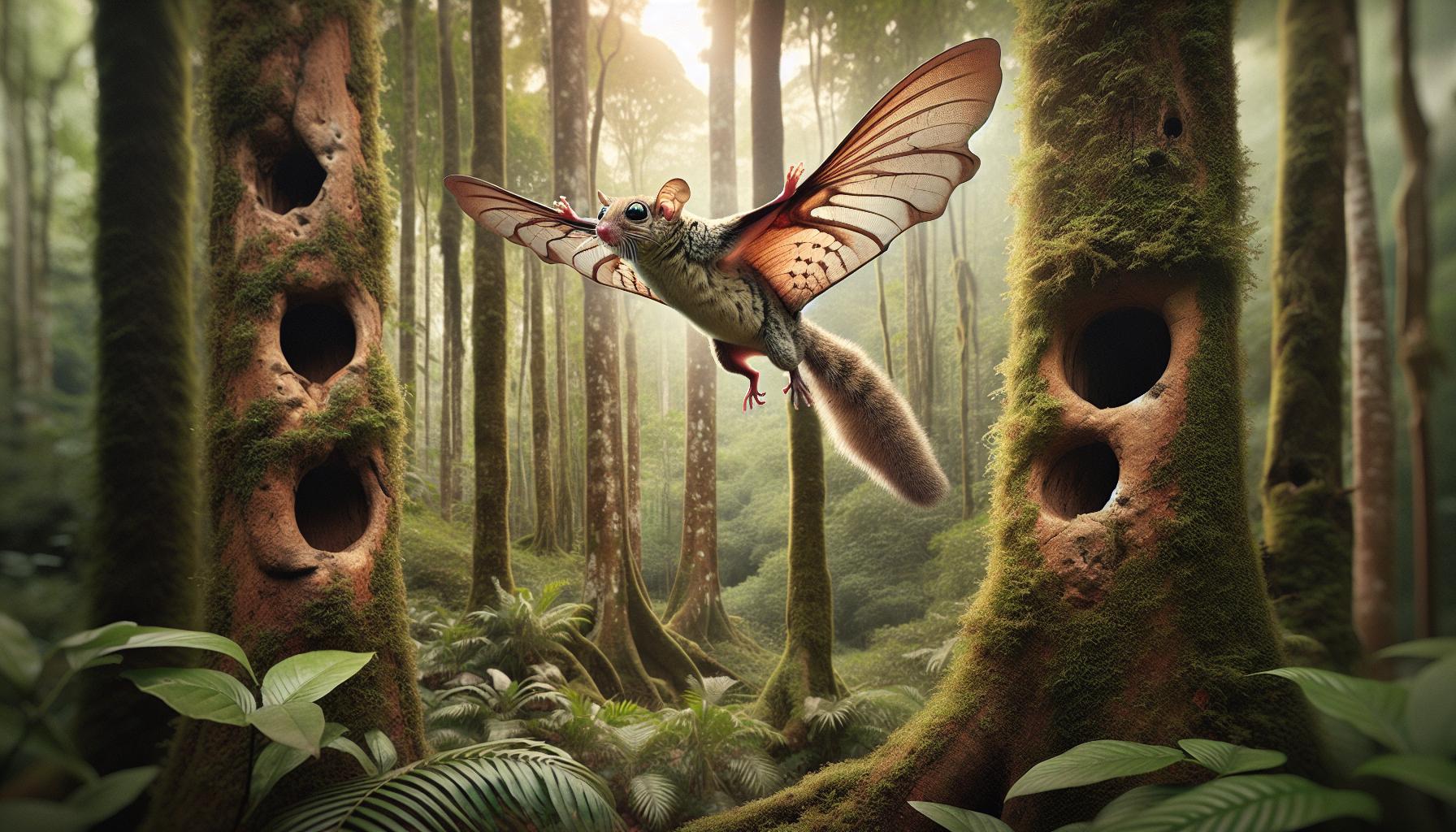
Understanding the Habitat of Flying Squirrels
Flying squirrels may be elusive, but understanding their habitat can significantly increase your chances of spotting these enchanting creatures. These furry acrobats thrive primarily in mature forests with abundant trees, as they rely on the high canopies for both shelter and foraging. A well-maintained environment with plenty of oak, hickory, and maple trees provides the perfect setting for these nocturnal mammals, which use their gliding membranes to navigate gracefully between tree branches.
Flying squirrels often favor deciduous and mixed forests that not only offer dense canopy coverage but also a variety of food sources. They primarily feed on fruits, nuts, and fungi, which are plentiful in healthy forests. The presence of tree cavities for nesting is also crucial. These cavities serve as nesting sites, offering protection from predators and harsh weather. Interestingly, it’s not uncommon for multiple families to coexist in a single tree, which can lead to denser populations in prime habitats.
Urban areas can still be suitable for flying squirrels, particularly in regions with large parks or residential areas adorned with high, mature trees. In these settings, flying squirrels adapt by utilizing human structures like attics and larger trees in backyards as nesting sites. However, their survival largely depends on the availability of safe environments free from heavy disturbances, as well as reliable food sources.
When gauging the best locations for sighting flying squirrels, consider visiting protected natural areas during the right time of day, especially at dusk or dawn in spring and summer. Understanding their habitat preferences and behavior can transform your wildlife observation experience and enhance your appreciation of these captivating, aerial acrobats.
When Are You Most Likely to Spot One?
Flying squirrels are most active during the twilight hours, making dusk and dawn the prime times for spotting these elusive creatures. Their nocturnal habits mean they tend to emerge from their nests to forage in the early evening or just before dawn, when the light is low but still enough for them to navigate the trees. If you’re eager to catch a glimpse, heading out during these times-in spring and summer especially-maximizes your chances.
These fascinating mammals utilize the cover of darkness for greater safety from predators. This behavior adds to the challenge of sighting them, as they are naturally quiet and adept at blending into their surroundings. To increase your odds, look for locations with dense canopies, as flying squirrels prefer areas with plenty of trees to glide between. Observing near known feeding sites-like those with abundant nuts, fruits, or fungi-can also yield successful sightings, as these areas often attract them.
Remain patient and consider spending some time in silence, perhaps perched quietly with binoculars. Local parks or nature reserves where a mix of mature hardwoods exists can be ideal spots. Keep in mind that flying squirrels are social creatures; if you see one, there’s a good chance more are nearby. Your efforts to observe them not only enhance your wildlife experience but also deepen your appreciation for these enchanting creatures of the night.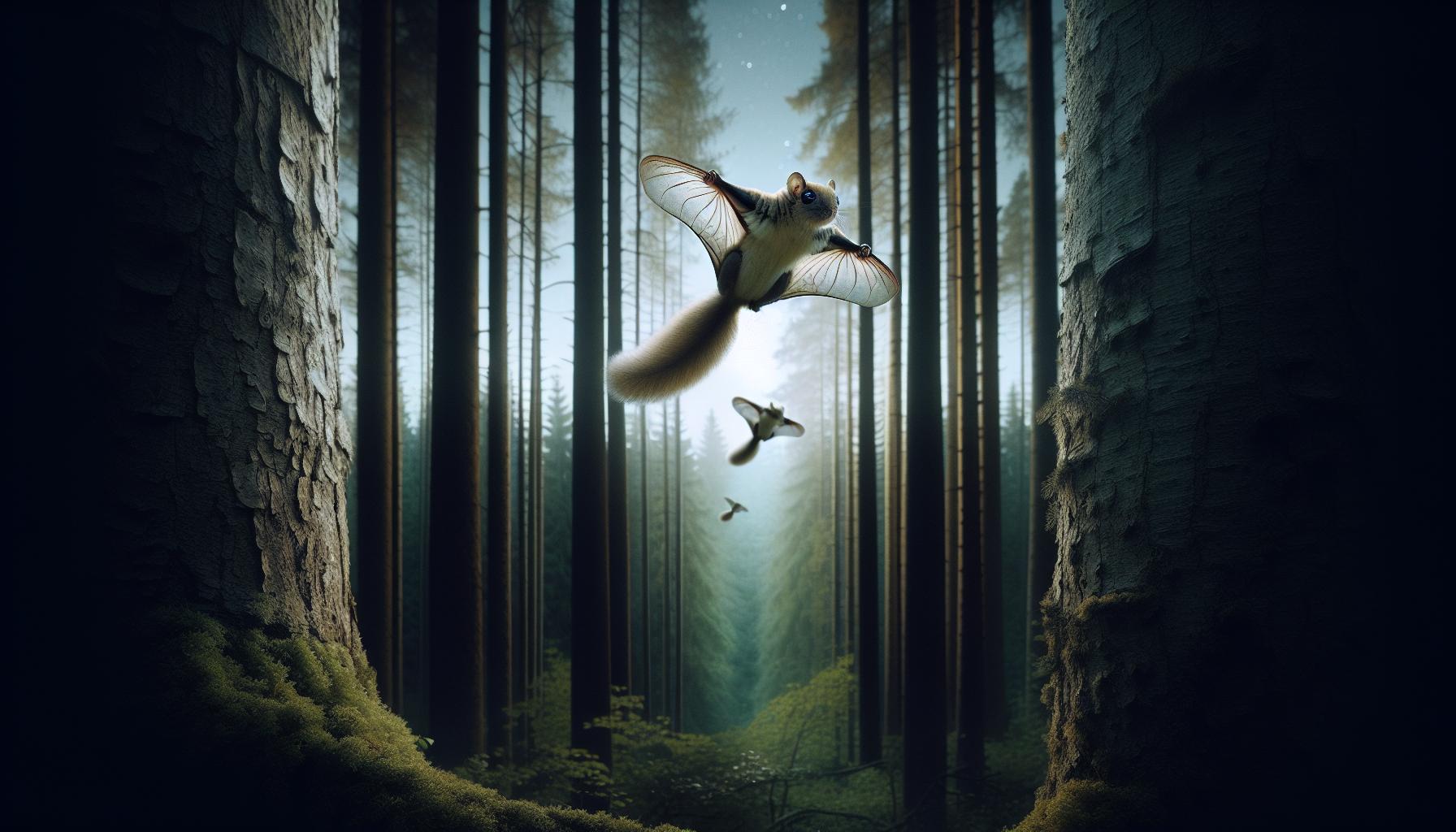
The Behavior of Flying Squirrels: Nocturnal and Elusive
Flying squirrels are truly the acrobats of the night, gliding gracefully between trees in search of food and shelter. They possess a unique adaptation that allows them to soar through the air, using a special membrane called the patagium that stretches from their wrists to their ankles. This impressive feature not only aids in mobility but also serves as a key component of their elusive nature.
Their habits are specifically tailored to nocturnal living, as they are primarily active after sunset and before sunrise. This behavioral choice helps them avoid many of their natural predators, which are often active during the day. The darkness provides a sanctuary, allowing these small mammals to forage for food-such as fruits, nuts, and fungi-while avoiding danger. Observers must adapt their own routines to catch a glimpse of these creatures, venturing out during the twilight hours or even in the cover of darkness, where they can often be spotted gliding silently from tree to tree.
Moreover, flying squirrels have social behaviors that can add to their elusive presence. They are known to share their nests with family members, creating small colonies that enhance their chances of survival. When one is spotted, there is a higher likelihood of others being nearby. To increase your odds of observing these charming animals, seeking out areas with dense forests rich in food sources is beneficial. Silence is key during observations-by minimizing noise, you’ll increase your chances of witnessing their graceful movements as they navigate the canopy with skill and agility.
Overall, understanding the nocturnal and elusive behaviors of flying squirrels can enhance your wildlife observation experiences. With patience and the right timing, you just might find yourself captivated by the remarkable life of these fascinating creatures under the moonlit sky.
Factors Affecting Flying Squirrel Sightings
Flying squirrels may be stealthy creatures of the night, but understanding the factors that influence your chances of spotting them can turn a fruitless search into a successful encounter. These unique mammals’ elusive nature makes sightings quite rare, but several key factors play a crucial role in whether or not you’ll catch a glimpse of them in their natural habitat.
One of the primary influences on flying squirrel sightings is environmental conditions. Ideal weather-specifically, mild temperatures and clear skies-encourages these animals to be active. Conversely, rain and strong winds tend to keep them tucked away in their nests. Additionally, time of year impacts visibility; during the breeding season in late winter and early spring, these nocturnal creatures may be more active as they seek out mates, increasing the likelihood of sightings.
Another significant factor is habitat density. Flying squirrels thrive in forests rich in food sources, such as oak and hickory trees laden with nuts. Areas with plenty of cover allow these animals to glide between branches with agility, making dense woodlands prime spots for observation. If you’re eager to see them, targeting places with established trees and minimal human interference can enhance your chances. Urban areas, while they may have populations, often disrupt the natural behaviors essential for sightings.
Local wildlife activity can also affect sightings. Knowing what other nocturnal creatures share the same environment can provide clues about flying squirrel presence. For instance, if you notice an abundance of raccoons or owls, it might indicate a vibrant ecosystem, hence potential flying squirrel activity. Lastly, your own behavior while observing can make a difference; minimizing noise and being patient can help you blend into the environment and increase your chances of spotting these fascinating night-time acrobats.
In conclusion, while the odds may seem stacked against you, understanding these factors can empower you to strategically plan your wildlife observation endeavors, ultimately enriching your experience with the elusive flying squirrel.
How to Attract Flying Squirrels to Your Backyard
Want to bring the enchanting presence of flying squirrels to your backyard? Attracting these elusive nocturnal creatures can be both rewarding and exciting. These furry gliders are often found in wooded areas, but with a little effort, you can create an inviting environment for them right at your home.
To start, consider the food sources flying squirrels prefer. They enjoy a diverse diet that includes fruits, nuts, and seeds. Planting native trees like oak and hickory can provide natural food sources. You can also set up feeders with a mix of sunflower seeds, peanut butter, and walnuts. Position these feeders at dusk when these animals become active, placing them on trees to mimic their natural foraging behavior.
Another key element to attracting flying squirrels is providing suitable nesting sites. They prefer habitats with plenty of cover, so encouraging dense foliage can help. Create secluded areas in your yard using dense shrubs or climbing vines to offer shelter. Additionally, installing nesting boxes can give them a safe space to rest. Make sure these boxes are elevated and away from direct sunlight to mimic the hollow trees they naturally seek.
Creating a quiet space is essential for flying squirrels, who are sensitive to noise and human activity. If you have a busy backyard, consider designating a portion of it as a wildlife sanctuary, where disturbance is minimized, allowing these creatures to feel secure. Lastly, ensure your yard is free from harmful chemicals and pesticides, which can deter wildlife and pose risks to their health.
Ultimately, attracting flying squirrels is about patience and creating the right environment. With the right food sources, nesting options, and a peaceful atmosphere, you may find yourself lucky enough to spot these remarkable gliders in your own backyard.
Unique Facts About Flying Squirrels You Didn’t Know
Did you know that flying squirrels don’t actually fly? Instead, they glide gracefully through the air, thanks to a special membrane stretching from their wrists to their ankles, called the patagium. This unique adaptation allows them to soar over 150 feet between trees, making them masters of aerial navigation in their wooded habitats.
One of the most fascinating aspects of flying squirrels is their social behavior. Unlike many other squirrel species that tend to be solitary, flying squirrels are known to live in groups, often sharing nesting sites with family members. This communal living setup enhances their chances of survival, as they can share warmth and watch out for predators together. In winter, they often huddle together in nests, reducing heat loss and ensuring a cozy environment during colder months.
Flying squirrels are also active at night, or nocturnal, which adds to their elusive nature. This nocturnal lifestyle helps them avoid daytime predators but makes sightings during daylight hours quite rare. They are excellent climbers and are often heard more than seen, with soft, chirping calls echoing through their forest homes. Observers equipped with auditory clues might find success spotting them in the twilight hours when they begin to emerge from their nests.
Finally, despite being relatively common across various regions in North America, the elusive flying squirrel often goes unnoticed. Many people don’t realize they have them in their area, mainly because they are less visible and generally prefer habitats that allow them to remain hidden. So, while the odds may seem low for a casual encounter, with the right approach and a little luck, you might just catch a glimpse of these enchanting gliders.
conservation Status of Flying Squirrels
Flying squirrels, those charming nocturnal gliders, are more than just whimsical creatures of the night; they serve as an important indicator of forest health. Although they aren’t currently classified as endangered, their conservation status warrants attention due to habitat loss and environmental changes that could threaten their populations. This agile critter thrives in mature forests, where they can glide gracefully between trees. However, urban sprawl and logging activities slice through these vital habitats, making vigilance in conservation efforts essential.
In the United States, the Southern flying squirrel (Glaucomys volans) is relatively abundant, while the Northern flying squirrel (Glaucomys sabrinus) faces greater challenges, as its populations are more fragmented and dependent on old-growth forest ecosystems. Conservation efforts tailored to restore and protect these habitats play a critical role in ensuring the survival of both species. Strategies can include reforestation initiatives, creating wildlife corridors, and implementing sustainable forestry practices. Anyone interested in contributing to conservation can participate in local habitat restoration projects or support organizations dedicated to wildlife preservation.
Moreover, flying squirrels are fascinating for their adaptability. They often thrive in suburban areas where mature trees are preserved. By creating a wildlife-friendly environment in your backyard-such as allowing native trees to flourish, providing natural food sources, and minimizing pesticide use-you can help these enchanting creatures thrive and perhaps catch a glimpse of them gliding between the branches during dusk. Raising awareness about the importance of flying squirrels in our ecosystems helps educate others and promotes a culture of conservation that benefits these elusive animals and the myriad species they share their forest homes with.
Comparing Flying Squirrels to Other Squirrel Species
Flying squirrels possess a unique charm that sets them apart from their more familiar ground-dwelling relatives. While most people are familiar with tree squirrels-like the Eastern gray squirrel, which is a common sight in parks and backyards-flying squirrels offer a different experience. Unlike their more conspicuous cousins, flying squirrels are nocturnal and often go unnoticed, which adds to their allure. With a soft coat and large, expressive eyes, they glide gracefully through the forest at dusk, making their silent flights a mesmerizing sight for those lucky enough to catch a glimpse.
To understand how flying squirrels compare to other squirrel species, consider their size and behavior. The Southern flying squirrel (Glaucomys volans) typically measures about 9 to 10 inches in body length, with a tail that can be nearly the same length, while the larger Eastern gray squirrel can reach lengths of up to 20 inches. Additionally, the foraging habits of flying squirrels differ significantly; they are primarily herbivorous, enjoying a diet of fruits, nuts, and fungi, while ground squirrels might also consume insects and seeds. This dietary distinction reflects their adaptability to different habitats but emphasizes their decorum in forested environments.
Here are a few key differences to consider when comparing flying squirrels with other notable squirrel species:
- Activity Level: Flying squirrels are mostly active at night, making them elusive compared to the daytime antics of gray squirrels.
- Social Structure: Southern flying squirrels often live in small family groups and exhibit interesting social behaviors, such as grooming each other. In contrast, many ground squirrels are more solitary.
- Locomotion: Known for their gliding ability, flying squirrels can soar up to 150 feet between trees, aided by a special membrane stretching from their wrists to ankles. This is a stark contrast to the acrobatic leaps of tree squirrels.
Ultimately, understanding the distinct behaviours and characteristics of flying squirrels not only highlights their unique place within the ecosystem but also underscores the conservation efforts needed to protect their habitats. Spotting a flying squirrel may be rare, but appreciating their beauty and role in the wild is something all nature enthusiasts can enjoy!
The Best Locations for Spotting Flying Squirrels
To catch a glimpse of flying squirrels in their natural habitat can feel like spotting a shooting star-rare and enchanting. These nocturnal creatures thrive in wooded areas, and those with patience and a bit of know-how can increase their odds of encountering one. If you’re looking to spot these delightful gliders, focus on regions with the right combination of trees and feeding grounds.
are typically mature forests, especially those dominated by hardwood trees like oaks, maples, and hickories. These trees provide the dense canopy and nesting sites they prefer. Look for areas near water sources, such as rivers and ponds, that support diverse ecosystems, attracting not just flying squirrels but also the insects and fungi they rely on for food.
Timing is also crucial. For the best chance of seeing flying squirrels in action, venture out at dusk or just before dawn. During these twilight hours, they become more active, gliding gracefully from tree to tree. Setting up a quiet observation spot with binoculars or a camera in hand can enhance your experience. Naturalists often recommend taking a walk through these habitats after the sun sets, as the darkness can sometimes reveal their soft, gliding movements against the backdrop of whispering leaves.
When trying to find these elusive creatures, remember to be respectful of their space. Keep noise to a minimum and avoid using harsh lights, which can disturb their natural behavior. With a little luck and an appreciation for their enchanting ways, you may just find yourself in harmony with one of nature’s most charming gliders.
Tips for Responsible Wildlife Observation
To catch a glimpse of a flying squirrel in the wild is a true delight for wildlife enthusiasts. These elusive creatures, with their soft gliding movements and charming faces, deserve our respect and consideration when we seek to observe them. Practicing responsible wildlife observation not only enhances your experience but also contributes to their conservation and well-being. Here are some tips to ensure that your adventure remains harmonious with nature.
First and foremost, minimize disturbances. Flying squirrels are nocturnal and naturally shy; loud noises can easily scare them away. When entering their habitat, tread softly and speak quietly. Avoid using flashlights or other bright lights which can disrupt their natural behavior. Instead, consider using red filters over your lighting when navigating through the woods at night, as these are less likely to startle wildlife.
Another important aspect of responsible observation is to maintain a respectful distance. Use binoculars or a zoom lens to observe without encroaching on their space. Getting too close can cause undue stress to the animals, impacting their natural activities and potentially harming their physical health. Remember, your goal is to appreciate them in their natural environment without interfering.
Lastly, be aware of your impact on the environment. Stick to established trails to protect delicate ecosystems, especially in areas where flying squirrels dwell. Avoid collecting any natural materials like feathers or nests, as this can disrupt their habitat. Educating yourself about local conservation laws can also be invaluable when it comes to understanding how best to protect these enchanting creatures while enjoying nature.
By following these simple yet effective guidelines, you can enjoy the thrill of wildlife observation while ensuring that you do not harm the very animals you wish to see. Happy spotting!
Faq
Q: How often do people actually see flying squirrels in the wild?
A: Seeing flying squirrels is relatively rare due to their nocturnal nature and camouflage. Most wildlife enthusiasts may never spot one in their lifetime unless actively searching during dusk when they are most active. Their elusive behavior makes sightings unique and special.
Q: What are the best times of year to see flying squirrels?
A: The best times to see flying squirrels are during warmer months when they emerge more frequently for food. Spring and summer provide ample opportunities to spot them as their activity peaks following breeding seasons.
Q: Where are flying squirrels commonly found?
A: Flying squirrels are commonly found in wooded areas across North America, especially in deciduous and mixed forests. They prefer habitats with abundant trees and nesting sites, such as old-growth forests. Understanding their preferred locations can enhance your chances of spotting them.
Q: What should I do if I want to observe flying squirrels?
A: To observe flying squirrels, set up quiet observation spots in their habitats, preferably near food sources like nuts or fruit. Use binoculars at dusk or dawn for the best chance of spotting them. Building a squirrel feeder in your backyard can also attract them unexpectedly.
Q: Are flying squirrels social creatures?
A: Yes, flying squirrels are generally social animals and often live in groups. They communicate with each other through vocalizations and can be seen engaging in social behaviors, especially during the breeding season. Observing these interactions can be fascinating.
Q: How can I attract flying squirrels to my backyard?
A: Attracting flying squirrels involves creating a welcoming environment with natural food sources like nuts and fruits. Installing squirrel houses or nesting boxes can also encourage them to visit. Planting trees and maintaining a comfortable habitat will increase your chances of a sighting.
Q: What makes flying squirrels different from other squirrel species?
A: Flying squirrels differ from other squirrel species primarily in their ability to glide through the air using a special membrane. They are nocturnal and have large eyes adapted for low-light conditions. This unique gliding ability and behavioral patterns make them fascinating compared to their diurnal relatives.
Q: Can flying squirrels be domesticated or kept as pets?
A: While flying squirrels can be kept as pets, they require specialized care and a suitable environment. Owning one responsibly involves understanding their social needs and providing adequate space. Research local laws and conservation guidelines before considering them as pets.
Key Takeaways
While rare, spotting a flying squirrel can be a delightful experience that connects you with nature’s wonders! If you’re fascinated by these unique creatures, remember that their elusive nature means patience and attention to detail are key. For tips on where to observe wildlife responsibly, check out our guide on engaging with local fauna without causing disruption.
Want to learn more about other fascinating animals? Dive into our articles on nocturnal wildlife and their habitats, or discover the joys of caring for exotic pets. Don’t forget to subscribe to our newsletter for the latest wildlife insights and more captivating stories!
Join the conversation! Share your flying squirrel sightings or questions in the comments below, and connect with fellow enthusiasts. Remember, the more we explore and understand our world, the closer we get to appreciating its incredible biodiversity. Don’t miss out-explore, learn, and best of all, enjoy the adventure of discovery!
Get our latest guides, news, and insights highlighted in your Google Search & AI Overviews.