
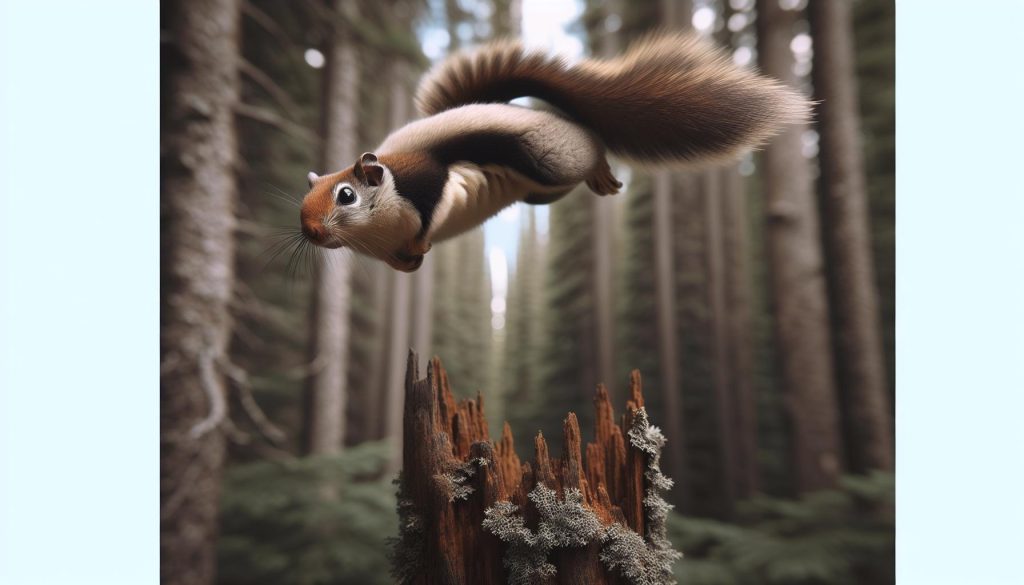
Did you know that the Northern Flying Squirrel can glide up to 150 feet in a single leap? This charming nocturnal creature, native to North America, captures the imagination with its unique ability to soar from tree to tree. Understanding the Northern Flying Squirrel is important not just for wildlife enthusiasts, but for anyone interested in the delicate ecosystems of our forests. These agile squirrels play a vital role in their habitats, helping to disperse seeds and maintain the balance of their wooded realms. Whether you’re a curious newcomer or a seasoned animal lover, this species profile will deepen your appreciation for these fascinating creatures. Join us as we explore their behavior, habitat, and conservation needs, uncovering the wonders of this enchanting glider that shares our forests.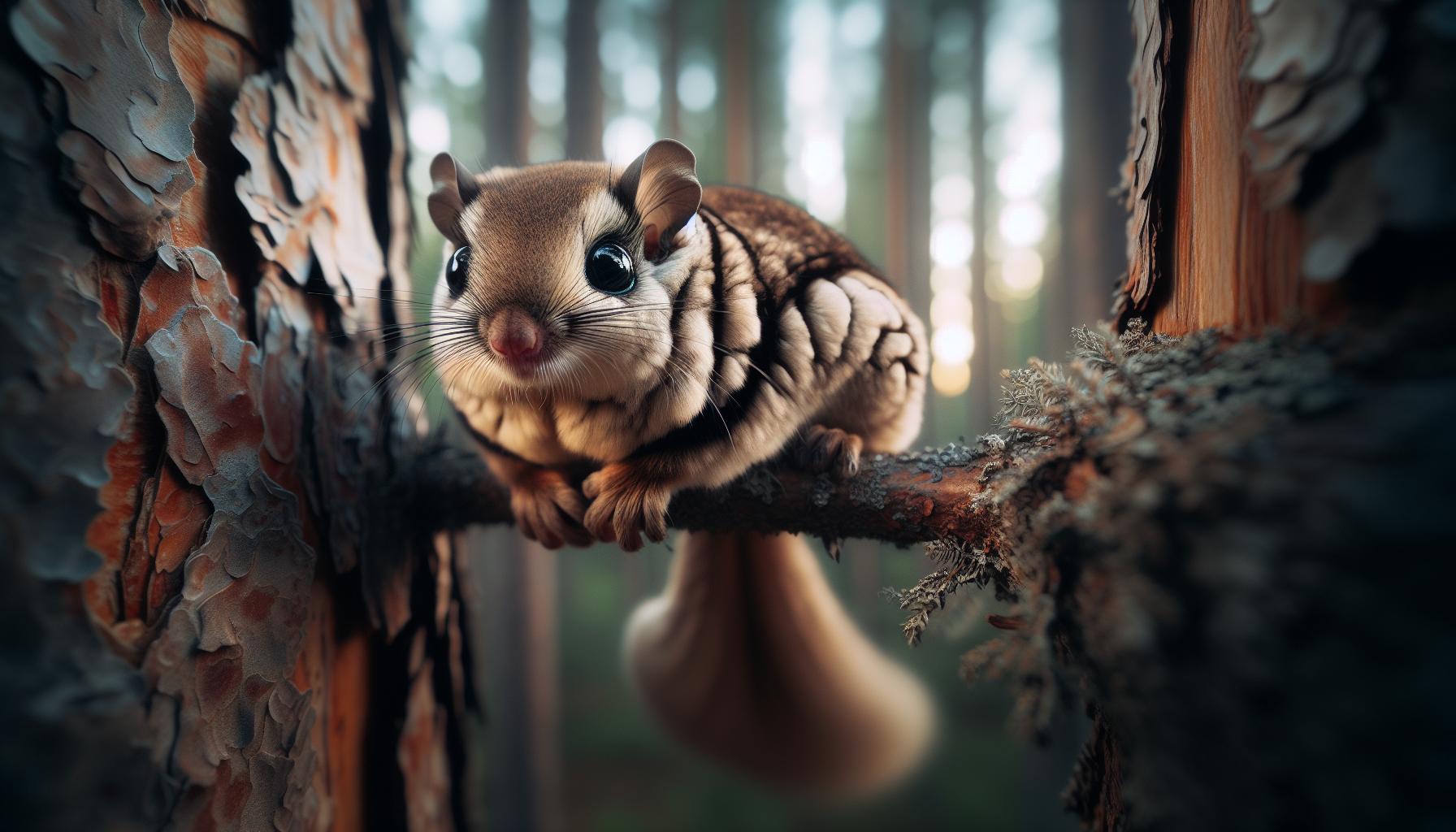
What Makes the Northern Flying Squirrel Unique?
The Northern Flying Squirrel captivates wildlife enthusiasts with its remarkable gliding ability and charming appearance. Unlike your average squirrel, this nocturnal creature possesses a unique adaptation: a membrane, called the patagium, that stretches from its wrists to its ankles. This allows it to soar gracefully between trees, covering distances of over 150 feet in a single leap! It’s not just their gliding skills that make them special; their big, expressive eyes and soft fur add to their undeniable charm.
In terms of lifestyle, these squirrels play a pivotal role in their ecosystems. They primarily inhabit mature forests across the eastern United States and parts of Canada, where they thrive in environments rich with oak, maple, and pine trees. The Northern Flying Squirrel’s diet is just as fascinating as its gliding; they primarily consume fruits, nuts, and fungi, helping to disperse seeds and promote forest health. Their unique feeding habits are instrumental in maintaining the biodiversity of their habitat.
Socially, Northern Flying Squirrels exhibit interesting behaviors. They are often solitary, but during the colder months, they may gather in tree cavities or nests for warmth and safety. Their nighttime activities complement their role as prey for various nocturnal predators, making them an integral part of the forest food web. These qualities not only highlight the Northern Flying Squirrel’s adaptability but also underscore its importance in maintaining the ecological balance within its environment.
Overall, the combination of their extraordinary gliding abilities, charming appearance, and vital role in forest ecosystems makes the Northern Flying Squirrel a unique and fascinating species. Engaging with them-whether through wildlife observation or conservation efforts-offers a deeper appreciation for these enchanting creatures and their habitats.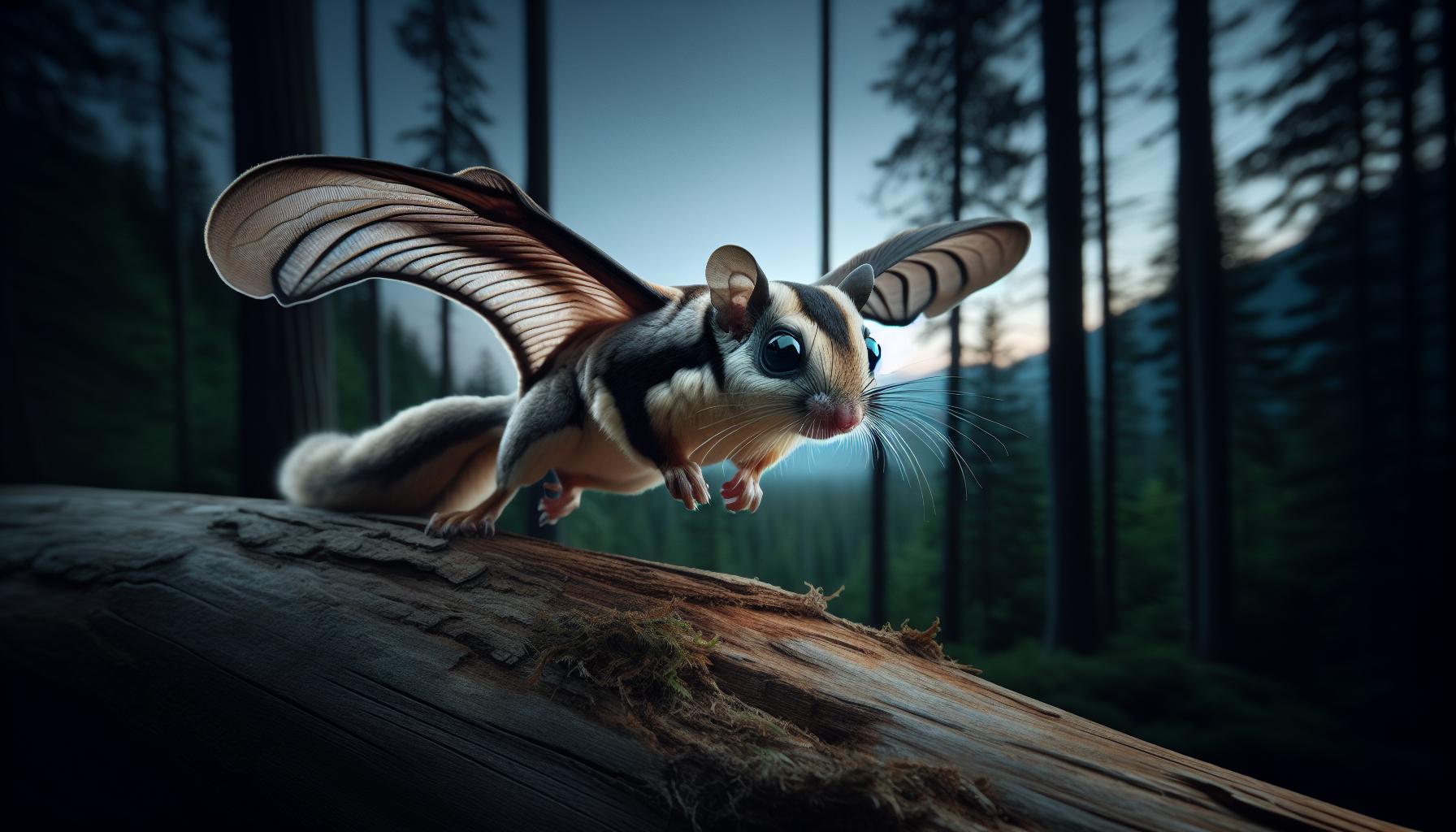
Habitat and Range: Where Do They Live?
The Northern Flying Squirrel has a penchant for old-growth forests, making it a true denizen of the woodland realms. These enchanting creatures thrive in the mature and diverse forests of the eastern United States and parts of Canada, preferring habitats with rich canopies that offer both food and protection. Specifically, they are found in regions populated with oak, maple, and pine trees, where the dense foliage not only provides a safe haven but also abundant foraging opportunities.
Their unique habitat preferences extend beyond mere tree types; Northern Flying Squirrels are particularly fond of areas that feature plenty of tree cavities. These natural hollows serve as ideal nesting sites, allowing them to stay safe from predators and the elements. As nocturnal foragers, they take advantage of the darkness to glide from tree to tree, showcasing their remarkable gliding ability. Home ranges can span several acres, depending on food availability, which allows them to access a variety of essential resources.
Environmental Importance
The forests inhabited by Northern Flying Squirrels are not just homes; they act as critical ecosystems. These squirrels help to disperse seeds and spores, playing a significant role in maintaining plant biodiversity and supporting overall forest health. By foraging for fungi, which are a staple in their diet, they inadvertently aid in the fungal dispersal process that benefits tree growth. Consequently, healthy populations of flying squirrels can be indicative of a thriving forest ecosystem.
In summary, the Northern Flying Squirrel’s habitat requirements highlight its adaptability to specific environmental conditions, showcasing its integral role in the forest ecosystem. Whether you’re wandering through a mature woodland or simply observing the delightful sights and sounds of nature, understanding where these fascinating creatures live enhances our appreciation for their unique lifestyle and the habitats that support them.
Diet and Feeding Habits of Flying Squirrels
The Northern Flying Squirrel’s diet is as intriguing as its ability to glide gracefully through the trees. These nocturnal foragers have a varied palate that predominantly includes fruits, nuts, seeds, and fungi, with mushrooms being particularly essential. In fact, they have a unique relationship with fungi, foraging for truffles and other underground species, which not only nourishes them but also aids in the dispersal of spores-an integral part of maintaining forest ecosystems.
During the warm months, you’ll find these squirrels feasting on a smorgasbord of seasonal delights. They relish the sweet fruits of summer, such as blackberries, grapes, and apples, which provide essential sugars and hydration. As fall approaches, their focus shifts to nuts like acorns, hickory nuts, and walnuts, which are stored for winter consumption. Their clever storage habits are impressive; they often hide food in tree crevices and buried in the forest floor, showcasing their strong spatial memory and ensuring a reliable food source during colder months.
Feeding Habits
The feeding behavior of Northern Flying Squirrels is a delightful blend of agility and strategy. Equipped with sharp claws, they adeptly navigate their arboreal environment, using their keen eyesight to spot ripe fruits and nuts. When it comes to fungi, they demonstrate remarkable skill-using their sense of smell to locate truffles hidden beneath the soil. This relationship highlights their role in the ecosystem, as they inadvertently contribute to the health of their forest by helping disperse these life-giving spores.
- Fruits and Berries: Blackberries, grapes, apples
- Nuts: Acorns, hickory nuts, walnuts
- Fungi: Various types, including truffles
Understanding the dietary habits of the Northern Flying Squirrel can enhance our appreciation of these remarkable creatures and their role within the forest ecosystem. By providing food sources in your backyard, such as native fruiting plants, you can help support local populations and enjoy the enchanting presence of these agile gliders in your environment.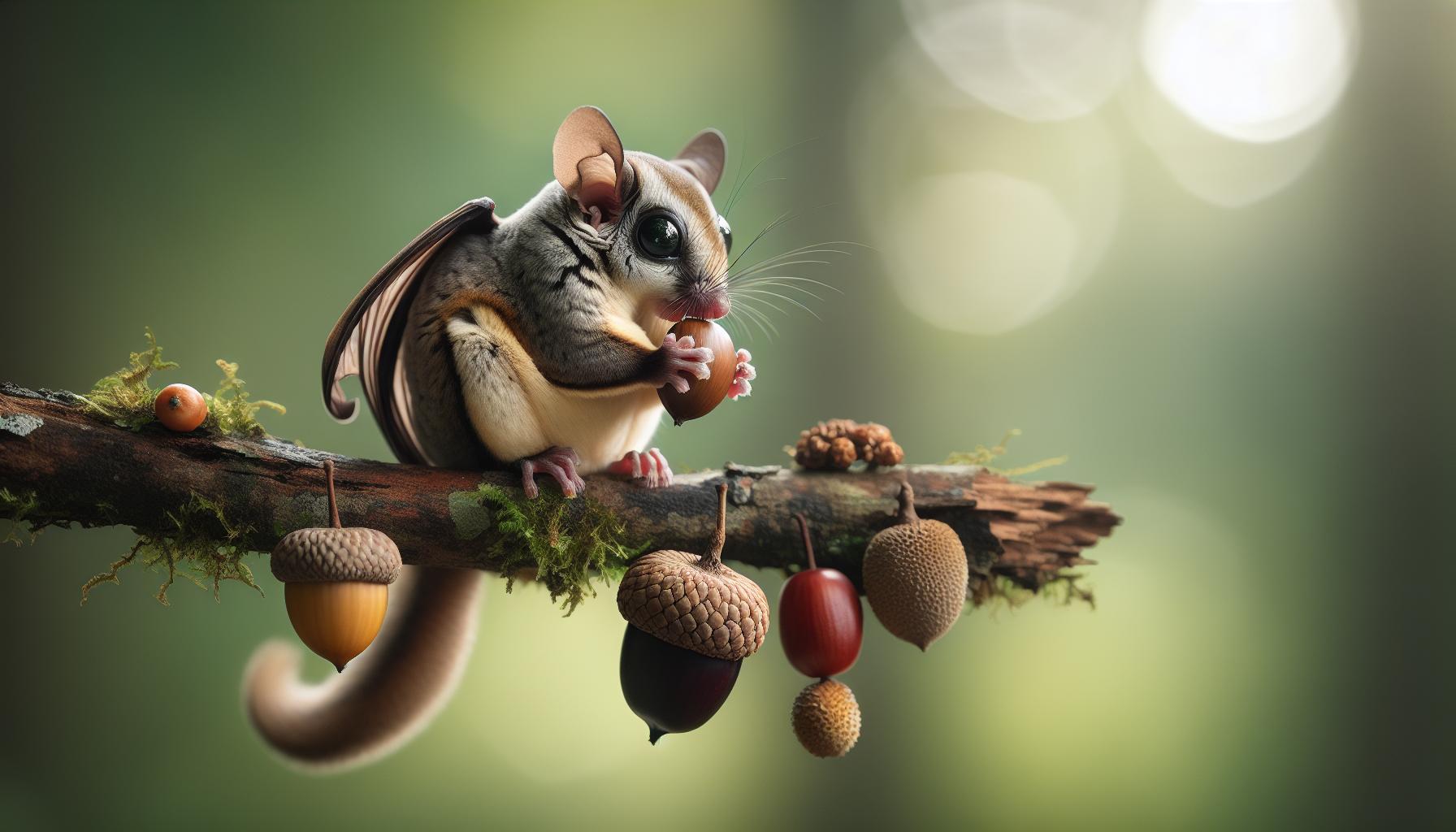
Behavior and Social Structure Explained
Northern Flying Squirrels are social animals with fascinating behaviors that showcase their adaptability and intelligence. Living in small family groups or colonies, these nocturnal creatures thrive on interactions, whether through play, grooming, or communication. They utilize a range of vocalizations-from soft chirps to loud whistles-to convey messages about territory, food availability, or distress. This vocal interaction not only strengthens social bonds but also plays a crucial role in coordinating their activities during the night.
In their natural habitat, these squirrels often establish nests in tree cavities or abandoned woodpecker holes, which they may share with other flying squirrels, particularly during winter months. This communal living provides warmth and safety, helping them conserve energy in colder climates. Within these nests, they enjoy a hierarchical structure, often led by a dominant individual, which can influence access to food and nesting sites.
Their playful nature extends beyond vocal communication; these squirrels engage in acrobatic displays and playful chases. This behavior is not just amusing to observe but serves essential functions such as strengthening social ties and honing their gliding and climbing skills. The playful antics of young flying squirrels can often be seen as they practice their gliding abilities while navigating through tree branches.
Overall, understanding the behavior and social structure of Northern Flying Squirrels offers valuable insight into their role in the ecosystem. By aiding in seed dispersal and contributing to forest health, these charming animals are integral to their environment. For those interested in attracting them to their backyards, providing nesting boxes or leaving hollow trees can create a welcoming habitat, encouraging these fascinating creatures to thrive nearby.
Reproduction and Life Cycle of Northern Flying Squirrels
Northern Flying Squirrels have a unique and fascinating reproductive cycle that is closely tied to the seasons and the availability of resources in their environments. These squirrels typically breed once or twice a year, with the primary breeding season occurring in late winter to early spring, around February to April. This timing ensures that the young are born when food sources, like tree buds and insects, are becoming more abundant in the warmer months, providing essential nutrition for both mothers and their offspring.
After a gestation period of about 40 to 45 days, female Northern Flying Squirrels give birth to a litter ranging from one to four young, commonly referred to as kits. The kits are born blind and hairless, relying completely on their mother for warmth and nutrition. Nesting in cozy cavities within trees-often the same ones they occupy year-round-the mother provides a safe haven for her young. As the kits grow, they undergo significant developmental milestones; by about eight weeks old, they start to emerge from the nest, learning to glide and explore under the watchful eye of their mother.
During the early weeks of life, the mother is attentive and protective, nursing her kits and gradually starting to introduce them to solid foods. As the kits gain independence, they remain with their mother for several months, during which they learn crucial survival skills, including how to find food and navigate through trees. This extended family bonding is key for their survival, as young squirrels benefit from learning the ins and outs of their habitat.
Once they reach maturity, around ten months to a year old, these young flying squirrels are ready to disperse. However, they often stay close to their maternal home range, which fosters a communal living situation where siblings may interact and share resources. This social structure enhances their chances of survival and allows for genetic diversity as they eventually seek mates of their own. Understanding this reproductive cycle highlights the importance of suitable habitats and food availability, enabling conservation efforts to focus on the needs of these remarkable creatures as they navigate their life stages.
Conservation Status: Are They Endangered?
The plight of the Northern Flying Squirrel is both intriguing and concerning. These charming creatures, with their ability to glide silently through the trees, have faced various challenges that threaten their survival. While they are not currently classified as endangered, their populations are declining in certain areas, primarily due to habitat loss and fragmentation. Urban development, logging, and agricultural expansion have significantly reduced the mature forests they rely on. Since Northern Flying Squirrels depend on old-growth trees for nesting and shelter, these changes are detrimental to their existence.
Conservation efforts have become increasingly important as more become aware of their plight. Maintaining healthy forest ecosystems is crucial, not just for the flying squirrels, but for the biodiversity of the entire environment. Organizations focused on wildlife conservation advocate for the protection of their habitats and promote reforestation efforts. Local communities also play a vital role; creating wildlife corridors and preserving wooded areas can help mitigate the effects of urban sprawl.
For nature lovers and wildlife enthusiasts, there are proactive steps that can foster a supportive environment for these cute critters. Here are a few suggestions to help make a difference:
- Plant native trees: Encourage the growth of hardwood trees that provide food and shelter.
- Avoid pesticides: Chemicals can harm not only flying squirrels but their entire food web.
- Support habitat preservation efforts: Participate in local conservation programs that focus on protecting woodlands.
- Spread awareness: Educating others about the importance of Northern Flying Squirrels can help drive conservation efforts.
By embracing these practices, we can ensure that Northern Flying Squirrels continue to glide through our forests, playing their vital role in the ecosystem. The connection between humans and wildlife is profound; protecting these little gliders not only aids their survival but enriches our natural world as a whole.
Caring for Northern Flying Squirrels in Captivity
can be a rewarding experience, but it requires understanding and commitment to their unique needs. These fascinating creatures, known for their gliding abilities and nocturnal behaviors, thrive best when their environment mimics their natural habitat. A well-structured habitat will keep them healthy and happy, allowing them to exhibit their natural behaviors more freely.
Creating a suitable living space is essential. A large, multi-level cage is ideal, offering plenty of room for exercise and exploration. The enclosure should include platforms, branches, and items to climb and hide in, mimicking the tree canopies they would navigate in the wild. It’s also important to provide nesting boxes made of untreated wood, where they can feel safe and secure. Don’t forget to include some natural foliage and safe materials to chew on, as this contributes to their enrichment and dental health.
Diet plays a crucial role in their care. Northern Flying Squirrels are omnivorous, so a balanced diet should consist of high-quality pellets, fresh fruits, and vegetables, along with nuts and seeds. They particularly enjoy foods rich in calcium, such as broccoli and kale. Just like humans, these squirrels can develop food preferences, so it’s wise to offer a variety of options to see what they enjoy most while ensuring it aligns with their nutritional needs.
Social interaction is another important aspect. While they can live alone, these animals are social creatures that greatly benefit from companionship, either from their human caretakers or other flying squirrels. Spending time interacting with them can enrich their lives, reducing stress and boredom. Gentle handling and playtime allow them to bond with you, but always approach them calmly, respecting their space and comfort levels.
Lastly, staying informed about their health is critical. Regular veterinary check-ups with a vet experienced in exotic animals can help prevent and address any potential health issues early on. Watch for signs of stress or illness, such as changes in appetite or behavior, and act quickly if you notice anything unusual. By ensuring a comfortable habitat, providing a well-rounded diet, facilitating social interactions, and monitoring their health, you’ll set the stage for a happy, thriving life for your Northern Flying Squirrel.
Common Misconceptions About Flying Squirrels
Contrary to popular belief, Northern Flying Squirrels are not the same as typical tree squirrels. While they both belong to the Sciuridae family, these fascinating creatures are quite unique in their behaviors and physical characteristics. For instance, many people think of all squirrels as daytime creatures. In reality, Northern Flying Squirrels are primarily nocturnal, taking to the trees at night when they glide through the air to find food and interact with their social groups. Their ability to glide isn’t merely an impressive party trick; it’s a sophisticated adaptation to their environment, allowing them to evade predators and navigate the dense forests of their habitat.
Another common misconception is regarding their size. Some may assume that because they can glide elegantly from tree to tree, they must be large. However, Northern Flying Squirrels are relatively small, weighing between 4 to 6 ounces and measuring about 10 to 12 inches in length, including their bushy tails. This compact size, paired with their unique patagium (the membrane extending from their wrists to their ankles), allows them to maneuver skillfully through the treetops.
Diet is another area where misunderstandings abound. Many folks think these squirrels are just nut skimmers, but they are actually omnivores with a diverse diet. They feast on fruits, nuts, fungi, and even tree sap, showing adaptability in their eating habits. Their broad taste preferences help them thrive in varying environments, making them important contributors to their ecosystem by aiding in seed dispersal and forest regeneration.
Furthermore, some people incorrectly assume that Northern Flying Squirrels are solitary animals. In truth, they are quite social, often living in family groups or communal nests. These interactions foster strong bonds and help ensure the survival of younger squirrels. Understanding these aspects can enrich our appreciation of these delightful creatures and inform responsible practices for keeping them as pets, should you choose to do so. By dispelling these misconceptions, we can foster a deeper respect for the Northern Flying Squirrel and its role within the ecosystem.
Northern Flying Squirrels in Popular Culture
The charm of Northern Flying Squirrels has captured the imagination of many, appearing in various facets of popular culture. Their unique gliding ability and nocturnal nature have made them subjects of fascination, often depicted in children’s books, documentaries, and even animated films. These delightful creatures, with their big eyes and fluffy tails, serve as symbols of agility and grace, drawing attention to the importance of biodiversity in our ecosystems.
In literature, Northern Flying Squirrels have often been characterized as whimsical and adventurous characters. Stories that feature them typically emphasize their ability to soar through the treetops, which serves as a metaphor for freedom and exploration. Children’s books, in particular, use these traits to inspire curiosity about wildlife and encourage young readers to appreciate nature’s wonders. For example, stories like “A Squirrel’s Tale” may enchant children while imparting ecological lessons about forest habitats.
Documentary programs frequently highlight Northern Flying Squirrels to educate audiences about their behavior and lifestyle. Through captivating footage, viewers witness their incredible gliding techniques, which not only charm the audience but also raise awareness about the species’ ecological roles. Such programs stress the importance of preserving their habitats, reminding viewers that these charming creatures are more than just entertainment; they are vital components of forest ecosystems.
Moreover, the rise of social media has seen Northern Flying Squirrels become internet stars. Viral videos and images showcasing their playful antics and gliding skills invite viewers to engage and share their love for these animals. This online visibility fosters a community of wildlife enthusiasts who advocate for conservation efforts, showing just how impactful a creature can be in promoting environmental stewardship.
Celebrating not only entertains but also informs. By integrating these creatures into stories, documentaries, and social media, we nurture a generation that cares about wildlife and understands the importance of conservation. These delightful animals remind us of the beauty of nature and the need to protect it for future generations.
How to Spot a Northern Flying Squirrel in the Wild
Spotting a Northern Flying Squirrel in the wild can be a thrilling experience, not just because of their rarity and elusive nature, but also due to their enchanting gliding antics. These charming creatures are mostly nocturnal, which makes prime viewing time around dusk and dawn when they are most active. To enhance your chances of encountering these squirrels, it’s essential to know where and how to look for them.
First and foremost, focus your search in areas where they thrive-mature forests with dense tree canopies, especially those dominated by hardwood trees like oaks, maples, and hickories. Northern Flying Squirrels prefer habitats where they can glide from tree to tree, so look for tall trees with ample branches. These squirrels also have a preference for hollow trees, which serve as their nesting sites. Listening for their soft, high-pitched calls can also signal their presence, as these little critters communicate with each other in various tones.
When searching, remain quiet and patient. Use the fading light to your advantage; find a good vantage point such as a nearby hill or an area where the trees are sparse. Bring binoculars to spot them from a distance without disturbing their environment. In colder seasons, snow can help highlight their activities as they glide gracefully through the clear, cold air. Look for signs of their presence, such as gnaw marks on trees, pellets on the ground, or remnants of their favorite snacks, like nuts or mushrooms.
Another exciting way to detect these elusive squirrels is to set up a wildlife camera near likely nesting sites or feeding areas. This method allows you to capture their elusive behavior without human presence, providing a fascinating glimpse into their nightly routines. And when you do finally spot one, take a moment to appreciate their remarkable ability to glide up to 150 feet using their patagium-a flap of skin that extends from their wrists to their ankles-creating a breathtaking display of agility in the forest.
In conclusion, while the Northern Flying Squirrel may be tricky to spot, understanding their habitats, behaviors, and the quiet patience needed to observe them can significantly boost your chances. Whether you’re an experienced wildlife observer or a curious newcomer, the thrill of spotting these nocturnal gliders is well worth the effort. Happy squirrel watching!
The Importance of Northern Flying Squirrels in Ecosystems
Northern Flying Squirrels play a vital role in maintaining the health of forest ecosystems, serving as both prey and seed dispersers. These small, nocturnal mammals are integral to the food web, providing nourishment for various predators, including owls, hawks, and coyotes. Their presence reflects the overall health of the forest environment, as they thrive in mature wooded areas rich in biodiversity and complex structures.
One of the most striking contributions of Northern Flying Squirrels is their role in seed dispersal. As they forage for food, particularly nuts and fruits, they inadvertently scatter seeds throughout their habitat. This behavior aids in forest regeneration, allowing new trees to grow and ensuring the longevity of the ecosystem. For instance, when they stash nuts and forget some of their hiding spots, those seeds may sprout into new plants, contributing to the diversity and density of forest habitats.
Moreover, these squirrels assist in maintaining the tree canopy’s balance. Their unique gliding abilities allow them to traverse vast areas of the forest, helping to connect various food resources to their kind and other wildlife. This mobility plays a crucial role in the survival of younger trees and other vegetation that rely on the dispersal of seeds and nutrients facilitated by the actions of flying squirrels.
In summary, understanding the ecological importance of Northern Flying Squirrels can inspire greater appreciation for their conservation. These delightful creatures not only captivate with their acrobatics but also perform essential functions that enhance the resilience and biodiversity of forest ecosystems. As stewards of the land, individuals can celebrate and protect their habitats, ensuring these vital animals continue to thrive for generations to come.
Tips for Creating a Squirrel-Friendly Habitat
Creating a welcoming environment for Northern Flying Squirrels not only supports their population but also adds charm to your backyard. These clever gliders thrive in mature forests filled with diverse tree species, which makes your garden’s landscape design crucial. Consider incorporating a variety of trees, especially those bearing nuts and fruits, such as oak, hickory, and maple. These trees offer essential food sources while also serving as perfect launch pads for their gliding escapades.
To further enhance their habitat, you can:
- Plant Native Flora: Opt for plants native to your region, as they naturally attract flying squirrels and other wildlife. Native plants often support a better local ecosystem and provide food and shelter.
- Install Nesting Boxes: Create safe spaces for them to nest by installing nesting boxes high in trees. Make sure these boxes have a secure entrance and are placed at least ten feet above the ground to deter predators.
- Provide Natural Shelter: Leave some dead trees or snags in your yard. These provide not only shelter but also a place for them to forage for insects.
- Avoid Pesticides: Keeping your yard chemical-free is crucial. Pesticides can harm these sensitive creatures and the insects they rely on for food.
- Create a Food Station: You can set up a feeding station with seeds, nuts, and fruits to attract flying squirrels. Drainage holes in the feeder ensure that food stays fresh and dry.
Additionally, consider the placement of outdoor lights, as flying squirrels navigate using the moonlight; bright lights can deter them. Keep your garden relatively dark, which makes it a more inviting environment.
Engaging with your surroundings to foster a squirrel-friendly habitat not only promotes ecological balance but also invites one of nature’s most intriguing aerial performers into your life. Witnessing the graceful glide of flying squirrels can be a delightful experience, enriching your appreciation for the wildlife that shares our spaces.
FAQ
Q: What is the scientific name of the Northern Flying Squirrel?
A: The scientific name of the Northern Flying Squirrel is Glaucomys sabrinus. This species belongs to the family Sciuridae and is commonly found across the northern parts of North America, especially in old-growth forests.
Q: How do Northern Flying Squirrels glide?
A: Northern Flying Squirrels glide using a special membrane called the patagium, which stretches from their wrists to their ankles. This membrane allows them to float through the air, covering distances of up to 150 feet while controlling their descent.
Q: Are Northern Flying Squirrels nocturnal?
A: Yes, Northern Flying Squirrels are primarily nocturnal, meaning they are most active at night. This behavior helps them avoid predators and allows them to forage for food when it is cooler and more humid.
Q: What do Northern Flying Squirrels eat?
A: Northern Flying Squirrels have a diverse diet that consists mainly of nuts, fruits, fungi, and tree sap. They play a crucial role in seed dispersal, which helps maintain their forest habitats.
Q: Where can Northern Flying Squirrels be found?
A: Northern Flying Squirrels are typically found in mixed deciduous and coniferous forests of the northern United States and Canada. They prefer areas with large, mature trees for nesting and gliding.
Q: How long do Northern Flying Squirrels live in the wild?
A: In the wild, Northern Flying Squirrels can live up to 6 years, although some may reach up to 10 years under optimal conditions. Their lifespan can be affected by predators and habitat availability.
Q: What threats do Northern Flying Squirrels face?
A: Northern Flying Squirrels face threats from habitat destruction, predation, and climate change. Conservation efforts are critical to maintain their populations and protect their habitats.
Q: How can I attract Northern Flying Squirrels to my backyard?
A: To attract Northern Flying Squirrels, provide a suitable habitat by planting native trees and shrubs that produce nuts and fruits. Additionally, installing nesting boxes can create safe shelters for them. Explore more tips in the “Tips for Creating a Squirrel-Friendly Habitat” section of our article.
Closing Remarks
As we explore the captivating world of the Northern Flying Squirrel, it’s clear that these remarkable creatures offer not only fascinating behaviors and habitats, but also insights into the delicate balance of our ecosystems. If you’re intrigued by their unique lifestyle or have questions about their care and conservation, don’t hesitate to dive deeper into our related articles on squirrel habitats or care tips for exotic pets.
Ready to take the next step? Sign up for our newsletter to stay updated on the latest wildlife profiles and conservation news, and join the conversation by sharing your thoughts in the comments below! By fostering a keen interest in these adorable gliders, we can ensure a brighter future for them and other species alike. Keep exploring, and let your curiosity guide you further into the wonders of wildlife!
Get our latest guides, news, and insights highlighted in your Google Search & AI Overviews.










