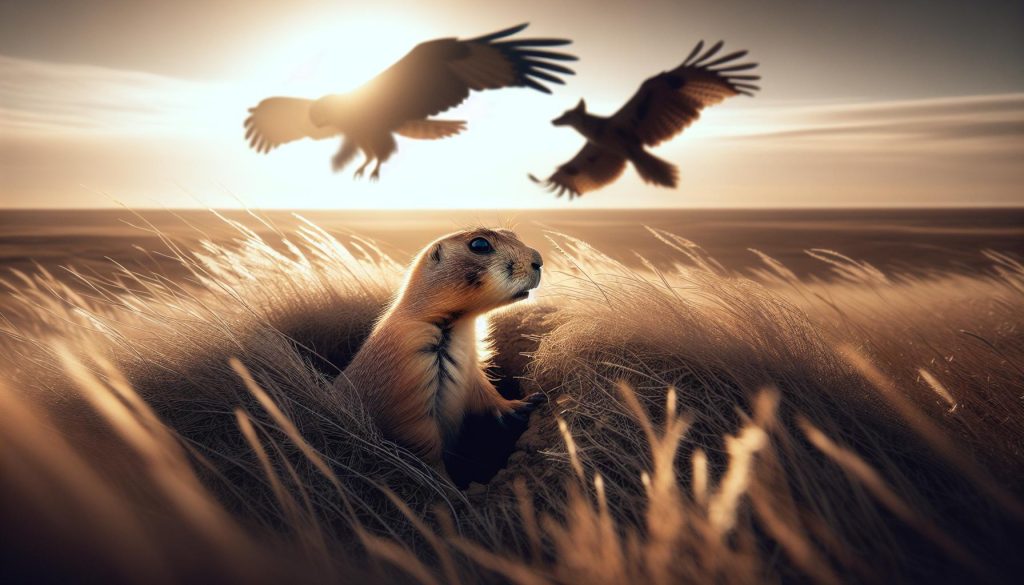
Did you know that prairie dogs are not just adorable, social creatures but also play a crucial role in their ecosystems? As the primary prey for a variety of predators, understanding who hunts these fascinating animals is essential for wildlife enthusiasts and conservationists alike. From aerial hunters like golden eagles to ground predators such as coyotes and badgers, prairie dogs face significant threats throughout their lives. This dynamic relationship highlights the delicate balance of nature and the importance of prairie dogs within their habitat. By delving into the list of prairie dog predators, we can gain insight into the challenges these remarkable animals face and the broader implications for their environment. Join us as we explore the intricate web of life surrounding the black-tailed prairie dog and uncover the various threats that impact their populations.
Understanding Prairie Dog Predators: An Overview
Prairie dogs are fascinating creatures that play a vital role in their ecosystems, but they are not without their challenges. These social animals face a variety of predators that keep their populations in check, ensuring a balanced environment. The array of threats includes both natural and human-induced factors that have significant implications for their survival.
Among the most common predators are coyotes, bobcats, and hawks. Each of these hunters employs different techniques to capture their prey. For instance, coyotes are highly adaptable and can hunt alone or in packs, making them formidable opponents. Birds of prey, such as golden eagles and prairie falcons, often target juvenile prairie dogs, showcasing the diverse strategies that predators use in their hunt. Interestingly, the black-footed ferret, an obligate predator of prairie dogs, is an important part of this dynamic as it heavily relies on them for survival. This relationship exemplifies the interconnectedness of species within the prairie ecosystem, as predators and prey evolve in tandem.
- Coyotes
- Bobcats
- Hawks (e.g., golden eagles, prairie falcons)
- Black-footed ferrets
- Badgers
Key Natural Predators of Prairie Dogs:
While these natural predators maintain ecological balance, human activities present a more severe threat to prairie dog populations. Habitat destruction, urban development, and agricultural expansion have led to significant declines in their colonies. Additionally, misconceptions about prairie dogs often result in negative human interactions, further jeopardizing their numbers. As wildlife enthusiasts, it is essential to recognize the importance of prairie dogs not only as prey but also as ecosystem engineers, creating burrow systems that benefit a host of other species.
Understanding the delicate balance between prairie dogs and their predators gives us insight into the complexities of ecosystem management and conservation. Supporting efforts to protect both prairie dogs and their natural habitats can foster healthier environments for all species involved.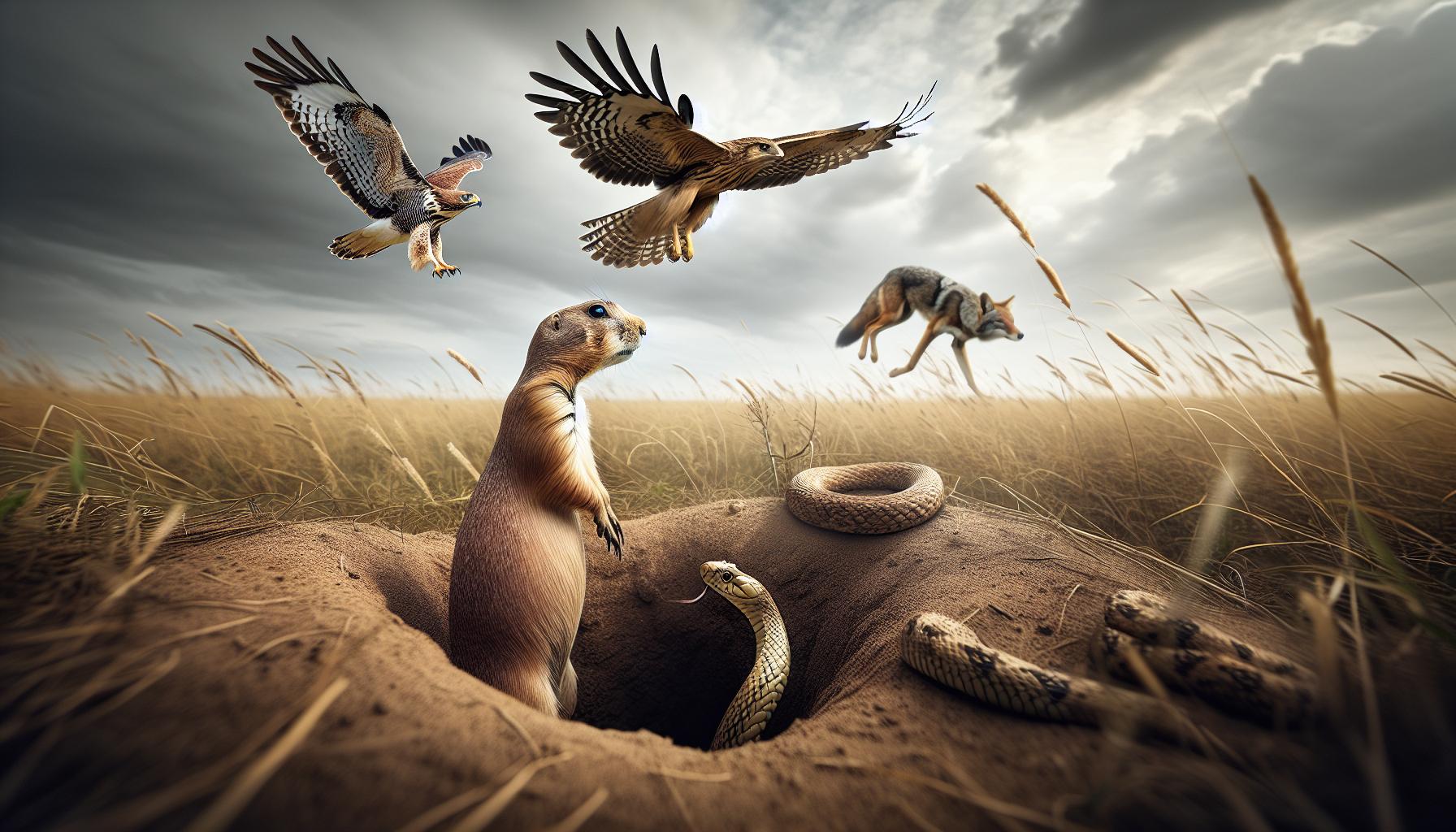
Top Natural Predators of Prairie Dogs
Prairie dogs, the charismatic ground-dwelling rodents of the American Great Plains, are more than just cute little animals; they are essential players in their ecosystems. However, they face a host of natural predators that help regulate their populations and maintain ecological balance. Each predator comes with its unique hunting strategies, showcasing the diverse interactions at play in the prairie ecosystem.
Among the , coyotes are noteworthy. These adaptable canines often hunt in packs, employing teamwork to overwhelm their prey. They can also hunt alone, demonstrating the versatility that makes them effective predators. Another skilled hunter is the bobcat, known for its stealth and agility. Bobcats can ambush prairie dogs from above or stalk them quietly until just the right moment to pounce.
Birds of prey are particularly menacing to younger prairie dogs. Golden eagles and prairie falcons are especially adept at spotting and capturing juvenile prairie dogs from the sky. With their keen eyesight and impressive aerial skills, these raptors can swoop down with breathtaking speed, making them formidable aerial hunters. Adding to this mix, the black-footed ferret, an obligate predator of prairie dogs, finds its primary food source in prairie dog colonies, illustrating a direct dependency between the two species. Lastly, badgers are known to dig into prairie dog burrows, unearthing these social rodents and further contributing to the ecosystem’s predator-prey dynamics.
Understanding the roles of these natural predators illuminates the delicate balance in prairie ecosystems. Predators not only help manage prairie dog populations but also influence other species that rely on prairie dog colonies for habitat and food. By keeping prairie dog numbers in check, predators indirectly support a rich tapestry of biodiversity within these habitats.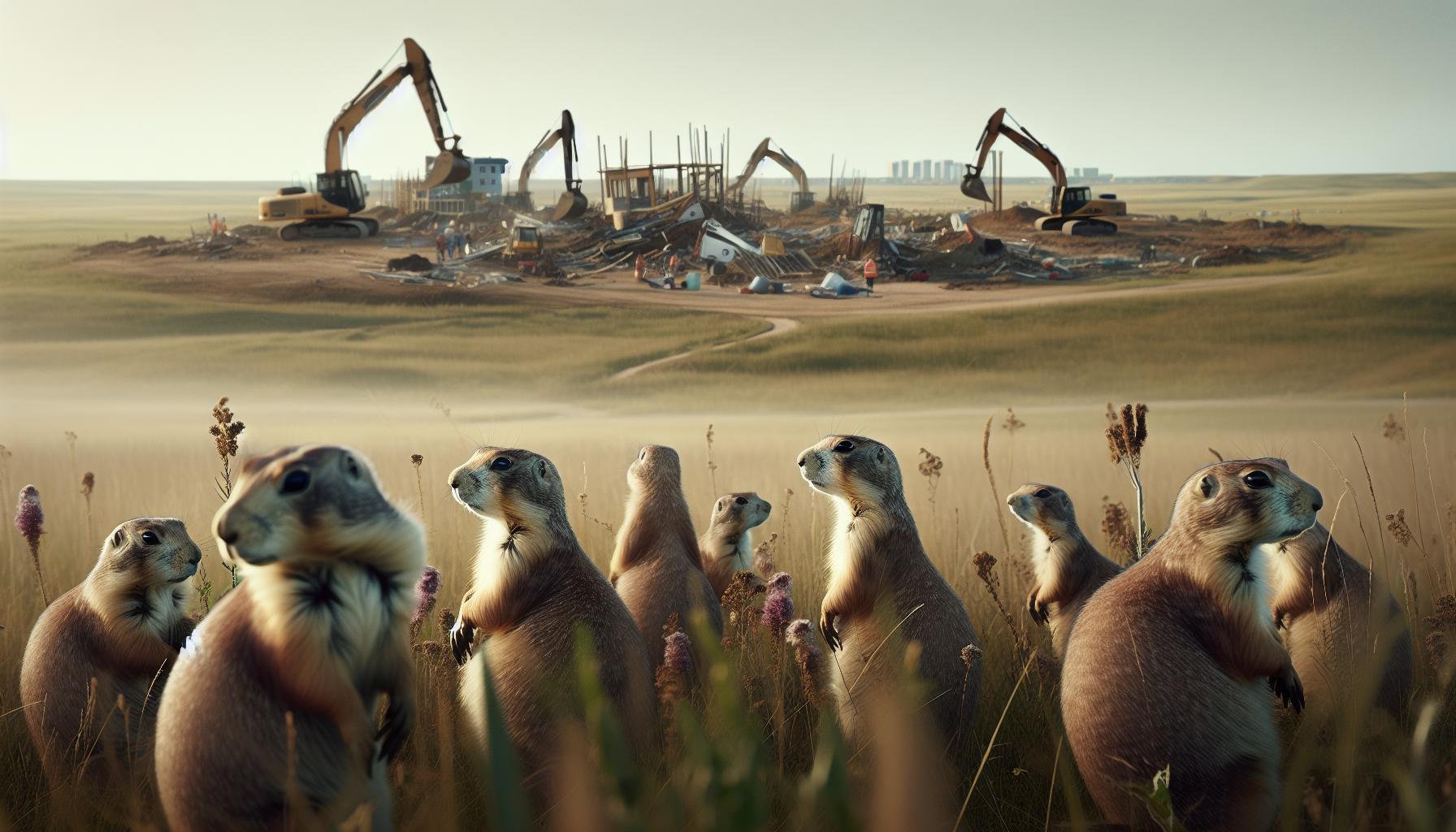
Human Impact: A Major Threat to Prairie Dogs
The impact of human activities on prairie dogs is profound and multifaceted, presenting significant challenges to their survival. Habitat destruction is a leading concern. As agricultural practices expand and urban areas develop, prairie dog colonies are often destroyed or fragmented. This not only reduces their population size but also disrupts the social structures that are essential for their survival. Prairie dogs are highly social animals, relying on their colonies for protection and interaction. When their habitats are compromised, their ability to survive and thrive diminishes considerably.
Another critical factor is the widespread use of pesticides and rodenticides. These chemicals are frequently employed to control prairie dog populations, a method that, while aimed at managing their numbers, poses dire ecological consequences. Not only do these poisons target prairie dogs, but they can also have tragic ripple effects throughout the ecosystem. Predators that feed on poisoned prairie dogs, such as hawks and foxes, can suffer severe repercussions, including death or reproductive issues, which further destabilizes the delicate food web.
Additionally, prairie dogs are often viewed as pests, leading to negative perceptions that can result in harmful attitudes and policies against them. In many areas, landowners and agricultural stakeholders may relocate or exterminate prairie dog colonies. This not only threatens the prairie dogs but also impacts the species that depend on them for survival, like the black-footed ferret. Simply put, the misconception that prairie dogs are a nuisance overlooks their crucial role in maintaining the health of the grassland ecosystem.
Efforts are being made to reconcile human interests with the conservation of prairie dogs. However, it requires a collective commitment to educating communities about the ecological importance of these creatures. By promoting coexistence strategies and sustainable land management, we can help ensure that prairie dogs continue to thrive in their native habitats, supporting a rich array of wildlife in the process. Understanding these dynamics is critical for wildlife enthusiasts and conservation advocates alike, as protecting prairie dogs is not just about saving one species, but about preserving the health of entire ecosystems.
Unconventional Prairie Dog Predators: Who Are They?
While the predators of prairie dogs are often imagined as the typical carnivores roaming the grasslands-like coyotes and hawks-the world of unconventional predators is equally fascinating. Picture this: a fluffy, seemingly harmless house cat, or even the clever prairie dog itself becoming a target in unique scenarios. These unconventional dynamics reveal the complex layers of predator-prey relationships in prairie dog habitats.
Keep an eye out for smaller avian predators beyond the usual suspects. Birds like burrowing owls take advantage of the prairie dog colonies. They not only share their burrows for nesting but may also prey on the young and juvenile prairie dogs, capitalizing on the density of these colonies as a rich food source. Furthermore, even more surprising is the impressive agility of animals like red foxes who, while commonly recognized as predators, can use various strategies such as stealthy ambush tactics to catch unaware prairie dogs.
Another noteworthy mention is the role of human activity, an indirect yet serious threat. Humans sometimes engage in recreational shooting of prairie dogs, which can have sporadic and localized impacts. Also, the presence of domestic pets, especially when not properly contained, introduces a new layer of risk. Dogs that roam freely can easily chase and injure prairie dogs, highlighting the importance of responsible pet ownership in areas where wildlife coexists with humans.
Understanding the full spectrum of prairie dog predators-including these unconventional ones-provides deeper insights into their survival strategies and the delicate balance of their ecosystems. It emphasizes the intricacies of their world, where even the most unexpected creatures can impact their population dynamics. Happy wildlife watching-there’s always more to discover!
Behavioral Adaptations of Prairie Dogs Against Predators
Prairie dogs have evolved a remarkable set of behavioral adaptations to survive in the face of various predators, showcasing their ingenuity and resilience. One of the most notable strategies is their sophisticated alarm system. When a predator is spotted, a sentinel prairie dog stands on its hind legs, emits a specific alarm call, and alerts the entire colony. This vocalization varies depending on the type of threat, allowing fellow prairie dogs to respond appropriately-whether it’s to retreat into their burrows or prepare to flee in a specific direction. This communal vigilance greatly enhances their survival odds, as it ensures that all members of the colony are aware of potential dangers.
In addition to their alert system, prairie dogs utilize an intricate network of underground burrows for safety. These burrows not only serve as homes but also as vital escape routes. When under threat, prairie dogs can quickly retreat to their burrows, which can be several feet deep and connected to a maze of tunnels. This underground refuge protects them from aerial predators like hawks and the ground-based ambush of foxes or coyotes. Inside these burrows, they can remain safe until the danger has passed.
Furthermore, prairie dogs possess a unique behavior called “tunneling,” which involves maintaining and expanding their burrow systems. This constant excavation helps them create multiple escape routes, disorienting predators and providing multiple layers of security. Tunneling also allows them to hide food away from potential threats, creating a safe and sustainable living environment.
To bolster their defenses, prairie dogs often form large colonies, known as “towns,” which can consist of thousands of individuals. The sheer number of prairie dogs in these towns serves as a deterrent to some predators who may find it challenging to target a specific individual amidst the crowd. Finally, prairie dogs frequently engage in social grooming and play behaviors, which not only strengthens social bonds but also keeps them alert and connected to their community.
These adaptations illustrate how prairie dogs have intricately woven their survival strategies into the fabric of their social structure. Their behaviors not only enhance their chances of surviving predation but also highlight the complexity of their interactions within the ecosystem. Understanding these fascinating adaptations allows us to appreciate the significant role prairie dogs play in their habitats while fostering a deeper respect for wildlife conservation efforts.
Ecosystem Role: The Significance of Prairie Dog Predators
The intricate web of life on the prairie relies heavily on the delicate balance of predator and prey interactions, particularly involving prairie dogs and their various predators. Prairie dogs are not just prey; they are pivotal to the ecosystem, creating a dynamic that extends well beyond their own populations. As an essential food source for a variety of predators-including hawks, coyotes, and the endangered black-footed ferret-prairie dogs help sustain these predator populations. In turn, the presence of predators acts as a natural control on prairie dog numbers, preventing overpopulation which could otherwise lead to habitat degradation.
Predators as Ecosystem Engineers
Predators of prairie dogs play a critical role as population regulators. By preying on these rodents, they help maintain a balanced environment. This regulatory function is crucial because prairie dogs are considered ecosytem engineers themselves. Their burrowing activities aerate the soil, facilitate water infiltration, and create habitats for other species like burrowing owls, which depend on abandoned burrows for nesting. This interdependence showcases a fascinating example of how predator-prey dynamics contribute to greater biodiversity.
The health of prairie dog colonies can also reflect the overall health of the prairie ecosystem. Fluctuations in predator populations-due to environmental changes or human impact-can lead to cascading effects. For instance, if predator numbers decline, prairie dog populations may explode, resulting in overgrazing of vegetation and subsequent soil erosion. Conversely, if predator populations are robust, they help keep prairie dog numbers in check, which can promote flora and fauna diversity in the region.
By conserving prairie dog habitats and their natural predators, we support not only these charismatic rodents but also the health of the prairie ecosystem as a whole. This interconnectedness reminds us of the importance of responsible conservation efforts, as losing any element in this balance can disrupt the entire ecosystem. As wildlife enthusiasts and caretakers of the natural world, understanding and respecting these roles fosters greater appreciation for prairie dogs and their predators, emphasizing the need for protective measures and habitat conservation initiatives.
Impacts of Predator Population Changes on Prairie Dogs
The delicate balance of prairie ecosystems hinges significantly on the dynamic between prairie dogs and their predators. When predator populations fluctuate, the impacts on prairie dogs can be profound and far-reaching. For instance, a notable decline in predators such as coyotes and hawks can lead to an unchecked growth in prairie dog colonies. This population explosion can strain the available vegetation, leading to overgrazing. As prairie dogs consume more plant life, the habitat begins to suffer, resulting in soil erosion and diminished biodiversity.
- Overpopulation Consequences: Increased prairie dog numbers can quickly lead to the degradation of their habitat. This not only affects prairie dogs, as they depend on healthy vegetation for survival, but it also harms other species that rely on the same ecosystem.
- Role of Predators: Predators like the black-footed ferret and golden eagle play an essential role in maintaining the balance of these populations. Their presence helps to regulate prairie dog numbers, supporting a healthier ecosystem.
In contrast, when predator populations are robust, they help keep prairie dog numbers in check. Studies have shown that diverse predator communities can encourage prairie dog colonies to occupy less space since there is a higher risk of predation. This can facilitate greater plant recovery and a healthier prairie biome overall, promoting species diversity and a more resilient habitat. As such, maintaining healthy predator populations is crucial not just for the prairie dogs but for the entire ecological community they inhabit.
Implications for Conservation
Understanding the underscores the importance of conservation efforts. Protecting predator species is just as vital as protecting the prairie dogs themselves. Initiatives aimed at preserving the habitats of these top predators can indirectly benefit prairie dogs by ensuring that the natural balance of this ecosystem is maintained. Collaborative conservation efforts that focus on the whole prairie ecosystem, rather than on individual species, can lead to healthier ecosystems that benefit all organisms involved.
In summary, the relationship between prairie dogs and their predators exemplifies the intricate interdependencies within nature. By recognizing and supporting the roles of both prairie dogs and their predators, we can contribute to the preservation of the prairie ecosystem, ensuring its health and vitality for generations to come.
Conservation Efforts to Protect Prairie Dogs and Their Ecosystem
In the vibrant tapestry of prairie ecosystems, prairie dogs play an iconic role, not just as keystone species but as a linchpin for numerous other wildlife. Their extensive burrowing activities create habitats for many creatures, from insects to larger mammals. This interdependence highlights why conservation efforts aimed at protecting prairie dogs and their habitat are crucial-not only for their survival but for the ecological balance of the prairies themselves.
One of the most significant threats to prairie dogs is habitat loss, often due to urban development, agriculture, and land use changes. Organizations such as the Prairie Dog Coalition actively work to empower communities and promote conservation strategies. They engage in habitat restoration projects that enhance the ecological integrity of prairie dog colonies while simultaneously addressing human-wildlife conflict. Initiatives can include land protection strategies, educating the public about the ecological benefits of prairie dogs, and fostering partnerships with local governments and conservation groups to promote habitat preservation.
Vaccination programs against diseases like sylvatic plague are also critical. These efforts not only help sustain prairie dog populations but subsequently support the plethora of species that rely on them, including predators like the black-footed ferret and golden eagle. Regular surveys and research initiatives further inform conservation strategies, ensuring that the efforts undertaken are effective and based on the best available science. Engaging with local communities to foster a sense of stewardship encourages grassroots involvement, which is essential for the longevity of these conservation efforts.
The dynamic between prairie dogs and their predators also underscores the importance of maintaining healthy predator populations. Conservation strategies that protect both prairie dogs and their natural predators can help ensure a balanced ecosystem. By safeguarding habitats that sustain these predators, we can preserve the natural checks and balances that allow prairie dog colonies-and the many species that share their habitat-to thrive. Through collaborative efforts that prioritize a holistic approach to wildlife management, the future of prairie dogs and their remarkable ecosystems can be secured for generations to come.
How Prairie Dog Predators Affect Biodiversity
In the grand scheme of prairie ecosystems, the presence of prairie dog predators serves as a vital cog in maintaining biodiversity. When these predators, such as the black-footed ferret and various birds of prey, thrive, they contribute to a balanced dynamic that not only regulates prairie dog populations but also enhances the diversity of species within their habitat. The fascinating dance between these rodents and their predators creates pathways for a myriad of interactions, all essential for ecological stability.
One of the most crucial aspects of this predator-prey relationship is the way prairie dogs modify their environment, which in turn supports a variety of species. As prairie dogs dig their extensive burrows, they aerate the soil, fostering conditions that allow grass and plants to flourish. Enhanced vegetation supports herbivores, which in turn feed predators like hawks and coyotes. Therefore, the health of both prairie dogs and their predators directly influences other species, illustrating a complex web of interdependence.
Moreover, the fluctuation of predator populations can dramatically impact biodiversity. For instance, if predator numbers decline, it can lead to an overpopulation of prairie dogs. While this might seem beneficial for the prairie dogs, overpopulation can result in habitat degradation due to excessive grazing and burrowing, leading to declines in plant diversity and shifts in the entire ecosystem’s health. Conversely, a healthy predator population helps keep prairie dog numbers in check, which in turn allows for a more balanced and diverse ecosystem.
Conservation efforts that focus on maintaining healthy predator populations are essential. Initiatives that protect not only prairie dog colonies but also the habitats of their predators can create a ripple effect, benefiting species across the entire food web. By recognizing the interconnectedness of these animals, we can better understand the intricacies of their ecosystems and take meaningful steps to preserve them. Ultimately, the protection of prairie dog predators is not just about safeguarding one species; it’s about ensuring the survival of a rich tapestry of life in the prairie landscape.
The Relationship Between Prairie Dogs and Their Predators
Prairie dogs are not just hearty little mammals; they are essential players in their ecosystems, interacting intricately with a variety of predators. This dynamic relationship forms a fascinating web of life that highlights the interconnectedness of prairie ecosystems. Understanding how these relationships work is crucial for conservation efforts and appreciating the balance of nature.
, such as the black-footed ferret, coyotes, and various birds of prey, is a classic example of predator-prey dynamics. These predators rely on prairie dogs as a primary food source. For instance, juvenile prairie dogs are particularly vulnerable and make easy meals for avian hunters like hawks and eagles, which can spot them from high in the sky. Consequently, prairie dogs have developed a keen sense of alertness. They engage in sentry behavior, where specific individuals stand watch while others feed, ensuring that the colony has adequate warnings of impending danger.
Beyond just being a food source, prairie dogs create extensive burrowing networks that benefit other species. Vacant burrows serve as homes for the burrowing owl and the endangered black-footed ferret, showcasing how prairie dogs contribute to the survival of other species. This mutual dependence illustrates a vital aspect of biodiversity-when predators thrive, they help maintain the prairie dog’s population at sustainable levels. In turn, this prevents overgrazing and promotes vegetation growth, which supports a wider variety of wildlife.
Conversely, fluctuations in predator populations can lead to significant ecological changes. A decline in predator numbers often results in an overpopulation of prairie dogs, leading to habitat degradation. Their burrowing activities can create erosion and reduce plant diversity, which, in turn, affects other wildlife reliant on these habitats. Therefore, a balanced predator-prey relationship is essential for maintaining the overall health of the prairie ecosystem. Recognizing and protecting these relationships is key to effective wildlife management and ensuring the survival of both prairie dogs and their predators.
Spotlight on Specific Predator Species: Facts and Fascination
The complex world of prairie dogs is filled with fascinating predator-prey dynamics, notably with specific species playing key roles in this ecosystem. Take the black-footed ferret, for instance. Known as a skilled hunter, this critter has evolved to depend almost exclusively on prairie dogs for its diet. These ferrets are not just charismatic; they are vital for controlling prairie dog populations, ensuring they don’t overgraze their habitats. This relationship is so unique that the ferret is considered an “obligate predator” of prairie dogs, highlighting the special bond between these two species.
Another prominent predator of prairie dogs is the coyote, an adaptable canine that thrives across various terrains. Coyotes are opportunistic hunters and have a keen ability to coordinate hunts, often using clever tactics to outsmart prairie dog colonies. In contrast, larger predators like golden eagles and prairie falcons rely on their impressive eyesight to spot juvenile prairie dogs from great heights. These birds of prey are agile and swift, swooping down to snatch unsuspecting pups while they play or feed outside their burrows. This aerial threat is a constant concern for prairie dog colonies, driving them to enhance their vigilance through behaviors like sentry duty.
Prairie dogs also contend with badgers, which dig with powerful forelimbs to reach their tunnels. This specialized predator thrives on the element of surprise, making it a formidable threat. Yet, despite the dangers posed by these and other predators, prairie dogs are essential to maintaining a healthy prairie ecosystem. Their burrowing activities not only provide homes for various species, such as the burrowing owl, but they also help aerate the soil and promote grass growth, benefiting the entire habitat.
This interconnectedness illustrates why understanding the roles of specific predators in prairie dog ecosystems is crucial. Each predator serves as a natural check on prairie dog populations, allowing for a balanced ecosystem where diverse species can flourish. Recognizing the importance of these relationships encourages responsible wildlife management and conservation efforts that are vital for the preservation of both prairie dogs and their predators.
Combatting Rumors: Debunking Myths About Prairie Dog Predators
In the vibrant lives of prairie dogs, misconceptions about their predators often cloud our understanding of these crucial animals. One popular myth is that prairie dogs only face predation from large carnivores like coyotes and badgers. While these predators certainly pose a significant threat, the truth is that prairie dogs have a diverse array of foes, including birds of prey like golden eagles and prairie falcons, which adaptively hunt from the sky, targeting juvenile prairie dogs during their vulnerable moments. This aerial predation is an important part of their natural history, showcasing the dynamic interactions within their habitat.
Another common misconception is the exaggerated fear that predation by species like black-footed ferrets will entirely decimate prairie dog colonies. While it is true that the black-footed ferret is highly specialized and relies almost exclusively on prairie dogs for food, this relationship is a natural part of the ecosystem’s balance. The presence of ferrets can indicate healthy prairie dog populations rather than a threat to their survival. In fact, ferrets control prairie dog populations, preventing overgrazing and encouraging biodiversity within their shared habitat-a relationship that thrives on balance, not extinction.
The Importance of Understanding Predator Dynamics
Properly understanding the role of each predator helps dispel myths and highlights the intricate tapestry of the prairie ecosystem. For instance, many people may think of badgers as some sort of evil villain in the prairie, when, in reality, they contribute to the health of the land by managing prairie dog populations. Overpopulation can lead to habitat degradation, and badgers, along with other predators, serve as a natural check to maintain equilibrium.
Furthermore, readers should be aware of the impact of human activities on these predator-prey dynamics. Habitat destruction and urban development disrupt not only prairie dog colonies but also the populations of their natural predators. Such changes can lead to overpopulation of prairie dogs in some areas, while others may face the loss of predators, skewing the balance and harming the entire ecosystem. The more we understand these relationships, the better equipped we are to support conservation efforts that protect not only prairie dogs but also the predators that depend on them for survival.
By shedding light on these rumors and emphasizing the interconnectedness of species, we promote a more nuanced view of prairie dog ecology. This understanding fosters respect and a desire to preserve the intricate lifestyles that make up the grasslands we love to explore.
Frequently Asked Questions
Q: What are the main predators of prairie dogs?
A: The main predators of prairie dogs include *black-footed ferrets*, *coyotes*, *hawks*, and *eagles*. These predators rely on prairie dogs as a key food source, significantly impacting their populations and behavior in the ecosystem.
Q: How do prairie dogs defend themselves against predators?
A: Prairie dogs use various defense mechanisms, such as *burrowing*, to evade predators. They also exhibit *alarm calls* to warn others in their colony of approaching threats, allowing for quick escape into their underground tunnels.
Q: What role do humans play in the threats to prairie dogs?
A: Humans threaten prairie dogs primarily through *habitat destruction*, which includes urban development and agriculture. Additionally, some management practices, like poisoning, directly reduce prairie dog populations, impacting the entire ecosystem.
Q: Are there any unusual predators of prairie dogs?
A: Yes, *unconventional predators* such as domestic dogs and cats can pose a threat to prairie dog colonies, particularly in urban areas where they may roam free. Additionally, larger raptors can occasionally target adult prairie dogs.
Q: How do changes in predator populations impact prairie dog behavior?
A: Changes in predator populations can influence prairie dog behavior significantly. A decrease in predators may lead to an increase in prairie dog numbers, while an uptick in predator activity can cause prairie dogs to be more vigilant and change their foraging patterns.
Q: Why is the black-footed ferret considered a significant predator of prairie dogs?
A: The *black-footed ferret* is crucial as a predator because it exclusively feeds on prairie dogs, making it vital for controlling their populations. This specialized diet means that the survival of the ferret hinges on the health of prairie dog colonies.
Q: How do prairie dogs contribute to their ecosystem beyond being prey?
A: Prairie dogs play a vital ecological role by creating *habitat* for other species. Their burrows provide shelter for animals like burrowing owls and snakes, while their grazing helps maintain the health of grasslands, promoting biodiversity.
Q: What conservation efforts are in place to protect prairie dogs?
A: Conservation efforts for prairie dogs include habitat preservation, protection from poisoning, and establishing safe areas where they can thrive. Organizations work to educate the public on their significance in the ecosystem and the need for coexistence.
The Way Forward
Understanding prairie dog predators is crucial for appreciating these fascinating creatures and their role in the ecosystem. We’ve explored various threats they face, from snakes to Prairie Falcons, highlighting their adaptive behaviors and social structures. Now that you’re equipped with this knowledge, consider how you can further your understanding of the grasslands and the wildlife that inhabit them.
Dive deeper into the world of prairie dogs by checking out our articles on the social behaviors of prairie dogs and the importance of their burrowing habitats for other species. Don’t forget to sign up for our newsletter for the latest insights into wildlife conservation and fascinating animal facts. Your engagement not only helps us spread awareness but also contributes to the protection of these unique animals. Share your thoughts in the comments below-what surprised you most about prairie dog predators? Let’s continue exploring together!
Get our latest guides, news, and insights highlighted in your Google Search & AI Overviews.