Did you know that prairie dogs are highly social creatures that live in extensive underground colonies? This fascinating species, often mistaken for mere pests, has become a popular choice among exotic pet enthusiasts. However, owning a prairie dog comes with specific legalities that vary across states. In this comprehensive guide, we’ll explore where you can legally own a prairie dog, based on current state regulations. Understanding these laws is crucial not only for responsible pet ownership but also for ensuring the well-being of these lively animals. As you embark on this journey of discovery, you’ll gain valuable insights into the unique care requirements of prairie dogs, their natural behaviors, and the ethical considerations of bringing one into your home. Join us as we navigate the legality map and uncover what it truly means to own a prairie dog in your state!
Where Are Prairie Dogs Legal to Own?
In the U.S., the legality of owning prairie dogs varies significantly by state, making it essential for prospective owners to navigate local laws carefully. Prairie dogs are classified as exotic pets in many regions, and as such, ownership may be restricted or prohibited due to concerns about public health, environmental impact, and conservation. For example, states like California, Georgia, and New York have strict regulations or outright bans on owning prairie dogs. Conversely, states such as Texas and New Mexico have more lenient laws.
It’s critically important to check your state’s specific regulations before considering bringing a prairie dog into your home. Most states require permits, and some mandate that prairie dogs be obtained from licensed breeders. Compliance with local ordinances not only reflects responsible ownership but also ensures the well-being of the animals, as these laws often aim to prevent irresponsible breeding and release into the wild, which can harm local ecosystems.
To help prospective owners, a state-by-state guide can provide clarity on regulations and requirements, such as necessary permits, health certifications, and potential registration with wildlife agencies. Ensuring that you are in compliance with your state’s laws can save you from legal issues and contribute to responsible ownership practices.
Understanding State-Specific Laws and Regulations

In the intricate world of exotic pet ownership, prairie dogs often stand out as fascinating companions. However, anyone considering welcoming one of these charming creatures into their home must first navigate a maze of state-specific laws and regulations. Prairie dogs are categorized as exotic pets in many areas, leading to a patchwork of regulations intended to protect both public health and local ecosystems. For example, states such as California, New York, and Georgia have strict prohibitions on private ownership due to concerns about rabies and environmental impact. On the other hand, states like Texas and New Mexico offer more freedom, allowing for ownership with fewer restrictions.
When contemplating prairie dog ownership, it’s crucial to conduct thorough research into your state’s specific regulations. This can include requirements for permits and documentation, as well as guidelines for sourcing your pet from licensed breeders. Some states may enforce particular health certifications to ensure the animal is free from diseases when sold. For instance, those in states with stricter laws often require ownership to align with conservation efforts, meaning potential owners may need to show compliance with local wildlife agencies.
To simplify this complex landscape, many enthusiasts turn to state-specific guides that outline the legalities governing prairie dog ownership. These resources can be invaluable, as they provide clear information about necessary permits, registrations, and local ordinances. Ignoring these laws can lead to legal issues and, importantly, can compromise the welfare of the animals involved.
Ultimately, understanding your state’s regulations not only ensures compliance but also enhances your ability to provide a safe and enriching environment for your new furry friend. The journey of ownership should begin with informed decision-making, fostering a responsible relationship between you and your prairie dog while contributing to broader conservation efforts.
Essential Care Requirements for Prairie Dog Ownership

Prairie dogs are both beautiful and social creatures that can make fantastic pets if you understand their unique care requirements. These small rodents are known for their charming antics and complex social structures, mirroring their native habits when housed properly. Owning a prairie dog is not just about providing a home; it requires a commitment to meeting their specific needs in terms of space, companionship, and nutrition.
To thrive in captivity, prairie dogs do best when they have an adequate amount of space to dig and explore. An enclosure should be spacious, allowing them to exhibit their natural burrowing behavior without restrictions. A minimum recommended size is a multi-level cage that is at least 4 feet long and 2 feet wide, with plenty of room height-wise to include tunnels and platforms for climbing. Additionally, prairie dogs are highly social animals. It’s advisable to keep them in pairs or groups-preferably of the same species-to prevent loneliness and promote healthy social interactions.
Their diet is another crucial aspect of care. A proper prairie dog diet consists mainly of hay (like timothy or orchard grass), fresh vegetables, and a small amount of pellets specifically formulated for herbivorous rodents. Avoid feeding them sugary treats or processed foods, as these can lead to obesity and related health issues. Fresh water should always be available as hydration is essential for their digestive health.
Regular veterinary care from providers who specialize in exotic pets is vital. Routine check-ups can help spot potential health issues early, such as dental problems or respiratory infections, which prairie dogs can be susceptible to. Owners should also be aware of signs of illness, which can include a change in vocalizations, appetite, or grooming habits, ensuring prompt attention if something seems off.
In summary, caring for a prairie dog involves creating a naturalistic environment, ensuring proper companionship, feeding them a balanced diet, and providing regular veterinary check-ups. By meeting these essential care requirements, you can foster a healthy and enriching life for your prairie dog, which will lead to a rewarding experience for both you and your furry friend.
Exploring the Habitat Needs of Prairie Dogs
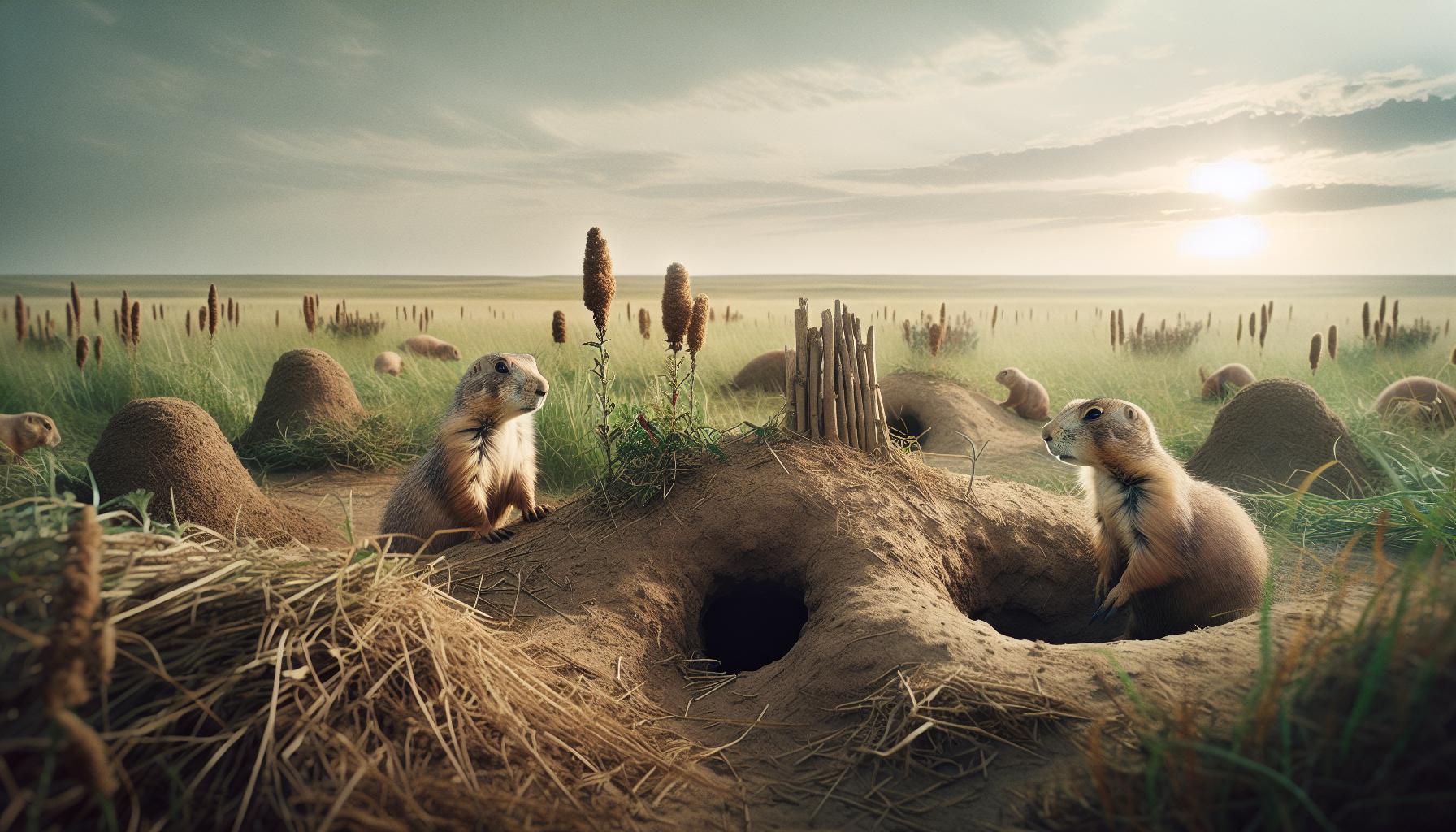
Prairie dogs are fascinating creatures known for their intricate burrowing systems and highly social behavior. In captivity, replicating their natural habitat is essential for their well-being. These small rodents thrive in environments that closely mimic their wild homes, which are sprawling underground complexes filled with tunnels and chambers. Understanding their habitat needs is crucial for any prospective owner looking to provide a supportive living space.
To create an ideal environment, your prairie dog’s enclosure should be spacious enough to allow for exploration and natural behaviors. A minimum size of 4 feet long and 2 feet wide is recommended, but bigger is always better. Enclosures should include multiple levels and various tunnels and platforms that cater to their instinct to dig and burrow. Incorporating materials such as untreated wood, hay, and cardboard boxes can encourage their natural digging instincts and offer mental stimulation.
Social Needs
Prairie dogs are social animals that thrive in groups. Keeping two or more prairie dogs together can significantly enhance their happiness and well-being. Their social structures allow them to exhibit natural behaviors, such as grooming and playing, which are vital for their mental health. If you’re considering adopting prairie dogs, be mindful to introduce them carefully to ensure they can bond and live harmoniously.
Lastly, all prairie dogs need an enriching environment filled with various objects to explore. Providing a variety of hiding spots and climbing structures fosters their curiosity and keeps them engaged. Simple items like tunnels made from PVC pipes or boxes can easily enhance their living area. By focusing on their habitat needs, you will create a comfortable and stimulating home that promotes a happy and healthy life for your prairie dog.
Feeding Your Prairie Dog: Diet and Nutrition Tips

Prairie dogs have a diverse and specialized diet that mirrors their natural foraging behavior in the wild. These sociable rodents primarily feast on grasses, legumes, and seeds, making it crucial for owners to replicate this diet in captivity to ensure optimal health and vitality. By offering a balanced diet, you can help your prairie dog thrive while preventing common health issues related to improper nutrition.
It’s essential to provide your prairie dog with a variety of fresh, high-quality food sources. Hay should be the cornerstone of their diet, particularly timothy hay, which is rich in fiber and essential for their digestive health. Fresh vegetables like carrots, bell peppers, and leafy greens can be given as occasional treats, while commercial prairie dog pellets can offer a balanced nutritional base. Avoid giving too many sugary fruits or starchy vegetables, as these can lead to obesity and other health problems.
When it comes to hydration, always ensure your prairie dog has access to fresh water. This is particularly important, as dehydration can quickly become a serious issue. Consider using a water bottle with a sipper tube to keep the water clean and refillable without making a mess in their enclosure.
Incorporating a few treats can enrich their diet and stimulate their natural foraging instincts. For example, sunflower seeds or pumpkin seeds can be offered sparingly, but it’s best to limit these to prevent overconsumption of fats. Regularly rotating the types of vegetables and treats can keep their diet interesting and provide a range of nutrients.
Here’s a simple table to summarize suitable food options for your prairie dog:
| Food Type | Examples | Frequency |
|---|---|---|
| Hay | Timothy hay | Unlimited |
| Fresh Vegetables | Carrots, bell peppers, leafy greens | Daily (in moderation) |
| Commercial Pellets | Prairie dog specific pellets | Daily |
| Treats | Sunflower seeds, pumpkin seeds | Occasional (limited quantity) |
By following these feeding guidelines, you will not only ensure your prairie dog stays healthy and happy but also enrich their life in captivity. Remember, a varied and nutritious diet is the key to a thriving prairie dog!
Health Concerns: Common Issues and Veterinary Care
Prairie dogs may seem like adorable, playful pets, but potential owners must be aware of the health issues that can arise with these sociable rodents. Like any pet, they require regular veterinary care to ensure their health and longevity. One of the most common health concerns in prairie dogs is dental problems. As herbivores, their teeth continuously grow, and if they don’t wear down properly, they can develop overgrowth, leading to painful abscesses or infections. Regular check-ups with a veterinarian experienced in exotic animals can help catch these issues early.
Another issue to be aware of is respiratory illnesses, which can stem from improper housing conditions or stress. Prairie dogs are sensitive to temperature fluctuations and humidity; therefore, maintaining a stable, clean environment is crucial. Signs of respiratory distress include coughing, nasal discharge, and lethargy. If you notice these symptoms, prompt veterinary attention is essential to prevent more severe complications.
Along with these health issues, prairie dogs can also be susceptible to parasites, such as fleas, ticks, and worms. Regular fecal exams and preventive treatments can help keep your prairie dog healthy. Beyond physical ailments, mental health is also important. Prairie dogs are social animals and require interaction and proper enrichment to thrive. They can exhibit signs of stress when left alone for long periods or kept in inadequate environments, leading to behavioral issues such as excessive biting or fur plucking.
In summary, responsible ownership includes understanding the common health concerns associated with prairie dogs. Regular veterinary check-ups and appropriate environmental conditions are vital for keeping your furry companion healthy and happy. Remember, a well-cared-for prairie dog can make a delightful addition to any conscientious pet owner’s home!
Social Behavior and Interaction Needs of Prairie Dogs
Prairie dogs are fascinating creatures, noted for their complex social structures and lively behavior. These sociable rodents thrive on interaction, making them highly engaging pets for those who understand their needs. If you’re considering a prairie dog as a pet, it’s essential to grasp their natural tendencies to ensure a happy and healthy life for your new companion.
In the wild, prairie dogs live in large colonies and display remarkable social behaviors, including a range of vocalizations to communicate with one another. They engage in various activities such as grooming, playing, and forming family bonds. Their social nature means they do not fare well when isolated; a solitary prairie dog can become stressed, leading to behavioral issues. Thus, it’s often recommended to keep them in pairs or groups to mimic their natural environment and promote social interaction.
Providing enriching experiences is crucial for their well-being. This can include tunnels, toys, and opportunities for climbing. Regular interaction with their human caretakers is equally important. Spending time with your prairie dog-whether through gentle handling, play, or simply being near them-helps to establish a trusting relationship. Your prairie dog will thrive on this attention, showcasing wonderful personality traits and engaging in playful behavior.
It’s also important to note that while prairie dogs can be affectionate, they may exhibit territorial behaviors, especially if they feel threatened. Early socialization can help mitigate these tendencies. By learning about and respecting their social dynamics, you can create a nurturing environment that celebrates the unique character of prairie dogs, enriching both their lives and yours.
Creating the Perfect Living Environment for Prairie Dogs
Creating an optimal living environment for prairie dogs is crucial to their well-being and happiness. These adorable, social creatures are more than just pets; they thrive in environments that closely mimic their natural habitats. The first step in crafting their ideal home is to ensure they have plenty of space. A single prairie dog requires a large enclosure, ideally at least 4 feet by 8 feet, but larger is certainly better. For those who can accommodate it, consider a multi-level habitat, as prairie dogs enjoy burrowing and exploring, which adds an exciting element to their day-to-day lives.
In addition to adequate space, prairie dogs need a substrate that allows for digging. Use materials like aspen shavings or shredded paper as bedding, but avoid cedar or pine shavings, which can be harmful to their respiratory systems. Adding tunnels, hiding spaces, and climbing obstacles can foster their natural behaviors. These critters love to dig, so providing a deep layer of substrate will cater to that instinct; you might even consider a small sandbox filled with sand to dig in-perfect for their excavation fantasies!
Regular social interaction is essential. Keeping prairie dogs in pairs or small groups can greatly enhance their lives. If you’re thinking of keeping one, consider getting two to provide companionship and alleviate boredom. They are very vocal and enjoy communicating with one another, mirroring their social structures from the wild. Moreover, you should ensure that their enclosure is safe and secure from potential predators or escape attempts.
Finally, place their living environment in a quiet area free from excessive noise and disturbances, as this will help reduce stress. Frequent handling and interaction can also help them acclimate to being a pet and will enrich their lives. With a little creativity and understanding, you can create a vibrant and fulfilling space that supports their health and well-being, ultimately leading to a rewarding bond between you and your prairie dog.
The Benefits of Owning a Prairie Dog as a Pet
Owning a prairie dog can be an incredibly rewarding experience for animal lovers. These small, social creatures are not just pets; they offer unique companionship and personality traits that can enrich your life in various ways. For instance, prairie dogs are known for their curious nature and playful behavior. They are interactive animals that thrive on social engagement, making them entertaining companions. With their charming vocalizations and distinctive way of communicating, they can bring a lively atmosphere to your home.
One of the standout benefits of having a prairie dog as a pet is their relatively low maintenance requirements compared to some other exotic pets. They are herbivores and primarily eat hay, fresh vegetables, and fortified pellets, which simplifies their dietary needs. Additionally, their grooming needs are minimal; they primarily require a clean living environment and regular social interaction, which means you can spend more quality time enjoying their company.
Furthermore, prairie dogs can promote a peaceful home environment. Their calm demeanor and social nature encourage relaxation and reduce stress. Observing their antics during playtime can provide a delightful and stress-relieving experience. They also thrive best in pairs or small groups, which not only satisfies their social needs but also creates a vibrant and interactive atmosphere. This communal living situation can offer pet owners a chance to enjoy the dynamics of prairie dog society right at home.
Lastly, owning a prairie dog can foster a deeper appreciation for wildlife and conservation efforts. By providing a safe and loving environment for these animals, pet owners can play a role in their well-being. This responsibility helps raise awareness about habitat preservation and the natural behaviors of prairie dogs, encouraging a broader understanding of wildlife conservation. In sum, the joys of owning a prairie dog extend beyond mere companionship, intertwining with educational opportunities and an enhanced connection to the natural world.
Ethical Considerations in Prairie Dog Ownership
Ethical ownership of prairie dogs extends beyond the practical concerns of habitat, diet, and care; it raises vital questions about the ecological and social implications of bringing these charming creatures into our homes. As social animals, prairie dogs form complex societies in the wild that reflect their sophisticated communication and social behavior. Capturing these animals for private ownership can disrupt natural populations and undermine essential social structures, making it crucial for potential owners to consider the broader impact of their choices.
Successful prairie dog ownership requires commitment to their social needs. These animals thrive in colonies and can suffer from stress if kept alone. Ideally, they should be housed in pairs or small groups to mimic their natural interactions. Owners must also provide an enriching environment that allows them to exhibit their natural behaviors, such as digging and burrowing. Neglecting these needs can lead to an array of behavioral problems, including aggression or self-destructive tendencies.
Furthermore, prospective owners should consider the legality of prairie dog ownership in their state, as regulations can vary significantly. Some states have restrictions or outright bans on private prairie dog ownership, driven by concerns over public health, ecological stability, and conservation efforts. Responsible pet ownership means adhering to local laws and understanding the ethical responsibility that comes with caring for a species that plays a critical role in grassland ecosystems.
In addition to legal and social considerations, aspiring owners should be aware of the health issues that prairie dogs can face, including diseases that may be transmissible to humans. Regular veterinary care and informed decision-making about their health and hygiene are essential. By approaching prairie dog ownership with a deep understanding of their needs and the implications of keeping them as pets, individuals can ensure that their experience enriches both their lives and those of the prairie dogs they care for.
Conservation and Wildlife Impact of Private Ownership
Bringing a prairie dog into your home is not just a decision about pet ownership; it also has significant implications for conservation and wildlife populations. These fascinating creatures are essential to their ecosystems, acting as “ecosystem engineers” in the grasslands they inhabit. Their burrowing activities aerate the soil, promote plant growth, and create habitats for countless other species. Unfortunately, as private ownership of prairie dogs increases, so does the risk of disrupting these delicate ecological balances.
When prairie dogs are often captured for private ownership, it can lead to population declines in the wild. Overharvesting can reduce their numbers, which in turn affects the flora and fauna that rely on them. Their colonies act as a foundation for other wildlife, such as burrowing owls and black-footed ferrets, which depend on prairie dogs for food and shelter. Therefore, it’s vital for prospective owners to contemplate the broader effects of their choices. Supporting local conservation efforts and breeding programs can help mitigate these impacts while still allowing individuals to appreciate the charm of these animals.
Additionally, many states have recognized the potential problems associated with prairie dog ownership and have put regulations in place to protect both the animals and their natural habitats. It is essential for potential owners to thoroughly research their state’s laws, as unauthorized capture can lead to legal consequences and fines. By ensuring responsible ownership-such as adopting prairie dogs from reputable sources rather than capturing them from the wild-owners play a crucial role in preserving these remarkable species and maintaining the ecological integrity of their native ecosystems.
In summary, while the allure of owning a prairie dog can be compelling, it is critical to balance personal desires with awareness of the conservation implications. Making informed and ethical decisions about prairie dog ownership not only benefits the individual but also supports the complex ecosystems these wonderful creatures sustain.
Frequently Asked Questions About Prairie Dog Ownership
If you’re intrigued by the idea of welcoming a prairie dog into your home, you might have a few burning questions about their ownership. These charming rodents, known for their sociable nature and playful antics, can make delightful companions. However, there are various important considerations and state laws you must navigate before bringing one home.
First and foremost, potential owners should be aware that prairie dog ownership is not universally legal across the United States. States such as Nevada and Kentucky allow ownership with little to no regulation, while others, like California, have strict laws against private ownership. It’s imperative to research your specific state’s regulations before considering a prairie dog as a pet. Check with local wildlife authorities or consult a legal resource to ensure compliance, as some regions may require permits or have specific restrictions on breeding and keeping prairie dogs.
Moreover, understanding the care requirements of prairie dogs is crucial. These critters thrive in social environments, so you’re ideally looking at keeping more than one. A pair can keep each other company, which helps mitigate loneliness and boredom. Their diets primarily consist of grasses and other vegetation, so regular access to fresh greens and hay is essential for their health. Regular veterinary care is also necessary, as prairie dogs can suffer from various health issues, including respiratory problems and dental disease. Establishing a good relationship with a vet who understands exotic pets will go a long way in ensuring your prairie dog’s well-being.
Lastly, ethical considerations are paramount in prairie dog ownership. These animals play a significant role in their ecosystems, so capturing them from the wild can disrupt local wildlife. It’s advisable to adopt prairie dogs from reputable breeders or rescue organizations that prioritize environmental stewardship. This way, you can enjoy the companionship of these incredible animals while also doing your part to protect wild populations and their habitats.
Navigating the journey of owning a prairie dog can be an enriching experience, so approach it with care, compassion, and a commitment to responsible stewardship. By being informed and prepared, you’ll help ensure that your prairie dog thrives in your home and contribute positively to the broader ecological scenario.
Q&A
Q: Where can I legally own a prairie dog?
A: Prairie dogs are legal to own in several states, but regulations vary. Generally, they are allowed in states like Utah, Arizona, and Nevada. Be sure to check your specific state regulations, as some areas may have restrictions or require permits for ownership.
Q: What states have restrictions on owning prairie dogs?
A: States like California and New York have restrictions or outright bans on prairie dog ownership. Always verify local laws and regulations before obtaining a prairie dog to ensure compliance with state wildlife laws.
Q: Do I need a permit to own a prairie dog?
A: A permit may be required in certain states or municipalities. Check with your local wildlife agency for detailed regulations concerning prairie dog ownership, including any necessary permits or documentation.
Q: What are the consequences of owning a prairie dog illegally?
A: Owning a prairie dog illegally can lead to fines, confiscation of the animal, and potential legal repercussions. It’s crucial to understand and comply with state laws regarding exotic pet ownership to avoid trouble.
Q: What should I consider before adopting a prairie dog?
A: Before adopting a prairie dog, consider their social needs, habitat requirements, and potential legal restrictions. Research local laws, and ensure you can meet their care and environmental requirements to promote their health and happiness.
Q: How can I find a reputable prairie dog breeder?
A: To find a reputable prairie dog breeder, research breeders that adhere to ethical standards and have positive reputations within the community. Attend exotic pet fairs or consult forums on exotic pet ownership for recommendations.
Q: Are prairie dogs good pets for beginners?
A: Prairie dogs can be rewarding pets, but they require significant commitment and care. They may not be suitable for beginners due to their social and environmental needs, making it essential to thoroughly research their requirements before adopting one.
Q: What should I feed a pet prairie dog?
A: A pet prairie dog’s diet should primarily consist of hay, fresh vegetables, and specially formulated pellets. Avoid feeding them processed human food to maintain their health. Consult a veterinarian familiar with prairie dogs for detailed dietary recommendations.
To Conclude
Understanding where you can own a prairie dog is crucial for responsible pet ownership and enjoyment. Our comprehensive state legality map lays out the exact regulations across the U.S., ensuring you make informed decisions that align with legal requirements. Ready to take the next step? Explore our guides on prairie dog care essentials and their fascinating behavior to become a well-rounded owner.
Don’t forget to check our blog for updates on prairie dog legislation that might affect your plans! If you have questions or want to share your experiences, we encourage you to leave a comment below. Your journey into the world of prairie dog ownership starts here-get involved and dive deeper into this charming species today!
Get our latest guides, news, and insights highlighted in your Google Search & AI Overviews.