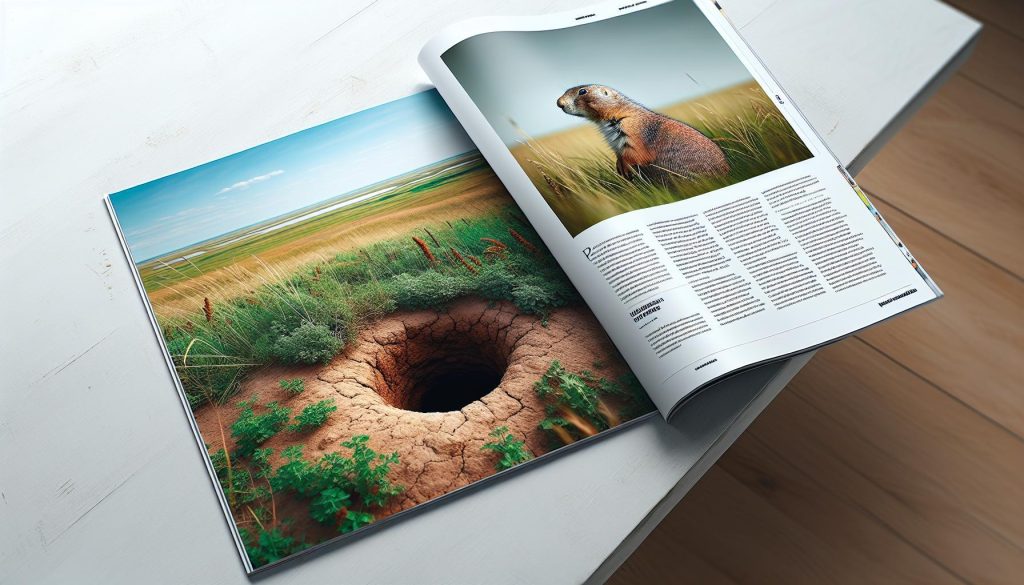
Have you ever wondered what a prairie dog hole looks like? These unique burrow systems are not just fascinating structures; they play a crucial role in prairie ecosystems. A typical prairie dog burrow can be quite extensive, with multiple entrances and intricate tunnels that create a vibrant community for these social animals. As we explore the striking features of prairie dog holes, you’ll gain insight into their purpose, how they impact their surroundings, and why understanding these burrows is important for conservation efforts. Whether you’re a wildlife enthusiast or simply curious about these charismatic critters, this visual guide will illuminate the world beneath your feet and spark your curiosity about prairie dogs and their habitats. Join us as we uncover the secrets of prairie dog holes!
Characteristics of Prairie Dog Holes: A Detailed Overview
Prairie dog holes are fascinating structures that speak volumes about the behavior and lifestyle of these remarkable rodents. These underground homes are typically circular in shape, measuring around 8 to 12 inches in diameter, and vary in depth from 5 to 10 feet. The entrances are often marked by a mound of dirt-known as a spoil pile-that rises several inches above ground level. This mound is not just a by-product of digging; it serves as a lookout point for prairie dogs, allowing them to watch for predators while staying within the safety of their burrow.
Inside these burrows, prairie dogs have created a complex system of tunnels and chambers that can stretch for several feet. These tunnels connect to various chambers, which can serve multiple purposes, including nesting areas, food storage, and even communal social spaces where they gather. The temperature within these burrows is remarkably consistent, providing a refuge from the harsh elements of their grassland habitat.
While prairie dog holes are unique in their design, they differ from the burrows of other rodents such as rabbits or gophers. For instance, rabbit burrows are generally shallower and do not contain the same extensive network of tunnels. In contrast, prairie dog colonies-often referred to as “towns”-can encompass thousands of burrows, forming intricate ecosystems that benefit numerous species.
Understanding the characteristics of prairie dog holes is crucial for appreciating their role in the ecosystem. These burrows not only provide shelter for prairie dogs but also create habitats for other wildlife, including snakes, insects, and birds, all of which utilize the abandoned tunnels and chambers. The unique structure of prairie dog holes underscores the importance of these small mammals in maintaining the ecological balance of their environments.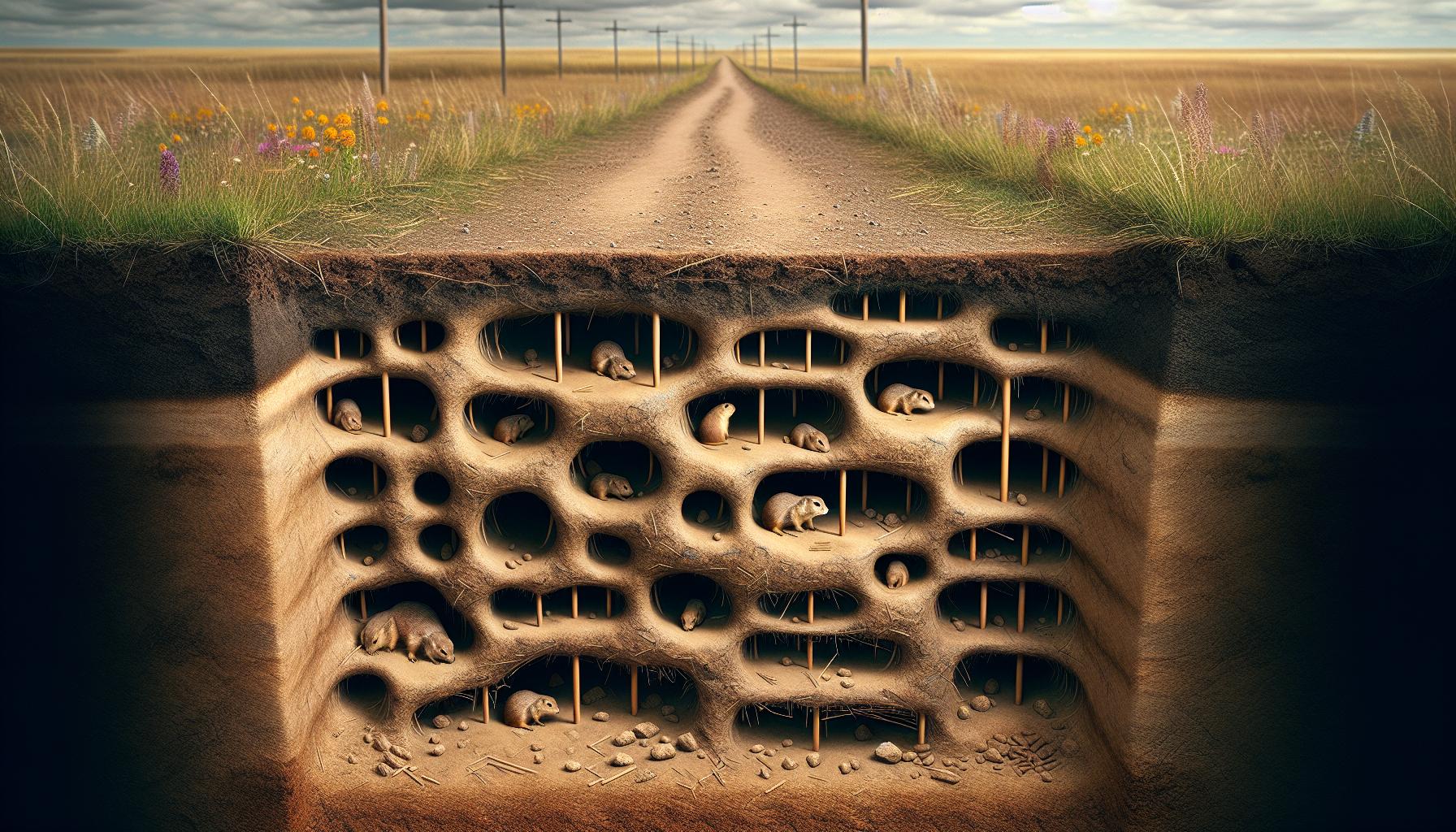
How Prairie Dog Holes Are Constructed: Nature’s Ingenious Design
Prairie dog holes are marvels of nature, showcasing the incredible adaptability and engineering skills of these small but social rodents. The construction of these burrows is not just a matter of necessity; it reflects a complex understanding of their environment and the challenges they face. Starting from the surface, prairie dogs dig out a circular entrance, typically about 8 to 12 inches in diameter, leading into an elaborate network beneath the ground.
What distinguishes prairie dog burrows is their intricate design. Each hole serves not just as a home but as part of a larger societal structure. The tunnels can extend several feet horizontally and vertically, connecting multiple chambers that serve different functions. For example, one chamber might act as a nest where mothers raise their pups, while another serves as a storage area for food. Furthermore, the burrows maintain a stable temperature, providing a refuge from the harsh weather conditions that can prevail in their grassland habitats.
The soil from digging is carefully piled around the entrance, creating what is known as a spoil pile. This mound serves a dual purpose: it provides a vantage point for prairie dogs to watch for potential predators while remaining safe underground. Their keen observations from these heights ensure that they can quickly communicate any signs of danger to their colony using a sophisticated alarm system of chirps and barks, reflecting their social nature.
Understanding how prairie dog holes are constructed allows us to appreciate the role they play in the ecosystem. These burrows not only house the prairie dogs themselves but also provide essential habitats for a variety of other wildlife, including insects and small reptiles that take refuge in the abandoned tunnels. So, the next time you come across a prairie dog hole, remember it’s not just a simple dwelling-it’s a bustling hub of life, showcasing the remarkable interplay between species and their environments.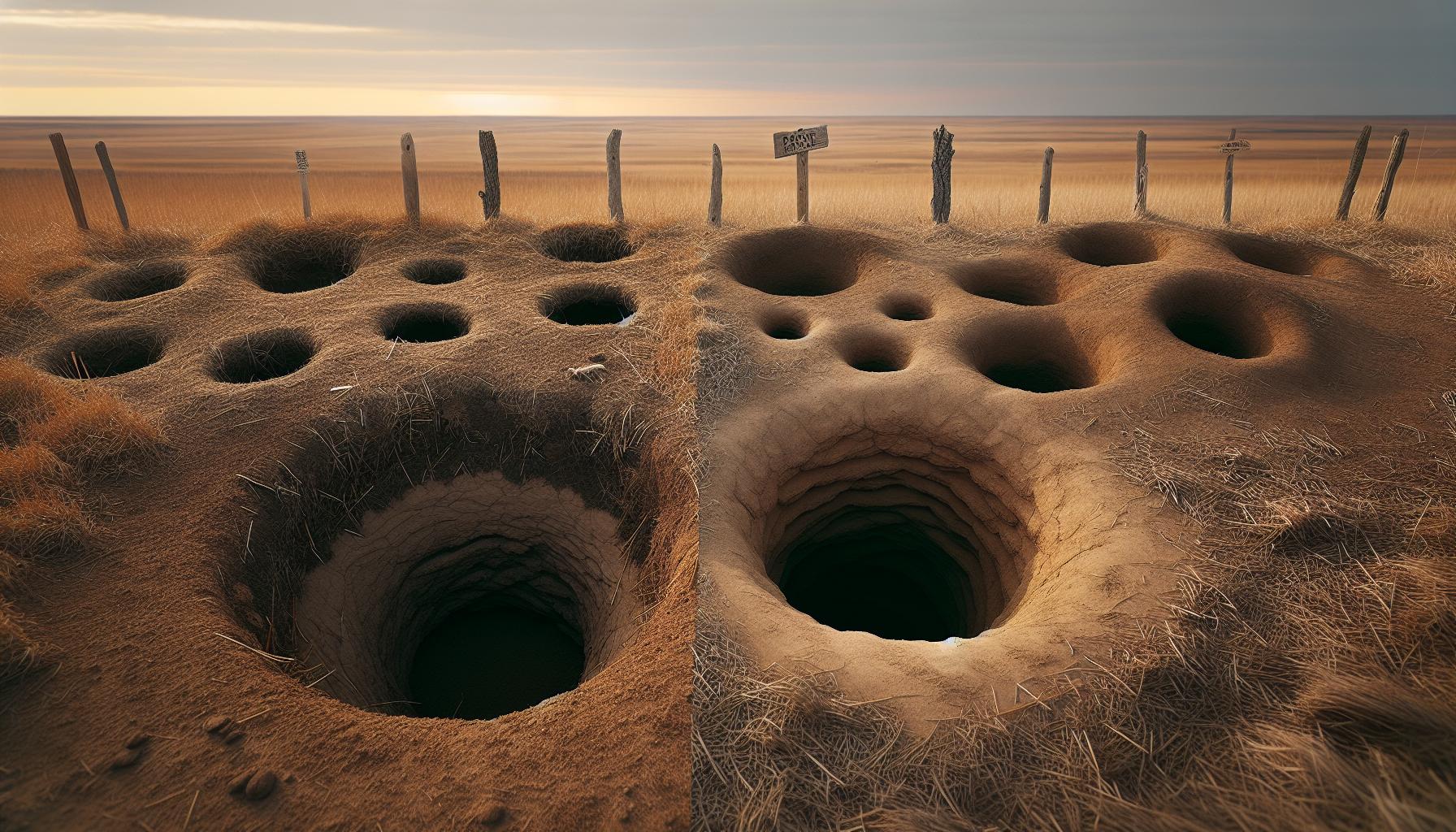
Visual Differences: Prairie Dog Holes vs. Other Burrowing Animals
Prairie dog holes are easily distinguishable from the burrows of other common burrowing animals, thanks to their unique features and structures. When you spot a prairie dog burrow, the first thing to notice is the circular entrance, usually about 8 to 12 inches in diameter. This well-defined opening often features a well-kept spoil pile around the entrance, which consists of freshly excavated soil. Unlike the holes created by moles or rabbits, which tend to be irregular and can vary significantly in size, prairie dog burrows present a more organized structure.
The burrow systems of prairie dogs are extensive and can reach depths of over 5 feet, often containing multiple chambers and interconnected tunnels. These tunnels serve various purposes, such as nesting and food storage, and are characterized by their smooth interior walls, a result of the prairie dogs’ diligent digging. In comparison, groundhog burrows lack the same level of social complexity; they usually contain fewer chambers and have larger entrances that can be up to 12 inches wide, allowing for easy access but less security from predators.
Moreover, the use of spoil piles serves a unique function in prairie dog communities. These mounds offer a lookout point for prairie dogs to survey their surroundings for threats, while also aiding in temperature regulation for the burrow system. On the contrary, other burrowing animals tend to either conceal their entrances or create less pronounced piles, focusing instead on escape rather than surveillance.
In summary, when examining prairie dog holes versus those of other burrowing creatures, the key visual differences lie in the entrance shape, size, spoil pile presence, and the overall complexity of the burrow systems. Identifying these characteristics can enrich your understanding of these fascinating rodents and their role in the ecosystem.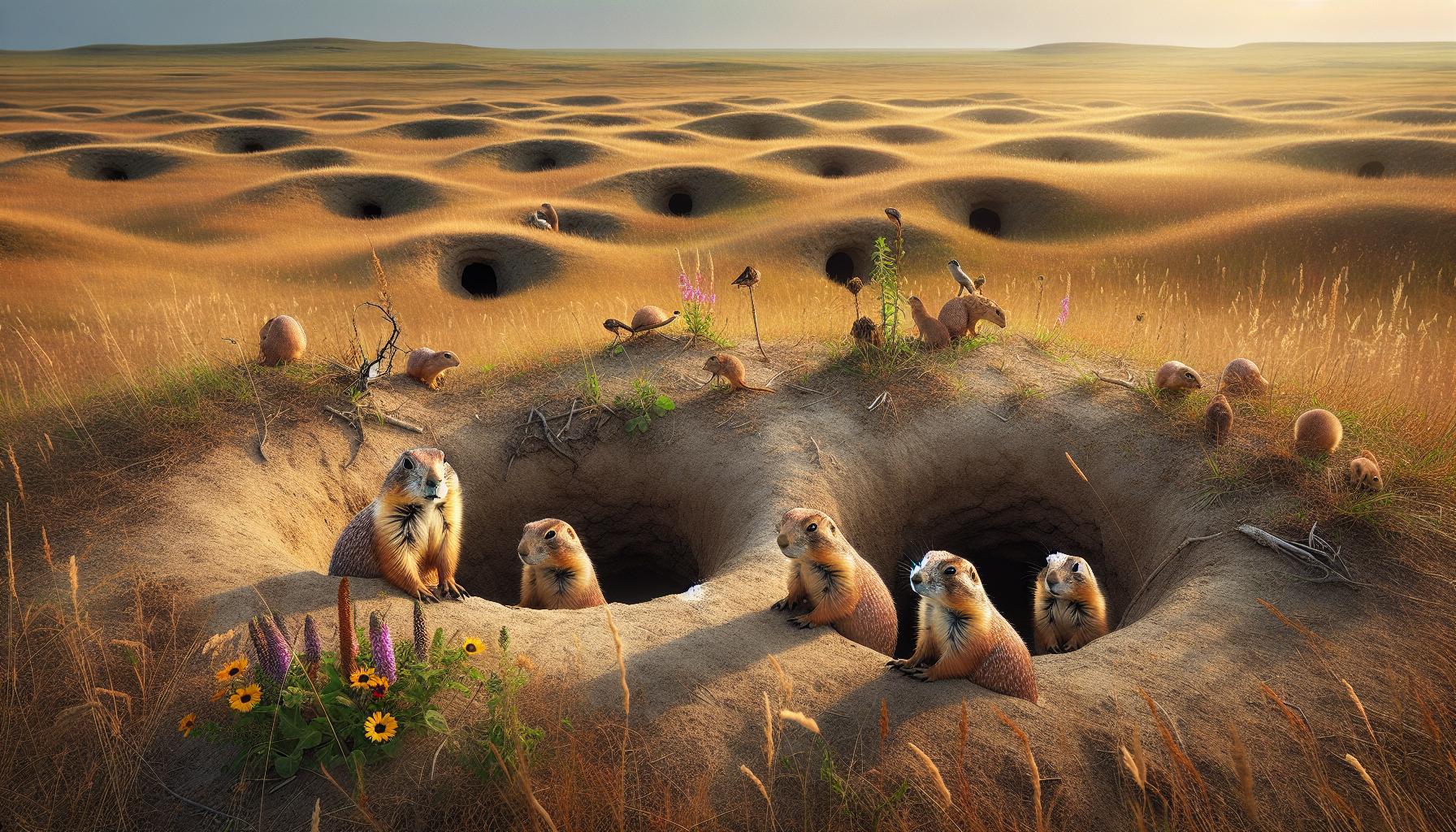
Understanding the Role of Prairie Dog Holes in the Ecosystem
The intricate burrow systems of prairie dogs do more than just serve as homes; they play a vital role in the ecosystem, akin to a bustling urban center for various species. One fascinating fact is that these underground networks create a unique microhabitat that supports a diverse array of wildlife. When prairie dogs dig and maintain their holes, they aerate the soil, enhancing its quality and promoting plant growth. This not only benefits prairie dogs but also various herbivores and insects that rely on healthy vegetation for survival.
Additionally, prairie dog colonies act as a crucial source of food for predators. From the sharp-eyed hawks circling above to swift foxes prowling the ground, many animals depend on the prairie dog populations as a primary food source. By creating such dynamic burrowing networks, these rodents inadvertently support entire food webs, promoting biodiversity in their environments. The structure of prairie dog holes also offers refuge to various species; for instance, burrowing owls often use abandoned burrows as nesting sites.
However, this interconnectedness highlights the importance of prairie dog conservation. When these rodents face threats-such as habitat destruction or disease-the effects ripple through their ecosystem. The loss of prairie dog colonies can lead to a decline in plant diversity and a decrease in the species that depend on these unique burrow systems for food and shelter. By protecting prairie dogs and their habitats, we contribute to the health and resilience of the entire prairie ecosystem.
In summary, prairie dog holes are much more than simple shelters; they are essential components of their habitat that support numerous species and promote ecological balance. Observing these vibrant habitats not only deepens our appreciation for these remarkable creatures but also underlines the importance of preserving their environment for future generations.
Common Myths About Prairie Dog Holes Debunked
Many people have misconceptions about prairie dog holes and their significance. One common myth is that these burrows are simply chaotic and randomly dug tunnels. In reality, prairie dog holes are part of a meticulously planned system. Each colony can have hundreds of entrances, all connected underground, creating an elaborate network that serves specific purposes-such as nesting areas, safe escape routes, and even latrines. This structured approach allows prairie dogs to efficiently manage their environment and evade predators.
Another misunderstanding revolves around the perceived dangers of prairie dog holes. Some believe that these burrows are hazardous for other wildlife or humans. While it’s true that the holes can catch people off guard, especially in open fields, they actually provide critical habitats for a variety of species. For example, burrowing owls often take advantage of abandoned prairie dog burrows for nesting. Therefore, rather than being solely a nuisance, these holes are valuable ecological structures that support biodiversity.
Additionally, prairie dogs are often wrongly seen as destructive to their environments. While their digging can alter the landscape, they also play a beneficial role. Their burrowing aerates the soil, aids in nutrient cycling, and promotes the growth of various grasses and plants. This ensures that not only do prairie dogs thrive, but so do many other species that rely on healthy grasses for food.
Finally, some folks might think that prairie dogs merely dig for food. Although they do dig to find roots, their tunneling is primarily aimed at creating a secure and stable home. The structure of their burrows helps control temperature and moisture levels, which is essential for their survival in harsh climates. Understanding these facets can enhance our appreciation for prairie dogs and underscore the importance of protecting these fascinating creatures and their habitat.
What to Expect When Observing Prairie Dog Habitats
When you venture into the vibrant world of prairie dog habitats, prepare to witness a bustling community alive with activity! Prairie dogs emerge from their intricate burrow systems to greet the day, often standing sentry to spot potential predators. Observing these charismatic rodents can be a delightful experience, offering a window into their fascinating social structures and behaviors.
As you approach a prairie dog colony, you’ll notice the distinctive mounds of soil marking the entrances to their extensive tunnel systems. These mounds not only serve as exit points but also as lookout posts for members of the colony. Each prairie dog takes its turn watching for danger, making these little sentinels a common sight. Keep your distance, though; they are sensitive to intrusion and will quickly retreat into their burrows at the slightest hint of danger.
What to Look For
When observing these lively creatures, consider these features:
- Social Behavior: Prairie dogs are incredibly social animals, residing in colonies that can number in the thousands. Watch how they interact; you’ll see playful wrestling, grooming, and even a sophisticated system of vocalizations that they use to communicate warnings and social bonds.
- Burrow Structures: Each burrow typically features multiple entrances, which serve different functions-some for nesting, others for toilets. The complexity of these burrows supports their social structures and helps maintain community safety.
- Seasonal Changes: The best time to observe prairie dogs is during spring and early summer when they are most active. Their burrows will be teeming with activity as they raise their young and forage for food.
Be respectful and maintain a safe distance to avoid disturbing their natural behaviors. If you’re fortunate, you might even observe some burrowing owls or other wildlife that utilize abandoned prairie dog holes as nesting sites or shelters. These interactions illustrate the interconnectedness of prairie ecosystems, where each species plays a role in a larger community.
Ultimately, spending time observing prairie dog habitats not only unveils the intimate details of their lives but also fosters a deeper appreciation for these unique creatures and their essential role in their ecosystems. Enjoy the experience, knowing you’re witnessing a vital part of the natural world!
The Importance of Prairie Dog Holes for Conservation Efforts
The underground homes of prairie dogs play a vital role in the conservation of grassland ecosystems. Their burrow systems, intricate and extensive, are not just habitats for these small mammals; they serve as crucial infrastructures that support a diverse range of wildlife. For instance, abandoned prairie dog burrows are often repurposed by other animals, such as burrowing owls and foxes, which find safe nesting and shelter spaces within these well-constructed tunnels.
Moreover, the activity of prairie dogs helps maintain the health of grasslands. Their burrowing behavior aerates the soil and promotes water infiltration, which can lead to more robust plant growth. This, in turn, supports herbivorous species that depend on these plants for sustenance. The presence of a prairie dog colony can therefore enhance biodiversity by creating a dynamic environment where various plant and animal species can thrive.
Another significant aspect of conserving prairie dog holes involves the role they play in ecosystem engineering. By digging, prairie dogs help shape the landscape, creating microhabitats that benefit other species. The surface mounds serve as vantage points for predators and as nesting sites for ground-nesting birds. The maintenance of prairie dog populations and their habitats is crucial for sustaining these interdependent relationships in the prairie ecosystem.
To genuinely support conservation efforts related to prairie dogs, it is important for wildlife enthusiasts, land managers, and local communities to engage in habitat protection and restoration initiatives. This could include promoting awareness about the ecological importance of these animals and advocating against practices that harm their populations, such as habitat destruction and poisoning. By preserving prairie dog holes and their surrounding habitat, we contribute to the health of the entire ecosystem, ensuring that both prairie dogs and the diverse species that rely on them continue to flourish.
Photographic Journey: Stunning Images of Prairie Dog Holes
Captivating and intricately designed, prairie dog holes are more than just entrances to underground dwellings; they are a showcase of nature’s engineering. As you observe these remarkable features, you’ll notice not just the entrance but also the carefully constructed mounds of dirt that surround each burrow. These mounds play a critical role in the prairie ecosystem, providing a visual backdrop for stunning wildlife photography and a testament to the cleverness of prairie dog behavior.
Each prairie dog hole typically shows signs of daily activity. You might see fresh clippings of grass by the entrances, a telltale sign that these little herbivores are hard at work. Some burrows have complex networks, sometimes with multiple entrances, which help the prairie dogs evade predators. When capturing images of these burrows, try to take a closer look; you may find the elegant contours of the tunnels or even glimpse the prairie dogs peeking out, curious yet cautious.
Showcasing Prairie Dog Holes
Photographs of prairie dog holes can uniquely illustrate their environmental context. Here are some tips for capturing stunning images:
- Focus on Details: Zoom in on the textures of the soil and the structure of the burrows. The unique formations tell a story of the prairie dog’s life.
- Time of Day: Early mornings or late evenings provide beautiful lighting, casting long shadows and highlighting the entrance of the holes against the open prairie.
- Include Intact Habitats: Frame your shots to showcase the surrounding grasslands. This provides context and emphasizes the ecosystem where these fascinating creatures thrive.
- Patience is Key: Wait for an active shoot for dynamic images. Observe the burrows quietly, giving the prairie dogs time to emerge naturally.
These tips not only enhance your photography skills but also deepen your appreciation for these intricate structures. Documenting prairie dog holes connects you to the broader narrative of grassland conservation, showcasing the vital roles these animals play in their ecosystems. Whether you’re a seasoned photographer or simply a wildlife enthusiast, every snapshot of a prairie dog hole adds value to the understanding and appreciation of this remarkable species and their homes.
Fun Facts About Prairie Dogs and Their Underground Homes
Prairie dog holes are not just simple entrances to their underground homes; they are fascinating hubs of activity and intrigue. Did you know that a single prairie dog can dig a tunnel system that stretches over 30 feet? These intricate networks can include multiple chambers and exits, providing shelter from predators and harsh weather. Each burrow serves as a lively community center where prairie dogs socialize, raise their young, and communicate through a sophisticated repertoire of vocalizations.
These social creatures are known for their warning calls that alert the colony to potential dangers. When a predator approaches, such as a hawk or a coyote, one prairie dog will emit a series of barks that vary in tone and pitch, conveying specific information about the type and proximity of the threat. This vital communication skill illustrates not only their intelligence but also the importance of their burrows as safe havens where they can gather and strategize.
Another amazing aspect of prairie dog holes is their role in promoting biodiversity. The mounds of dirt left outside the entrances provide prime real estate for various plant species and serve as nesting sites for birds. Additionally, these burrowing activities aerate the soil, helping to facilitate water absorption and nutrient cycling in the grasslands they inhabit. By supporting a diverse range of flora and fauna, prairie dogs play a crucial role in their ecosystem’s health and stability.
If you’re thinking about observing these charming creatures, remember that the best time to watch them is during the early morning or late afternoon when they are most active. Bring along a good pair of binoculars to get a closer look without disturbing their natural behaviors. With patience and respect, you’ll be treated to a spectacular view of prairie dog life as they scurry in and out of their expertly crafted homes.
Exploring the Behavior of Prairie Dogs Around Their Burrows
Prairie dogs are not just amusing little critters; they are social architects of their own underground worlds. When observing these fascinating animals, you might find yourself captivated by their playful antics around their burrows. For one, they exhibit a variety of behaviors that illuminate their complex social structures. Living in colonies called “towns,” these rodents engage in social grooming, play fighting, and even cooperative care of their young, demonstrating their tight-knit community bonds.
One standout behavior is the way prairie dogs use their burrows as both refuge and meeting spots. They are often seen emerging from their holes, chirping away and standing sentinel at the entrance. This lookout position allows them to spot potential threats-be it a passing hawk or a curious human. In fact, prairie dogs have a sophisticated alarm system where the more urgent the threat, the faster and more complex their vocalizations become. If a predator is nearby, one prairie dog may even elevate its stance on hind legs to obtain a clearer view of the surroundings, showcasing their proactive approach to safety.
The burrows themselves play a crucial role in their social lives. Each tunnel system can host multiple chambers, including dedicated areas for nesting, sleeping, and even bathroom facilities. These chambers help maintain a stable temperature and protect against elements, ensuring the colony’s health. Moreover, their burrowing activities facilitate soil aeration and promote vegetation growth around their homes, creating a vibrant ecosystem that supports various wildlife.
If you want to observe prairie dogs interacting around their burrows, consider visiting a colony during the early morning or late afternoon, when they are most active. Stay at a safe distance and use binoculars to watch their social interactions without intruding. Patience is key; the longer you watch, the more behaviors you will witness-from playful tumbling to intense guard calls-all against the backdrop of their expertly constructed burrows.
How to Safely Observe Prairie Dogs in the Wild
When venturing out to observe prairie dogs, it’s essential to approach their habitats with care and respect. These social creatures live in colonies known as towns, and their burrows play a vital role in their survival and community structure. For those eager to witness these fascinating animals in action, a few tips can ensure a safe and enriching experience.
To start, timing is crucial. The best moments to observe prairie dogs are during the early morning or late afternoon, as they are most active during these times. Bringing a pair of binoculars can enhance the experience, allowing you to observe their behaviors without disturbing them. Remember, these animals are highly alert; sudden movements or loud noises can startle them, leading to quick retreats into their burrows.
It’s also important to maintain a respectful distance. Approaching too closely can stress prairie dogs, potentially disrupting their social interactions or causing them to flee. As a general rule, keeping at least 50 yards away is advisable. This distance not only ensures the comfort of the prairie dogs but also enhances your chance of observing natural behaviors, such as foraging, social grooming, and vigilance against predators.
When you do observe, look out for the different roles within the colony. Some prairie dogs act as sentinels, watching for potential threats while others engage in playful activities. By staying patient and still, you can witness their vocal communication, an intricate system of sounds that alerts others in the colony to danger or other changes in their environment. This level of engagement with nature provides a unique insight into the lives of prairie dogs while fostering a greater appreciation for wildlife conservation.
In summary, enjoying the company of prairie dogs is all about preparation, patience, and respect. By observing from a safe distance and at the right times, you can enjoy a rewarding experience while contributing to the preservation and understanding of these remarkable creatures in their natural habitats.
Frequently asked questions
Q: What does a typical prairie dog hole look like?
A: A typical prairie dog hole features a circular shape with a diameter of about 3 to 4 inches. The entrance is usually clear of debris, showcasing a neat mound of dirt surrounding it, which is often a sign of their burrowing activity.
Q: How deep are prairie dog holes?
A: Prairie dog holes can extend up to 10 feet deep and contain a complex network of tunnels. These tunnels connect various chambers used for nesting, storage, and even as escape routes, demonstrating their sophisticated social structure.
Q: Why do prairie dogs dig holes?
A: Prairie dogs dig holes primarily for habitat and protection. Their burrows provide shelter from predators, a stable environment, and a place to raise their young. These intricate systems also help in regulating their body temperature.
Q: How can I identify a prairie dog hole?
A: You can identify a prairie dog hole by its distinctive shape, size, and the absence of debris around the entrance. Also, look for mounds of dirt, which are typically evenly piled, indicating ongoing activity and maintenance by the prairie dogs.
Q: Do prairie dog holes have multiple entrances?
A: Yes, prairie dog holes often have multiple entrances, allowing for quick escape from predators and facilitating movement among burrow systems. Each hole connects to a series of tunnels leading to various chambers.
Q: What animals can share habitats with prairie dog holes?
A: Several animals can share habitats with prairie dog holes, including foxes, badgers, and burrowing owls. These species may utilize abandoned burrows for shelter or nesting, highlighting the ecosystem’s interconnectedness.
Q: How do prairie dog holes benefit the environment?
A: Prairie dog holes play a crucial role in the ecosystem by aerating the soil, allowing water and nutrients to penetrate deeper, which benefits surrounding plant life. Their burrows also create habitats for various species, enhancing biodiversity.
Q: Can you see prairie dogs above ground often?
A: Yes, prairie dogs are frequently seen above ground as they prefer to forage and socialize in open areas. They use their burrows primarily for shelter but are most active during daylight hours when they can be observed interacting with other prairie dogs.
For more fascinating insights on prairie dog habitats, check out our section on Understanding the Role of Prairie Dog Holes in the Ecosystem.
In Conclusion
Thank you for exploring our visual guide on what a prairie dog hole looks like! Understanding the intricacies of these fascinating burrows not only enhances your wildlife knowledge but also deepens your appreciation for these social critters. If you’re intrigued by prairie ecosystems, consider diving into our related articles on prairie dog behavior and habitat, or check out tips for wildlife observation.
Don’t miss out! Sign up for our newsletter to get updates on the latest in wildlife guides and conservation efforts. Your journey into the world of prairie dogs is just beginning, and there’s so much more to discover. If you have any questions or want to share your prairie dog adventures, we’d love to hear from you in the comments below. Explore further and expand your wildlife adventures with us!
Get our latest guides, news, and insights highlighted in your Google Search & AI Overviews.