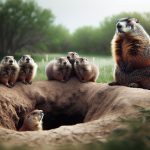
Did you know that prairie dogs play a crucial role in their ecosystem? These social rodents are not just cute and quirky, but they are also important engineers of their environment. By digging extensive burrow systems, they aerate the soil and promote water absorption, ultimately benefiting other plants and animals in their habitat. Understanding the purpose of prairie dogs extends beyond mere curiosity; it highlights their significance as a keystone species, which supports biodiversity and the health of grassland ecosystems. As we delve into their fascinating world, you’ll discover how prairie dogs contribute to soil health, provide habitat for other wildlife, and even impact agricultural practices. Join us as we unravel the essential functions of these remarkable creatures and the lessons we can learn about conservation and coexistence in our natural world.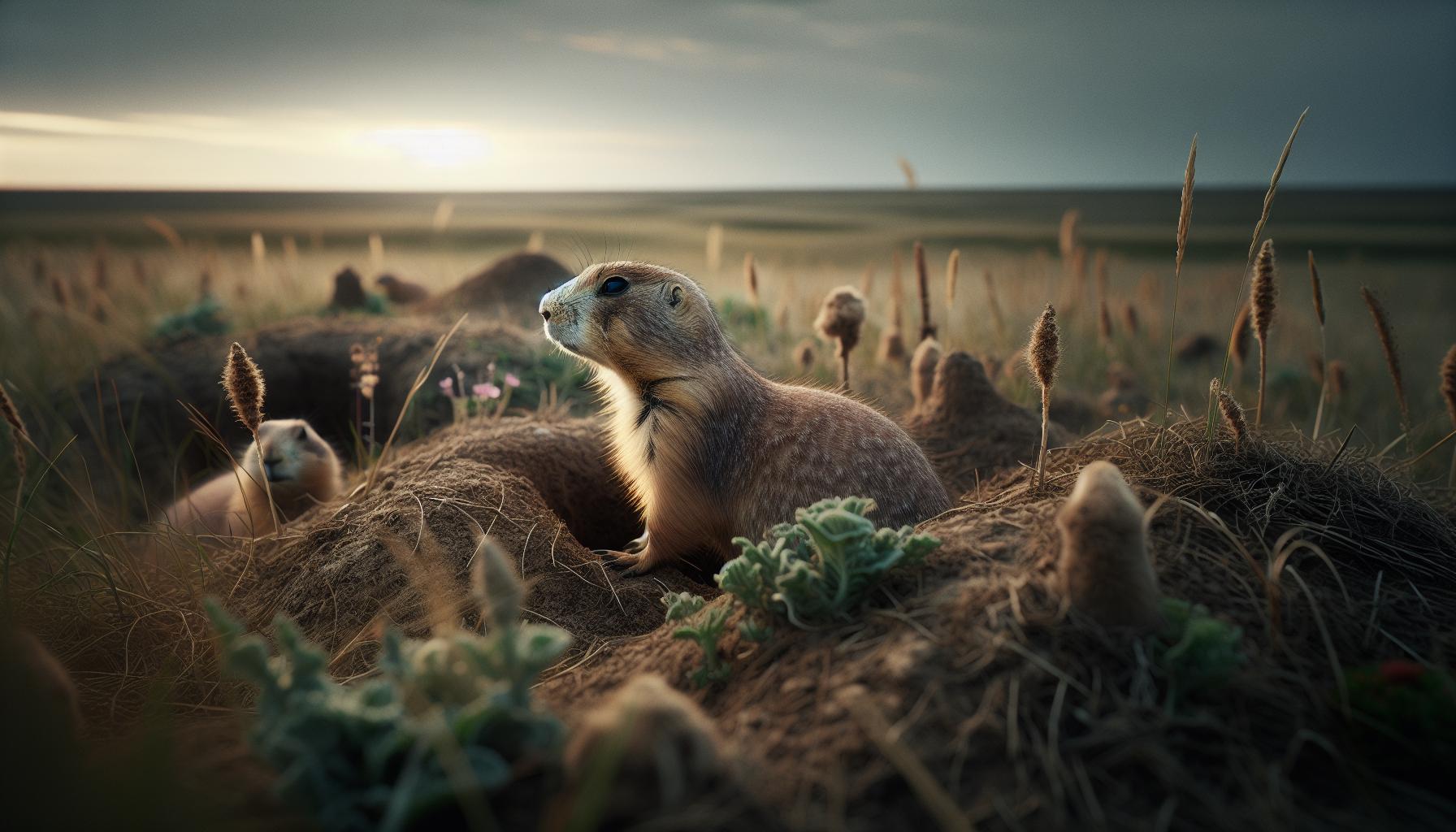
What Do Prairie Dogs Contribute to Ecosystems?
Prairie dogs are fascinating creatures that play a vital role in their ecosystems, often referred to as “ecosystem engineers.” Their burrowing activities help to aerate the soil, which improves its health and can increase the availability of nutrients. This process creates a more hospitable environment for various plant species, fostering greater biodiversity in the area. By maintaining their colonies and creating complex tunnel systems, prairie dogs inadvertently provide habitat and refuge for numerous other animals, including insects, amphibians, and even some reptiles.
Their communal living structures and social behaviors also contribute to the stability of the ecosystem. For example, prairie dogs are vigilant sentinels, alerting their colony to the presence of potential predators. This vigilance and their complex communication reduce predation risk not only for themselves but for various other ground-dwelling animals. Their colonies can even influence local water resources, as their burrowing helps with water infiltration and reduces runoff, ultimately supporting plant life in arid regions.
Additionally, prairie dogs serve as prey for a variety of predators, including eagles, coyotes, and ferrets. This positions them as a crucial component of the food web, linking plant and animal communities together. Their abundance creates a productive environment that fuels a diverse range of wildlife, highlighting their importance beyond their species. In essence, the contribution of prairie dogs to their ecosystem exemplifies the interconnectedness of nature, reminding us of the nuanced roles that even small animals can play in maintaining ecological balance.
The Social Structure of Prairie Dog Colonies
Prairie dogs are more than just adorable, chattering rodents; they exhibit a fascinating social structure that plays a crucial role in the dynamics of their colonies. Living in towns that can stretch across miles, these energetic creatures are known for their complex social interactions and communal behaviors, which help establish both safety and stability within their environment. Unlike many solitary animals, prairie dogs thrive in a highly social system that is vital for their survival.
At the heart of prairie dog society is the family unit, often referred to as a “coterie.” Each coterie typically consists of a dominant male, several females, and their offspring. This social organization facilitates cooperative breeding, where not just the parents but often other relatives may help in caring for the young. Such teamwork significantly enhances the survival rate of the pups. Additionally, the dominant male plays a key role in protecting the territory, defending it against invading animals while also maintaining social structure within the coterie.
Communication is a cornerstone of prairie dog society, with a complex array of vocalizations that convey everything from warning calls to social greetings. When predators-like hawks or coyotes-approach, prairie dogs utilize specific alarm calls that can alert their kin about the type and proximity of the threat. This alert system not only protects the colony but also reflects their collective vigilance and social cohesion.
The construction of their burrows further illustrates their collaborative spirit. Prairie dogs dig extensive underground networks that serve as homes, nurseries, and shelters from predators and harsh weather. These burrows, shared among family members, create a bustling underground city that benefits all species involved. As they burrow, they aerate the soil, positively affecting plant life above ground. By digging and maintaining their habitats, prairie dogs significantly shape the ecosystem in which they thrive, showcasing the impressive interplay between their social structure and environmental impact.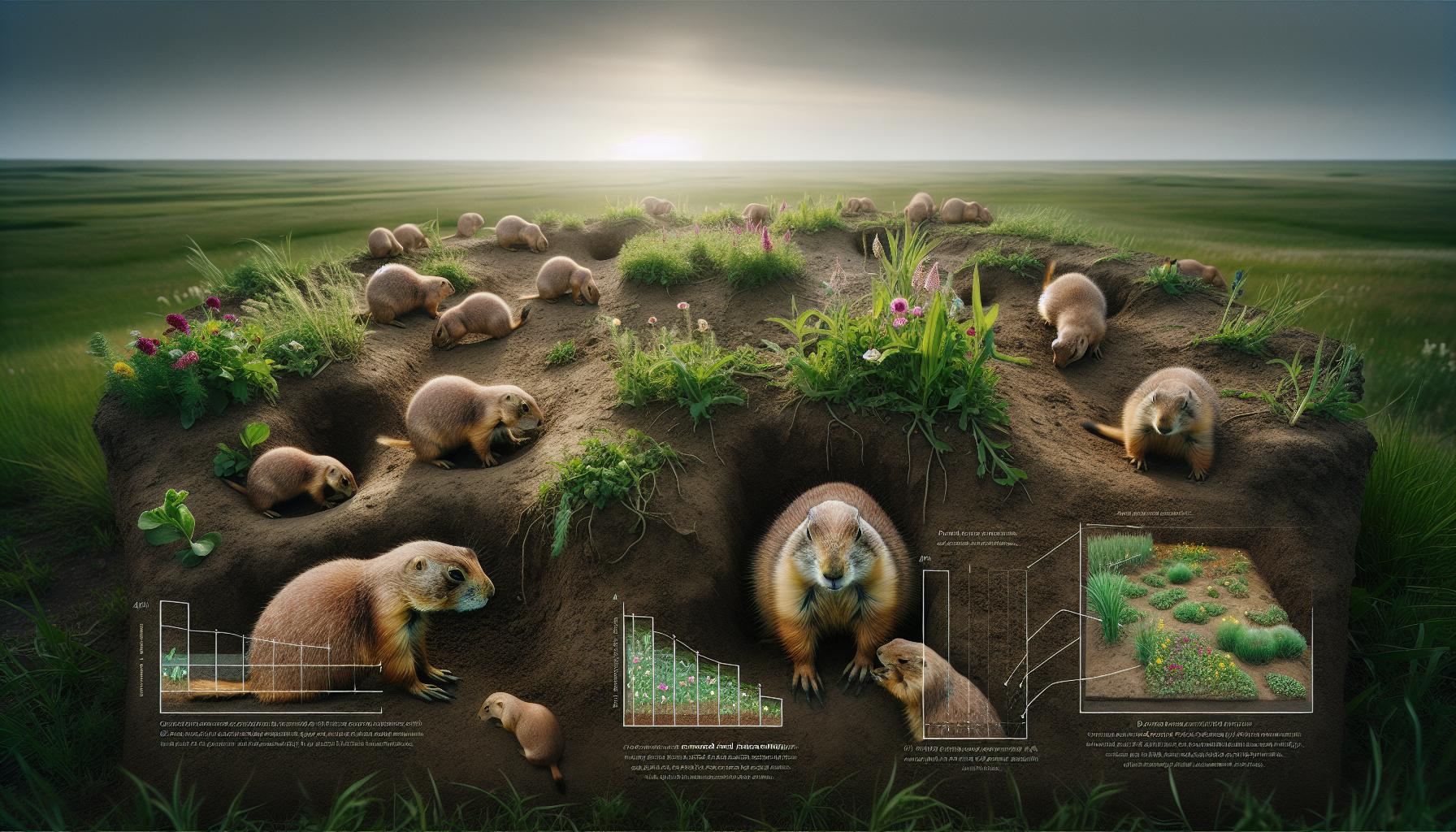
How Prairie Dogs Affect Soil Health and Vegetation
Prairie dogs are more than just charming critters; they play a vital role in shaping their ecosystems, particularly through their interactions with the soil and surrounding vegetation. Their burrowing activities are a remarkable example of how one species can profoundly influence the environment. As they dig extensive networks of tunnels to create their homes, they aerate the soil, which boosts its health and fertility. This essential process allows rainwater to penetrate deeper into the ground, reducing runoff and promoting better water retention. Consequently, healthier soil supports a wider variety of plant species above ground.
Moreover, prairie dogs contribute to vegetation dynamics in their habitats. By feeding on grasses and other plants, they actively manage plant growth. Their grazing behaviors can prevent certain overly aggressive plants from dominating the landscape, allowing for a diverse plant community to flourish. The areas surrounding their colonies often exhibit a unique vegetation structure characterized by a mix of grass species and wildflowers, which benefits other wildlife species that depend on these plants for food and shelter.
Another interesting aspect of prairie dogs’ impact on soil and vegetation is their role in nutrient cycling. When they excrete waste, they enrich the soil with nutrients, which is particularly beneficial for plants. This nutrient input helps maintain a vibrant ecosystem by promoting plant growth, which in turn supports herbivores and their predators. Research has shown that prairie dog colonies often have greater biomass and diversity of plant life compared to areas without prairie dogs, further highlighting their importance as ecosystem engineers.
In a world increasingly aware of ecosystems’ delicate balance, the role of prairie dogs as agents of soil health and vegetation diversity cannot be overstated. Their natural behaviors have far-reaching impacts that extend beyond their colonies, benefiting numerous species and contributing to the overall health and sustainability of grassland ecosystems. Through their diligent work underground and grazing habits above, prairie dogs exemplify how interconnected life can be and underscore the need for conservation efforts to protect these fascinating animals and their habitats.
The Role of Prairie Dogs in Biodiversity
Prairie dogs are often likened to a bustling city of the plains, and for good reason! Their colonies serve not just as homes for these charming rodents but as vital hubs of biodiversity that support a remarkable array of wildlife. By creating complex burrow systems, prairie dogs provide shelter and nesting sites for various species, including the burrowing owl, black-footed ferret, and numerous insects. This interconnectedness illustrates how one species can significantly enhance the biodiversity of an entire ecosystem.
The grazing habits of prairie dogs contribute to plant diversity as well. By feeding on grasses and herbaceous plants, they prevent certain species from becoming overly dominant, creating a balanced plant community. This mix of vegetation not only supports other herbivores, such as pronghorns and deer, but also attracts myriad pollinators, enriching the ecosystem further. The result is a dynamic environment where diverse plant and animal life can thrive, showcasing the prairie dog’s role as an ecosystem engineer.
Moreover, prairie dogs engage in social behaviors that enhance their colonies’ resilience. Their communal living relies on complex communication and cooperative vigilance against predators, which helps maintain healthy population dynamics. This social structure allows them to react quickly to threats, ensuring that the local biodiversity is safeguarded, as a thriving prairie dog population can support the survival of multiple other species that depend on their presence.
In a nutshell, prairie dogs are not just adorable residents of the grasslands; they are crucial players in the web of life, fostering biodiversity through their habits and social structures. As we learn more about their importance, it becomes clear that protecting these remarkable animals is essential for the health of their ecosystems. Exploring these fascinating creatures can open our eyes to the intricate connections that define our natural world.
Predator-Prey Relationships Involving Prairie Dogs
The presence of prairie dogs in their native grassland ecosystems attracts a host of predators, creating a dynamic interplay that underscores their role in the food web. For instance, these small rodents are a staple in the diet of various raptors, including eagles and hawks, as well as terrestrial predators such as coyotes and badgers. This predator-prey relationship is vital, helping to maintain population balances not only within prairie dog colonies but also across the broader ecosystem.
The Ripple Effect on Predator Populations
When prairie dog populations thrive, they provide a reliable food source for predators, which can lead to increases in their numbers. A healthy prairie dog colony can support multiple predators, establishing a balance that helps control the populations of smaller animals and maintains overall biodiversity. For example, studies have shown that regions with abundant prairie dog colonies often see higher populations of species such as the black-footed ferret, which relies almost exclusively on prairie dogs for sustenance.
Moreover, the alarm calls made by prairie dogs when they detect threats serve a dual purpose. These vocal warnings not only alert other prairie dogs to the presence of danger, allowing them to take cover, but they also help inform nearby predators about potential hunting opportunities. This intricate system of communication and behavior emphasizes the interconnectedness of prairie dogs with both their prey and predators.
A Key Component of the Grassland Ecosystem
Beyond their role as prey, prairie dogs contribute to maintaining healthy predator populations, which in turn helps prevent overpopulation of other species that could disrupt the ecological balance. Their burrowing activities create habitats that benefit other wildlife, further broadening the impacts of their existence within the ecosystem. As one of nature’s ecosystem engineers, prairie dogs truly exemplify how a single species can instigate a wide range of ecological interactions, reinforcing their importance in grassland systems.
In essence, prairie dogs represent a crucial link between the various species in the food web, providing sustenance for predators while simultaneously ensuring that their populations do not become too abundant. Understanding these relationships highlights the importance of conserving prairie dog habitats, as their decline could have cascading effects on numerous other species and the health of the ecosystem as a whole.
Influence of Prairie Dogs on Water Resources
The impact of prairie dogs on water resources is an often-overlooked aspect of their ecological role, yet it’s crucial in understanding how these small rodents help shape their environment. With their extensive burrowing activities, prairie dogs create complex networks of tunnels that facilitate water infiltration into the soil. This process enhances the overall hydrology of the ecosystem, allowing rainwater to permeate the ground rather than running off. By loosening the soil, their burrows promote better drainage and reduce erosion, which can lead to healthier grassland habitats.
When prairie dogs dig their homes, they also create small depressions in the land that can hold water after rainfall. These microhabitats can serve as watering spots for various wildlife, from birds to larger mammals. As a result, prairie dog colonies can enhance local moisture levels, supporting not just their populations but also other species that rely on these water sources, especially during dry spells.
Moreover, the vegetation around prairie dog towns often flourishes due to the organic matter produced by their activities. The combined effects of increased soil moisture and nutrient cycling lead to a richer plant community, which further stabilizes the soil and contributes to ecosystem resilience against climate impacts. In areas where prairie dog colonies are present, researchers have observed increased biodiversity, with grasses and forbs more prevalent, providing forage for herbivores and habitat for insects.
In essence, prairie dogs are more than just comical burrowers; they are essential players in maintaining water resources within their ecosystems. Their role enhances plant growth, supports diverse wildlife, and helps sustain the balance of the prairie environment. Understanding and appreciating the contributions of prairie dogs to water resources highlights the importance of their conservation and management, ensuring these ecosystem engineers continue to thrive and support the complex web of life around them.
Prairie Dogs and Their Impact on Other Wildlife
Prairie dogs are often seen as mere burrowing rodents, but they play a crucial role in supporting a diverse array of wildlife. These fascinating creatures create a unique habitat with their extensive burrowing activities, which not only benefit themselves but also offer essential resources for other species in the ecosystem. Prairie dog towns serve as a bustling environment filled with activity and life, acting as a focal point for many animals that depend on this dynamic habitat.
The intricate tunnel systems of prairie dogs create microhabitats that are vital for other wildlife. Birds such as the burrowing owl and the black-footed ferret are just a couple of species that rely on prairie dog colonies for shelter and hunting grounds. The burrowing owls often nest in the abandoned burrows, while ferrets prey on the prairie dogs themselves. This predator-prey relationship showcases the interdependence of species within these communities. Additionally, the disturbed soil and vegetation around prairie dog towns lead to increased biodiversity, attracting other small mammals and numerous insect species, which in turn support birds and larger predators.
Moreover, prairie dog colonies contribute to the overall health of the grassland ecosystem. The omnipresence of their burrows helps to aerate the soil, improving conditions for plant and grass growth. This increase in plant diversity ultimately creates a richer food web. Herbivores such as deer and bison benefit from the enhanced forage that prairie dog towns provide, allowing these larger animals to thrive in areas where prairie dogs are present.
By fostering such a vibrant community of life, prairie dogs exemplify the concept of ecosystem engineers. Their presence enhances the habitat’s complexity and resilience, ensuring that various species can coexist and flourish. Understanding the multifaceted impact prairie dogs have on their surroundings highlights the importance of protecting these playful yet vital members of the ecosystem. Supporting prairie dog conservation not only helps to protect these unique animals but also ensures the continued health of the grassland ecosystem they so profoundly influence.
Conservation Efforts: Protecting Prairie Dog Habitats
Efforts to protect prairie dog habitats are vital for sustaining the grassland ecosystems they help engineer. In addition to being key players in their environments, prairie dogs face numerous threats, including habitat loss, disease, and negative perceptions by ranchers and landowners. Understanding these challenges has led to various conservation initiatives aimed at not only preserving prairie dog colonies but also revitalizing the ecosystems they support.
One significant approach to conservation is through habitat protection. This involves safeguarding existing prairie dog towns and ensuring they are not destroyed for agricultural expansion or urban development. Educational programs aimed at ranchers and landowners can help highlight the benefits of maintaining prairie dog populations, such as improved soil health and increased biodiversity. Collaboration between conservation organizations, government agencies, and local communities can foster sustainable land-use practices that enhance both prairie dog habitats and agricultural productivity.
Additionally, captive breeding and relocation programs can be instrumental in re-establishing prairie dog populations in areas where they have dwindled. These programs focus on genetic diversity, ensuring that new colonies are resilient and able to thrive in their new environments. Public awareness campaigns can also play a crucial role, encouraging individuals to participate in volunteer opportunities or to support organizations dedicated to prairie dog conservation.
Community Involvement
Community involvement is another essential aspect of conservation. Citizens can engage in prairie dog monitoring efforts or participate in local habitat restoration projects. Schools and educational institutions can incorporate prairie dog ecology into their curricula, fostering a sense of stewardship among younger generations. By involving local communities, conservation efforts become more sustainable and impactful, helping individuals appreciate the importance of prairie dogs and their roles in the ecosystem.
Ultimately, protecting prairie dog habitats requires a multi-faceted approach that embraces collaboration, education, and community involvement. Every effort counts in maintaining these critical ecosystems, ensuring that future generations can enjoy the benefits of thriving prairie dog colonies and the diverse wildlife they support. Together, we can help secure a future where prairie dogs continue to play their vital role in the environment, acting as nature’s ecosystem engineers.
Understanding the Challenges Facing Prairie Dog Populations
In the vast grasslands of North America, prairie dogs play a pivotal role in their ecosystems, yet they face numerous challenges that threaten their populations and the ecological balance they help maintain. Did you know that prairie dog colonies can be likened to bustling cities, complete with intricate burrow systems and social structures? However, despite their importance, these remarkable creatures are grappling with significant threats that range from habitat loss to disease.
One of the most pressing challenges prairie dogs face is habitat loss. As urban areas expand and agricultural practices intensify, the land that prairie dogs inhabit is increasingly converted for human use. This not only reduces available space for their colonies but also fragments the ecosystems around them. When prairie dog towns are destroyed, the entire community of flora and fauna that relies on them for survival is put at risk. For example, many species, such as black-footed ferrets, rely on prairie dogs as a primary food source and inhabit their burrows. Without robust prairie dog populations, these predators face decline as well.
Another major threat is the spread of disease. Prairie dogs are particularly susceptible to outbreaks of diseases such as sylvatic plague, which can decimate entire colonies in a very short timeframe. These outbreaks not only affect prairie dog populations but also disrupt the intricate predator-prey dynamics they maintain. Understanding the importance of these colonies is crucial; when prairie dogs are sick or die off, the ripple effect can be felt throughout their ecosystem.
Despite these substantial challenges, there are concerted efforts underway to protect prairie dog populations. Conservation programs aim to create protected areas for prairie dog colonies, ensuring that their habitats remain intact. Educating local communities about the ecological benefits of prairie dogs can foster a more supportive environment for their preservation. Collaborative initiatives, such as involving ranchers in habitat protection strategies, highlight the mutual benefits of maintaining healthy prairie dog populations.
In summary, while the challenges prairie dogs face are significant, ongoing conservation efforts and greater public awareness can lead to effective solutions. By understanding the obstacles these fascinating creatures encounter, we can contribute to preserving not just prairie dogs, but the entire ecosystems that rely on their unique contributions.
Fun Facts About Prairie Dogs: Nature’s Ecosystem Engineers
Did you know that prairie dogs are often referred to as “nature’s ecosystem engineers”? These small, social mammals, found primarily in the grasslands of North America, have an impressive impact on their environment due to their unique behaviors and lifestyles. As they dig extensive burrow systems, they create intricate networks underground that not only serve as their homes but also benefit a wide range of other wildlife.
For instance, prairie dog burrows offer refuge for various species, including burrowing owls, snakes, and the endangered black-footed ferret. The presence of these burrows increases biodiversity in the region, making prairie dog towns vital for sustaining other animal populations. Additionally, their digging activities aerate the soil and promote the growth of diverse vegetation, which enhances the overall health of grassland ecosystems.
Here are some fun facts about these fascinating creatures:
- Social Structure: Prairie dogs live in colonies called “towns,” which can encompass hundreds to thousands of individuals. Their social interactions are complex, involving a variety of vocalizations that communicate danger and other important messages.
- Impact on Soil: Their burrowing helps aerate the soil, improving water infiltration and nutrient distribution, which fosters the growth of grasses and other plants that are crucial for the ecosystem.
- Food Web Role: By being a primary food source for many predators, such as hawks and coyotes, prairie dogs play a key role in local food webs, linking various species within their habitats.
In terms of conservation, recognizing prairie dogs as important ecosystem participants can foster greater appreciation and efforts to protect their habitats. Every small action, from spreading awareness to supporting local conservation initiatives, can contribute significantly to preserving these charming rodents and the rich ecosystems they help sustain.
How You Can Help Support Prairie Dog Conservation
Helping to support prairie dog conservation is crucial not only for these fascinating creatures but also for the broader ecosystems they foster. Engaging in conservation efforts can be as simple as raising awareness in your community or participating in local organizations dedicated to habitat protection. Prairie dogs are often unfairly perceived as pests, yet educating others about their ecological role as “ecosystem engineers” can shift public perception and garner support for their conservation.
One of the most effective ways you can contribute is by volunteering with local wildlife organizations or participating in prairie dog habitat restoration projects. Many initiatives focus on creating or preserving prairie dog towns, which in turn provide essential habitats for various species like the endangered black-footed ferret. By joining efforts to protect these vibrant ecosystems, you’re not only helping prairie dogs but also supporting the entire community of wildlife that relies on their environments.
Another powerful action is to advocate for policies that protect prairie dog habitats. This may include contacting your representatives to support land management practices that benefit these critters and their ecosystems. You can also participate in citizen science projects that monitor prairie dog populations, providing valuable data that can inform conservation strategies. Sharing your experiences through social media can raise awareness and encourage others to take action.
Lastly, consider supporting wildlife-friendly businesses or purchasing products that promote habitat conservation. Many organizations offer programs where a portion of sales goes directly to wildlife conservation efforts. Every small action adds up, and by contributing to prairie dog conservation, you help sustain the intricate web of life in grassland ecosystems, ensuring that future generations can enjoy these remarkable animals and the benefits they provide.
Q&A
markdown
Q: What role do prairie dogs play in soil aeration?
A: Prairie dogs significantly contribute to soil aeration through their burrowing activities. Their tunnels allow air and water to penetrate the ground, improving soil structure and promoting the growth of vegetation. This process helps in maintaining healthy ecosystems by facilitating nutrient cycling and supporting various plant species.

Q: How do prairie dogs impact water conservation in their habitats?
A: Prairie dogs enhance water conservation by creating burrows that help retain moisture in the soil. Their activities can increase infiltration rates, reducing runoff and promoting groundwater recharge. This water retention plays a crucial role in maintaining local ecosystems, especially in arid regions.

Q: Why are prairie dogs considered a keystone species?
A: Prairie dogs are considered a keystone species because their presence supports a wide array of other wildlife. Their colonies provide habitats and food for numerous animals, including hawks, eagles, and foxes. By supporting biodiversity, prairie dogs help maintain a balanced ecosystem.

Q: In what ways do prairie dogs affect the vegetation around them?
A: Prairie dogs influence vegetation dynamics by foraging on grasses and plants, which can promote growth in the surrounding areas due to reduced competition. Their burrowing also disturbs the soil, leading to increased plant diversity and improved growth of native species.

Q: How do prairie dogs contribute to the carbon cycle?
A: Prairie dogs contribute to the carbon cycle through their impact on vegetation and soil health. Healthy grasslands, promoted by prairie dog colonies, sequester carbon. Their burrowing activities enhance soil organic matter, which further contributes to carbon storage in ecosystems.

Q: What challenges do prairie dogs face that impact their ecosystem function?
A: Prairie dogs face several challenges, including habitat loss, disease, and climate change. These issues can significantly reduce their populations, subsequently affecting the ecosystems they support. Conservation efforts are crucial to maintaining both prairie dog colonies and the biodiversity they facilitate.

Q: How do prairie dogs affect other animal species in their environment?
A: Prairie dogs have a profound impact on other wildlife by providing shelter and food. Their burrows serve as homes for many species, including burrowing owls and rattlesnakes. Their presence helps to sustain predator-prey dynamics within the ecosystem, thus maintaining ecological balance.

Q: What conservation efforts are important for protecting prairie dog populations?
A: Conservation efforts such as habitat preservation and public awareness campaigns are essential for protecting prairie dog populations. Initiatives that promote coexistence with agricultural practices and mitigate urban development impacts can help sustain these vital species and the ecosystems they support.
The Way Forward
In conclusion, prairie dogs play a crucial role in their ecosystems, promoting biodiversity and supporting various wildlife species. Understanding their impact not only enriches our appreciation of these fascinating creatures but also underscores the importance of their conservation. If you’re eager to dive deeper into the ecological roles of wildlife, explore our articles on “The Benefits of Biodiversity” and “Conservation Strategies for Grassland Ecosystems.”
Don’t miss out on related insights that can enhance your knowledge and awareness; be sure to check out our resources on responsible wildlife management and habitat preservation. Join our community by subscribing to our newsletter for updates and tips on how you can contribute to wildlife conservation. Share your thoughts or experiences with prairie dogs in the comments below-we’d love to hear from you! Your engagement matters, and together we can make a difference in protecting these vital members of our ecosystem.
Get our latest guides, news, and insights highlighted in your Google Search & AI Overviews.